The best road cycling routes around Castel Ritaldi
4.7
(49)
2,146
riders
96
rides
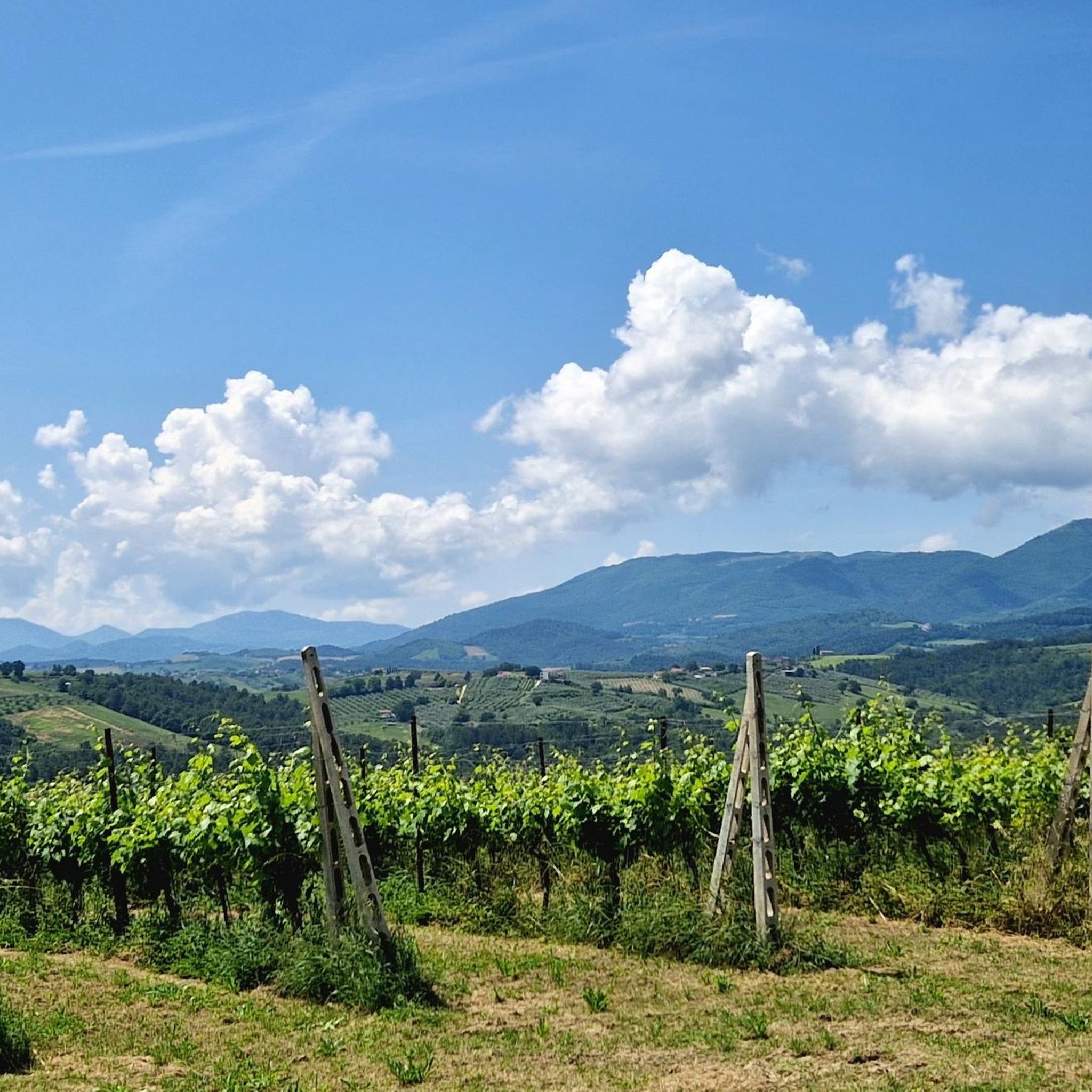
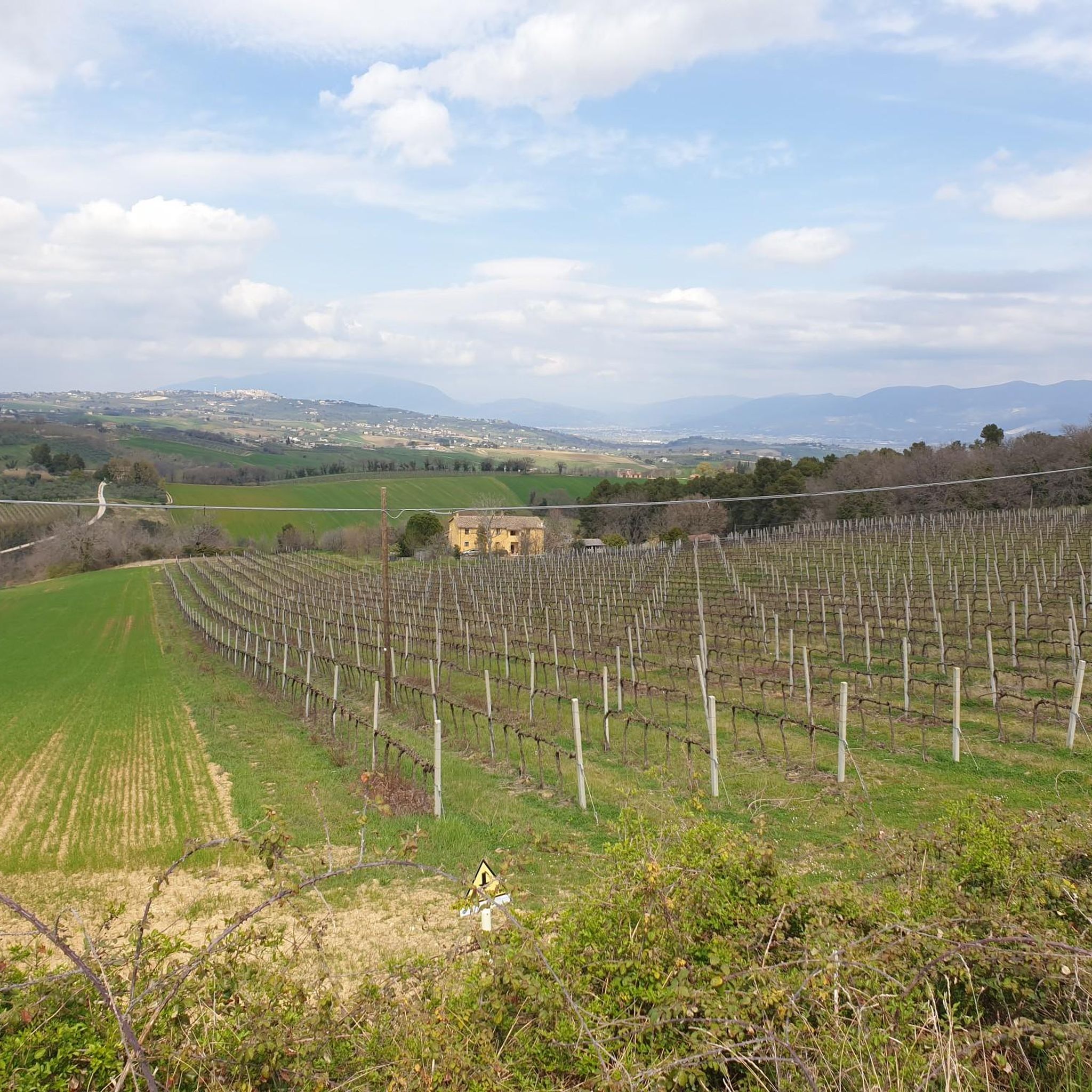
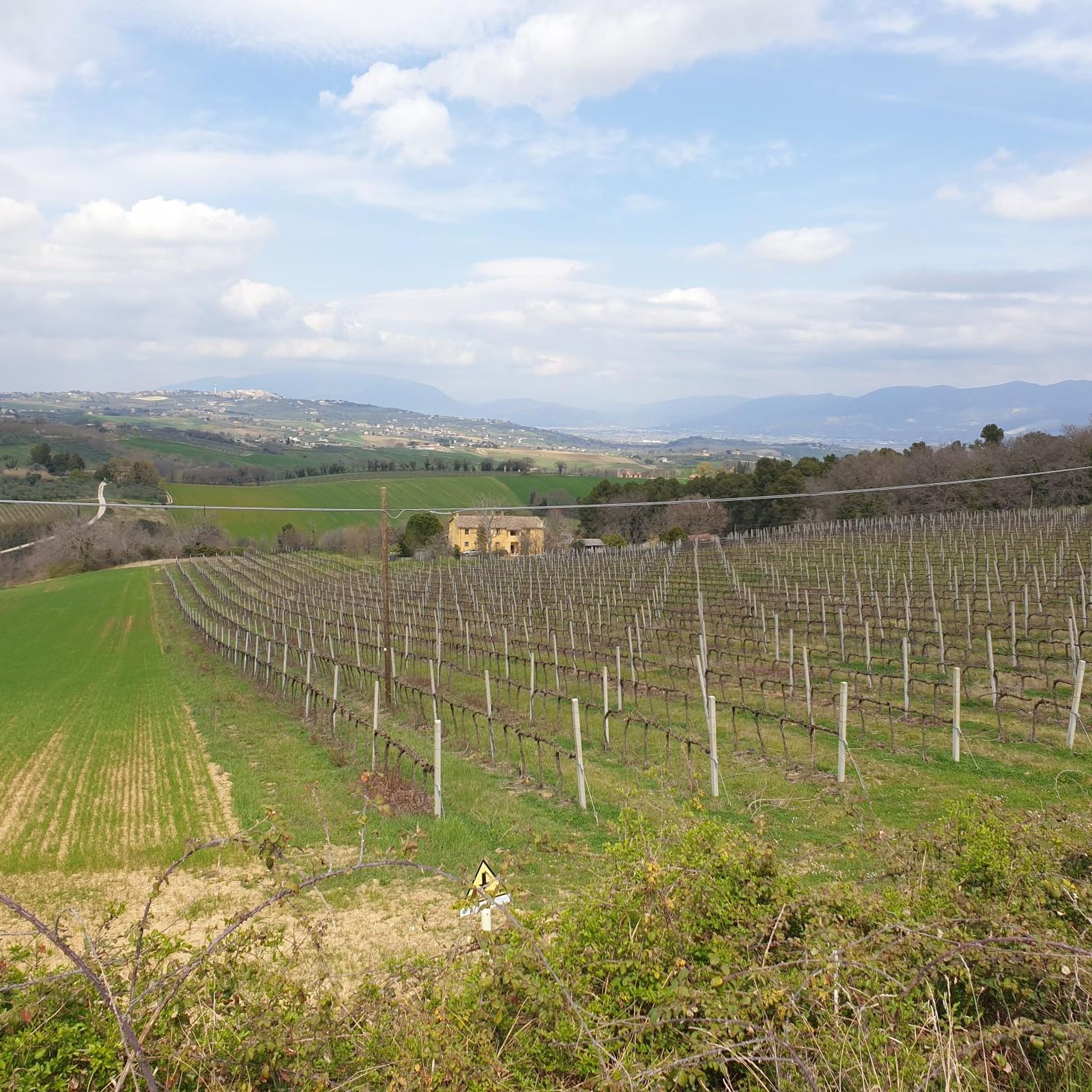
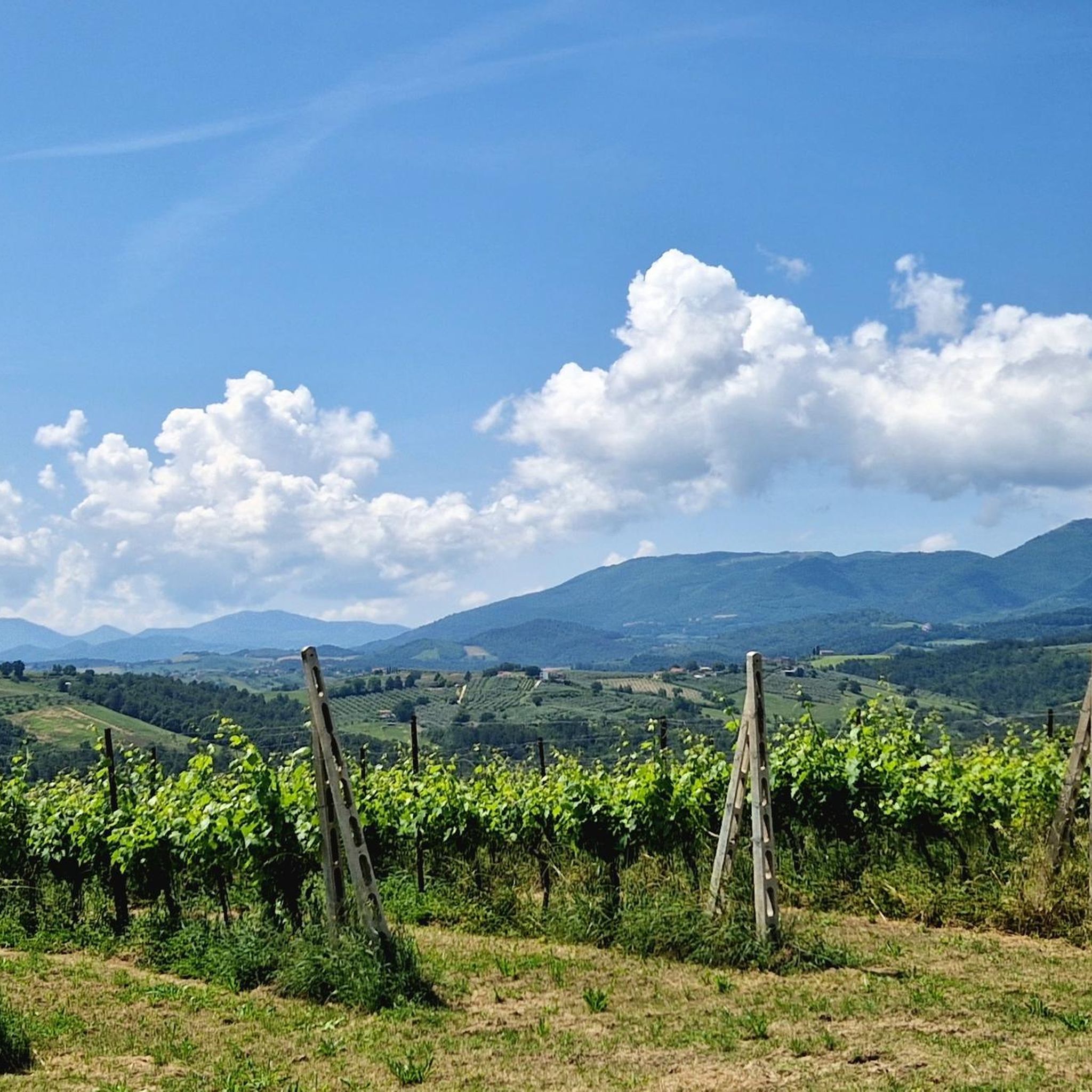
Road cycling routes around Castel Ritaldi traverse a countryside characterized by rolling hills, woods, fields of grains, vineyards, and olive groves. This region, situated in Umbria between Spoleto and Montefalco, offers quiet asphalted roads and diverse terrain. The landscape provides panoramic views and a serene environment for road cyclists.
Best road cycling routes around Castel Ritaldi
- The most popular road cycling route is View of Trevi – Piazza Silvestri, Bevagna loop from Castel Ritaldi, a 35.9 miles (57.7 km)…
Last updated: August 4, 2026
19
riders
40.8km
01:54
410m
410m
Moderate road ride. Good fitness required. Mostly well-paved surfaces and easy to ride.
10
riders
39.3km
02:11
420m
420m
Moderate road ride. Good fitness required. Some segments of this route may be unpaved and difficult to ride.

Sign up for free
10
riders
47.2km
02:37
810m
810m
Moderate road ride. Good fitness required. Mostly well-paved surfaces and easy to ride.
9
riders
50.1km
02:20
370m
370m
Moderate road ride. Good fitness required. Mostly well-paved surfaces and easy to ride.
5.0
(1)
9
riders
38.1km
01:43
270m
270m
Easy road ride. Great for any fitness level. Mostly well-paved surfaces and easy to ride.
Get access to more routes and recommendations from other explorers.
Sign up for free
Already have an account?
Our route recommendations are based on thousands of hikes, rides, and runs completed by other people on komoot.
Start today with a free account
Your next adventure awaits.
Login or Signup
Tips from the Community

Trevi's historic center retains the charm of its medieval alleys, narrow and winding, weaving between stone houses and ancient buildings. These streets were designed not only to connect squares and gates, but also to defend the city, creating sheltered and safe routes. The houses feature small doorways and windows, while stairways and arches connect different levels, following the hilly terrain. Walking through the alleys, you'll experience a secluded atmosphere, filled with unexpected glimpses and silhouettes of rooftops and bell towers. Every corner tells stories of daily life, shops, markets, and medieval traditions, making the village a true journey into the past.
0
0
The Roman Theater of Spoleto is one of the most important Roman monuments in the city and represents a significant testimony to the cultural life of ancient Spoletium. It was built in the 1st century BC, in an area near the forum, according to the architectural models of classical Roman theater. The cavea, built against the natural slope of Sant'Elia Hill, was divided into sectors and could accommodate several thousand spectators. Opposite were the orchestra and the monumental stage, originally decorated with columns, niches, and statues, which served as a backdrop for theatrical and musical performances. The building was constructed of masonry and clad in local stone, with technical solutions that ensured good acoustics. After the end of the Roman era, the theater was gradually abandoned and was partially incorporated into medieval buildings. The area was restored in the 20th century, restoring the structure's visibility and highlighting its archaeological importance. Today, the Roman Theatre is part of the National Archaeological Museum of Spoleto and continues to serve a cultural purpose, hosting events and performances that renew the city's connection to its thousand-year-old theatrical tradition.
0
0

The bike path is poor. The asphalt is torn up and bushes are growing in it.
0
0

Trevi, picturesque and simply beautiful location!
0
0

The village of San Giacomo is suggestive, both simply passing by on the road and stopping to see the Church or the Castle. Worth it.
0
0
The Tower of Matigge is located on the Flaminia state road, a few kilometers north of Trevi and on the border with the municipality of Foligno. The Tower was begun in 1395 and from the beginning it was equipped with a custodian and a bell tower, to be used in case of assault. One of the mysteries of this tower is that apparently there is no entrance door in the base:
1
0

Chiesa di San Filippo Neri, Spoleto The beautiful Church of San Filippo Neri stands near Piazza Mentana and was built starting in 1640 by two wealthy citizens of Spoleto who lived in Rome: Ugo Alberici and Loreto Vittori. The design of the building was entrusted to Loreto Scelli and was finally completed in 1671 with the construction of the dome. It was not consecrated until 1724. The Church of San Filippo Neri in Spoleto has the forms and architectural features of 17th-century Roman churches, with an elegant travertine façade decorated with pilasters and a beautiful tympanum. The interior is divided into three naves separated by pillars and a large transept surmounted by the dome. Inside the sacristy is a marble bust of Saint Philip Neri, a work by the sculptor Alessandro Algardi (1650). The side chapels contain altars from the 17th and 18th centuries, while the walls are decorated with 18th-century paintings by artists such as Gaetano Lapis, Sebastiano Conca, Pietro Labruzzi, and the Spoleto painter Francesco Refini. Text T Source: Exploring Umbria srl, https://www.exploring-umbria.com/scopri-spoleto/cosa-vedere-a-spoleto/chiesa-di-san-filippo-neri-a-spoleto/
15
0
Chiesa di San Filippo Neri, Spoleto The beautiful Church of San Filippo Neri stands near Piazza Mentana and was built starting in 1640 by two wealthy citizens of Spoleto who lived in Rome: Ugo Alberici and Loreto Vittori. The design of the building was entrusted to Loreto Scelli and was finally completed in 1671 with the construction of the dome. It was not consecrated until 1724. The Church of San Filippo Neri in Spoleto has the forms and architectural features of 17th-century Roman churches, with an elegant travertine façade decorated with pilasters and a beautiful tympanum. The interior is divided into three naves separated by pillars and a large transept surmounted by the dome. Inside the sacristy is a marble bust of Saint Philip Neri, a work by the sculptor Alessandro Algardi (1650). The side chapels contain altars from the 17th and 18th centuries, while the walls are decorated with 18th-century paintings by artists such as Gaetano Lapis, Sebastiano Conca, Pietro Labruzzi, and the Spoleto painter Francesco Refini. Text T Source: Exploring Umbria srl, https://www.exploring-umbria.com/scopri-spoleto/cosa-vedere-a-spoleto/chiesa-di-san-filippo-neri-a-spoleto/
15
0
Frequently Asked Questions
How many road cycling routes are available around Castel Ritaldi?
There are over 90 road cycling routes around Castel Ritaldi, offering a wide variety of options for different skill levels. You'll find everything from easy rides to more challenging ascents through the Umbrian landscape.
What kind of landscapes can I expect while road cycling near Castel Ritaldi?
The region around Castel Ritaldi is characterized by picturesque rolling hills, lush woods, expansive fields of grains, vibrant sunflowers, vineyards, and olive groves. This diverse scenery provides panoramic views and a serene environment, often far from busy roads, making for an idyllic cycling experience.
What is the general difficulty level of road cycling routes in Castel Ritaldi?
Castel Ritaldi offers a good mix of difficulties. Approximately 13 routes are considered easy, 54 are moderate, and 23 are difficult, catering to both casual riders and experienced cyclists looking for a challenge. The terrain includes both gentle hills and more demanding climbs.
Are there family-friendly road cycling routes in Castel Ritaldi?
While many routes involve rolling hills, there are easy options available that could be suitable for families. The region's quiet asphalted roads and scenic environment make it pleasant for less experienced riders. For specific family-friendly options, look for routes marked as 'easy' on komoot.
What historical landmarks can I see while cycling around Castel Ritaldi?
The area is rich in history. You can cycle past impressive structures like the Castel Ritaldi Castle itself, or explore nearby medieval fortifications such as Castello di Pissignano and Rocca di Gualdo Cattaneo. The region also features historical villages and churches with artistic heritage, like the Pieve di San Gregorio.
Are there routes that offer scenic viewpoints or mountain vistas?
Absolutely. Given Castel Ritaldi's hilltop location and the surrounding mountainous terrain, many routes offer stunning panoramic views. You might even catch glimpses of peaks like Monte Serano or Colle Martorello, providing breathtaking backdrops to your ride.
What do other cyclists say about road cycling in Castel Ritaldi?
The road cycling routes around Castel Ritaldi are highly rated by the komoot community, with an average score of 4.6 stars from over 50 reviews. Cyclists often praise the quiet roads, varied scenery, and the blend of natural beauty with cultural exploration that the region offers.
Are there loop road cycling routes available in the area?
Yes, many of the road cycling routes around Castel Ritaldi are designed as loops, allowing you to start and end your ride in the same location. For example, the popular View of Trevi – Piazza Silvestri, Bevagna loop from Castel Ritaldi is a moderate 57.7 km route that connects historic towns.
What is the best time of year for road biking in Castel Ritaldi?
Umbria, known as the 'green heart' of Italy, is particularly beautiful in spring and autumn. These seasons offer pleasant temperatures and vibrant landscapes, with blooming wildflowers in spring and rich autumnal colors. Summer can be warm, but early morning rides are still enjoyable.
Can I find routes that pass through vineyards or olive groves?
Definitely. The region is part of the Sagrantino Road, a renowned wine-producing area. Many routes, such as the View of Trevi – Historic Center of Trevi loop from Castel Ritaldi, will take you directly through picturesque vineyards and olive groves, offering a true taste of Umbrian agricultural beauty.
Are there routes suitable for advanced road cyclists looking for a challenge?
Yes, for advanced road cyclists, there are routes classified as 'difficult' that offer more significant climbs and longer distances. An example is the Basilica of Saint Francis – Collepino Village loop from Colle del Marchese, which covers over 90 km with substantial elevation gain, providing a rewarding challenge.
Are there places to stop for refreshments or accommodation along the cycling routes?
Given the region's focus on wine and gastronomy, you'll find opportunities for refreshments in the charming towns and villages along the routes. The area is dotted with local cafes, restaurants, and agriturismi, especially along routes that pass through places like Spoleto, Montefalco, or Bevagna, offering a chance to experience local Umbrian hospitality.
Most popular routes around Castel Ritaldi
Most popular attractions around Castel Ritaldi

Get inspired with the komoot mobile app


Explore more
Browse the best Road cycling routes in other regions.
