The best walks and hikes around Atri
4.2
(244)
2,382
hikers
127
hikes
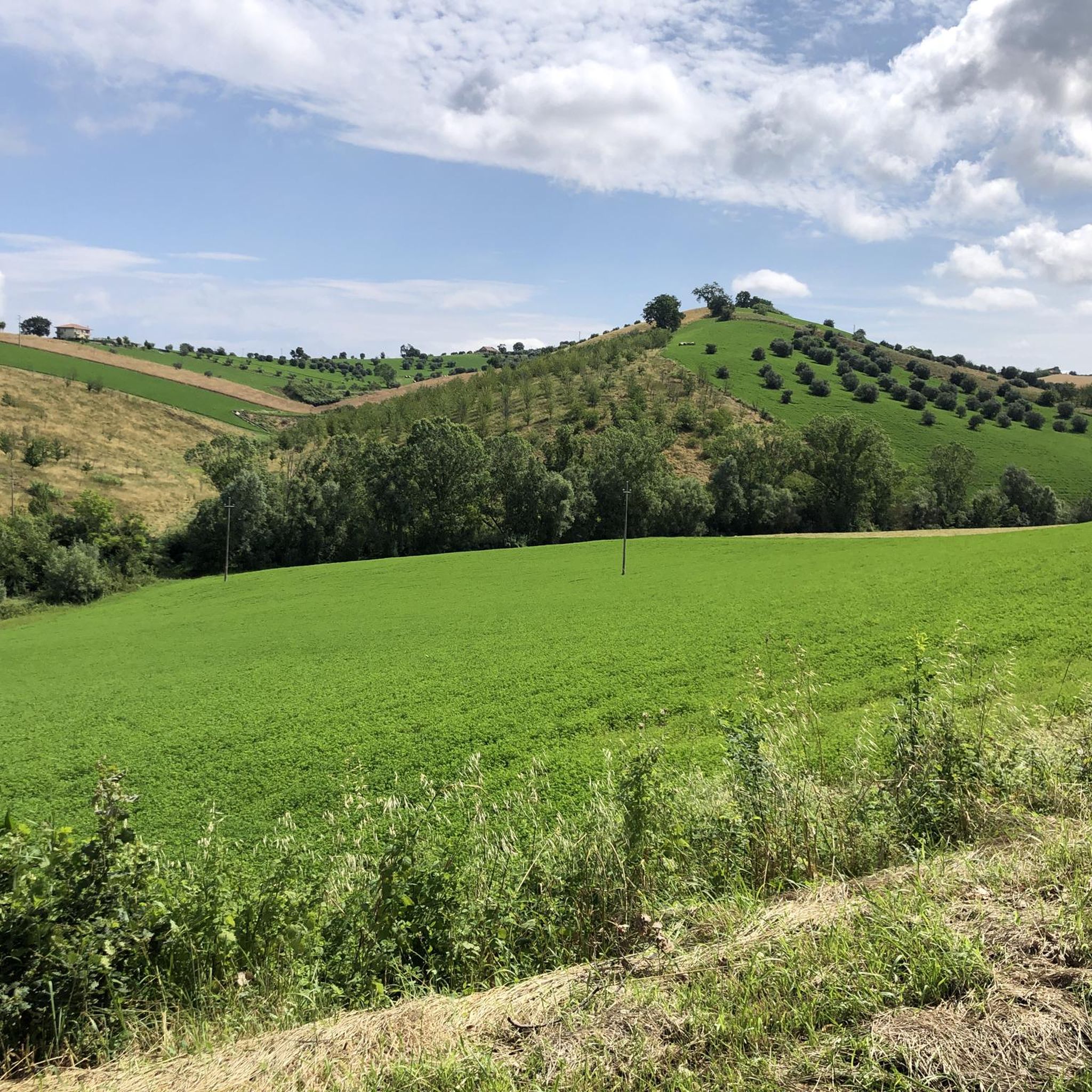
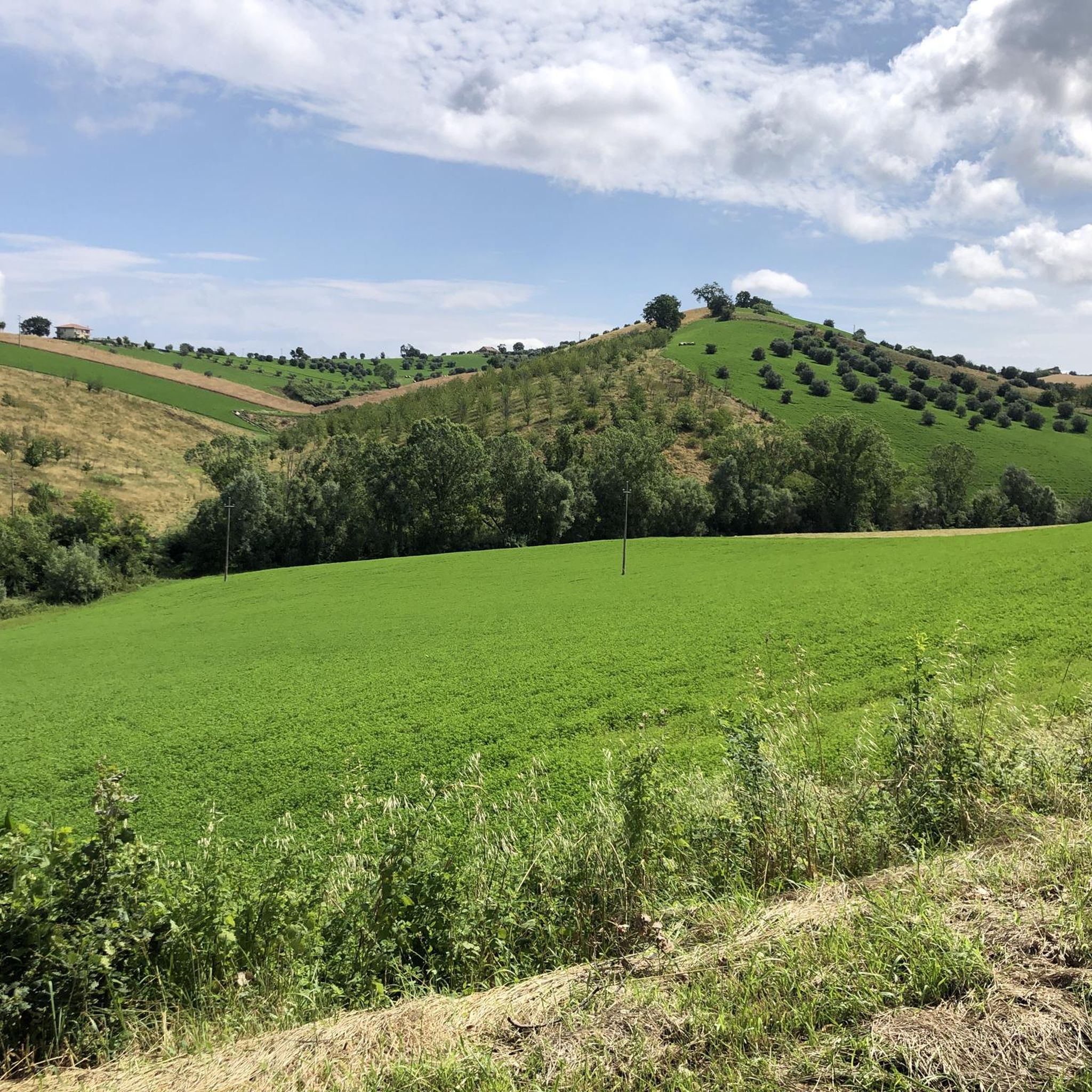
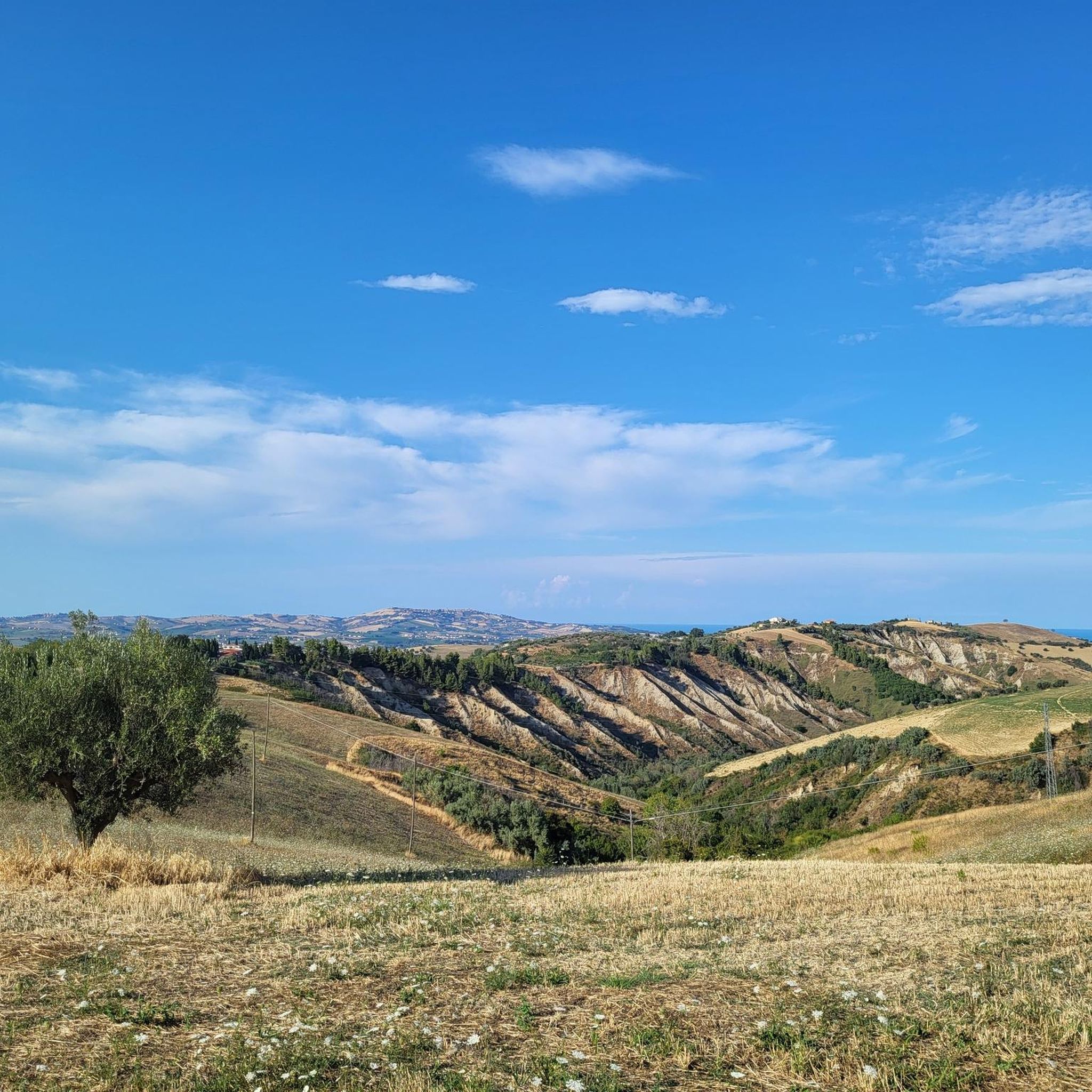
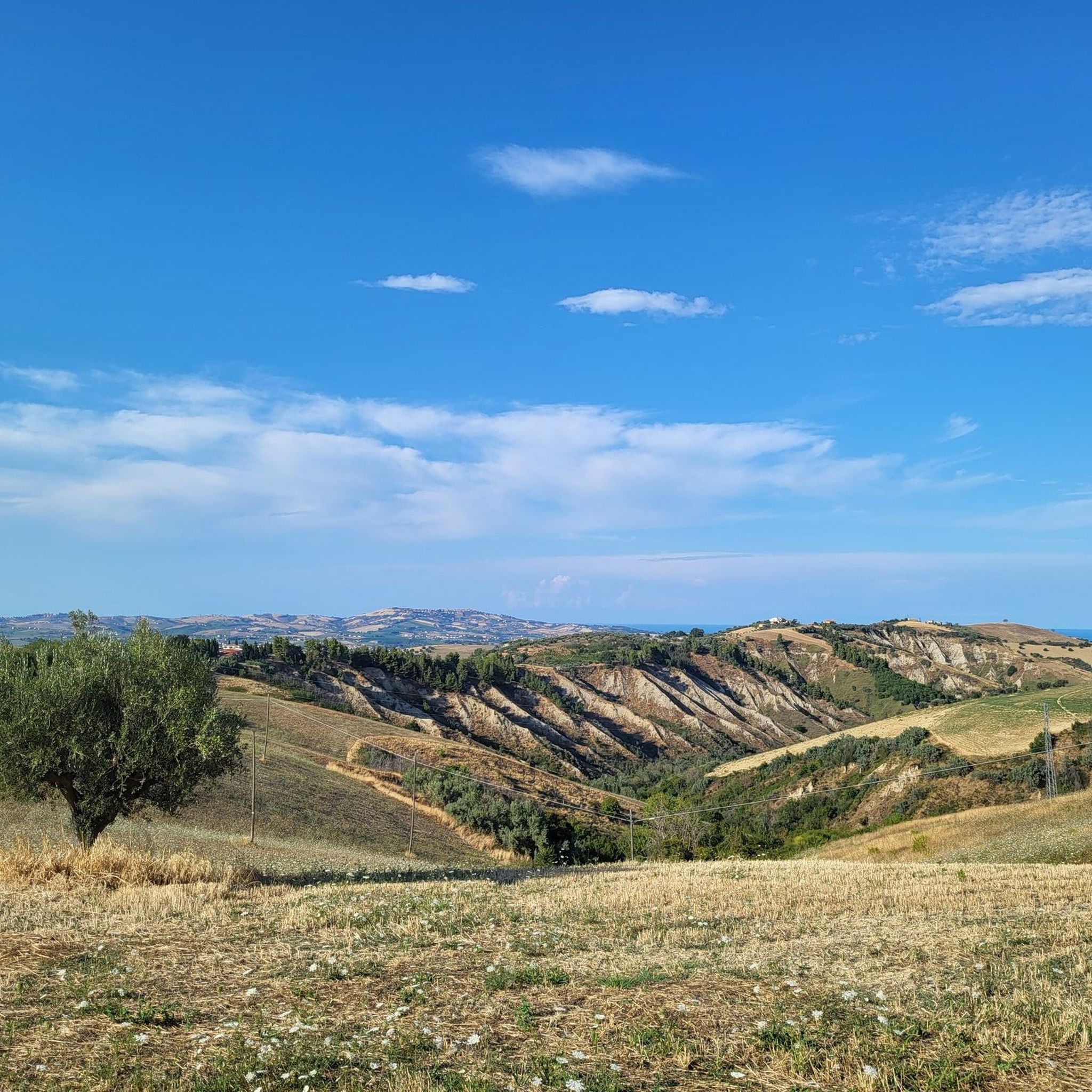
Hiking around Atri offers diverse landscapes, from the unique clay formations of the Calanchi di Atri to coastal paths along the Adriatic Sea. The region features a mix of rolling hills, pine groves, and beach promenades. Trails vary in elevation, with some routes exploring the distinctive badlands and others following flatter coastal stretches. This variety provides options for different hiking preferences and fitness levels.
Best hiking trails around Atri
- The most popular hiking route is Calanchi di Atri Loop,…
Last updated: July 21, 2026
4.4
(80)
297
hikers
6.19km
02:02
290m
290m
Embark on the Calanchi di Atri Loop, a moderate hike that takes you through a landscape sculpted by nature's raw power. This 3.8-mile (6.2 km) route features impressive eroded clay…
3.0
(2)
22
hikers
3.08km
01:05
170m
170m
Easy hike. Great for any fitness level. Easily-accessible paths. Suitable for all skill levels.

Sign up for free
5.0
(3)
18
hikers
5.74km
01:36
110m
110m
Easy hike. Great for any fitness level. Easily-accessible paths. Suitable for all skill levels.
5
hikers
Easy hike. Great for any fitness level. Easily-accessible paths. Suitable for all skill levels.
5.0
(4)
5
hikers
7.53km
01:57
40m
40m
Easy hike. Great for any fitness level. Easily-accessible paths. Suitable for all skill levels.
Get access to more routes and recommendations from other explorers.
Sign up for free
Already have an account?
Our route recommendations are based on thousands of hikes, rides, and runs completed by other people on komoot.
Start today with a free account
Your next adventure awaits.
Login or Signup
Tips from the Community

The Cathedral of Santa Maria Assunta (the Duomo of Atri) is one of the most important and impressive religious monuments in the Abruzzo region. This co-cathedral was built between 1260 and 1305 on the foundations of an older Romanesque church and even older Roman baths. Open daily in the morning from 09:00 - 12:30
4
0
In the gallery, at the church entrance, the local war victims are commemorated. A beautiful stone with the names of all the fallen heroes will never be forgotten. We Will Remember Them
5
0
The Pineta di Pineto is the green heart of the city and a wonderful place to walk or cycle along the Adriatic coast. What is now a beautiful pine forest was once a barren sandy plain a hundred years ago. Thanks to the vision of Luigi Corrado Filiani, thousands of umbrella pines were planted starting in 1923. The success of this ambitious project was so great that the new seaside resort even took its name from it: Pineto, literally "pine forest". Today, the Pineta provides cooling shade, a unique Mediterranean landscape, and a relaxed atmosphere. A visit to Pineto is therefore not complete without a walk through this iconic forest.
5
0
Historical context: Station Pineto-Atri played a key role in the creation of present-day Pineto. When the station opened in 1863 on the Adriatic railway line, Pineto did not yet exist. Visionary Luigi Filiani saw the opportunities of the new rail connection and had houses, shops, and facilities built around the station. Later, he planted the characteristic pine forests (pineta) that gave the young coastal town its name. Thanks to the railway line, Pineto grew from an uninhabited stretch of coast into a popular seaside resort on the Adriatic Sea. Even today, the station is still an important gateway to the city and a tangible reminder of Pineto's unique origin story.
4
0
Chiesa di Sant'Agnese is the spiritual heart of Pineto. Where once there was only a small private chapel of the Filiani family, this beautiful Neo-Romanesque church arose in the 1930s, along with the growth of the young seaside resort. Feel free to step inside to experience the serene atmosphere or admire the elegant facade with the Latin inscription that was only added in 1991. A nice stop for those who also want to discover the history and character of Pineto.
5
0
Villa Pretaroli is one of Pineto's most beautiful historic villas and a real eye-catcher on the elegant Viale Gabriele D'Annunzio. This neoclassical mansion from 1928 is surrounded by a lush Mediterranean garden and still breathes the charm of the sophisticated seaside resort that Pineto once was. The villa is privately owned and therefore usually only admired from the outside. Precisely that makes a walk along this stylish piece of history extra special. Sometimes the villa opens exceptionally during heritage days, but even from the avenue, it is absolutely worth a stop.
4
0
The artwork that can be admired here depicts the lighting of the 'Faugni' fire by a community of anthropomorphic figures. These are based on animals typical of the Abruzzo region. The costumes feature textures inspired by the culture and art of Atri, particularly the frescoes by De Litio in the cathedral of Atri. Source: information can be read on site.
4
0
San Nicola is one of the oldest churches in Atri and dates back to the 13th century. Inside, you can admire a beautiful 15th-century fresco by Andrea de Litio above the baptismal font. Outside, be sure to notice the colourful ceramic tiles from Castelli above the rose window – a typical and unique detail of Atri's architecture. Source: https://www.comune.atri.te.it/it/vivere/la-chiesa-di-s-nicola
5
0
Frequently Asked Questions
How many hiking trails are available around Atri?
Atri offers a wide variety of hiking experiences, with over 90 routes recorded on komoot. These range from easy coastal strolls to more challenging paths through the unique badlands.
Are there easy hiking options suitable for beginners or families in Atri?
Yes, Atri has plenty of easy trails. Approximately 50 routes are classified as easy, perfect for a relaxed outing. An example is the Walk – Silvi Marina Promenade loop from Scerne, which is an easy 7 km (4.3 miles) walk along the coast.
What kind of terrain can I expect on hikes around Atri?
The terrain around Atri is quite diverse. You'll find unique clay formations in the Calanchi di Atri, coastal paths along the Adriatic Sea, rolling hills, and peaceful pine groves. Trails vary from flat beach promenades to routes with moderate elevation changes through the badlands.
Are there any circular walks near Atri?
Many of the trails around Atri are circular, offering convenient starting and ending points. For instance, the popular Calanchi di Atri Loop is a 6.2 km (3.8 miles) circular route through the distinctive badlands landscape.
What are some interesting natural attractions or landmarks to see while hiking in Atri?
While hiking, you can explore several notable natural and historical sites. The dramatic Atri Badlands are a must-see. You might also encounter the Cerrano Tower and Marine Garden along coastal routes, or the Historic Village of Mutignano.
Can I bring my dog on the hiking trails in Atri?
Generally, dogs are welcome on many trails around Atri, especially in natural areas and along coastal paths. However, it's always advisable to keep them on a leash and check for any specific local regulations, particularly in nature reserves or protected areas.
What is the best time of year to go hiking in Atri?
The best time for hiking in Atri is typically during spring (April-June) and autumn (September-October) when the weather is mild and pleasant. Summers can be quite hot, especially in July and August, making coastal walks more comfortable than inland trails during those months.
Are there any challenging hikes for experienced hikers in Atri?
While most trails are easy to moderate, there are a few more challenging options. The region offers 4 routes classified as difficult, providing a greater test for experienced hikers. These often involve more significant elevation changes within the badlands terrain.
What do other hikers say about the trails in Atri?
The hiking trails in Atri are highly regarded by the komoot community, with an average rating of 4.3 stars from over 200 reviews. Hikers often praise the unique landscapes, particularly the badlands, and the variety of coastal and inland routes.
How long do hikes around Atri typically take?
Hike durations vary significantly depending on the route's length and difficulty. For example, the Calanchi di Atri Loop takes about 2 hours, while the longer Pine Grove – Adriatic Cycle Path loop from Costa Blu can take over 3 hours to complete.
Are there hiking routes that offer views of the Adriatic coast?
Absolutely. Many trails in Atri provide stunning coastal views. The Adriatic Cycle Path Beach Walk loop from Scerne di Pineto is a great example, offering a 10.2 km (6.3 miles) walk directly along the coast.
Is parking generally available near trailheads in Atri?
Yes, parking is typically available near popular trailheads and starting points for hikes around Atri, especially in or near towns and coastal access points. It's always a good idea to check specific route details on komoot for more precise parking information.
Most popular attractions around Atri

Get inspired with the komoot mobile app


Explore more
Browse the best Hikes in other regions.
