Attractions and Places To See around Vitorchiano - Top 20
Attractions and places to see around Vitorchiano include a captivating blend of historical landmarks and natural beauty. This medieval village is dramatically perched on a peperino cliff, offering views over surrounding valleys and ravines. Its well-preserved historic center features ancient buildings crafted from local volcanic rock, alongside unique cultural sites like the Moai statue. The area provides opportunities to explore both its rich history and picturesque natural landscape.
Best attractions and places to see around Vitorchiano
- The most popular attractions…
Last updated: July 20, 2026
Via Cassia Antica
Highlight • Historical Site
Translated by Google •
Tip by

Historic Centre of Viterbo
Highlight • Historical Site
Translated by Google •
Tip by

Sign up now to discover places like this
Get recommendations on the best single tracks, peaks, & plenty of other exciting outdoor places.
Sign up for free
Devil’s Well Cave (Monte Venere)
Highlight • Cave
It is a mountain of volcanic origin that reaches a height of 835 m asl.
Translated by Google •
Tip by

Viterbo Papal Palace
Highlight • Historical Site
Translated by Google •
Tip by
Etruscan Pyramid of Bomarzo
Highlight • Historical Site
Translated by Google •
Tip by

Sign up for free to discover even more attractions around Vitorchiano.
Sign up for free
Already have an account?
Start today with a free account
Your next adventure awaits.
Login or Signup

Tips from the Community

It struck me a lot, even though when I passed by in the middle of the afternoon it was deserted, a shame!
0
0

Viterbo lived its period of major splendor and power in the 13th century when it was chosen as the seat of the papacy instead of Rome, where powerful warring families made life too dangerous. Eight different popes lived in Viterbo making it is similar to Vatican City and Avignon in France. The longest papal conclave in history happened here from 1 December 1268 to 1 September 1271. Following Pope Clement IV's death, infighting between cardinals and political pressure led to a 34-month deadlock. The cardinals were locked up cum clave (hence the word conclave) inside the palace’s large Conclave Hall. In desperation the town’s population, who were feeding them and their entourages, eventually reduced the cardinals’ food and wine supplies, trying to speed up the election. Time wore on and they finally decided to remove the roof of the palace: in order to help the Holy Spirit come down and illuminate them, it was quipped. That worked.
0
0
The Via Cassia was an ancient Roman consular road that connected Rome with Etruria. Built starting from the 3rd or 2nd century BC, it initially reached Clusium (Chiusi), then was extended to Cortona, Arezzo and Fiesole and, subsequently, towards the Tyrrhenian coast through Pistoia and Lucca from which several routes branched off up to Luni, where the Via Aemilia Scauri began. The Via Cassia started from Rome but did not begin, like all the consular roads, from the golden miliarium located in the Roman Forum. In fact, it originated from the Milvian Bridge, in the northern part of Rome, on the right bank of the Tiber which divided Rome from Etruria (the territory between the Arno and the Tiber ), marking the miles travelled in Etruria.
0
0

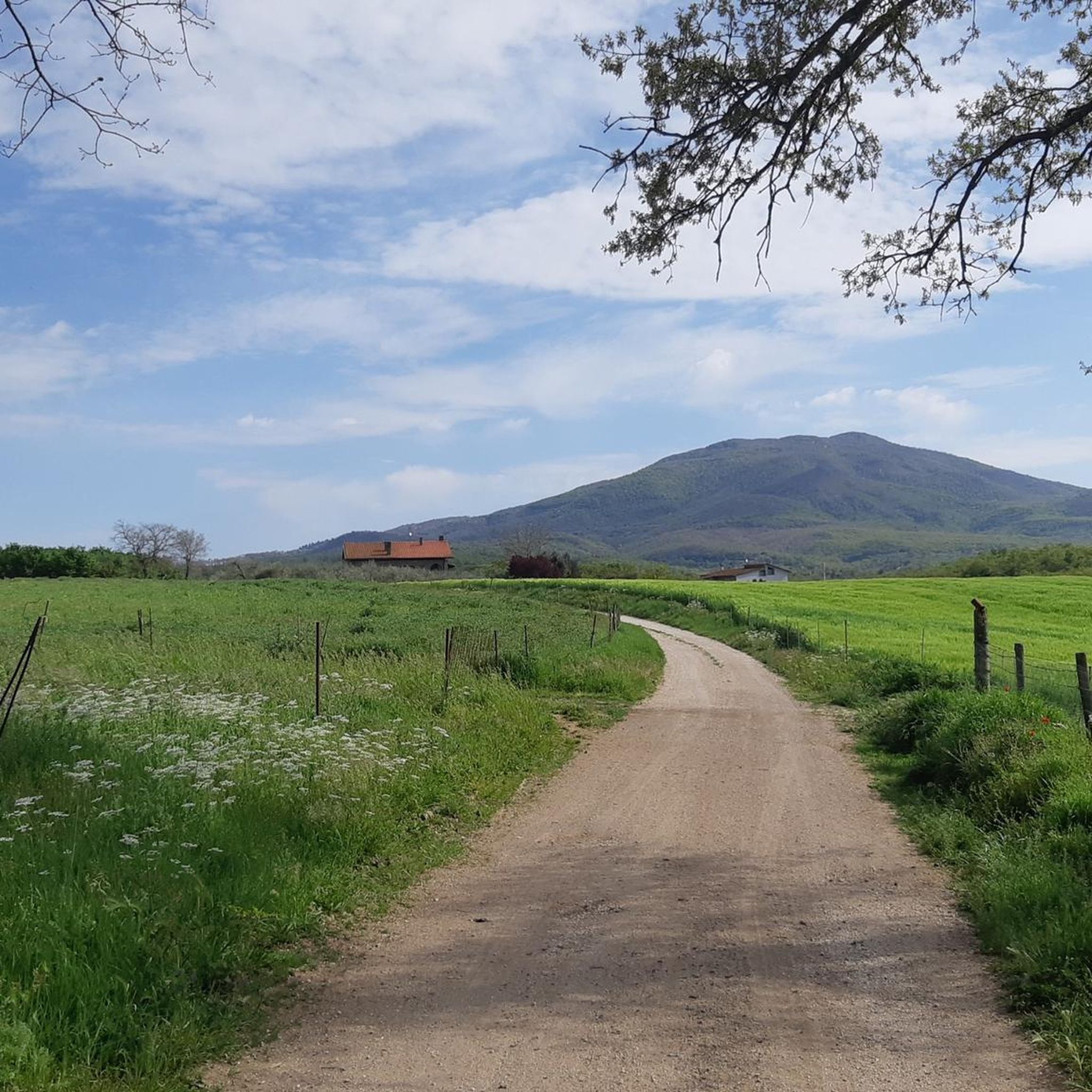
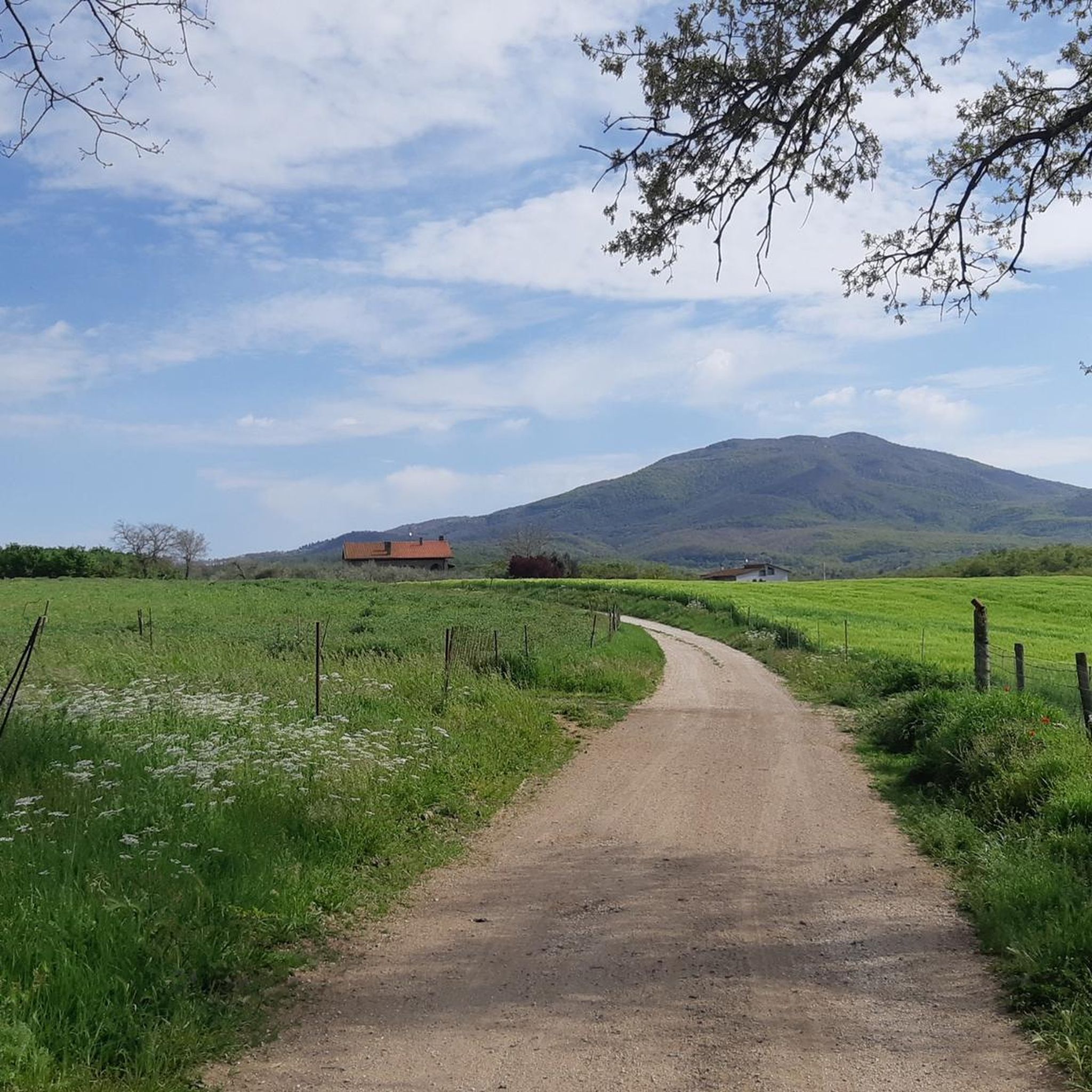
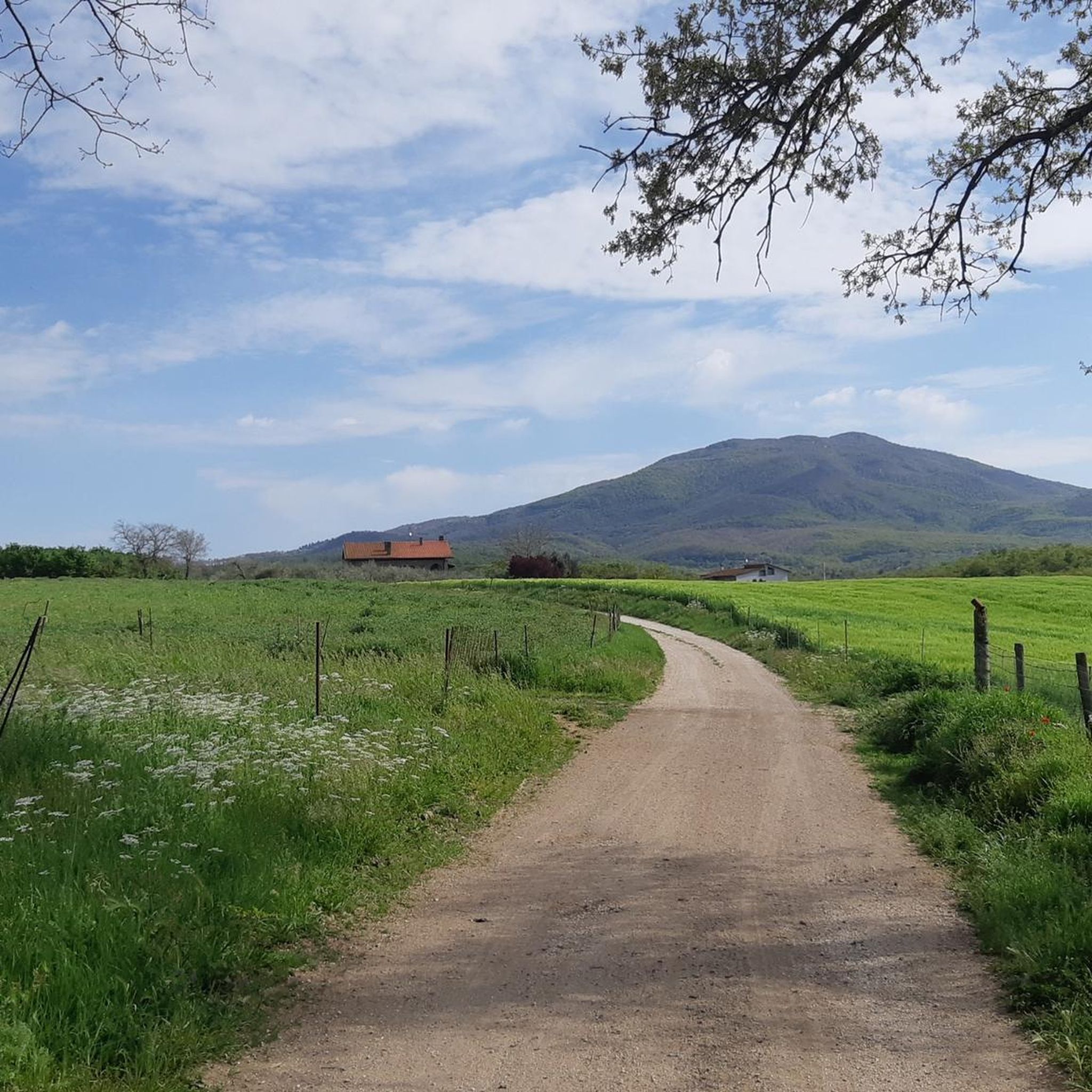
Following this path, just before reaching the devil's well, it is not clear where to go, the path disappears and also the white and red signs. We had to go a bit by intuition and take a very steep climb in the woods to get there. Once we reach the well, the path continues easily until the end.
0
1

Be careful not to lean out!
0
0

The Papal Palace in Viterbo served as the Vatican for the 24 years of the thirteenth century when the papacy moved there due to ongoing unrest in Rome.
0
0

It is a large boulder of shaped and carved peperino stone, located in a forest between Bomarzo and Chia; It was rediscovered in 2001 by the Archeotuscia association and the archaeological company Pro-Ferento. The structure has 26 steps carved into the volcanic rock, with a height of 8 meters in the upstream part and 16 meters in the downstream part. It is believed to have been an Etruscan rock altar, probably dating back to the 6th-7th century BC, although some hypotheses suggest even older origins.
0
0

on the Via Francigena between Montefiascone and Viterbo
0
0
Frequently Asked Questions
What historical sites can I explore in Vitorchiano and its surroundings?
Vitorchiano is rich in history. You can wander through its well-preserved medieval historic center, characterized by narrow alleys and ancient peperino stone buildings. Nearby, you'll find the Historic Centre of Viterbo, which boasts significant monuments like the Viterbo Papal Palace, a former residence for several popes. Another intriguing historical site is the Etruscan Pyramid of Bomarzo, an enigmatic carved rock formation.
Are there any unique cultural attractions in Vitorchiano?
Yes, Vitorchiano is home to a truly unique cultural attraction: the only Moai statue carved outside of Easter Island using traditional techniques. This 6-meter monolith, crafted from local peperino stone by Rapanui masters, stands on a lookout point and has become a symbol of the village.
What natural features and landscapes can I discover around Vitorchiano?
Vitorchiano is dramatically perched on a peperino cliff, offering breathtaking views over surrounding valleys and deep ravines like the Fosso Acqua Fredda gorge and the Vezza River Valley. The area is surrounded by a hilly, forested landscape with diverse trees and wildlife. You can also visit the Devil’s Well Cave (Monte Venere), a natural monument on Monte Venere, part of the Monti Cimini group, standing in front of Lake Vico.
What outdoor activities are available near Vitorchiano?
The region around Vitorchiano offers various outdoor activities. For hiking, you can explore trails leading to Etruscan necropolises or towards Lake Vico. There are also several hiking routes around Vitorchiano, including easy walks like the 'Moai of Vitorchiano – Porta Romana of Vitorchiano loop'. Cyclists can find numerous road cycling routes and gravel biking trails that explore the scenic landscape.
Are there family-friendly attractions or activities in Vitorchiano?
Yes, several attractions are suitable for families. The historic centers of Vitorchiano and Viterbo offer engaging walks through ancient streets and squares. The Viterbo Papal Palace is also considered family-friendly. For nature lovers, easy hiking trails like the 'Hypogean Houses – Martelluzzo Waterfall loop' are great for families to explore the outdoors.
What is the best time of year to visit Vitorchiano?
Spring is an excellent time to visit, especially to witness the spectacular blooms at the Moutan Botanical Center, which boasts the world's largest collection of peonies. The mild weather during spring and autumn is also ideal for exploring the historic center and enjoying outdoor activities like hiking.
Where can I find information about hiking trails around Vitorchiano?
You can find detailed information about various hiking trails, including their difficulty and distance, on the Hiking around Vitorchiano guide page. Options range from easy loops like the 'Moai of Vitorchiano – Porta Romana of Vitorchiano loop' to more challenging routes.
What are some lesser-known or 'hidden gems' in the Vitorchiano area?
Beyond the main attractions, consider exploring the ancient Etruscan cut - road carved into the rock, a fascinating passage connecting Viterbo's historic center with the countryside. This ancient road, carved directly into the tuff, offers an evocative journey back in time. The Moutan Botanical Center, with its vast peony collection, is another unique spot, especially beautiful in spring.
What do visitors enjoy most about the attractions around Vitorchiano?
Visitors frequently appreciate the blend of history and natural beauty. The well-preserved medieval architecture, particularly in the Historic Centre of Viterbo, is a highlight. The dramatic landscapes, including the peperino cliffs and surrounding forested areas, also receive high praise. Many enjoy the unique cultural elements like the Moai statue and the opportunity for scenic walks and exploration.
Are there any specific churches or religious sites worth visiting in Vitorchiano?
Vitorchiano features several historic churches. The 13th-century Romanesque-style Saint Mary's Church (Santa Maria Assunta in Cielo) is considered one of the town's most important, featuring a 15th-century bell tower. Other notable churches include the 14th-century Church of San Pietro, the Church of Santissima Trinità (said to house relics of San Amanzio), and the Church of San Nicola, which contains frescoes from the Viterbo school.
Can I find any ancient Roman or Etruscan remnants near Vitorchiano?
Yes, the region has significant Etruscan heritage. Besides the Etruscan Pyramid of Bomarzo, you can explore the Etruscan cut - road carved into the rock, an ancient passage carved into tuff. There are also trekking trails in the surrounding landscape that lead to Etruscan necropolises, offering a glimpse into the ancient civilization that once thrived here.
What is the significance of peperino stone in Vitorchiano's architecture?
Peperino, a local dark gray volcanic stone, is fundamental to Vitorchiano's identity and architecture. The village is dramatically perched on a peperino cliff, and its entire historic center, including ancient buildings, external staircases ('profferli'), and defensive walls, is constructed from this distinctive material. It gives the village its characteristic appearance and blends harmoniously with the natural landscape.
Most popular routes around Vitorchiano
Most popular attractions around Vitorchiano

Get inspired with the komoot mobile app


Explore more
Still not found the Highlight you’re looking for? See guides of the top attractions in other regions:
