The best cycling routes around Reichenschwand
4.5
(6803)
34,505
riders
17
rides
Touring cycling routes around Reichenschwand are set within the diverse landscapes of Franconian Switzerland and the Hersbrucker Schweiz. The region is characterized by a hilly terrain, with the picturesque Pegnitz River flowing through its valleys. Cyclists can explore scenic paths along the river and through meadows, offering varied elevation profiles. This area provides a mix of challenging routes and more gentle trails suitable for different fitness levels.
Best touring cycling routes around Reichenschwand
- The most popular touring cycling route is Out and about on the Pegnitz terraces, a 15.8 miles (25.4 km) trail that takes 1 hour 46 minutes to complete. This moderate route offers views of the Pegnitz River and its surrounding landscape.
- Another top favourite among local touring cyclists is Pegnitz Valley Cycle Path – Hersbruck Castle loop from Reichenschwand, a moderate 25.6 miles (41.3 km) path. This route follows the Pegnitz River and includes a loop around Hersbruck Castle, showcasing historical villages and natural scenery.
- Local touring cyclists also love the Happurg Quarry Lake North Shore – Upper Market, Hersbruck loop from Reichenschwand, a 10.0 miles (16.1 km) trail leading through the area around Happurg Quarry Lake, often completed in about 56 minutes.
- Touring cycling around Reichenschwand is defined by the Pegnitz River, hilly landscapes, and the natural beauty of Franconian Switzerland. The network offers options for different ability levels, from easy riverside paths to more demanding routes.
- The routes in Reichenschwand are highly rated by the komoot community with an average score of 4.6 stars from more than 30 reviews. More than 200 touring cyclists have used komoot to explore Reichenschwand's varied terrain.
Last updated: October 1, 2026
4.4
(14)
36
riders
25.4km
01:47
260m
260m
Moderate bike ride. Good fitness required. Mostly paved surfaces. Suitable for all skill levels.
4.8
(25)
99
riders
Easy bike ride. Great for any fitness level. Mostly paved surfaces. Suitable for all skill levels.

4.8
(28)
108
riders
41.3km
02:48
340m
340m
Moderate bike ride. Good fitness required. Mostly paved surfaces. Suitable for all skill levels.
4.8
(9)
48
riders
34.6km
02:05
230m
230m
Moderate bike ride. Good fitness required. Mostly paved surfaces. Suitable for all skill levels.
5.0
(3)
26
riders
Easy bike ride. Great for any fitness level. Mostly paved surfaces. Suitable for all skill levels.
Get access to more routes and recommendations from other explorers.
Already have an account?
Our route recommendations are based on thousands of hikes, rides, and runs completed by other people on komoot.
Start today with a free account
Your next adventure awaits.
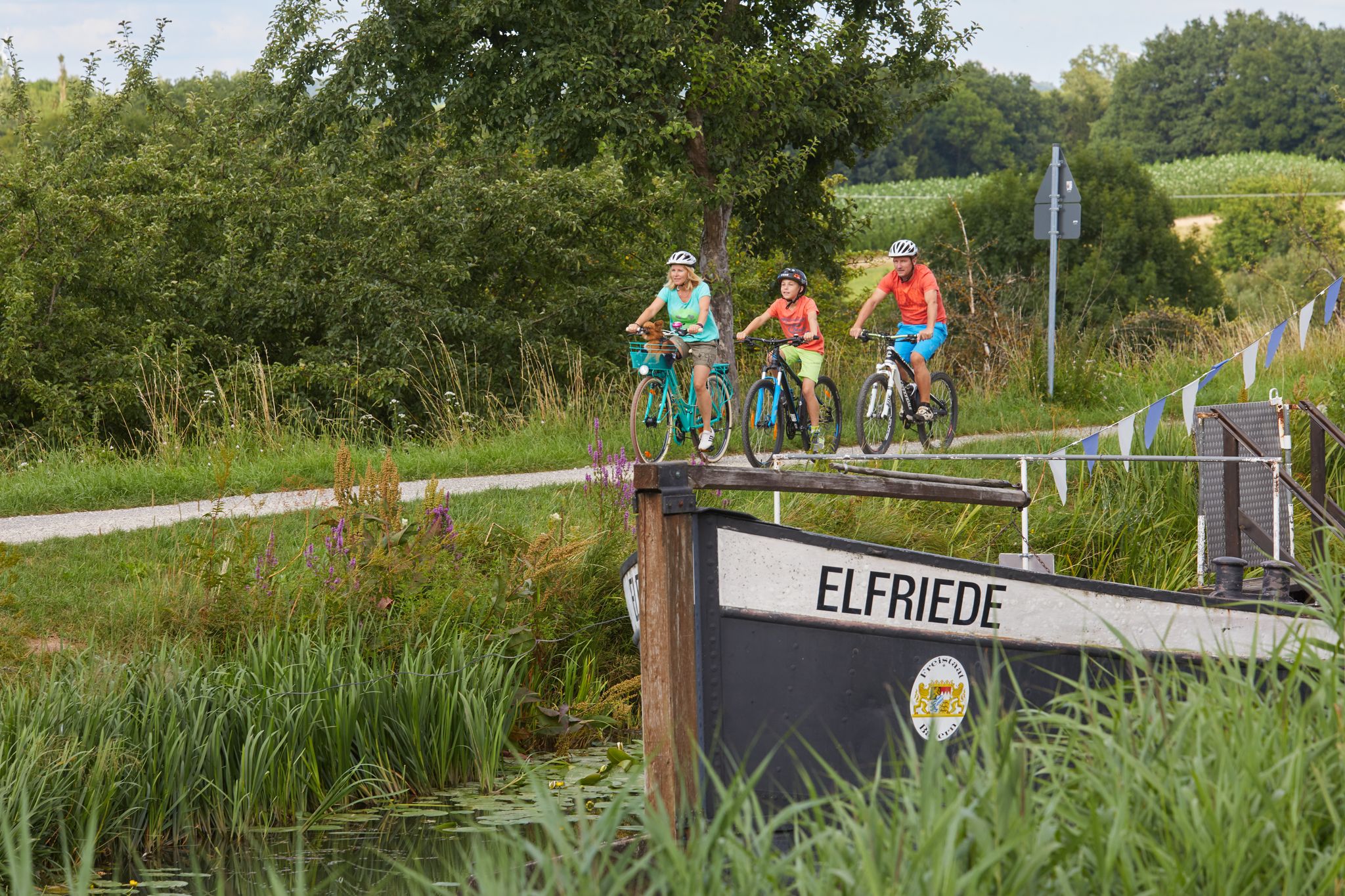
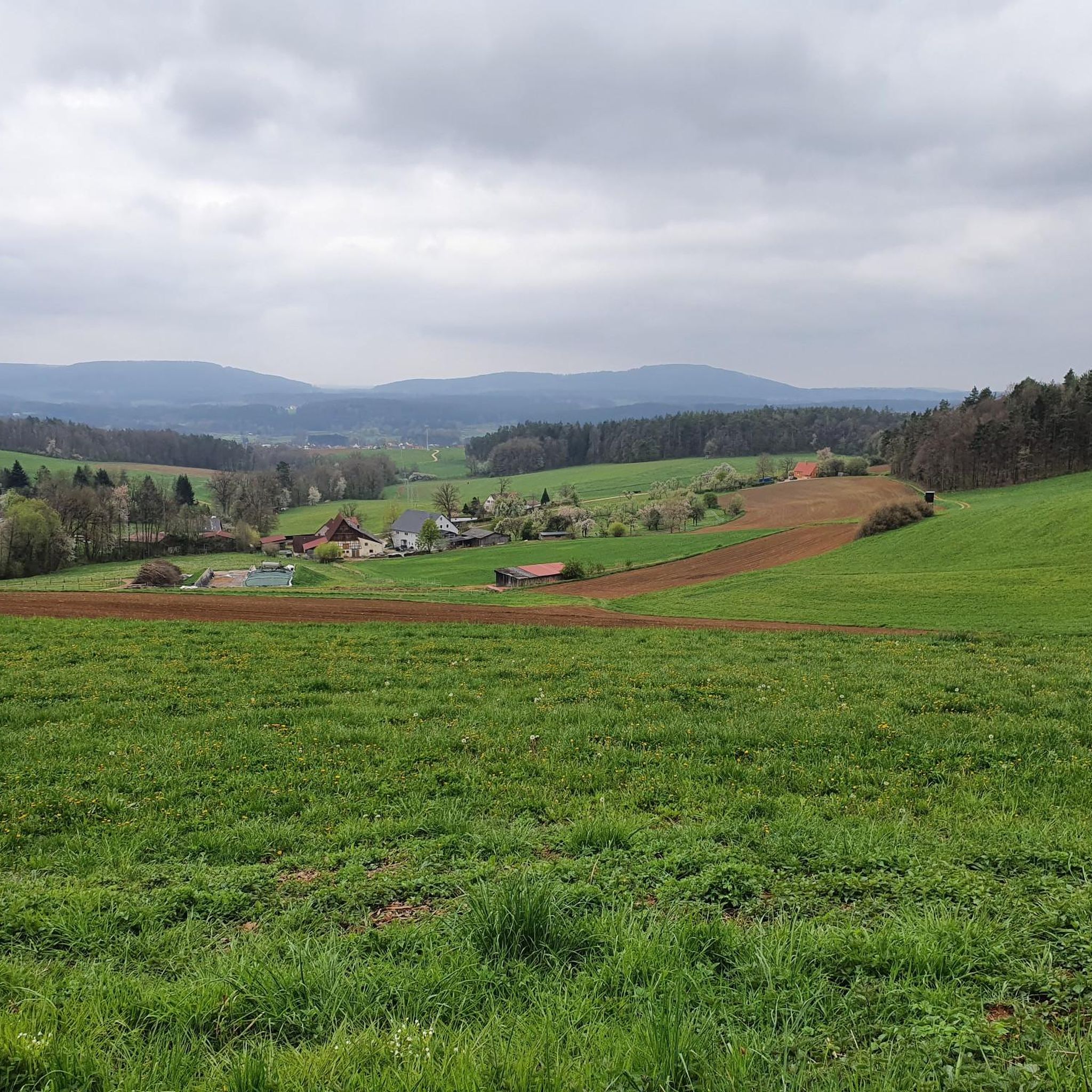
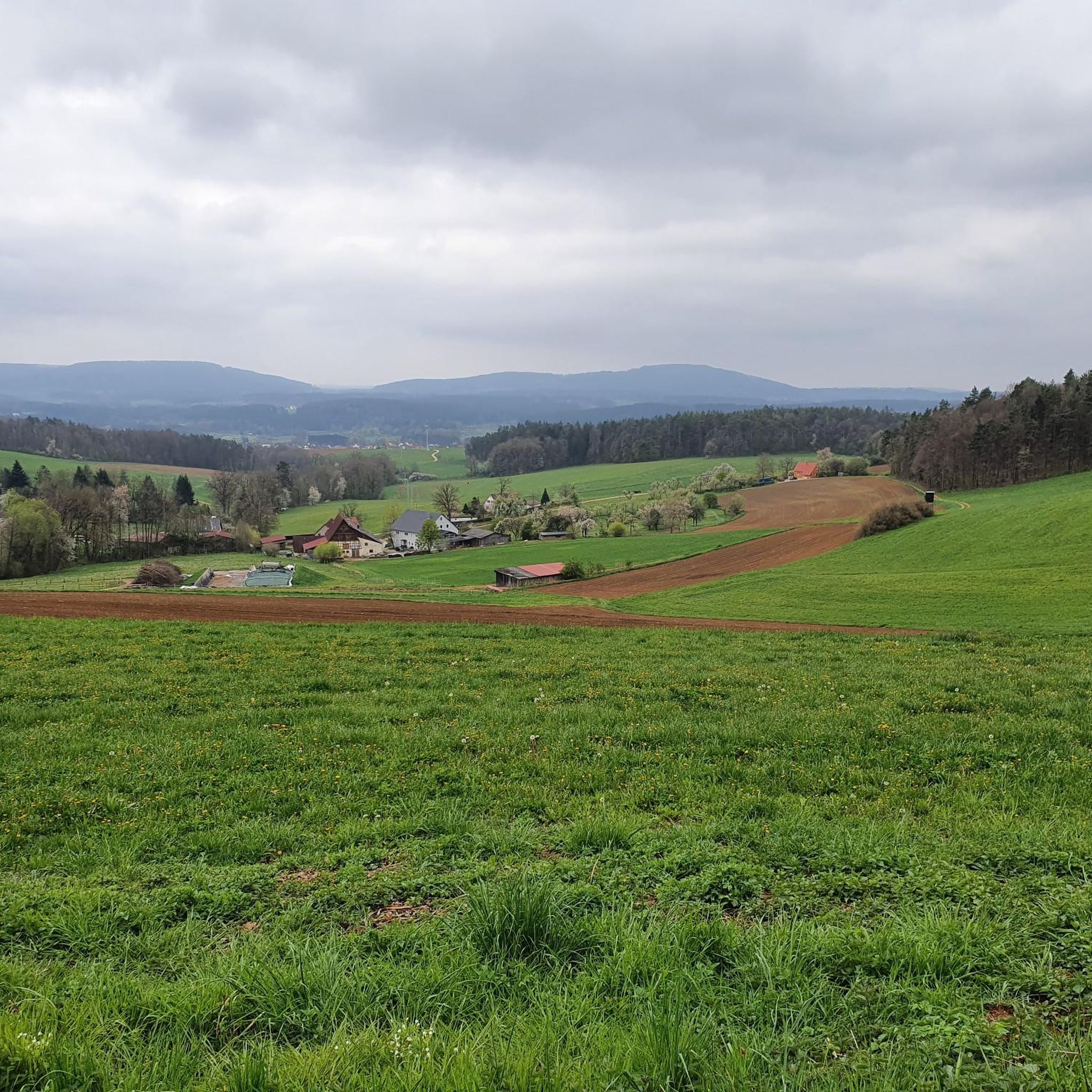
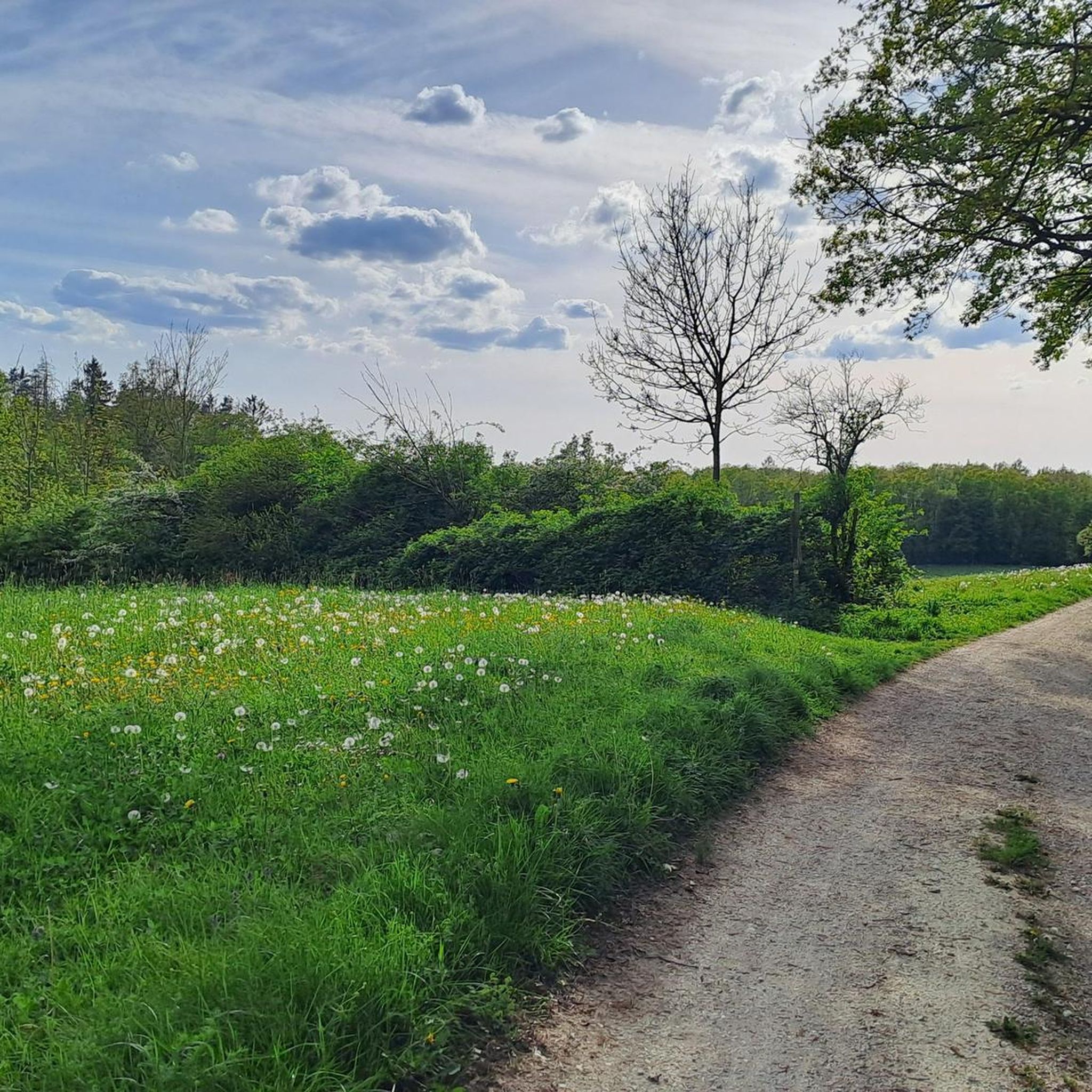
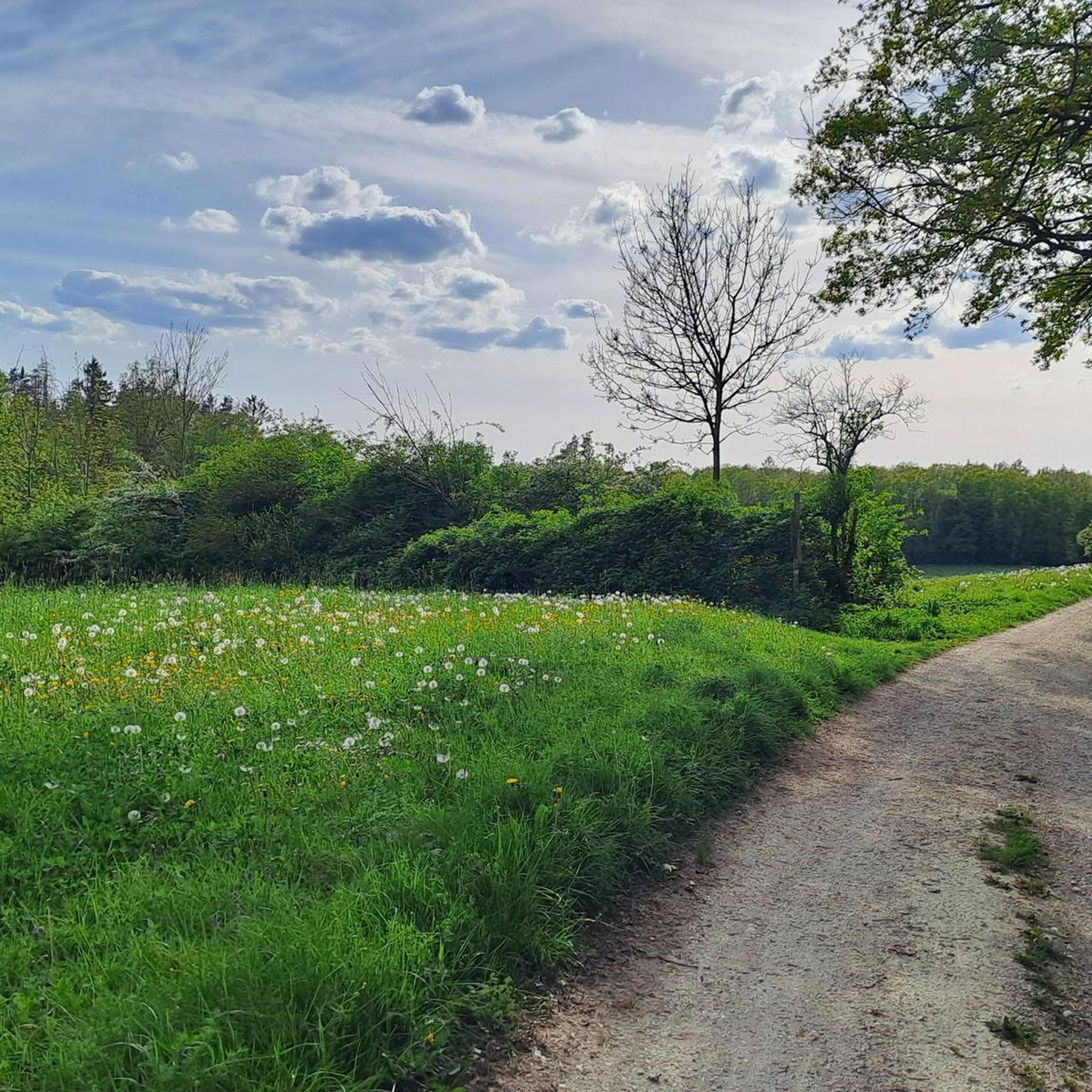
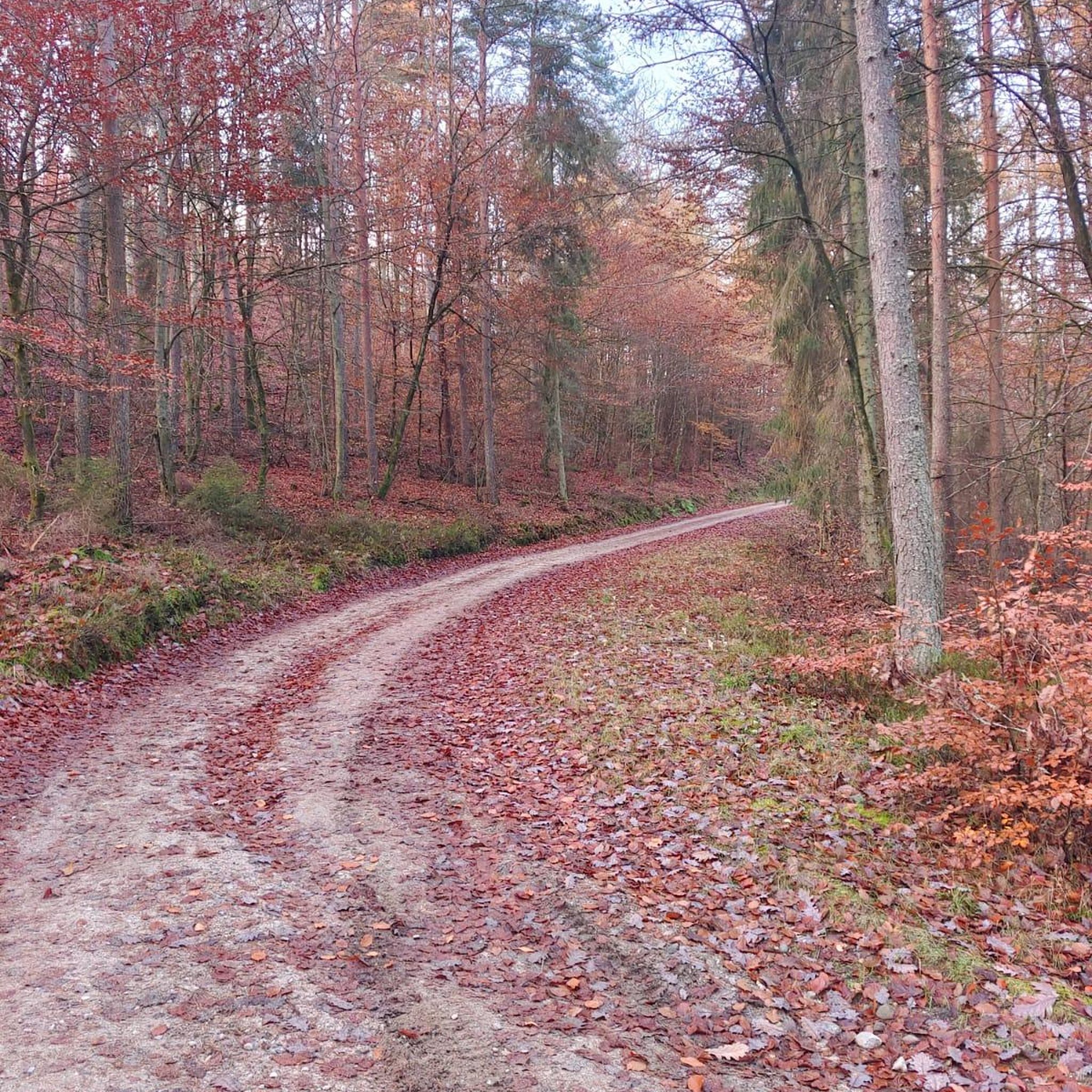
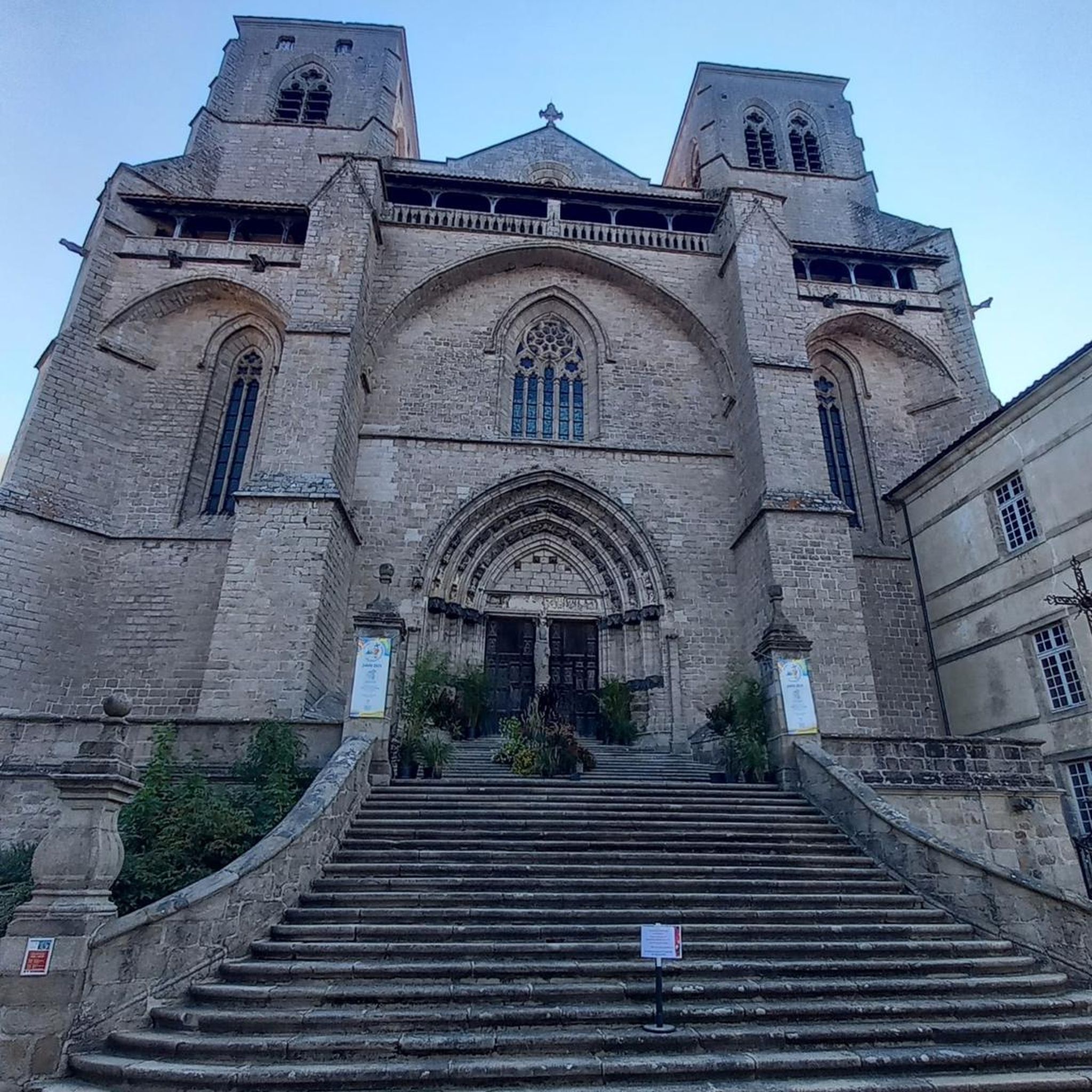
Other adventures around Reichenschwand

Tips from the Community

Very well-maintained property from the outside. From the inside, you don't have to like buildings for this purpose.🤔
9
0

In the years 1356 - 1360, the then Emperor Charles IV had a stately castle built on the small island on the Pegnitz. It served as a resting place on the way from Nuremberg to the imperial residence in Prague. The coat of arms hall is a stone testament to his power: 112 colorfully painted coat of arms shields of Bohemian noble families are carved into the wall. They were skillfully carved and painted into the sandstone by stonemasons. The coat of arms friezes are among the highest achievements of medieval heraldry.
2
0

A beautifully preserved gate.
2
0
The building you see today was built immediately after its destruction in the 2nd Margraves' War. The citizens rebuilt it in record time: Material. Massive sandstone was used, giving the building its characteristic, sturdy appearance to this day. A late Gothic structure with Renaissance influences was created. Particularly striking is the steep timber-framed gable, which was later plastered over. The town hall was much more than just an office for the mayor back then. The open ground floor (the so-called arcades) used to house the bread and meat benches. Bakers and butchers sold their goods here under the protection of the city council. The city council met on the first floor, and justice was administered. The council bell in the turret announced important verdicts or warned of fire. From early on, there was a "council room" in the town hall where the council members were entertained.
9
0
The Nuremberg Gate is the western city gate of Lauf and was part of the medieval city fortifications. It marked the beginning (or end) of the stage on the famous Golden Road in the direction of Nuremberg. The core of the gate dates from the 14th century (approx. 1350), from the time when Emperor Charles IV was also active in Lauf. It is a classic gate tower with a pointed arch passage. The striking half-timbered upper floor and the steep hipped roof give it its typical Franconian appearance.
7
0
The Hersbrucker Tor is one of the two still preserved city gates of Lauf an der Pegnitz and marks the eastern end of the historic market square. The gate was originally built in the 15th century as part of the town fortifications, shortly after Lauf was elevated to a city by Emperor Charles IV in 1355. In its current form, the structure essentially dates from 1476, as inscriptions also indicate.
6
0
The Hersbrucker Tor is one of the two remaining city gates of Lauf an der Pegnitz and marks the eastern end of the historic market square. The gate was originally built in the 15th century as part of the town fortifications, shortly after Lauf was elevated to a city in 1355 by Emperor Charles IV. In its current form, the structure essentially dates from 1476, as inscriptions also indicate.
8
0
A drinking water fountain in the form of a hydrant is very welcome to refill water bottles on hot days.
6
0
Frequently Asked Questions
How many touring cycling routes are available around Reichenschwand?
There are 17 touring cycling routes around Reichenschwand, offering a variety of options for different skill levels and preferences.
What is the best time of year for touring cycling in Reichenschwand?
The best seasons for touring cycling in Reichenschwand are generally spring and summer, when the climate is mild and the natural landscape is in full bloom, making for very scenic rides.
What kind of landscape can I expect on touring cycling routes in Reichenschwand?
Touring cycling routes in Reichenschwand traverse the diverse, hilly landscape of Franconian Switzerland and the Hersbrucker Schweiz. You'll find picturesque paths along the Pegnitz River, through meadows, and past historic villages, offering varied elevation profiles and stunning views.
Are there touring cycling routes suitable for beginners or families in Reichenschwand?
Yes, Reichenschwand offers several routes suitable for beginners and families. There are 6 easy routes, including the Happurg Quarry Lake North Shore – Upper Market, Hersbruck loop from Reichenschwand, which is 16.1 km long, and the shorter Playground and skatepark loop from Reichenschwand, at 5.9 km.
Are there challenging touring cycling routes for experienced cyclists?
Yes, for experienced cyclists seeking more demanding rides, Reichenschwand offers 6 difficult routes. The region's hilly terrain, characteristic of Franconian Switzerland, includes routes with challenging passes like the Morosini Pass, which rewards with impressive views.
Are there circular touring cycling routes around Reichenschwand?
Many touring cycling routes in Reichenschwand are designed as circular or loop trails. Examples include the popular Pegnitz Valley Cycle Path – Hersbruck Castle loop from Reichenschwand and the Happurg Quarry Lake North Shore – Upper Market, Hersbruck loop from Reichenschwand.
What natural sights can I see along the touring cycling routes in Reichenschwand?
The routes often follow the scenic Pegnitz River and its meadows (Pegnitzauen). You can also find viewpoints like the View from Glatzenstein, the View of Happurger See from Hohler Fels, and natural features such as the Bitterbach Gorge or the Klingender Waterfall.
Are there any historical or cultural attractions to visit while cycling in Reichenschwand?
Yes, Reichenschwand itself features the distinctive neo-Gothic moated Reichenschwand Castle and the St. Laurentius Church. Cycling routes often pass through historic villages like Lauf an der Pegnitz, where you can explore its market square, or near Hersbruck, offering opportunities to visit local museums and cultural sights.
Can I bring my dog on touring cycling routes in Reichenschwand?
Many touring cycling routes in Reichenschwand are suitable for cycling with dogs, especially those along the Pegnitz River and through the Pegnitzauen. However, it's always advisable to keep your dog on a leash, especially in nature reserves or near livestock, and to ensure they are comfortable with the distance and terrain.
What do other touring cyclists enjoy most about cycling in Reichenschwand?
The touring cycling routes in Reichenschwand are highly rated by the komoot community, with an average score of 4.6 stars from over 30 reviews. Cyclists often praise the varied terrain, the scenic paths along the Pegnitz River, and the mix of challenging and gentle trails that cater to different ability levels.
Is Reichenschwand connected to larger cycling networks?
Yes, Reichenschwand is strategically positioned near major regional cycling networks. It's integrated into day trips of the approximately 300 km long Five Rivers Cycle Route (Fünf-Flüsse-Radweg), which offers varied scenery and historical towns. The town also serves as a starting point for exploring the Franconian Alb landscape, part of the nearly 500 km long Frankenweg trail.
Are there places to eat or drink along the touring cycling routes?
Yes, the region around Reichenschwand, including nearby towns like Hersbruck and Lauf an der Pegnitz, offers various gastronomic options. Many routes pass through or near villages where you can find cafes, restaurants, and traditional Bavarian inns to refuel during your ride.
Where can I find parking for touring cycling routes in Reichenschwand?
Parking is generally available in Reichenschwand and the surrounding towns, often near public facilities or designated parking areas. Specific parking information for individual routes can usually be found on the respective tour pages or local tourist information websites.
Most popular routes around Reichenschwand
Most popular attractions around Reichenschwand

Get inspired with the komoot mobile app


Explore more
Browse the best Cycling routes in other regions.
