Attractions and Places To See around Poggio Mirteto - Top 20
Attractions and places to see around Poggio Mirteto include a blend of historical landmarks, cultural sites, and natural features. This charming hill-town in the Sabina area of Italy features a medieval core and Renaissance influences. Situated in the Tiber Valley, the region is characterized by panoramic views and extensive olive groves. Visitors can explore ancient Roman ruins, significant churches, and protected natural areas.
Best attractions and places to see around Poggio Mirteto
- The most popular attractions is Hermitage of Saint…
Last updated: August 2, 2026
Hermitage of Saint Sylvester
Highlight • Religious Site
Translated by Google •
Tip by

Nazzano Tevere-Farfa Nature Reserve
Highlight • Natural
Translated by Google •
Tip by

Sign up now to discover places like this
Get recommendations on the best single tracks, peaks, & plenty of other exciting outdoor places.
Sign up for free
Monte Soratte Bunker
Highlight • Monument
Translated by Google •
Tip by

Ponzano Romano
Highlight • Settlement
Translated by Google •
Tip by
San Michele Cave
Highlight • Cave
Translated by Google •
Tip by

Sign up for free to discover even more attractions around Poggio Mirteto.
Sign up for free
Already have an account?
Start today with a free account
Your next adventure awaits.
Login or Signup

Tips from the Community

An open-air museum, recommended
0
0

Short panoramic walk with an exhibition of military vehicles.
0
0

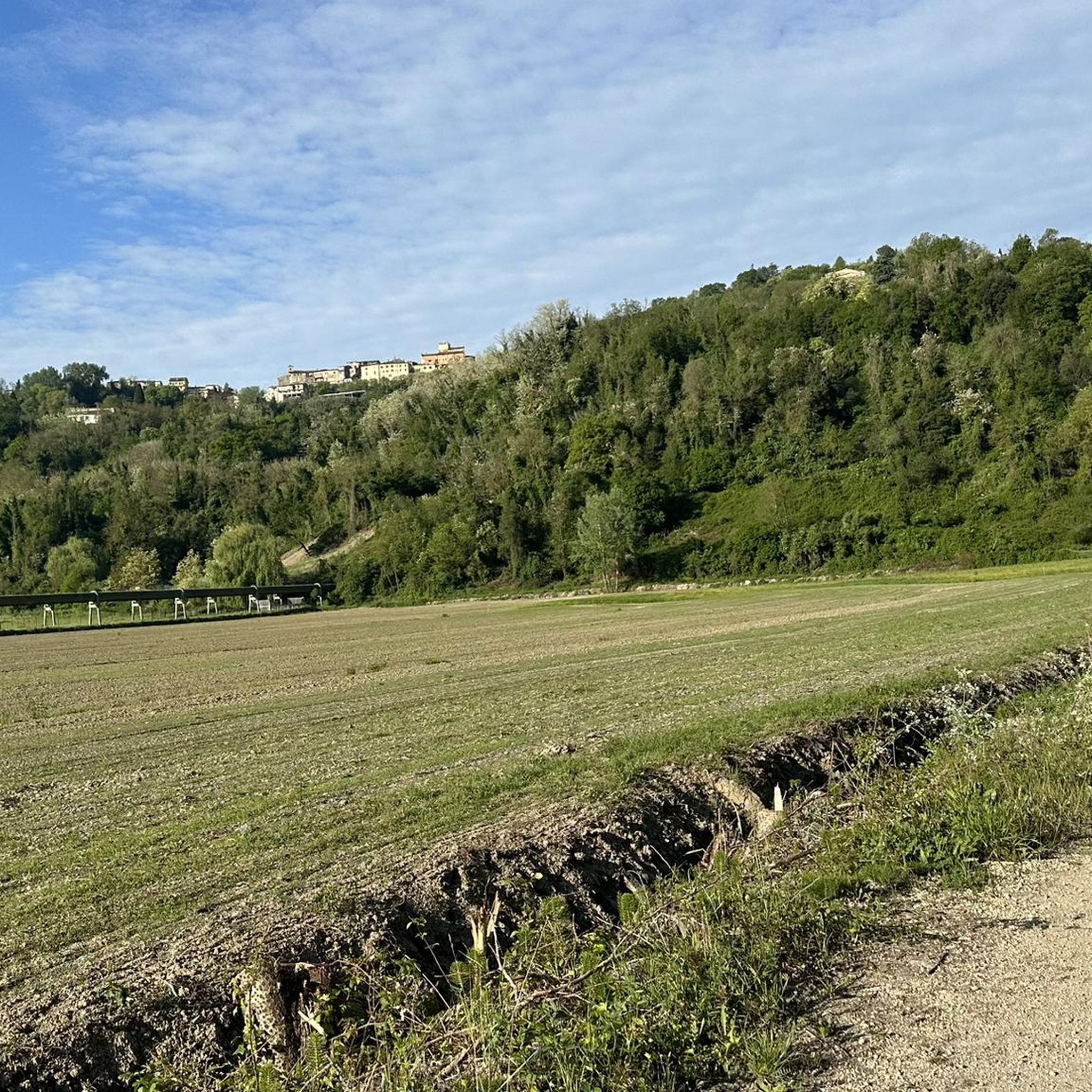
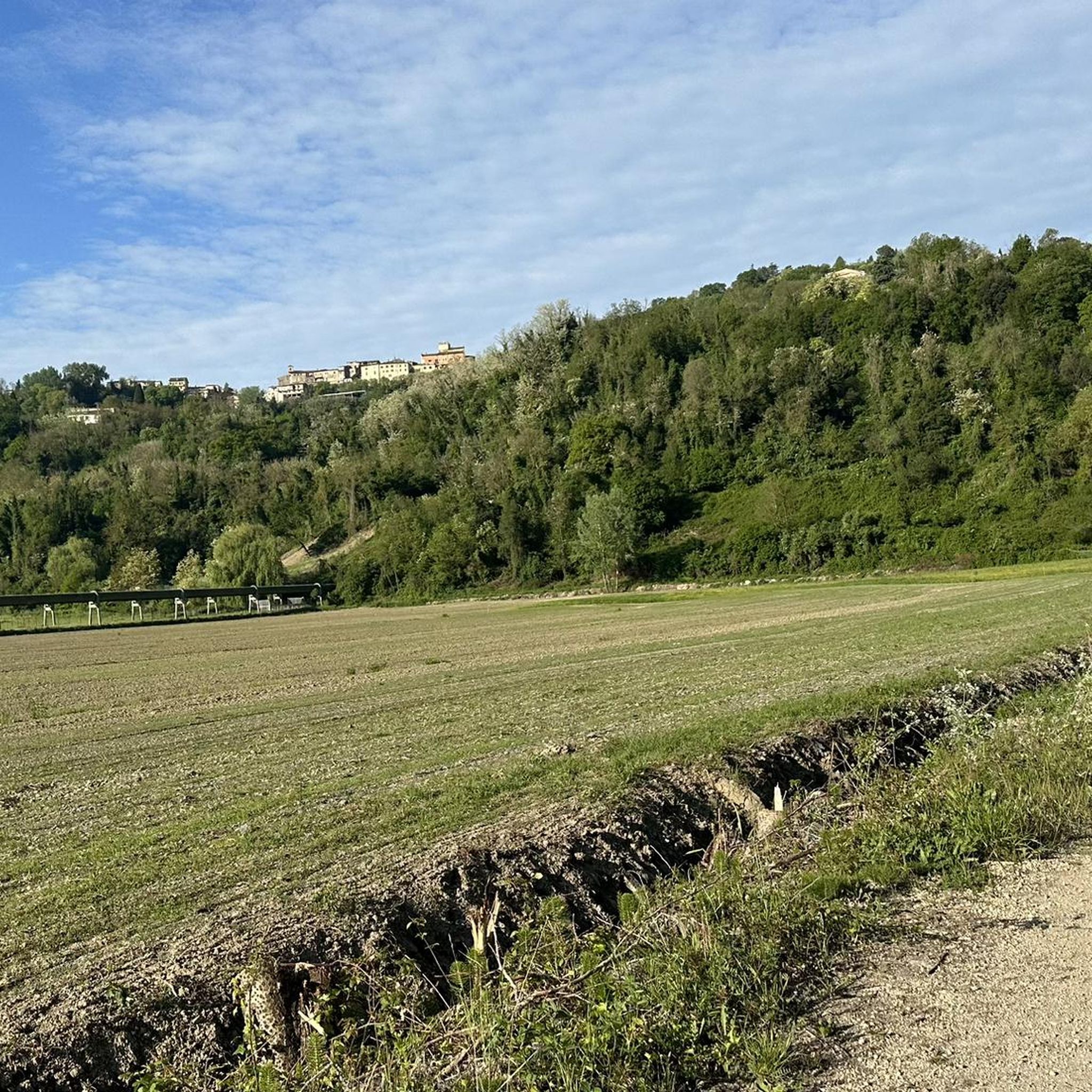
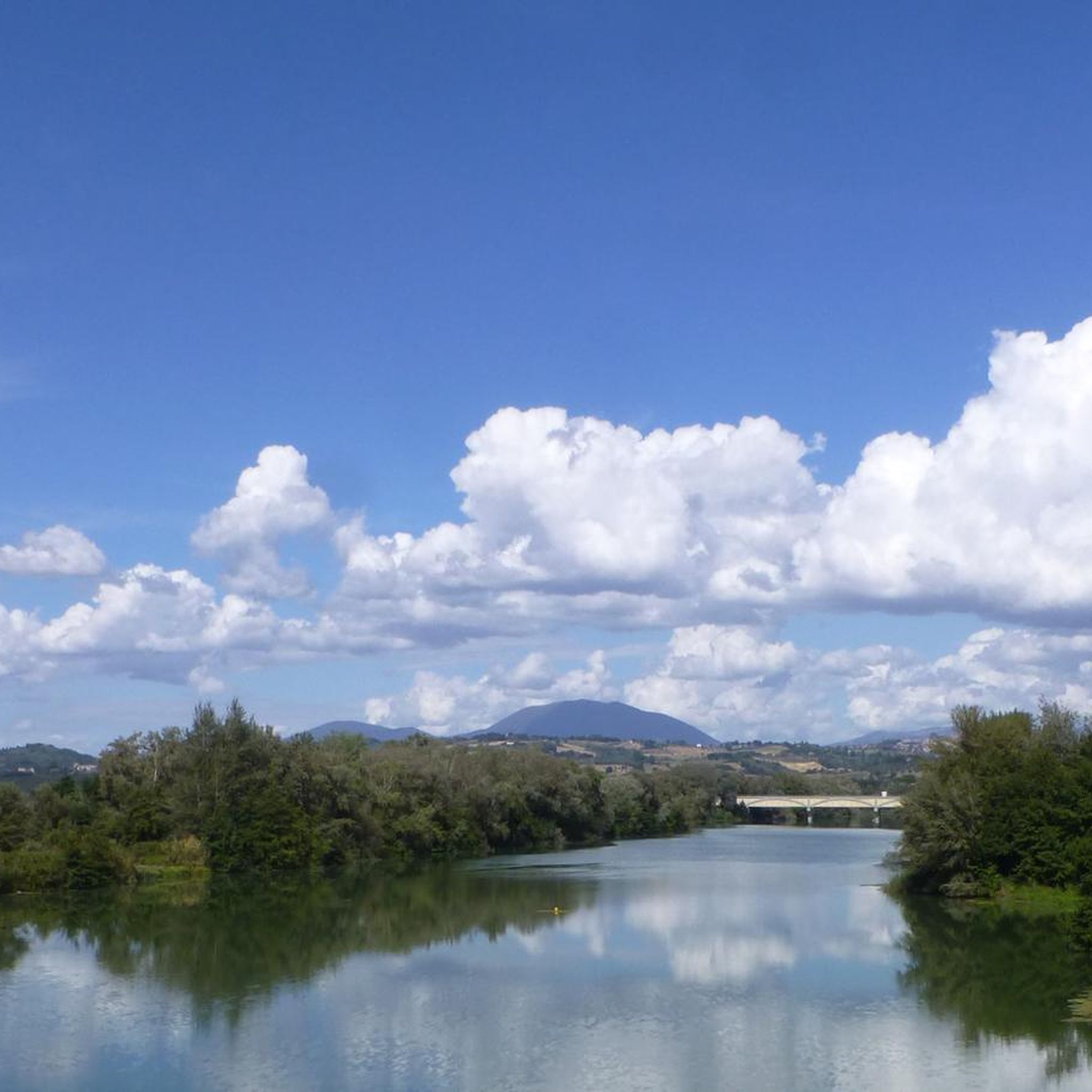
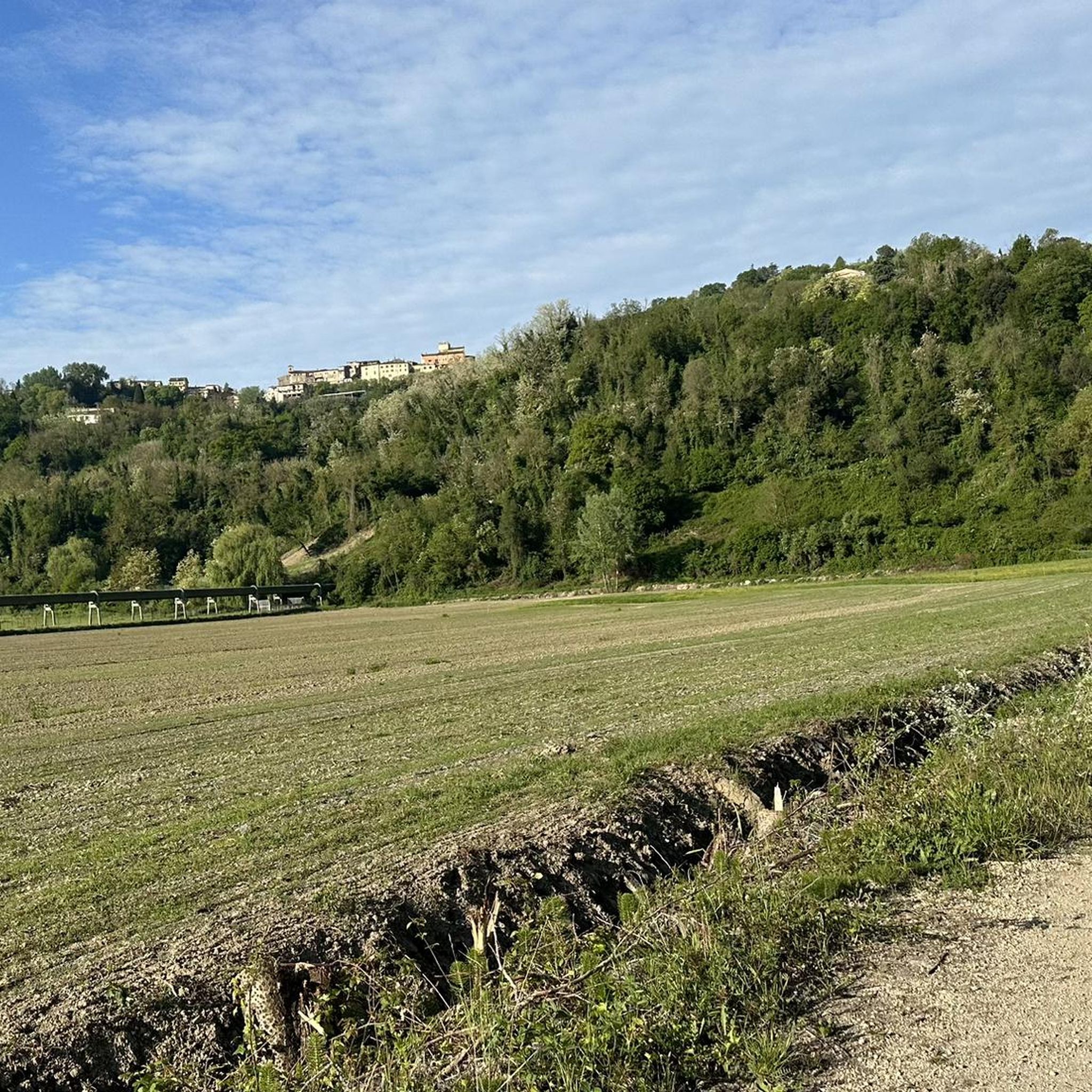
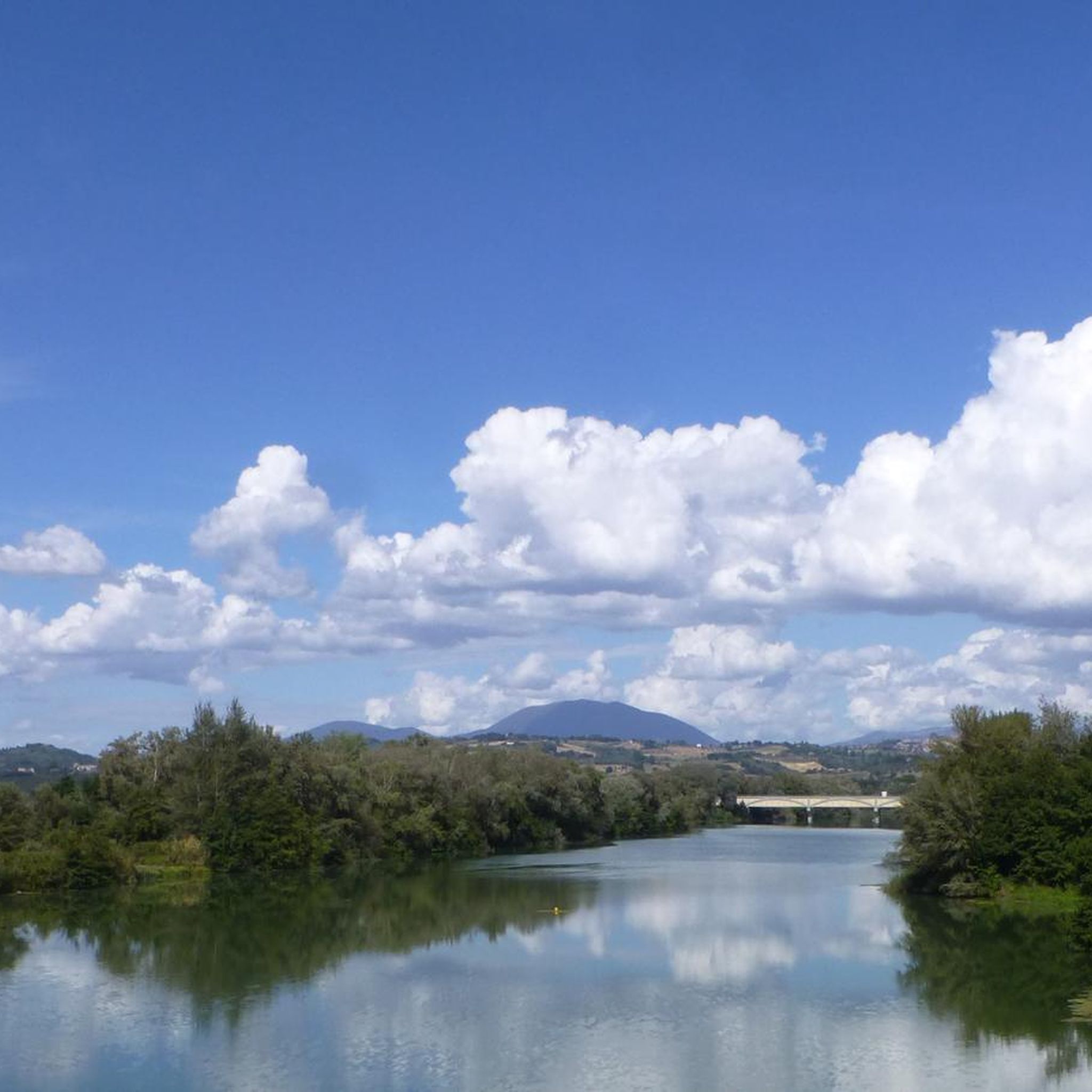
The Nazzano Tevere - Farfa Regional Nature Reserve extends upstream of the Enel hydroelectric power plant in Nazzano, and includes the stretch of the Tiber river that goes from the power plant itself to the Poggio Mirteto mountain and along the course of the Farfa river up to the Granica bridge .
0
0

On the way to the top of Soratte, just before the San Silvestro hermitage, you can take the path on the left that leads to the small San Sebastiano hermitage, of which modest wall traces remain. The latter was home to hermits in the 16th and 17th centuries, after which it began to be abandoned and fell into ruin. In the rock there is a cavity used to collect water. Short trail but to be followed with care.
0
1

This hermitage has a patronal name that is truly on everyone's lips, but only a few will know the person behind it: the feast day of Saint Sylvester (San Silvestro) is December 31st. He lived at the end of the third or beginning of the fourth century and was Bishop of Rome when Emperor Constantine - later generations gave him the nickname "the Great" - recognized Christianity as a religion with the so-called "Edict of Toleration" of Milan, thus ending - at least temporarily - the period of bloody persecution of Christians.
1
2

crossroads for the hermitage of San Michele
0
0
this is the hermitage of san leonardo
0
0
Frequently Asked Questions
What natural attractions can I explore around Poggio Mirteto?
The region offers several natural highlights. You can visit the Nazzano Tevere-Farfa Nature Reserve, a protected area in the Tiber Valley featuring the Tiber River, its tributary Farfa, and the artificial lake of Nazzano. The area is also characterized by the beautiful Tiber Valley and extensive olive groves.
Are there any historical landmarks to visit in Poggio Mirteto?
Yes, Poggio Mirteto boasts a rich history. The town's medieval core features landmarks like the central Piazza Martiri della Libertà, the Cathedral of Santa Maria Assunta, and the monumental Porta Farnese. You can also see the 16th-century Clock Tower with bells from 1290, and the historic Church of San Paolo, dating back to the 13th century with remarkable frescoes.
What unique cultural sites are there in Poggio Mirteto?
Beyond its historical buildings, Poggio Mirteto has unique cultural sites such as the Former Glassmaker's Chimney in Piazza della Vetreria, a remnant of Italy's first industrial glassware factory. The town also hosts the MUBAM (Museum of Musical Brass Bands) and the Museo Arti e Mestieri, which display local heritage and history.
Can I find family-friendly activities in the area?
The Nazzano Tevere-Farfa Nature Reserve is categorized as family-friendly, offering a peaceful setting for walks and enjoying nature. The historic center of Poggio Mirteto and nearby Ponzano Romano also provide interesting exploration for families.
Where can I find panoramic views near Poggio Mirteto?
For stunning panoramic views, head to the Hermitage of Saint Sylvester at the top of Mount Soratte, which overlooks the surrounding valleys and the Tiber Valley. Within Poggio Mirteto itself, you can find scenic lookout points from the medieval town's alleys and off Piazza Civitavecchia.
What kind of outdoor activities are available for cyclists?
The area around Poggio Mirteto is excellent for cycling. You can find various routes for gravel biking, mountain biking, and road cycling. For instance, there are gravel biking routes like the 'Tevere-Farfa Nature Reserve – Torrita Tiberina Bridge loop' and MTB trails such as 'Sulla vetta del Monte Soratte dalla Valle del Tevere'. Road cyclists can enjoy routes like the 'Southern Monti Sabini Loop'. You can find more details on these activities in the gravel biking, MTB trails, and road cycling guides for the region.
Are there hiking opportunities around Poggio Mirteto?
Yes, there are hiking opportunities, particularly around natural sites. The Nazzano Tevere-Farfa Nature Reserve offers flat gravel paths suitable for walks. The area around Mount Soratte, including the path to the Hermitage of Saint Sylvester, also provides more challenging trails with rewarding views.
What is the <a href="https://www.komoot.com/highlight/2607084" target="_blank" rel="noopener">Monte Soratte Bunker</a> and can I visit it?
The Monte Soratte Bunker is a significant man-made monument consisting of a vast network of tunnels inside Mount Soratte. Built in 1937, it served as an air-raid shelter during WWII and later as a NATO fallout shelter. The area outside the bunker is freely accessible, and guided tours are available to explore the tunnels. You can find more information on visiting the site at bunkersoratte.it.
What is the best time of year to visit Poggio Mirteto?
Poggio Mirteto can be enjoyed throughout the year. Spring and autumn offer pleasant temperatures for exploring the historical sites and engaging in outdoor activities like hiking and cycling. The summer months are ideal for enjoying the local festivals and events, though it can be warmer. Winter provides a quieter experience, with attractions like the Monte Soratte Bunker still accessible.
Are there any ancient Roman ruins to see?
Yes, the municipality of Poggio Mirteto contains numerous ancient Roman villa ruins. Notable examples include the 'Bagni di Lucilla' and another traditionally attributed to Terentius Varro, both located in the suburb of San Valentino. A mosaic of Diana discovered at Bagni di Lucilla is now housed in the Vatican Museums.
What is the significance of the <a href="https://www.komoot.com/highlight/2988509" target="_blank" rel="noopener">Hermitage of Saint Sylvester</a>?
The Hermitage of Saint Sylvester is a religious building located at the summit of Mount Soratte. It's one of several hermitages in the Sabina region and is known for its isolated, suggestive atmosphere and the stunning panoramic views it offers of the Tiber Valley. It's a place of historical and spiritual significance.
What local traditions or events are notable in Poggio Mirteto?
Poggio Mirteto is famous for its 'Carnevalone Liberato' (freed big Carnival), a significant cultural event celebrating the town's symbolic 'self-liberation' from the Papal States with satirical groups and chariots. Other carnival events include a bruschetta festival and a children's carnival, showcasing the town's vibrant community spirit.
Are there any accessible attractions for visitors with mobility concerns?
While specific accessibility information for all attractions is not detailed, the flat gravel paths within the Nazzano Tevere-Farfa Nature Reserve might offer easier access for some visitors. For historical sites within the medieval town, narrow alleys and uneven surfaces may present challenges.
What kind of local cuisine or products should I look for?
Poggio Mirteto shares the rich culinary traditions of the Sabina area. The region is renowned for its high-quality Sabina olive oil, which is a must-try. You'll also find a focus on various forms of egg pasta, reflecting the local gastronomic heritage.
Most popular routes around Poggio Mirteto
Most popular attractions around Poggio Mirteto

Get inspired with the komoot mobile app


Explore more
Still not found the Highlight you’re looking for? See guides of the top attractions in other regions:
