The best walks and hikes around Lanciano
4.2
(69)
844
hikers
24
hikes
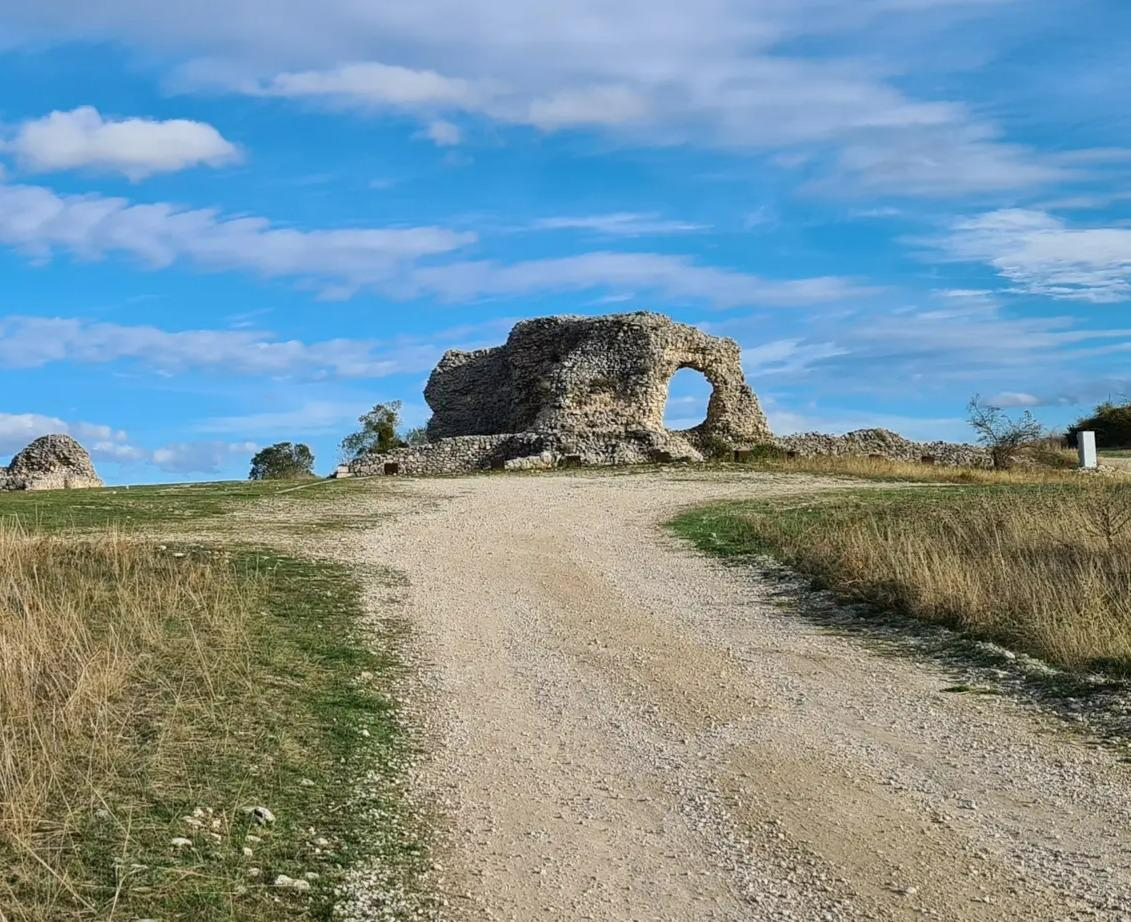
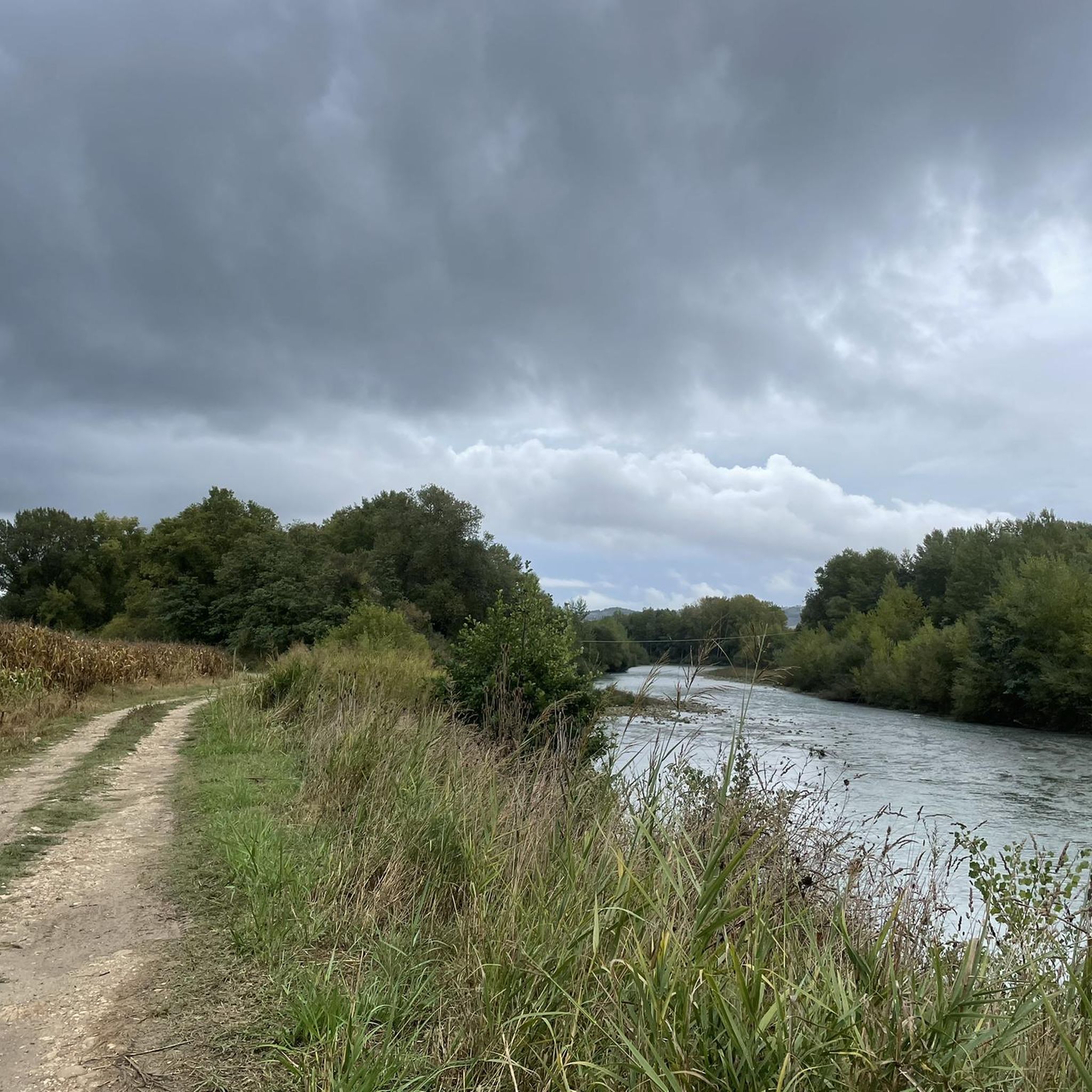
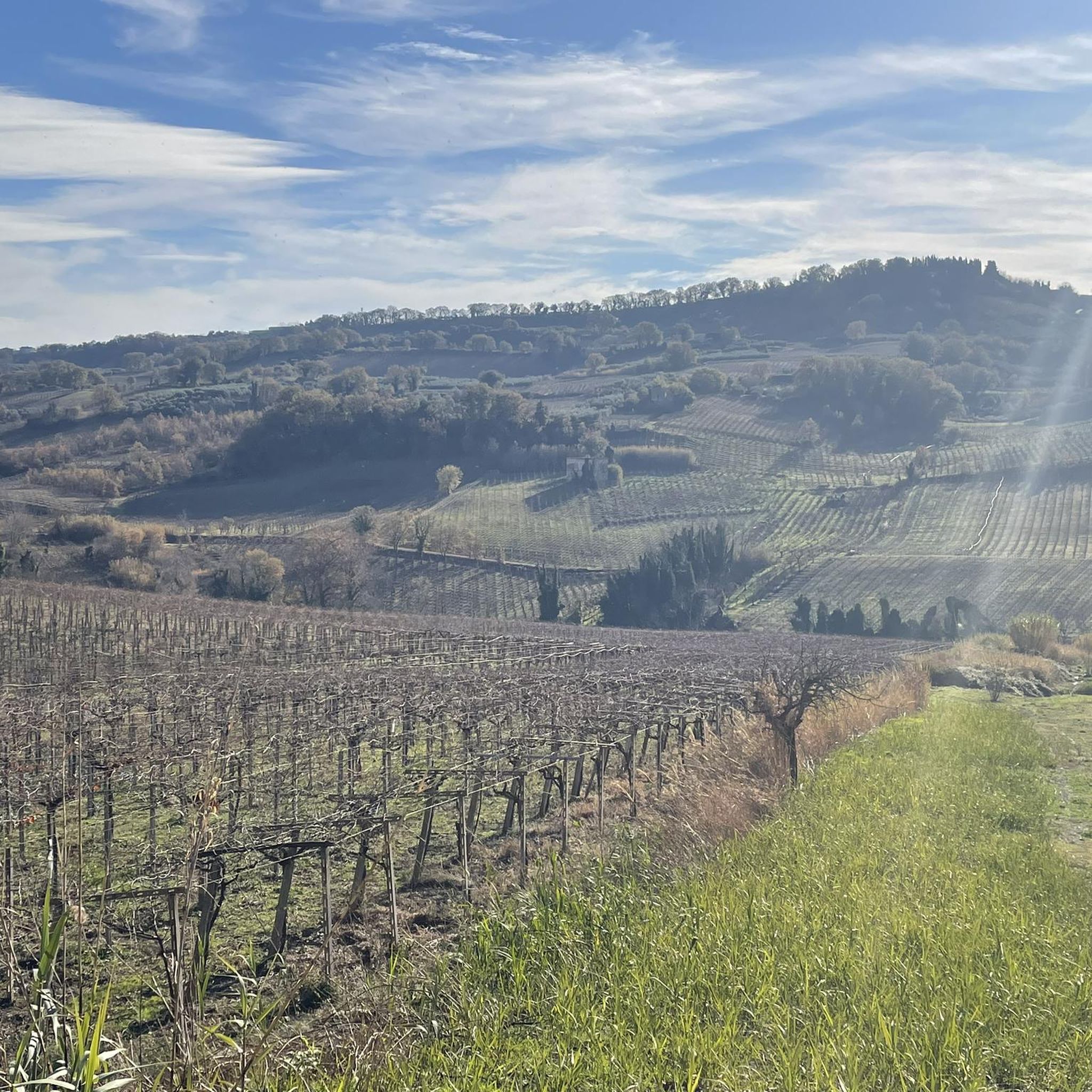
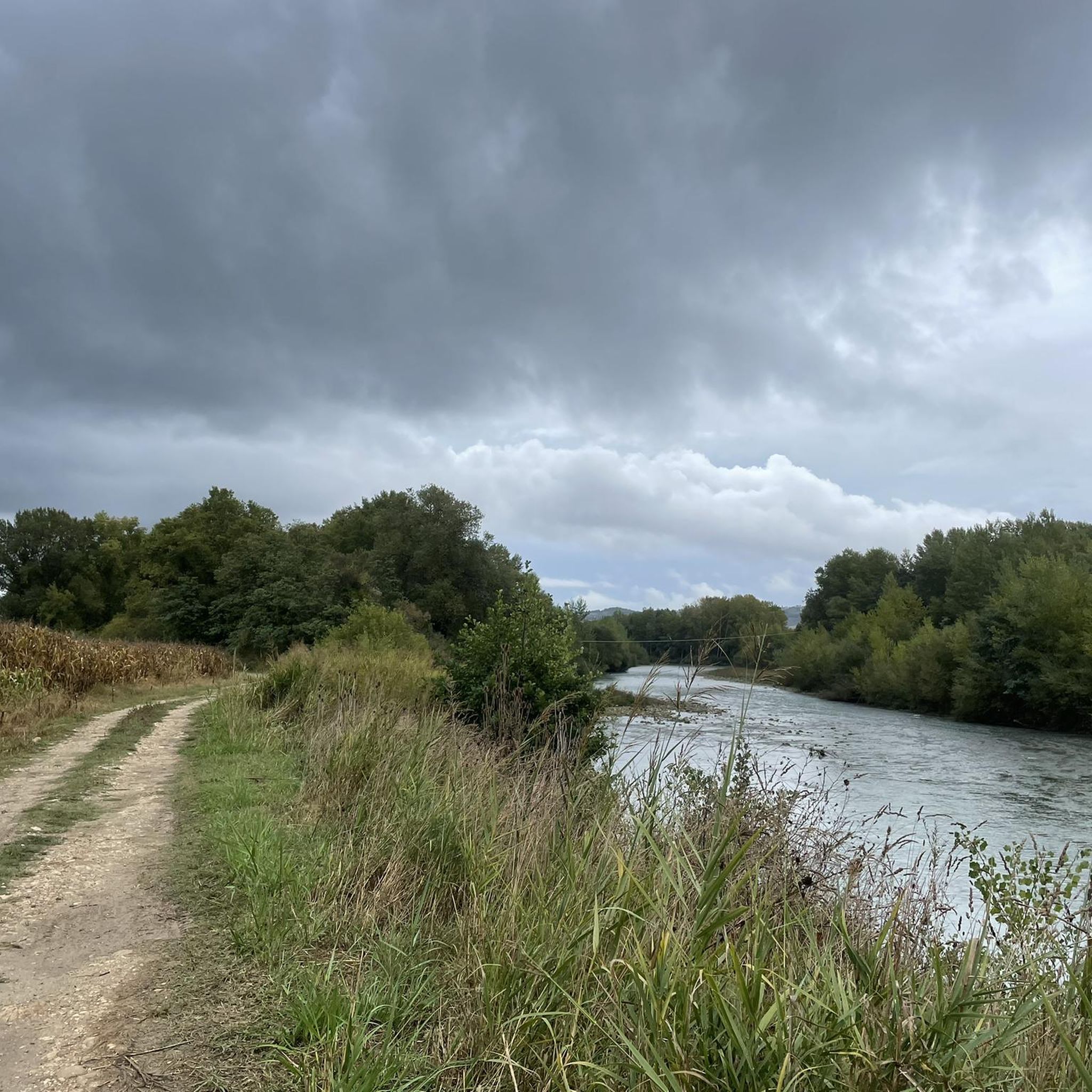
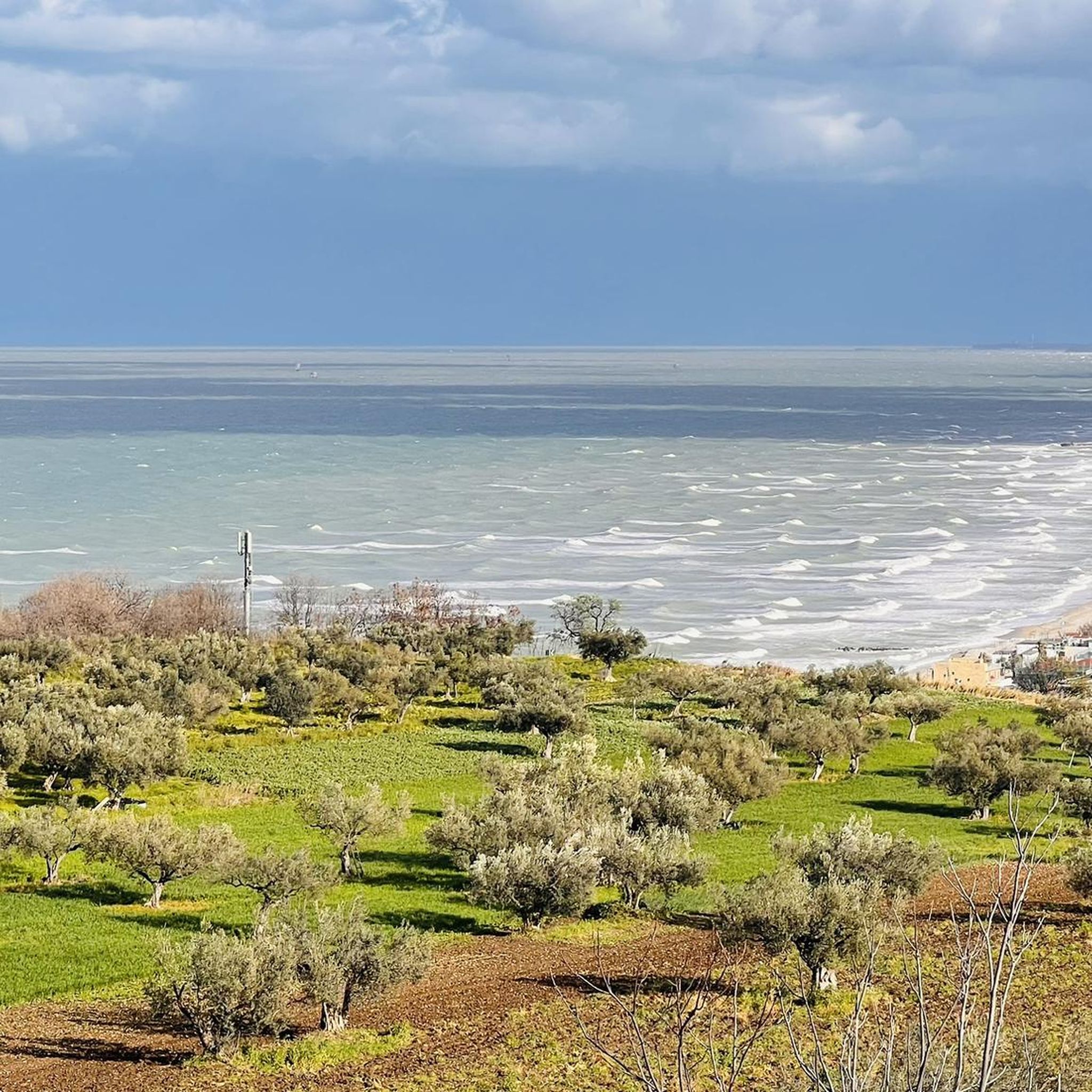
Hiking around Lanciano offers diverse landscapes, from the foothills of the Apennine Mountains to the Adriatic coast. The region features extensive national parks and nature reserves, including areas near the Majella Mountain. Hikers can explore routes through olive groves and vineyards, or along the Costa dei Trabocchi, which showcases traditional fishing platforms. The varied terrain provides options for different types of outdoor exploration.
Best hiking trails around Lanciano
- The most popular hiking route is Torri Montanare – Fonte del Borgo…
Last updated: October 12, 2026
20
hikers
7.87km
02:08
110m
110m
Moderate hike. Good fitness required. Easily-accessible paths. Suitable for all skill levels.
16
hikers
9.44km
02:33
130m
130m
Moderate hike. Good fitness required. Easily-accessible paths. Suitable for all skill levels.

3.0
(1)
9
hikers
11.0km
02:59
160m
160m
Moderate hike. Good fitness required. Easily-accessible paths. Suitable for all skill levels.
14
hikers
9.45km
02:30
90m
90m
Moderate hike. Good fitness required. Easily-accessible paths. Suitable for all skill levels.
9
hikers
7.26km
01:59
110m
110m
Easy hike. Great for any fitness level. Easily-accessible paths. Suitable for all skill levels.
Get access to more routes and recommendations from other explorers.
Already have an account?
Our route recommendations are based on thousands of hikes, rides, and runs completed by other people on komoot.
Start today with a free account
Your next adventure awaits.

Other adventures around Lanciano

Tips from the Community

Lanciano is famous for the Sanctuary of the Eucharistic Miracle and its medieval center spread across three hills. Rich in churches, historic buildings, and culinary traditions such as the Panarda, it represents an important cultural and religious center in the region.
1
0

On the main altar of the church is placed the reliquary, containing the testimony of the first Eucharistic miracle.
0
0
The only gate that escaped the destruction of the city walls in the 19th century, Lanciano had 9 entrances to the historic center.
0
0

Basilicata overlooks Piazza Plebiscito with its columns, as if to dominate it.
6
0
Basilica majestic in its beauty thanks to its marble and painted interiors, which enrich its magnificence.
5
0

One of the few saints highly esteemed outside of Christianity is Saint Francis, known in German-speaking countries as Francis of Assisi. Francis was born in Assisi in 1181/82 and died in 1226. A bon vivant in his youth as the son of wealthy parents, he later turned to Christ. One day, while praying in the half-ruined church of San Damiano, situated on a hillside outside the city walls of Assisi, he heard the voice of Christ coming down from the cross, calling him to "rebuild his Church." At first, he took this request literally and restored the church building. Later, he came to realize that the Church was primarily about the community of believers. Francis became a role model for many people; they joined him, and the "Order of the Friars Minor" (Ordo Fratrum Minorum) of Francis of Assisi was founded. Today, the vast Franciscan order family includes three male branches: the Franciscans, the Friars Minorites, and the Capuchins; and two female branches: the Franciscan nuns and the Poor Clares. In addition, there is the "Third" or "Secular" Order, which is open to women and men who do not take the traditional religious vows (poverty, chastity, and obedience) and continue to live in their families and professions.
5
0

The citizens of Lanciano decided around 1390 to build a church in honor of the Madonna and initially called it "Oratorio di Maria Santissima del Ponte" (Eng .: Oratory of the Most Holy Mary of the Bridge), later the church was called "Santa Maria delle Grazie "(Eng .: Holy Mary of Grace) renamed. Probably there was already a place of worship on the site of the church in the 8th century. Around the year 1610, the campanile was built to the left of the entrance and equipped with 5 bells. In the 18th century, the original church was demolished and rebuilt, although the facade in the upper part has not been completed to this day. The church is well worth seeing because it is very well preserved and has some special features that you cannot always recognize at first glance. So you should take your time when visiting and let this beautiful space work on you, it's worth it.
5
0
The "San Francesco" church was built between 1252 and 1258 on the remains of the wall of the "San Legonziano" church below, making it one of the first monastery churches in Abruzzo. This place was the alleged site of the Eucharistic Miracle of Lanciano, which, according to Christian tradition, probably took place here in the 7th century. The facade of the current building in Gothic style has been well preserved over the centuries. The upper part of the church was then rebuilt due to earthquake damage in the first half of the 18th century with elements of different origins as well as with material from an adjacent chapel. All in all a beautiful and impressive church that owes its importance less to its architecture than to the Eucharistic miracle - a visit is definitely worth it.
6
0
Frequently Asked Questions
How many hiking trails are available around Lanciano?
There are over 25 hiking routes in the Lanciano area, catering to various preferences and fitness levels. These include 8 easy trails, 16 moderate options, and 1 more challenging route.
What kind of landscapes can I expect to see while hiking near Lanciano?
Hiking around Lanciano offers incredibly diverse landscapes. You can explore the foothills of the Apennine Mountains, including views towards the Majella Mountain, wander through picturesque olive groves and vineyards, or enjoy coastal walks along the Adriatic Sea, such as the famous Costa dei Trabocchi.
Are there hiking options suitable for families or beginners in Lanciano?
Yes, Lanciano offers several easy hiking options perfect for families or those new to hiking. For example, the Lanciano loop from Lanciano is an easy 7.1 km trail that takes about 1 hour 55 minutes to complete, with a manageable elevation gain of around 95 meters.
What do other hikers say about the trails in Lanciano?
The hiking routes in Lanciano are highly rated by the komoot community, with an average score of 4.5 stars from over 70 reviews. Hikers often praise the varied terrain, from scenic coastal paths to tranquil routes through vineyards, and the well-maintained trails that offer beautiful views of the surrounding Abruzzo region.
Are there any circular hiking routes around Lanciano?
Yes, many of the trails around Lanciano are circular, allowing you to start and end in the same location. Popular circular options include the moderate Torri Montanare – Fonte del Borgo loop from Lanciano, which covers 9.2 km, and the easy Torri Montanare – Lanciano loop from Lanciano, a 7.0 km route.
What natural features or landmarks can I see along the hiking trails?
The region boasts numerous natural features and landmarks. Along the coast, you can explore the Punta dell'Acquabella Nature Reserve with its wild beach and cliffs, or admire the traditional fishing platforms (trabocchi) along the Costa dei Trabocchi Cycle Path. Inland, you'll find picturesque olive groves, vineyards, and views of the Apennine Mountains.
Are there any dog-friendly hiking trails in Lanciano?
Many trails in the Lanciano area are suitable for hiking with dogs, especially those that traverse open countryside, vineyards, and coastal paths. It's always recommended to keep your dog on a leash, especially in nature reserves or near livestock, and to carry water for both yourself and your pet.
What is the best time of year to go hiking in Lanciano?
Spring (April-June) and Autumn (September-October) are generally the best times for hiking in Lanciano, offering pleasant temperatures and vibrant landscapes. Spring brings blooming wildflowers, while autumn showcases beautiful fall colors in the vineyards and forests. Summer can be warm, especially for coastal walks, so early mornings or late afternoons are preferable.
Are there any challenging hikes for experienced hikers?
While most routes around Lanciano are easy to moderate, there is one designated difficult trail, and 16 moderate routes that offer a good challenge. The moderate Fonte del Borgo – Torri Montanare loop from Lanciano, at 11.5 km with a 136-meter elevation gain, provides a longer and more demanding experience.
Where can I find parking for hiking trailheads in Lanciano?
Many of the hiking loops around Lanciano start directly from the town, making it convenient to park in designated public parking areas within Lanciano itself. For trails further afield, specific parking information is often available on individual route descriptions or local tourism resources.
Can I reach hiking trails near Lanciano using public transport?
Lanciano is a well-connected town, and some trails are accessible directly from the town center, which can be reached by public transport. For routes outside the immediate urban area, local bus services might connect to nearby villages or trailheads, though options can be limited. Checking local bus schedules is advisable for specific routes.
Are there any historical sites or cultural points of interest to explore while hiking?
Beyond the natural beauty, Lanciano's medieval center offers a rich historical experience with its narrow lanes and ancient walls. The region also features unique hermitages carved into rock faces, which can be reached via more adventurous treks, offering a glimpse into the area's spiritual heritage.
Most popular attractions around Lanciano

Get inspired with the komoot mobile app


Explore more
Browse the best Hikes in other regions.
