The best MTB trails around Poggio Nativo
4.5
(109)
1,236
riders
71
rides
Mountain biking around Poggio Nativo offers a diverse landscape characterized by rolling hills, river valleys, and expansive countryside. The region features a mix of challenging climbs and scenic descents, with routes often passing by lakes and through wooded areas. Mountain bikers can expect varied terrain, from gravel paths to more technical singletrack, providing a dynamic riding experience. The area's natural beauty, including views of water bodies and rural landscapes, makes it a popular destination for outdoor enthusiasts.
Best mountain bike…
Last updated: July 19, 2026
5.0
(3)
14
riders
41.1km
04:04
1,360m
1,360m
Hard mountain bike ride. Very good fitness required. Suitable for all skill levels.
4.0
(1)
14
riders
Moderate mountain bike ride. Good fitness required. Suitable for all skill levels.

Sign up for free
3.0
(2)
13
riders
Hard mountain bike ride. Very good fitness required. Suitable for all skill levels.
4.0
(2)
11
riders
Hard mountain bike ride. Very good fitness required. Suitable for all skill levels.
9
riders
28.5km
02:54
880m
880m
Moderate mountain bike ride. Good fitness required. Suitable for all skill levels.
Get access to more routes and recommendations from other explorers.
Sign up for free
Already have an account?
Our route recommendations are based on thousands of hikes, rides, and runs completed by other people on komoot.
Start today with a free account
Your next adventure awaits.
Login or Signup

Tips from the Community

The Torracci of Osteria Nuova are three large tower-shaped tombs located in the hamlet of Osteria Nuova, in the province of Rieti but also close to Rome. These archaeological structures date back to the 2nd century AD, evidence of the Roman Imperial era.
0
0

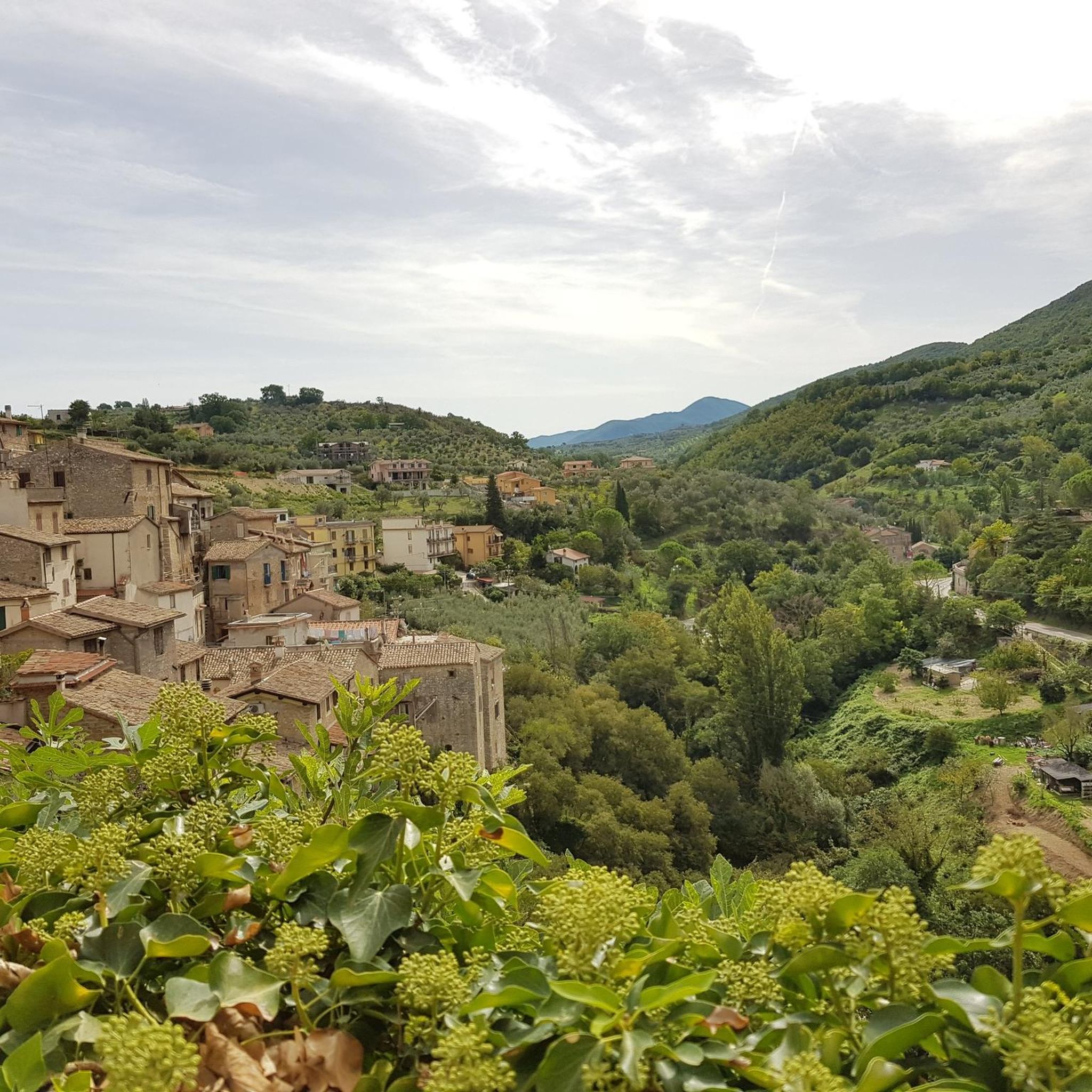
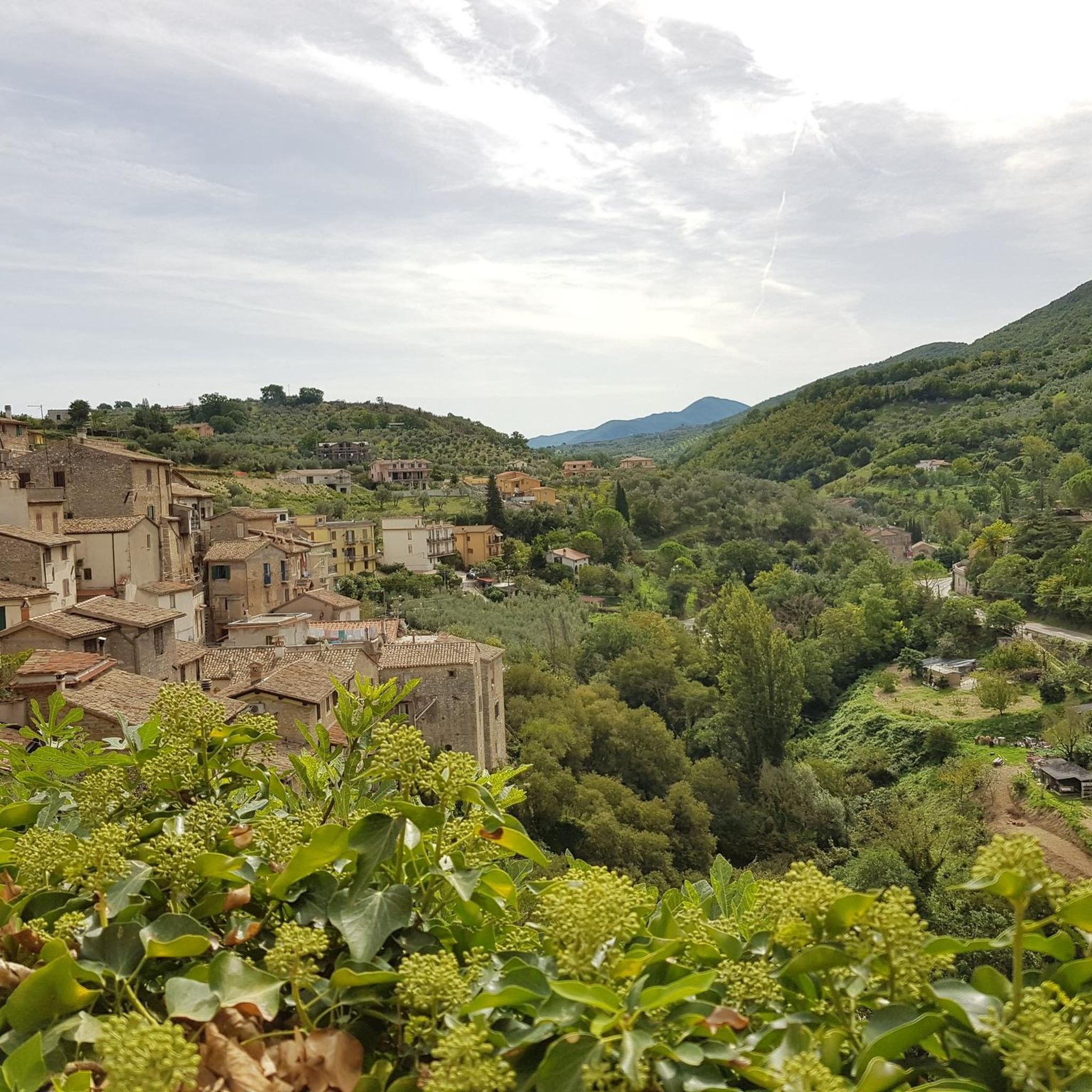
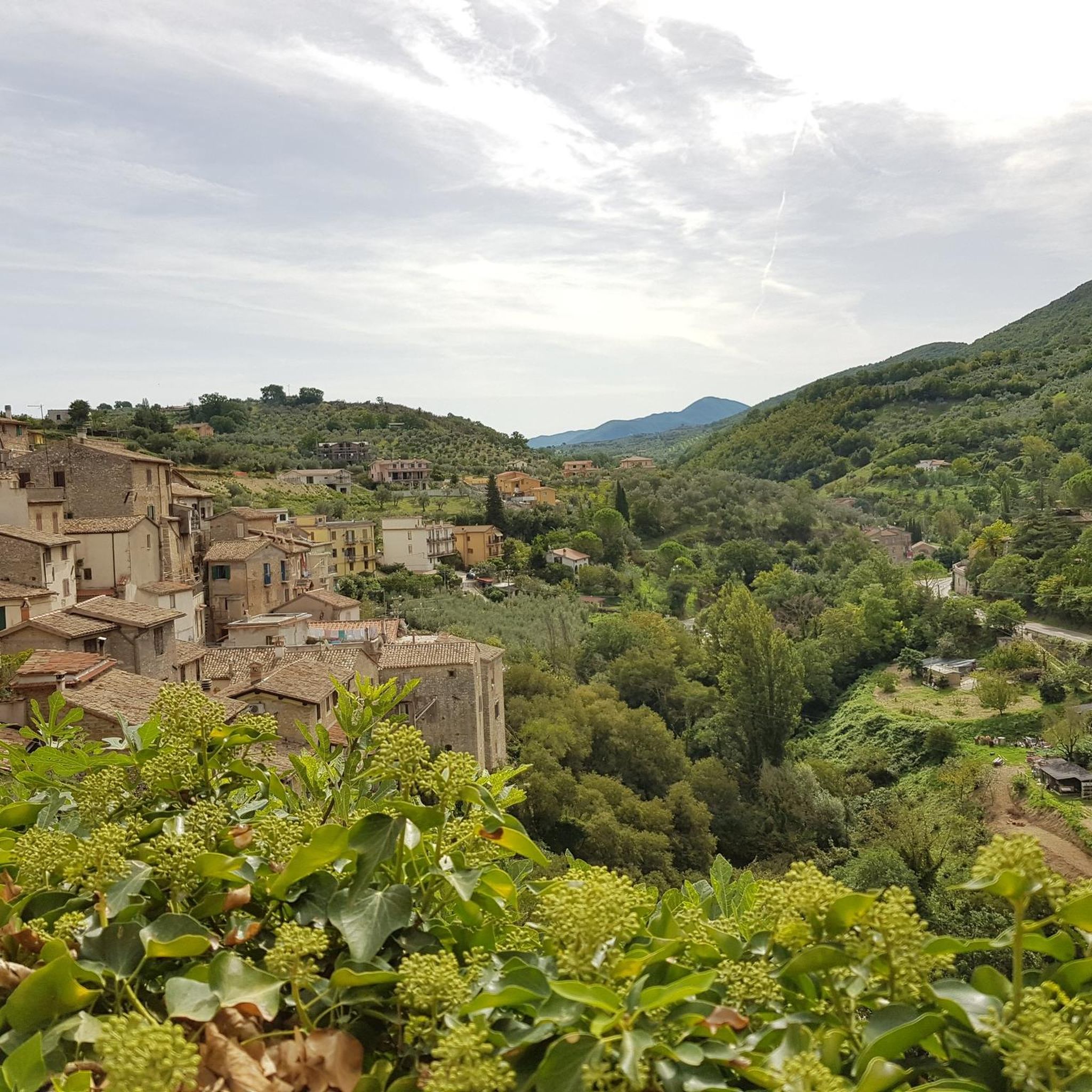
landscapes of remarkable beauty
0
0
Crossroads of various paths, one goes up steeply from which you can enjoy a better view of Lake Turano
0
0

Beautiful village with an abbey that is worth a visit. From Fara Sabina there is a very long singletrack that is very fun to do only by MTB
0
0


beautiful dirt road next to the farfa
1
0
Observation point of the country.
0
0
The path from the fountain is not very clear, follow the direction of the track and you will find it near a tree.
0
0
Frequently Asked Questions
How many mountain bike trails are available around Poggio Nativo?
There are over 60 mountain bike trails in the Poggio Nativo area, offering a wide range of options for different skill levels. You'll find a good mix of moderate and difficult routes, with a few easier options as well.
What kind of terrain can I expect on mountain bike trails in Poggio Nativo?
The terrain around Poggio Nativo is diverse, featuring rolling hills, river valleys, and expansive countryside. Riders can expect a mix of challenging climbs and scenic descents, with paths ranging from gravel to more technical singletrack. Many routes pass by lakes and through wooded areas, providing varied scenery.
Are there any easy mountain bike trails suitable for beginners or families in Poggio Nativo?
While many trails are moderate to difficult, there are a couple of easier mountain bike routes available. These are generally shorter and have less elevation gain, making them suitable for those new to mountain biking or looking for a more relaxed ride. You can filter for 'easy' routes on komoot to find these options.
Where can I find challenging mountain bike routes with significant climbs?
Poggio Nativo is known for its challenging climbs. For extensive ascents and rewarding views, consider routes like the difficult Lago del Turano viewpoint – Pratarelle Spring loop from il Torraccio a Poggio Moiano, which covers over 41 km with significant elevation gain. Another demanding option is the Fontanile Colle San Fiano – Tagliafuoco Climb loop from il Torraccio a Poggio Moiano.
Are there mountain bike trails that offer views of lakes or water bodies?
Yes, many mountain bike routes in Poggio Nativo feature views of water bodies. The Lago del Turano viewpoint – Pratarelle Spring loop from il Torraccio a Poggio Moiano, for instance, offers extensive views of Lago del Turano. The region's landscape is characterized by river valleys and lakes, providing scenic waterside sections.
What are some notable landmarks or attractions I can see while mountain biking in Poggio Nativo?
The area offers several interesting sights. You might encounter historical sites like the Ruins of San Martino Abbey on Mount Acuziano or natural wonders such as the Pozze del Diavolo Waterfall. The Abbey of Farfa is also a significant historical and religious site nearby.
Are there any circular mountain bike routes in the Poggio Nativo area?
Yes, many of the mountain bike trails around Poggio Nativo are designed as circular routes, allowing you to start and end at the same point. Examples include the Bridge over the Farfa – Acquaviva Waterfall loop from Castelnuovo di Farfa and the Sabina Countryside and Village – View of Scandriglia loop from il Torraccio a Poggio Moiano.
What do other mountain bikers say about the trails in Poggio Nativo?
The mountain bike trails in Poggio Nativo are highly regarded by the komoot community, with an average rating of 4.4 stars from over 70 reviews. Riders often praise the varied terrain, the beautiful views of lakes and countryside, and the mix of challenging climbs and enjoyable descents.
Are there mountain bike trails that pass through picturesque countryside or villages?
Absolutely. The region is known for its picturesque Sabina countryside. The Sabina Countryside and Village – View of Scandriglia loop from il Torraccio a Poggio Moiano is a prime example, leading through charming rural landscapes and offering views of local villages.
What is the best time of year for mountain biking in Poggio Nativo?
The diverse landscape of Poggio Nativo makes it suitable for mountain biking across multiple seasons. Spring and autumn generally offer pleasant temperatures and vibrant scenery. However, with its varied terrain, including wooded areas, trails can be enjoyed for much of the year, though conditions may vary with weather.
Are there any mountain bike routes that include waterfalls?
Yes, you can find routes that feature waterfalls. The Bridge over the Farfa – Acquaviva Waterfall loop from Castelnuovo di Farfa is a moderate trail that winds through the Farfa river valley and includes the Acquaviva Waterfall. Additionally, the Pozze del Diavolo Waterfall is a notable natural attraction in the area.
Are there any mountain bike trails with good viewpoints?
Many trails in Poggio Nativo offer excellent viewpoints, especially those with significant climbs. The Lago del Turano viewpoint – Pratarelle Spring loop from il Torraccio a Poggio Moiano is specifically highlighted for its rewarding views of Lago del Turano. Other routes provide panoramic vistas of the rolling hills and countryside.
Most popular attractions around Poggio Nativo

Get inspired with the komoot mobile app


Explore more
Browse the best MTB trails in other regions.
