Attractions and Places To See around Sant'Eusanio Del Sangro - Top 20
Attractions and places to see around Sant'Eusanio Del Sangro include a mix of historical landmarks, cultural sites, and natural areas in the Province of Chieti, Abruzzo. The town features a historic center with various artistic attractions, reflecting its past. To the south, the Sangro River frames the area, contributing to the local climate and natural landscapes. This region offers opportunities to explore both built heritage and natural environments.
Best attractions and places to see around Sant'Eusanio Del Sangro
- The most popular attractions is Castello di Roccascalegna, a castle that is a complex where the walls can be visited. This castle dominates the surrounding area from its position on a cliff.
- Another must-see spot is Guardiagrele, a settlement known as one of "I borghi più belli d'Italia". This old town is situated on a hilltop at almost 600 meters altitude, offering views of the Majella National Park and the sea.
- Visitors also love Convent of San Pasquale (Atessa), a religious building. This monastic complex in Atessa features Renaissance/Baroque style architecture, with origins dating back to the 15th century.
- Sant'Eusanio Del Sangro is known for its castles, religious buildings, and historical settlements. The area offers a variety of attractions to see and explore, from ancient structures to charming villages.
- The attractions around Sant'Eusanio Del Sangro are appreciated by the komoot community, with 15 upvotes and 10 photos shared by visitors.
Last updated: July 2, 2026
Convent of San Pasquale (Atessa)
Highlight • Religious Site
Translated by Google •
Tip by

Guardiagrele
Highlight • Settlement
Translated by Google •
Tip by

Sign up now to discover places like this
Get recommendations on the best single tracks, peaks, & plenty of other exciting outdoor places.
Sign up for free
Santa Maria Maggiore Church
Highlight • Religious Site
Translated by Google •
Tip by

Castello di Roccascalegna
Highlight • Castle
Translated by Google •
Tip by

Church of Saint Peter
Highlight • Religious Site
Peter and Paul are also known as the “Princes of the Apostles”; their common feast day in the saints’ calendar is June 29th.
Translated by Google •
Tip by

Sign up for free to discover even more attractions around Sant'Eusanio Del Sangro.
Sign up for free
Already have an account?
Start today with a free account
Your next adventure awaits.
Login or Signup
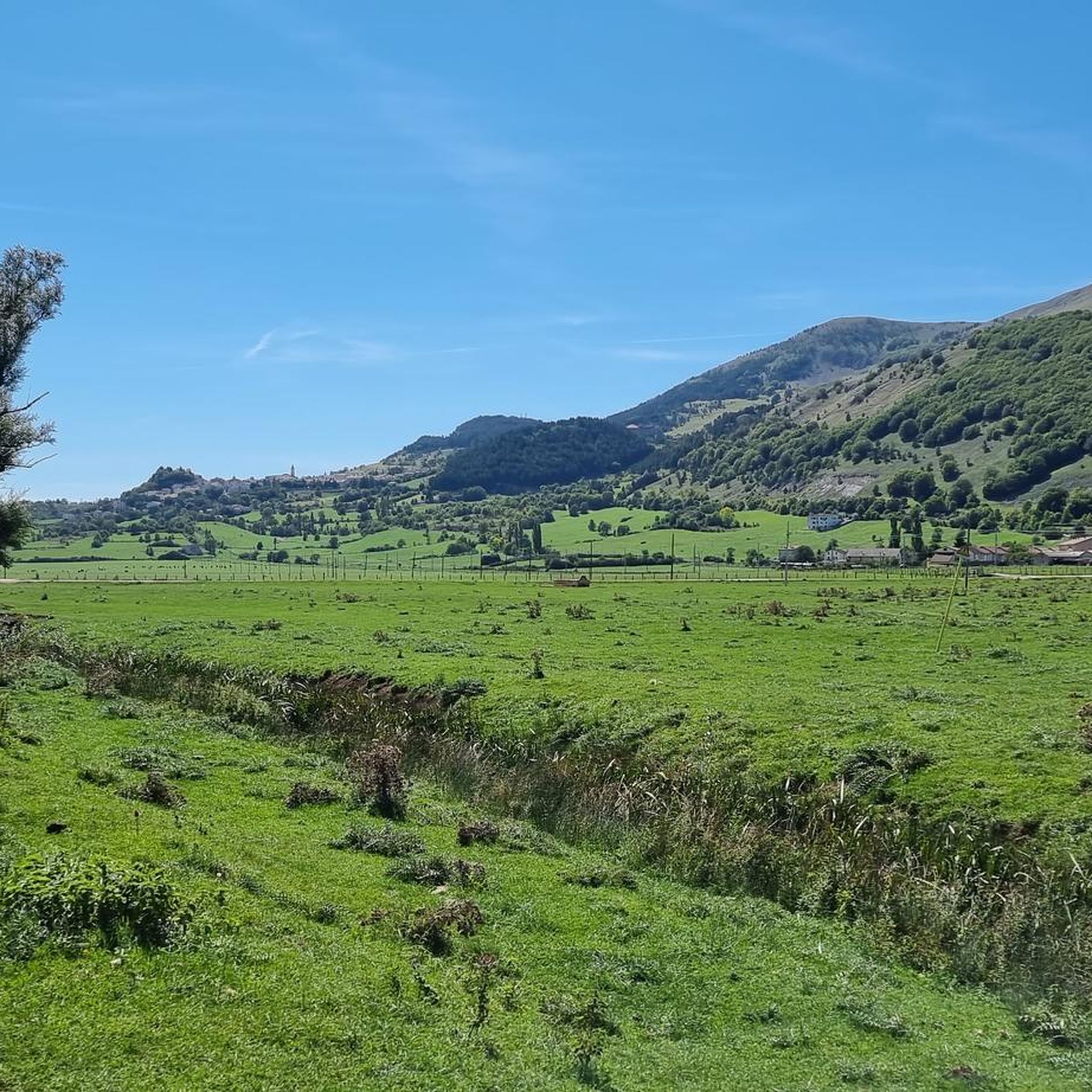
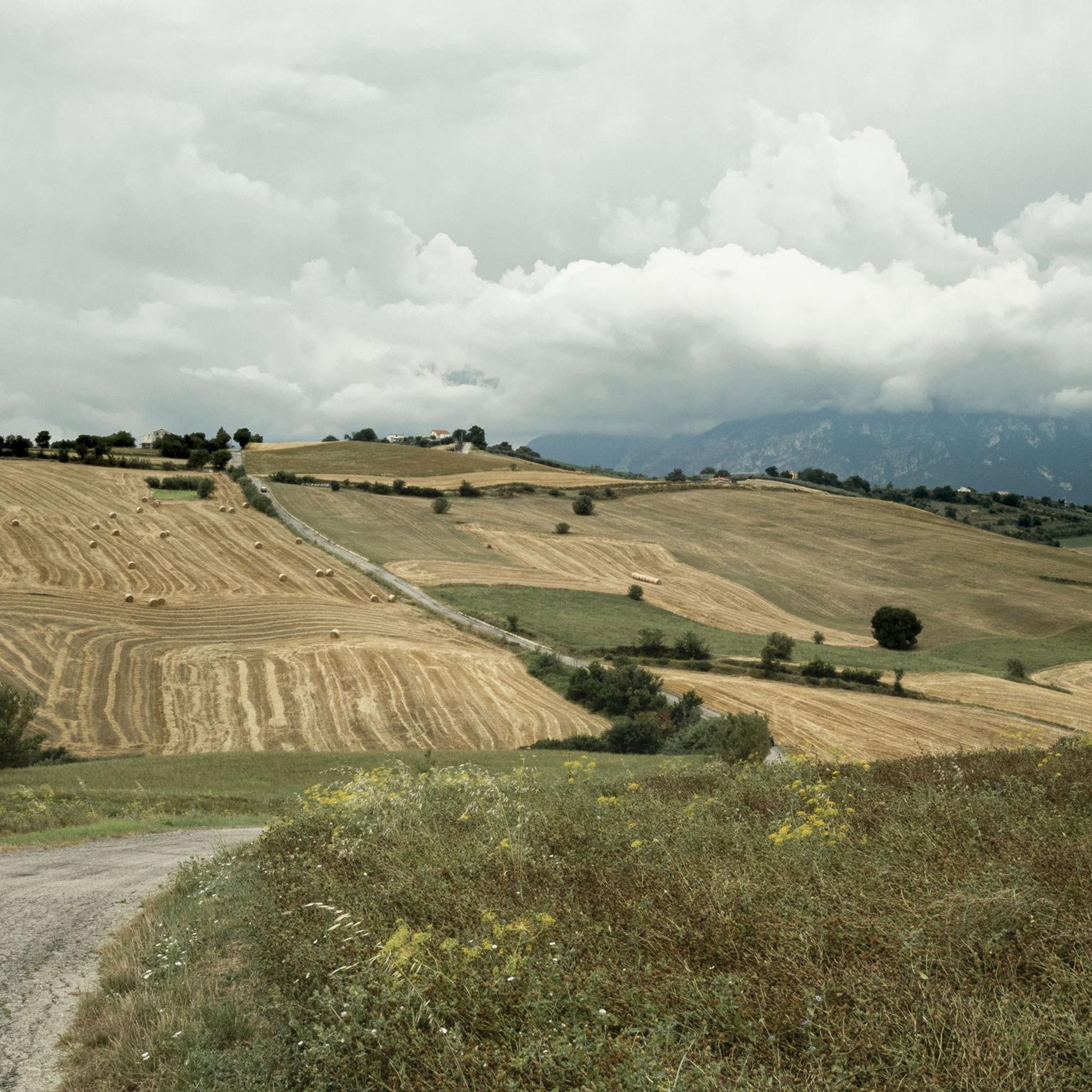
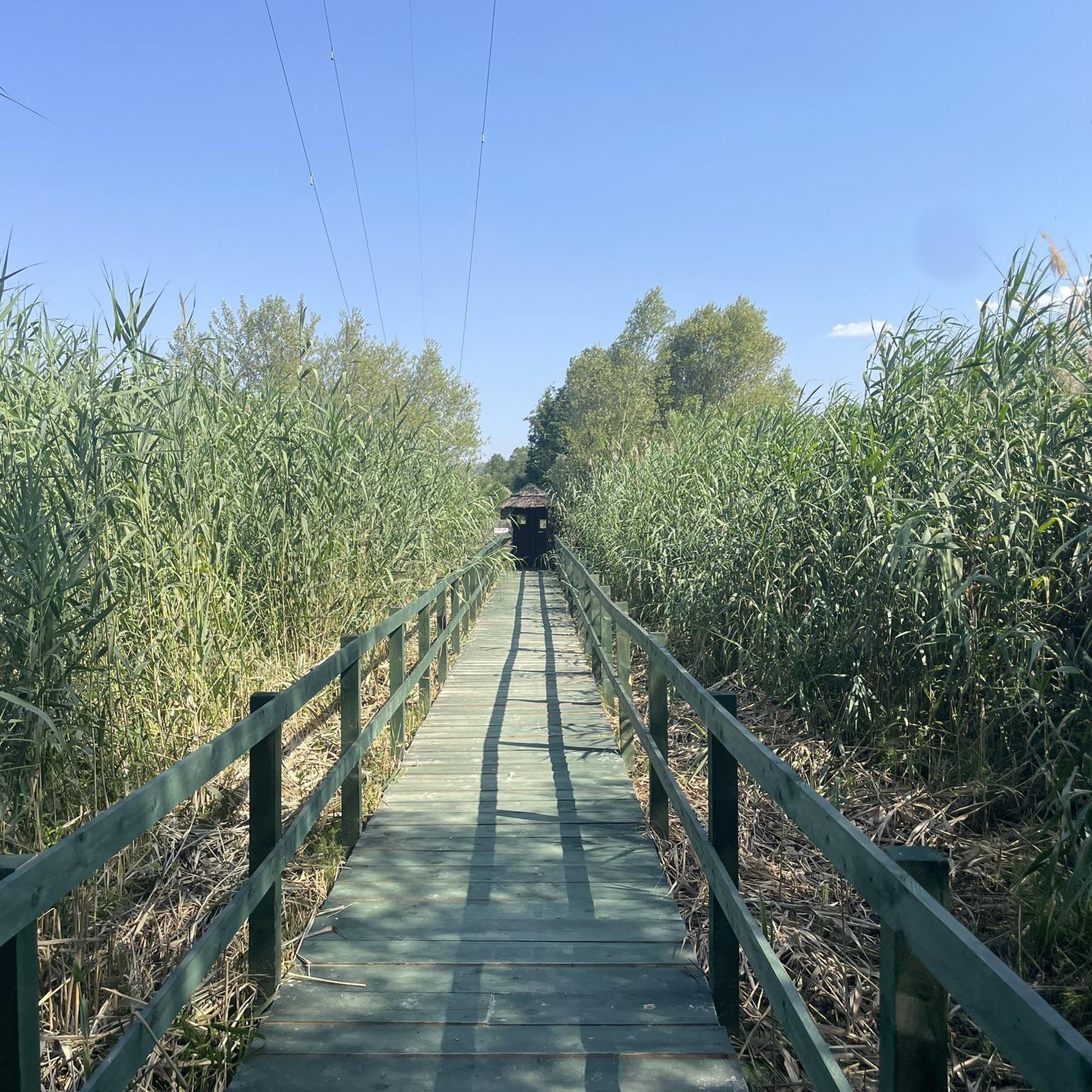

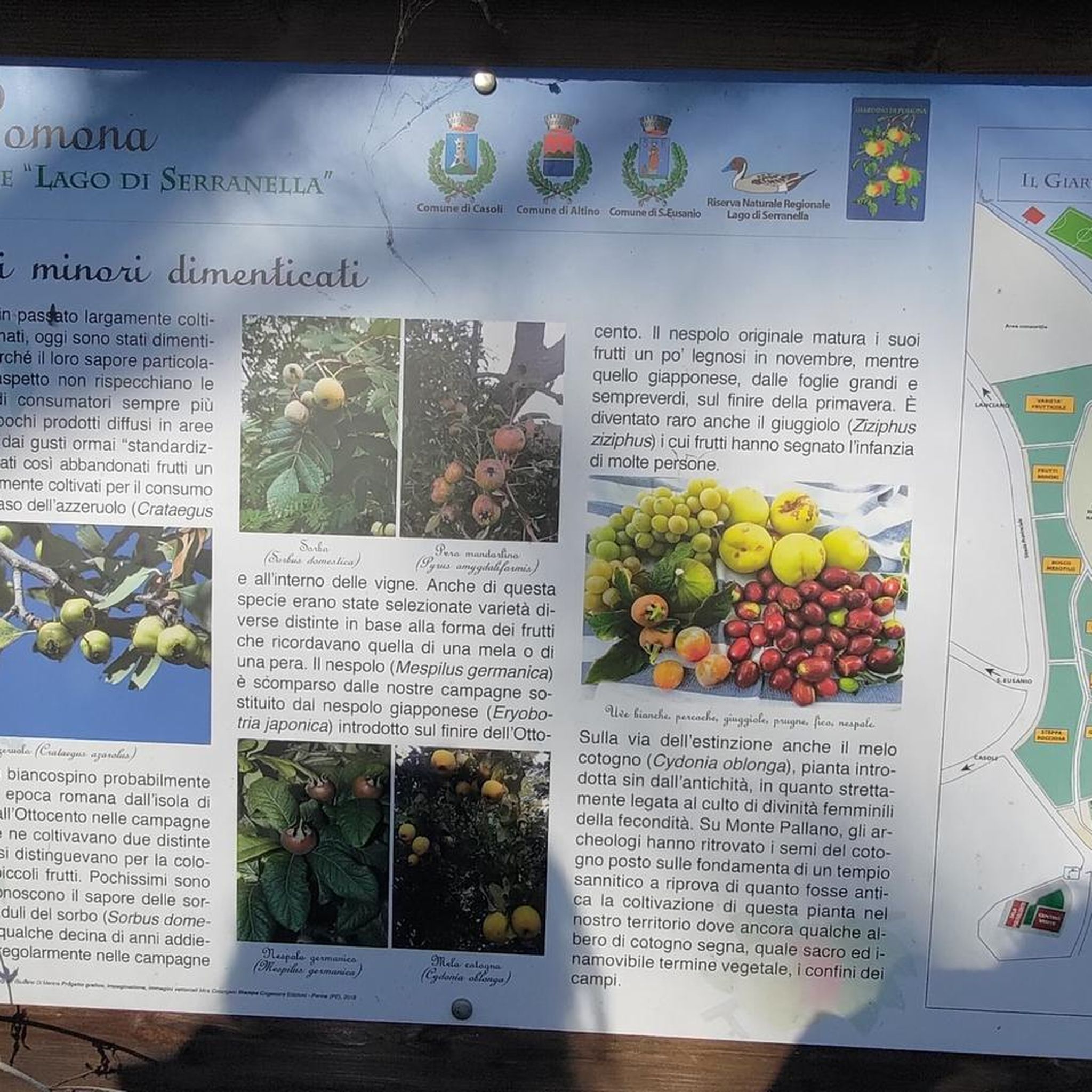

Tips from the Community

Located under the northern portico of the collegiate church of Santa Maria Maggiore, in the tabernacle, is a fresco depicting a Madonna breastfeeding the Child.
0
0
Guardiagrele the “terrace of Abruzzo” charming village located on the slopes of the Maiella.
0
0

Convent of S.Maria degli Angeli (S.Pasquale) in Vallaspra di Atessa (CH) In the name Vallaspra, Valle-aspra, one can sense the peculiarity of a wild and fruitless nature, but also the sedimentation of a troubled historical and religious with long periods of splendor and apostolate. The history of the Vallaspra convent is linked to the Franciscan spirit and the incessant work of evangelization of the observant Friars Minor. Way back in 1408, Tommaso da Firenze, lay friar and secretary of Father Nicola da Osimo, commissioner of the province of Sant'Angelo in Puglia, stopped his wanderings in the Frenta area, in front of an ancient Cona depicting the Madonna of Sorrows with the Dead Christ and on the sides Saint John and Saint Francis on the right, Mary Magdalene and Saint Anthony of Padua on the left, venerated in a barren and wild place, precisely Vallassero di Atessa. Conquered by the evocative sacredness of the place and the profound meaning of this Pietà, Frà Tommaso began the construction of the first nucleus of the convent, which was completed and inaugurated just ten years later, in 1430. The convent of Vallaspra dedicated by Frà Tommaso to Santa Maria degli Angeli , not only in the dedication, but above all in the architectural structures, preserves the cleanliness of the Franciscan forms. The church, with a central nave and a side one, was enriched, in the early 1700s, with a chapel dedicated to San Pasquale Baylon (Spanish), a lay Franciscan, canonized in 1860, in honor of the Contestabile Colonna; the latter changed the title of the convent and San Pasquale simply, rather than Vallaspra, indicates the locality and the monastic complex. Over the centuries the structure was a woolen mill (the Franciscan habit was produced there); operating for more than a century and closed in 1675, it was linked to the intense period of traffic along the herd arteries. Over the years, the Convent of S.Pasquale became an important center of theological studies. Today, the Convent transmits a strong sense of belonging, of religious, spiritual and cultural identity; characteristics, the latter, which make it a solid, safe reference center, as well as a pole of aggregation, prayer and apostolate.
1
0

This church, the "Chiesa di San Pietro" was dedicated to Saint Peter (Peter). Simon, nicknamed Peter (Rock), was a fisherman on the Sea of Galilee when he - together with his brother Andrew - was called by Jesus Christ to be "fishers of men". According to Catholic understanding, he is the supreme apostle, and the two millennia-long line of popes - currently Francis - are his successors. On statues and paintings, Peter is almost always depicted with two keys in his hand; this attribute refers to the biblical saying in Matthew: “I will give you the keys of the kingdom of heaven; Whatever you bind on earth will be bound in heaven, and whatever you loose on earth will be loosed in heaven” (Chapter 16, verse 19). Peter and Paul are also known as the “Princes of the Apostles”; their common feast day in the saints’ calendar is June 29th.
2
0

In the interior of room 1 of the museum, a small, interesting Diocesan Museum has been set up in the crypt, which collects various art objects from the church's treasure, among which is a fifteenth-century wooden statue known as the Madonna of the Help, but above all the fragments of a silver processional cross by the famous fifteenth-century goldsmith sculptor Nicola da Guardiagrele, signed and dated 1431. The cross was stolen years ago, dismembered and placed on the clandestine antiques market to be sold in pieces, and only some are been recovered. On the EAST side and more precisely the opposite part of the facade, crossing the portico you arrive at a beautiful viewpoint adjacent to Piazza Mercato.
0
0

According to local tradition, the church was built on the remains of a former pagan temple.
1
0
Il duomo di Santa Maria Maggiore is the most important monumental, architectural and artistic building in Guardiagrele. The beginnings of its construction date back almost 1,600 years, namely to 430 AD.
2
0

Monastic complex located in Atessa. The style is Renaissance/Baroque and its origins date back to the 15th century. the convent is entirely made of stone and there is a nursery in its garden.
2
0
Frequently Asked Questions
What historical landmarks can I explore in Sant'Eusanio Del Sangro?
Within Sant'Eusanio Del Sangro, you can visit the significant Palazzo De Titta, which served as the home and cultural hub of poet Cesare De Titta and now functions as a house-museum. Other notable historical buildings include the neoclassical Palazzo Auriti and the 19th-century Palazzo Finamore. The Chiesa dell'Assunta is a 20th-century church with neo-Gothic architecture, and the Chiesa Convento di Sant'Onofrio has origins dating back to the 14th century. Nearby, you can also explore the impressive Castello di Roccascalegna, a castle complex perched on a cliff.
Are there natural areas or reserves to visit near Sant'Eusanio Del Sangro?
Yes, a significant natural area nearby is the Riserva Naturale Regionale Lago di Serranella. This artificial lake, formed by the confluence of the Sangro and Aventino rivers, is a vital wetland for biodiversity and a stopping point for migratory birds. It features a small lake, a forest, and a zoological museum. The town is also framed by the Sangro River to the south, contributing to the mild climate and offering scenic views.
What kind of outdoor activities are available around Sant'Eusanio Del Sangro?
The region around Sant'Eusanio Del Sangro offers various outdoor activities. You can find several hiking opportunities, with routes like the 'Torri Montanare – Fonte del Borgo loop from Lanciano' or 'Lanciano loop from Lanciano'. For cyclists, there are challenging road cycling routes such as the 'Freedom Trail Loop' or 'Training Plain – beautiful authentic village loop from Sant'Eusanio del Sangro'. Running enthusiasts can explore trails like the 'View of Maiella and Gran Sasso loop from Lanciano' or the 'Lago di Serranella loop from Archi'. You can find more details on these activities in the respective guides for hiking, road cycling, and running.
Can I find family-friendly attractions in the area?
Yes, the settlement of Guardiagrele is categorized as family-friendly. This charming old town, known as one of 'I borghi più belli d'Italia,' offers a pleasant environment for families to explore its historic streets and enjoy panoramic views. The Riserva Naturale Regionale Lago di Serranella also provides an opportunity for families to enjoy nature and observe local wildlife.
What is Guardiagrele, and why is it a recommended visit?
Guardiagrele is a picturesque settlement situated on a hilltop at almost 600 meters altitude. It is recognized as one of 'I borghi più belli d'Italia' (The most beautiful places in Italy). Visitors are drawn to its enchanted atmosphere, historic charm, and the fantastic views it offers of the Majella National Park and the sea. The town is also home to the important Santa Maria Maggiore Church, a monumental building with a rich history.
Tell me about the Castello di Roccascalegna.
The Castello di Roccascalegna is a striking castle complex that dominates the surrounding area from its position on a cliff. While it doesn't house a museum, visitors can explore its walls and enjoy the historical ambiance and panoramic views. It's a popular spot for its unique setting and historical significance.
Are there any notable religious buildings to visit?
Yes, the area features several significant religious buildings. In Sant'Eusanio Del Sangro, you can see the neo-Gothic Chiesa dell'Assunta and the historic Chiesa Convento di Sant'Onofrio. Nearby, the Convent of San Pasquale (Atessa) is a monastic complex with Renaissance/Baroque architecture dating back to the 15th century. Also, the Santa Maria Maggiore Church in Guardiagrele is a monumental building with elements from various eras, and the Church of Saint Peter is another historical religious site.
What is the best time of year to visit Sant'Eusanio Del Sangro?
Sant'Eusanio Del Sangro benefits from a mild climate, influenced by the Sangro River. Generally, spring (April-June) and autumn (September-October) offer pleasant temperatures for exploring historical sites and engaging in outdoor activities without the intense heat of summer or the chill of winter. These seasons are ideal for hiking, cycling, and enjoying the natural reserves.
Where can I experience the local culture and history within the town itself?
The historic center of Sant'Eusanio Del Sangro is rich in cultural and artistic attractions, offering a direct glimpse into the town's past. Walking through its streets, you can discover buildings like Palazzo De Titta, which preserves original furnishings and objects belonging to the poet Cesare De Titta, and the Wall Fountain, celebrated in his poems. These sites provide a deep dive into the local heritage and the lives of its notable figures.
Are there opportunities for wildlife spotting?
Yes, the Riserva Naturale Regionale Lago di Serranella is an excellent location for wildlife spotting. As a significant wetland, it attracts a variety of bird species, especially migratory birds. You might observe species like the great white heron, black stork, flamingo, marsh hawk, osprey, and red kite. The reserve also features a zoological museum of local fauna, providing insights into the region's wildlife.
What unique architectural features can be found in Sant'Eusanio Del Sangro?
Sant'Eusanio Del Sangro showcases several unique architectural styles. The Palazzo De Titta is a notable Art Nouveau building. The Chiesa dell'Assunta stands out with its neo-Gothic design. The Palazzo Auriti on Corso Margherita is characterized by its neoclassical style and construction using worked pebbles and sandstone. Additionally, Palazzo Finamore in Piazza Monteclo, dating back to the 19th century, features a main facade with five staggered bays and an Italian garden.
What do visitors particularly enjoy about the attractions near Sant'Eusanio Del Sangro?
Visitors appreciate the blend of historical and natural beauty. For instance, Guardiagrele is loved for its 'enchanted' atmosphere and its status as one of Italy's most beautiful villages, offering fantastic views. The Castello di Roccascalegna is admired for its dramatic setting and the opportunity to explore its ancient walls. The region's religious buildings, like the Convent of San Pasquale (Atessa), are valued for their rich history and architectural beauty.
Are there any specific hiking routes I can take?
Yes, for hiking, you can explore routes such as the 'Torri Montanare – Fonte del Borgo loop from Lanciano' (moderate, 9.2 km), or easier options like the 'Lanciano loop from Lanciano' (easy, 5.3 km) and 'Torri Montanare – Lanciano loop from Lanciano' (easy, 6.6 km). These routes offer diverse landscapes and are a great way to experience the local scenery. More details can be found in the hiking guide.
Most popular routes around Sant'Eusanio Del Sangro

Get inspired with the komoot mobile app


Explore more
Still not found the Highlight you’re looking for? See guides of the top attractions in other regions:
