Attractions and Places To See around Capena - Top 20
Best attractions and places to see around Capena include a blend of historical landmarks, cultural sites, and natural beauty. This charming town, nestled among vineyards and olive groves in the Metropolitan City of Rome, offers a rich historical context. Visitors can explore ancient ruins, religious sites, and significant natural features. The area provides diverse opportunities for discovery and exploration.
Best attractions and places to see around Capena
- The most popular attractions is Hermitage of Saint Sylvester, a religious building…
Last updated: May 9, 2026
Hermitage of Saint Sylvester
Highlight • Religious Site
Translated by Google •
Tip by

Nazzano Tevere-Farfa Nature Reserve
Highlight • Natural
Translated by Google •
Tip by

Sign up now to discover places like this
Get recommendations on the best single tracks, peaks, & plenty of other exciting outdoor places.
Sign up for free
Monte Soratte Bunker
Highlight • Monument
Translated by Google •
Tip by

Calcata Vecchia
Highlight • Settlement
Translated by Google •
Tip by

Mentana Gate
Highlight • Historical Site
Translated by Google •
Tip by

Sign up for free to discover even more attractions around Capena.
Sign up for free
Already have an account?
Start today with a free account
Your next adventure awaits.
Login or Signup

Tips from the Community

For those arriving at Calcata Vecchia and wanting to descend into the Treja Valley, I strongly advise against taking the marked path that is not on the road: it is a pedestrian descent that can only be done with a bike in hand, and not even easily. Descend following the main asphalt road.
0
0

An open-air museum, recommended
0
0

Short panoramic walk with an exhibition of military vehicles.
0
0

Mentana, 20 km from Rome, is a village in the Roman Sabina area known for its Sabina DOP extra virgin olive oil and the Macchia di Gattaceca Nature Reserve. The meeting between Charlemagne and Pope Leo III and the Battle of Mentana in 1867, led by Garibaldi, took place here. The village preserves historical monuments such as the Baronial Palace and the Capuchin Convent. The MuGa – Garibaldino Museum commemorates the heroes of the Risorgimento. Mentana is also famous for festivals dedicated to culinary specialties such as ciammella a cancellu and maccheroni a centonara, and for traditional celebrations such as that of Sant'Antonio Abate.
1
0

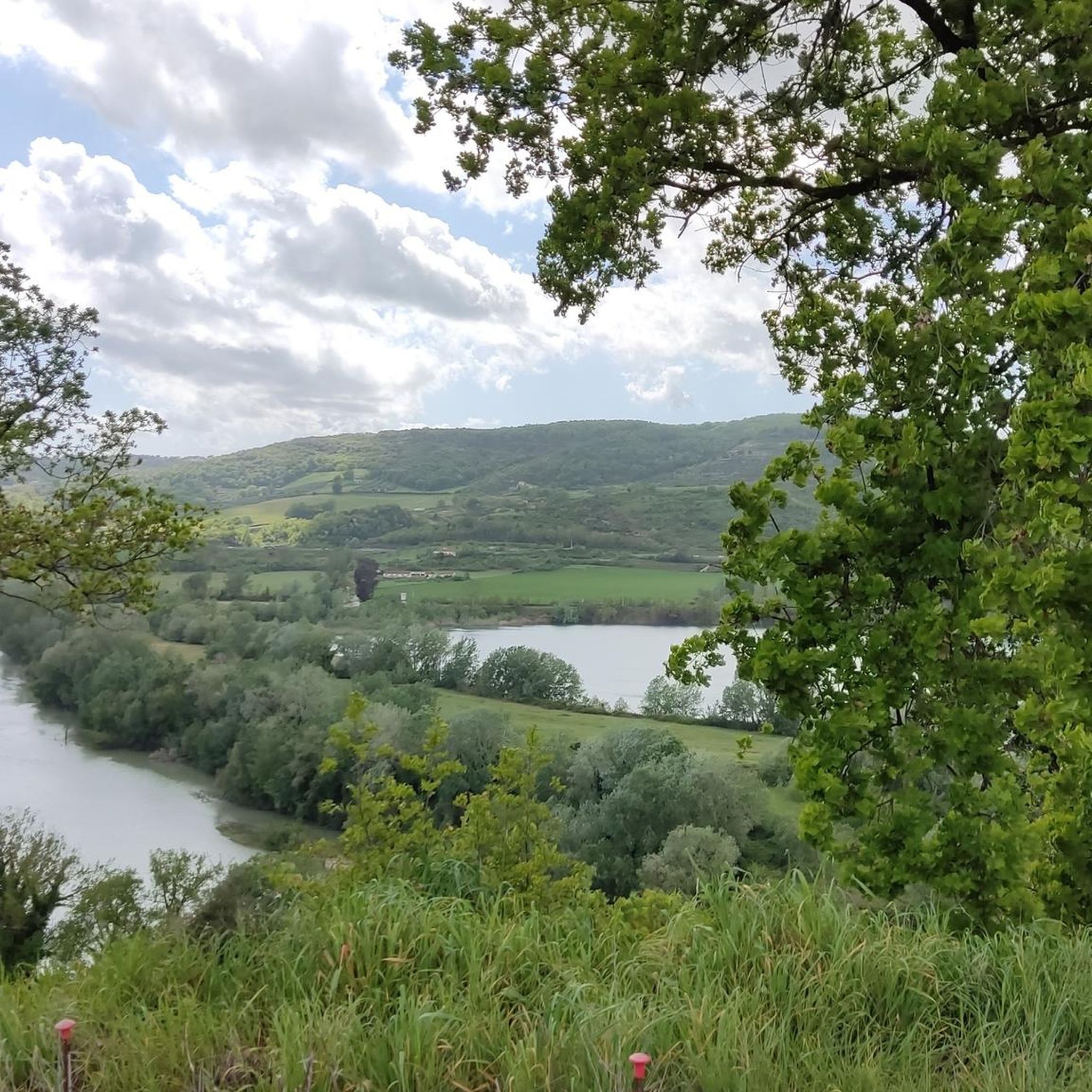
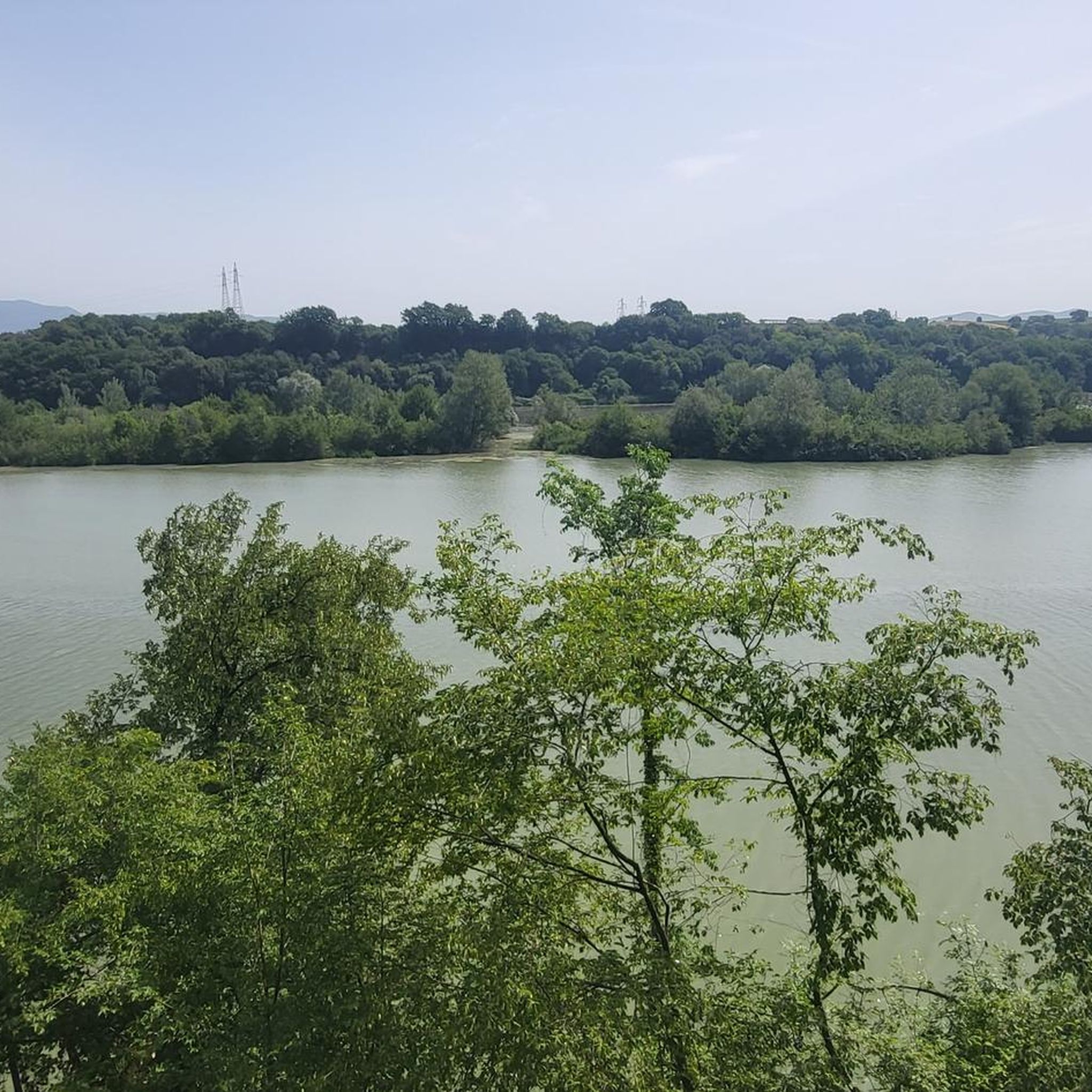
The Nazzano Tevere - Farfa Regional Nature Reserve extends upstream of the Enel hydroelectric power plant in Nazzano, and includes the stretch of the Tiber river that goes from the power plant itself to the Poggio Mirteto mountain and along the course of the Farfa river up to the Granica bridge .
0
0

On the way to the top of Soratte, just before the San Silvestro hermitage, you can take the path on the left that leads to the small San Sebastiano hermitage, of which modest wall traces remain. The latter was home to hermits in the 16th and 17th centuries, after which it began to be abandoned and fell into ruin. In the rock there is a cavity used to collect water. Short trail but to be followed with care.
0
1

This hermitage has a patronal name that is truly on everyone's lips, but only a few will know the person behind it: the feast day of Saint Sylvester (San Silvestro) is December 31st. He lived at the end of the third or beginning of the fourth century and was Bishop of Rome when Emperor Constantine - later generations gave him the nickname "the Great" - recognized Christianity as a religion with the so-called "Edict of Toleration" of Milan, thus ending - at least temporarily - the period of bloody persecution of Christians.
1
2

For the landscapes and also the roads, which however, at least for the part of the Province of Rome, should be maintained a little more (asphalt at times too ruined).
1
0
Frequently Asked Questions
What historical sites can I explore in and around Capena?
Capena and its surroundings are rich in history. You can explore the ancient Roman sanctuary of Lucus Feroniae, famously plundered by Hannibal, or visit the difficult-to-access Acropolis of Ancient Capena on the 'Civitucola' hill. Within the town, wander through the medieval quarter 'Paraterra' with its Roman-paved alleys, discover the Mentana Gate, and see the historic Monte Soratte Bunker, built by Mussolini. Don't miss the Palazzo dei Monaci, with origins in the Middle Ages, or the various ancient churches like San Leone with its 9th-century frescoes.
Are there any significant natural attractions near Capena?
Yes, the area boasts beautiful natural sites. The Nazzano Tevere-Farfa Nature Reserve is a protected area encompassing the Tiber River, its tributary Farfa, and the artificial Lake Nazzano, perfect for serene excursions. You can also visit Mount Soratte, which offers magnificent panoramic views and is home to several hermitages, including the Hermitage of Saint Sylvester. Lake Puzzo is also nearby, known for its warm, ferruginous waters.
What outdoor activities are available near Capena's attractions?
The region around Capena is excellent for outdoor enthusiasts. You can find numerous routes for various sports. For running, explore trails like the 'Running loop from Lucus Feroniae' or 'Running loop from Lo Chalet'. Cyclists can enjoy routes such as 'Directional Signs Near Nazzano – Nazzano and the Castle loop from Lucus Feroniae' or 'Bike loop from Lucus Feroniae'. Mountain bikers have options like 'Monte Soratte Bunker – Hermitage of Saint Sylvester loop from Capena' or 'Trail 1 and 2 – Remains of a Roman cistern loop from Lucus Feroniae'. You can find more details on these activities in the dedicated guides for Running Trails around Capena, Cycling around Capena, and MTB Trails around Capena.
Are there family-friendly attractions in the Capena area?
Absolutely! The Nazzano Tevere-Farfa Nature Reserve is a great option for families, offering pleasant excursions in a natural setting. The historical settlements of Mentana Gate and Ponzano Romano are also considered family-friendly, providing opportunities to explore charming villages and learn about local history. Additionally, the unique mosaic benches embedded in Capena's medieval walls, featuring natural motifs, can be an engaging discovery for children.
What cultural landmarks can I find in Capena's town center?
Capena's historical center is a cultural gem. Piazza del Popolo, the main square, features the Clock Tower, which houses the Civic Museum and tells time using the ancient Roman method. Also in the square is 'Il Momento,' a striking 9-meter-high sculpture by Ervin Lorianth Hervé. You'll also find the Church of San Michele Arcangelo with its magnificent 1477 portal, and unique mosaic benches created by artists Rosina Wachtmeister and Giovanni Battista Rea.
What is the best time to visit Capena for attractions and activities?
Capena offers attractions year-round. For cultural events, consider visiting at the end of September for the ancient Vendemmiale di Capena, or on October 18th for the Feast of San Luca, the patron saint. The natural reserves and outdoor activities are enjoyable in spring and autumn when the weather is milder. Summer can be warm, but still suitable for exploring historical sites, while winter offers a quieter experience.
Are there any archaeological sites to visit near Capena?
Yes, the region has significant archaeological importance. The most notable is Lucus Feroniae, an ancient Roman sanctuary near Fiano Romano, which includes remains of a forum, basilica, and amphitheater. You can also find the Acropolis of Ancient Capena on the 'Civitucola' hill, preserving parts of the original city walls. Further insights into the past can be gained by exploring the Necropolises of San Martino, Saliere, and Monte Cornazzano.
What do visitors enjoy most about the attractions around Capena?
Visitors particularly appreciate the blend of history and nature. The panoramic views from the Hermitage of Saint Sylvester on Mount Soratte are highly praised, with its isolated and suggestive atmosphere. The Nazzano Tevere-Farfa Nature Reserve is loved for its peaceful setting and gravel paths along the Tiber. The historical depth of sites like the Monte Soratte Bunker also captivates visitors, offering a glimpse into significant historical events.
Can I find contemporary art in the Capena area?
Yes, for contemporary art enthusiasts, the Art Forum Würth Capena houses a rich collection of over 18,000 works, providing a modern contrast to the region's ancient history.
What are some unique features of Capena's churches?
Capena's churches offer distinct historical and artistic elements. The Church of San Michele Arcangelo features a magnificent portal from 1477. The early-medieval Church of San Leone, located in the old cemetery, is notable for its intact iconostasis and ancient frescoes, including one from the 9th century. The Church of Santa Maria delle Grazie, built in the early 18th century, houses two splendid 18th-century wooden canopies.
Are there any viewpoints offering scenic vistas near Capena?
Yes, Mount Soratte is a prime location for scenic views. From the top, particularly near the Hermitage of Saint Sylvester, you can enjoy magnificent panoramic views of the surrounding valleys and the Tiber Valley. The Nazzano Tevere-Farfa Nature Reserve also offers various viewpoints over the Tiber River and Lake Nazzano.
Most popular attractions around Capena

Get inspired with the komoot mobile app


Explore more
Still not found the Highlight you’re looking for? See guides of the top attractions in other regions:
