Attractions and Places To See around Canale Monterano - Top 20
Best attractions and places to see around Canale Monterano include a rich blend of historical landmarks, natural beauty, and cultural points of interest. This comune in Lazio is nestled between the Tolfa and Sabatini Mountains, not far from Lake Bracciano. The area is known for its ancient "ghost town" of Monterano, a significant draw with ruins spanning Etruscan, Roman, and Baroque periods. Visitors can explore diverse landscapes within the Monterano Regional Natural Reserve, which protects hills, forests, and waterways.
Best…
Last updated: May 9, 2026
Castel Giuliano Waterfall
Highlight • Waterfall
Translated by Google •
Tip by

Church and Convent of San Bonaventura
Highlight • Religious Site
Translated by Google •
Tip by

Sign up now to discover places like this
Get recommendations on the best single tracks, peaks, & plenty of other exciting outdoor places.
Sign up for free
Piazza Umberto I and its fountain, Oriolo Romano
Highlight • Settlement
Translated by Google •
Tip by

Arches of Boccalupo (Trajan Aqueduct)
Highlight • Monument
Translated by Google •
Tip by

Porta Romana and the Clock Tower, Barbarano Romano
Highlight • Monument
Translated by Google •
Tip by

Sign up for free to discover even more attractions around Canale Monterano.
Sign up for free
Already have an account?
Start today with a free account
Your next adventure awaits.
Login or Signup

Tips from the Community

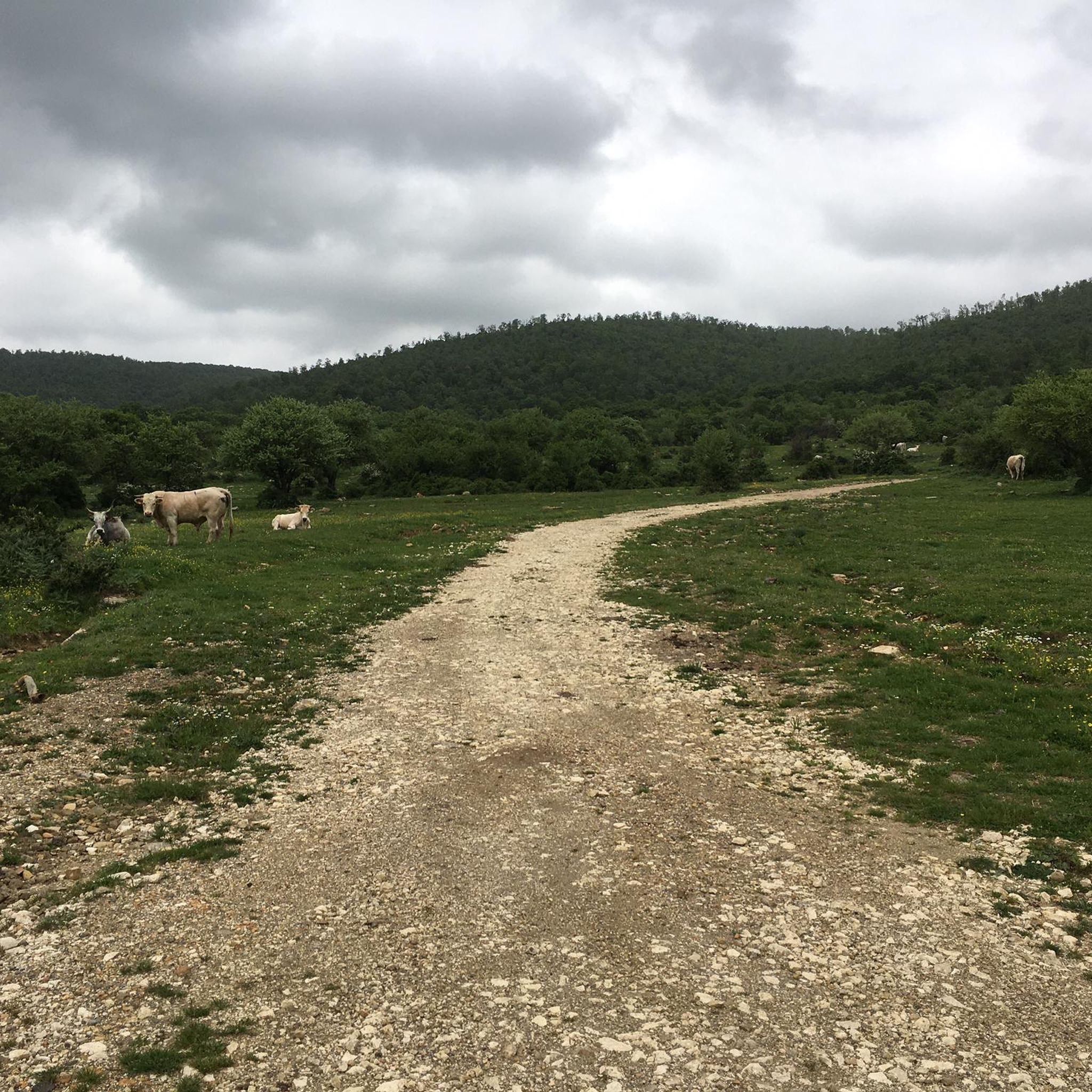
The route on the offline map isn't always clear, in my opinion. We were forced to turn back because the trail took us past a barbed fence, leaving us unsure of where to go next, having already walked a long way. The place is very beautiful, but the map may not be up to date.
0
0

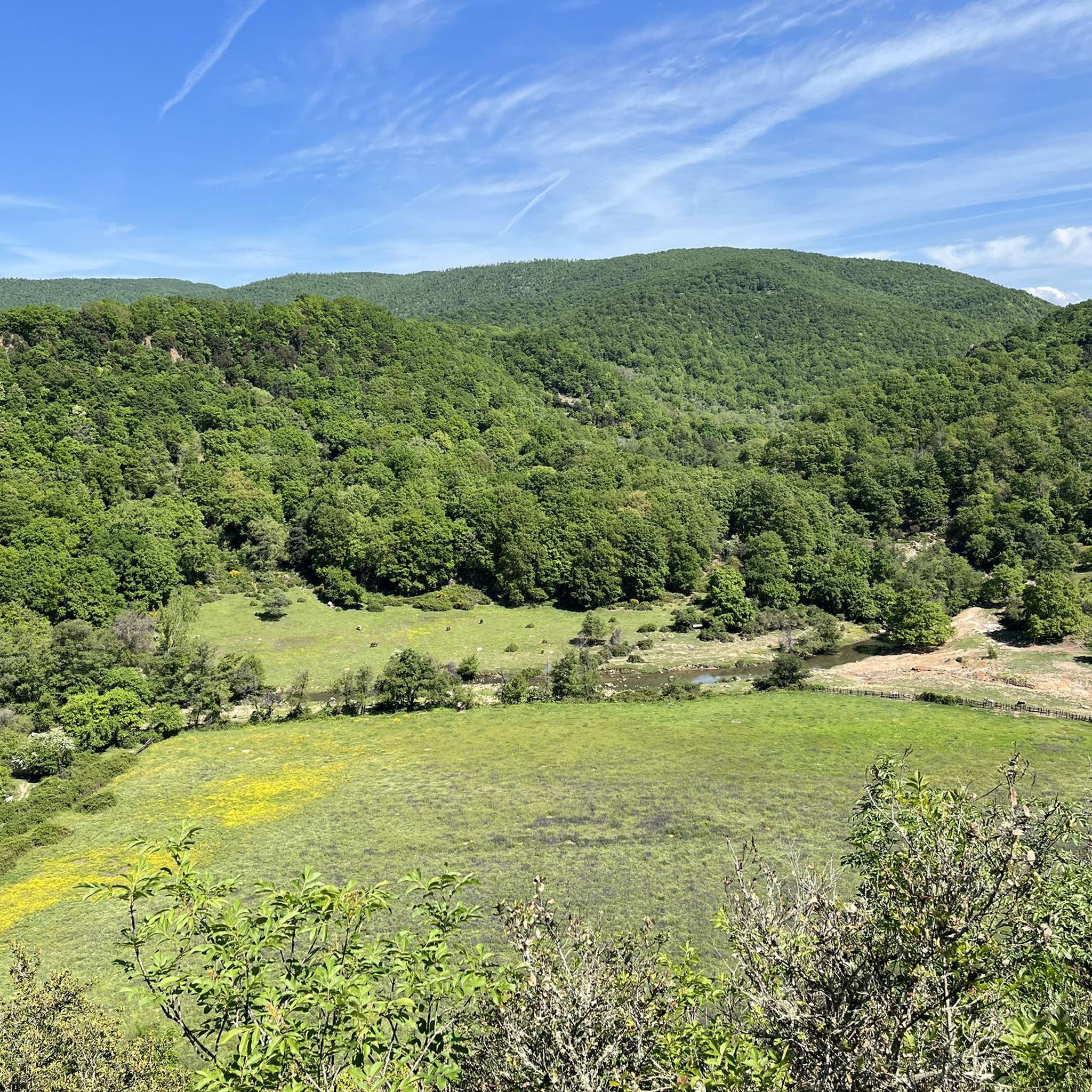
Great pools especially in summer!
0
0

passage under aqueduct, access from Manziana via a cut network, under Manziana station
0
0

This is a section of the splendid double-arched aqueduct from the Trajan era. It can be easily reached by following the easy single track from via Tre Olmata.
0
0

very nice village, recommended visit
0
0

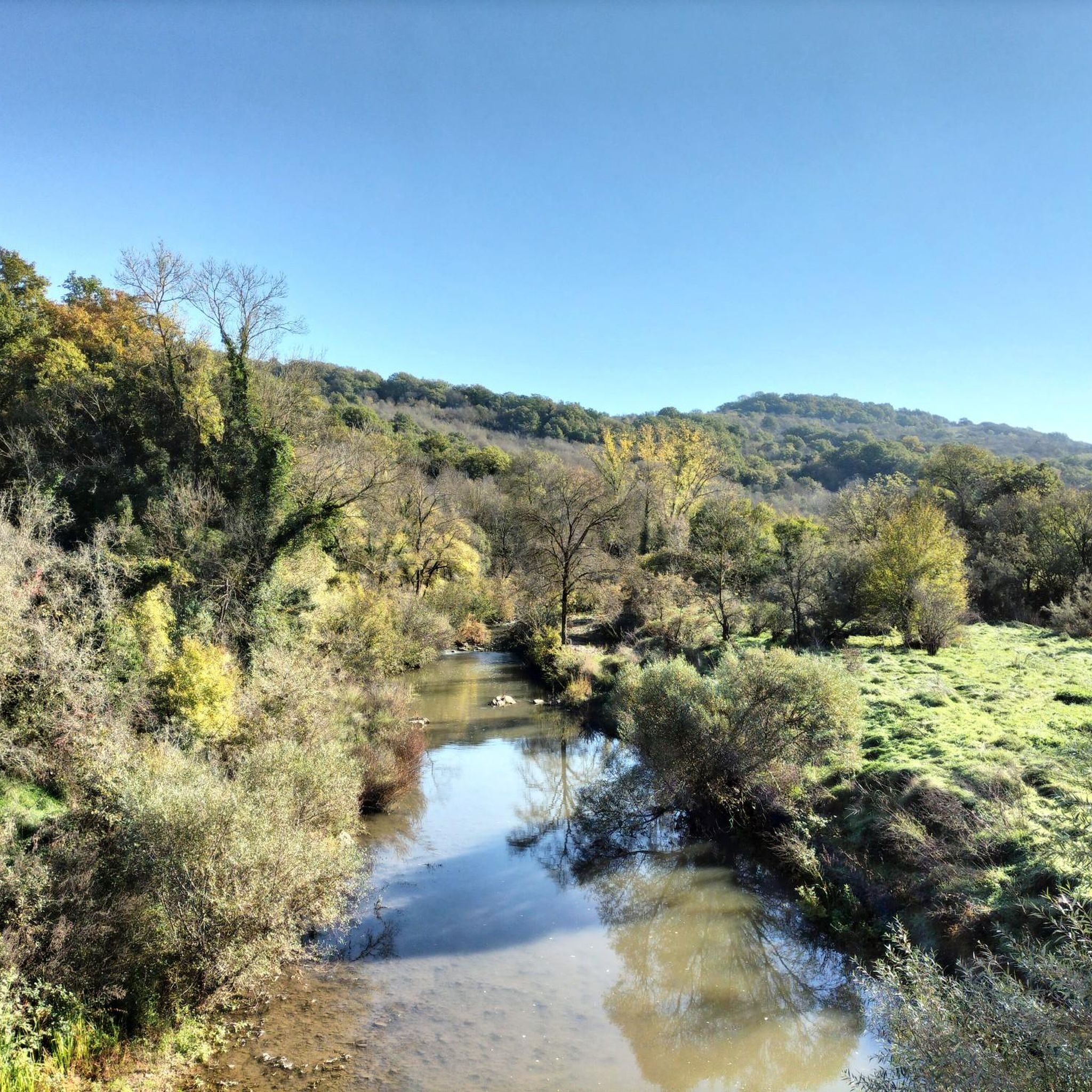
The Cascada di Castel Giuliano is a hidden natural treasure in the heart of Lazio, Italy. These waterfalls, formed by several streams and small rivers that meander through forests and cultivated fields, offer natural spectacles of rare beauty.
3
0

Wonderful place, worth visiting!
0
0

The church, in a very poor state of conservation, has a façade framed between two twin bell towers which have now almost completely disappeared (only a faint trace remains of part of the one on the left) and has Doric pilasters (false Doric columns in relief) in stucco with a large triangular gable (also called pediment). The roof of the church was octagonal topped by a lantern, while inside it was domed. Opposite the entrance to the church in the center of the square there is still the base of Bernini's octagonal fountain and, after the restoration works of 1995-96, a copy faithful to the original was placed there. Bernini's fountain can today be admired, however, in the square of the Municipality of Canale Monterano. A representation of the church is in a 1781 painting by G. Barbieri in the Altieri palace in Oriolo Romano. https://www.iluoghidelsilenzio.it/convento-di-san-bonaventura-monterano-di-canale-monterano-rm/
0
0
Frequently Asked Questions
What historical sites can I explore in Canale Monterano?
The primary historical attraction is the ancient 'ghost town' of Monterano, an abandoned medieval city with ruins spanning Etruscan, Roman, and Baroque periods. Within this site, you can see the remains of the Convent of San Bonaventura, designed by Gian Lorenzo Bernini, the Baronial Palace of Altieri, and the Octagonal Fountain (also attributed to Bernini). Another significant historical landmark is the Arches of Boccalupo (Trajan Aqueduct), an impressive Roman structure dating back to 109 AD.
What natural attractions are there in the Monterano Regional Natural Reserve?
The Monterano Regional Natural Reserve offers diverse natural features. You can discover the picturesque Diosilla Waterfall, accessible via an easy path, and the unique Red River, known for its reddish color due to iron oxide. The reserve also features the Zolfatara, an area with a strong sulfur smell and distinct mineral incrustations, and deep Volcanic Gorges with unique vegetation. The Mignone River also flows through the park.
Are there opportunities for hiking or other outdoor activities near Canale Monterano?
Yes, the area around Canale Monterano is excellent for outdoor activities. You can find numerous trails for various sports. For road cycling, explore routes like the 'Castello di Santa Severa – Historic Center of Cerveteri loop'. Mountain bikers can enjoy trails such as the 'Monte Raschio Beech Forest – View of Lake Bracciano loop'. Runners have options like the 'Bosco di Manziana – ring tour'. You can find more details on these and other routes on the respective guide pages for Road Cycling, MTB, and Running Trails.
Where can I find waterfalls around Canale Monterano?
Two notable waterfalls can be found in the vicinity. The Castel Giuliano Waterfall is a hidden natural treasure formed by streams meandering through forests, offering natural spectacles and opportunities for swimming. Additionally, within the Monterano Regional Natural Reserve, you can discover the picturesque Diosilla Waterfall.
Are there family-friendly attractions or places to visit in Canale Monterano?
Yes, several spots are suitable for families. The Piazza Umberto I and its fountain in Oriolo Romano is a charming settlement with historical significance and gardens. The Monterano Regional Natural Reserve offers easy paths to natural features like the Diosilla Waterfall, which can be enjoyable for families. Exploring the ancient ghost town of Monterano can also be an engaging historical adventure for older children.
What is the best time of year to visit Canale Monterano?
The best time to visit Canale Monterano generally depends on your preferred activities. Spring and autumn offer pleasant temperatures for exploring the historical sites and hiking in the Monterano Regional Natural Reserve, with lush greenery in spring and vibrant colors in autumn. Summer can be warm, but it's ideal for enjoying the Castel Giuliano Waterfall and other water features. If you're interested in local festivals, late August hosts the historical Palio dell Contrade.
Are there any unique local events or culinary experiences in Canale Monterano?
If you visit in late August, you might experience the Palio dell Contrade / Corsa del Bigonzo, a ten-day historical festival culminating in a parade in medieval costumes and a competition among the town's districts. For culinary experiences, explore the Maremma Laziale Cuisine, which features dishes like pappardelle with mushroom or game sauce, local meats such as hare and wild boar, and regional products like olive oil, bread, wines, and goat cheese.
Where can I find thermal baths near Canale Monterano?
The Terme di Stigliano are located nearby and have been recognized for their beneficial qualities since the Etruscan era. They offer healing salt-iodine-sulfurous waters at various temperatures, providing a relaxing and therapeutic experience.
What kind of wildlife can I expect to see in the Monterano Regional Natural Reserve?
The Monterano Regional Natural Reserve boasts rich biodiversity. It is home to a wide array of fauna, with over 140 vertebrate species, including various mammals, birds, reptiles, and amphibians. You can also observe numerous insects like dragonflies and butterflies. The flora is equally diverse, featuring various types of oaks, hornbeam, maple, beech, and alder.
Are dog-friendly trails available in Canale Monterano?
The Monterano Regional Natural Reserve generally welcomes dogs, especially on its numerous trails and paths, provided they are kept under control, often on a leash. This allows visitors to enjoy the natural beauty of the area with their canine companions. Always ensure to follow local regulations and clean up after your pet.
What is the Church and Convent of San Bonaventura?
The Church and Convent of San Bonaventura are significant ruins within the ancient ghost town of Monterano. The church, though in a poor state of conservation, features a façade with Doric pilasters and the base of Bernini's octagonal fountain. It's a key part of the historical landscape, showcasing Baroque artistry and the area's rich past.
Are there any other historical towns or landmarks nearby worth visiting?
Yes, beyond the ancient ghost town of Monterano, you can visit Piazza Umberto I and its fountain in Oriolo Romano, a village with urban planning dating back to its foundation and historical significance. Another interesting site is Porta Romana and the Clock Tower in Barbarano Romano, a medieval gate with a distinctive clock tower that provides access to the old town.
Most popular routes around Canale Monterano
Most popular attractions around Canale Monterano

Get inspired with the komoot mobile app


Explore more
Still not found the Highlight you’re looking for? See guides of the top attractions in other regions:
