Attractions and Places To See around Orvinio - Top 20
Best attractions and places to see around Orvinio include a rich blend of historical landmarks, cultural sites, and natural features. Situated within the Monti Lucretili Natural Park in Lazio, Italy, Orvinio is recognized as one of "Italy's Most Beautiful Villages." The area offers lush forests, panoramic views, and well-preserved heritage, making it suitable for exploration.
Best attractions and places to see around Orvinio
- The most popular attractions is Monte Gennaro Meadow, an other natural feature that is a large, kilometer-long karst clearing. It is notable for horses and cows grazing in the wild and has historically been a destination for transhumance for local shepherds.
- Another must-see spot is Pizzo Pellecchia, a summit and viewpoint. Visitors can expect scenic views from this peak, which is the second-highest in the Lucretili mountains at 1330 meters.
- Visitors also love Ponte Vecchio of Posticciola, a Romanesque bridge. This historical site exemplifies medieval Sabine village architecture and was formerly a post station, preserving its ancient layout.
- Orvinio is known for its historical landmarks, cultural sites, and diverse natural features. The region offers a variety of attractions to see and explore, from ancient castles and churches to mountain peaks and meadows.
- The attractions around Orvinio are appreciated by the komoot community, with 17 upvotes and 19 photos shared by visitors.
Last updated: May 10, 2026
Ponte Vecchio of Posticciola
Highlight • Bridge
Translated by Google •
Tip by

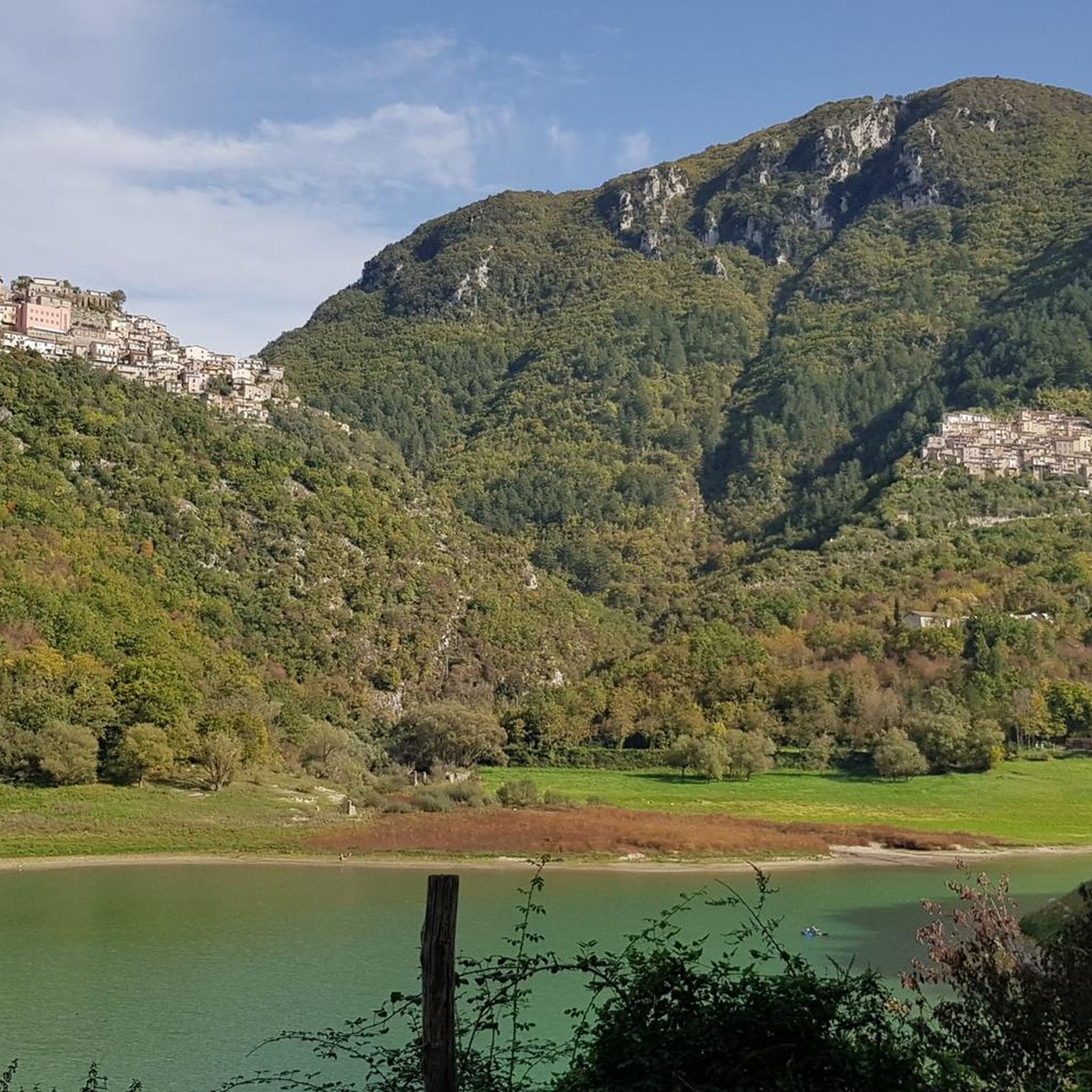
San Rocco Chapel at Lake Turano
Highlight • Religious Site
Translated by Google •
Tip by

Sign up now to discover places like this
Get recommendations on the best single tracks, peaks, & plenty of other exciting outdoor places.
Sign up for free
Casa del Pastore Mountain Hut
Highlight • Mountain Hut
Translated by Google •
Tip by

Pizzo Pellecchia
Highlight • Summit
Translated by Google •
Tip by
Monte Gennaro Meadow
Highlight • Natural
Translated by Google •
Tip by

Sign up for free to discover even more attractions around Orvinio.
Sign up for free
Already have an account?
Start today with a free account
Your next adventure awaits.
Login or Signup
Popular around Orvinio
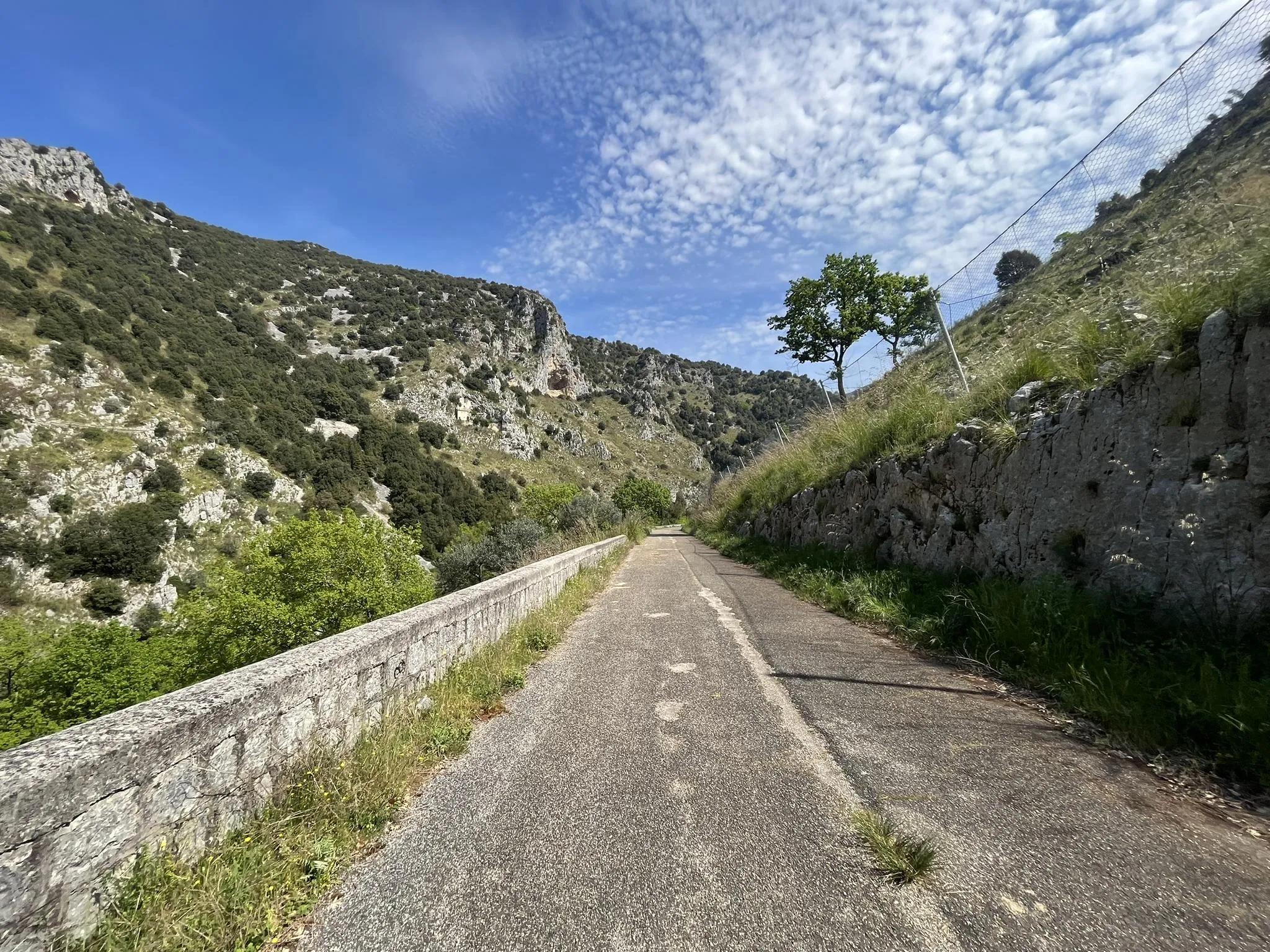
Between abbeys and quiet valleys – Saint Benedict's Way by bike
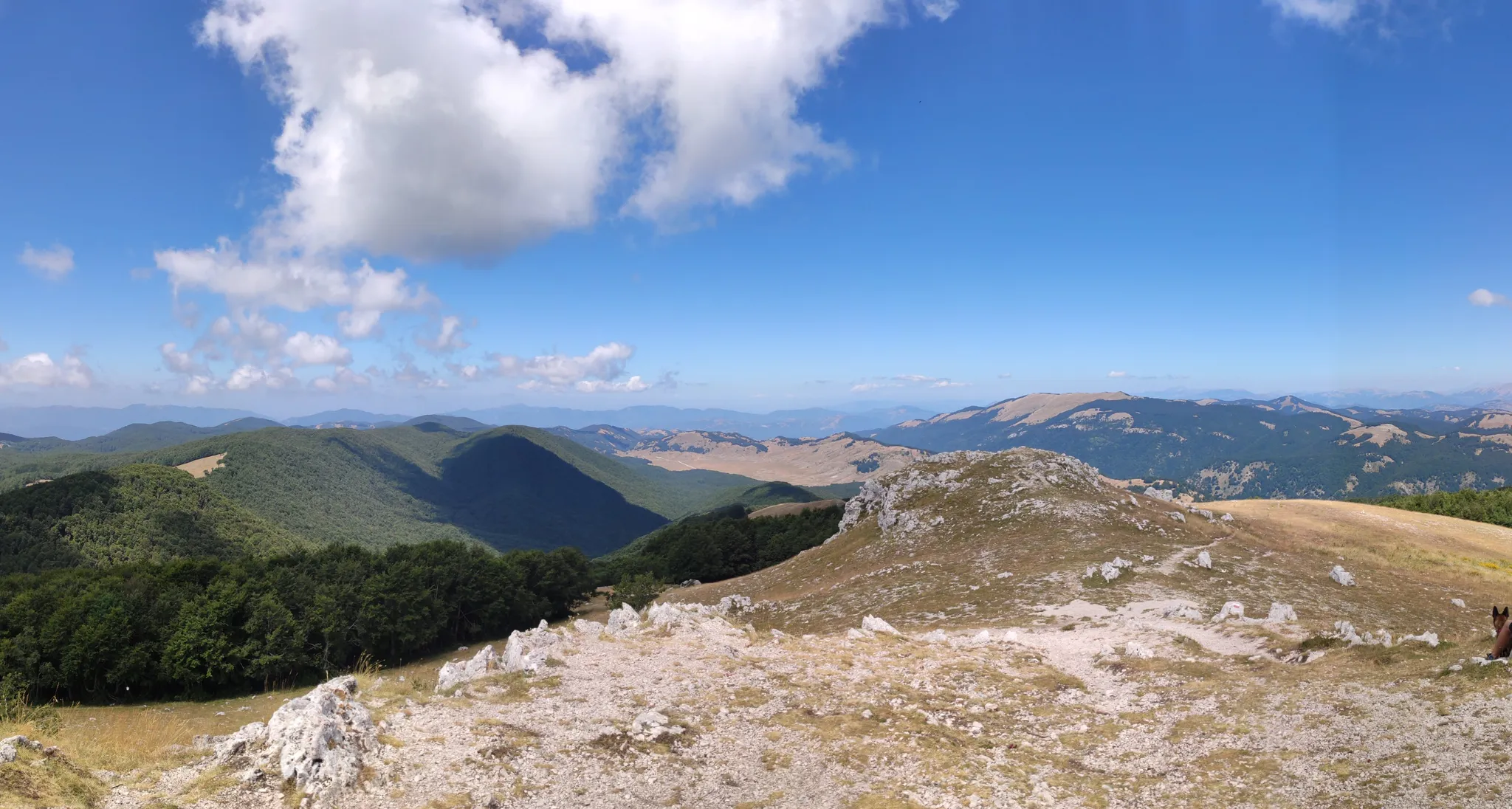
Cammino Naturale dei Parchi – Part 2 Livata to Corvaro
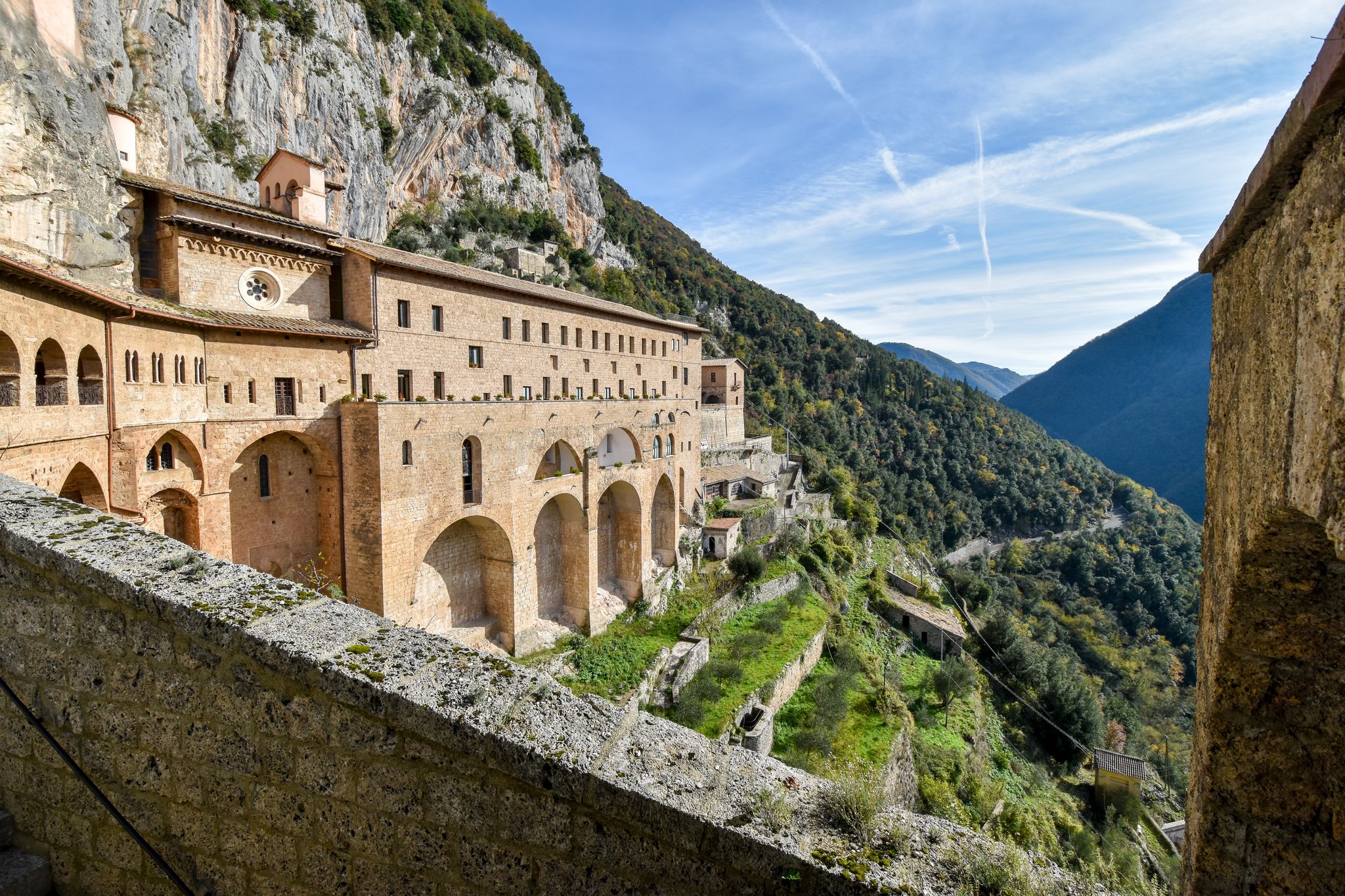
In the Footsteps of Saint Benedict - The Benedict Way
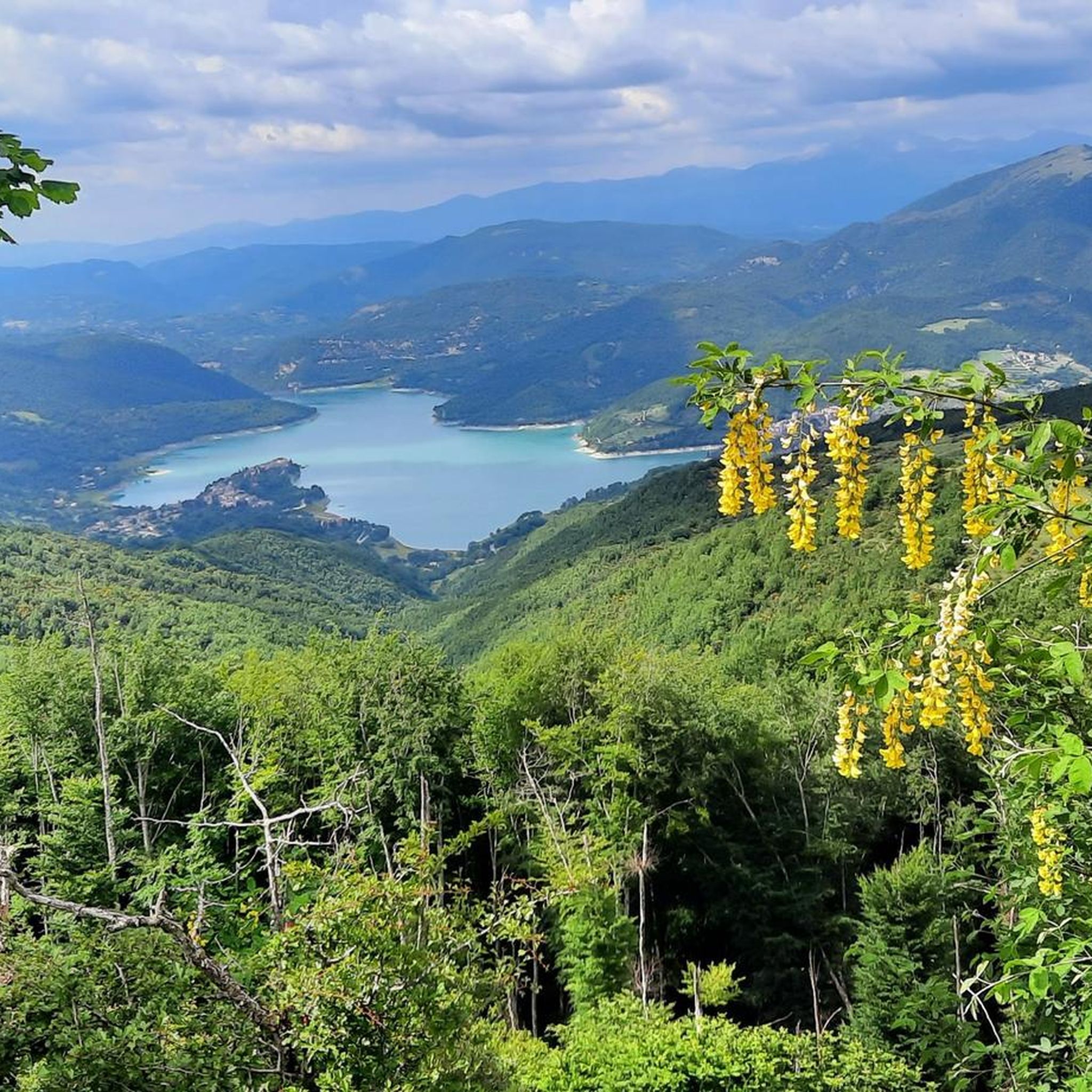
Road Cycling Routes around Orvinio
MTB Trails around Orvinio
Hiking around Orvinio
Cycling around Orvinio
Running Trails around Orvinio

Gravel biking around Orvinio
Other adventures around Orvinio


Tips from the Community

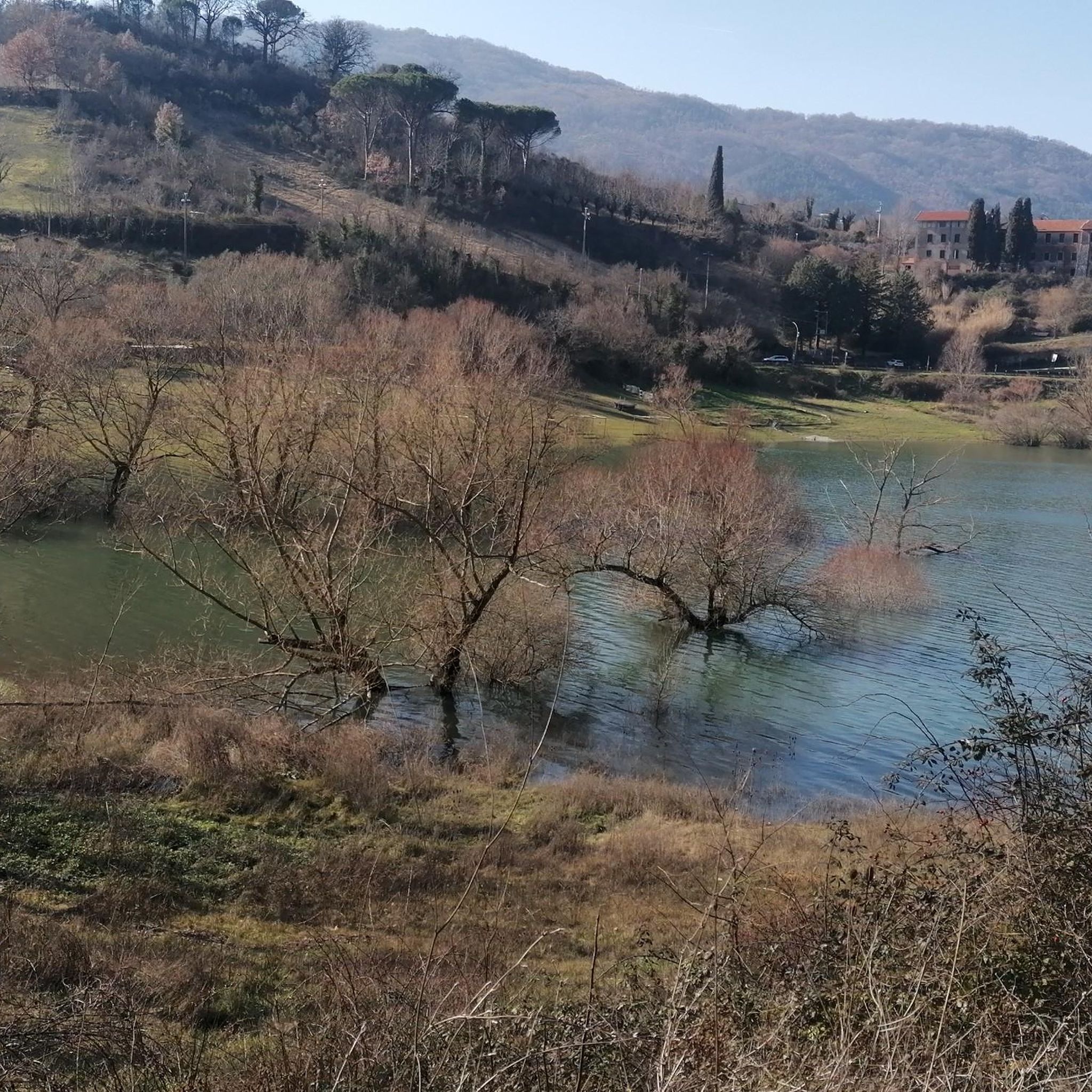
It is located just before the bridge that crosses the lake and leads to Castel di Tora
4
0

San ROCCO was chosen as the patron saint for this church and the corresponding parish. Saint Roch was born in the middle of the 14th century in Montpellier, France. He is popularly regarded as the "plague saint" - alongside Saint Sebastian. A characteristic feature of Roch's depiction in paintings and as a statue is that he is usually pointing to a plague boil on his leg; a dog can also often be seen at his feet, because according to legend, when he was caring for plague victims, he himself became ill and withdrew into solitude, and the dog provided him with bread every day. The memorial day of San Rocco in the calendar of saints is August 16th.
0
0

Suggestive to say the least, very low grass and populated by cows and horses. An excellent refreshment point before the summit!
0
1

The Romanesque bridge dates back to the 11th century, but was probably built on a pre-existing building of an unspecified period, of rare beauty, still usable but which requires urgent and significant restoration. In the two pillars it is possible to notice the three "holes" used to insert wooden poles horizontally, capable of supporting the "centre" for closing the stone arch. As you pass the bridge on the left, going up towards Posticciola, there is still a clear trace of "Garitta Muraria" where the border point with the Papal State and Kingdom of the Two Sicilies was made, and with the "horizontal transhumance" the duty for the ride. Transhumance has an ancient history which most likely coincides with the history of breeding itself and was regulated and disciplined since Roman times by a set of laws of taxes to be paid in the various customs. Transhumance derives from the Latin "trans" (beyond) and "humus" (earth) = pastoralism transmigrating with the seasons, along the sheep tracks (from the Latin "tractoria" = the shepherds' roads). In southern Italy transhumance was divided into "vertical" and "horizontal". The first concerned the Kingdom of the Two Sicilies, with several sheep tracks that connected from Abruzzo to Puglia (the most important was the famous "Tratturo Magno"). Horizontal transhumance, however, also of ancient origins, descended into the Roman countryside and increased considerably in 1477, when Pope Sixtus IV forced all the shepherds of the "Kingdom of the Church" to take their animals to winter in the Agro Romano. Transhumance in Lazio reached its peak starting from 1800, when the "vertical" one entered into crisis. This was usually in provincial sections from Umbria towards Civitavecchia, from the Marche towards Polo and Maccarese, from Abruzzo towards the Roman countryside, from Ciociaria towards Anzio and Terracina. http://www.magiadelturano.it/index.php/posticciola/ponte-romanico
0
0

The Romanesque bridge (or Ponte Vecchio) near Posticciola is a really good example of the time it was. Formerly a post station and place of transit for transhumance, the bridge preserves the layout of a medieval Sabine village well.
2
0

This refuge is an excellent shelter and a good stopping point before tackling the uphill stretch to Mount Pellecchia. The portico and the tables are always accessible, while the indoor part is managed by the Municipality of Monteflavio and to stay overnight inside you have to ask them for the key.
1
0
Pizzo Pellecchia, with its 1330 meters, is the second peak of the Lucretili mountains. Pizzo Pellecchia and the top of Monte Pellecchia are part of the same wide mountain ridge and for this reason they have the same name. The name Pellecchia, in fact, derives from "penniculus" (pen), to indicate a place located on a steep hill.
1
0

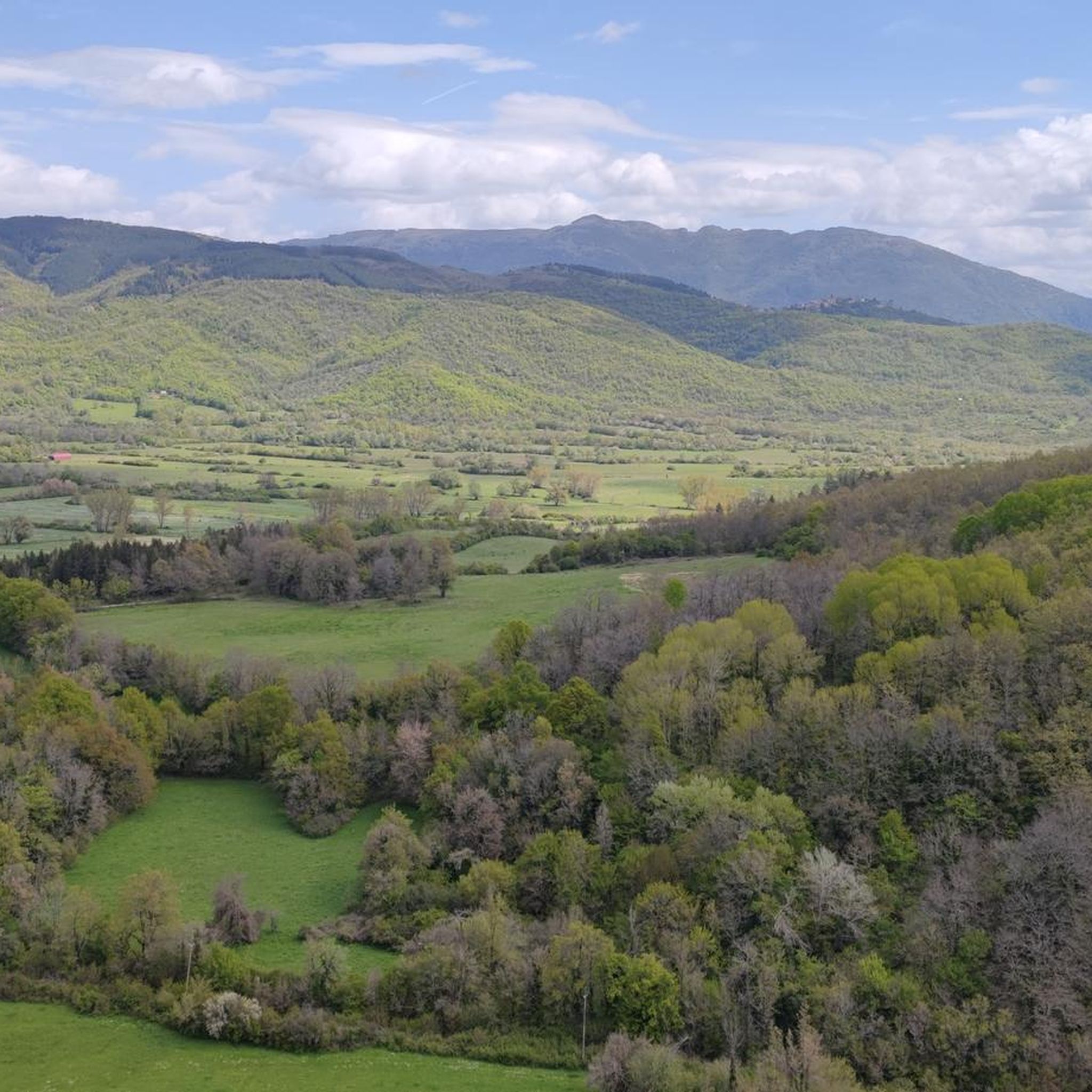
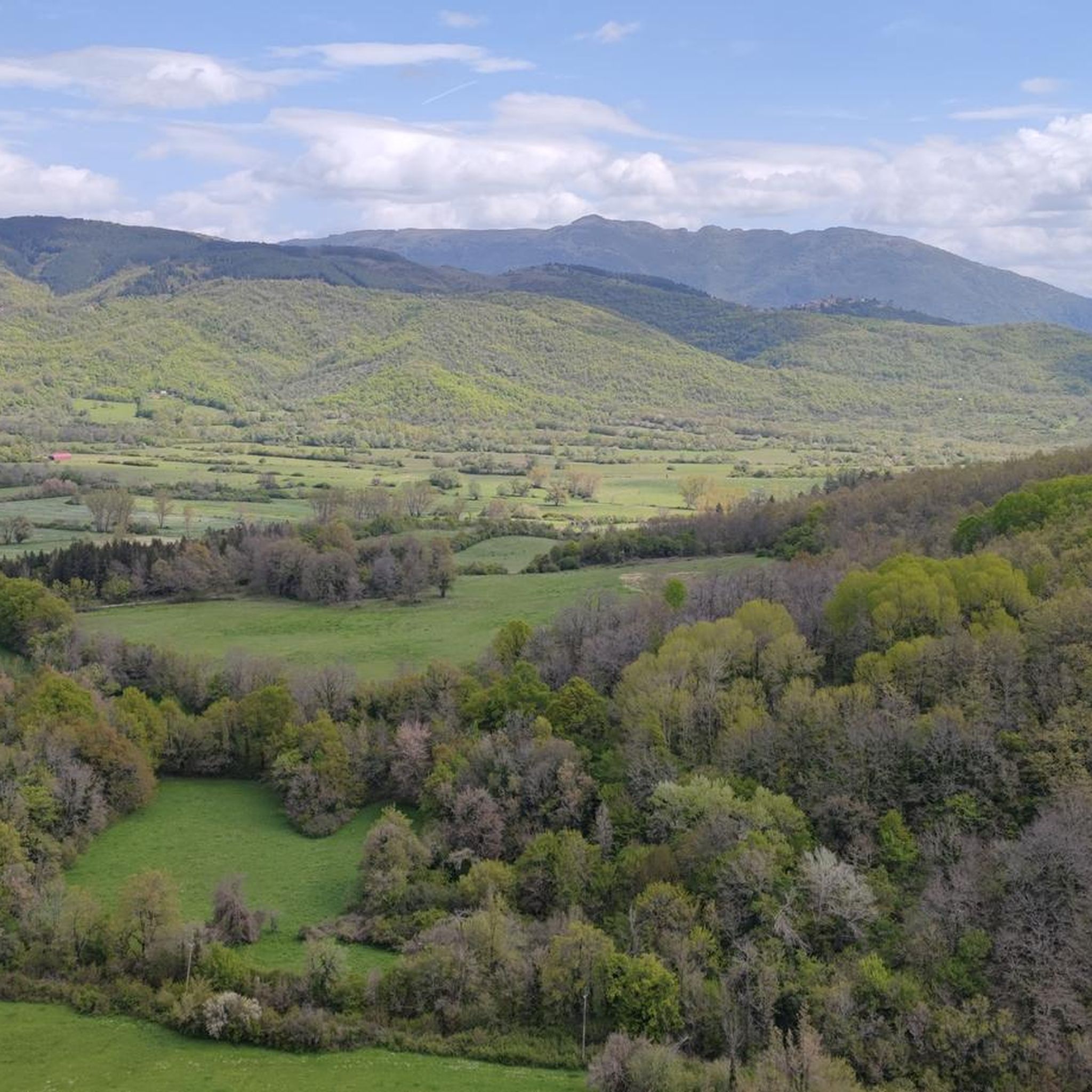
Large grassy clearing of karst nature, one kilometer long and about 500 meters wide. For hundreds of years it has been the destination of the transhumance of local shepherds. Today you can admire horses and cows grazing in the wild.
1
0
Frequently Asked Questions
What historical landmarks can I explore in Orvinio?
Orvinio is rich in history. You can visit the impressive Castello Malvezzi-Campeggi, a baronial palace that originated as a fortified castle around the year 1000. The entire Centro Storico di Orvinio, with its narrow stone streets and ancient gateways, is a historical attraction in itself. Don't miss the Ponte Vecchio of Posticciola, a Romanesque bridge exemplifying medieval Sabine village architecture.
Are there any significant churches or religious sites in Orvinio?
Yes, Orvinio features several notable religious sites. The Chiesa di San Nicola di Bari is a prominent church with a peaceful interior. You can also visit the Church of Santa Maria dei Raccomandati, known for its frescoes and elevated views, and the Church of San Giacomo, designed by Gian Lorenzo Bernini. Just outside the village, explore the atmospheric Rovine del Monastero di Santa Maria del Piano, believed to have been commissioned by Charlemagne.
What natural attractions are there in the Monti Lucretili Natural Park near Orvinio?
The Monti Lucretili Natural Park offers diverse natural beauty. You can explore the large, kilometer-long karst clearing of Monte Gennaro Meadow, where horses and cows graze freely. For panoramic views, hike up Pizzo Pellecchia, the second-highest peak in the Lucretili mountains. From May to July, the Orchid Garden (Pratarelle) is a must-see for its wild orchids.
Are there family-friendly attractions or activities around Orvinio?
Absolutely. The Monte Gennaro Meadow is a great spot for families to enjoy nature and see grazing animals. The San Rocco Chapel at Lake Turano offers a peaceful setting by the lake, suitable for a family visit. The Monti Lucretili Natural Park also has numerous easy walking paths and picnic spots.
What kind of outdoor activities can I do near Orvinio?
Orvinio is an excellent base for outdoor activities. The Monti Lucretili Natural Park provides opportunities for hiking, cycling, and horseback riding. You can find various hiking routes, including easy to moderate trails, around the area. For specific route ideas, check out the hiking routes around Orvinio, or explore road cycling and general cycling routes.
Where can I find a good viewpoint or scenic spot in the area?
For breathtaking views, head to Pizzo Pellecchia, the second-highest peak in the Lucretili mountains. The Church of Santa Maria dei Raccomandati also offers elevated views of the surrounding landscape. Additionally, the San Rocco Chapel at Lake Turano provides a scenic and peaceful lakeside vista.
Is Orvinio part of any famous pilgrimage routes?
Yes, Orvinio is part of the significant Cammino di San Benedetto (St. Benedict's Way). This pilgrimage route offers unique opportunities for silent walks and excursions, connecting you with a rich spiritual and historical journey through the region.
What is the best time of year to visit Orvinio for outdoor activities?
The Monti Lucretili Natural Park is beautiful throughout the year, but for hiking and enjoying the natural features like the Orchid Garden, late spring (May-June) and early autumn (September-October) offer pleasant temperatures and vibrant scenery. During May to July, you can specifically witness the blooming of wild orchids in the Pratarelle area.
Are there any unique cultural projects or experiences in Orvinio?
Orvinio participates in the Borghi Narranti Project. This initiative uses QR codes on artistic tiles throughout the village to share local traditions and stories through the voices of native villagers, offering a unique journey through Orvinio's history and culture.
Where can I find shelter or a resting point during a hike to Mount Pellecchia?
If you're tackling the uphill climb to Mount Pellecchia, the Casa del Pastore Mountain Hut serves as an excellent shelter and resting point. Its portico and tables are always accessible, providing a convenient stop.
What wildlife can be spotted in the Monti Lucretili Natural Park?
The protected area of the Monti Lucretili Natural Park boasts diverse fauna. You might spot golden eagles, hares, pheasants, and wild boars. Reintroduced roe deer are also present, and if you're lucky, you might even hear wolves at night.
What is the Piazza del Comune like in Orvinio?
The Piazza del Comune is the social heart of Orvinio. It's a charming square lined with traditional stone buildings, local cafés, and benches, offering a glimpse into the authentic daily rhythm of village life. It's a great place to relax and soak in the atmosphere.
Most popular attractions around Orvinio

Get inspired with the komoot mobile app


Explore more
Still not found the Highlight you’re looking for? See guides of the top attractions in other regions:
