Attractions and Places To See around Vivaro Romano - Top 20
Best attractions and places to see around Vivaro Romano include historical sites and natural landscapes. This comune in the Metropolitan City of Rome is situated in the Aniene Valley, nestled within the Lucretili Mountains. The village is perched on Colle Gennaro, offering views and featuring numerous permanent springs. Visitors can explore ancient ruins, religious buildings, and natural features.
Best attractions and places to see around Vivaro Romano
- The most popular attractions is Pizzo Pellecchia, a summit that is the…
Last updated: August 3, 2026
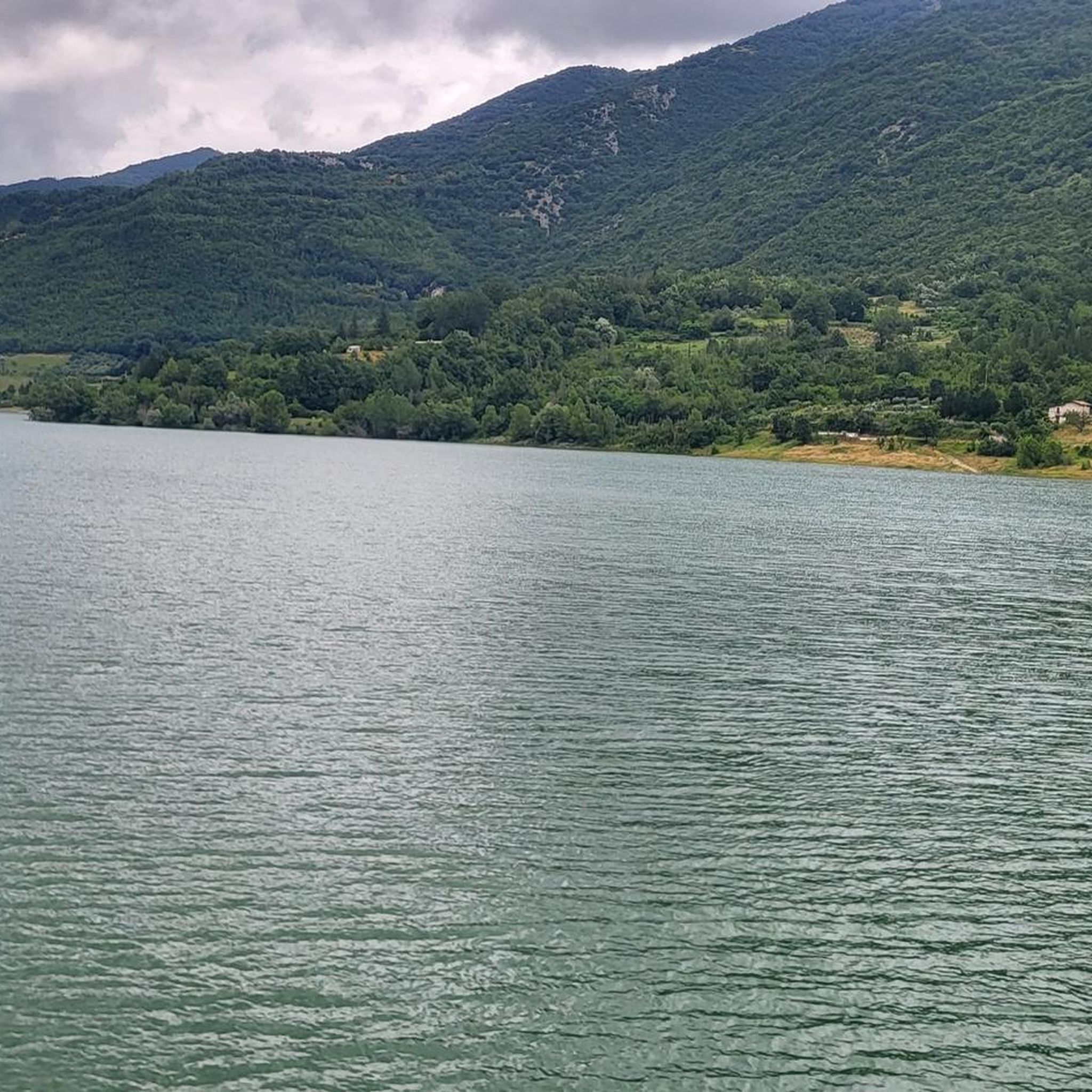
San Rocco Chapel at Lake Turano
Highlight • Religious Site
Translated by Google •
Tip by

Casa del Pastore Mountain Hut
Highlight • Mountain Hut
Translated by Google •
Tip by

Sign up now to discover places like this
Get recommendations on the best single tracks, peaks, & plenty of other exciting outdoor places.
Sign up for free
Pizzo Pellecchia
Highlight • Summit
Translated by Google •
Tip by
Lagustelli di Percile
Highlight • Lake
Translated by Google •
Tip by
Mandela
Highlight • Settlement
Translated by Google •
Tip by

Sign up for free to discover even more attractions around Vivaro Romano.
Sign up for free
Already have an account?
Start today with a free account
Your next adventure awaits.
Login or Signup

Tips from the Community

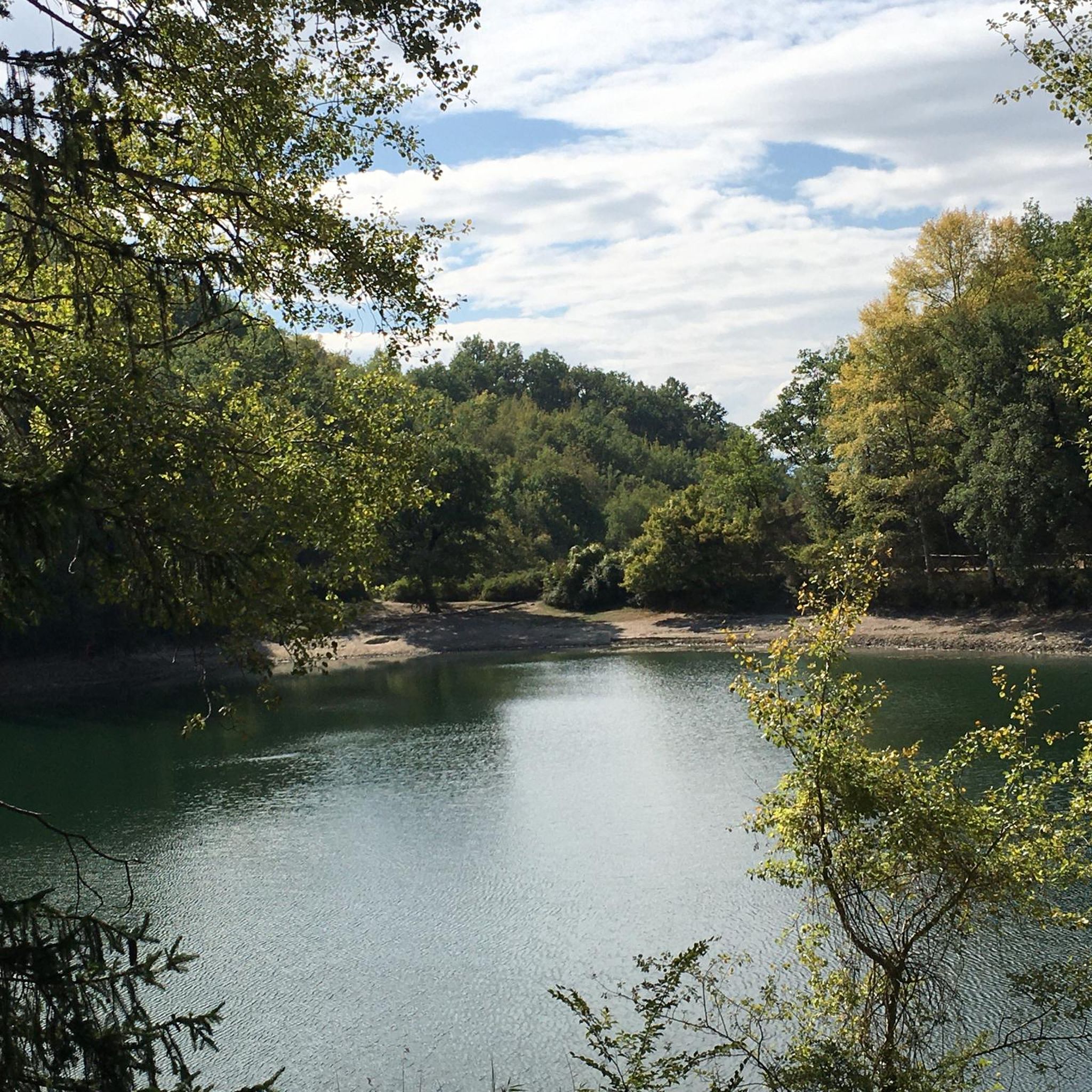
Chapel of San Rocco
0
0

It is located just before the bridge that crosses the lake and leads to Castel di Tora
4
0

San ROCCO was chosen as the patron saint for this church and the corresponding parish. Saint Roch was born in the middle of the 14th century in Montpellier, France. He is popularly regarded as the "plague saint" - alongside Saint Sebastian. A characteristic feature of Roch's depiction in paintings and as a statue is that he is usually pointing to a plague boil on his leg; a dog can also often be seen at his feet, because according to legend, when he was caring for plague victims, he himself became ill and withdrew into solitude, and the dog provided him with bread every day. The memorial day of San Rocco in the calendar of saints is August 16th.
0
0

wonderful place, the trail is very easy
1
0

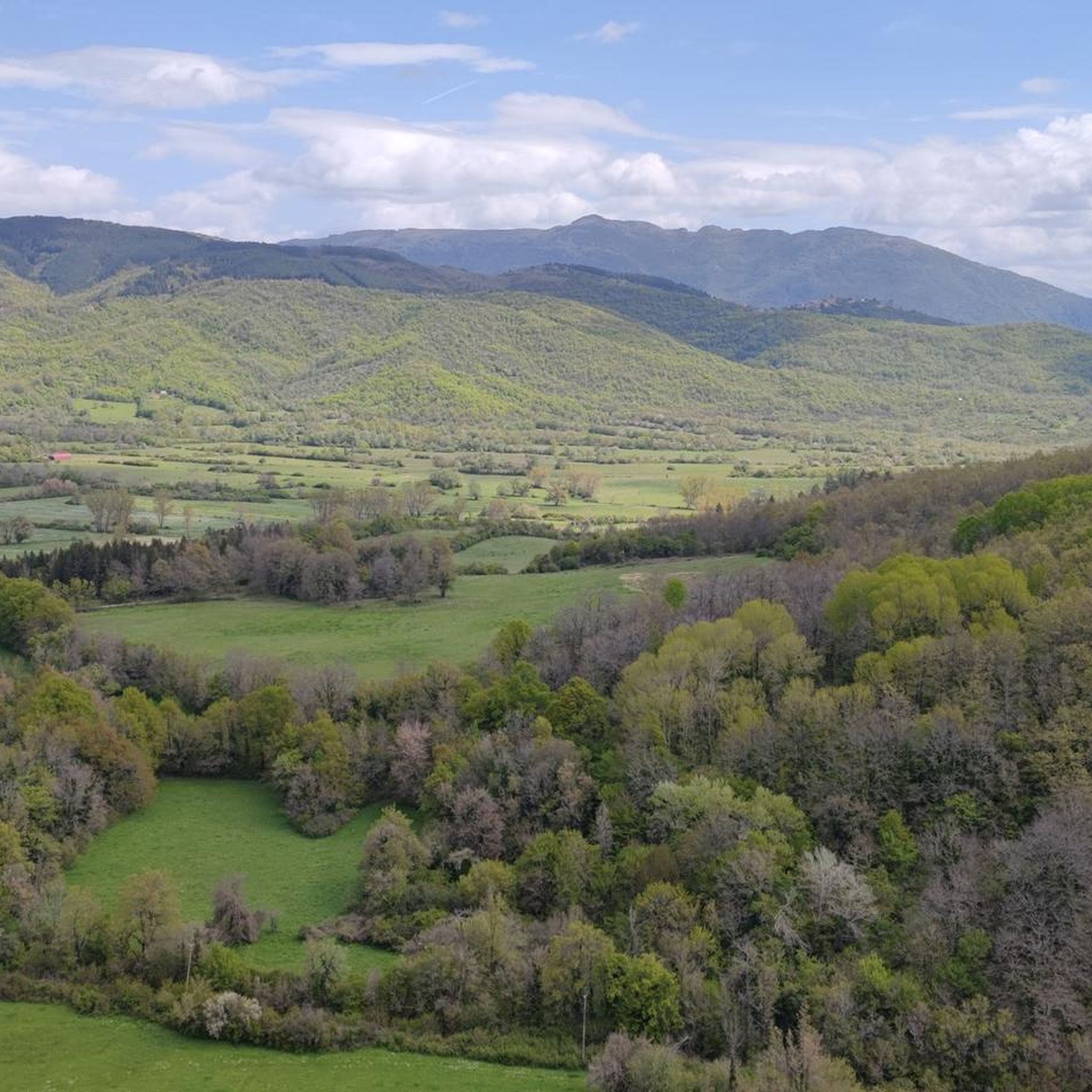
Mandela is located in the heart of the Aniene Valley. Mandela, originally known as Cantalupo Bardella in the Middle Ages, changed its name after 1870. This village was a fiefdom granted to the Orsini by Pope Celestine III. Over the centuries, it passed from the hands of the Orsini to the Nunez and then to the Marquises Del Gallo of Roccagiovine. In the 19th century, Giulia Bonaparte created a literary salon frequented by artists and men of culture in Mandela. The village is famous for its local cuisine, with typical products such as polenta with sausages and ribs, fettuccine, nociata, anise donuts and wine biscuits.
3
0

This refuge is an excellent shelter and a good stopping point before tackling the uphill stretch to Mount Pellecchia. The portico and the tables are always accessible, while the indoor part is managed by the Municipality of Monteflavio and to stay overnight inside you have to ask them for the key.
1
0
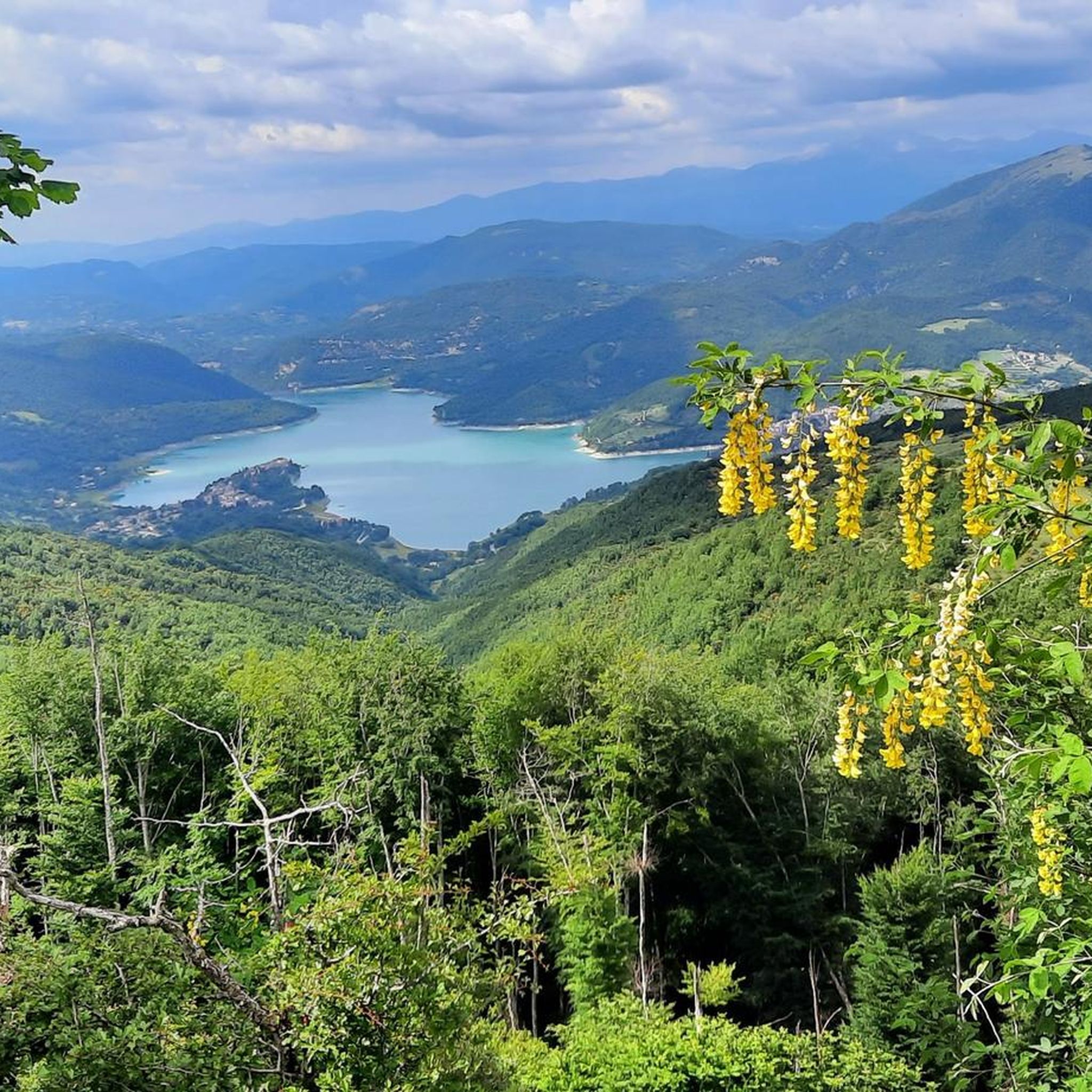
Pizzo Pellecchia, with its 1330 meters, is the second peak of the Lucretili mountains. Pizzo Pellecchia and the top of Monte Pellecchia are part of the same wide mountain ridge and for this reason they have the same name. The name Pellecchia, in fact, derives from "penniculus" (pen), to indicate a place located on a steep hill.
1
0
These splendid lakes are a testimony of the karst phenomenon on the Lucretili mountains. The largest, the Fraturno lake, exposed to the sun, the smallest enclosed in a deep sinkhole. Immersing yourself in the Fraturno waters is a unique experience if you overcome the initial skepticism of the muddy bottom!
5
0
Frequently Asked Questions
What natural attractions can I explore around Vivaro Romano?
Vivaro Romano is surrounded by natural beauty. You can visit Pizzo Pellecchia, the second highest peak of the Lucretili mountains, offering panoramic views. Another must-see is Lagustelli di Percile, a unique system of natural lakes formed by karst phenomena. The village itself is perched on Colle Gennaro, providing scenic vistas, and the area is known for its numerous permanent springs like La Nocchia and La Scentella. Nearby, you can also find San Rocco Chapel at Lake Turano, located on the shores of the picturesque Lake Turano.
What historical sites are there to visit in Vivaro Romano?
Vivaro Romano boasts a rich history. You can explore the ruins of Castello Borghese, an ancient castle dating back to 1012, which still features well-preserved defensive walls and a tower. Inside a medieval tower of the castle, you'll find the Museo Castrum Vivarii, dedicated to the local history. Other historical points of interest include the ancient mills of La Mola and La Moletta from 1867.
Are there any religious sites of interest near Vivaro Romano?
Yes, the area has several significant religious sites. The local parish is the Church of Saint Blaise, featuring a neo-Gothic style and a revered 12th-century Eastern fresco. The Sanctuary of Santa Maria Illuminata, located on a hill about 3 km from the village, dates back to the 13th century and is linked to a local legend. Additionally, Santa Maria del Piano, an 11th-century abbey near Orvinio, offers impressive architecture and a panoramic setting. You can also visit the San Rocco Chapel at Lake Turano.
What are the best viewpoints in the Vivaro Romano area?
For stunning views, head to Pizzo Pellecchia, which offers panoramic vistas from its summit. The village of Vivaro Romano itself, perched on Colle Gennaro, provides scenic views of the surrounding Aniene Valley and Piana del Cavaliere. The ancient abbey of Santa Maria del Piano also boasts a panoramic position amidst nature. Another beautiful spot is the San Rocco Chapel at Lake Turano, offering serene views of the lake.
Are there hiking opportunities near Vivaro Romano's attractions?
Absolutely. The Lucretili Mountains and Aniene Valley offer numerous hiking trails. You can find routes that take you to natural attractions like Pizzo Pellecchia and Lagustelli di Percile. For detailed routes and difficulty levels, explore the Hiking around Vivaro Romano guide, which includes trails like the 'Fontanile of the Monti Lucretili – Lagustelli di Percile loop'.
Can I go cycling or gravel biking in the Vivaro Romano area?
Yes, the region around Vivaro Romano is suitable for both cycling and gravel biking, with routes offering diverse landscapes. You can find various tours that pass by scenic viewpoints and natural features. For gravel biking, check out the Gravel biking around Vivaro Romano guide. If you prefer road cycling, the Cycling around Vivaro Romano guide provides options, including routes around Lake Turano.
Are there family-friendly attractions or activities in Vivaro Romano?
Yes, several attractions are suitable for families. The trails around Lagustelli di Percile are known for being very easy, making them ideal for family walks. The San Rocco Chapel at Lake Turano is also listed as family-friendly, offering a peaceful setting by the lake. Exploring the historical ruins of Castello Borghese and the Museo Castrum Vivarii can also be an engaging experience for older children.
What is the best time of year to visit Vivaro Romano?
The best time to visit Vivaro Romano largely depends on your interests. For hiking and enjoying the natural landscapes, spring and early autumn offer pleasant temperatures. In May, you might observe the blooming of irises around Pizzo Pellecchia. If you're interested in local traditions, a torchlight procession is held annually on the night of August 4th/5th to commemorate the legend of the Sanctuary of Santa Maria Illuminata.
What do visitors enjoy most about the attractions around Vivaro Romano?
Visitors particularly appreciate the serene natural beauty and the historical depth of the area. The Lagustelli di Percile are praised as a 'wonderful place' with 'very easy' trails. The San Rocco Chapel at Lake Turano is noted for its 'oasis of peace and serenity'. The Casa del Pastore Mountain Hut is considered an 'excellent shelter and a good stopping point' for hikers. The ancient abbey of Santa Maria del Piano is valued for its 'imposing architecture and a panoramic position immersed in the surrounding nature'.
Are there any mountain huts or shelters available for hikers?
Yes, hikers can find the Casa del Pastore Mountain Hut, located at 1000 meters above sea level. It serves as an excellent shelter and a convenient stopping point, especially before tackling the uphill stretch to Monte Pellecchia. The portico and tables are always accessible, though for overnight stays inside, you typically need to request permission from the Municipality of Monteflavio.
What is the significance of the springs in Vivaro Romano?
The numerous permanent springs, such as La Nocchia and La Scentella, are a defining natural feature of Vivaro Romano. Historically, they were crucial for fish farming and continue to supply water to the community today. The abundance of water is even believed to be the origin of the town's name, Vivaro, derived from 'Vivarium' (fish pond).
Most popular routes around Vivaro Romano
Most popular attractions around Vivaro Romano

Get inspired with the komoot mobile app


Explore more
Still not found the Highlight you’re looking for? See guides of the top attractions in other regions:
