Top 11 Huts and Cabins around Fara San Martino
Best huts around Fara San Martino are located in the Majella National Park in Abruzzo, Italy. This region is known for its dramatic natural landscapes, including the Gorges of Fara San Martino. The area serves as a starting point for various outdoor activities like hiking and mountain biking. Visitors can explore ancient paths and unique geological formations within the park.
Best huts around Fara San Martino
- The most popular huts is Carlo Fusco Shelter, a hut that was inaugurated…
Last updated: November 1, 2026
Bruno Pomilio Mountain Hut
Highlight • Mountain Hut
Translated by Google •
Tip by

Majelletta Summit
Highlight • Summit
Translated by Google •
Tip by
Sign up now to discover places like this
Get recommendations on the best single tracks, peaks, & plenty of other exciting outdoor places.
Bivacco Pelino
Highlight • Mountain Hut
Translated by Google •
Tip by

Pischioli Refuge
Highlight • Mountain Hut
Translated by Google •
Tip by

Rifugio Di Marco
Highlight • Mountain Hut
Translated by Google •
Tip by

Sign up for free to discover even more huts and cabins around Fara San Martino.
Already have an account?
Start today with a free account
Your next adventure awaits.
Popular around Fara San Martino
The Apennines to the Adriatic – cycling to discover Abruzzo
Between the Adriatic Sea and the Apennines — rides in Italy’s Abruzzo
Hiking around Fara San Martino
Road Cycling Routes around Fara San Martino
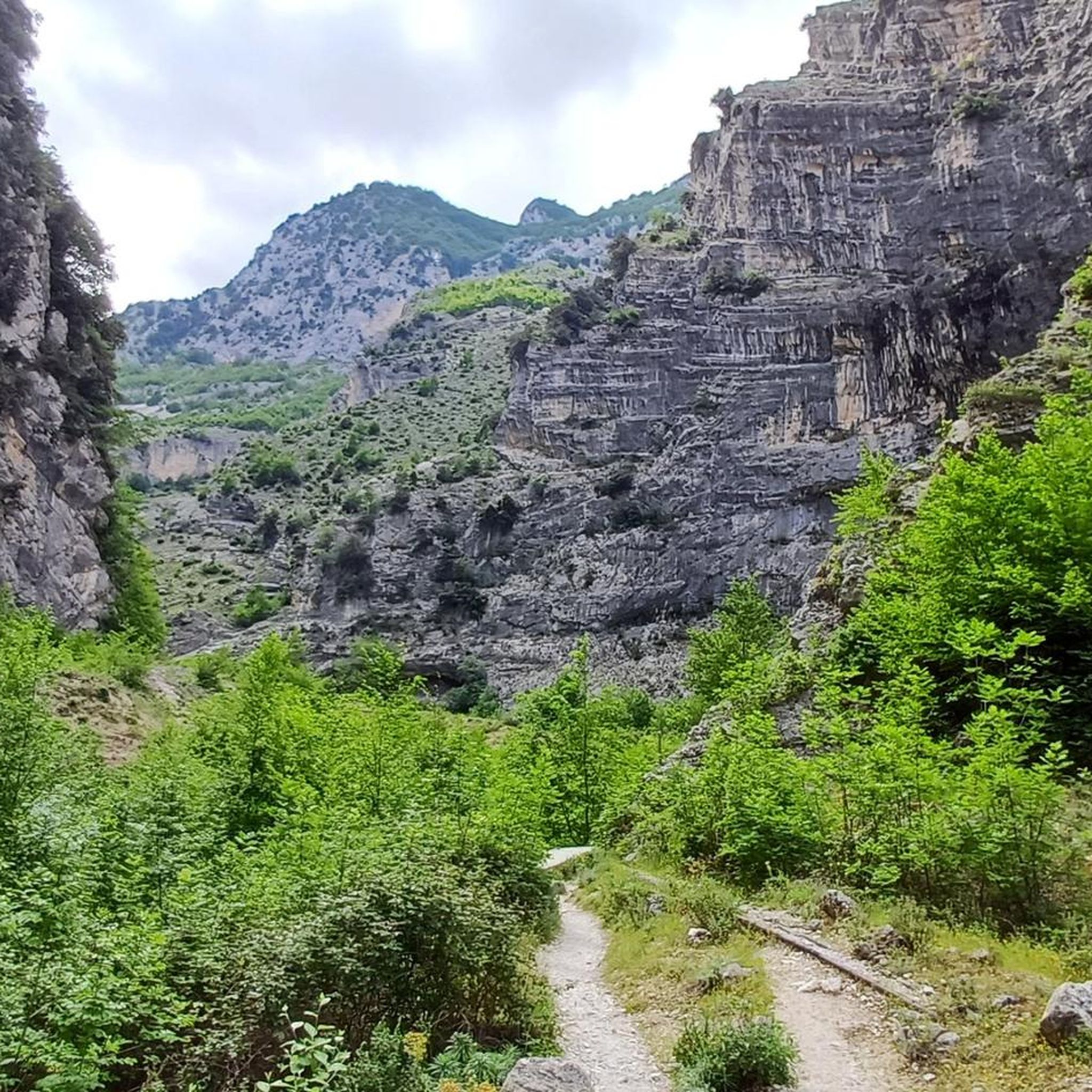
MTB Trails around Fara San Martino
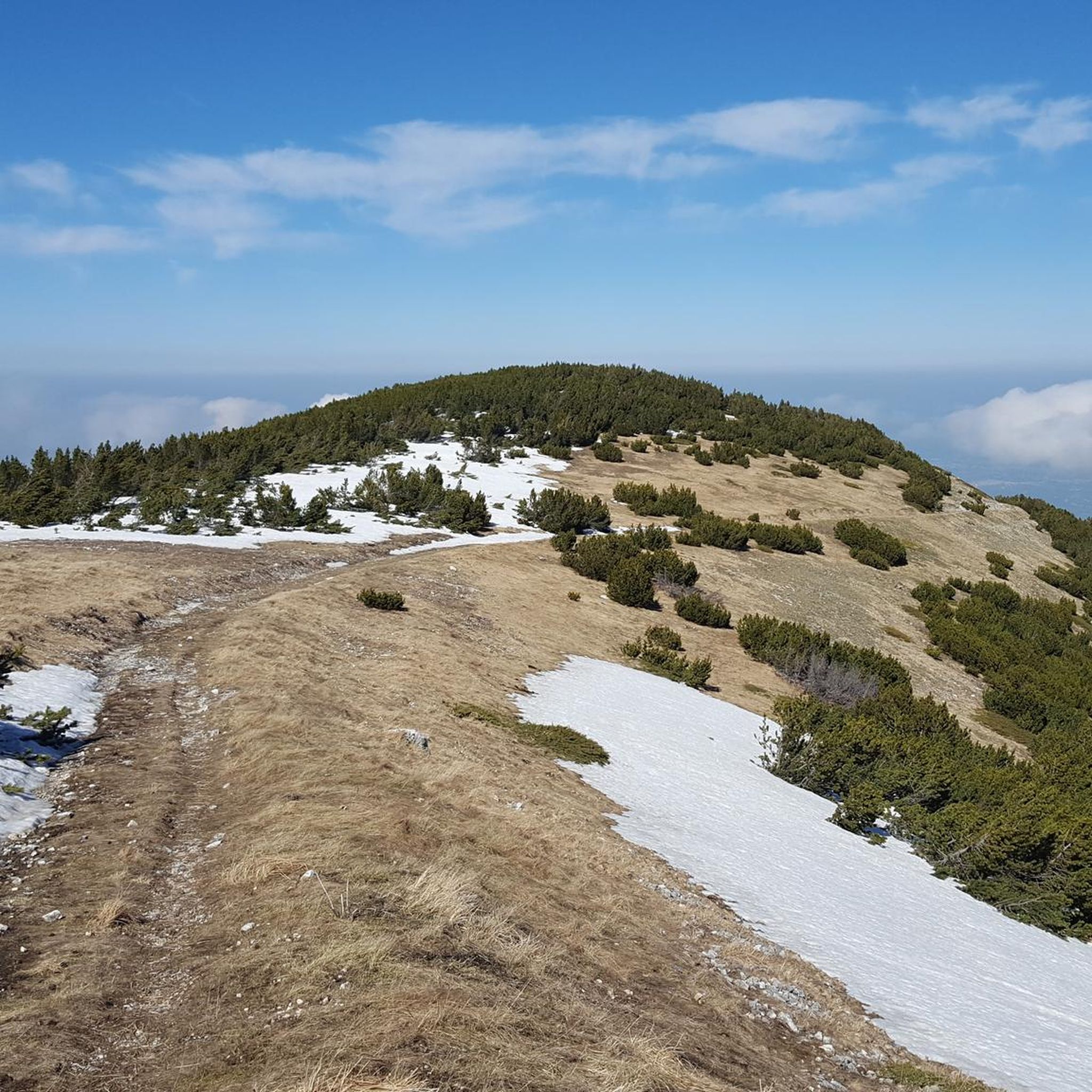
Cycling around Fara San Martino
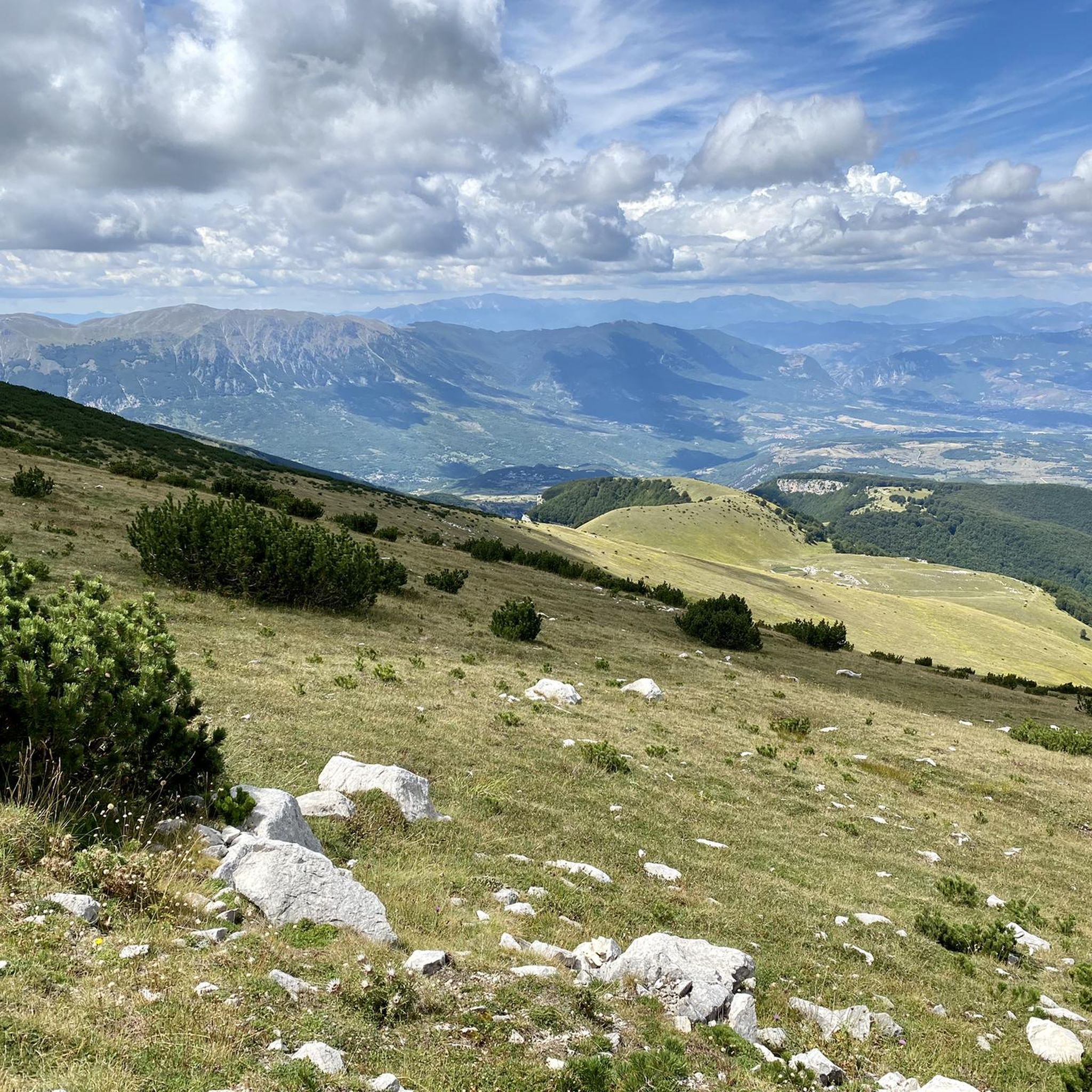
Running Trails around Fara San Martino


Tips from the Community

the refuge is always open to users and a room is available, behind it you can enjoy a magnificent panorama.
0
0

after 13 kilometers of climbing, it's a very appreciable refreshment stop
0
0


former Pelino bivouac, work on the new refuge
0
0

The Pischioli is a refuge located under a rock spur with a fountain and a rest area equipped with tables adjacent to the refuge. It is located in a suggestive panoramic point with the Avello and Tre Grotte valleys and the Majella with a view of Cima Murelle looking up. Starting from Balzolo you pass the famous Pinna, which symbolizes the goddess Maja, also called Cimirocco. Skirting the aqueduct fence you climb steeply along a stony path, a couple of sections are slightly exposed but nothing transcendental. After the initial section the climb becomes a little less steep and passes through vegetation composed of juniper bushes, it is a slightly slippery climb especially in the case of rain. After a good hour of walking a clearing suddenly appears with the rock spur that guards the Pischioli refuge. A short distance from the refuge there are several pastoral caves of great beauty and the Madonna delle Sorgenti. To continue towards Pomilio, take the path uphill that will first lead to Rapina and then arrive among meadows and mountain pines at Pomilio. To descend from Pischioli it is possible, recommended in case of unstable or wet weather, to take the path that from the Pischioli equipped area enters the woods and descends towards Bocca di Valle, not taking the fork for Bocca di Valle the path will take us under Balzolo in the area reserved for parking cars. It is a longer but simple path that passes through a beautiful wood where there are several remains of walls of pastoral huts. There are several routes, more or less difficult, to reach it.
1
0

the Pomilio refuge, in addition to being a good restaurant, is also the start of the blockhaus and the path to reach the top of Mount Amaro
0
0

The Bruno Pomilio Refuge, located at 1980 m in the Maiella National Park, is a tourist hub from which various paths start. It offers views and refreshment near "la madonnina".
0
0
Frequently Asked Questions
What are the most notable huts around Fara San Martino?
The region features several significant huts. The Bruno Pomilio Mountain Hut, located at 1,980 m, is a key hub for hiking and ski mountaineering trails in the Maiella National Park. Another important one is the Carlo Fusco Shelter, inaugurated in 2019 at 2455m, serving as an intermediate point for reaching peaks like Monte Focalone and Monte Amaro. Additionally, Rifugio Di Marco offers panoramic views from 1747 meters on Prato della Maielletta.
Are there huts suitable for overnight stays near Fara San Martino?
Yes, the Majella National Park, which surrounds Fara San Martino, offers various mountain huts, bivouacs, and shelters designed for overnight stays. These facilities provide essential resting points for hikers exploring the park's challenging terrain, such as the Bivacco Pelino, known for its spartan accommodation at 2,700 meters.
What kind of outdoor activities can I do near the huts in Fara San Martino?
The area around Fara San Martino and its huts is excellent for various outdoor activities. You can find extensive options for hiking, mountain biking, and road cycling. For detailed routes, explore the MTB Trails around Fara San Martino, Cycling around Fara San Martino, and Road Cycling Routes around Fara San Martino guides.
What natural features and viewpoints can I expect to see from these huts?
Many huts offer stunning natural features and panoramic viewpoints. For instance, Rifugio Di Marco provides a beautiful panoramic view of the Maiella National Park. The Bivacco Pelino is renowned for its unique vantage point, allowing views of the sunrise over the Adriatic and sunset over the Tyrrhenian Sea from 2,700 meters. The region is also known for the dramatic Gorges of Fara San Martino.
What is the best time to visit the huts around Fara San Martino?
The best time to visit largely depends on your planned activities. For hiking and exploring the Gorges, spring and autumn offer pleasant temperatures. Summer is also popular, though higher altitudes can still be cool. Winter provides opportunities for ski mountaineering, especially around huts like the Bruno Pomilio Mountain Hut, which serves as a hub for such activities.
Are there family-friendly options for visiting huts or nearby trails?
While many huts are at higher altitudes and cater to experienced hikers, the broader Fara San Martino area offers more accessible options. The Gorges of Fara San Martino, for example, are described as an 'evocative and accessible' place suitable for families, allowing for leisurely excursions into nature. Always check the specific trail difficulty before embarking with family.
How difficult are the trails leading to the huts around Fara San Martino?
The difficulty of trails varies significantly. Huts like the Carlo Fusco Shelter and Bivacco Pelino are situated at high altitudes (2455m and 2700m respectively) and are typically reached via challenging routes, often serving as intermediate points for summiting major peaks. Other trails, especially those closer to Fara San Martino village, may be more moderate.
What do visitors appreciate most about the huts in this region?
Visitors frequently praise the stunning natural beauty and the strategic locations of the huts. They are valued as essential resting points and bases for exploring the Majella National Park's diverse landscapes, from the dramatic gorges to high mountain peaks. The komoot community has shared 27 photos and given 92 upvotes, highlighting the scenic appeal and utility of these facilities.
Are there any cultural or historical sites near the huts or Fara San Martino?
Yes, Fara San Martino itself has a rich history. The area is home to the ruins of the Benedictine Abbey of San Martino in Valle, which is partly carved into the rock face within the gorge. Exploring the ancient paths around the village can lead you to these historical remnants, offering a blend of nature and heritage.
Is parking available for accessing the hut trails?
While specific parking details for each hut trail may vary, Fara San Martino serves as a primary starting point for many excursions into the Majella National Park. It is advisable to research parking options in or near the village before heading out, especially for popular trailheads. Public transport options are generally limited in this mountainous region.
Are there any permits required for hiking or staying in huts in Majella National Park?
Generally, permits are not required for day hiking in Majella National Park. However, for overnight stays in some bivouacs or guarded huts, it's always recommended to check with the Italian Alpine Club (CAI) or the specific hut management for booking requirements or any necessary permissions, especially during peak seasons or for larger groups.
Can I find food and drink options near the huts?
Some huts, like the Bruno Pomilio Mountain Hut, may offer basic refreshments or meals, especially if they are guarded or have restaurant facilities. However, many bivouacs and shelters are spartan and unguarded, meaning you should carry your own supplies. Fara San Martino village itself has cafes, pubs, and restaurants where you can stock up before or after your mountain adventure.
Most popular routes around Fara San Martino
Most popular attractions around Fara San Martino

Get inspired with the komoot mobile app


Explore more
Find more beautiful huts and cabins around Fara San Martino by checking out the top ones in these nearby places:
