The best walks and hikes around Rattiszell
4.4
(994)
3,912
hikers
36
hikes
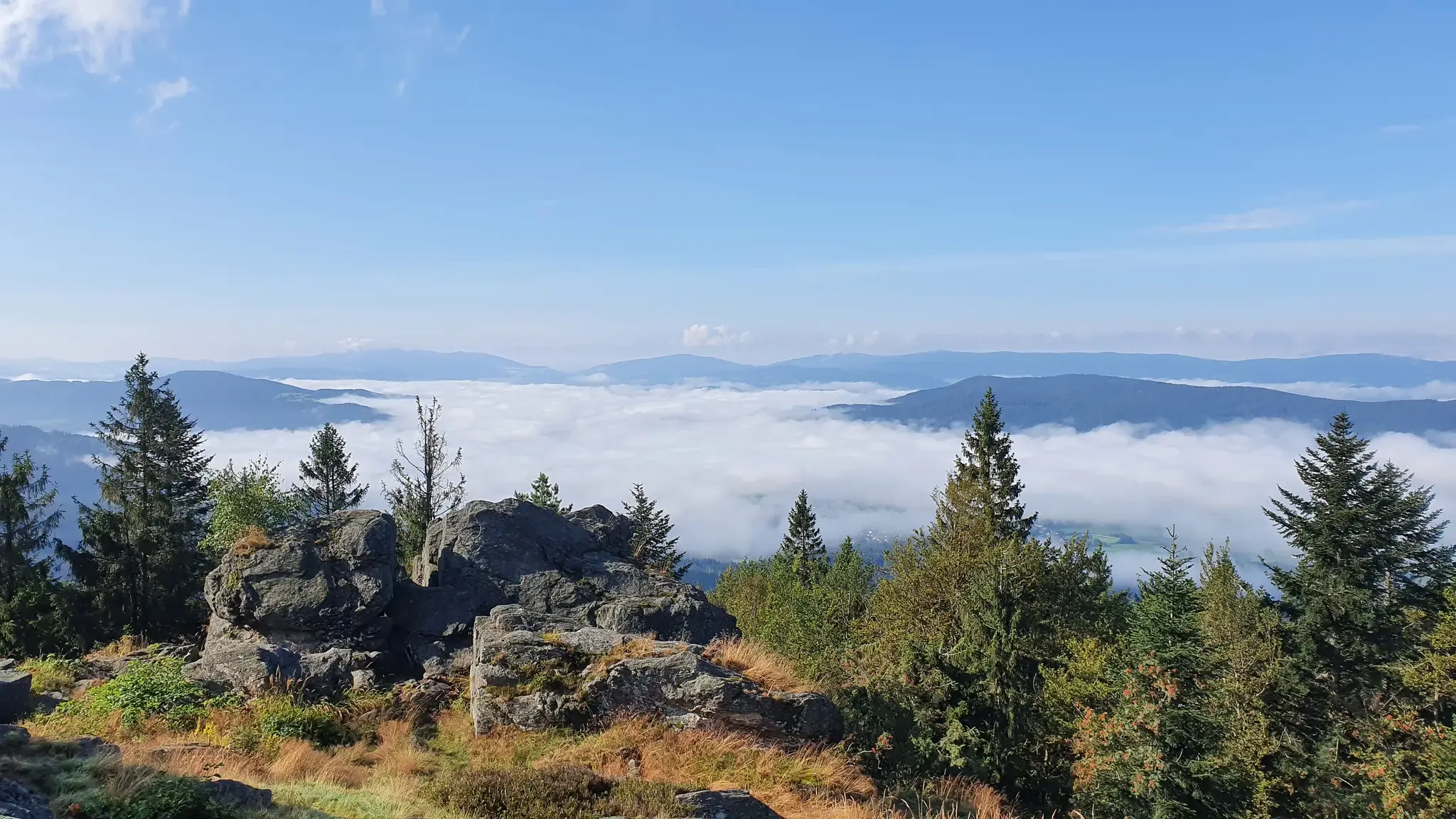
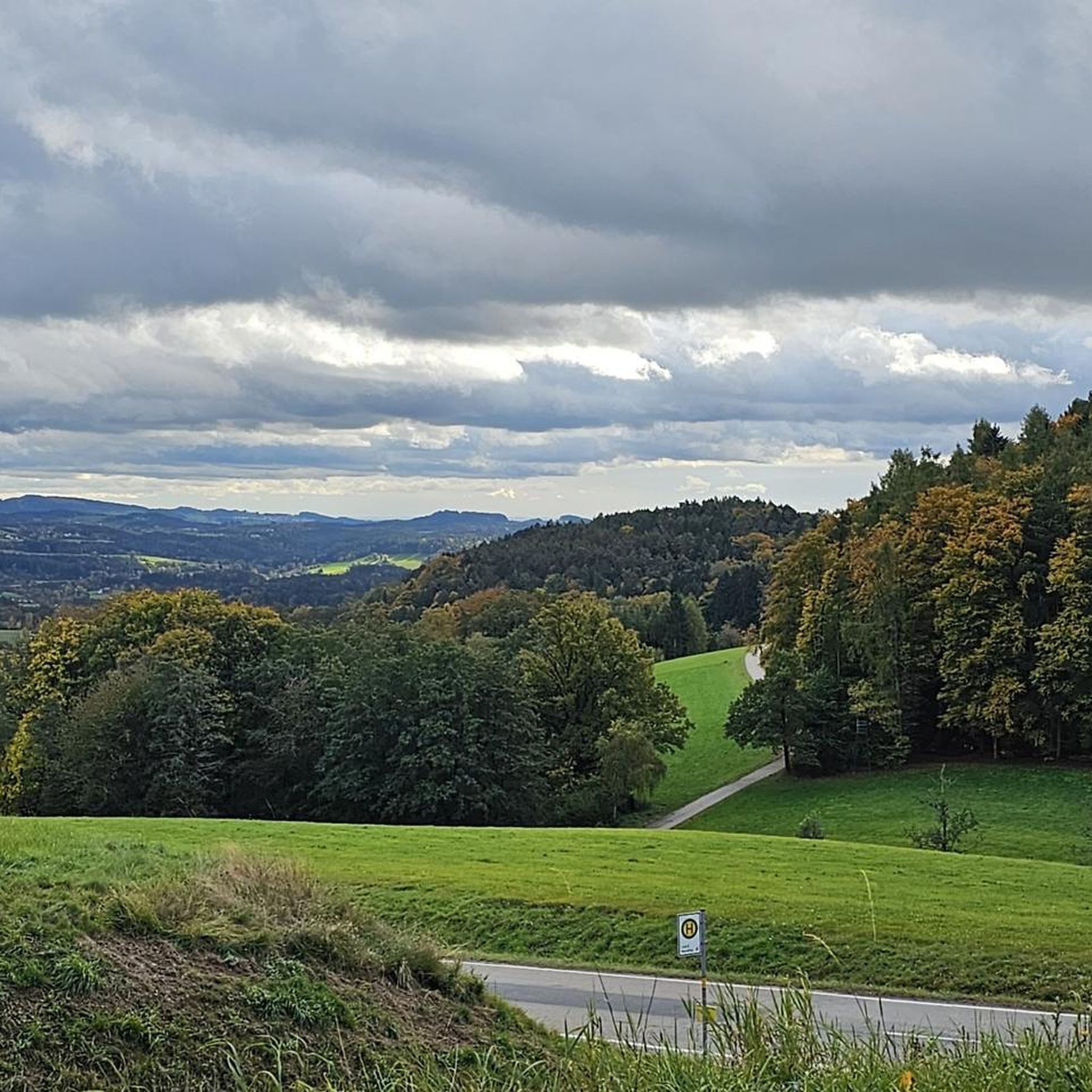
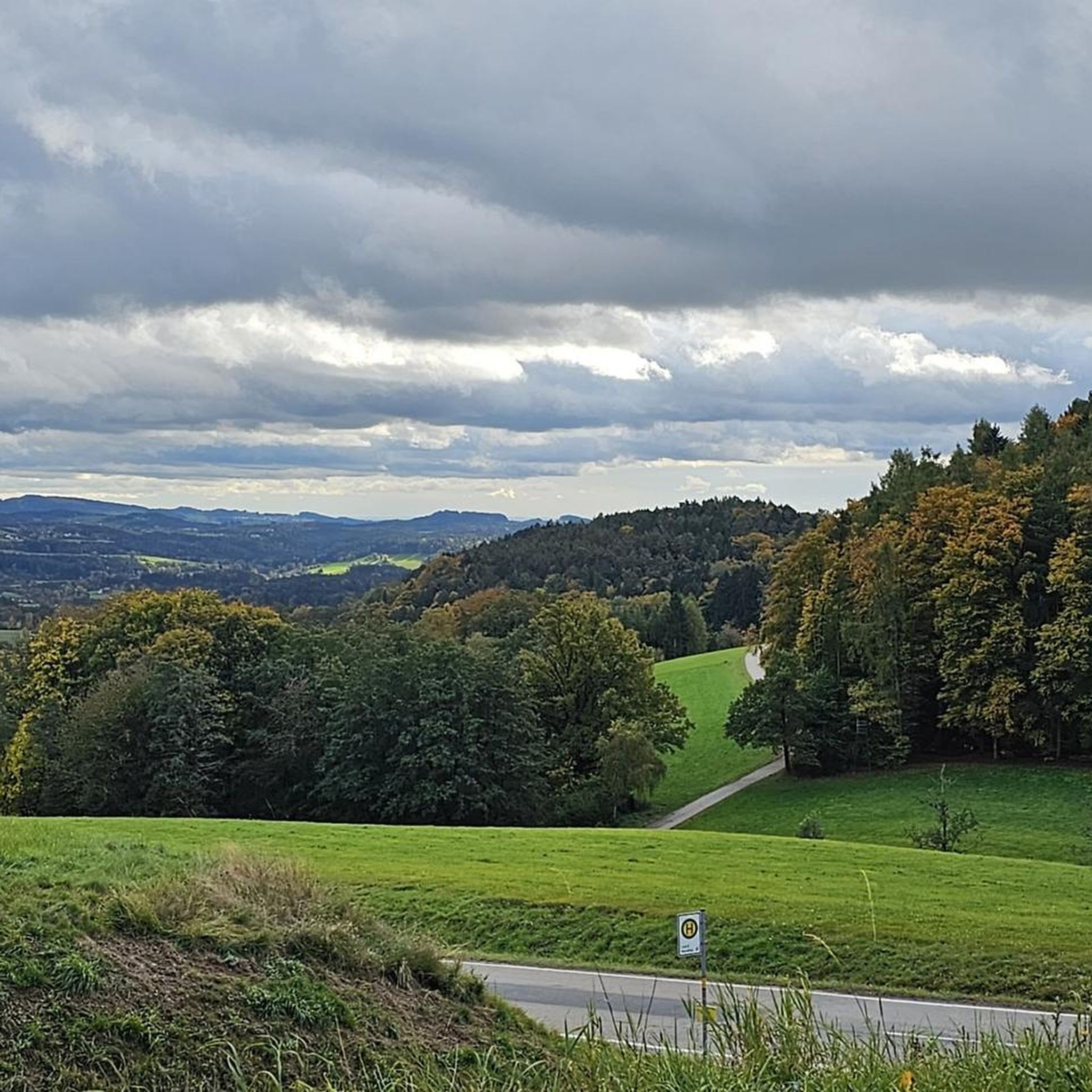
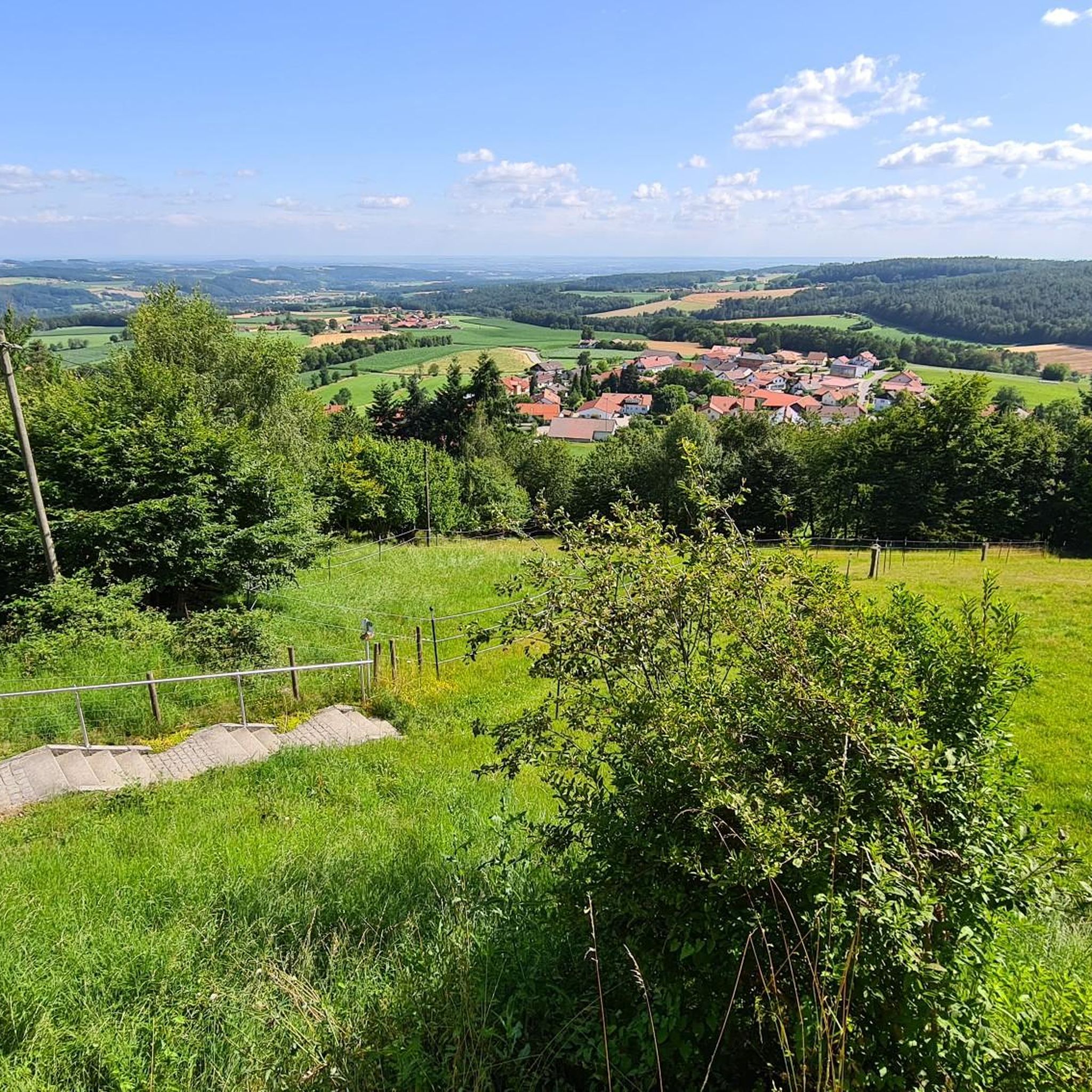
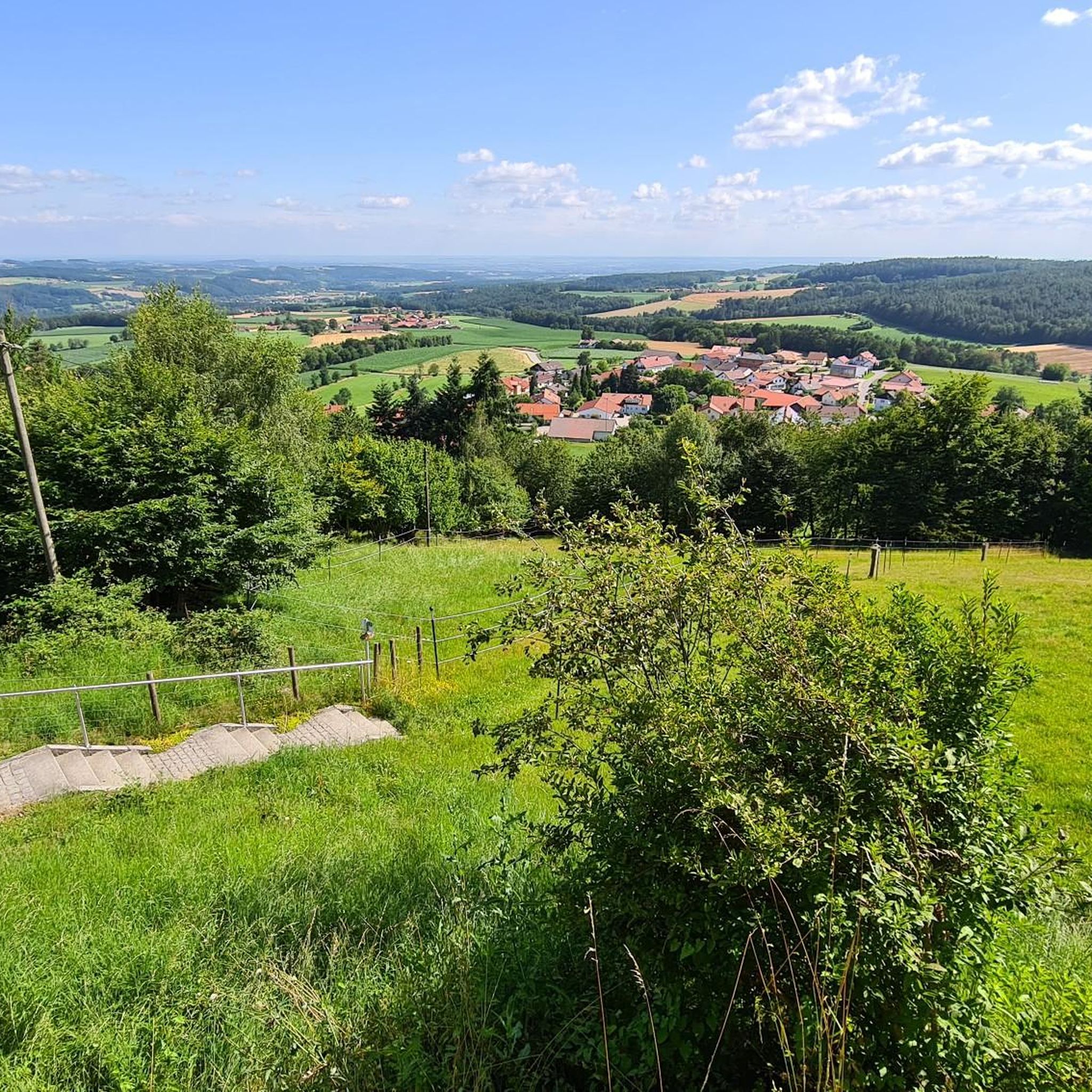
Hiking around Rattiszell offers diverse landscapes within the Bavarian Forest, characterized by rolling hills, expansive meadows, and serene woodlands. The region features varied terrain, from gentle slopes to dense forests, providing a tranquil setting for outdoor activities. The Danube River valley also contributes to the scenic views, particularly in areas like the Danube Panorama Trail. Rattiszell's natural environment supports a network of trails suitable for different hiking preferences.
Best hiking trails around Rattiszell
- The most popular hiking route is Small…
Last updated: September 30, 2026
4.5
(19)
67
hikers
10.1km
02:46
150m
150m
Moderate hike. Good fitness required. Easily-accessible paths. Suitable for all skill levels.
4.3
(15)
31
hikers
Easy hike. Great for any fitness level. Easily-accessible paths. Suitable for all skill levels.

4.4
(8)
17
hikers
Moderate hike. Good fitness required. Easily-accessible paths. Suitable for all skill levels.
4.8
(8)
17
hikers
15.9km
04:43
470m
470m
Moderate hike. Good fitness required. Easily-accessible paths. Suitable for all skill levels.
4.4
(8)
13
hikers
Moderate hike. Good fitness required. Easily-accessible paths. Suitable for all skill levels.
Get access to more routes and recommendations from other explorers.
Already have an account?
Our route recommendations are based on thousands of hikes, rides, and runs completed by other people on komoot.
Start today with a free account
Your next adventure awaits.

Other adventures around Rattiszell

Tips from the Community

The former quarry features medium-grained granodiorite with partially planar mineral alignment. The granodiorite contains sharply defined xenoliths of various other rocks: e.g. biotite plagioclase banded gneiss, potassium feldspar megacrysts, quartz mica diorite. The inclusions are partially rotated. The quarry is part of the Pilgramsberg adventure trail. (Panel "Geological Corner" with explanations on granite and gneiss). Bavarian State Office for the Environment (LfU). https://www.umweltatlas.bayern.de/standortauskunft/rest/reporting/sb_geotope/generate?additionallayerfieldvalue=278A004
0
0

St. Nicholas Church The exterior of this small church undoubtedly bears Romanesque features, suggesting a date between the end of the 10th and the middle of the 13th century. However, if one were to believe the old folk tale that a pagan temple once stood here, this would mean that the earliest origins of this church date back to pre-Christian times, and that this site was chosen as the successor to a pagan place of worship. In fact, St. Nicholas Church had declined in importance after the castle chapel had developed over time into the main church. The fact that skulls were once excavated around the church suggests that the cemetery was originally located here, and that, in the early days of the town's history, the dead were buried in St. Nicholas. In 1717, the church was remodeled in the Baroque style. It consists of the nave and the recessed, semicircular choir in the east. A shingled turret with an onion dome rises on the gable roof of the nave to the west. The high altar was built in the second half of the 17th century. Between two smooth, blue marbled columns with golden capitals, each supporting the entablature and the altarpiece, stands a statue of St. Nicholas, the church's patron saint, in a shrine with golden decorations. To the left is John the Baptist and to the right is St. Christopher. In the altarpiece stands a figure of St. Sebastian, accompanied by two angels. Among the figures, which are small in comparison to the columns, the altar features a large votive painting, a depiction of St. Anne and Her Three Children, a depiction of the Virgin Mary and her mother Anne holding the infant Jesus. At the top of the picture, the Holy Spirit is painted in the form of a dove. At the bottom of the picture, a married couple is depicted praying and apparently supplicating the saints. The coat of arms on the left identifies the man as Wilhelm von Paulsdorf, while the coat of arms on the right is that of his third wife, Helena von Ortenburg. Source: Excerpts from www.wikipedia.de / www.ak-heimatgeschichte.mitterfels-online.de
2
0

Beautiful viewpoint with shelter
0
0
St. Joseph's Castle Chapel Built on medieval castle walls and dedicated to St. George as a castle chapel. In 1693 a new building was built in honor of the Holy Family, especially St. Joseph, with the founding of a St. Joseph's Brotherhood by Baroness Theresia von Weichs. Devastated by fire in 1807, the church was rebuilt with changes. In 1888, the tower and roof structure burned out again due to a lightning strike, and the tower was given a crenellated crown when the new building was built. In 1897, it was expanded to its current size with neo-baroque interior design. In 1967, the church was completely remodeled, with the ceiling and roof structure being renewed and the interior redesigned. From 1991 to 1993, it was renovated again, restoring the original condition and returning the late baroque altar and the figures of saints. The renovated church and the people's altar were consecrated on March 21. Source: information board
3
0
Falkenfels Castle Around 1100, the Counts of Bogen built the castle on the rock that slopes steeply on three sides. From 1232, the Knights of Hohenfels ruled the castle, and from 1400, the Falkensteiners of Falkenfels. In 1331, “Valkenfelss” is mentioned in a copy from the 15th century as a landed estate. In 1425, the castle came into the possession of the Frauenbergers and remained so until their extinction in 1480. The castle was plundered by the Hussites in 1425 and conquered by troops of Duke Albrecht IV in the Böckler War in 1468. The Frauenbergers were followed by the Paulsdorfers. In the Löwler War, the castle was besieged for a week in 1492 and burned down after the capitulation on June 8, 1492, but was then rebuilt by Hans von Paulsdorf. In 1525, the property passed to the Seyboltstorffer family through marriage. From 1607 to 1796, the noble family of Barons von Weichs owned Falkenfels Castle. In the Thirty Years' War, the castle was set on fire by the Swedes in 1641, but was then rebuilt. On April 15, 1796, Josef Maria von Weichs sold Falkenfels and the associated manorial estates to Baron Gabriel von Buchstetten for 320,000 guilders. In 1807, the castle was again burned down, but was rebuilt. After the end of the Falkenfels manorial estate, the castle economy was destroyed in 1820. In 1821, the Lang family acquired the castle and set up a brewery here, which lasted until 1934. In 1925, a fire destroyed large parts of the complex, after which it was only partially rebuilt. From 1919 to 1950, the castle belonged to the Schimmelmann family. On May 8, 1951, the furniture manufacturer Franz Xaver Baier from Straubing bought the castle and converted it into a hotel with a restaurant. The castle was also increasingly used as a conference and congress building. Since 2001, the castle has belonged to the publisher Udo Sieber. Falkenfels Castle was originally surrounded by two terraced ring walls, one above the other. Today, the fortifications are only preserved on the north side. Approximately in the middle of the east side is the keep from the 13th century, the battlements are from a later period. The baroque castle chapel of St. Joseph was built in the 17th century on medieval foundations. It contains gravestones of Falkenfels castle lords. The outer areas of Falkenfels Castle are freely accessible, otherwise it serves as a castle hotel and restaurant. Source: Excerpts from www.wikipedia.de
5
0

Mega view from Kesselboden to Pröller
0
0


The platform no longer exists! A PITY
2
1
Frequently Asked Questions
How many hiking trails are available in Rattiszell?
Rattiszell offers a comprehensive network of over 30 hiking trails, catering to various skill levels. You'll find a mix of easy, moderate, and challenging routes to explore the diverse landscapes of the Bavarian Forest.
Are there easy hiking trails suitable for families in Rattiszell?
Yes, Rattiszell has several family-friendly options. Trails around Höllbachsgraben are known for their relatively easy paths and the soothing sound of a babbling brook. Another good choice is the Panoramic views to take a deep breath – View of Pilgramsberg loop from Pilgramsberg, an easy 4.2-mile (6.8 km) path offering scenic views.
Can I find circular hiking routes around Rattiszell?
Absolutely. Many trails in Rattiszell are designed as loops, allowing you to start and end at the same point. For example, the Small Lake – Neumühlweiher loop from Rattiszell is a popular moderate route, and the St. Martin Church, Haunkenzell – Stone Steps to Pilgramsberg loop from Rattiszell also offers a circular experience through varied terrain.
What are some notable natural features or landscapes I can expect to see while hiking?
Rattiszell's landscape is characterized by rolling hills, expansive green meadows, and serene woodlands within the Bavarian Forest. You can experience the breathtaking views along the Danube Panorama Trail, traverse dense forests in Höllbachsgraben, or enjoy the summer scenery and a dedicated nature trail around Pilgramsberg.
Are there any historical or cultural attractions to visit along the trails?
Yes, several historical sites can enrich your hiking experience. You can visit the magnificent baroque Pilgrimage Church Maria Himmelfahrt, explore Rattiszell Castle for insights into the region's history, or see the significant Pilgrimage Church St. Ursula Pilgramsberg, known for its votive tablets. The St. Martin Church in Haunkenzell is another notable historical church in the area.
What is the best time of year to go hiking in Rattiszell?
The best seasons for hiking in Rattiszell are typically spring and autumn. During these times, temperatures are pleasant, and the landscape is particularly vibrant, with blossoming nature in spring or rich autumn colors.
What do other hikers say about the trails in Rattiszell?
The trails in Rattiszell are highly regarded by the komoot community, boasting an average score of 4.5 stars from over 900 reviews. Hikers often praise the diverse landscapes, well-maintained paths, and the tranquil setting for outdoor activities.
Are there any longer or more challenging routes for experienced hikers?
For experienced hikers seeking more demanding routes, options like the Geißkopf circular trail or the Rachelsteig feature steeper sections and offer spectacular mountain views. The Waldwelt Forest Shelters – Falkenfels Castle loop from Pilgramsberg is also a longer, moderate route covering over 9 miles (15 km) with significant elevation gain.
Can I find trails that allow me to explore local flora and fauna?
Yes, the nature trail around Pilgramsberg is specifically designed for this purpose. It invites visitors to discover local animal and plant species, as well as minerals, making it an excellent choice for nature enthusiasts.
Are there options for moderate hikes in Rattiszell?
Rattiszell offers a good selection of moderate hikes. Routes such as the Small Lake – Neumühlweiher loop from Rattiszell, the St. Martin Church, Haunkenzell – Stone Steps to Pilgramsberg loop from Rattiszell, and the View of Pilgramsberg – Panoramic views to take a deep breath loop from Pilgramsberg provide a balanced challenge with rewarding scenery.
Are the hiking trails in Rattiszell suitable for dogs?
While specific dog-friendly designations are not always marked, the natural environment of Rattiszell, with its extensive woodlands and open paths, generally welcomes dogs. Always ensure your dog is on a leash and that you clean up after them to respect other hikers and wildlife.
Where can I find parking for hiking trails near Rattiszell?
Parking availability can vary by trailhead. Many popular starting points for trails, especially near villages like Rattiszell, Pilgramsberg, or Haunkenzell, typically offer designated parking areas. It's advisable to check local signage upon arrival or consult specific route descriptions for parking recommendations.
Most popular routes around Rattiszell
Most popular attractions around Rattiszell

Get inspired with the komoot mobile app


Explore more
Browse the best Hikes in other regions.
