The best cycling routes around Montazzoli
4.4
(20)
261
riders
45
rides
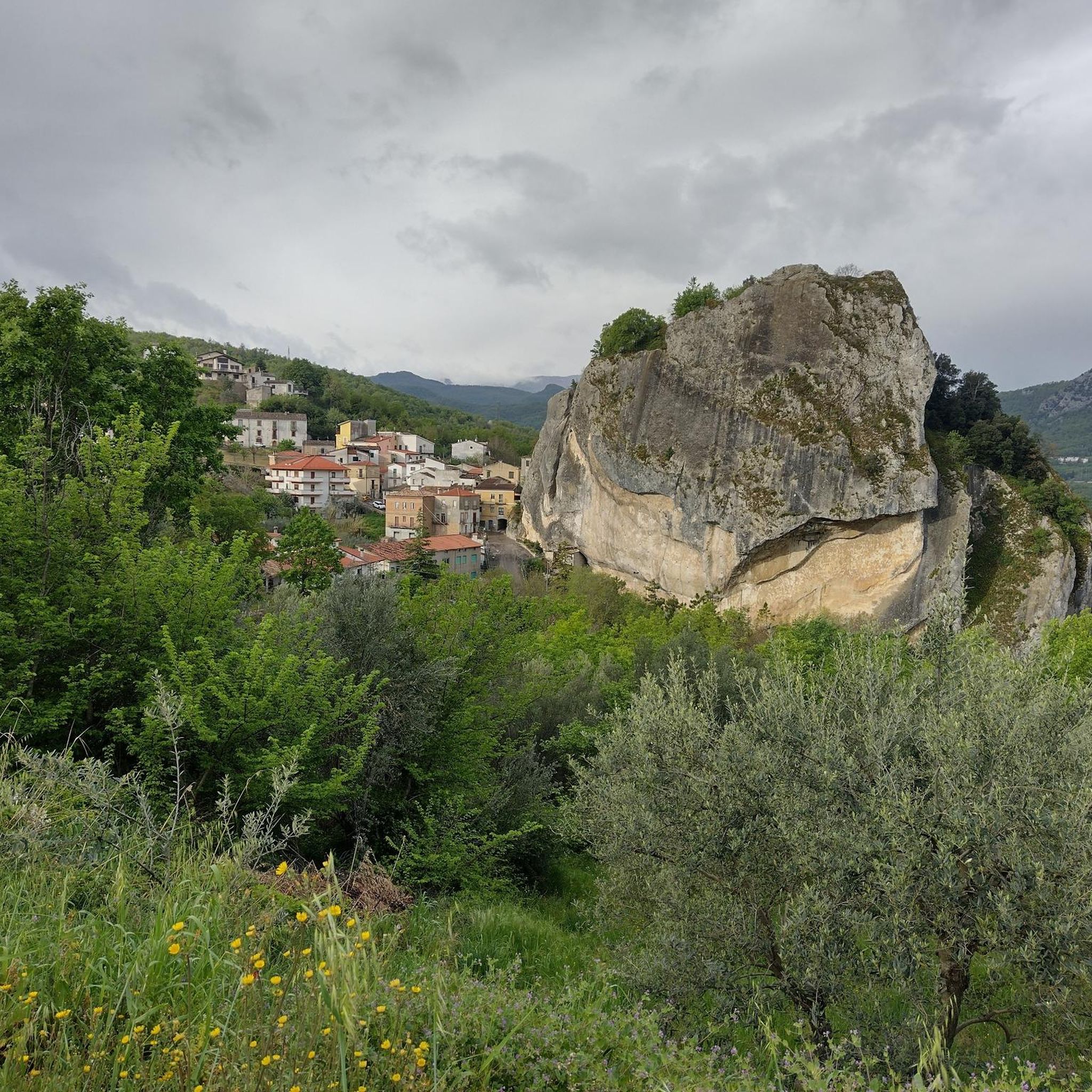
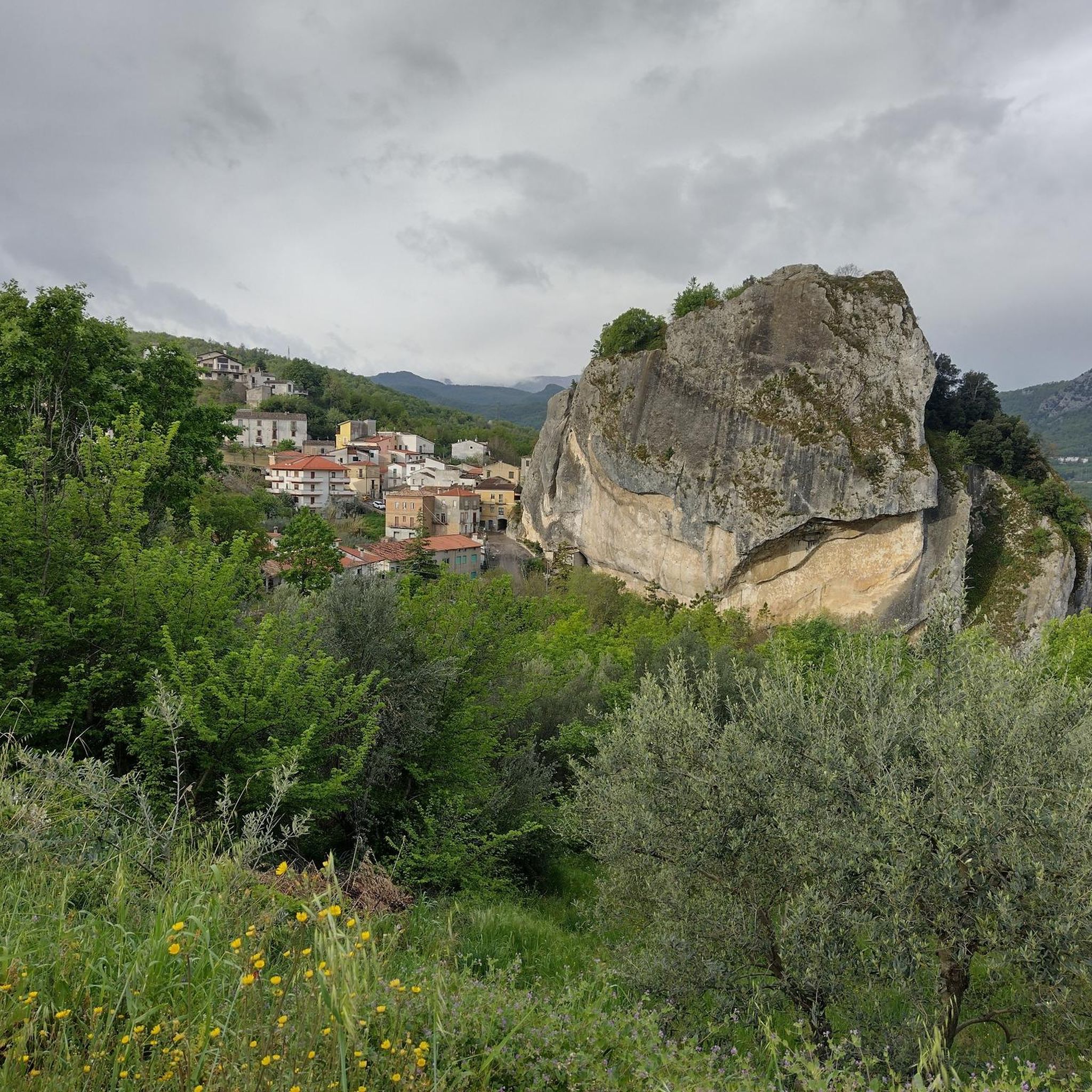
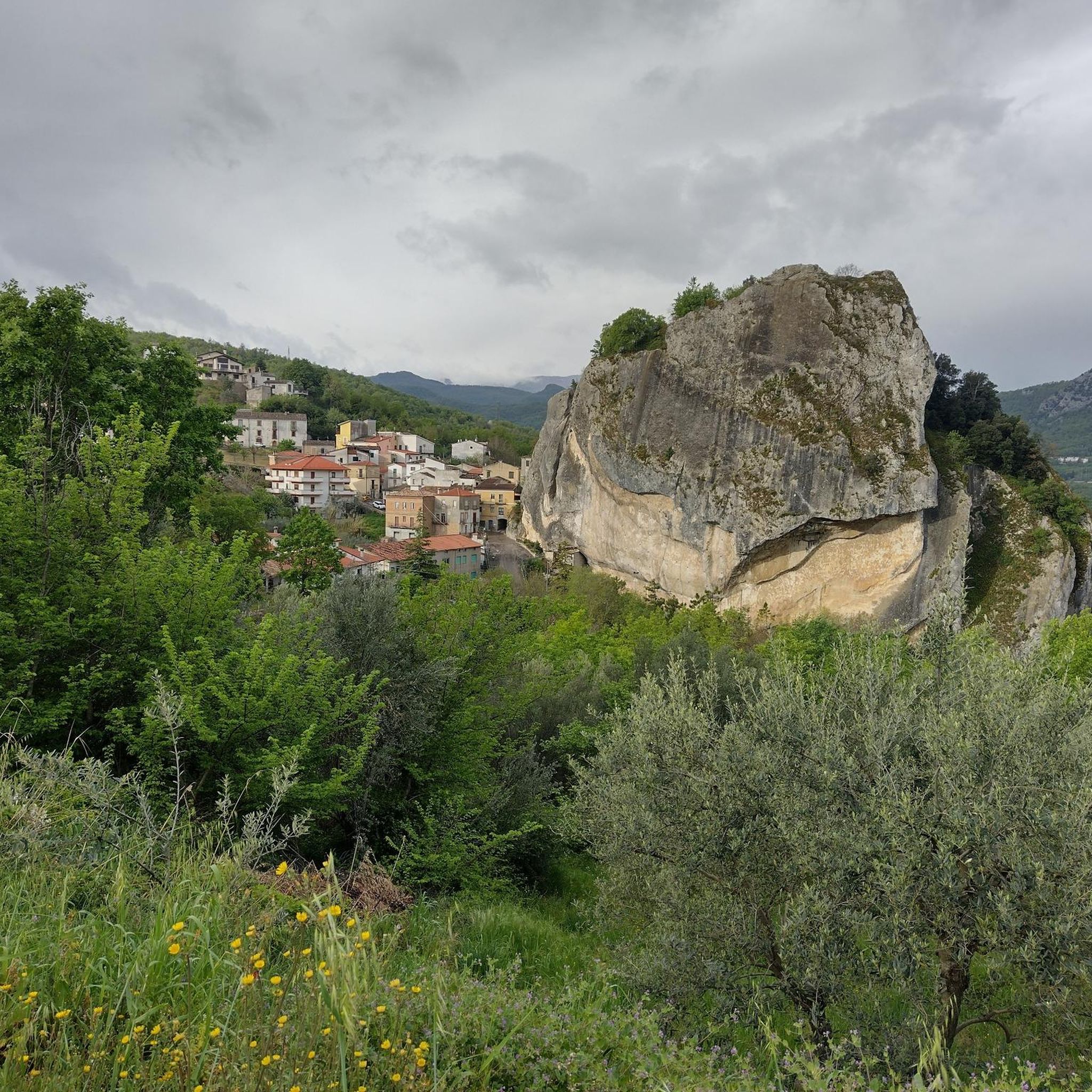
Touring cycling routes around Montazzoli offer diverse landscapes, from rolling hills to panoramic views encompassing mountains and the sea. The village itself is situated atop two hills, with the Sinello River flowing nearby, providing varied terrain for cyclists. The broader Abruzzo region features quiet, well-maintained roads, challenging mountain climbs, and scenic coastal paths. This area is characterized by a blend of unspoiled nature and historical attractions, making it suitable for touring cyclists seeking varied experiences.
Best touring cycling routes around…
Last updated: October 8, 2026
15.7km
01:29
550m
550m
Hard bike ride. Very good fitness required. You may need to push your bike for some segments of this route.
4.8
(6)
17
riders
96.0km
06:06
1,130m
1,120m
Hard bike ride. Very good fitness required. Mostly paved surfaces. Suitable for all skill levels.

5.0
(1)
13
riders
62.1km
04:10
940m
940m
Hard bike ride. Very good fitness required. Mostly paved surfaces. Suitable for all skill levels.
14
riders
57.8km
04:27
1,310m
1,310m
Hard bike ride. Very good fitness required. You may need to push your bike for some segments of this route.
5.0
(1)
12
riders
81.7km
05:59
1,770m
1,770m
Hard bike ride. Very good fitness required. Mostly paved surfaces. Suitable for all skill levels.
Get access to more routes and recommendations from other explorers.
Already have an account?
Our route recommendations are based on thousands of hikes, rides, and runs completed by other people on komoot.
Start today with a free account
Your next adventure awaits.

Tips from the Community

Suitable for Gravel or MTB, less so for road bikes on the dirt sections
0
0

Historic Franciscan monastery in an oasis of peace. The Convento di San Pasquale (officially the monastery of Santa Maria degli Angeli) is hidden in the greenery on the hill of Vallaspra, just outside the medieval town of Atessa. This impressive complex was founded as early as 1408 by the blessed Tommaso da Firenze. It is built entirely of natural stone and exudes a serene, historic atmosphere. Although the interior and the beautiful monastery garden with the central well (from 1709) are unfortunately often closed to the public due to varying opening hours, the complex is an absolute sight to behold from the outside. Under the large portico at the front, you can still admire a centuries-old fresco of the Pietà. Moreover, the quiet, shady surroundings are perfect for a well-deserved break during your sporting tour. Fun fact: the monastery used to lend its name to the well-known local herbal liqueur "Amaro San Pasquale", which was originally prepared by the monks with herbs from this valley.
2
0
Sangro River – The liquid border of the Costa dei Trabocchi. Crossing the Sangro River via the imposing iron bridge is an iconic moment on the Via Verde dei Trabocchi! At 122 kilometers long, the Sangro is one of Abruzzo's mightiest rivers. It begins its journey high in the Apennines and carves its way down to flow into the Adriatic Sea right here, between Fossacesia and Torino di Sangro. From the old railway bridge, you can enjoy a vast panorama of the wide river mouth. This nature reserve forms an important ecological crossroads where river dunes, rare water birds, and the salty sea breeze converge. Why is this river a top highlight? The Gustav Line: The Sangro has a troubled history. During World War II, this river formed the natural barrier for the infamous German Gustav Line. Fierce fighting took place here at the time as the Allies attempted to cross the river. Access to the Lecceta: Immediately after crossing the river heading south, you'll roll straight into the magnificent Riserva Naturale Lecceta di Torino di Sangro, a rare Mediterranean holm oak forest.
0
0
Castello Aragonese – Historic viewpoint above the Adriatic Sea The Castello Aragonese is the impressive northern starting point of the Costa dei Trabocchi. This 15th-century fortress stands high on a steep cliff and offers you a magnificent view over the Adriatic Sea, the port of Ortona, and the coastline of the Via Verde dei Trabocchi. The massive round towers and thick fortress walls are reminiscent of a turbulent past. The castle withstood heavy fighting during World War II, after which part of the complex was lost. As if that were not enough, in 1946, a landslide caused almost half of the fortress to disappear into the sea. Today, it is one of the most beautiful viewpoints in Ortona and an ideal stop during your cycling or hiking tour. The castle ruins and inner courtyard are freely accessible. A short, steep climb awaits from the port, but it is amply rewarded with beautiful panoramas. Around the castle, you will also find cozy terraces and shady benches to catch your breath.
1
0
Trabocco Mucchiola – Picnic with sea view Trabocco Mucchiola is a lovely place to take a break during your tour along the Via Verde dei Trabocchi. Next to the cycle path, there is a shady picnic area with tables, ideal for resting, eating something, or simply enjoying the view of the Adriatic Sea. The charming wooden trabocco stands on the rocky Punta Mucchiola and is one of the first fishing platforms you will encounter south of Ortona. Thanks to its splendid location, this is also a beautiful stop along the route to capture a beautiful memory.
4
0
Trabocco Torre Il Sole – The wooden spider above the Adriatic Sea 🌊🪵 Along the Via Verde dei Trabocchi, you'll encounter special wooden fishing platforms, but the Trabocco Torre Il Sole is a real eye-catcher. This impressive 'wooden spider' hovers on high stilts above the waves, forming one of the most photogenic spots along the coast of San Vito Chietino. The trabocchi were built centuries ago not by seafarers, but by local farmers. They sought a safe way to fish without having to venture onto the dangerous open sea. With long wooden arms, nets, and an ingenious construction, they could catch deep-sea fish from the shore. Built from strong and flexible Aleppo pine wood, these special structures have defied the salty sea air and powerful coastal winds for generations. A perfect place to pause, enjoy the view, and take an unforgettable photo with the azure Adriatic Sea as a backdrop.
1
0
Imagine: the Adriatic Sea shimmering beside you, a fresh sea breeze on your face, and an endless cycle path winding along the coast. The Via Verde dei Trabocchi is one of those routes where you don't actually want the ride to end. This cycle path, over 50 kilometers long and largely flat, follows a former railway line and takes you along one of the most beautiful coastal stretches of Abruzzo. Along the way, you'll pass the iconic trabocchi: impressive wooden fishing platforms that seem to float above the sea on stilts. With their long arms and nets, they stand out against the horizon like gigantic wooden works of art.
5
0
The Ciclovia Adriatica in Abruzzo (better known as Bike to Coast) is a 131-kilometer cycle path that covers the entire coastline of the Abruzzo region. The route runs from Martinsicuro (coastal border with Marche) to San Salvo (border with Molise). The route is mostly flat, mostly car-free, and crosses 19 coastal municipalities.
5
0
Frequently Asked Questions
How many touring cycling routes are available around Montazzoli?
There are over 40 touring cycling routes available around Montazzoli, offering diverse landscapes and experiences. The majority of these routes are considered difficult, providing a good challenge for experienced cyclists.
What kind of landscapes can I expect to see while cycling around Montazzoli?
Montazzoli offers a blend of landscapes, from rolling hills and panoramic countryside views to glimpses of both mountains and the sea. You'll find routes traversing the Sinello River valley, and the broader Abruzzo region provides access to the imposing Gran Sasso and Majella mountains, as well as scenic coastal paths.
What do other cyclists say about touring cycling in Montazzoli?
The touring cycling routes around Montazzoli are highly rated by the komoot community, with an average score of 4.2 stars from over 13 reviews. More than 250 touring cyclists have used komoot to explore the varied terrain, often praising the unspoiled nature and diverse challenges.
When is the best time of year for touring cycling in Montazzoli?
Montazzoli benefits from a mild Mediterranean climate, making it suitable for cycling through much of the year. Moderate winters and warm summers mean spring and autumn are particularly pleasant for touring, offering comfortable temperatures and vibrant scenery.
Are there any easier touring cycling routes for beginners or families?
While most routes around Montazzoli are rated as difficult, there is one moderate touring cycling route available. For those seeking a less strenuous ride, the coastal Trabocco Punta Cavalluccio – Via Verde dei Trabocchi loop from Atessa includes sections of the flat Via Verde coastal path, which might be more accessible for families or beginners, though the overall route is long and difficult.
Can I find routes that combine coastal views with inland exploration?
Yes, several routes offer a mix of coastal and inland scenery. For example, the Sangro River – Trabocco Punta Le Morge loop from Atessa leads through the Sangro River valley and along captivating coastal areas, providing a diverse touring experience.
What natural features can I discover along the cycling routes?
Beyond the panoramic countryside, you can encounter significant natural features. The region is home to the Sinello River, and nearby attractions include the impressive Waterfall in Gola di Pennadomo and the stunning Cascate del Verde, recognized as the highest perennial natural waterfalls in the Apennines.
Are there any historical landmarks or points of interest along the touring cycling routes?
Montazzoli and its surroundings are rich in history. You might pass by the 17th-century Franceschelli Castle, historic churches like Madonna della Spogna, or the Roman-era Archaeological Park of Juvanum. Additionally, the Convent of San Pasquale (Atessa) is a notable religious building in the vicinity.
Are there any challenging gravel road routes for touring cyclists?
Yes, for those seeking a challenge on mixed terrain, routes like the Fonte Gelata – Scenic Gravel Road loop from Atessa offer significant elevation gains and explore scenic gravel roads, providing a robust touring experience.
Are there any circular touring cycling routes around Montazzoli?
Many of the touring cycling routes around Montazzoli are designed as loops, allowing you to start and end in the same location. An example is the Scenic loop from Fallo, which offers beautiful views through the local countryside.
What is the longest touring cycling route available?
One of the longest and most challenging touring cycling routes is the Trabocco Punta Cavalluccio – Via Verde dei Trabocchi loop from Atessa, which spans nearly 60 miles (96 km) and features significant elevation changes, exploring both coastal and inland areas.
Can I find routes that include historical or memorial sites?
Yes, some routes incorporate sites of historical significance. The Church to the Fallen of the Julia – Scenic Gravel Road loop from Atessa is an example of a route that combines scenic gravel roads with a visit to a memorial site.
Most popular attractions around Montazzoli

Get inspired with the komoot mobile app


Explore more
Browse the best Cycling routes in other regions.
