Attractions and Places To See around Ateleta - Top 20
Best attractions and places to see around Ateleta include a blend of historical sites, natural beauty, and cultural experiences. Situated within the Maiella National Park, Ateleta offers a natural setting with wooded mountains and diverse flora. The town itself features traditional stone houses and landmarks reflecting its history and agricultural heritage. This area serves as a base for exploring the surrounding Abruzzo region.
Best attractions and places to see around Ateleta
- The most popular attractions is Bosco di Sant'Antonio,…
Last updated: August 2, 2026
Bosco di Sant'Antonio
Highlight • Forest
Translated by Google •
Tip by

Fanzago Palace
Highlight • Historical Site
Tip by
Sign up now to discover places like this
Get recommendations on the best single tracks, peaks, & plenty of other exciting outdoor places.
Sign up for free
Hermitage of San Michele Arcangelo of Pescocostanzo
Highlight • Religious Site
Translated by Google •
Tip by
Basilica of Santa Maria del Colle
Highlight • Religious Site
Translated by Google •
Tip by
Sport Village Hotel & Spa - DINAclub e-Bike Charging Station
Highlight • Rest Area
Translated by Google •
Tip by

Sign up for free to discover even more attractions around Ateleta.
Sign up for free
Already have an account?
Start today with a free account
Your next adventure awaits.
Login or Signup
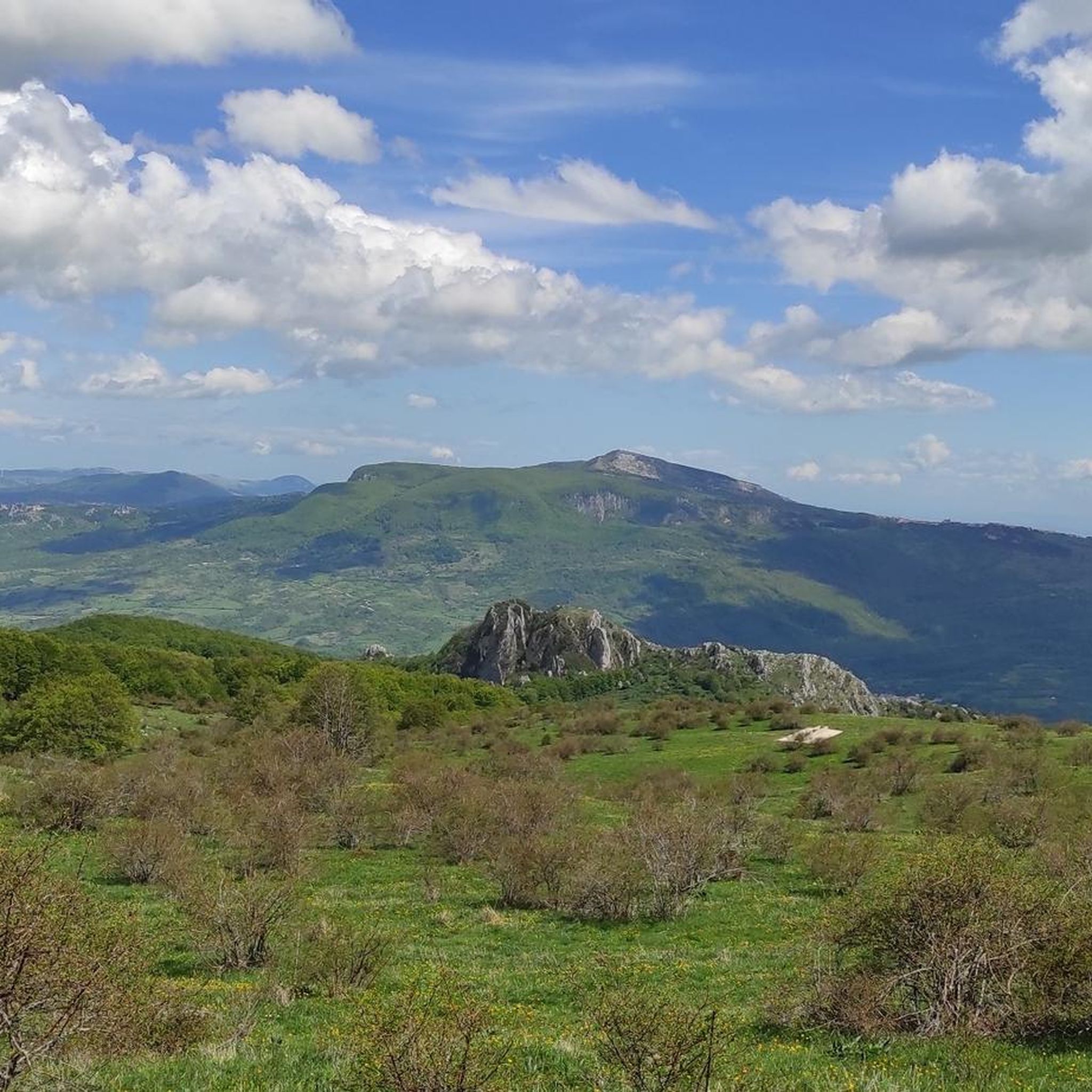
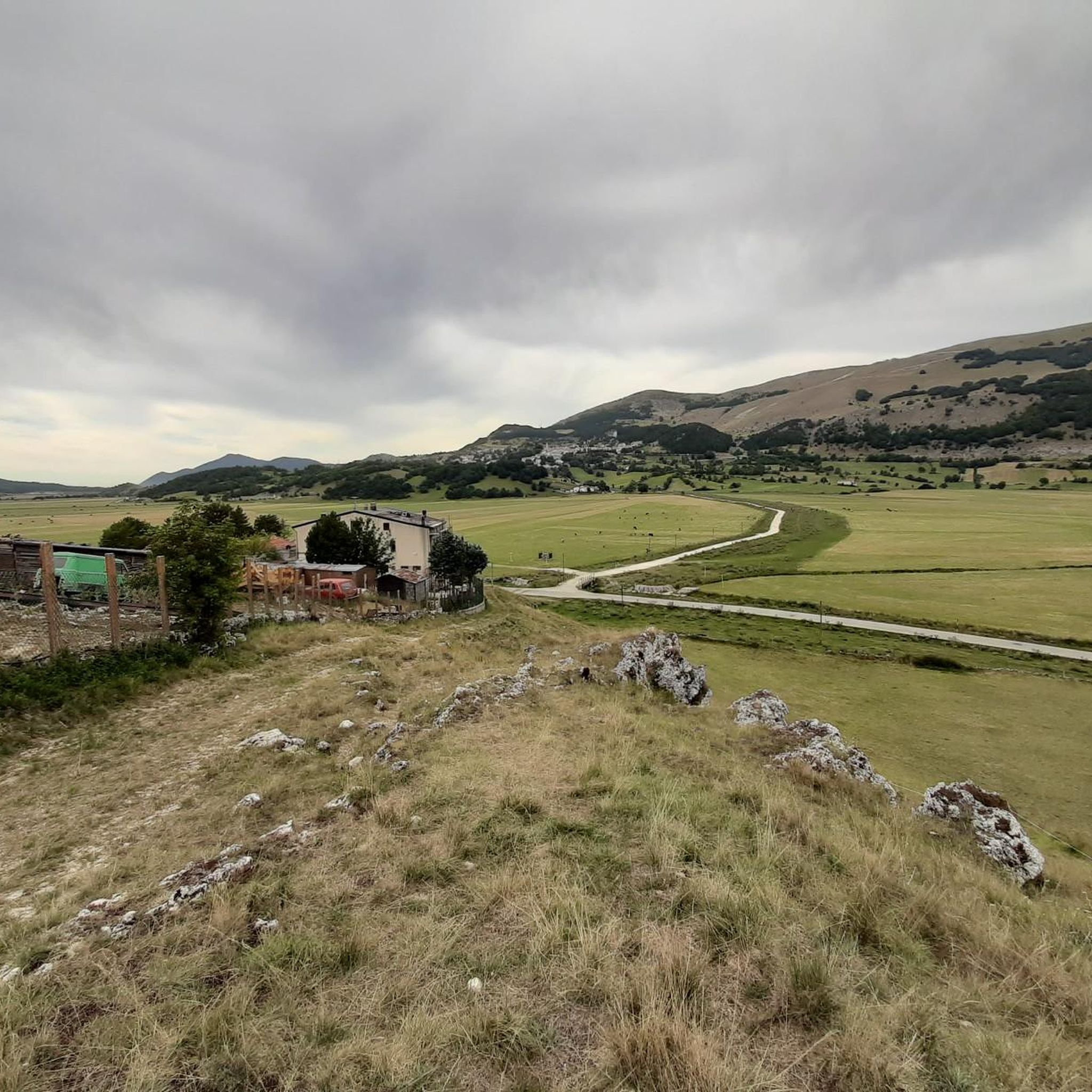
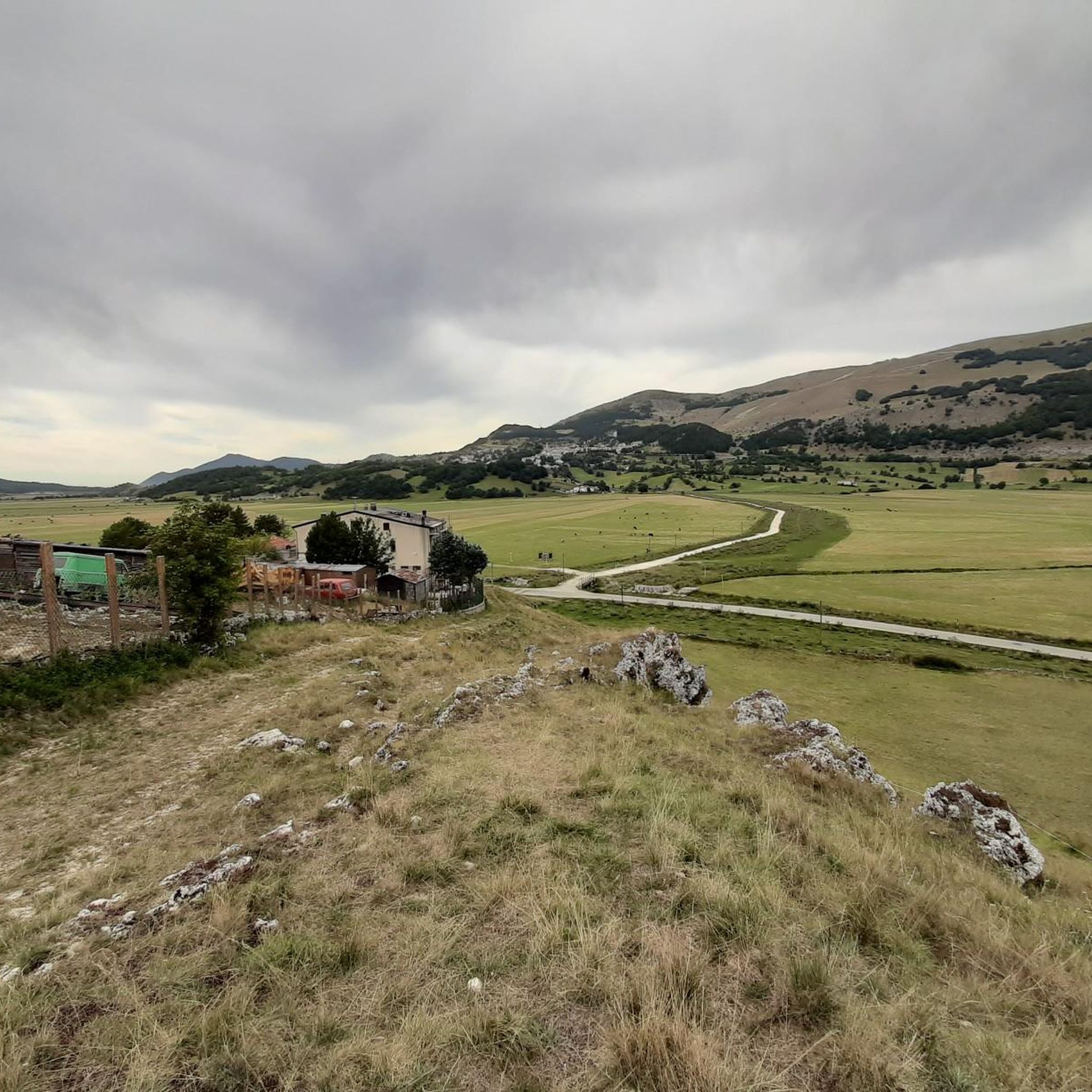
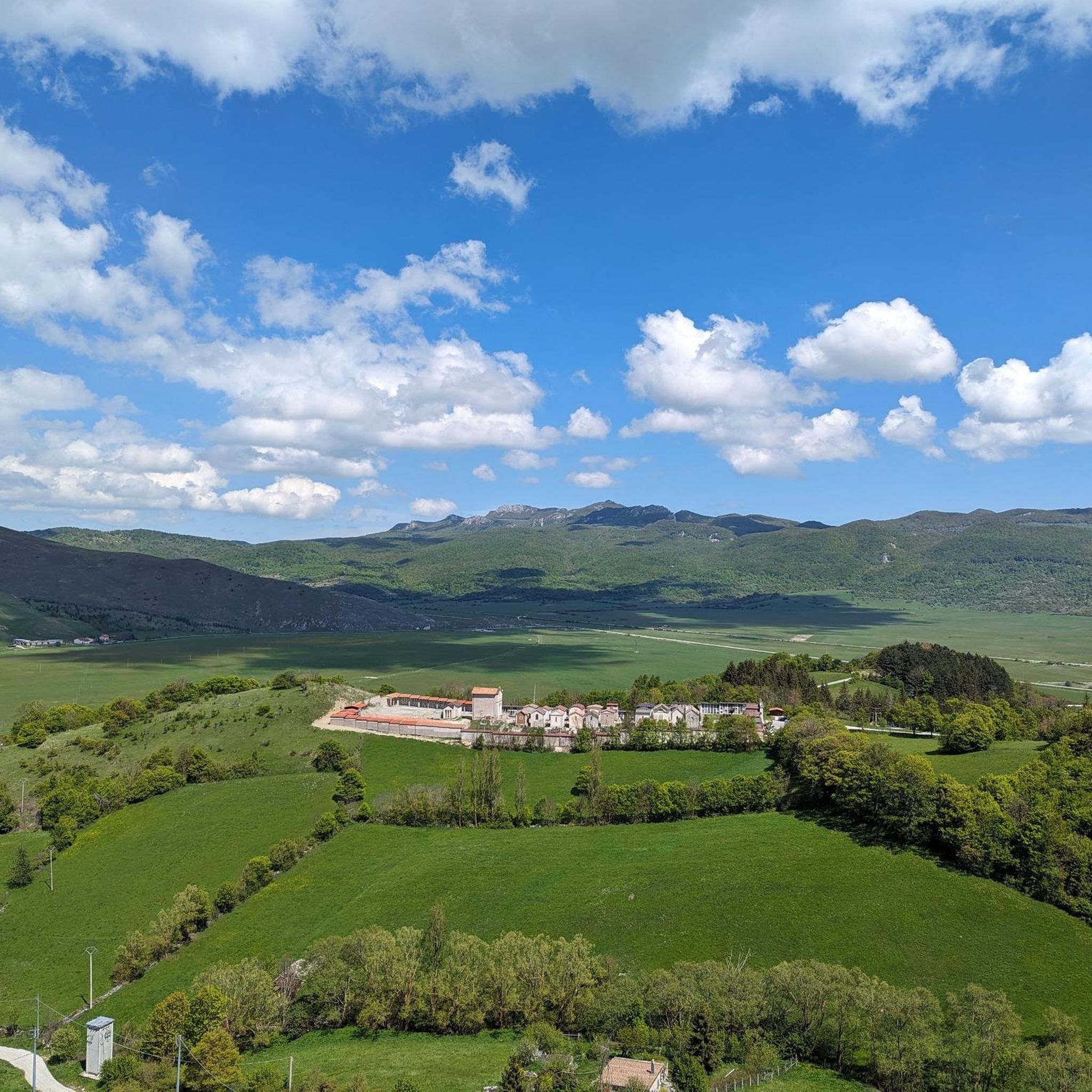
Tips from the Community

Sport Village Hotel & Spa is located in Castel di Sangro, in Piazza del Mezzogiorno 6, in the heart of the beautiful mountains of Abruzzo. This welcoming and modern property offers a perfect combination of comfort, wellness and sports, ideal for those looking for a relaxing break or an active adventure. With a strategic position, the hotel is the perfect starting point to explore the unspoiled nature of the Abruzzo, Lazio and Molise National Park, a few steps from the main attractions of the area, including the ski resorts of Roccaraso. After a day of outdoor activities, guests can regenerate in the property's wellness center, which includes a spa with swimming pools, saunas and relaxing treatments. Sport Village Hotel & Spa is also the ideal place to recharge your e-Bike and earn DINAclub points. Find out how at https://dinaclub.repower.com/ To discover the territory, an itinerary ready to pedal: https://www.komoot.com/it-it/tour/1957465840?share_token=ahFc5Ggsyk1h2Yrnz0m6QLBQN3z00nhnBQBi9ehCzY0mP1iJLs&ref=wtd
0
0

It is located in Pescocostanzo (AQ) and is one of the most significant and complete examples of Abruzzo Baroque.
0
0

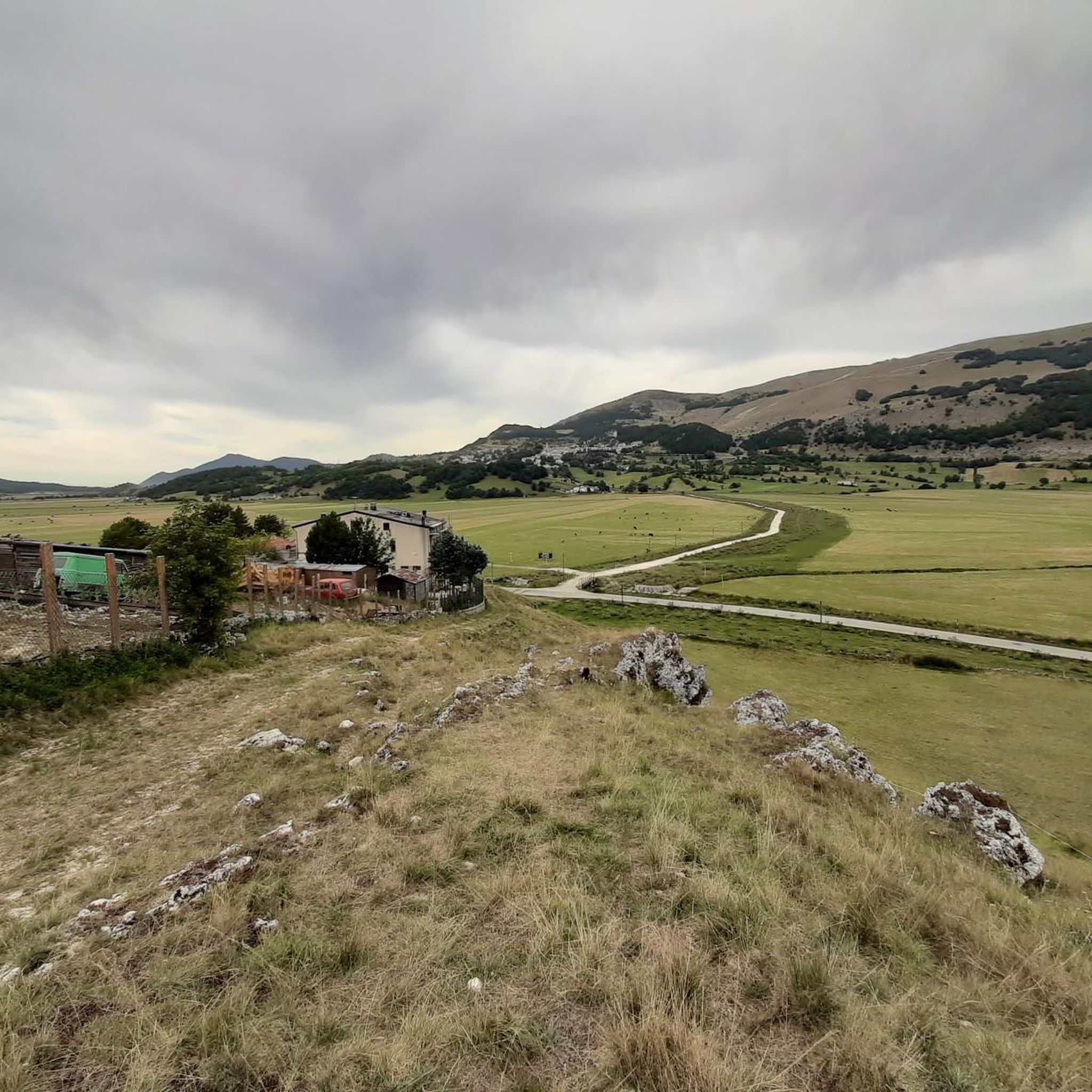
A centenary forest in the heart of the Majella National Park. Especially beautiful in autumn. There are some paths inside the woods of low difficulty, but better done with a MTB.
1
0
A centenary forest in the heart of the Majella National Park. Especially beautiful in autumn. There are some paths inside the woods of low difficulty.
0
0

It is a place anciently considered sacred and dedicated to Jupiter, it extends between Monte Rotella and Monte Pizzalto. The Bosco di Sant'Antonio became a reserve in 1985, with an extension of 550 hectares, and is included in the Maiella National Park. It is located in the locality "la Difesa": this name indicates an area where the cutting of trees was prohibited and where grazing was only allowed for cattle and horses. Therefore the forest was used to shelter livestock during the summer heat or during storms. In the undergrowth there is holly, rose arvense, juniper, gooseberry currant, laurel daphne and hawthorn. For lovers of cross-country skiing, among the beech trees and on the plateau below there is one of the most beautiful slopes in Abruzzo. In summer, however, you can take walks on the paths that wind through the beech forest.
2
1
Accessibility: the route is easy to travel and suitable for families. It can be reached by car or a short walk of about 3 and a half kilometers from the center of the village of Pescocostanzo.Information: Municipality of Pescocostanzo - 0864.640003
0
0
The hermitage of San Michele Arcangelo, a place of rock worship, is located in a cave at the foot of Mount Pizzalto at an altitude of 1266 m a.s.l. Probably built in place of a pre-existing Italic-Roman cult environment dedicated to Hercules protector of the flocks, with the spread of Christianity and with the presence of the Lombards, it was named after St. Michael the Archangel, protector of the Germanic people. The hermitage appears already in 1183 in a bull of Pope Lucius III and in 1536 is attested in the municipal statutes of Pescocostanzo, as a washhouse for women. In 1597 the peasant society of Pescara restored the sanctuary. During the Second World War it was also used as a refuge and military base. The rock complex consists of an L-shaped facade that has, along the long side, two openings, a larger one, from 1598, with a band order and horizontal crown supported by kneeling shelves and a simpler minor. The two doors lead respectively to the church and to a funeral chapel of the Ricciardelli family. Between the two doors there is a deep round niche, on the bottom of which traces of painted plaster are still visible. The smaller side facade, afferents, leads instead to the living area with two rooms arranged on as many levels, once used also as a shelter for transhumant shepherds. Inside, what is striking is the stark contrast between the rough structure of the vault of the cave and the pavement in local white stone slabs, well connected. Of notable artistic interest is the finely worked balustrade, always in white stone, which divides the presbytery area in width from that intended for the faithful; at the end of the cave there is a simple stone altar and a niche which probably housed the statue of St. Michael the Archangel which today is located in the Rosary church in the town.
0
0
Frequently Asked Questions
What are some unique historical landmarks to visit in Ateleta?
Ateleta offers several historical landmarks reflecting its past. You can visit the Parish Church of San Gioacchino, known for its classical facade and bronze portal. There's also a Monument to Gioacchino Murat, who founded the town, and a War Memorial commemorating its role on the Gustav Line during WWII. For a glimpse into older history, the remains of the ancient Rocca di Carceri are also notable.
What natural attractions can I explore around Ateleta?
The region around Ateleta is rich in natural beauty, being nestled within the Maiella National Park. A must-see is the Bosco di Sant'Antonio, an ancient forest considered sacred, perfect for walking and mountain biking, especially beautiful in autumn. You can also explore Mount Secine and the surrounding highlands, offering extensive walking routes and broad views across the Alto Sangro valley.
Are there any cultural sites or museums in Ateleta?
Yes, Ateleta hosts the Museum of Peasant Civilization (Museo della Civiltà Contadina) within the town hall. This museum preserves and showcases the region's agricultural heritage through a collection of objects, tools, and photographs.
What outdoor activities are available near Ateleta?
Ateleta, situated in the Maiella National Park, is an excellent base for outdoor activities. You can find numerous routes for road cycling, mountain biking, and general cycling. For example, there are challenging road cycling routes like the 'Pass – Lake Barrea loop' and mountain biking trails such as the 'Bosco di Sant'Antonio loop'. You can explore more options on the Road Cycling Routes around Ateleta, MTB Trails around Ateleta, and Cycling around Ateleta guide pages.
What do visitors particularly enjoy about the attractions around Ateleta?
Visitors appreciate the blend of historical sites, natural beauty, and cultural experiences. The Bosco di Sant'Antonio is highly popular, especially for its autumn colors and walking paths. The historical significance of sites like the Fanzago Palace and the unique setting of the Hermitage of San Michele Arcangelo of Pescocostanzo also receive positive feedback for their historical and architectural interest.
Are there family-friendly attractions in Ateleta?
Yes, several attractions around Ateleta are suitable for families. The Bosco di Sant'Antonio offers easy paths for walking and mountain biking, perfect for a family outing in nature. The Hermitage of San Michele Arcangelo of Pescocostanzo is also noted as being accessible and suitable for families, with an easy route to reach it.
What is the best time of year to visit Ateleta's attractions?
Ateleta is particularly beautiful in autumn, especially for exploring natural sites like the Bosco di Sant'Antonio, when the beech forests display stunning copper and rust colors. Spring and summer also offer pleasant weather for outdoor activities and exploring historical sites.
Are there options for cycling enthusiasts around Ateleta?
Absolutely. Ateleta is a great starting point for various cycling adventures. You can find numerous road cycling, mountain biking, and touring bicycle routes. Options range from moderate loops like 'WIP3 loop from Rivisondoli-Pescocostanzo' for road cycling to more challenging MTB trails. For detailed routes, refer to the Road Cycling Routes around Ateleta, MTB Trails around Ateleta, and Cycling around Ateleta guide pages.
Can I find hiking trails suitable for different skill levels near Ateleta?
Yes, the Maiella National Park surrounding Ateleta offers a variety of hiking trails. The Bosco di Sant'Antonio has paths of low difficulty, suitable for casual walks. More extensive routes through beech forests and open grazing lands can be found around Mount Secine. The 'Sentiero del Cervo' (Deer Trail) is another notable itinerary winding through the park.
Where can I see traditional Abruzzese architecture in Ateleta?
To experience traditional Abruzzese architecture, take a walk through Ateleta's old quarter. You'll find narrow lanes and traditional stone houses built from locally quarried limestone. Many homes feature carved lintels and external staircases, showcasing the regional architectural style.
Are there any ancient religious sites or hermitages to visit?
Yes, the region is home to significant religious sites. The Hermitage of San Michele Arcangelo of Pescocostanzo is a unique rock worship site situated in a cave at the foot of Mount Pizzalto. Nearby, in Pescocostanzo, you can also visit the Basilica of Santa Maria del Colle, considered one of Abruzzo's most interesting churches, featuring a scenic staircase and rich art collection.
What kind of wildlife can I spot in the natural areas around Ateleta?
Being within the Maiella National Park, the area around Ateleta is rich in diverse flora and fauna. While specific sightings depend on luck and season, the park is known for its wildlife, including deer, which gives its name to the 'Sentiero del Cervo' (Deer Trail). The extensive beech forests provide habitat for various species.
What local cuisine should I try in Ateleta?
Ateleta is known for its traditional Abruzzese dishes. Be sure to try specialties such as lamb cooked over a grill, 'pizzelle' (a typical sweet pastry), fried pizzas, and 'pasta alla chitarra' served with a rich lamb sauce.
Are there any hidden historical gems near Ateleta?
Beyond the main attractions, the region holds historical depth. While largely destroyed, the Rocca di Carceri represents an ancient fortification and early settlement. Additionally, the Fanzago Palace in nearby Pescocostanzo, an unfinished monastic complex from the 17th century, offers a glimpse into ambitious historical architecture.
Most popular attractions around Ateleta

Get inspired with the komoot mobile app


Explore more
Still not found the Highlight you’re looking for? See guides of the top attractions in other regions:
