Attractions and Places To See around Castel San Pietro Romano - Top 20
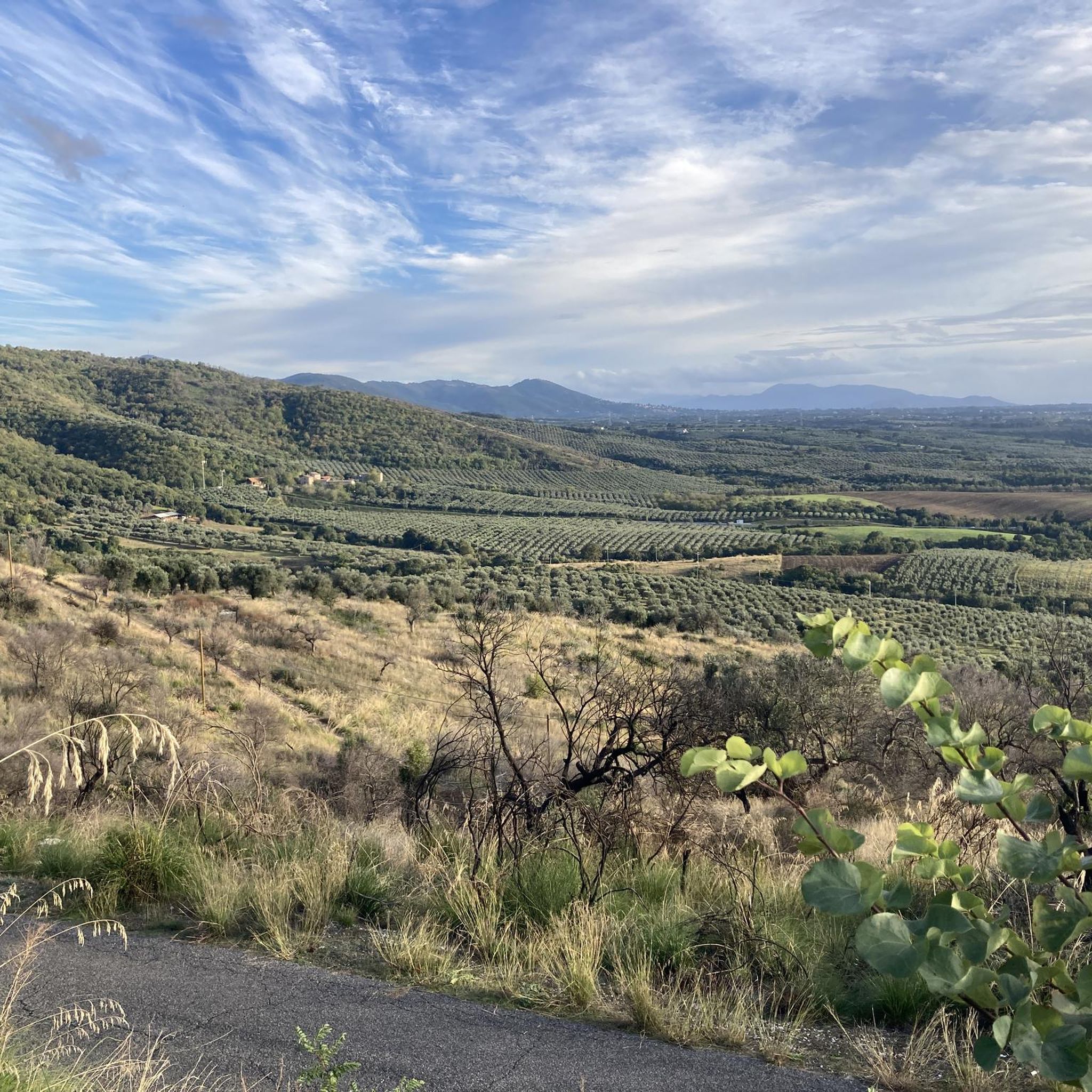
Best attractions and places to see around Castel San Pietro Romano include its historic village, perched atop Mount Ginestro, offering panoramic views over the Sacco Valley and the Roman countryside. This location is recognized for its intact medieval structure, ancient origins, and status as one of "Italy's Most Beautiful Villages." The area provides a blend of historical landmarks, natural features, and cultural sites for exploration.
Best attractions and places to see around Castel San Pietro Romano
- The most popular attractions…
Last updated: July 29, 2026
Karol Wojtyła Trail to the Sanctuary of Mentorella
Highlight (Segment) • Trail
Translated by Google •
Tip by

Hadrian's Villa
Highlight • Historical Site
Translated by Google •
Tip by

Sign up now to discover places like this
Get recommendations on the best single tracks, peaks, & plenty of other exciting outdoor places.
Sign up for free
Brancaccio Castle in San Gregorio da Sassola
Highlight • Castle
Translated by Google •
Tip by

Torre dei Piscoli
Highlight • Monument
Translated by Google •
Tip by

Ponte Amato
Highlight • Bridge
Translated by Google •
Tip by

Sign up for free to discover even more attractions around Castel San Pietro Romano.
Sign up for free
Already have an account?
Start today with a free account
Your next adventure awaits.
Login or Signup
Tips from the Community

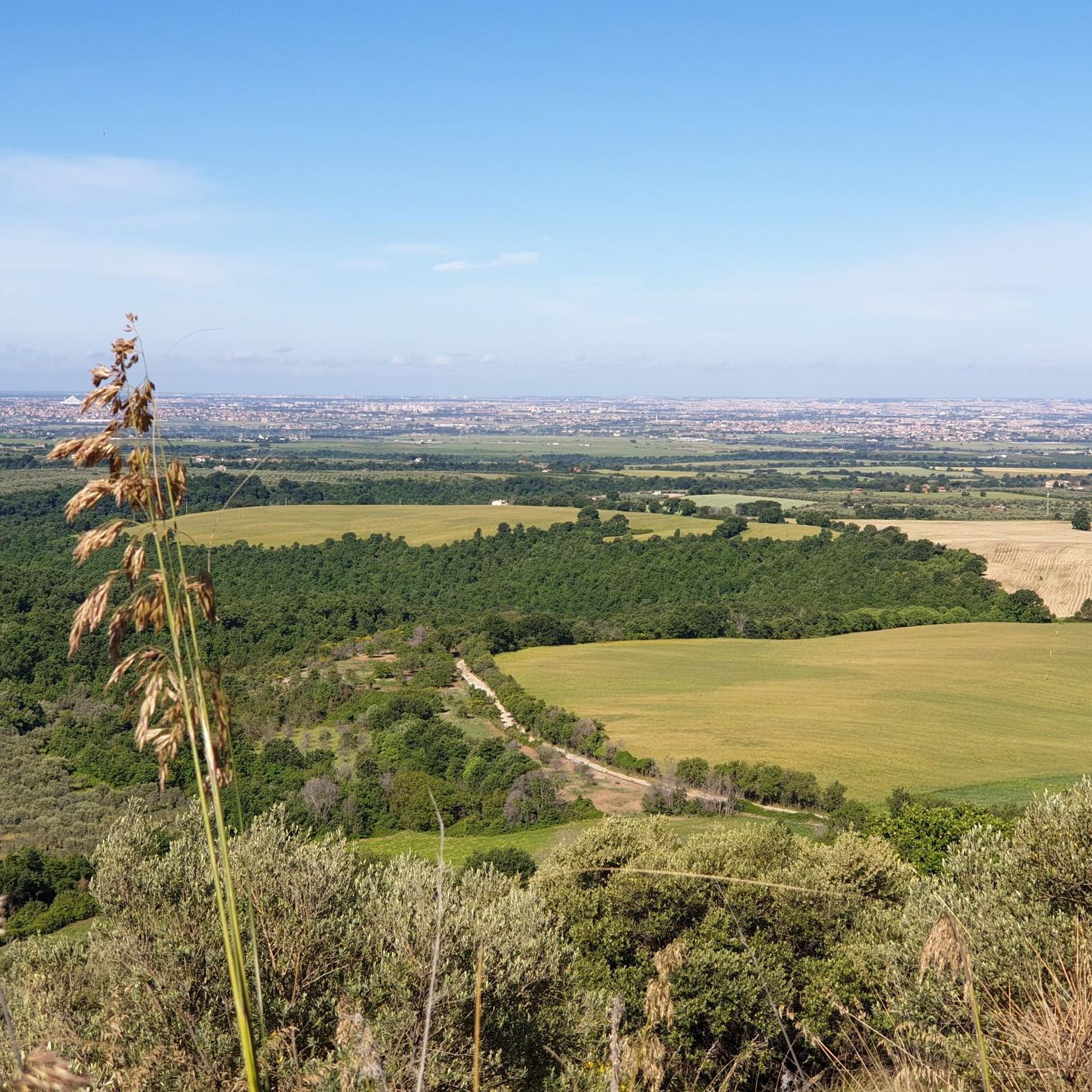
In the heart of the "Selva di Paliano e Mola di Piscoli" Natural Monument, amidst oak woods, meadows, and streams, the fascinating remains of an ancient medieval complex survive: the Mola di Piscoli. On the dirt road that crosses the valley, a large masonry arch and a fortified tower-farmhouse appear, traces of that rural settlement which exploited the energy of the water to turn the mill and, at the same time, controlled the passages along the Sacco valley floor. This fortified farmhouse, now incorporated into the protected area, tells the story of a countryside shaped by peasant labor and the need to defend resources and communication routes: the arch as an entrance gate, the tower as a garrison and observation point on the hills between Prenestini and Ernici. Today the ruins are the setting for nature trails, MTB rides, and "detox" walks in nature, where historical architecture and landscape merge in one of the most characteristic places of the Selva di Paliano.
0
0

Villa Adriana was built by Hadrian between 118 and 138 AD as an imperial residence. The complex covers about 120 hectares and includes palaces, baths, libraries, gardens, temples, and pavilions inspired by the places visited by the emperor during his travels. Many buildings were connected by a network of roads and underground passages for the service staff, so as not to interfere with court life. Since 1999, Villa Adriana has been included in the UNESCO World Heritage list and represents one of the most important testimonies of Roman architecture.
1
0

Between the towns of Colle Rampo and Polledrara, about 6 km from Paliano, there is this fortified farmhouse with a 13th-century square tower. The Sacco river valley has been the obligatory passage point between Lazio and Campania since the Roman period. The isolated towers, built inland at strategic points, formed a system of garrison and optical signaling between them. The de' Piscoli tower was the lookout outpost of the Prenestina and Latina roads. In the Middle Ages it was the obligatory passage to enter the Palianese territory, given that the road that led to Paliano passed over the Ponte della Mola, where there was a sentry who made people pay the crossing fee, called pontatico. Source FAI - I luoghi del cuore.
0
0
The Amato bridge is located just outside the center of Gallicano nel Lazio, it is a Roman bridge that allowed the old Via Prenestina to cross the valley of the Fosso Scalelle and reach the city of Palestrina. The bridge has a single round arch, now unfortunately only a section remains as the northern part collapsed during the Second World War.
0
0

tower that seems to come out of nowhere :)
0
0

The Canopus is the most famous and photographed building of Hadrian's Villa. It has a very long water basin, called Euripus and at the end is the so-called Serapeum, which was actually a spectacular summer Triclinium. The spectacular architecture, the water games, the rich marble decoration, the polychrome mosaics and the single latrine indicate that this building was part of the noble quarters frequented by the emperor. It was certainly a Triclinium intended to host sumptuous official banquets. The guests lay down on the stibadium, and in the center of the semicircle there was room for the orchestra or the actors and dancers who entertained the guests.
2
0
A splendid example of the architectural capacity of the Roman Empire. An immense villa immersed in an extraordinary garden with water features and pools scattered throughout the estate. The well-preserved remains allow us to appreciate the ingenuity of Roman architects and to understand the way of life and entertainment of the Roman nobility.
1
0

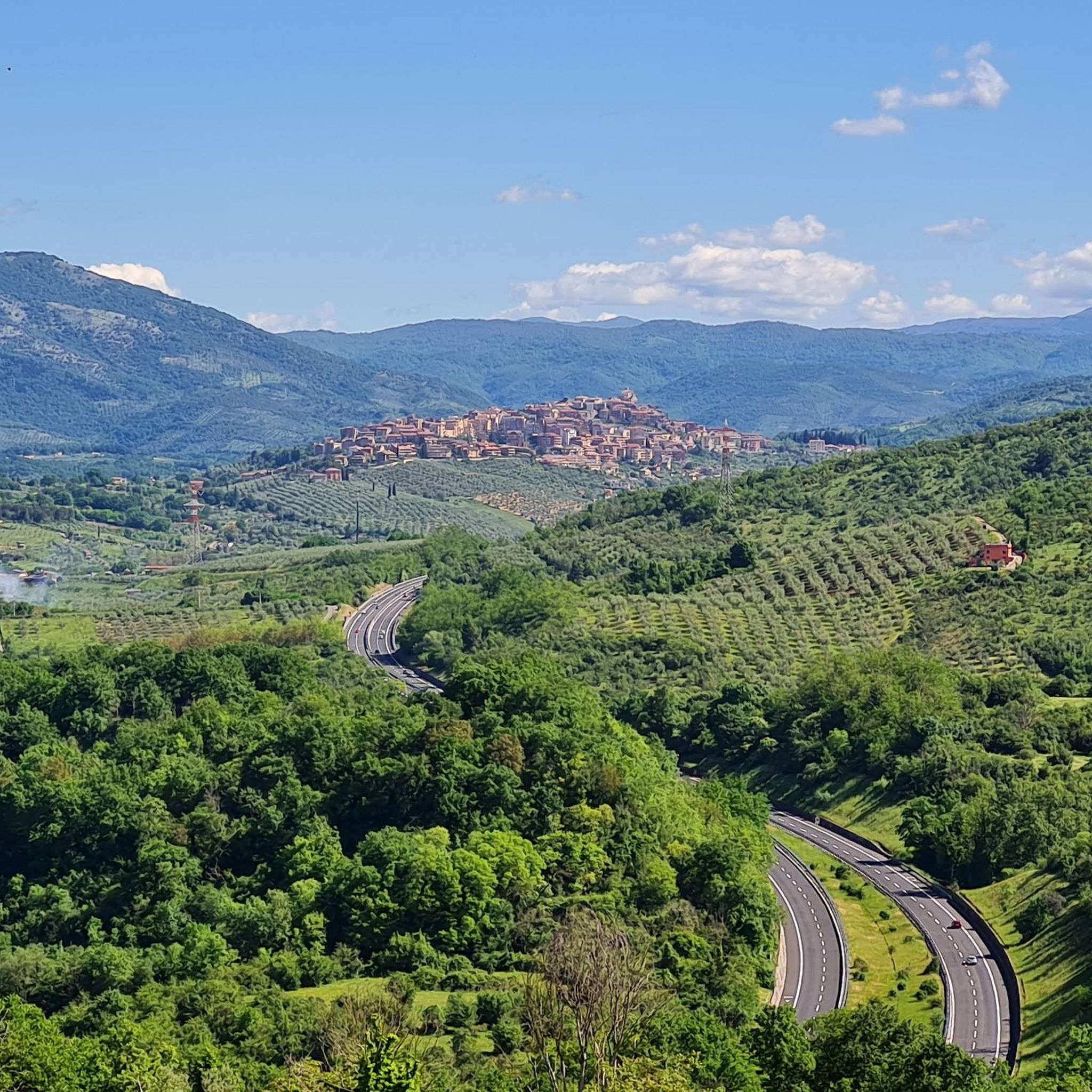
A beautiful passage near Paliano, to reach this fortified farmhouse with a 13th century square tower.
0
0
Frequently Asked Questions
What historical landmarks can I explore in Castel San Pietro Romano?
Castel San Pietro Romano is rich in history. You can explore its intact medieval Historic Centre, the ancient Rocca Colonna fortress, and the impressive Polygonal Walls dating back to the 6th century B.C. Other significant historical sites include Ponte Amato and the majestic Ponte della Mola Roman Aqueduct.
Where can I find the best panoramic views in Castel San Pietro Romano?
The village itself, perched on Mount Ginestro, offers expansive and multifaceted panoramas over the Sacco Valley and the Roman countryside. You can find stunning vistas from various viewpoints within the Historic Centre, and a unique spot is the "Big Bench 304" located on Mount Ginestro, providing 360-degree views.
Are there any natural attractions or protected areas nearby?
Yes, the Valle delle Cannuccete (Cannuccete Valley) is a protected natural monument known for its centuries-old maples, turkey oaks, and hornbeams. It's also home to various bird species and features the ancient "Oak of Palestrina," a traditional resting place for the musician Giovanni Pierluigi da Palestrina.
What cultural sites are worth visiting in the village?
The baroque Church of San Pietro Apostolo, rich in stuccoes and decorations, overlooks the main square. You can also visit the 18th-century Church of Santa Maria della Costa. For local history, the MUDI (MUseo DIffuso), housed in Palazzo Mocci, offers exhibitions on the village's past and territory, including a section on Adolfo Porry Pastorel, the father of Italian photojournalism.
Are there hiking opportunities around Castel San Pietro Romano?
Absolutely. The area offers various hiking trails. A notable one is the Karol Wojtyła Trail to the Sanctuary of Mentorella, which crosses a wooded area. For more options, you can explore the hiking routes around Castel San Pietro Romano, which include moderate trails like the "Acea Water Refill Station – View of Lepini Valley loop from Palestrina" and the "View of Castel San Pietro – Castel San Pietro Romano loop from Palestrina".
What cycling routes are available near these attractions?
Cyclists can find several routes in the vicinity. Options range from moderate to difficult, such as the "Nymphaeum of Hospitalasso loop from Palestrina" or the more challenging "Borgo di Poli – Rocca Pia of Tivoli loop from Poli." Discover more detailed routes on the cycling guide for Castel San Pietro Romano.
Can I go running near the attractions in Castel San Pietro Romano?
Yes, there are several running trails available. You can find routes like the "Running loop from Cave" or the "Palestrina - Guadagnolo Trail Loop." For a comprehensive list of options, check out the running trails around Castel San Pietro Romano.
What is the best time to visit Castel San Pietro Romano for outdoor activities?
The region research suggests that the Karol Wojtyła Trail is especially recommended in spring when the wood is covered with many species of flowers and the Falconara ditch is full of water. Generally, spring and autumn offer pleasant temperatures for exploring the historic sites and natural areas.
Are there any unique local culinary specialties in Castel San Pietro Romano?
Yes, Castel San Pietro Romano is known for its traditional "Giglietto" biscuit, which is recognized as a Slow Food presidium. The village even hosts a Slow Food event and wine route on the last Sunday of July, offering a chance to taste this local delicacy.
What makes Castel San Pietro Romano known as 'the village of cinema'?
Castel San Pietro Romano has served as a filming location for numerous Italian movies, earning it this nickname. Notable films shot here include "Pane, Amore e Fantasia," "Pane, Amore e Gelosia," and "I due Marescialli."
What do visitors enjoy most about the attractions around Castel San Pietro Romano?
Visitors particularly appreciate the characteristic medieval villages and the beautiful views they offer, such as at Brancaccio Castle in San Gregorio da Sassola. The historical sites like the Roman aqueducts and bridges are also highly valued for their majesty and historical significance.
Most popular routes around Castel San Pietro Romano
Most popular attractions around Castel San Pietro Romano

Get inspired with the komoot mobile app


Explore more
Still not found the Highlight you’re looking for? See guides of the top attractions in other regions:
