Attractions and Places To See around San Pietro Avellana - Top 20
Attractions and places to see around San Pietro Avellana offer a blend of historical landmarks, natural beauty, and cultural experiences. Situated amidst green valleys and wooded mountains, the area features luxuriant woods, including the extensive Pineta. Ancient drovers' roads cross the region, which is also recognized as a Site of Community Interest for its natural value. San Pietro Avellana is known as the "land of truffles," highlighting its cultural and culinary significance.
Best attractions and places to see around San…
Last updated: September 26, 2026
Fanzago Palace
Highlight • Historical Site
Tip by

Basilica of Santa Maria del Colle
Highlight • Religious Site
Translated by Google •
Tip by
Sign up now to discover places like this
Get recommendations on the best single tracks, peaks, & plenty of other exciting outdoor places.
Sport Village Hotel & Spa - DINAclub e-Bike Charging Station
Highlight • Rest Area
Translated by Google •
Tip by

Historic Center of Pescocostanzo
Highlight • Historical Site
Translated by Google •
Tip by

Sanctuary of Madonna della Portella
Highlight • Religious Site
Translated by Google •
Tip by
Sign up for free to discover even more attractions around San Pietro Avellana.
Already have an account?
Start today with a free account
Your next adventure awaits.
Popular around San Pietro Avellana
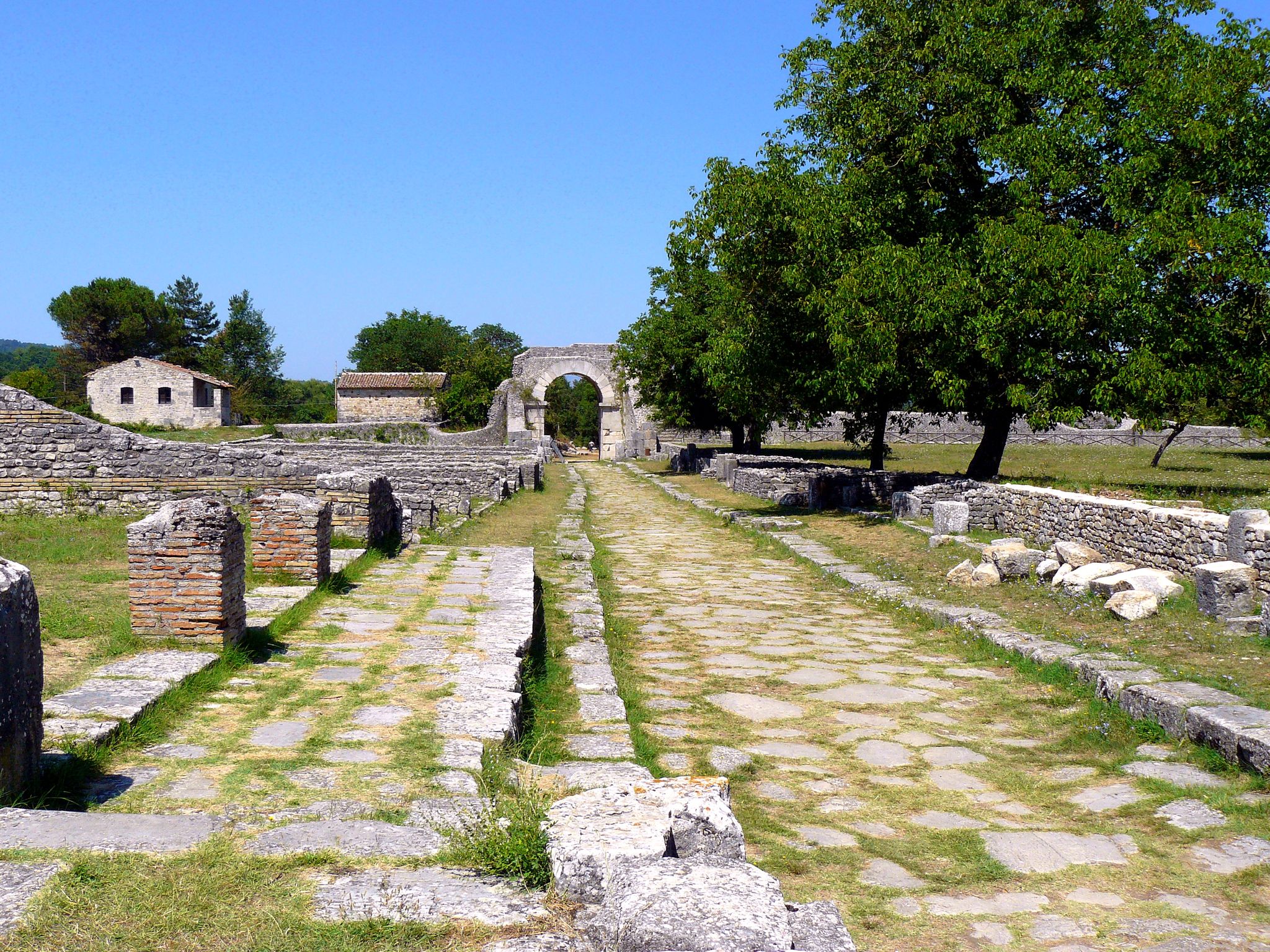
Sentiero Italia – On the tracks of the Samnites and Romans in Molise
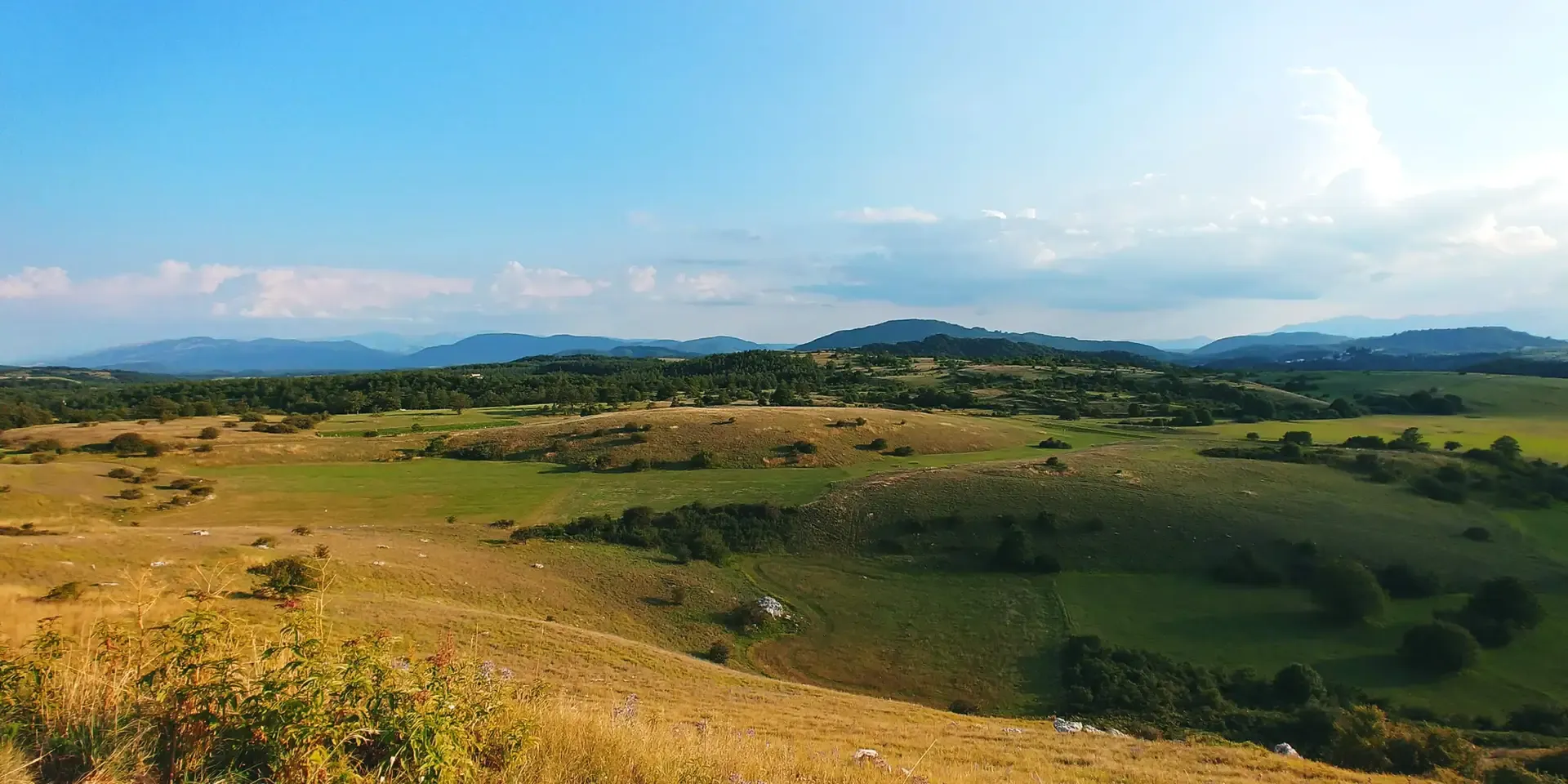
Molise by bike – unspoiled natural beauty and medieval villages
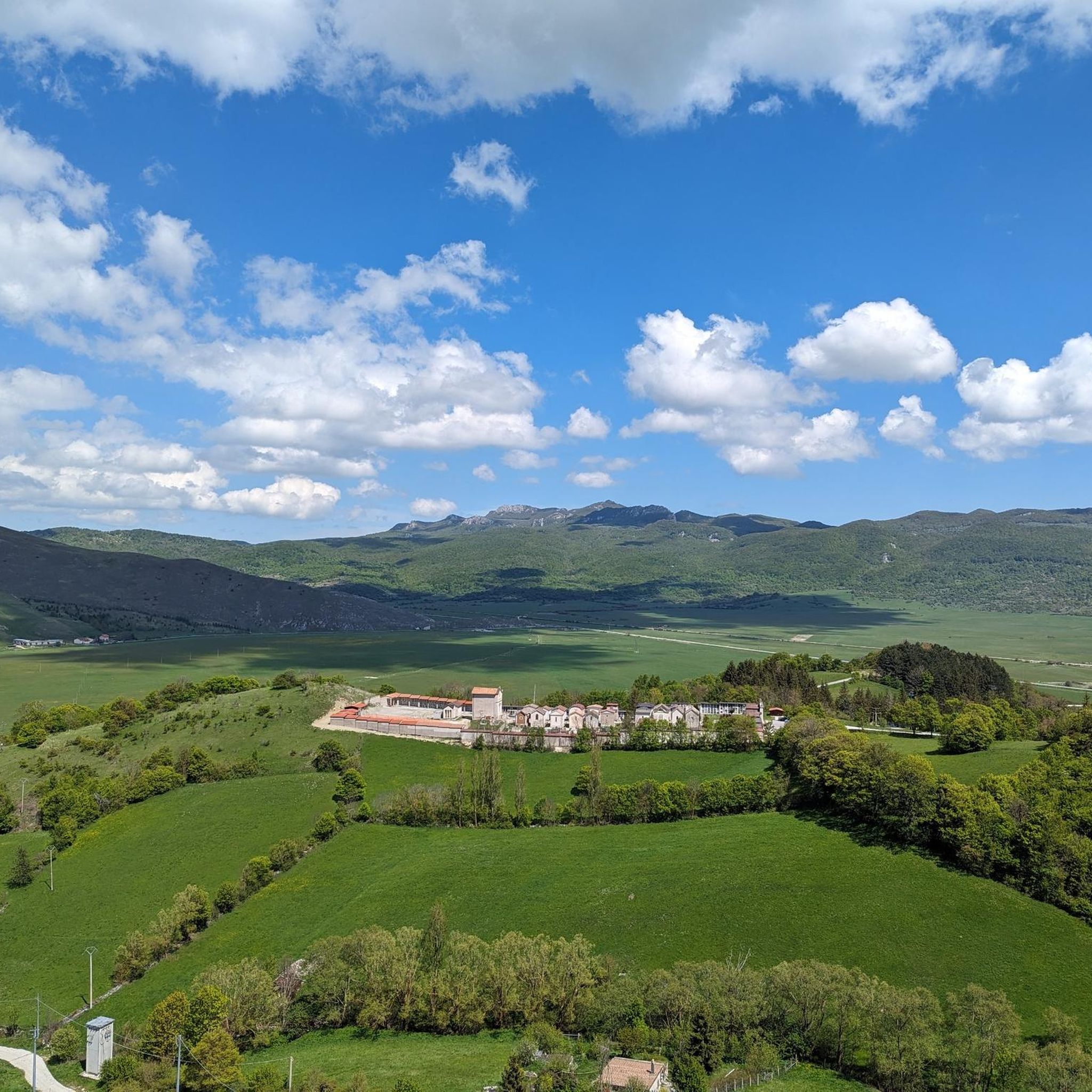
Running Trails around San Pietro Avellana
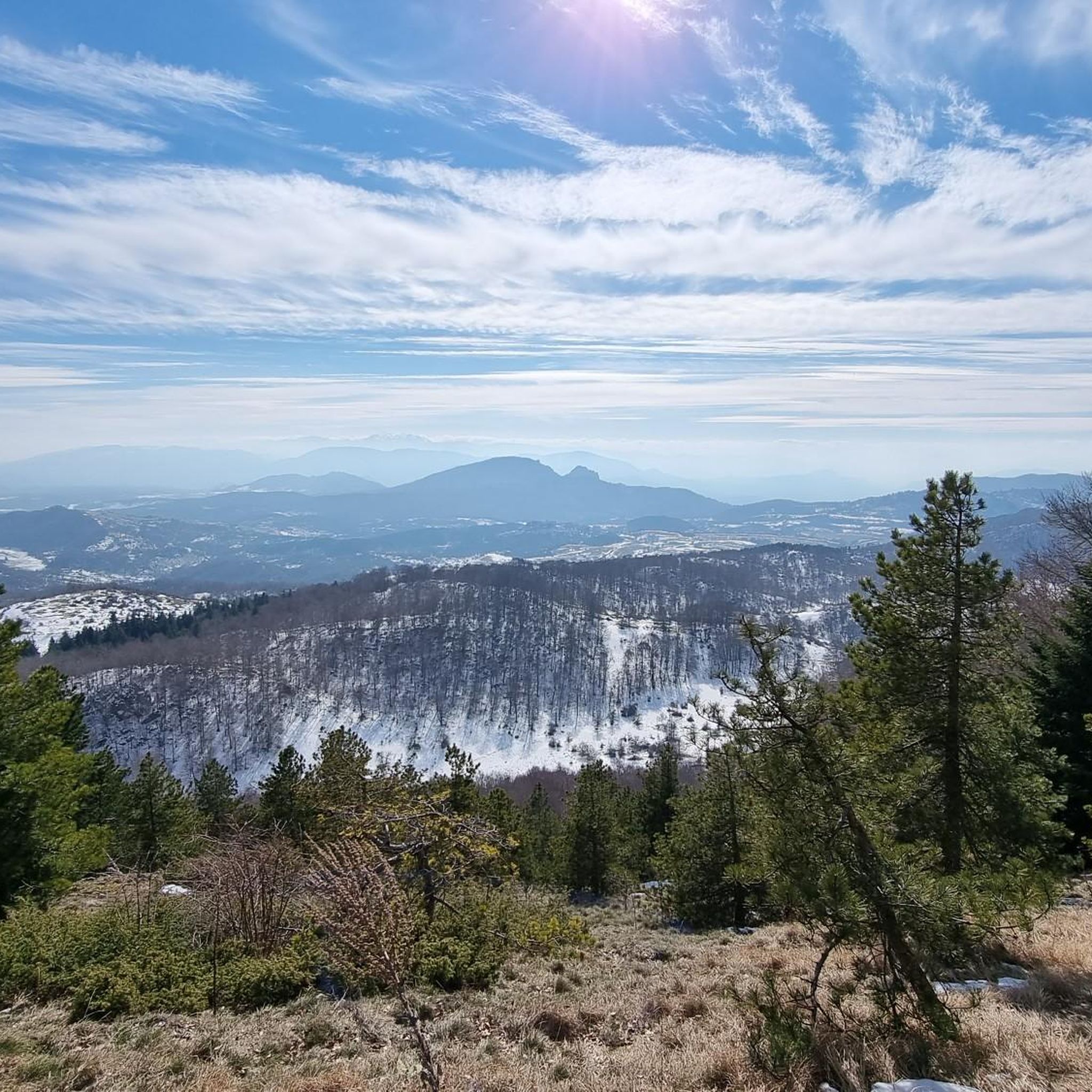
Cycling around San Pietro Avellana
Road Cycling Routes around San Pietro Avellana
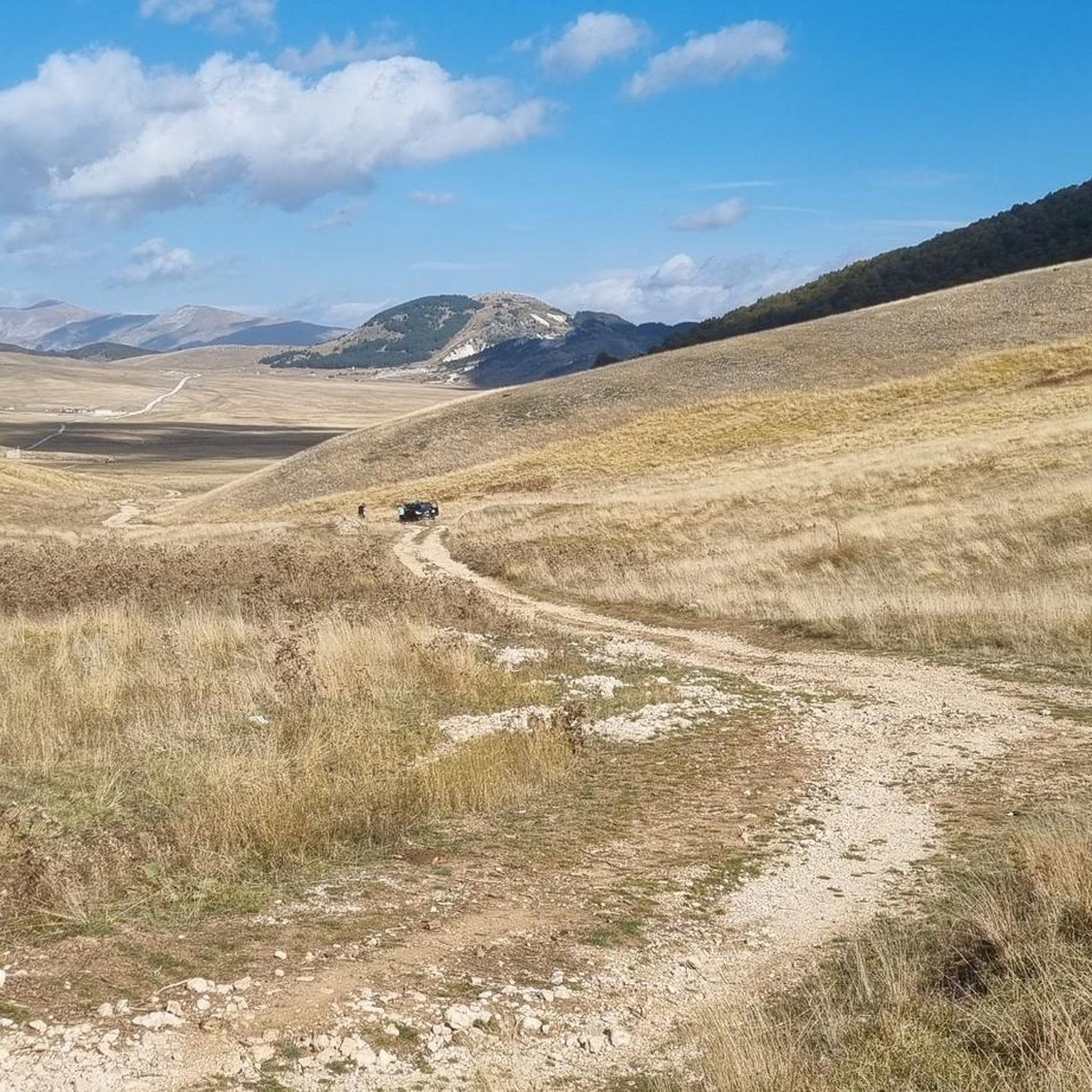
MTB Trails around San Pietro Avellana
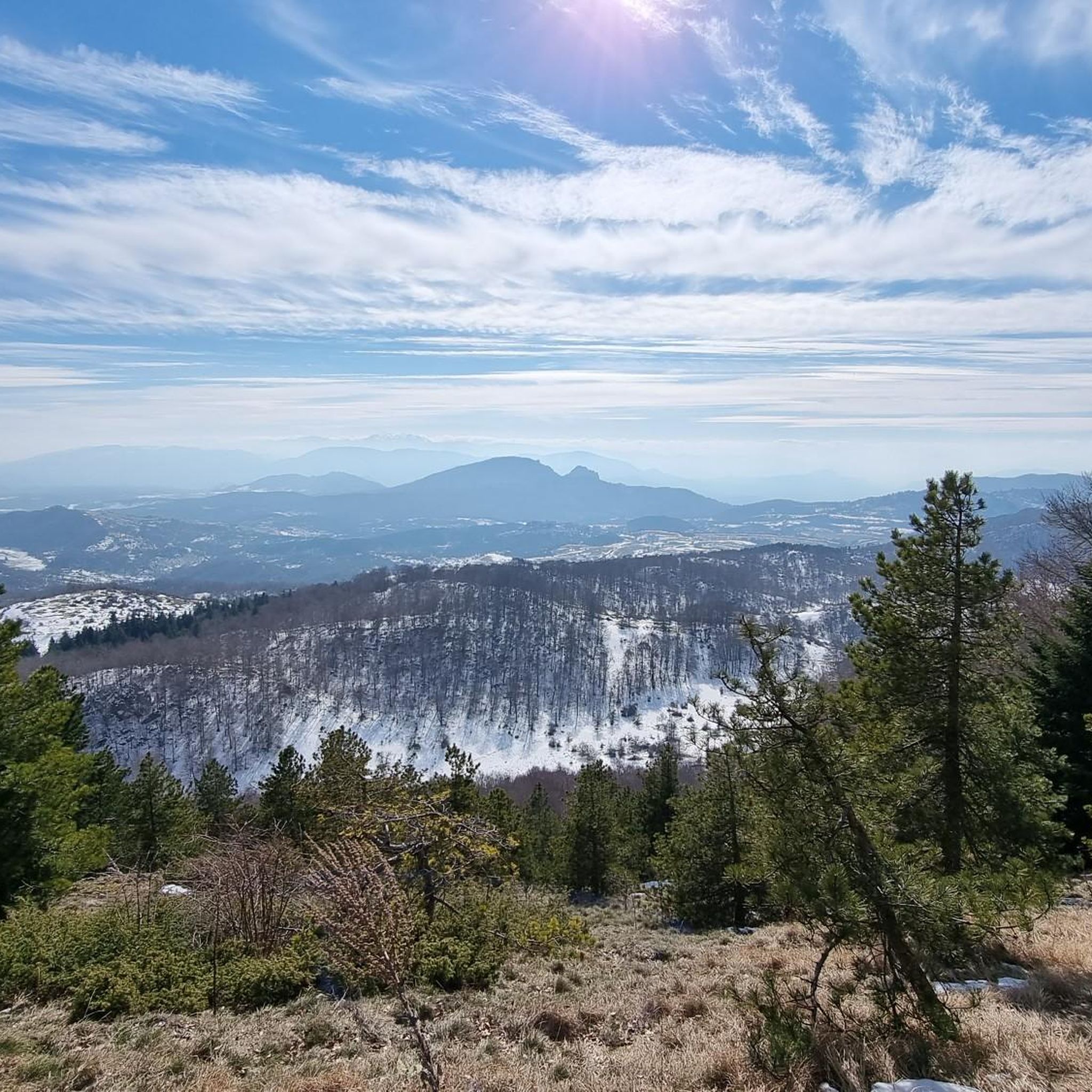
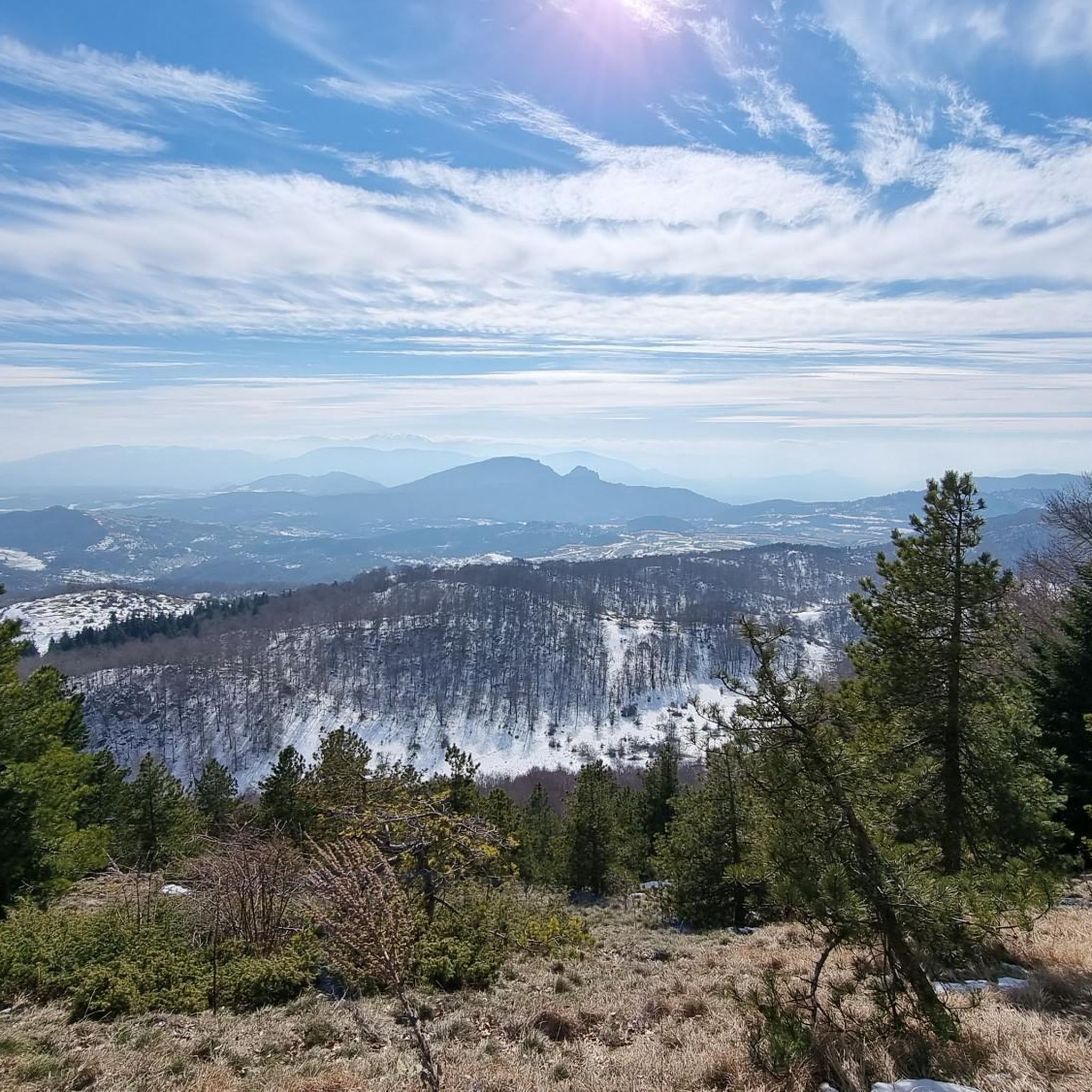
Hiking around San Pietro Avellana


Tips from the Community

Sport Village Hotel & Spa is located in Castel di Sangro, in Piazza del Mezzogiorno 6, in the heart of the beautiful mountains of Abruzzo. This welcoming and modern property offers a perfect combination of comfort, wellness and sports, ideal for those looking for a relaxing break or an active adventure. With a strategic position, the hotel is the perfect starting point to explore the unspoiled nature of the Abruzzo, Lazio and Molise National Park, a few steps from the main attractions of the area, including the ski resorts of Roccaraso. After a day of outdoor activities, guests can regenerate in the property's wellness center, which includes a spa with swimming pools, saunas and relaxing treatments. Sport Village Hotel & Spa is also the ideal place to recharge your e-Bike and earn DINAclub points. Find out how at https://dinaclub.repower.com/ To discover the territory, an itinerary ready to pedal: https://www.komoot.com/it-it/tour/1957465840?share_token=ahFc5Ggsyk1h2Yrnz0m6QLBQN3z00nhnBQBi9ehCzY0mP1iJLs&ref=wtd
0
0

It is located in Pescocostanzo (AQ) and is one of the most significant and complete examples of Abruzzo Baroque.
0
0

Pescocostanzo is a charming town located in Abruzzo, characterized by a well-preserved ancient medieval village within the Majella National Park. It offers opportunities for excursions and outdoor activities, both in summer and winter, thanks to its proximity to the ski slopes. The town is known for its traditional architecture, Abruzzo cuisine and religious and cultural festivities. It is a fascinating destination to immerse yourself in the authentic atmosphere of mountain Abruzzo.
0
0

The hermitage church is located less than two kilometers from the town of Rivisondoli, near the Cinquemiglia plateau.It was probably built in 1589 on a previous building of worship, initially built as a refuge for travelers and before that as a simple votive shrine. The last hermit to live in the building was Fra 'Nicola di Coccia, a peasant from Palena whose real name was Teodoro Di Biase. Open from June to September; in the remaining periods contact the parish priest of the church of San Nicola di Bari.
1
0
Opening periods: 1 August / 10 September - 24 December / 6 January and Easter week every day (11.00 / 13.00-17.00 / 20.00). In other periods, the museum is closed from Monday to Friday.
0
0
Il monastero di monache di clausura venne edificato a chiusura dell’attuale piazza Municipio, a partire dal 1626, al posto di un preesistente ospedale annesso alla chiesa di San Nicola. Il progetto originario, opera dell’architetto bergamasco Cosimo Fanzago, non fu mai portato a termine. Dei quattro bracci di fabbrica che avrebbero dovuto circondare un cortile quadrangolare, ne furono realizzati soltanto tre. Dopo il terremoto del 1706 ne rimase solamente uno che oggi, a seguito degli interventi di nuova destinazione d’uso, ospita il Museo del Tombolo.La facciata su piazza Municipio, serrata come di consueto da possenti cantonali in pietra squadrata, è scandita da una teoria di sei nicchie a timpani triangolari alternati, chiusi e spezzati, poste a ritmare il piano di facciata altrimenti privo di aperture data la funzione di clausura dell’edificio. I portali in pietra a tutto sesto, che oggi dialogano maldestramente con le nicchie fanzaghiane, furono aperti nel corso del XIX secolo per ospitare botteghe e locali commerciali al piano terreno. Le nicchie con paraste ribattute lateralmente da volute e mensole inginocchiate che ne accrescono la plasticità scultorea e l’effetto chiaroscurale, costituiscono un episodio chiave nell’opera fanzaghiana e presentano evidenti analogie formali con l’altare maggiore della chiesa conventuale di Gesù e Maria, altra opera dell’architetto bergamesco a Pescocostanzo. Di notevole importanza sono poi le mensole lignee che sorreggono lo sporto di gronda del prospetto principale, raffiguranti un animale chimerico, metà leone e metà aquila, che allude alla custodia e alla perfezione, simbolo dell’originaria destinazione d’uso dell’edificio. Su vico delle Pigne sono ancora visibili i resti del braccio sud-occidentale del monastero costituiti da una muratura in pietrame irregolare ed un portale in pietra con cancellata in ferro battuto che immetteva anticamente al chiostro.L’interno è oggi radicalmente modificato a causa di recenti lavori resisi necessari per insediare nell’edificio alcuni locali di proprietà comunale, una piccola sala conferenze ed il Museo del Tombolo che raccoglie preziosi merletti di proprietà comunale e di privati cittadini pescolani e non (collezione Selene Sconci).
0
0
The Basilica, the ancient Collegiate, is among the most interesting churches in Abruzzo. It rises where a religious nucleus existed since the 11th century. It was rebuilt in 1466 with a 5-nave configuration after the 1456 earthquake. The variety of shapes, furnishings, materials and structures, which over the centuries have stratified into the building, makes it a museum rich in works of art. It is accessed from the scenic staircase (1580) which goes to the side entrance with a late Romanesque portal (XV century). A Renaissance portal opens on the front facade. The environment features Romanesque-Renaissance architecture, with stone pillars and arches. The 5 large ships are covered with beautiful carved wooden coffered ceilings: the central one and the two intermediates are stuccoed in gold and frame fine canvases. On the left there is the baptistery with baptismal font (XVIII century) in murmuring inlay. Santo di Rocco is responsible for the railing of the Chapel of SS. Sacramento, built between 1699 and 1705 and finished by his nephew in 1717: the most famous piece of the Basilica. On the counter-façade wall is the choir of Bartolomeo Balcone (1619), also the author of the wooden pulpit that wraps one of the pillars of the central ship. All around there are wonderful altars in stone, wood, marble from the XV-XVIII centuries, made by master craftsmen from Pescara. At the end of the right aisle, the seventeenth-century altar of the Madonna del Colle stands out with the polychrome wooden statue of the Madonna (XIII century), a rare example of medieval Abruzzo art.
0
0
Frequently Asked Questions
What historical sites can I explore in San Pietro Avellana?
San Pietro Avellana is rich in history. You can visit the Fanzago Palace, a former cloistered monastery now housing the Museo del Tombolo. Don't miss Porta Antonetta, a 15th-century entrance to the ancient village. The Church of S.S. Apostles Peter and Paul within the village is also significant, with a crypt dedicated to Saint Amico. Further historical remnants include the ruins of Miranda Castle (Torre del Castello) and the ancient Cyclopean Walls on Monte Miglio.
Are there any notable religious buildings to visit?
Yes, several religious sites are worth exploring. The Sanctuary of Madonna della Portella, located near Rivisondoli, is an hermitage church built in 1589. In nearby Pescocostanzo, the Basilica of Santa Maria del Colle is considered one of Abruzzo's most interesting churches, featuring Romanesque-Renaissance architecture and beautiful wooden coffered ceilings.
What natural attractions are there around San Pietro Avellana?
The region boasts significant natural beauty. Explore the luxuriant Dense Woods, including the 70-hectare Pineta, one of Southern Italy's largest black pine forests. The area is recognized as a Site of Community Interest. You can also discover the Riserva di Montedimezzo, part of the MAB Alto Molise, and the tranquil Eremo di Sant'Amico immersed in its namesake forest. Several natural springs like Pesco Bertino and Capo di Vandra add to the pristine environment.
What museums can I visit in the area?
San Pietro Avellana offers several cultural museums. The Museo del Tombolo, located within the Fanzago Palace, showcases precious lace. The Museo Internazionale della Campana (Bell Museum) in Agnone preserves ancient tools and historical documents related to bell-making. Additionally, the Museo Civico di Arti, Mestieri, Costume e Archeologia provides an immersive experience into the region's past, including artifacts from a Samnite necropolis.
What outdoor activities can I do near San Pietro Avellana?
The area is excellent for outdoor enthusiasts. The ancient Tratturo Celano-Foggia drovers' road offers exceptional routes for hiking and horseback riding. For cycling, you can find various routes, including those for mountain biking, touring, and road cycling. Explore options like 'Nature and culture between San Pietro Avellana and Sant'Angelo del Pesco' or the 'Val di Sangro Cycle Path'. You can find detailed routes and guides for these activities on komoot: MTB Trails, Cycling, and Road Cycling Routes.
When is the best time to visit San Pietro Avellana?
The region offers different experiences throughout the year. For exploring historical sites and museums, most are open during summer months (June to September). The Fanzago Palace and its Museo del Tombolo have specific opening periods, generally from August to early September, and again around Christmas and Easter. For outdoor activities like hiking and cycling, spring and autumn offer pleasant temperatures and vibrant landscapes. San Pietro Avellana is also known for its truffle events, with a National Fair of Summer Black Truffle and a White Truffle Market Exhibition, typically held seasonally.
Are there any family-friendly activities or attractions?
Families can enjoy the natural surroundings, such as exploring the Pineta forest or walking along sections of the Tratturo Celano-Foggia. The Leopoldo del Re Astronomical Observatory and Planetarium offers an engaging experience for all ages, allowing visitors to explore the night sky. Many of the historical sites and museums are also suitable for older children interested in culture and history.
What is San Pietro Avellana known for culturally?
San Pietro Avellana is famously known as the 'land of truffles' and is part of the National Association of Truffle Towns. It hosts annual events celebrating this prized tuber, including the National Fair of Summer Black Truffle and the White Truffle Market Exhibition. The village also preserves ancient craft traditions, such as lace-making, showcased at the Museo del Tombolo.
Can I find e-bike charging stations in the area?
Yes, for e-bike users, the Sport Village Hotel & Spa - DINAclub e-Bike Charging Station is located in Castel di Sangro, offering a convenient spot to recharge your e-bike while exploring the beautiful mountains of Abruzzo.
Are there any ancient castles or fortresses to see?
Beyond the Fanzago Palace, you can find the ruins of Miranda Castle, including its tower, which is now a national monument with a garden. The Castello del Carmignano, strategically located opposite a church, and the 10th-century Castello d'Alessandro are also present. The Castello d'Alessandro can be partially visited during the annual Feast of Saint Alexander on August 26th.
What is the historical significance of the Tratturo Celano-Foggia?
The Tratturo Celano-Foggia is an ancient drovers' road, a historical pathway used for transhumance (seasonal migration of livestock). Its presence in the area highlights the region's long-standing agricultural and pastoral traditions. Today, it offers unique routes for hiking and horseback riding, allowing visitors to experience a piece of history while enjoying the natural landscape.
Where can I see ancient Roman or Samnite remains?
You can discover remnants of Samnite-era cyclopean walls on Monte Miglio, which provide evidence of ancient settlements in the area. Additionally, the Museo Civico di Arti, Mestieri, Costume e Archeologia houses significant archaeological discoveries, including funerary collections from a Samnite necropolis, offering insights into the region's pre-Roman past.
Most popular routes around San Pietro Avellana
Most popular attractions around San Pietro Avellana

Get inspired with the komoot mobile app


Explore more
Still not found the Highlight you’re looking for? See guides of the top attractions in other regions:
