Attractions and Places To See around Castel Di Sangro - Top 20
Best attractions and places to see around Castel Di Sangro include a rich blend of historical architecture, cultural sites, and natural beauty in the Abruzzo region of Italy. The town serves as a gateway to the Abruzzo, Lazio, and Molise National Park, offering diverse experiences. Visitors can explore medieval streets, ancient ruins, and museums, alongside scenic river valleys and mountain landscapes.
Best attractions and places to see around Castel Di Sangro
- The most popular attractions is Barrea and Lake Barrea…
Last updated: August 3, 2026
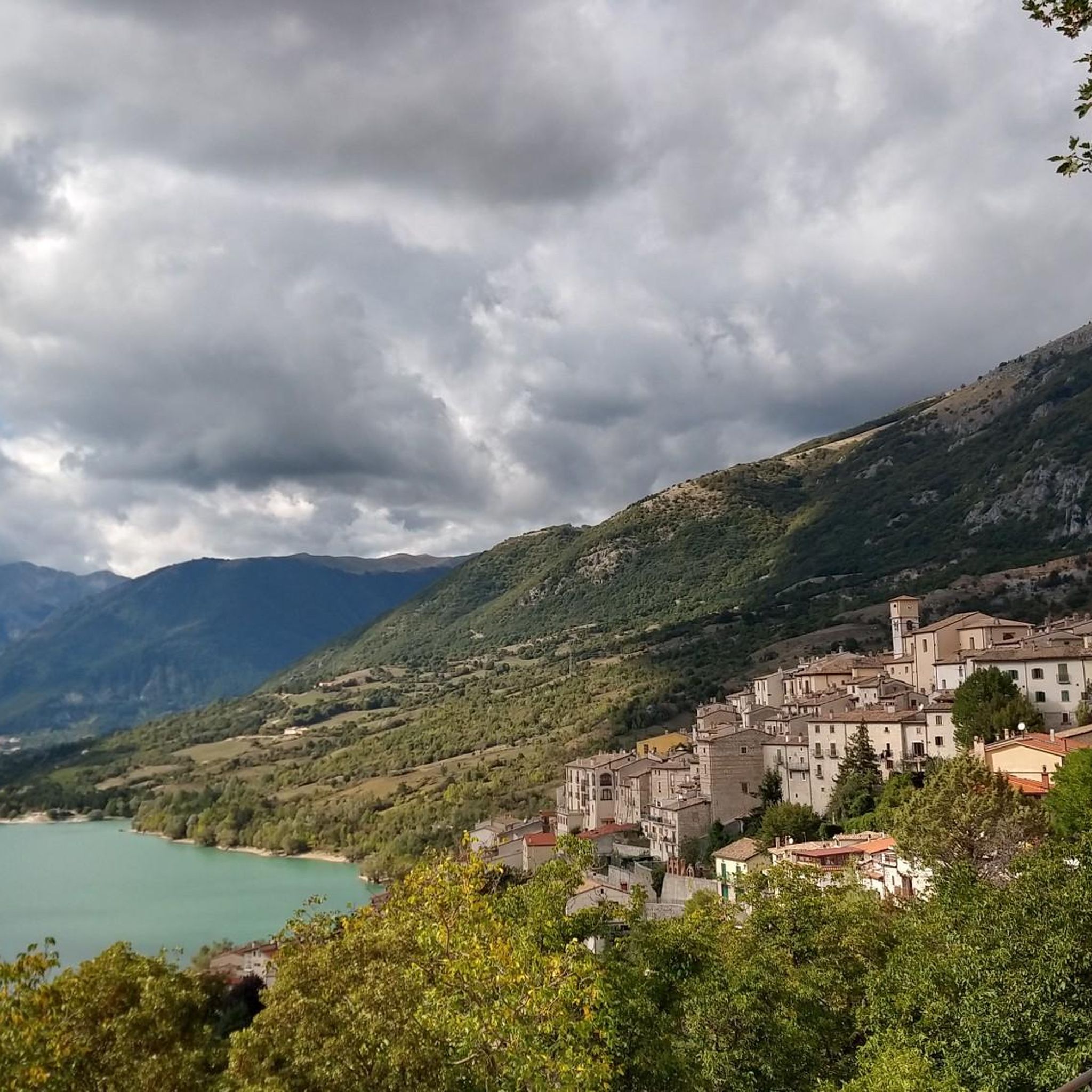
Barrea and Lake Barrea
Highlight • Settlement
Translated by Google •
Tip by

Fanzago Palace
Highlight • Historical Site
Tip by

Sign up now to discover places like this
Get recommendations on the best single tracks, peaks, & plenty of other exciting outdoor places.
Sign up for free
Hermitage of San Michele Arcangelo of Pescocostanzo
Highlight • Religious Site
Translated by Google •
Tip by
Abbey Complex of San Vincenzo al Volturno
Highlight • Religious Site
Translated by Google •
Tip by

Basilica of Santa Maria del Colle
Highlight • Religious Site
Translated by Google •
Tip by
Sign up for free to discover even more attractions around Castel Di Sangro.
Sign up for free
Already have an account?
Start today with a free account
Your next adventure awaits.
Login or Signup
Other adventures around Castel Di Sangro

Tips from the Community

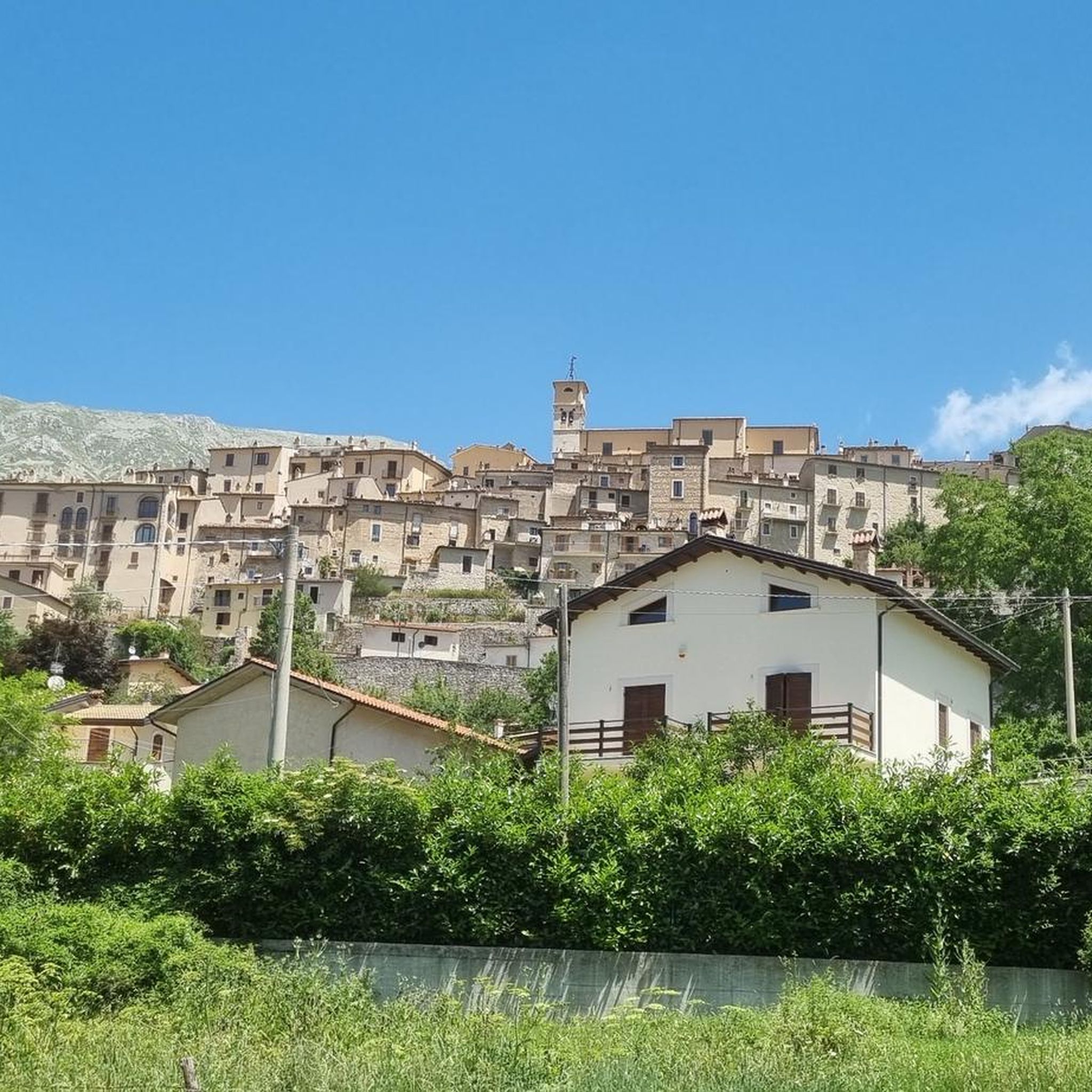
It is located in Pescocostanzo (AQ) and is one of the most significant and complete examples of Abruzzo Baroque.
0
0

The monumental complex of the abbey of San Vincenzo al Volturno is a little-known evocative place. It is made up of the new church, which can be reached by following the dirt road between the cypress trees, and the archaeological area where the remains of the ancient monastery are preserved. The arches are part of the new complex. Visits to the park are by reservation and for information you can write to the following email: info@criptadiepifanio.it.
2
0

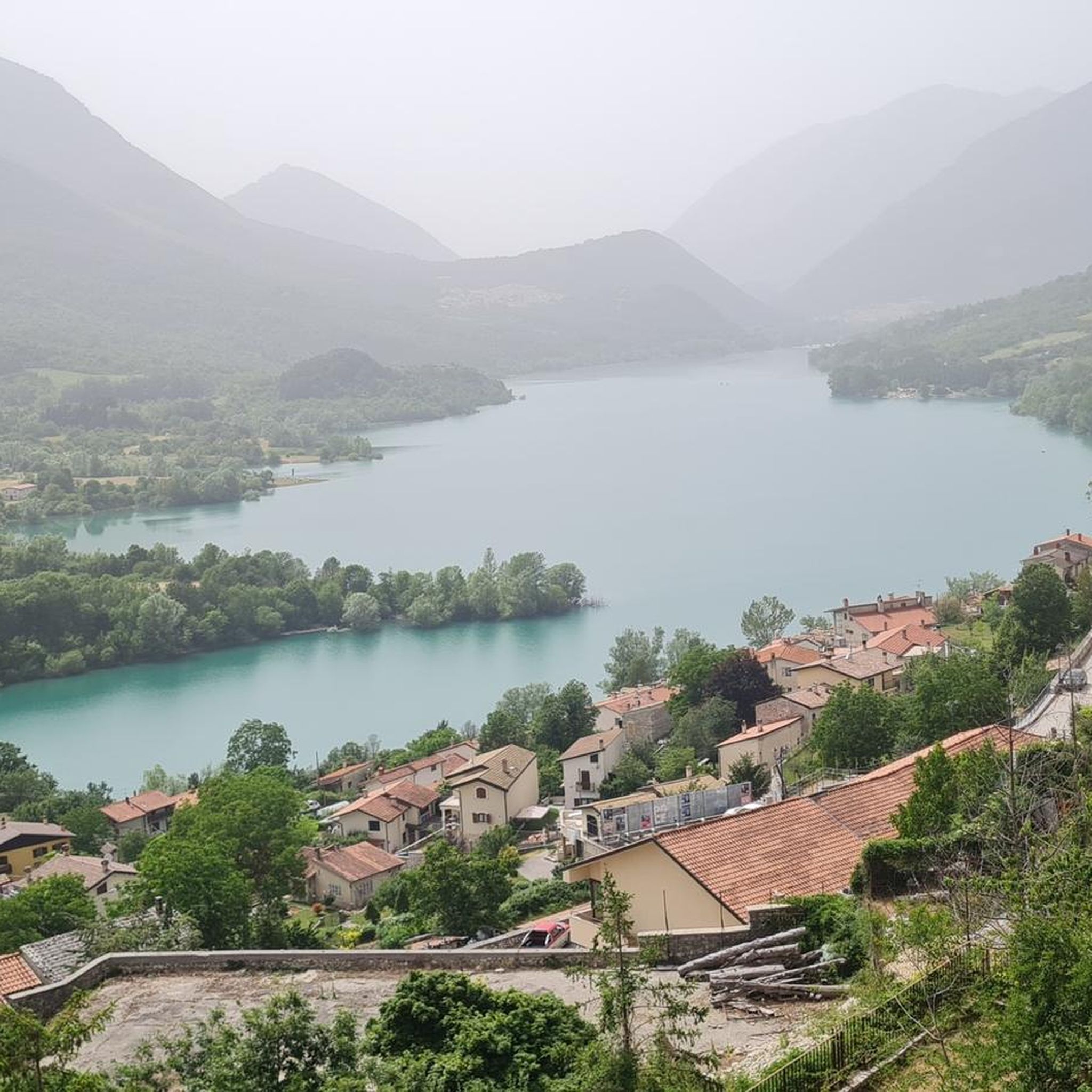
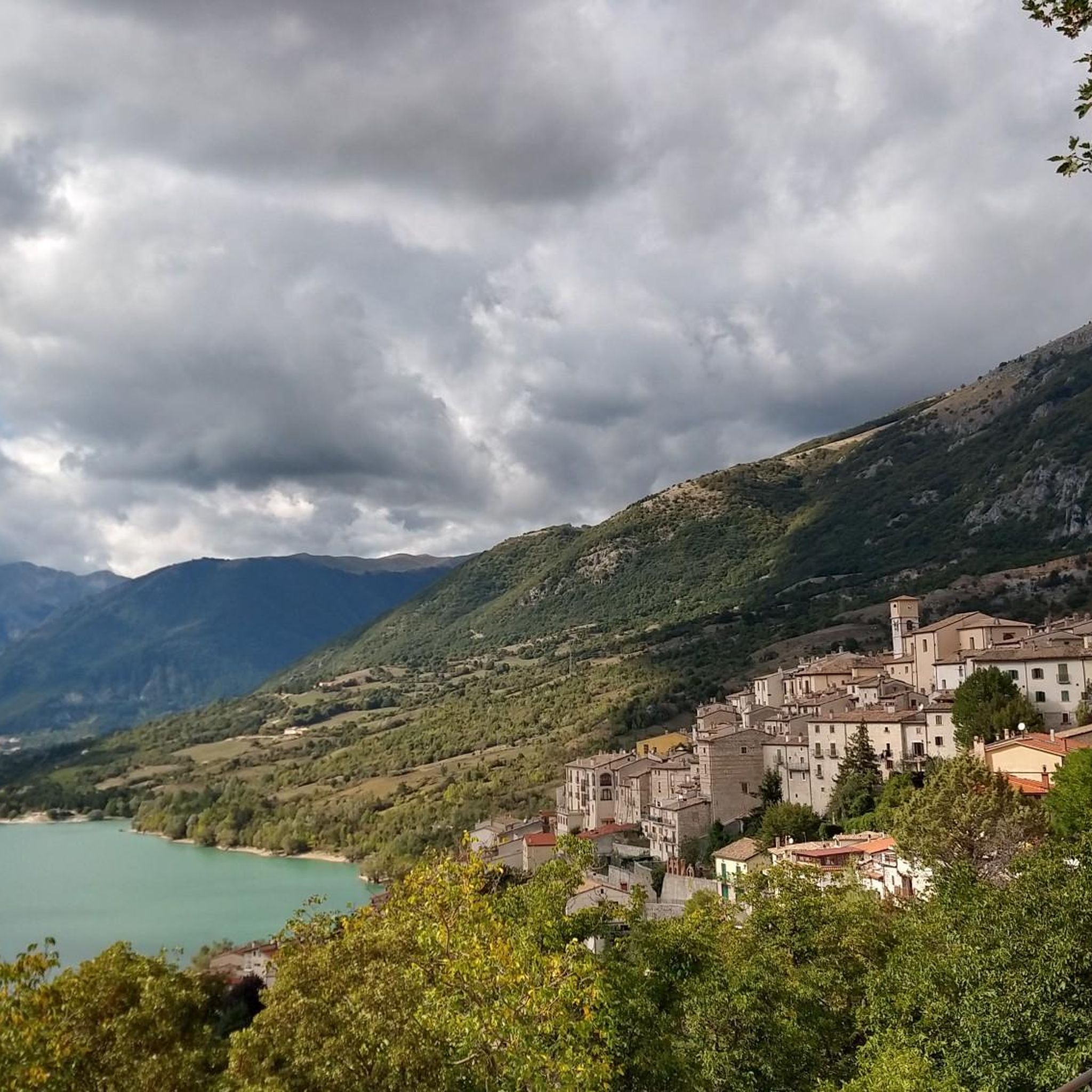
Barrea is a comune located in the Abruzzo region, in the province of L'Aquila, in Italy. It is located within the National Park of Abruzzo, Lazio and Molise, and is surrounded by breathtaking landscapes and unspoiled nature. The town is located on the shores of the lake of the same name, Lago di Barrea, which is one of the main attractions of the area. The beauty of the lake and its surroundings makes Barrea an ideal destination for nature lovers and for those who want to spend moments of relaxation and tranquillity. The historic center of Barrea is characterized by narrow streets and stone houses that still maintain the charm of traditional architecture. The church of Santa Maria delle Grazie is one of the main places of interest, with its bell tower. The area around Barrea offers numerous possibilities for excursions, trekking, horse riding and outdoor activities. The national park is famous for its rich fauna and flora, with the possibility of spotting different species of wildlife such as bears, wolves, chamois, deer and golden eagles. Barrea is also famous for its culinary traditions, with typical dishes of Abruzzo cuisine such as homemade pasta, local cheeses and delicious traditional desserts.
0
0

The Abbey of San Vincenzo al Volturno is a historic Benedictine abbey located in the territory of the municipalities of Castel San Vincenzo and Rocchetta a Volturno in the Province of Isernia, in the Upper Volturno Valley. The site hosts the excavations of the 5th century Lombard abbey on the left bank of the river and the new 12th century abbey on the right bank which, deeply rebuilt over the centuries, can still be visited today and houses a Benedictine community.
0
0

Accessibility: the route is easy to travel and suitable for families. It can be reached by car or a short walk of about 3 and a half kilometers from the center of the village of Pescocostanzo.Information: Municipality of Pescocostanzo - 0864.640003
0
0
The hermitage of San Michele Arcangelo, a place of rock worship, is located in a cave at the foot of Mount Pizzalto at an altitude of 1266 m a.s.l. Probably built in place of a pre-existing Italic-Roman cult environment dedicated to Hercules protector of the flocks, with the spread of Christianity and with the presence of the Lombards, it was named after St. Michael the Archangel, protector of the Germanic people. The hermitage appears already in 1183 in a bull of Pope Lucius III and in 1536 is attested in the municipal statutes of Pescocostanzo, as a washhouse for women. In 1597 the peasant society of Pescara restored the sanctuary. During the Second World War it was also used as a refuge and military base. The rock complex consists of an L-shaped facade that has, along the long side, two openings, a larger one, from 1598, with a band order and horizontal crown supported by kneeling shelves and a simpler minor. The two doors lead respectively to the church and to a funeral chapel of the Ricciardelli family. Between the two doors there is a deep round niche, on the bottom of which traces of painted plaster are still visible. The smaller side facade, afferents, leads instead to the living area with two rooms arranged on as many levels, once used also as a shelter for transhumant shepherds. Inside, what is striking is the stark contrast between the rough structure of the vault of the cave and the pavement in local white stone slabs, well connected. Of notable artistic interest is the finely worked balustrade, always in white stone, which divides the presbytery area in width from that intended for the faithful; at the end of the cave there is a simple stone altar and a niche which probably housed the statue of St. Michael the Archangel which today is located in the Rosary church in the town.
0
0
Opening periods: 1 August / 10 September - 24 December / 6 January and Easter week every day (11.00 / 13.00-17.00 / 20.00). In other periods, the museum is closed from Monday to Friday.
0
0
Frequently Asked Questions
What historical sites can I explore in Castel di Sangro?
Castel di Sangro is rich in history. You can wander through the Historic Centre (Civita) with its narrow streets and ancient churches. Don't miss the impressive Abbey Complex of San Vincenzo al Volturno, which features remains of an ancient monastery. Other notable sites include the Basilica di Santa Maria Assunta, the Church of San Giovanni Battista, and the Ruins of the Medieval Castle on Colle San Giovanni.
Are there any museums in Castel di Sangro?
Yes, Castel di Sangro offers several unique museums. The Palazzo De Petra (Casa Del Leone) houses the Pinacoteca Patiniana, an art gallery dedicated to Teofilo Patini. Within the former convent of Maria Maddalena, you'll find the Civic Museum Aufidenate, showcasing archaeological finds, the International Fly Fishing Museum ('Stanislao Kuckiewic'), and a War Museum focusing on World War II history.
What natural attractions are there near Castel di Sangro?
Castel di Sangro is a gateway to the Abruzzo, Lazio, and Molise National Park, offering extensive hiking trails and wildlife viewing. The town is situated on the Sangro River, with tranquil riverside paths. Nearby, you can visit Lago Vivo for its contemplative beauty or explore the Scodanibbio Forest. Within the city, Parco Italia provides a relaxing green space with a children's play area and barbecue facilities.
Can I go hiking near Castel di Sangro?
Absolutely! Castel di Sangro is an excellent base for hiking. You can find various trails, including those in the Montedimezzo Nature Reserve. For more options, explore the hiking routes around Castel di Sangro, which include easy loops like the 'Cima al Castello loop' and moderate trails along the Sangro River.
Are there cycling opportunities around Castel di Sangro?
Yes, the area around Castel di Sangro is great for cycling. A scenic cycle path connects Castel di Sangro with Villa Scontrone along the Sangro Valley. You can discover more options, including the 'Val di Sangro Cycle Path' and routes to Barrea and Lake Barrea, by checking the cycling guide for Castel di Sangro.
What is there to do for families with children in Castel di Sangro?
Families will enjoy the Parco Italia in the city center, which has a play area for children and barbecue facilities. The nearby Barrea and Lake Barrea is also considered family-friendly, offering beautiful landscapes and opportunities for relaxation by the lake. The Hermitage of San Michele Arcangelo of Pescocostanzo is an accessible historical site suitable for families.
What is special about the Fanzago Palace?
The Fanzago Palace, originally a monastery, is a significant historical site in Pescocostanzo. It features a distinctive facade and now houses the Museum of Tombolo, which collects precious lacework. The palace's architecture, with its unique niches and carved wooden corbels depicting a chimerical animal, makes it a notable example of local craftsmanship and history.
What is the Abruzzo, Lazio, and Molise National Park like, and how can I access it from Castel di Sangro?
The Abruzzo, Lazio, and Molise National Park is a vast protected area known for its ancient forests and diverse wildlife, including Marsican bears and Abruzzo black deer. Castel di Sangro serves as a gateway to the park, making it easy to access its extensive hiking trails and natural beauty for exploration and wildlife observation.
Are there any medieval villages worth visiting near Castel di Sangro?
Yes, the charming medieval village of Roccacinquemiglia, a *frazione* of Castel di Sangro, is perched on a rocky outcrop and boasts a valuable historical past. It's an excellent place to experience traditional architecture and local history.
What is the best time of year to visit Castel di Sangro for outdoor activities?
Castel di Sangro offers outdoor activities year-round. The warmer months are ideal for hiking, cycling, and exploring the national park and lakes. In winter, Castel di Sangro serves as a base for the nearby Roccaraso Ski Area, one of Italy's largest, making it suitable for winter sports enthusiasts.
Can I find places for relaxation and recreation within Castel di Sangro itself?
Yes, Parco Italia, located in the city center, is a perfect spot for relaxation. It offers a green space with a children's play area, barbecue facilities, benches, and a river that forms a small beach in the summer, providing a pleasant urban escape.
What religious landmarks can I visit in the area?
Beyond the Basilica di Santa Maria Assunta and the Church of San Giovanni Battista in Castel di Sangro, you can visit the Abbey Complex of San Vincenzo al Volturno, a significant historical and religious site. Another notable religious building is the Church (and ex-convent) of Maria Maddalena, dating back to the mid-15th century, and the Hermitage of San Michele Arcangelo of Pescocostanzo, a unique rock worship site.
Most popular routes around Castel Di Sangro
Most popular attractions around Castel Di Sangro

Get inspired with the komoot mobile app


Explore more
Still not found the Highlight you’re looking for? See guides of the top attractions in other regions:
