Attractions and Places To See around Morrone Del Sannio - Top 12
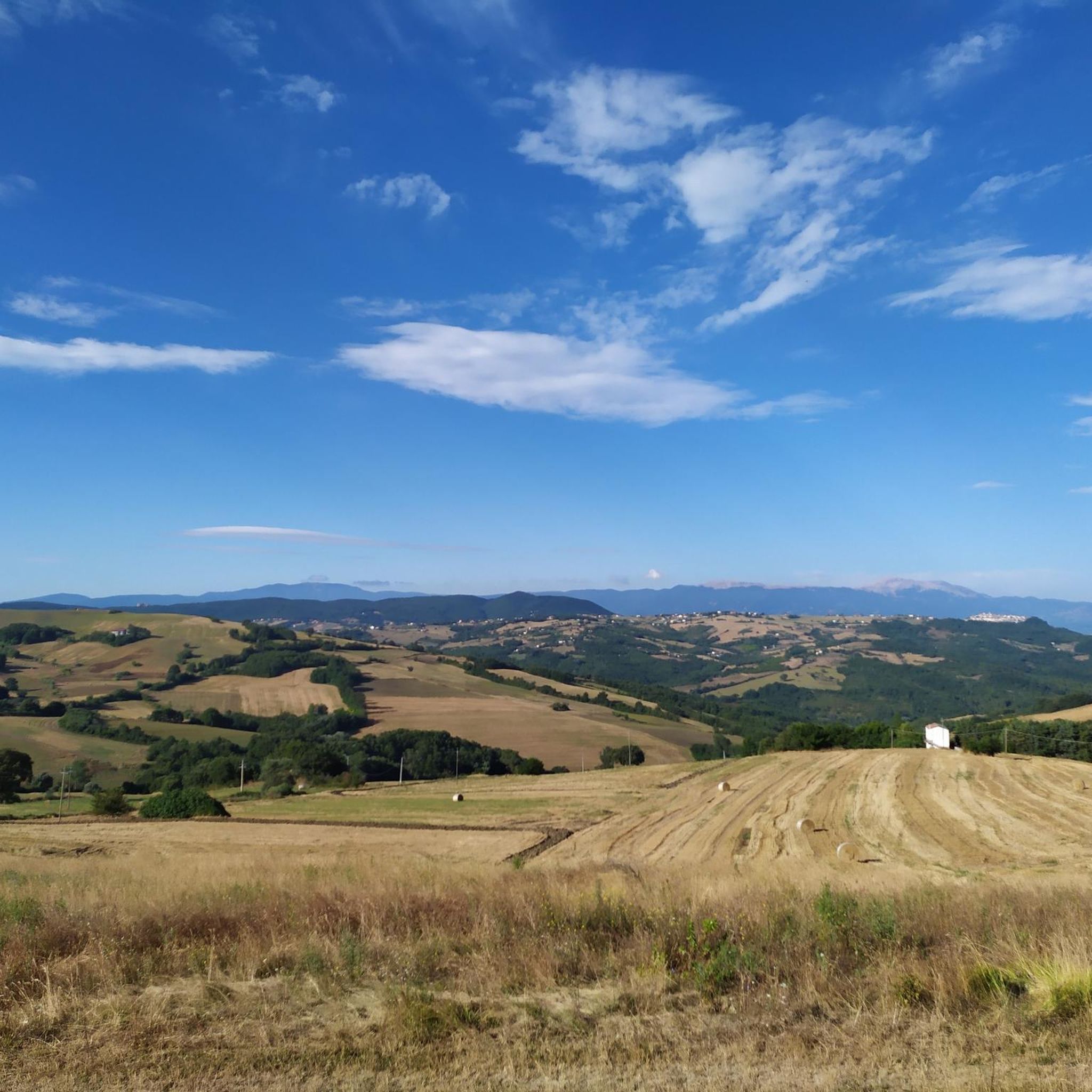
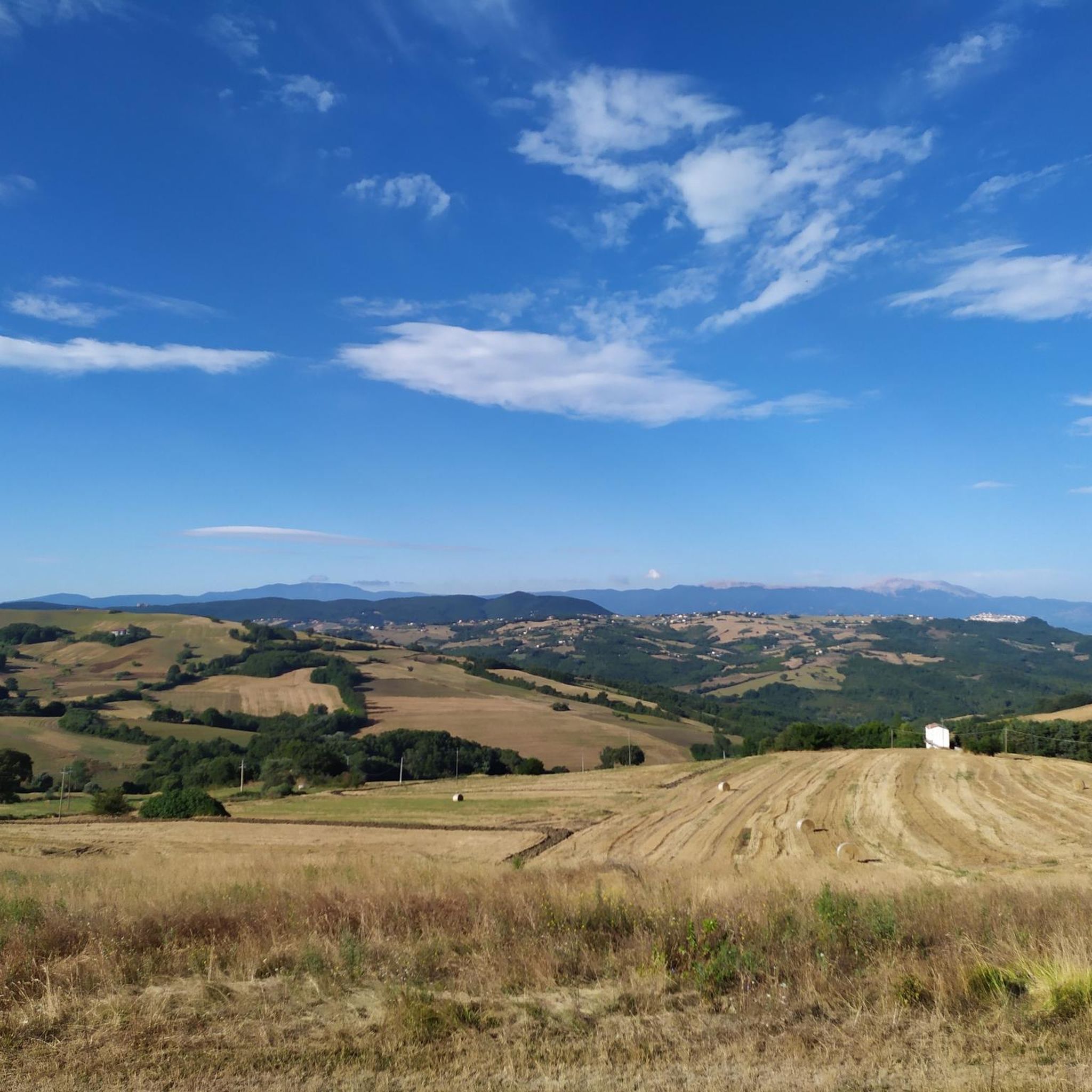
Best attractions and places to see around Morrone Del Sannio, a municipality in Italy's Molise region, offers a blend of historical sites, cultural experiences, and natural beauty. Its elevated position provides panoramic views of the Biferno valley, extending to the Matese mountains and the Adriatic Sea. The area features ancient Roman remains, medieval structures, and significant natural reserves. Visitors can explore its rich history and diverse landscapes.
Best attractions and places to see around Morrone Del Sannio
- The most popular attractions is Bosco Casale Regional Nature Reserve, a forest located in the municipality of Casacalenda. This ancient hilly oak forest is home to over 110 species of birds and offers paths, educational panels, and a visitor center.
- Another must-see spot is Church of Santa Maria della Strada, a religious building from the 1100s. This small church is well-preserved and offers a place for relaxation and contemplation of nature and architecture.
- Visitors also love LA TAVERNA DEL CORTILE, a historical site that served as a key stop for transhumance for centuries. Built in the 17th century, it offered shelter and refreshment to shepherds and their flocks traveling between the Abruzzo highlands and Puglia.
- Morrone Del Sannio is known for its historical sites, natural reserves, and cultural experiences. The region offers a variety of attractions, from ancient Roman ruins and medieval structures to panoramic viewpoints and local traditions.
- The attractions around Morrone Del Sannio are appreciated by the komoot community, with 11 photos and 4 upvotes.
Last updated: October 5, 2026
Bosco Casale Regional Nature Reserve
Highlight • Forest
lipu.it/oasi-casacalenda-campobasso
Translated by Google •
Tip by

LA TAVERNA DEL CORTILE
Highlight • Historical Site
Built in the 17th century, the tavern was a strategic stopping point, a crossroads between the rural and urban worlds. Here, people ate, prayed, exchanged news, and found solace. Its location at the gates of the city made it a place of transition between pastoral and urban culture.
Its importance is linked to the convergence of two sheep tracks:
- the Cortile–Centocelle track, which connected the Celano–Foggia sheep track
- the Cortile–Matese track, which connected the Castel di Sangro–Lucera sheep track with the Pescasseroli–Candela, passing through Bojano and Sepino
This double connection made the Taverna del Cortile a vital hub for transhumance, where flocks, merchants, pilgrims, and travelers met. It was a hub between the major grassy arteries that crisscrossed Molise, and contributed to the economic and cultural development of the area.
Today, although no longer active, the tavern retains a strong identity. It is mentioned in cultural walks, hikes, and gravel rides that celebrate the memory of transhumance. Its charm endures in the landscape, in the stories, and in its symbolic function as the gateway to the Molise sheep tracks. by Molise Trail
Translated by Google •
Tip by

Sign up now to discover places like this
Get recommendations on the best single tracks, peaks, & plenty of other exciting outdoor places.
Civitacampomarano
Highlight • Settlement
Translated by Google •
Tip by

Church of Santa Maria della Strada
Highlight • Religious Site
Translated by Google •
Tip by

Lake Guardialfiera
Highlight • Lake
Translated by Google •
Tip by

Sign up for free to discover even more attractions around Morrone Del Sannio.
Already have an account?
Start today with a free account
Your next adventure awaits.
Popular around Morrone Del Sannio
Tips from the Community

The Taverna del Cortile is one of the most significant sites in the Molise sheep-track network. Located in the countryside north of Campobasso, it has been a key stop for transhumance for centuries, offering shelter and refreshment to shepherds and their flocks traveling between the Abruzzo highlands and the pastures of Puglia. Built in the 17th century, the tavern was a strategic stopping point, a crossroads between the rural and urban worlds. Here, people ate, prayed, exchanged news, and found solace. Its location at the gates of the city made it a place of transition between pastoral and urban culture. Its importance is linked to the convergence of two sheep tracks: - the Cortile–Centocelle track, which connected the Celano–Foggia sheep track - the Cortile–Matese track, which connected the Castel di Sangro–Lucera sheep track with the Pescasseroli–Candela, passing through Bojano and Sepino This double connection made the Taverna del Cortile a vital hub for transhumance, where flocks, merchants, pilgrims, and travelers met. It was a hub between the major grassy arteries that crisscrossed Molise, and contributed to the economic and cultural development of the area. Today, although no longer active, the tavern retains a strong identity. It is mentioned in cultural walks, hikes, and gravel rides that celebrate the memory of transhumance. Its charm endures in the landscape, in the stories, and in its symbolic function as the gateway to the Molise sheep tracks. by Molise Trail
0
0

Small church from the 1100s perfectly preserved in the municipality of Matrice. A jewel surrounded by greenery, it is a pleasure to reach this place to relax and contemplate nature and architecture. The road that leads to the village is hilly and easily passable.
0
0

The Bosco Casale Regional Nature Reserve is located in the municipality of Casacalenda, Molise. It occupies two thirds of the Bosco Casale, an ancient hilly oak forest, with traces of Hannibal's camp. This protected area is characterized by Cerro, Farnetti, Biancospini and Agrifogli woods. It is home to over 110 species of birds, including birds of prey such as buzzards, honey buzzards and sparrowhawks. The Oasis offers paths, educational panels, a visitor center and various naturalistic activities. An enchanting place to immerse yourself in the beauty of the Molise nature. http://www.lipu.it/oasi-casacalenda-campobasso
1
0
Civitacampomarano is a typical medieval village with narrow streets, stairways and an imposing Angevin Castle. The territory is characterized by overhanging gullies and gorges, fields of olive trees and wooded areas. https://www.viaggiomolise.it/civitacampomarano/
0
0

Civitacampomarano is a small village with very ancient origins dating back to the Samnite era. It has kept its medieval aspect with its Angevin castle and many churches to visit, and you cannot miss a walk through the alleys to admire the many murals made by street artists during an urban art festival that takes place every year in June.
2
0

Artificial reservoir obtained from the barrier of the Biferno and located at the foot of the municipality of Guardialfiera.
1
0
It is an artificial lake obtained by damming the Biferno. In periods of drought, near Monte Peloso, it is possible to see an ancient Roman bridge submerged by the basin.
1
0
Frequently Asked Questions
What natural attractions can I explore around Morrone Del Sannio?
Morrone Del Sannio is surrounded by natural beauty. You can visit the Bosco Casale Regional Nature Reserve, an ancient hilly oak forest home to over 110 bird species, offering paths and a visitor center. Another notable natural feature is Lake Guardialfiera, an artificial lake where, during dry periods, you might spot an ancient Roman bridge submerged by the basin.
Are there historical sites to visit in Morrone Del Sannio?
Yes, the area is rich in history. You can explore the 18th-century Church of Santa Maria Maggiore, built on the site of an older religious building and a Roman city. The 15th-century Convent of St. Nazarius features a beautiful cloister. Near the Casalpiano Abbey, you'll find remains of a Roman villa dating back to the 2nd century BC. The ruins of the 12th-century Abbey of Casalpiano are also visible, part of an archaeological complex.
What cultural experiences can I find in Morrone Del Sannio?
Morrone Del Sannio offers unique cultural experiences. You can witness the Feast of San Giuseppe, involving large fires and the 'Sacra Famiglia' ritual. Traditional festivities include a procession of the Virgin Mary in May and October, mirroring historical transhumance. The main square was even a film location in 1961 for a documentary about a traveling cinema.
Are there any family-friendly attractions near Morrone Del Sannio?
Absolutely. The Bosco Casale Regional Nature Reserve is great for families, offering paths and educational panels. The small, well-preserved Church of Santa Maria della Strada provides a peaceful spot for contemplation. Lake Guardialfiera is also considered family-friendly, perfect for a relaxing outing.
Where can I find breathtaking panoramic views in the area?
Morrone Del Sannio itself is renowned for its panoramic views. From its elevated position, you can see the Matese mountains, the Biferno valley, and other towns. On clear days, the vista extends to the Adriatic Sea and even the Tremiti Islands, earning it the nickname 'lo spione del Molise' (the spy of Molise).
What kind of outdoor activities, like cycling or hiking, are available?
The region around Morrone Del Sannio is excellent for outdoor activities. You can find various routes for mountain biking and road cycling. For detailed routes and their difficulty levels, check out the MTB Trails around Morrone Del Sannio and Road Cycling Routes around Morrone Del Sannio guides.
Are there specific routes for mountain biking near Morrone Del Sannio?
Yes, there are several mountain biking routes. Options include 'Il Lago di Guardialfiera – giro ad anello' (moderate, 31 km), 'Casacalenda e Riserva Naturale Regionale Bosco Casale – giro ad anello' (moderate, 17.6 km), and 'Civitacampomarano e Bosco di Trivento – giro ad anello' (moderate, 22.3 km). More challenging routes like 'Cava di Colle Serrano – Bosco Faiete loop' (difficult, 45.6 km) are also available. You can find more details in the MTB Trails around Morrone Del Sannio guide.
Can I find road cycling routes suitable for different skill levels?
Yes, road cyclists can find routes ranging from moderate to difficult. Examples include 'Campobasso City Highlights loop from Santa Maria della Strada' (moderate, 34 km) and 'Gildone Village – View of Gildone loop from Toro' (moderate, 39.5 km). For a more challenging ride, consider 'View of the Railway Viaduct – Campobasso City Highlights loop' (difficult, 61.3 km). Explore more options in the Road Cycling Routes around Morrone Del Sannio guide.
What local delicacies or traditional foods should I try?
When visiting, be sure to try 'cetillo,' a unique dish made from wild carrots, boiled, fried, macerated in cooked must, and seasoned with vinegar. Another local specialty is 'pecellate' cookies, crafted from semolina flour, walnuts, wine, and orange peel.
Is there a medieval village nearby worth visiting?
Yes, the nearby village of Civitacampomarano is a must-see. It boasts ancient Samnite origins and has preserved its medieval character, featuring an Angevin castle, numerous churches, and alleys adorned with vibrant murals from an annual urban art festival.
What is the significance of <a href="https://www.komoot.com/highlight/7671836" target="_blank" rel="noopener">LA TAVERNA DEL CORTILE</a>?
LA TAVERNA DEL CORTILE is a historically significant site on the Molise sheep-track network. Built in the 17th century, it served as a crucial stopping point for transhumance, providing shelter and refreshment to shepherds and their flocks traveling between the Abruzzo highlands and Puglia for centuries. It was a vital hub where different cultures met and exchanged news.
What is the best time of year to visit Morrone Del Sannio for outdoor activities?
The Molise region generally enjoys pleasant weather for outdoor activities from spring through early autumn. Spring (April-May) offers blooming landscapes, while summer (June-August) is ideal for longer days and warmer temperatures. Early autumn (September-October) provides cooler weather and beautiful foliage, perfect for hiking and cycling.
Are there any ancient Roman ruins to see?
Yes, near the Casalpiano Abbey, you can explore the structures of a Roman villa dating back to the 2nd century BC. An inscription found here even tells the story of a freedman praying for his mistress's safe return after escaping the Pompeii disaster. Additionally, the Church of Santa Maria Maggiore stands on what was once a Roman city along an ancient sheep track.
What makes the <a href="https://www.komoot.com/highlight/5972447" target="_blank" rel="noopener">Bosco Casale Regional Nature Reserve</a> special?
The Bosco Casale Regional Nature Reserve is an ancient hilly oak forest covering two-thirds of the Bosco Casale. It's a haven for over 110 bird species, including birds of prey, and features diverse trees like Cerro and Agrifogli. The reserve offers paths, educational panels, a visitor center, and even holds traces of Hannibal's historical encampment.
Most popular routes around Morrone Del Sannio

Get inspired with the komoot mobile app


Explore more
Still not found the Highlight you’re looking for? See guides of the top attractions in other regions:
