Attractions and Places To See around Torremaggiore - Top 20
Best attractions and places to see around Torremaggiore, a town in Puglia, offer a blend of historical, cultural, and natural points of interest. Situated on a hill in the Alto Tavoliere, Torremaggiore is known for its medieval heritage and agricultural traditions. The area provides insights into southern Italian history and is located near the Northern Daunian Mountains and Gargano National Park.
Best attractions and places to see around Torremaggiore
- The most popular attractions is Old San Severo, a settlement…
Last updated: July 20, 2026
Old San Severo
Highlight • Settlement
Translated by Google •
Tip by

Ducal Castle of Torremaggiore
Highlight • Castle
Translated by Google •
Tip by

Sign up now to discover places like this
Get recommendations on the best single tracks, peaks, & plenty of other exciting outdoor places.
Sign up for free
Castle of Lucera
Highlight • Castle
Translated by Google •
Tip by
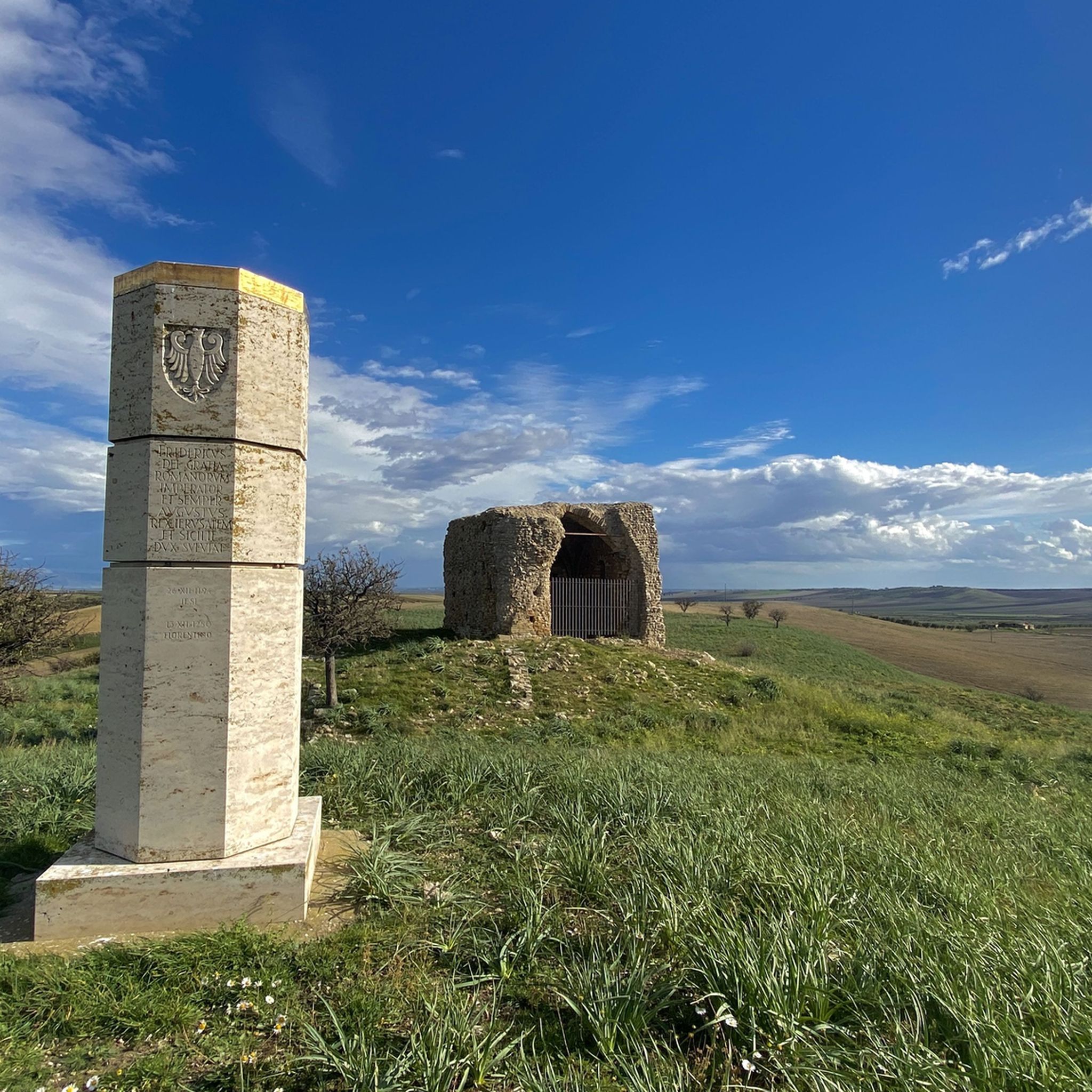
Castel Fiorentino
Highlight • Castle
Translated by Google •
Tip by
Cathedral of Santa Maria Assunta, Lucera
Highlight • Religious Site
Translated by Google •
Tip by
Sign up for free to discover even more attractions around Torremaggiore.
Sign up for free
Already have an account?
Start today with a free account
Your next adventure awaits.
Login or Signup

Tips from the Community

The imposing Stauferburg was built in the 13th century by Emperor Frederick II on the ruins of a Norman castle. The extensive complex impresses with its 900m long and up to 13m high walls, which were later expanded by the Anjou. The outdoor area and the striking tower can mostly be visited for about €3 entrance fee.
0
0
The Cathedral of Santa Maria Assunta is a basilica minor in the Gothic architectural style, which is very rarely seen so unaltered in Puglia and is considered the southernmost Gothic brick church in Italy. It is named after a 14th-century statue of the Virgin Mary, carved from dark wood and gilded, with the nickname Madonna della vittoria, because it commemorates the victory of the House of Anjou over the Hohenstaufen in Southern Italy. In the right apse, there is also a 14th-century crucifix originating from the- Rhine region.
1
0

Narrow alleys, many one-way streets.
0
0
In the old town there is a labyrinth of one-way streets and some buildings worth seeing.
0
0

Many of the 18 churches of San Severo are concentrated in the historic center.
1
0
The walk in the historic center of San Severo is a walk among baroque decorations and elegant Renaissance profiles. It is worth getting lost in the labyrinth of streets and alleys and being amazed by the many churches. City of art San Severo is a symbolic place of the baroque in northern Puglia, it has eighteen historic churches.
2
0

The old town of San Severo has its own charm and you can see that after many years of inactivity, investments and restoration are being made. San Severo is an old pilgrimage centre and it is exciting to discover the traces of the past!
0
0
Castelfiorentino is the current name, Torre Fiorentina is the name of the site on which the remains of the small medieval city are located.
0
0
Frequently Asked Questions
What historical sites can I visit in Torremaggiore?
Torremaggiore is rich in history. You can explore the Ducal Castle of Torremaggiore, a 12th-century fortress that houses a civic museum. Another significant historical site is Castel Fiorentino, an archaeological site where Emperor Frederick II died in 1250. The nearby Old San Severo also offers a charming historic center with numerous churches.
Are there any cultural attractions or museums in Torremaggiore?
Yes, the Ducal Castle of Torremaggiore houses the Civic Museum 'Giacomo Negri', showcasing works by the local sculptor. Additionally, the town has several historic churches, including the Chiesa Matrice di San Nicola and the Santuario di Maria Santissima della Fontana, which reflect the region's deep cultural and religious heritage.
What natural features or parks are near Torremaggiore?
While Torremaggiore itself is situated on a pleasant hill, it's strategically located near significant natural areas. It's approximately twenty kilometers from the Northern Daunian Mountains (Monti Dauni Settentrionali) and about twenty-five kilometers from the Gargano National Park, offering opportunities for enjoying nature and outdoor activities in the wider region.
What is the best time of year to visit Torremaggiore?
The region generally experiences pleasant weather for exploring historical sites and engaging in outdoor activities during spring (April-June) and autumn (September-October). These seasons offer milder temperatures, ideal for walking and cycling, and for enjoying the local agricultural landscapes.
Are there family-friendly attractions in Torremaggiore?
The Ducal Castle of Torremaggiore is considered family-friendly, offering an engaging historical experience. Exploring the medieval architecture and the civic museum can be interesting for all ages. The communal villa, Villa Comunale Federico II, also provides a green space for families to relax.
What outdoor activities can I do near Torremaggiore?
The area around Torremaggiore is great for outdoor enthusiasts. You can find various routes for cycling, mountain biking, and running. For example, there are several cycling routes like the 'From San Severo to Torremaggiore – loop tour' and MTB trails such as 'Castel Fiorentino – Dragonara Castle loop from Torremaggiore'. You can explore more options on the Cycling around Torremaggiore, MTB Trails around Torremaggiore, and Running Trails around Torremaggiore guide pages.
Can I find hiking or running trails near Torremaggiore?
Yes, there are several running trails available. You can find moderate running loops starting from nearby San Severo and San Paolo di Civitate, ranging from 7 to 13 kilometers. For more details and specific routes, refer to the Running Trails around Torremaggiore guide page.
What do visitors particularly enjoy about the attractions in Torremaggiore?
Visitors appreciate the rich historical atmosphere, especially the medieval architecture of the Ducal Castle of Torremaggiore. The historic center of Old San Severo is also highly regarded for its baroque decorations and charming alleys. The archaeological significance of Castel Fiorentino also draws considerable interest.
Where can I learn about the local agricultural products, like olive oil and wine?
Torremaggiore is renowned for its agricultural traditions, particularly its extra virgin olive oil made from the 'Peranzana' olive variety. This olive oil is known for its fruity flavor with hints of almond, tomato, and artichoke. The region is also known for Nero di Troia wine. You can often find local products at markets or specialized shops within the town.
What is the historical significance of Castel Fiorentino?
Castel Fiorentino is an archaeological site about 9 kilometers south of Torremaggiore. It is historically significant as the place where Emperor Frederick II died in 1250. The ancient bishopric was built between 1018 and 1023 by the Byzantine catapano Basilio Baiohannes, making it a crucial site for understanding medieval Puglia.
Are there any less-known or 'hidden gems' to explore in the area?
Beyond the main landmarks, consider visiting the Santuario di Maria Santissima della Fontana, a pilgrimage site originating from a 10th-century church built over a public fountain. The Chapel of the Madonna di Belmonte, located near San Paolo in Civitate, is also a tranquil spot with a recently renovated green area, perfect for a peaceful stop during a walk or bike ride.
How can I get to the main attractions in Torremaggiore?
Torremaggiore's main attractions, such as the Ducal Castle and various churches, are generally accessible within the town center, often reachable on foot. For sites like Castel Fiorentino, which is about 9 kilometers south, a car or bicycle would be recommended. Public transport options within the town and to nearby sites may be limited, so checking local schedules or considering a taxi is advisable.
Most popular attractions around Torremaggiore

Get inspired with the komoot mobile app


Explore more
Still not found the Highlight you’re looking for? See guides of the top attractions in other regions:
