Attractions and Places To See around Pietramontecorvino - Top 12
Best attractions and places to see around Pietramontecorvino include its historic hill town setting in the Daunian Mountains of northern Apulia, Italy. This area is known for its medieval charm, rich history, and scenic natural beauty. The village preserves its ancient core with narrow alleys and stone houses, offering views across the rugged Daunia Hills. Visitors can explore notable landmarks and cultural sites within this region.
Best attractions and places to see around Pietramontecorvino
- The most popular attractions is Castel…
Last updated: May 11, 2026
Castle of Lucera
Highlight • Castle
Translated by Google •
Tip by

Castel Fiorentino
Highlight • Castle
Translated by Google •
Tip by
Sign up now to discover places like this
Get recommendations on the best single tracks, peaks, & plenty of other exciting outdoor places.
Sign up for free
Cathedral of Santa Maria Assunta, Lucera
Highlight • Religious Site
Translated by Google •
Tip by
Lago di Occhito
Highlight • Lake
Translated by Google •
Tip by

Castello di Lucera
Highlight • Castle
Translated by Google •
Tip by

Sign up for free to discover even more attractions around Pietramontecorvino.
Sign up for free
Already have an account?
Start today with a free account
Your next adventure awaits.
Login or Signup
Tips from the Community

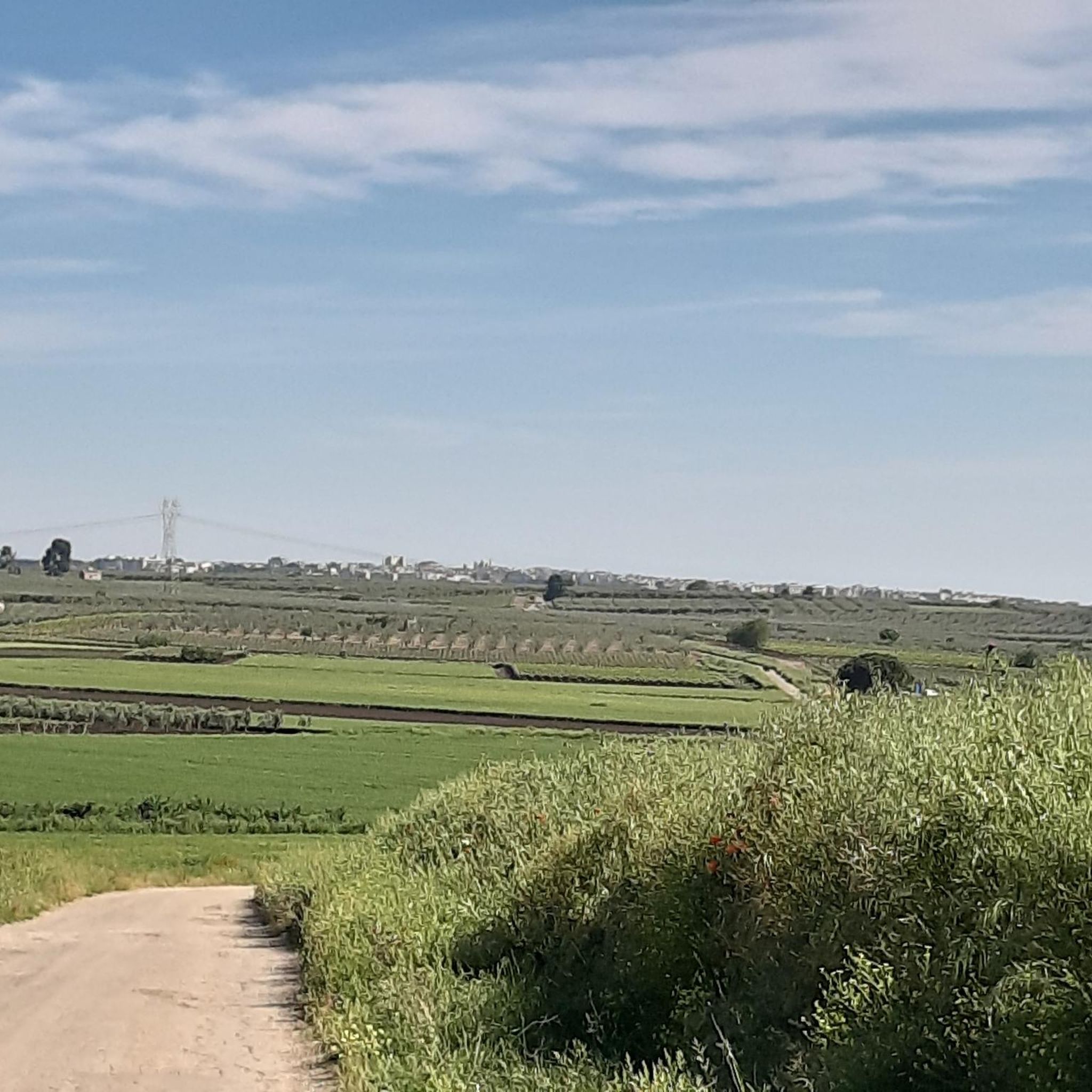
The fortress dominated the arrival of the Transhumance flocks from the top of Colle Albano. Lucera, before Foggia, was the seat of customs.
0
0
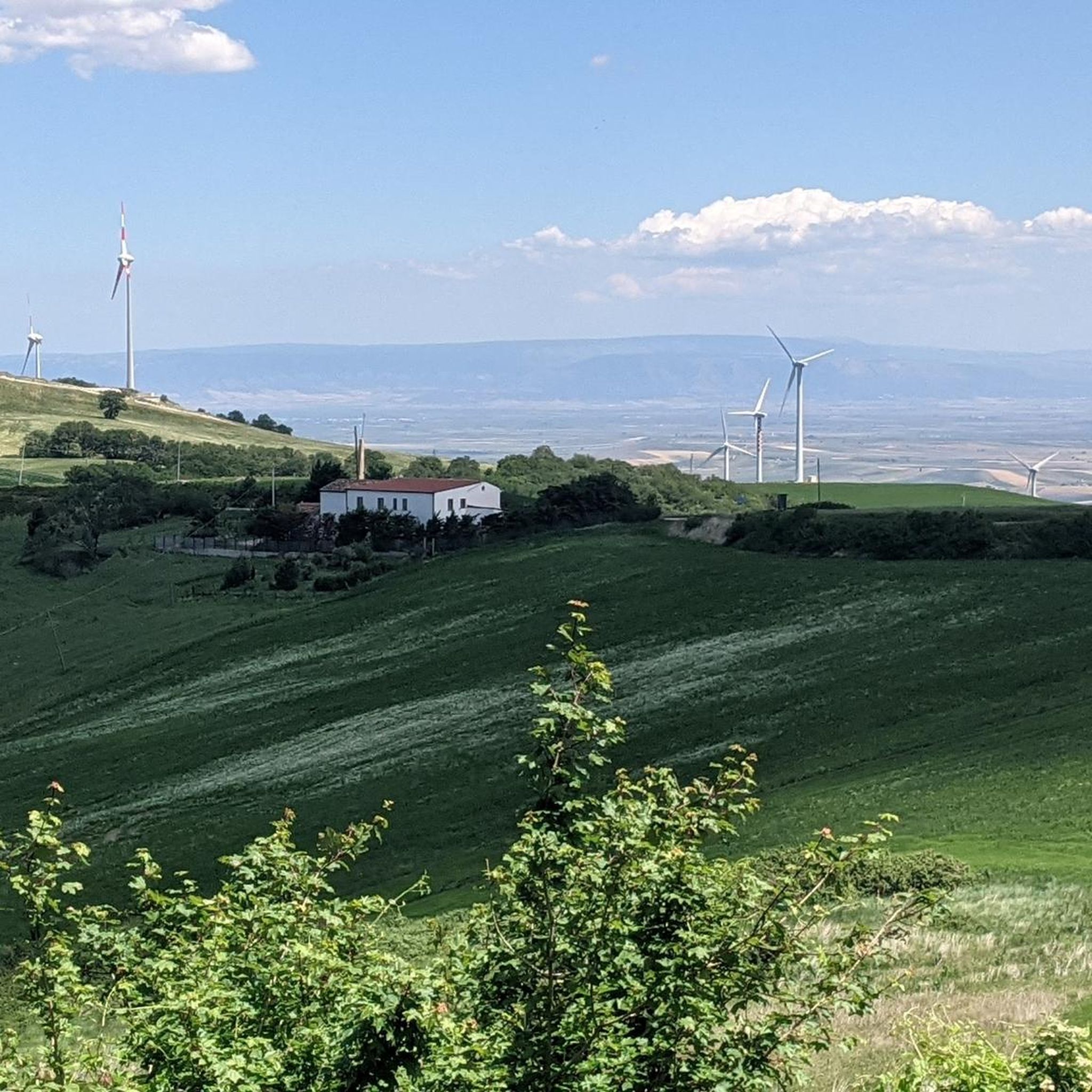
Castelfiorentino is the current name, Torre Fiorentina is the name of the site on which the remains of the small medieval city are located.
0
0

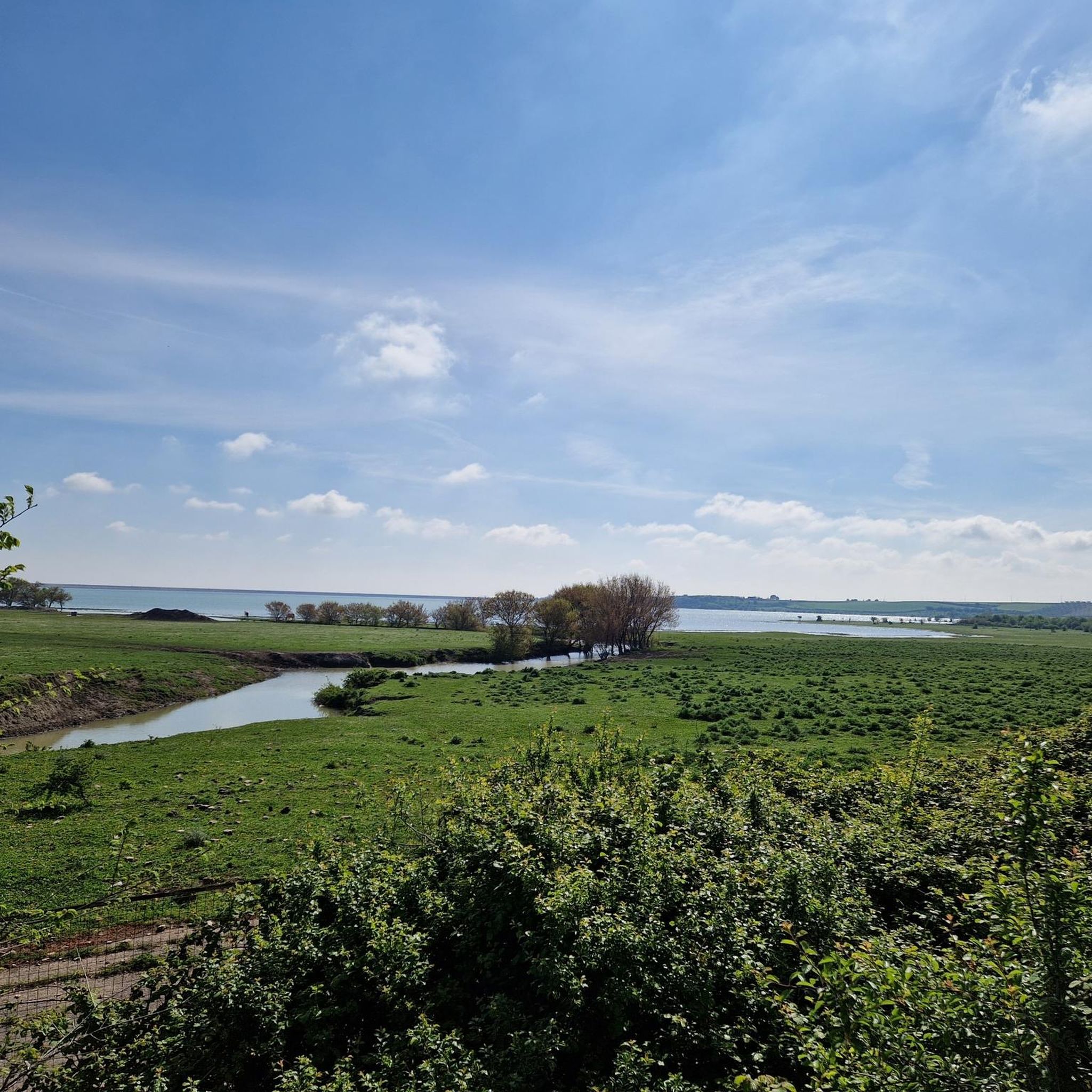
Let me start by saying that I did a complete tour of the lake. The Apulian side is more beautiful than the Molise side. I suggest turning around at the barrier as at a certain point there is no viable route. We took absurd gambles in the middle of bushes full of thorns. Furthermore, according to the operators of the barrier, you have to call the consortium and get a permit to be able to cross.
0
0

Lago di Occhito is a fascinating artificial lake located in the Molise region of Italy. Surrounded by stunning landscapes and a variety of flora and fauna, it offers an ideal location for outdoor activities such as bird watching and fishing. https://www.puglia.com/celenza-valforte-e-lago-di-occhito/
1
0

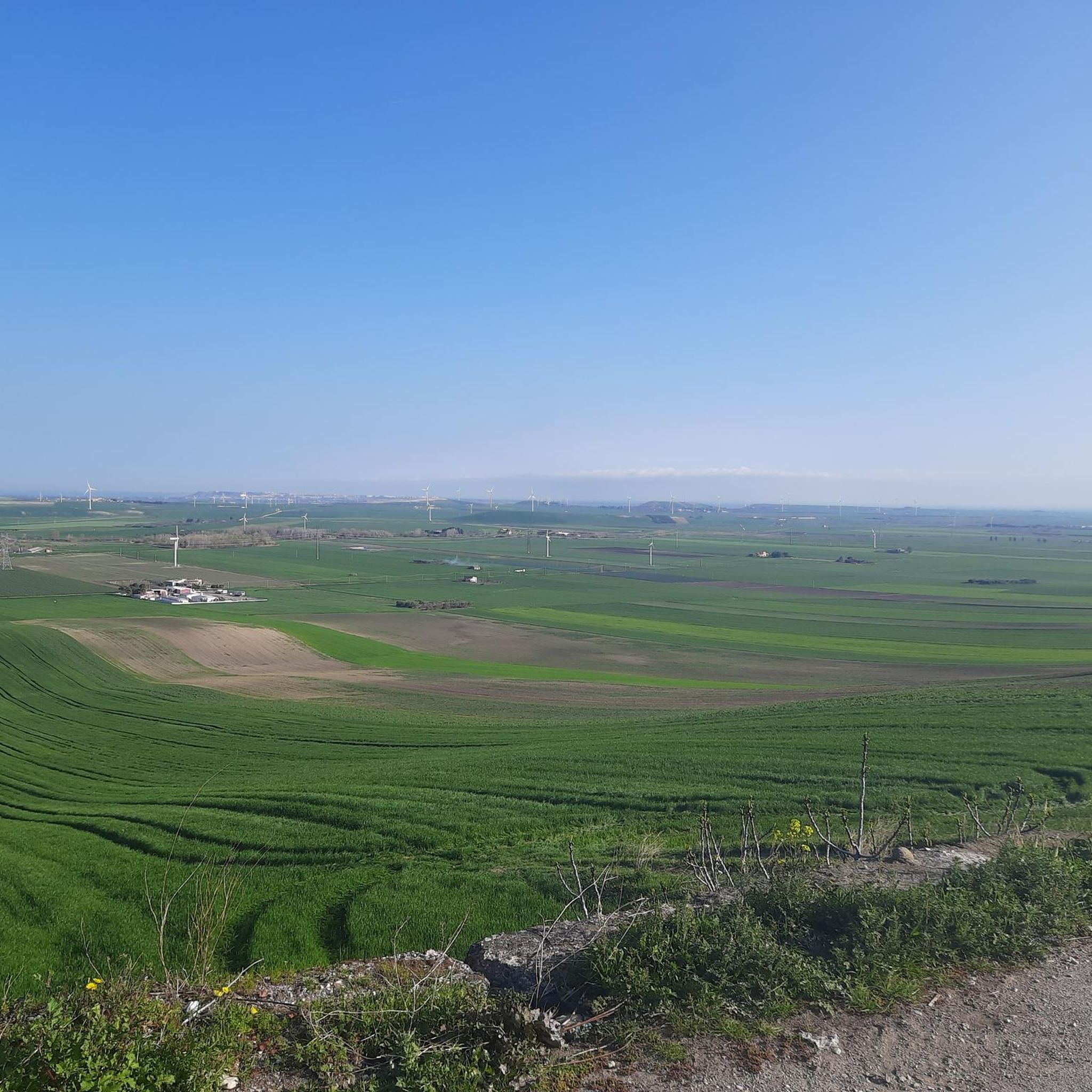
The castle of Lucera is a 13th century Swabian-Angevin fortress, built by Frederick II and enlarged by Charles I of Anjou. It is located on the top of Colle Albano from which it dominates the Tavoliere delle Puglie. It was the residence of the emperor and the Saracens who had moved from Sicily, today it is a national monument and preserves the ruins of the palace, the mint and the mosque.
1
0

on the top of a hill between San Severo and Castelnuovo della Daunia the remains of a Frederician fortress, where on the day of Santra Lucia in 1250 Federico II of Swabia, taken ill, dictated his last dispositions and died. A place of extraordinary energy, constantly flown over by the flight of birds of prey as if to build a sacred place. It deserves more protection though.
1
0


Restoration and expansion measures are planned for the Swabian-Angevin fortress of Lucera. On the summit of Albano Hill, above which the acropolis of Roman Lucera once stood, Frederick II began construction of his palace at the beginning of the 12th century to control the forced relocation of Saracens from Sicily to Lucera.
9
0
Frequently Asked Questions
What historical sites can I explore within Pietramontecorvino itself?
Within Pietramontecorvino, you can immerse yourself in the ancient core known as Terravecchia, characterized by its narrow alleys, stone houses, and cave dwellings. Other notable sites include the 11th-century Norman Tower (also known as the Byzantine Tower), the adjacent 13th-century Ducal Palace, and the 12th-century Romanesque-Baroque Church of Santa Maria Assunta. Don't miss Port'Alta, the last remaining Gothic arch of the medieval walled city.
Are there other significant historical landmarks near Pietramontecorvino?
Yes, beyond the town, you can visit Castel Fiorentino, an ancient bishop's seat and a Frederician fortress where Frederick II of Swabia died. Another must-see is the Castle of Lucera, a crucial stronghold dominating the surrounding valley, which Frederick II began constructing in the 12th century. Also in Lucera, the Cathedral of Santa Maria Assunta is a significant Gothic-Angevin religious building.
What natural features are prominent around Pietramontecorvino?
Pietramontecorvino is nestled in the Daunia Hills, offering wide views across a rugged landscape with ancient oak forests and olive groves. You can explore natural areas like Bosco Celle and Sant'Onofrio Wood, known for its monumental beech trees and water sources. The area also features unique geological formations like Pila del Ladro and Pila Sant'Onofrio, and numerous visible cave dwellings carved into the rock.
Are there opportunities for hiking or nature walks in the Daunia Hills?
Absolutely. The Daunia Hills provide excellent trails for hiking and nature walks, with routes offering views of ancient oak forests, olive groves, and rural chapels. While specific hiking routes are not detailed in this guide, you can find various running trails in the region by exploring the Running Trails around Pietramontecorvino guide.
What kind of cycling routes are available near Pietramontecorvino?
The region offers diverse cycling opportunities. For mountain biking, you can find routes like 'Lago di Occhito, Celenza Valfortore e Carlantino – giro ad anello' in the MTB Trails around Pietramontecorvino guide. Road cyclists can explore routes such as 'The Dauni Mountains of Faeto and Roseto Valfortore – loop from Lucera' or 'Castel Fiorentino and Castelnuovo della Daunia – loop from Lucera' in the Road Cycling Routes around Pietramontecorvino guide.
Are there any lakes or water bodies for outdoor activities?
Yes, Lago di Occhito is a fascinating artificial lake surrounded by stunning landscapes and diverse flora and fauna. It's an ideal location for outdoor activities such as bird watching and fishing. Be aware that some parts of the lake's perimeter may require permits for access, so it's advisable to check locally.
What are the best viewpoints to experience the landscape?
From the highest points of Pietramontecorvino, you can witness unforgettable sunsets over the surrounding landscape of the Daunia Hills. The Norman Tower also offers sweeping views of the area from its top. Additionally, Lago di Occhito provides scenic viewpoints of the lake and its natural surroundings.
What is the best time of year to visit Pietramontecorvino?
Pietramontecorvino is praised for its authenticity and preserved historic center. The town also hosts traditional festivals, including the 'Festa del Patrono' in July and the 'Montecorvino Wine and Harvest Fest' in autumn. These periods offer a vibrant cultural experience. For outdoor activities like hiking and cycling, spring and autumn generally provide pleasant weather conditions.
Are there family-friendly attractions around Pietramontecorvino?
Many of the historical sites, such as the Cathedral of Santa Maria Assunta in Lucera, are considered family-friendly. Exploring the medieval alleys of Terravecchia in Pietramontecorvino can also be an engaging experience for families. The natural areas like Bosco Celle and Sant'Onofrio Wood offer opportunities for gentle nature walks suitable for all ages.
What makes Pietramontecorvino's historic quarter, Terravecchia, unique?
Terravecchia is the ancient core of Pietramontecorvino and is unique for its remarkably preserved medieval layout. It features narrow, winding alleys, traditional stone houses, and ancient cave dwellings, offering a tangible journey back to the Middle Ages and showcasing how history and mountain life are deeply intertwined in this region.
What do visitors enjoy most about Pietramontecorvino and its surroundings?
Visitors appreciate Pietramontecorvino for its authenticity, its well-preserved historic center, and the striking panoramic views it offers of the Daunia Hills. The blend of medieval charm, rich history, and scenic natural beauty, along with the opportunity to explore ancient castles and natural lakes, makes it a captivating destination. The komoot community has shown its appreciation with over 10 upvotes and 11 photos shared for attractions in the area.
Where can I find more information about the Terravecchia district?
For more detailed information about the historic Terravecchia district and other attractions in the Monti Dauni area, you can visit the official tourism website: visitmontidauni.it.
Most popular attractions around Pietramontecorvino

Get inspired with the komoot mobile app


Explore more
Still not found the Highlight you’re looking for? See guides of the top attractions in other regions:
