Attractions and Places To See around Biccari - Top 20
Best attractions and places to see around Biccari are found in a medieval village located in the Daunian Mountains of Puglia, Italy. This region offers a blend of historical landmarks, natural landscapes, and cultural experiences. Key features include Mount Cornacchia, Puglia's highest peak, and Lake Pescara, a natural lake basin. The area is surrounded by lush woods and features well-preserved historical sites.
Best attractions and places to see around Biccari
- The most popular attractions is Giant Bench with View of…
Last updated: May 10, 2026
Mount Cornacchia
Highlight • Summit
The summit is easily accessible.
Translated by Google •
Tip by

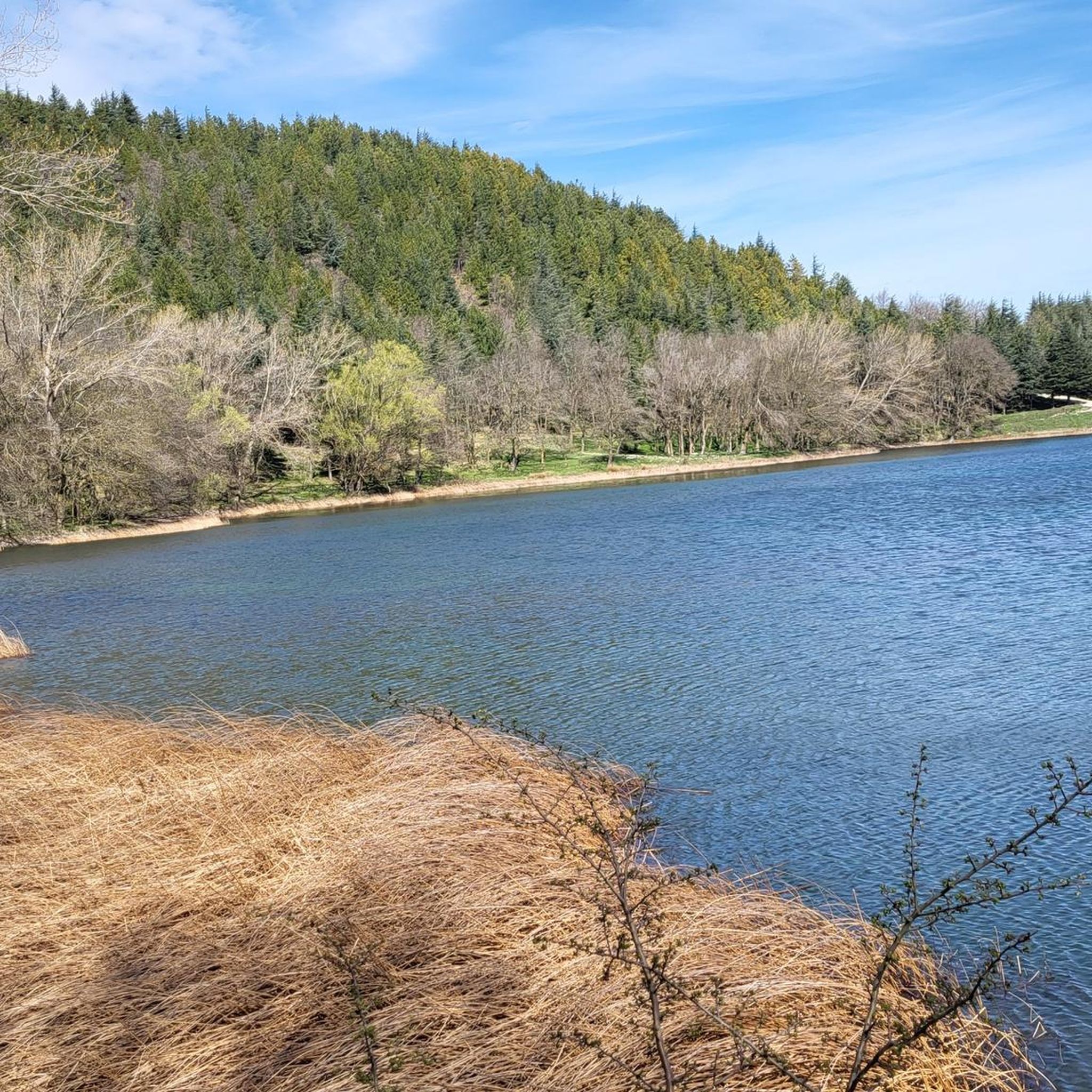
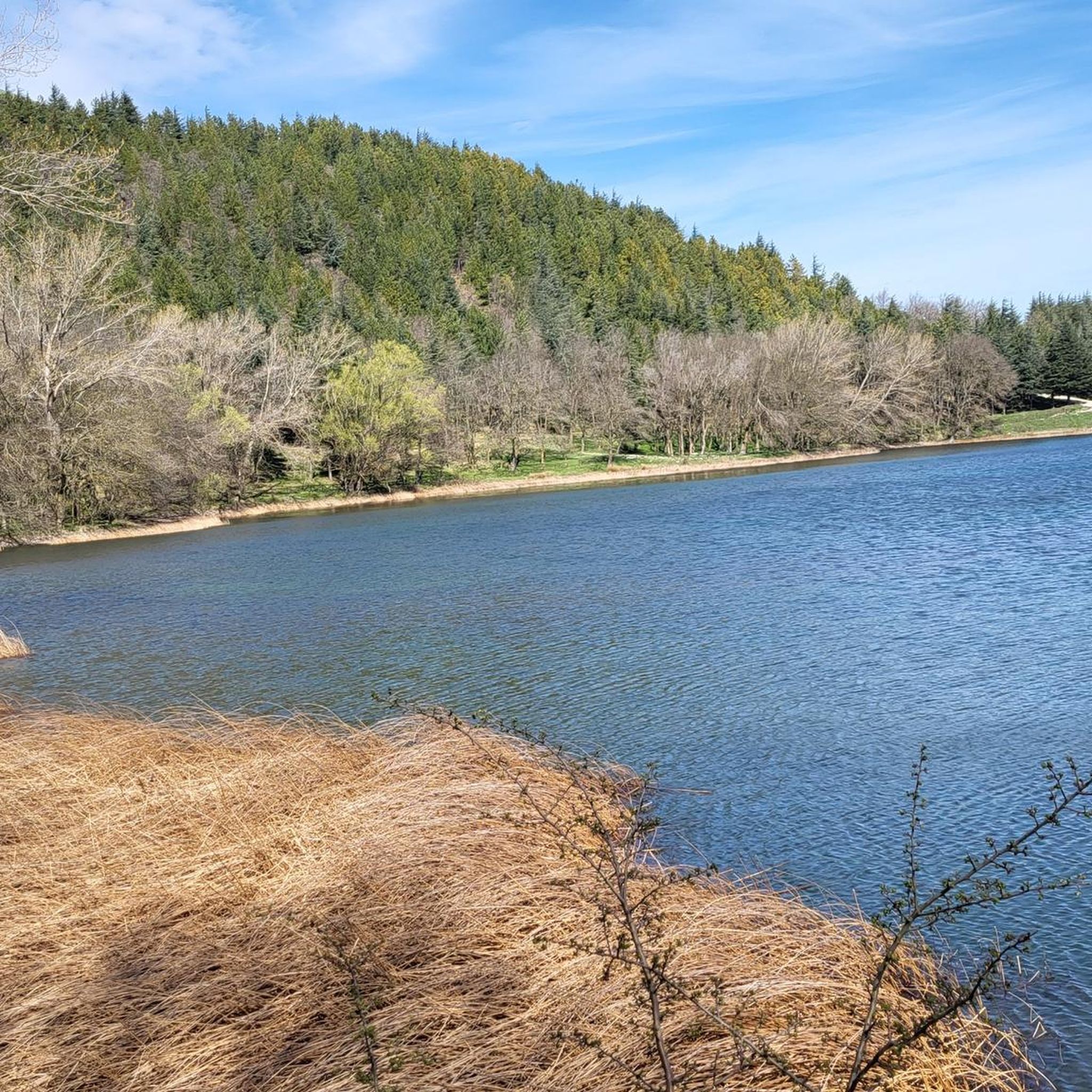
Lago Pescara
Highlight • Lake
Translated by Google •
Tip by

Sign up now to discover places like this
Get recommendations on the best single tracks, peaks, & plenty of other exciting outdoor places.
Sign up for free
Castle of Lucera
Highlight • Castle
Translated by Google •
Tip by

Gazebo with a View of the Daunia Mountains
Highlight • Structure
Translated by Google •
Tip by

Cathedral of Santa Maria Assunta, Lucera
Highlight • Religious Site
Translated by Google •
Tip by
Sign up for free to discover even more attractions around Biccari.
Sign up for free
Already have an account?
Start today with a free account
Your next adventure awaits.
Login or Signup
Tips from the Community


Beautiful view, especially after struggling to reach the place :D
0
0

More than a refuge, it is a bivouac. It deserves to be visited for the satisfaction of reaching the highest peak in Puglia. Always a very windy spot, even in good weather.
0
0

With its 1151 m above sea level, it is the highest mountain in Puglia. At the top is a shelter completely restored in 2020. The summit is easily accessible.
2
0

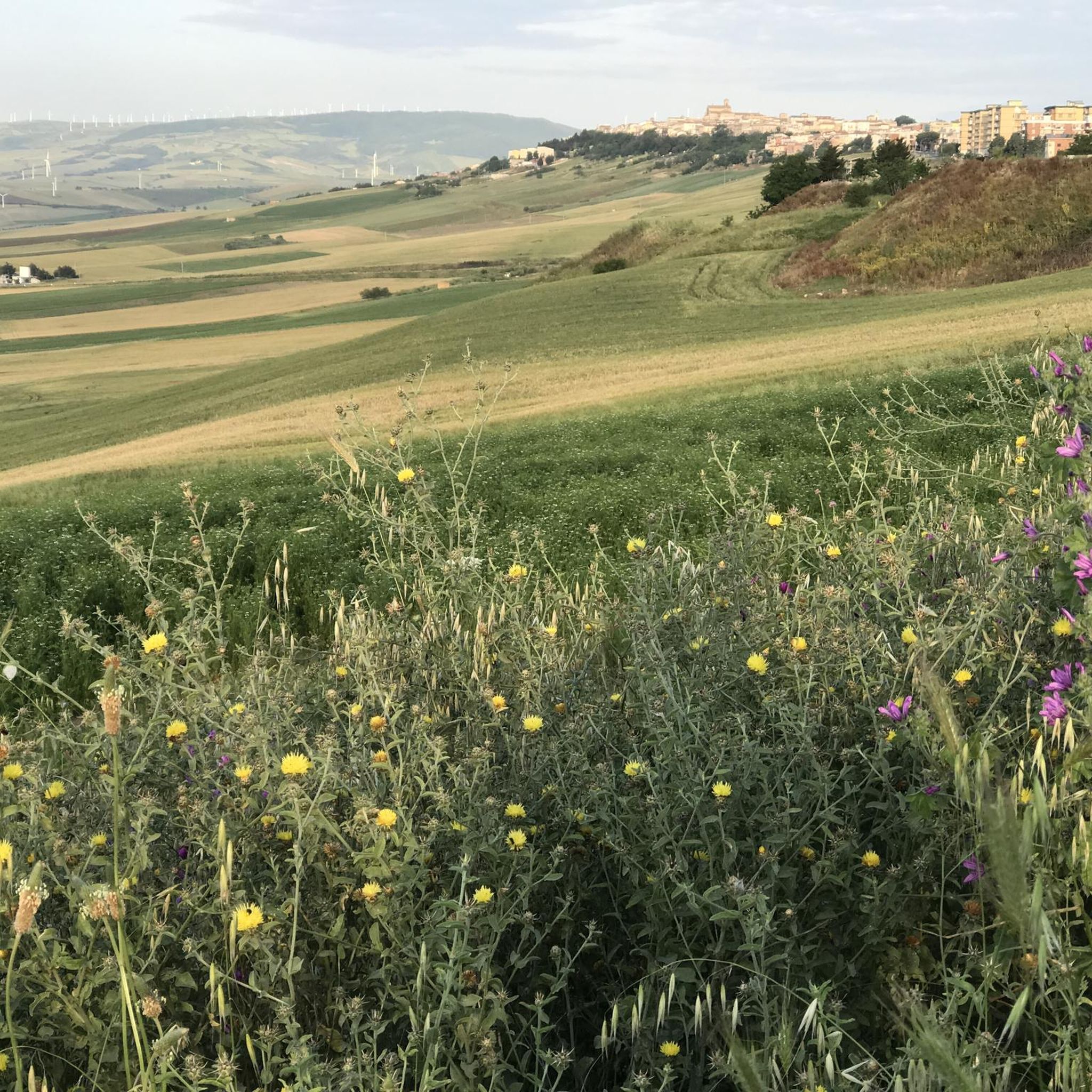
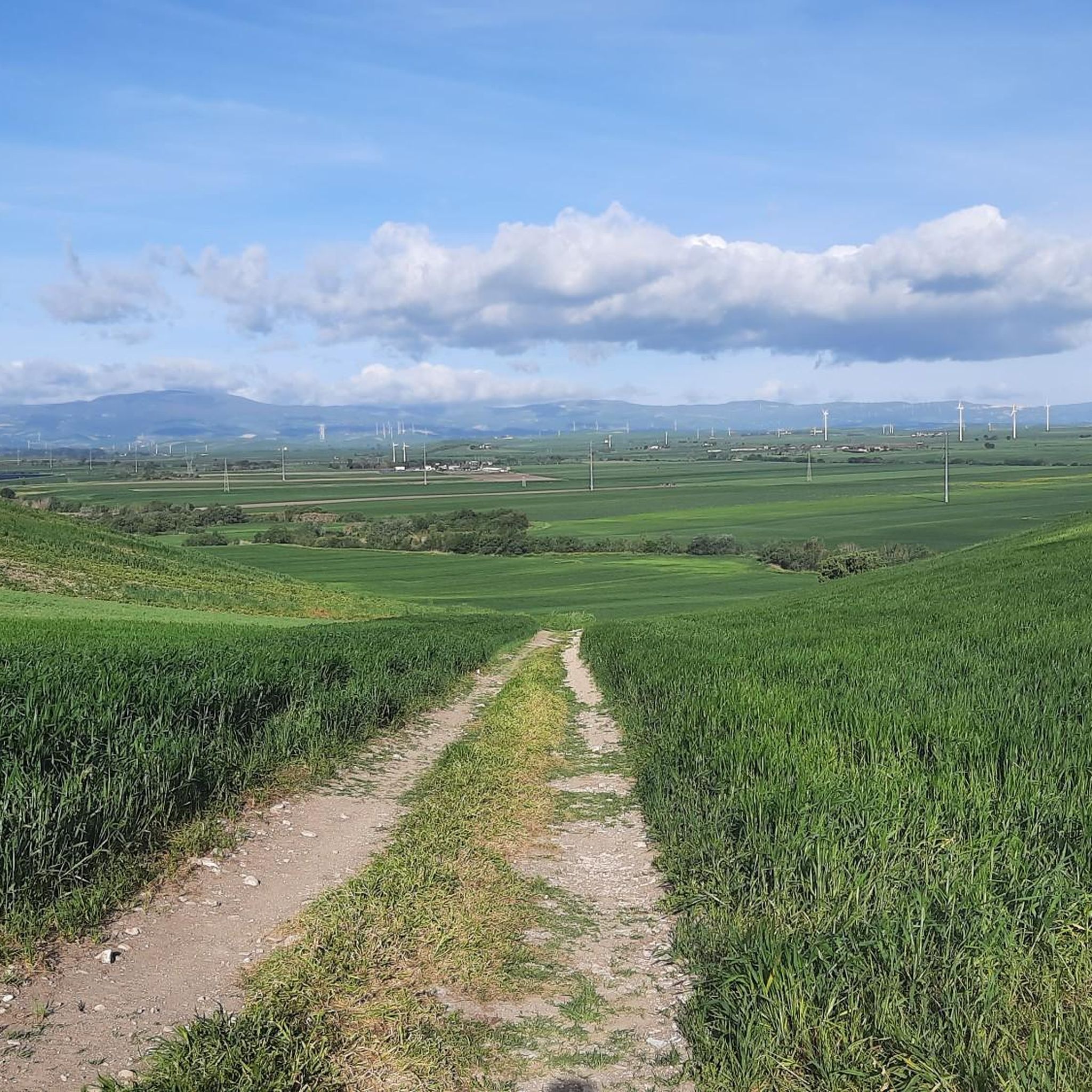
Monte Cornacchia, with its 1151 meters, is the highest mountain in Puglia. From its summit, on which a small forest refuge has been built, you can enjoy a suggestive and spectacular 360° panorama towards Irpinia, the Gargano, the Maiella and the Tavoliere. The summit of the mountain represents the ideal destination for excursions and trekking in search of uncontaminated landscapes and tranquillity. The vegetation of the mountain is characterized by the presence of vast meadows and high altitude pastures, alternating with coniferous and deciduous woods. The most important faunal presence is that of the wolf, index of the high naturalistic value of the whole area. Alongside the wolf, the presence of numerous species of birds of prey should also be noted. Monte Cornacchia can be reached via the beautiful and comfortable Sentiero Frassati di Puglia which connects Biccari, Castelluccio Valmaggiore, Celle di San Vito, Faeto and Roseto Valfortore.
1
0
North-east of Monte Cornacchia, on the slopes of Toppo Pescara, at an altitude of 900 meters above sea level, there is a small natural lake basin called Lago Pescara. The lake extends for about three hectares with a depth which, in the center of the lake, reaches even four meters. Without natural outlets, its waters are fed by sub-lacustrine springs and streams formed after the rainfall and after the snow melted. From the top of its position it dominates the surrounding plain, with its slow decline towards the sea, interrupted on the horizon by the fortified hill of Lucera, in the center of the tableland, and by the promontory of the Gargano which is also easy to see on the clearest days. The term "Pescara" of the lake is improper and derives, perhaps, from a transcription error on toponymic maps, as the locals gave it the name of "Peschiera", attributing to the lake a certain image of goodness for fishing. The climate of the area has a mild summer and a rather harsh winter with abundant snowfalls.
0
0

Restoration and expansion measures are planned for the Swabian-Angevin fortress of Lucera. On the summit of Albano Hill, above which the acropolis of Roman Lucera once stood, Frederick II began construction of his palace at the beginning of the 12th century to control the forced relocation of Saracens from Sicily to Lucera.
9
0
The Cathedral of Lucerina, together with the Cathedral and the Church of S. Domenico in Naples, is an example of the new "Gothic-Angevin" architectural language promoted by Charles II and Robert of Anjou between the end of the century, the XIII and the beginning of the XIV century. The original basilica structure was equipped with a Latin cross, three naves and a crypt. But over time there have been various changes to the cathedral.
16
0
Frequently Asked Questions
What natural features can I explore around Biccari?
Biccari is surrounded by stunning natural landscapes. You can visit Lago Pescara, a beautiful natural lake basin nestled at 900 meters above sea level, perfect for nature lovers. The area is also dominated by Mount Cornacchia, Puglia's highest peak, offering impressive views. Lush woods of Cerro, maple, beech, and oak provide numerous itineraries for exploration.
What historical landmarks can I visit in Biccari?
Biccari's rich history is evident in its well-preserved medieval center. Key landmarks include the mighty 11th-century Byzantine Tower, which now houses the Civic Museum, and the Roman-Gothic Church of San Quirico. You can also explore the 16th-century Palazzo Caracciolo (now Town Hall) and the ancient Porta Troia, one of the oldest surviving city gates.
Are there opportunities for hiking near Biccari's attractions?
Yes, the Biccari area offers excellent hiking opportunities. You can find routes like the 'Monte Cornacchia and Toppo Pescara on the roof of Puglia – ring tour' or explore trails around Lago Pescara. For more detailed routes and information, refer to the Hiking around Biccari guide.
Where can I find the best panoramic views around Biccari?
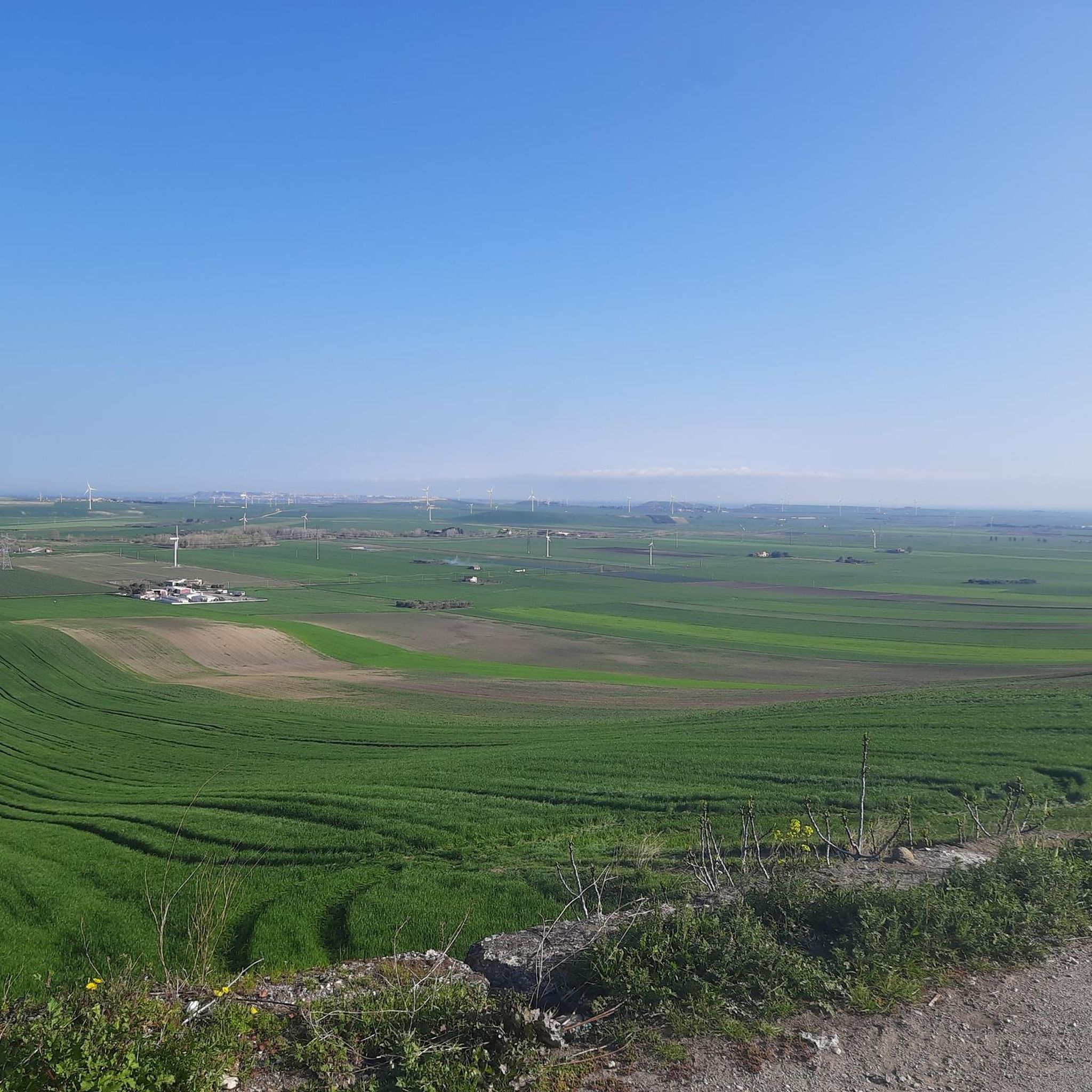
For spectacular views, visit the Giant Bench with View of Tavoliere delle Puglie. Located between Lake Pescara and Guado del Tufo, it offers panoramic vistas of the Tavoliere delle Puglie stretching up to the Gargano. Another spot is the Gazebo with a View of the Daunia Mountains, providing shelter and scenic outlooks along the path.
What cultural experiences does Biccari offer?
Biccari is active in promoting its traditions. You can visit the Civic Museum inside the Byzantine Tower for archaeological findings, or the Ethnographic Museum of Peasant Civilization to learn about local history. The village also hosts traditional events like the celebration of its patron saint, San Donato, and the 'Borgo Vecchio' enogastronomic route with traditional songs and dances.
Are there family-friendly attractions around Biccari?
Absolutely! The Lago Pescara area is family-friendly, offering picnic spots. The Giant Bench with View of Tavoliere delle Puglie is also a great spot for families to enjoy the scenery. Additionally, the region boasts Puglia's largest Adventure Park, providing various activities and a rope course suitable for different ages.
What kind of outdoor activities are available in the Biccari area besides hiking?
Beyond hiking, Biccari offers a range of outdoor activities. You can explore the Adventure Park, enjoy unique stays in a Treehouse Village, or visit the Educational Forest and Frassati Trail. The lush woods surrounding Biccari are also ideal for mountain biking, with routes like the 'Monte Cornacchia and Lago Pescara Loop'. For cycling enthusiasts, there are road cycling routes available as well. Check the MTB Trails around Biccari guide and Road Cycling Routes around Biccari guide for more options.
When is the best time to visit Biccari for outdoor activities?
The climate in Biccari features mild summers, making it ideal for outdoor activities like hiking and exploring natural features. Winters can be harsh with abundant snowfalls, which might appeal to those interested in snowy mountain biking, but generally, spring and autumn offer pleasant temperatures for most outdoor pursuits.
What historical sites are located outside of Biccari village?
Beyond Biccari, you can visit the impressive Castle of Lucera, an imposing Svevo-Angioina Fortress that dominates a nearby promontory. Another significant site is the Cathedral of Santa Maria Assunta in Lucera, a Gothic-Angiolino basilica consecrated in 1302 and declared a National Monument.
Are there any unique accommodation options in the Biccari area?
Yes, Biccari offers unique alternative accommodations, particularly within the forest. You can experience stays in treehouses, 'Atomo' structures, and 'Bubble Rooms', providing a distinctive way to connect with nature.
What local delicacies should I try in Biccari?
When visiting Biccari, be sure to sample local gastronomic delights such as 'pizze a furne apierte' (a type of crushed bread), high-quality extra virgin olive oil, 'U' Mascijuottele' cheese, and black pig sausage. These traditional foods offer a taste of the region's culinary heritage.

Get inspired with the komoot mobile app


Explore more
Still not found the Highlight you’re looking for? See guides of the top attractions in other regions:
