Attractions and Places To See around Acquaviva Delle Fonti - Top 20
Best attractions and places to see around Acquaviva Delle Fonti, a town in Apulia, Italy, is characterized by its abundant underground water springs, which give it its name. This region offers a blend of historical landmarks and natural beauty. Visitors can explore ancient architecture and enjoy outdoor activities within its diverse landscape. The area is also known for its agricultural prosperity and local produce.
Best attractions and places to see around Acquaviva Delle Fonti
- The most popular attractions is Mercadante…
Last updated: October 10, 2026
Mercadante State Forest
Highlight • Forest
In …
Translated by Google •
Tip by

All Saints Church of Cuti
Highlight • Religious Site
Translated by Google •
Tip by

Sign up now to discover places like this
Get recommendations on the best single tracks, peaks, & plenty of other exciting outdoor places.
Clock Tower of Cellamare
Highlight • Monument
Translated by Google •
Tip by
Tower of the Marquis Arcamone
Highlight • Historical Site
Translated by Google •
Tip by
Trullo
Highlight • Historical Site
Translated by Google •
Tip by

Sign up for free to discover even more attractions around Acquaviva Delle Fonti.
Already have an account?
Start today with a free account
Your next adventure awaits.
Popular around Acquaviva Delle Fonti

Other adventures around Acquaviva Delle Fonti

Tips from the Community

Trulli - or trullo when you’re talking about just one dwelling - were initially built to provide temporary field shelters and storehouses. Over time they also became permanent dwellings for agricultural families and labourers of smallholdings. The simple traditional lime whitewash that decorates the trulli’s exterior complements the local geology and pastoral landscapes. To protect against the elements and balance the temperature all year round, the trulli walls are incredibly thick, made up of a double skin filled with rubble. Similarly, the doorways and windows are small. These iconic rural dwellings began appearing as early as the 14th century, and their popularity originated because of a 15th century decree that made urban settlers pay taxes to the crown under feudal rule. If the king’s inspectors came collecting, the villagers could easily demolish these inexpensive buildings into a pile of stones and hide in the forest, and then rebuild them once they’d gone.
0
0
The "Torre del marchese Arcamone" is a fortified two-storey farmhouse whose last phase is certainly from the modern age, which has on the ground floor rooms for stables, warehouses and an oil mill. But what is its history and why is the district called this way? In 1399 the king of Naples, Louis, ceded the barony of Bitetto together with the fief of Ceglie and Bari, for having fought bravely in a war near Taranto, to Marcello Arcamone. Since 1382, during the reign of Charles III, he had come to Puglia with his brother Lionello, who had been given the Lordship of Ceglie. The Arcamone family lived in Bitetto for a long time. In 1407 Pope Martin V transferred Bishop the son of Marcello, Carlo Arcamone, from his seat in Venafro to Bitetto. The farm had many changes of ownership and in 1806, already belonging to the Noja family of Mola, it was confiscated for the abolition of the feudal regime.
0
0

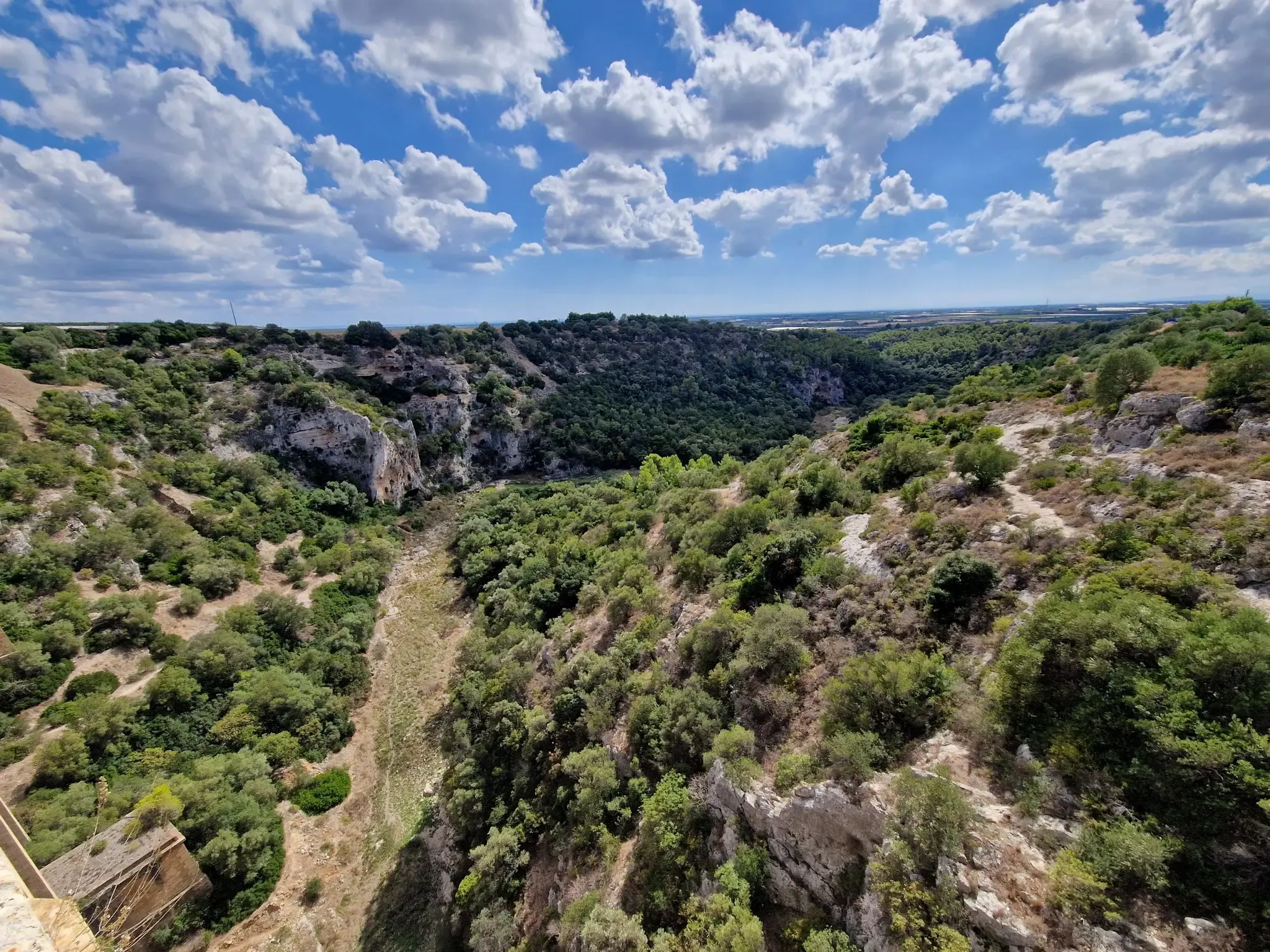
The Mercadante Forest is a protected wooded area that extends for 1,300 hectares between the municipalities of Cassano delle Murge and Altamura. It was born in 1928 from a reforestation project after a flood, and hosts different species of trees, such as oaks, cedars and cypresses. It is the ideal place to cool off among the trees on hot summer days and take a break in one of the areas equipped with picnic tables.
1
0

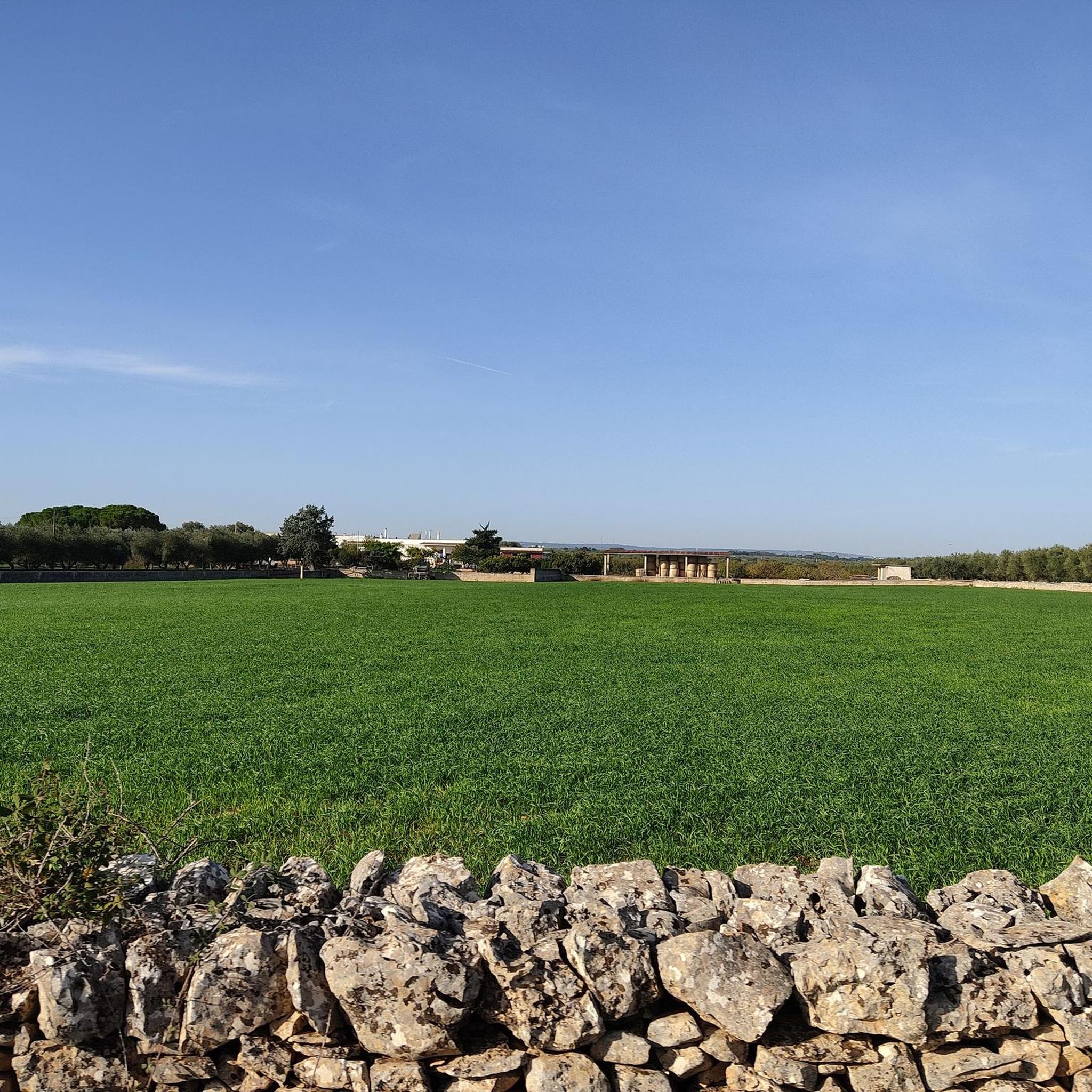
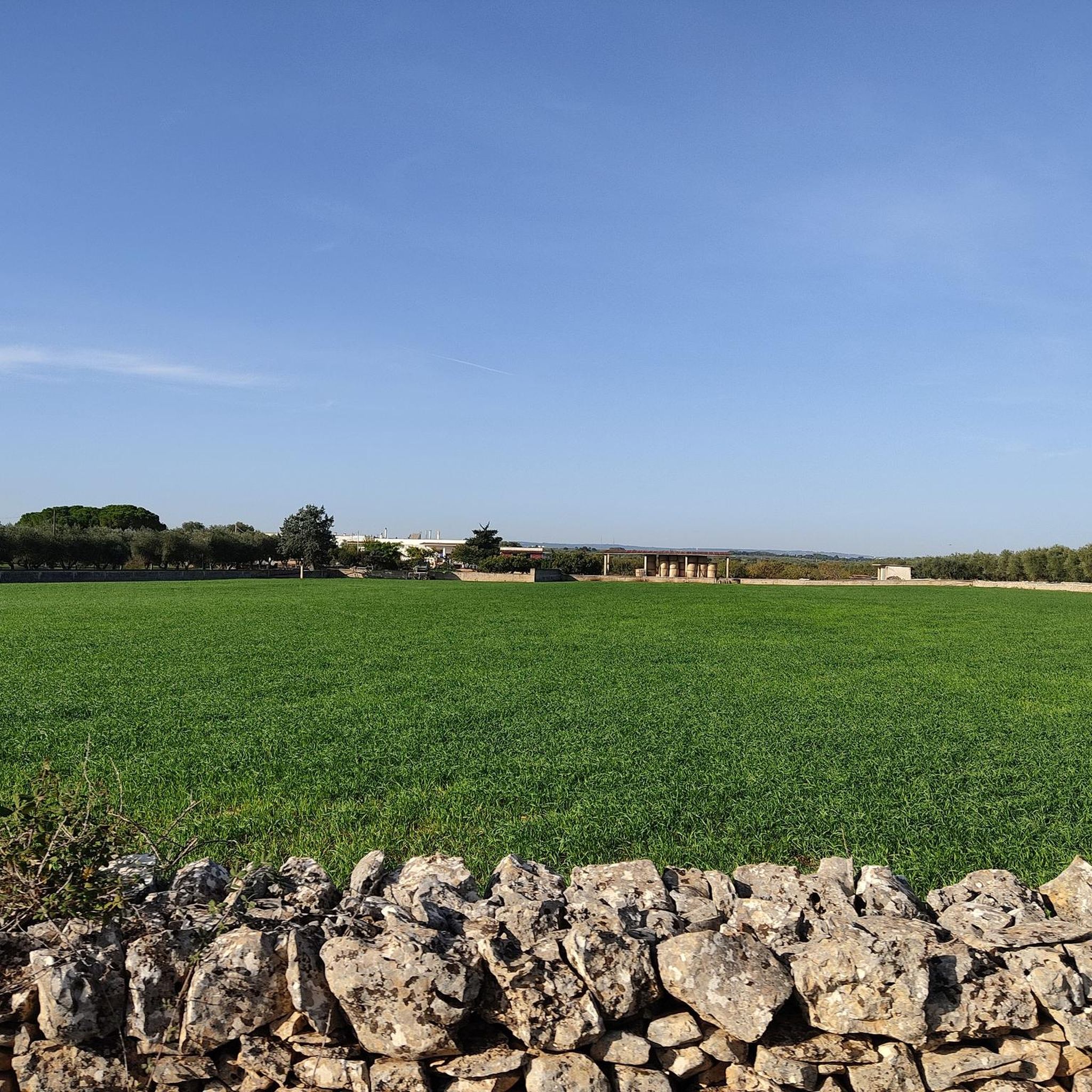
The Trulli are typical Apulian buildings. They represent an extraordinary example of dry stone construction
1
0
The Torre del Marchese is an ancient farmhouse with an ancient history. Even today it represents one of the most important oil mills where the niches with the press for pressing the olives are still visible.
2
0

The square-plan tower rises on four levels, each with different architectural and decorative features. The ground floor is delimited by rounded columns at the corners and on its facade there is a sundial indicating the value of the latitude of the city (40°42'18''). The first floor follows, contained by a pair of pilasters with a small balcony in the center with a broken and curved tympanum with plant decorations.
2
0
The Arcamones lived for a long time in Bitetto. In 1407 Pope Martin V transferred Bishop Carlo Arcamone to Bitetto from the seat of Venafro. Son of Marcello, former lord of Bitetto, Msgr. CARLO was a prelate of great zeal and Christian piety. During his stay in Bittese he obtained from Pope Eugene IV that a community of Franciscans be established here who erected a convent not far from the town, in a place called Gallicella.
2
0
the farm had many changes of ownership and in 1806, already belonging to the Noja di Mola family, it was confiscated for the abolition of the feudal regime.
6
0
Frequently Asked Questions
What historical sites can I explore in Acquaviva Delle Fonti?
Acquaviva Delle Fonti boasts a rich history. You can visit the impressive Cathedral of Sant'Eustachio, a Romanesque cathedral completed in 1594. The Palazzo de Mari, now the town hall, incorporates parts of an old Norman castle and houses the Acquaviva Archaeological Museum (AMA). Don't miss the distinctive Torre dell'Orologio (Clock Tower) and the Church of Santa Maria Maggiore with its stunning frescoes. For a unique historical experience, consider visiting the All Saints Church of Cuti, which is what remains of an 11th-century monastic building.
Where can I experience nature and outdoor activities near Acquaviva Delle Fonti?
The region offers several natural attractions. The town itself is known for its crystal-clear underground water springs. Nearby, you can explore the Alta Murgia National Park, which is home to the Mercadante State Forest. This protected natural area offers an evocative landscape rich in vegetation and trails perfect for hiking and cycling. Another natural gem is the WWF Oasis 'Gioacchino Catone', a shrub area protected by WWF Italy, providing a habitat for various species like the Lesser Kestrel.
Are there any family-friendly attractions in Acquaviva Delle Fonti?
Yes, several attractions are suitable for families. The Mercadante State Forest is a great option for families to enjoy nature, with trails and picnic areas. The All Saints Church of Cuti and the Clock Tower of Cellamare are also considered family-friendly historical sites, offering a glimpse into the local heritage.
What kind of cycling routes are available around Acquaviva Delle Fonti?
Acquaviva Delle Fonti is a great starting point for cyclists. You can find various routes, from easy loops to more challenging rides. For example, there's an 'Acquaviva delle Fonti Loop' for touring bicycles, or more demanding routes like the 'Entrance to Mercadante Forest – Mercadante State Forest loop'. Road cyclists can explore longer distances, such as the 'Trulli of Alberobello loop'. You can find more details and specific routes on the Cycling around Acquaviva Delle Fonti and Road Cycling Routes around Acquaviva Delle Fonti guide pages.
Can I go running or jogging near Acquaviva Delle Fonti?
Absolutely. There are several running trails available for different fitness levels. You can find easy running loops directly from Acquaviva Delle Fonti, or more challenging routes like the 'Curtomartino Cave loop'. For a comprehensive list of options, check out the Running Trails around Acquaviva Delle Fonti guide page.
What are some unique architectural features or 'hidden gems' in the area?
Beyond the main landmarks, you can discover unique architectural elements. The Cassarmonica in the piazza is notable as it's a temple-like bandstand made entirely of stone, unique in southern Italy. You might also encounter traditional Apulian Trulli, which are extraordinary examples of dry stone construction, originally built as temporary shelters. For an unusual historical site, the Missile Field (Campo dei Missili) housed PGM-19 Jupiter missiles during the Cold War.
What is the best time of year to visit Acquaviva Delle Fonti?
The best time to visit Acquaviva Delle Fonti largely depends on your interests. Spring and autumn offer pleasant temperatures for exploring historical sites and outdoor activities. If you're interested in local culture and food, consider visiting in September for the Festa di Sant'Eustachio or the Sagra della Cipolla Rossa, celebrating the town's characteristic red onions. Summer can be warm, but the Mercadante State Forest provides a cooler retreat among the trees.
Are there any local markets or festivals to experience the culture?
Yes, to immerse yourself in the authentic flavors of Apulia, visit the vibrant local market where you can sample fresh produce, artisanal cheeses, and traditional pastries. Acquaviva Delle Fonti is particularly known for its characteristic red onions, which have received the DOP mark, and celebrates this local product with the Sagra della Cipolla Rossa festival. The Festa di Sant'Eustachio in September is another major local festival featuring parades and music.
What is the Historic Town Center like?
The Historic Town Center of Acquaviva Delle Fonti is a charming maze of narrow streets and squares, each with its own story. It offers a captivating glimpse into the town's past and is perfect for leisurely strolls. You'll find architectural details, local shops, and a true sense of the town's heritage as you wander through its ancient alleys.
What is the significance of the town's name, Acquaviva Delle Fonti?
The town's name, 'Acquaviva Delle Fonti,' translates to 'Living Water of the Fountains.' This name directly reflects its defining natural characteristic: the abundant underground water springs that have shaped its history, agricultural prosperity, and even its very identity. These crystal-clear springs are a fundamental part of the local environment.
Can I see any other notable religious architectures besides the main Cathedral?
Beyond the prominent Cathedral of Sant'Eustachio and the Church of Santa Maria Maggiore, Acquaviva Delle Fonti features several other notable religious buildings. These include the churches of Santa Lucia and Santa Chiara, as well as the Chapel of Santo Staso. Each offers its own historical and architectural interest for those keen to explore the town's spiritual heritage.
Most popular routes around Acquaviva Delle Fonti
Most popular attractions around Acquaviva Delle Fonti

Get inspired with the komoot mobile app


Explore more
Still not found the Highlight you’re looking for? See guides of the top attractions in other regions:
