Attractions and Places To See around Palagiano - Top 20
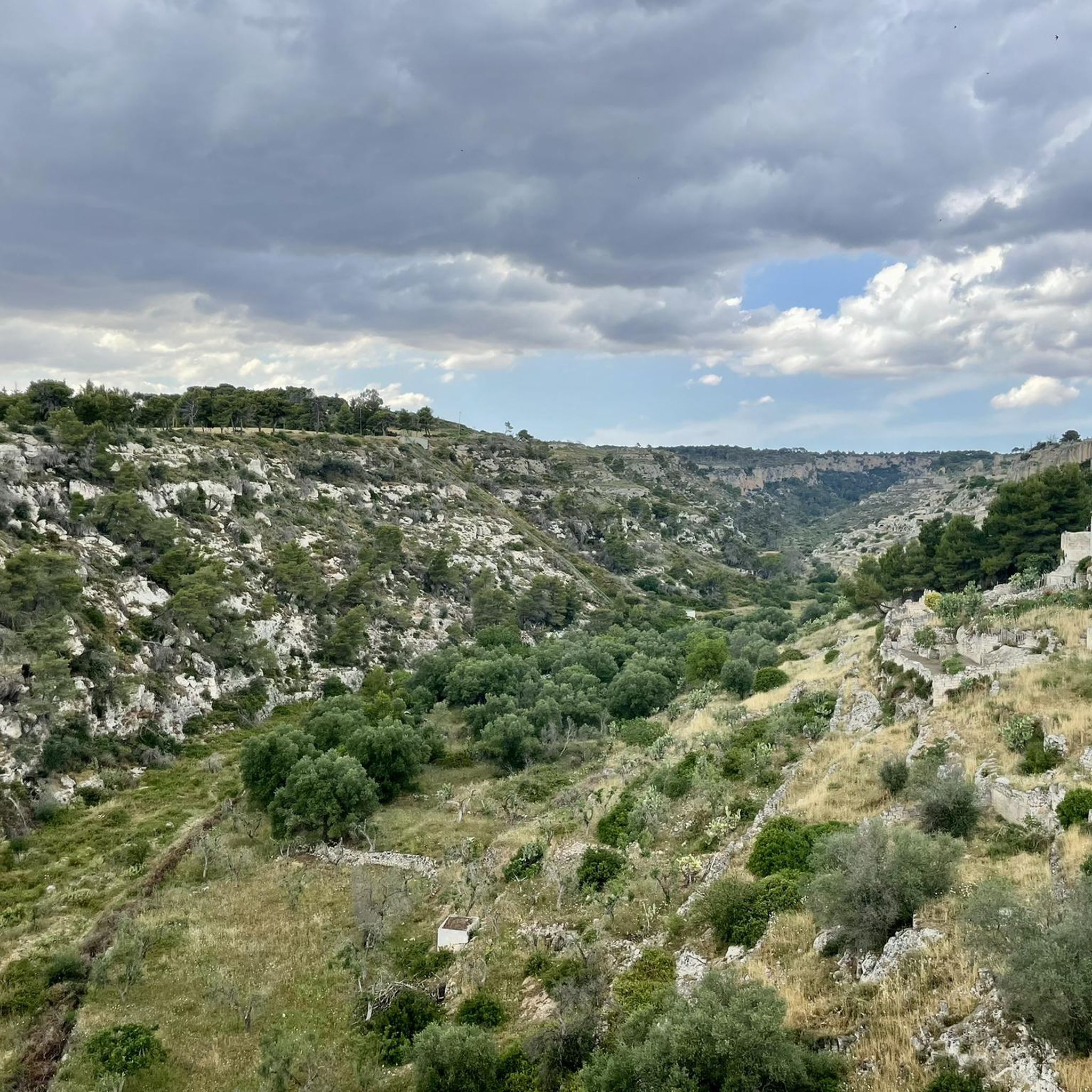
Best attractions and places to see around Palagiano, a town in the province of Taranto, Italy, offers a blend of historical, natural, and cultural attractions. Known for its significant citrus production, Palagiano is surrounded by fertile lands and features a rich history. The region is characterized by unique natural features such as "lame" (shallow erosive furrows) and is part of the Regional Park "Terra delle Gravine," known for its large, karst-origin crevasses. This area provides diverse landscapes, from Mediterranean steppe environments to ancient pine forests along the Ionian coastline.
Best attractions and places to see around Palagiano
- The most popular attractions is WWF Monte Sant'Elia Oasis, a natural monument that is a beautiful hilly area of the eastern Murge overlooking the ravine and the Gulf of Taranto, presenting a typical Mediterranean steppe environment. It is a protected area spanning 93 hectares, where typical Apulian landscapes and structures like trulli can be observed.
- Another must-see spot is Masseria Amastuola, a historical site that is a historic farmhouse on top of a hill entirely planted with vines. This renovated winery and resort offers views of "wave" vineyards and the Gulf of Taranto.
- Visitors also love Massafra Castle, a medieval castle overlooking the Pizzo Ravine and San Marco. Its structure features four towers and has been used for events and houses the municipal library.
- Palagiano is known for its natural features, historical sites, and cultural attractions. Visitors can explore ancient necropolises, Roman-era villas, and the unique "lame" waterways.
- The attractions around Palagiano are appreciated by the komoot community, with 22 upvotes and 31 photos shared.
Last updated: May 10, 2026
Masseria Amastuola
Highlight • Historical Site
Translated by Google •
Tip by

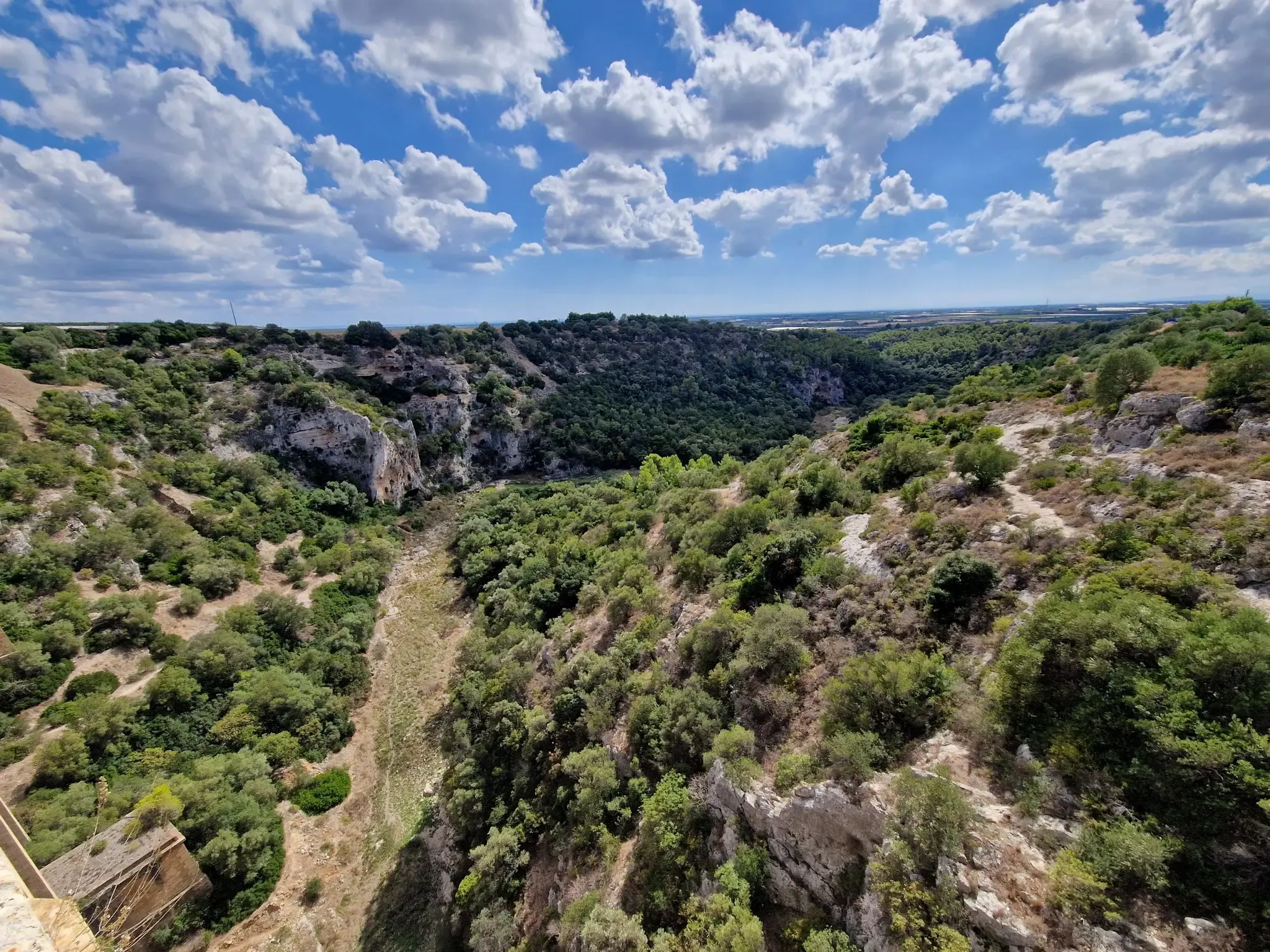
WWF Monte Sant'Elia Oasis
Highlight • Natural Monument
The Oasis is located within a Site of Community Importance (SIC IT9130007) in the Municipality of Massafra ((Ta).
It is also a Protection Zone (SPA IT9130007).
The area, of 93 hectares, WWF protects the typical Apulian landscape where the typical Apulian structures: the trulli can be observed together with the wonders of nature.
Translated by Google •
Tip by

Sign up now to discover places like this
Get recommendations on the best single tracks, peaks, & plenty of other exciting outdoor places.
Sign up for free
Massafra Castle
Highlight • Castle
Discover Puglia by bike on viaggiatorelento.com
Translated by Google •
Tip by

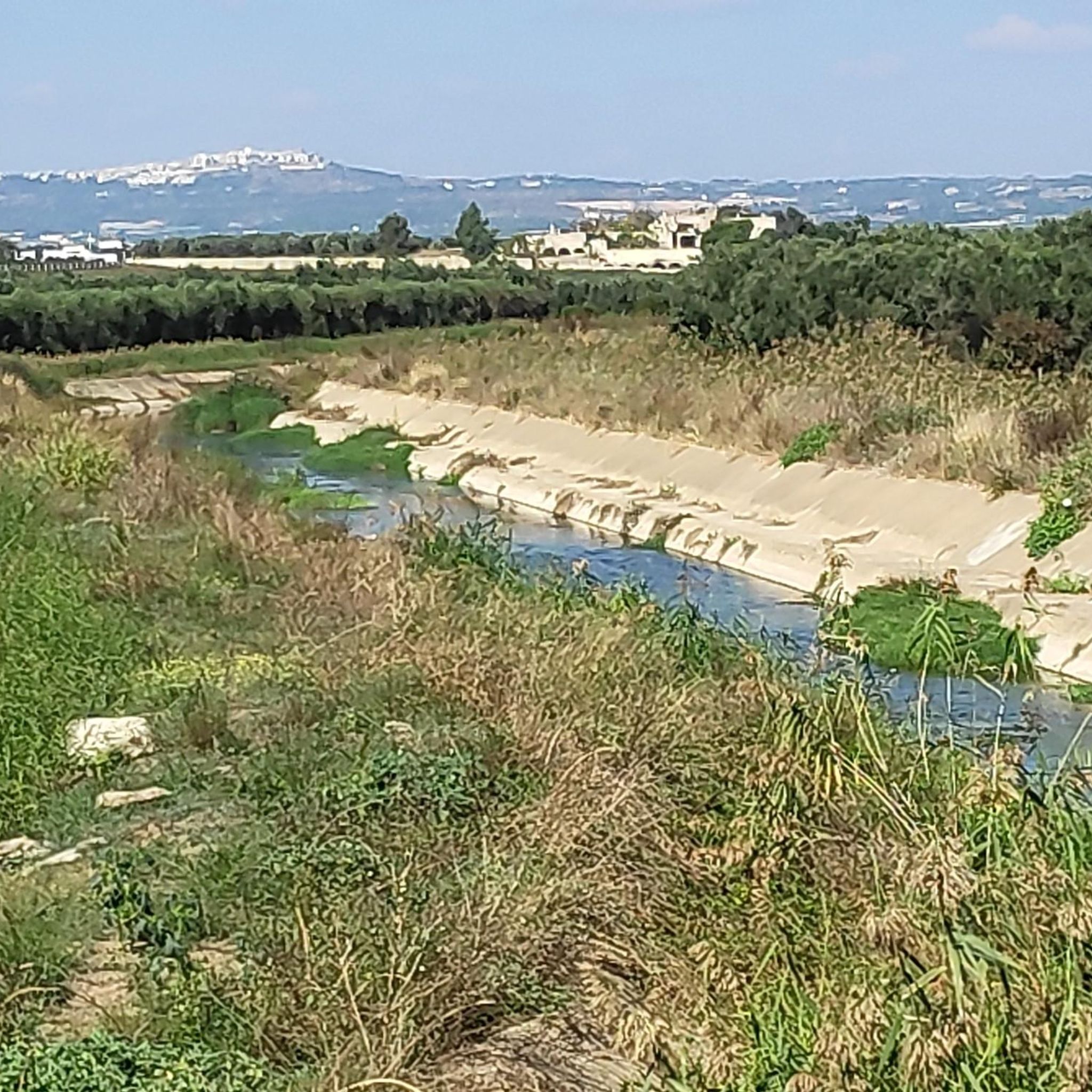
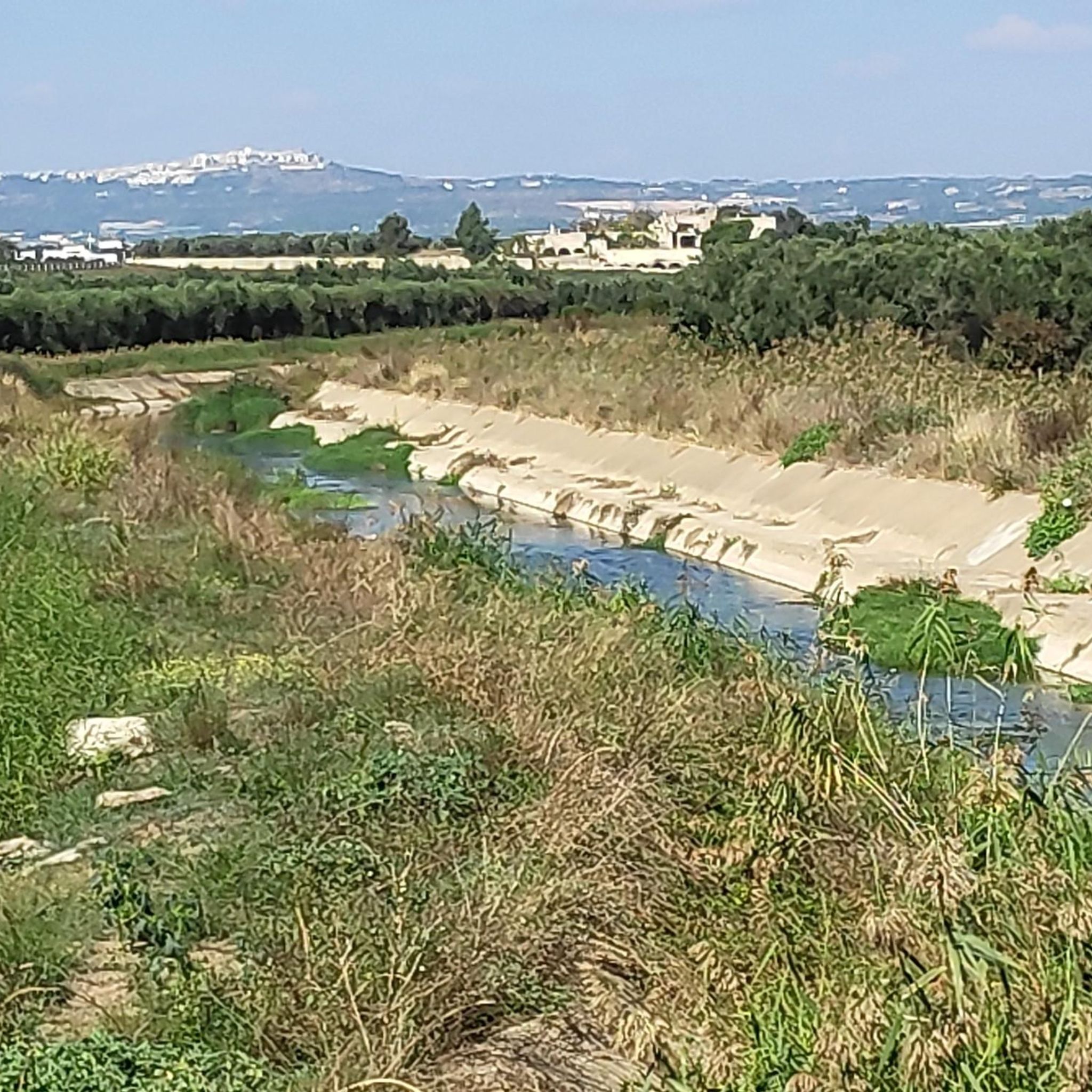
Along the Tara River
Highlight • River
Translated by Google •
Tip by
Rock Church of San Nicola
Highlight • Religious Site
Translated by Google •
Tip by

Sign up for free to discover even more attractions around Palagiano.
Sign up for free
Already have an account?
Start today with a free account
Your next adventure awaits.
Login or Signup

Other adventures around Palagiano

Tips from the Community

Eternal Tara, forgive us if we have not valued your history and your beauty in a land that has seen you, for centuries, found the ancient Taras by those who fled from a useless war in Greek land.
0
0

Splendid farmhouse located on a hill from which you can admire the valley below all the way to the sea
0
0

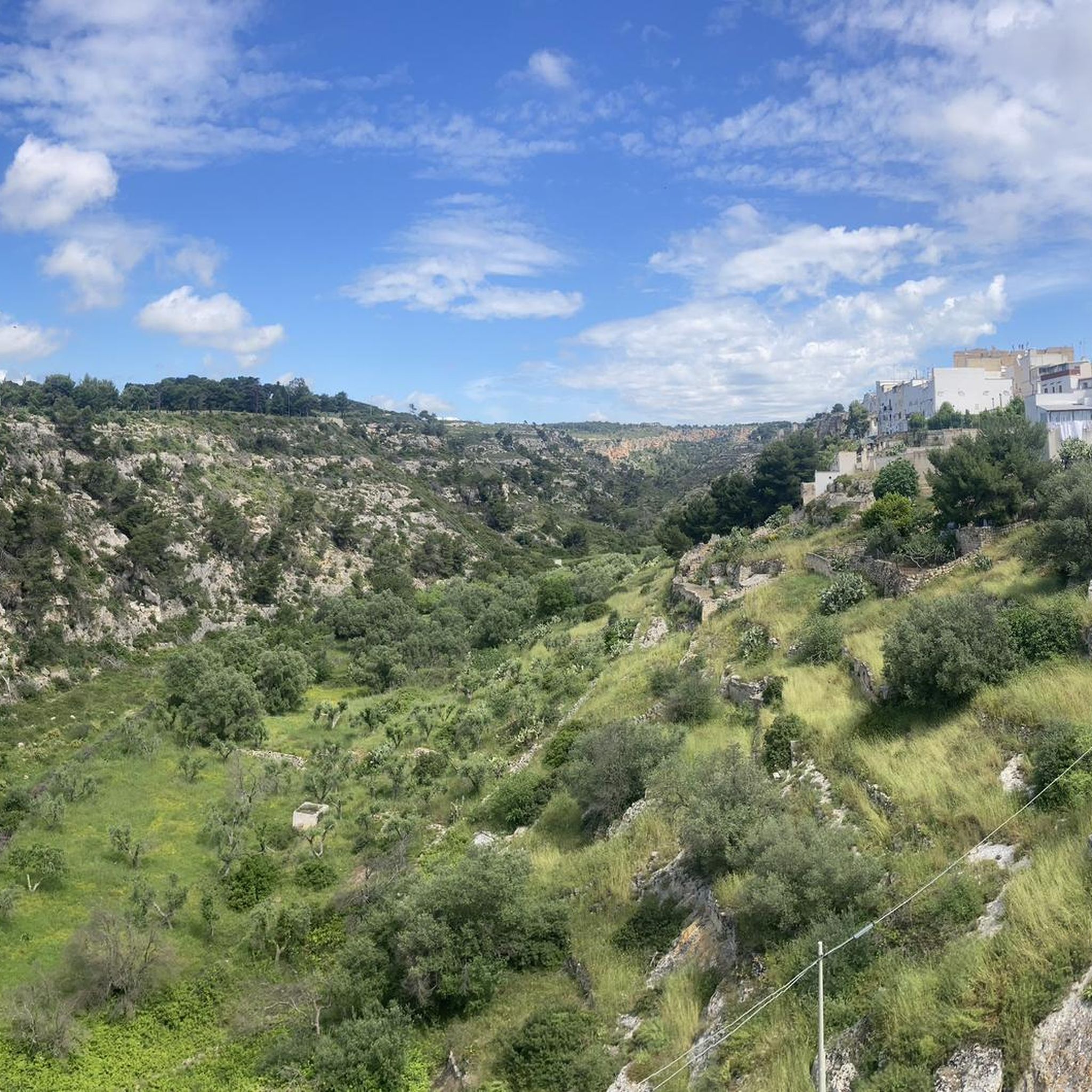
The Castle of Massafra, located in the historic center of Massafra, is a medieval castle overlooking the Pizzo Ravine and San Marco. Its structure and architectural motifs are similar to other castles in Apulia, with four towers arranged in a wishbone and pattern and linked by boundary walls. The oldest towers are circular, while the keep is octagonal in the southeast. The first definite record of the castle dates back to the year 970. With the domination of the Angevins, the castle took on the appearance of a fortress, with crenellated ramparts and towers. It underwent further transformations under the Aragonese, and in the 18th century the Imperial family rebuilt the octagonal tower and the front facing towards the ravine, designed by the architect Mauro Manieri Lecce. The castle was in the possession of many owners before eventually being purchased by the city.
0
0
South-east of Mottola, in the Gorgone area near the Lamaderchia farm, along the ancient Via Consolare which represents a medieval branch of the Via Appia, stands the jewel in the crown of the Mirabili Grotte di Dio Mottolesi, the rock church of San Nicola, so named by Charles Diehl who was the first to describe it in 1894, an object of devotion for centuries of the local inhabitants, as well as of the Crusaders and pilgrims who travelled to Taranto and Brindisi from the inland regions to embark for the Holy Land. The beauty of its frescoes, cleaned for the first time in 1972 and restored in August 1989, after the vandalism of some heads of the wall icons, have led to it being defined as the Sistine Chapel of the rock civilization in Southern Italy. In truth, in this rock church we find ourselves in front of the most complete and astonishing art gallery of the popular sacred art of Puglia, which manages to fully highlight the testimonies of the various theological and artistic influences of oriental and Latin origin, spanning almost four centuries of the Middle Ages. The church is located on the edge of the ravine and can be accessed via stairs carved into the rock and adapted from the recent iron structure prepared by the Superintendency. A double-ringed lunette surmounts the door to the crypt and on it are visible traces of painted decoration of a half-length haloed figure.
0
0

The first certain records of a castle date back to 970. Today the fortress of Massafra is managed by the municipality, which often uses it for events. The municipal library has been set up in some of the rooms inside.
0
0

Beautiful stretch of secondary road inside the farmhouse, always surrounded by centenary olive trees.
0
0

the castle of Massafra with its imposing walls built overlooking the ravine of San Marco. Discover Puglia by bike on www.viaggiatorelento.com
0
0

inside the church there are several frescoes, including the depiction of St. Nicholas who is illuminated at the heart by a ray of light that passes through a hole in the wall, on the day of the equinox
0
0
Frequently Asked Questions
What natural attractions can I explore around Palagiano?
Palagiano is rich in natural beauty. You can visit the WWF Monte Sant'Elia Oasis, a hilly area with a Mediterranean steppe environment overlooking the Gulf of Taranto, where you might even spot traditional trulli. Other notable natural sites include the Riserva Naturale Stornara, known for migratory birds, and Pino di Lenne, a biogenetic reserve with ancient Aleppo pines along the Ionian coastline. The region is also characterized by unique "lame" (shallow erosive furrows) and is part of the Regional Park "Terra delle Gravine," featuring impressive karst ravines like the Gravina di Laterza.
Are there any historical sites or landmarks to visit in Palagiano?
Yes, Palagiano boasts a rich history. Key historical landmarks include the 15th-century Castello di Raimondello, the historic Palazzo Baronale, and Palazzo Sannella. You can also explore the Massafra Castle, a medieval fortress overlooking the Pizzo Ravine. For a glimpse into Roman-era life, visit the Villa Romana Parete Pinto or the Frantoio Ipogeo, an underground olive oil mill.
What cultural sites are there in Palagiano?
Palagiano offers several cultural and religious sites. The 18th-century Chiesa Matrice Maria Santissima Annunziata is the most important Christian structure. Other churches include Chiesa dell'Immacolata and Chiesa di San Nicola. Just outside the main village, you'll find the Santuario Madonna della Stella. Archaeological discoveries like ancient necropolises also provide insight into the region's past.
What outdoor activities can I do near Palagiano's attractions?
The area around Palagiano is perfect for outdoor enthusiasts. You can find numerous routes for various activities. For running, explore trails like the 'Running loop from Chiatona' or 'Bosco di Marziotta loop from Palagiano-Chiatona'. Hikers can enjoy paths such as the 'WWF Monte Sant'Elia Oasis – View of Mottola loop' or 'Hiking loop from Massafra'. Mountain biking is also popular, with routes like 'Sanctuary of Our Lady of Mount Carmel – Rock Church of San Nicola loop'. You can find more details on these activities in the dedicated guides for running, hiking, and MTB around Palagiano.
Are there any family-friendly attractions in the Palagiano area?
Yes, several attractions are suitable for families. The WWF Monte Sant'Elia Oasis offers a chance to observe nature and wildlife in a protected environment. Exploring the Historic Center of Palagiano with its narrow streets and historic buildings can also be an engaging experience. Additionally, the area Along the Tara River is noted as family-friendly, offering pleasant landscape views and opportunities for bird watching.
What is the best time of year to visit Palagiano for outdoor activities?
The region's Mediterranean climate makes spring and autumn ideal for outdoor activities. Temperatures are milder, perfect for hiking, cycling, and exploring natural reserves without the intense summer heat. The Clementine Festival in December offers a unique cultural experience, but for purely outdoor pursuits, spring and early autumn are recommended.
Where can I find scenic viewpoints around Palagiano?
Many attractions in Palagiano offer stunning views. From the WWF Monte Sant'Elia Oasis, you can enjoy panoramic views of the Gulf of Taranto. Masseria Amastuola provides beautiful vistas of its unique "wave" vineyards and the Gulf of Taranto from its rear terrace. The Massafra Castle also offers impressive views overlooking the Pizzo Ravine.
What is the significance of the Tara River in the Palagiano area?
The Tara River is a significant natural feature near Palagiano. Its embankment can be explored, offering interesting landscape views and serving as a habitat for various bird species. The Mouth of the Tara River is a tranquil spot, providing a peaceful natural escape close to the coast.
What is Masseria Amastuola and what makes it special?
Masseria Amastuola is a historic farmhouse situated on a hill, entirely planted with vineyards. It has been beautifully renovated into a winery and resort. What makes it special are its unique "wave" vineyards, designed by landscape architect Fernando Caruncho, and the breathtaking views of the Gulf of Taranto from its premises. It's considered one of the most beautiful farms in the province of Taranto.
What is the Regional Park "Terra delle Gravine" and how does it relate to Palagiano?
Palagiano is part of the Regional Park "Terra delle Gravine," an extensive protected area known for its distinctive "gravine." These are large, karst-origin crevasses in chalky rocks that have been inhabited since prehistoric times. The park showcases unique geological formations and biodiversity, with notable examples like the Gravina di Laterza, often called the "Grand Canyon of Puglia." The rocky church of Santa Maria in Lenne is also located within this park.
What unique local traditions or events can I experience in Palagiano?
Palagiano is famously known as "the town of the Clementine" due to its significant citrus production. Every December, the town celebrates its renowned Clementine production with a dedicated festival. This event honors the typical fruit and its IGP quality mark, offering visitors a taste of local culture and produce.
Are there any ancient archaeological discoveries in the Palagiano region?
Yes, the Palagiano area has a rich archaeological heritage. Discoveries from ancient necropolises in the region include artifacts such as pottery, tombs, and paintings dating back to the 4th-3rd century B.C. These sites, along with Roman-era villas like Villa Romana Parete Pinto and evidence of Roman Ploughman Villas, highlight the long history of human settlement and agricultural activity in the fertile lands of Palagiano.
Most popular routes around Palagiano
Most popular attractions around Palagiano

Get inspired with the komoot mobile app


Explore more
Still not found the Highlight you’re looking for? See guides of the top attractions in other regions:
