Attractions and Places To See around San Giorgio Ionico - Top 20
Best attractions and places to see around San Giorgio Ionico, a town in the northern Salento area of Puglia, Italy, offer a blend of historical charm, cultural sites, and unique natural features. This region provides an authentic glimpse into Southern Italian life. Visitors can explore a variety of landmarks and natural formations, both within the town and in the surrounding Taranto province. The area is characterized by its rich history and distinctive geological formations.
Best attractions and places to see…
Last updated: May 9, 2026
Aragonese Castle of Taranto
Highlight • Castle
Translated by Google •
Tip by

Aragonese Castle, Taranto
Highlight • Castle
Translated by Google •
Tip by

Sign up now to discover places like this
Get recommendations on the best single tracks, peaks, & plenty of other exciting outdoor places.
Sign up for free
Doric Columns of the Temple of Poseidon
Highlight • Historical Site
Translated by Google •
Tip by

Ponte di Pietra (Porta Napoli Bridge)
Highlight • Bridge
Translated by Google •
Tip by
Gravina di Riggio
Highlight • Gorge
Translated by Google •
Tip by
Sign up for free to discover even more attractions around San Giorgio Ionico.
Sign up for free
Already have an account?
Start today with a free account
Your next adventure awaits.
Login or Signup

Tips from the Community

A suggestive panoramic point from which to admire the Aragonese Castle, the navigable canal and the Swing Bridge
0
0

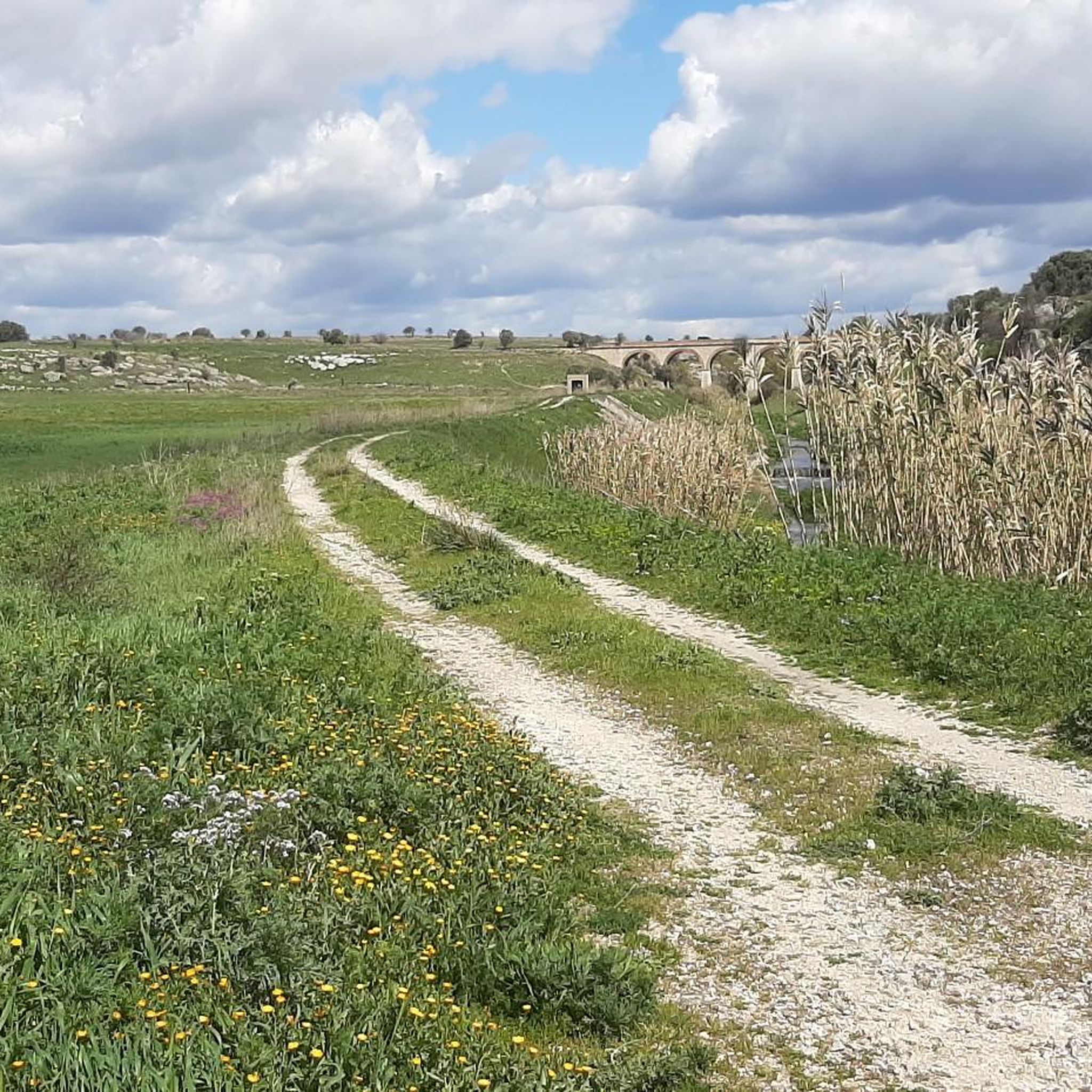
A valley with a small lake, a small natural waterfall—unique in Puglia—and numerous historical sites, from prehistory to the 10th century. A small paradise that many may not know, yet it lies within our territory. We're talking about the Gravina di Riggio, a place of great natural and historical value. A few kilometers from the city, the Gravina di Riggio is a deep valley characterized by a waterfall, a small lake, and a small stream, as well as numerous relics related to the phenomenon of "living in caves." Of particular note is "il Caggione," a circular chasm located near the waterfall. On its sheer walls, a cave village spread across three levels of caves is clearly visible. The remains of a fortification wall, some graffiti, and fragments of pottery date back to the Greek and Roman periods. Finally, the area was heavily inhabited during the Middle Ages, as evidenced by the two frescoed rock churches, the cenobitic hermitage, the pit burials, and a village with communal facilities such as water cisterns and a granary. The Gravina di Riggio rises 4 kilometers from Grottaglie, in the province of Taranto, and is a valley 1,300 meters long and 25 meters deep. In addition to being home to many animal and plant species, it is famous for its caves, some of natural origin, others man-made. The Gravina di Riggio is unique for its waterfall, which after a 15-meter drop feeds a small lake and a stream. The Church-Crypt of the Savior, with frescoes from the 10th and 11th centuries, is also beautiful. A special place not to be missed.
0
0

The origins of the fortress of Taranto date back to Byzantine times. The current appearance of the complex dates back to Ferdinand of Aragon, who had the outdated castle converted into a modern fortress at the end of the 15th century. The fortifications were further reinforced by the Spanish in the 16th century. At the end of the 19th century, the Aragonese Castle passed to the Italian Navy, which still owns the complex today.
14
0

iconic place of taranto, the navigable canal, with the aragonese castle, the swing bridge and the monument to the sailor
1
0
The "Stone Bridge", also called "Porta Napoli Bridge" and today dedicated to Sant'Egidio Maria da Taranto, was built in 1883 after a disastrous flood (on the night between 14 and 15 September of the same year) destroyed the seven-arch bridge built in the 10th century. A.D. by Emperor Nicephorus II Phocas. The ancient Byzantine structure followed a slightly different axis from the current one to better respond to the risk of attack. Under the threat of increasingly frequent military incursions, the bridge, as well as the western access to the city f
1
0
The Temple of Poseidon (or Doric Temple) is a peripteral temple of the Doric order located in today's Piazza Castello in the historic center of Taranto. It appears to be the oldest temple in Magna Graecia and is the only place of Greek worship that can still be visited in the Ancient Village.
0
0

Well-maintained, historic complex. Free admission.
1
0

One of the bridges, the other is the swing bridge that connects old Taranto to the rest of the city.
0
0
Frequently Asked Questions
What historical landmarks can I explore within San Giorgio Ionico itself?
Within San Giorgio Ionico, you can discover several historical and cultural sites. The central Piazza San Giorgio features an elegant mosaic pavement. Nearby, you'll find the 17th-century Palazzo Imperio, along with Palazzo Alberini-De Siati and Palazzo Alberini-Caramia. The 18th-century Chiesa Madre di Santa Maria del Popolo is also a significant religious site, built on the foundations of an older church.
Are there ancient Greek or Roman archaeological sites near San Giorgio Ionico?
Yes, in the nearby city of Taranto, you can visit the Doric Columns of the Temple of Poseidon. These two columns are remnants of the oldest temple in Magna Graecia, dating back to the 6th century BC, and are the only visible Greek place of worship in Taranto's Ancient Village. The Archaeological Museum of Taranto also houses extensive Greek-Roman artifacts.
What unique natural features can I find around San Giorgio Ionico?
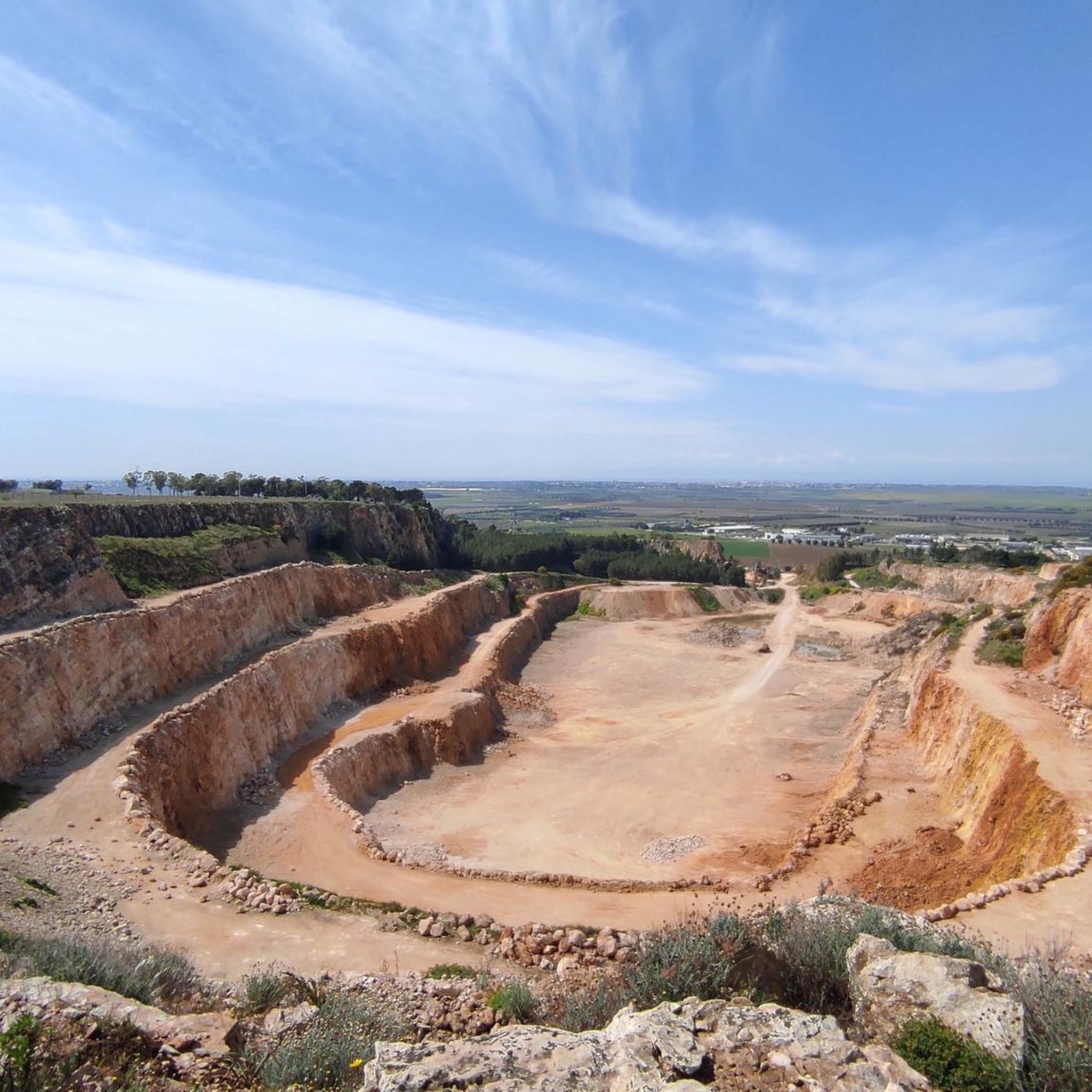
The region offers distinctive natural landscapes. Within San Giorgio Ionico, you can explore 'Le Tagghiate,' unique tuff caves extending for approximately two kilometers along the Belvedere hill, creating a surreal environment. Further afield, the Gravina di Riggio, a deep valley near Grottaglie, features a unique waterfall, a small lake, and numerous natural and man-made caves.
Are there any castles or fortresses to visit in the area?
Absolutely. The impressive Aragonese Castle in Taranto is a must-see. Its origins trace back to Byzantine times, with its current appearance shaped by Ferdinand of Aragon in the late 15th century. Within San Giorgio Ionico, you can also see the early 20th-century Castello d'Ayala Valva, which evokes a medieval ambiance.
What kind of outdoor activities are available near these attractions?
The area around San Giorgio Ionico is excellent for outdoor enthusiasts. You can find various routes for mountain biking, road cycling, and general cycling. For example, there are MTB trails like the 'Gravina di Riggio – Frantella Pine Forest loop' and road cycling routes such as the 'Carosino Castle – Marina di Pulsano loop.' You can explore more options on the MTB Trails around San Giorgio Ionico, Road Cycling Routes around San Giorgio Ionico, and Cycling around San Giorgio Ionico guide pages.
Are there family-friendly attractions around San Giorgio Ionico?
Many attractions in the area are suitable for families. Both the Aragonese Castle in Taranto and the Doric Columns of the Temple of Poseidon are categorized as family-friendly, offering educational and engaging experiences for all ages. Exploring the historic center of San Giorgio Ionico with its palaces and churches can also be an interesting family outing.
What is the best time of year to visit San Giorgio Ionico for sightseeing?
The best time to visit San Giorgio Ionico for sightseeing and outdoor activities is generally during the spring (April to June) and autumn (September to October). During these months, the weather is pleasantly mild, making it ideal for exploring historical sites and natural features without the intense heat of summer. Summer (July and August) can be very hot, though it's popular for coastal activities if you plan to visit nearby beaches.
Are there any hidden gems or less-known spots worth discovering?
For those looking for a unique experience, the Bucito Cave (also known as Coluccio Cave) is a fascinating spot. Located within the Gravine di Grottaglie in the Terra delle Gravine Regional Park, this cave has historical significance as a former communication route and was traditionally used for midnight Christmas Mass. It offers a glimpse into the region's ancient past and local traditions.
What do visitors particularly enjoy about the attractions around San Giorgio Ionico?
Visitors appreciate the blend of historical depth and natural beauty. The Aragonese Castle is often praised for its rich history and impressive architecture, while the Gravina di Riggio captivates with its unique geological formations and serene environment. The area's diverse range of attractions, from ancient temples to unique geological formations, has garnered over 100 photos and more than 60 upvotes from the komoot community, highlighting its appeal.
Can I find viewpoints to enjoy scenic vistas?
Yes, several attractions offer scenic viewpoints. The Aragonese Castle provides views of Taranto. Additionally, the Ponte di Pietra (Porta Napoli Bridge), which connects to Taranto's Old Town, offers suggestive views, especially at dawn over Mar Piccolo and at sunset towards the Gulf of Taranto.
How long should I plan for visiting the main attractions?
To fully appreciate the main attractions, it's recommended to allocate at least 2-3 days. This allows for a day to explore San Giorgio Ionico's historic center and 'Le Tagghiate,' another day for Taranto's historical sites like the Aragonese Castle and Doric Columns, and a third day to venture to natural wonders like Gravina di Riggio or Bucito Cave, possibly combined with an outdoor activity like cycling.
Most popular routes around San Giorgio Ionico
Most popular attractions around San Giorgio Ionico

Get inspired with the komoot mobile app


Explore more
Still not found the Highlight you’re looking for? See guides of the top attractions in other regions:
