Attractions and Places To See around Roggiano Gravina - Top 20
Best attractions and places to see around Roggiano Gravina. This town in the province of Cosenza, Calabria, offers a mix of historical, cultural, and natural attractions. Situated between the Sila and Pollino hills, it features picturesque landscapes and a traditional atmosphere. Visitors can explore ancient Roman sites, religious landmarks, and scenic natural features.
Best attractions and places to see around Roggiano Gravina
- The most popular attractions is Pollino National Park, a natural monument that offers great views of mountainous…
Last updated: May 10, 2026
Lungro
Highlight • Settlement
Translated by Google •
Tip by

A breathtaking view
Highlight (Segment) • Viewpoint
The Calabrian mountains are a real show, I suggest you observe and photograph them.
Translated by Google •
Tip by

Sign up now to discover places like this
Get recommendations on the best single tracks, peaks, & plenty of other exciting outdoor places.
Sign up for free
Pollino National Park
Highlight (Segment) • Natural Monument
Translated by Google •
Tip by

Lake Tarsia
Highlight (Segment) • Lake
Translated by Google •
Tip by
St. John the Baptist Church
Highlight • Religious Site
Translated by Google •
Tip by
Sign up for free to discover even more attractions around Roggiano Gravina.
Sign up for free
Already have an account?
Start today with a free account
Your next adventure awaits.
Login or Signup

Tips from the Community

A rather characteristic and beautiful place that can be visited throughout the year. The dam has beautiful vegetation with various species of birds. Furthermore, traffic from the dam to Cantinella Corigliano is limited, good for bicycles...
0
0

Lungro is the seat of the EPARCHY of the Italian Albanians of Continental Italy; in the cathedral a beautiful example of an Orthodox iconostasis. it.wikipedia.org/wiki/Cattedrale_di_Lungro
0
0

Arrived at the gates of Lungro, instead of going up the ramp on the left with indications for the cycle path in the direction of Acquaformosa, it is better to proceed towards the center of the town and continue on the main road; in this way you avoid that very hard uphill stretch which shortens by very little. Better to preserve strength in view of other asperities.
0
0
Lungro is a town of Arbëreshe tradition, seat of the Byzantine Eparchy which welcomes all the Albanian communities of Italy under its wing.
0
0
The loricate pines of the Pollino National Park are resilient and long-lived plants; among all, Italus stands out which with its 1235 years in 2023 is the oldest tree in Europe.
0
0
Along the slopes of the Orsomarso towards the villages of the Arbëreshe ethnic group, San Basile, Saracena, Firmo, Lungro, Acquaformosa: a magnificent journey between nature and culture, landscape and history.
0
1

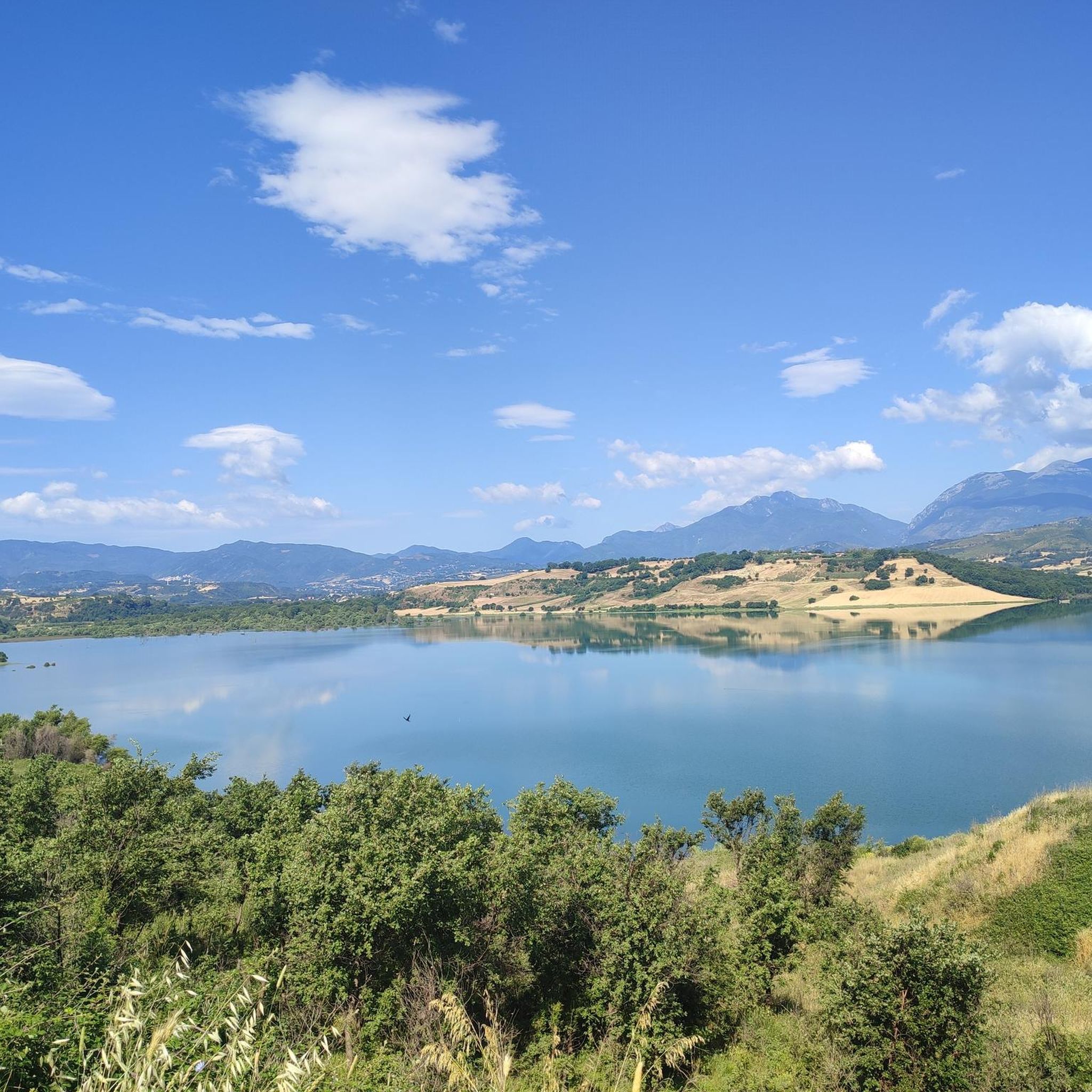
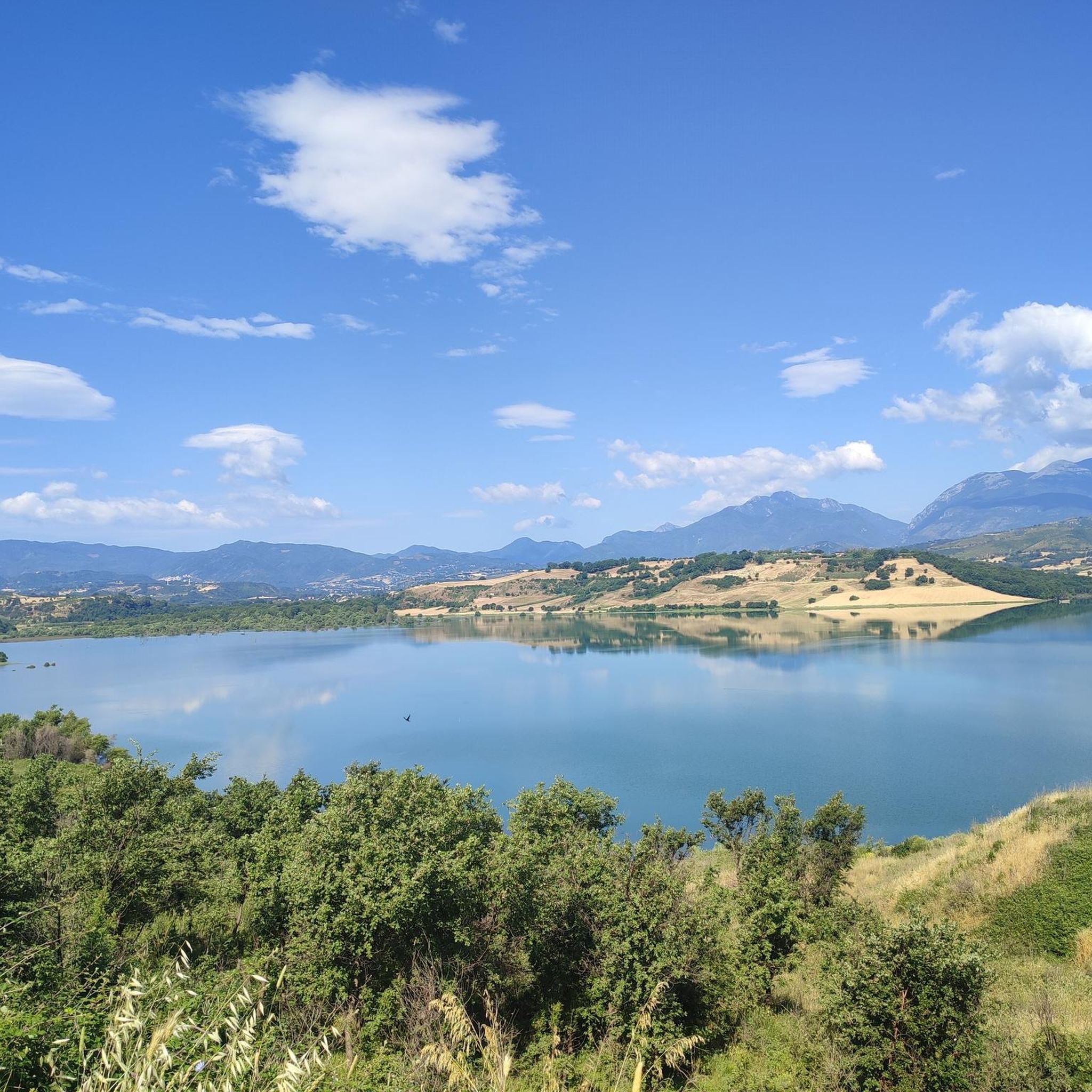
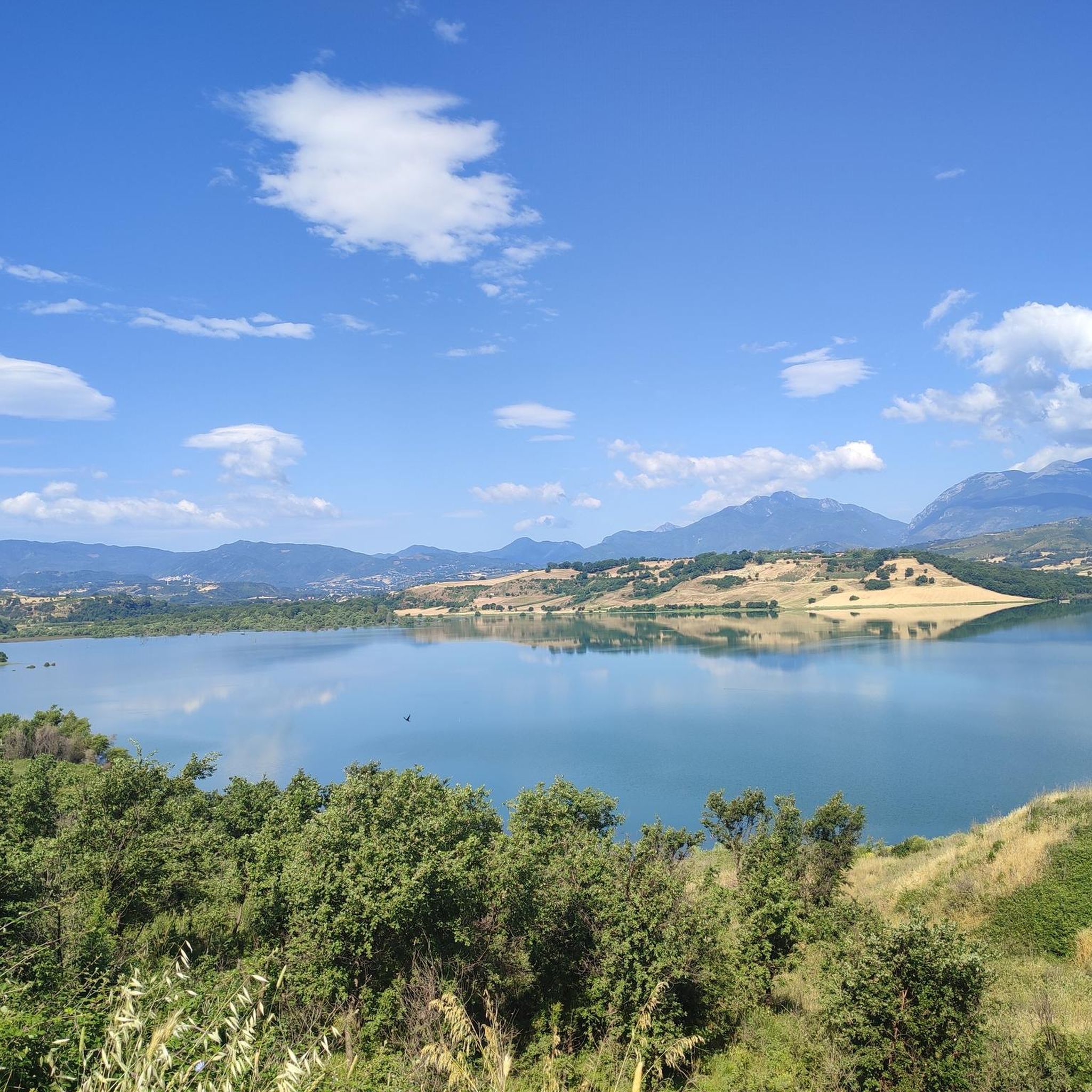
Lake Tarsia is an artificial lake in the municipal area of Tarsia and Santa Sofia d'Epiro. It was created in 1959 with the damming of the Crati river for irrigation purposes, and is surrounded by a nature reserve which is home to various species of flora and fauna.
2
0
San Giovanni Battista is the main church of Acquaformosa, built in the early 16th century by the Albanians who settled in the area. It was later remodeled in the Romanesque-Baroque style, and the three-nave interior features splendid Byzantine mosaics and icons, including Christ Pantocrator in the central dome.
3
0
Frequently Asked Questions
What historical sites can I explore in Roggiano Gravina?
Roggiano Gravina offers several historical landmarks. You can visit the fascinating Lungro, a municipality with a rich Arbëreshë heritage, preserving Greek-Byzantine language and customs. Another significant site is the Villa Termale Romana (Roman Thermal Villa) of Larderia, one of the most important Roman residential complexes in Calabria, featuring well-preserved mosaics and an ancient heating system. Don't miss exploring the historic center, known as Scorci del Borgo, to appreciate its medieval remnants and characteristic 16th-century chimney, Il Fumaiolo a Torre.
Are there any notable religious buildings in Roggiano Gravina?
Yes, Roggiano Gravina is home to several important religious sites. The Santuario della Madonna della Strada, located just outside the town, features a wooden ceiling and a 16th-century fresco. In the town center, you'll find the Chiesa di Sant'Antonio da Padova, which houses numerous statues, and the Chiesa di San Pietro Apostolo in the main square, known for its mosaics. Additionally, the St. John the Baptist Church in nearby Acquaformosa is a significant Orthodox church with splendid Byzantine mosaics.
What natural attractions are there around Roggiano Gravina?
The region around Roggiano Gravina boasts beautiful natural landscapes. You can explore the Pollino National Park, offering great views of mountainous terrain and unique flora, including some of Europe's oldest trees. The artificial Lake Tarsia, created by damming the Crati river, is surrounded by a nature reserve rich in flora and fauna. Closer to town, Lago dell'Esaro (Lake Esaro) provides a scenic body of water, and the entire Valle dell'Esaro offers picturesque views.
Where can I find panoramic views of the Calabrian mountains?
For breathtaking panoramic views, head to A breathtaking view. This spot offers magnificent vistas of the surrounding Calabrian mountains and the road you've traveled or are about to face. It's an ideal location for observing and photographing the stunning landscape.
Are there family-friendly attractions in the area?
Yes, several attractions around Roggiano Gravina are suitable for families. The nature reserve surrounding Lake Tarsia is a great spot for a family outing, offering opportunities to observe various species of flora and fauna. Exploring the historic center of Roggiano Gravina can also be an engaging activity for families interested in history and local culture.
What outdoor activities can I do near Roggiano Gravina?
The area around Roggiano Gravina is excellent for outdoor enthusiasts. You can find numerous routes for road cycling, mountain biking, and hiking. For detailed routes, check out the Road Cycling Routes around Roggiano Gravina, MTB Trails around Roggiano Gravina, and Hiking around Roggiano Gravina guides. These guides feature routes like the 'Terranova di Sibari and Lago di Tarsia from San Marco Argentano' for road cycling or 'The lakes of Fagnano Castello' for hiking.
Are there hiking trails available near Roggiano Gravina?
Absolutely! There are several hiking opportunities in the vicinity. You can explore trails like 'The lakes of Fagnano Castello – ring tour' or embark on a more challenging hike 'From San Sosti to the Sanctuary of Madonna del Pettoruto – Pollino National Park'. For a comprehensive list of trails and their details, refer to the Hiking around Roggiano Gravina guide.
What is the significance of Lungro in the region?
Lungro is a significant center for the Arbëreshë community, an ethnic Albanian minority in Italy. It's known for preserving its unique Greek-Byzantine language, customs, and religious rites. It also serves as the seat of the Byzantine Eparchy, which oversees all Albanian communities in Italy, making it a culturally rich and historically important town to visit.
What can I expect when visiting the historic center of Roggiano Gravina?
Exploring the historic center, or Scorci del Borgo, allows you to step back in time. While the medieval urban plan has been altered by 18th-century renovations, you can still find remnants of medieval fortifications, including wall sections and towers. Look out for the distinctive 16th-century chimney, Il Fumaiolo a Torre, in the 'Vineddhra della Cannuccia' area, which adds to the town's unique character.
What agricultural products is the Esaro Valley known for?
The Esaro Valley, where Roggiano Gravina is situated, has a strong agricultural vocation. It is particularly known for its local cultivars, including the 'peperone roggianese' (Roggianese pepper) and the 'ulivo roggianella' (Roggianella olive). These products reflect the rich agricultural heritage of the region.
Are there any monuments dedicated to historical figures in Roggiano Gravina?
Yes, Roggiano Gravina honors its past with monuments dedicated to important historical figures associated with the town. You can find monuments commemorating Ferdinando Balsamo and Gianvincenzo Gravina, offering a glimpse into the town's historical connections and notable personalities.
Most popular attractions around Roggiano Gravina

Get inspired with the komoot mobile app


Explore more
Still not found the Highlight you’re looking for? See guides of the top attractions in other regions:
