Attractions and Places To See around Rossano - Top 18
Best attractions and places to see around Rossano include a blend of historical sites, cultural landmarks, and natural features. Rossano, known as the "Byzantine City" of Calabria, is situated on hills overlooking the Ionian Sea. The area offers a rich tapestry of ancient history, with its historic center and proximity to the Sila mountains and diverse coastline. Visitors can explore both urban heritage and natural landscapes.
Best attractions and places to see around Rossano
- The most popular attractions is Mirto-Crosia Seafront and Beach, a beach known for its Green Flag awarded beaches. It also features historical gems like the Feudal Castle and the Tower of Santa Tecla.
- Another must-see spot is Historic Center of Rossano, a historical site. Visitors can explore the city's heritage, including the Codex Purpureus and the Cathedral of Rossano.
- Visitors also love Abbey of Santa Maria del Patire, an ancient religious complex founded in the 11th century. This abbey is located at an altitude of 600 meters and is surrounded by the woods of the Sila Greca.
- Rossano is known for its historical sites, religious buildings, and beaches. The region offers a variety of attractions to see and explore, from ancient abbeys to coastal areas.
- The attractions around Rossano are appreciated by the komoot community, with 7 upvotes and 5 photos shared by visitors.
Last updated: October 2, 2026
Mirto-Crosia Seafront and Beach
Highlight • Beach
Translated by Google •
Tip by

Historic Center of Rossano
Highlight • Historical Site
Translated by Google •
Tip by
Sign up now to discover places like this
Get recommendations on the best single tracks, peaks, & plenty of other exciting outdoor places.
Abbey of Santa Maria del Patire
Highlight • Religious Site
Translated by Google •
Tip by

Calopezzati Village
Highlight • Settlement
Translated by Google •
Tip by
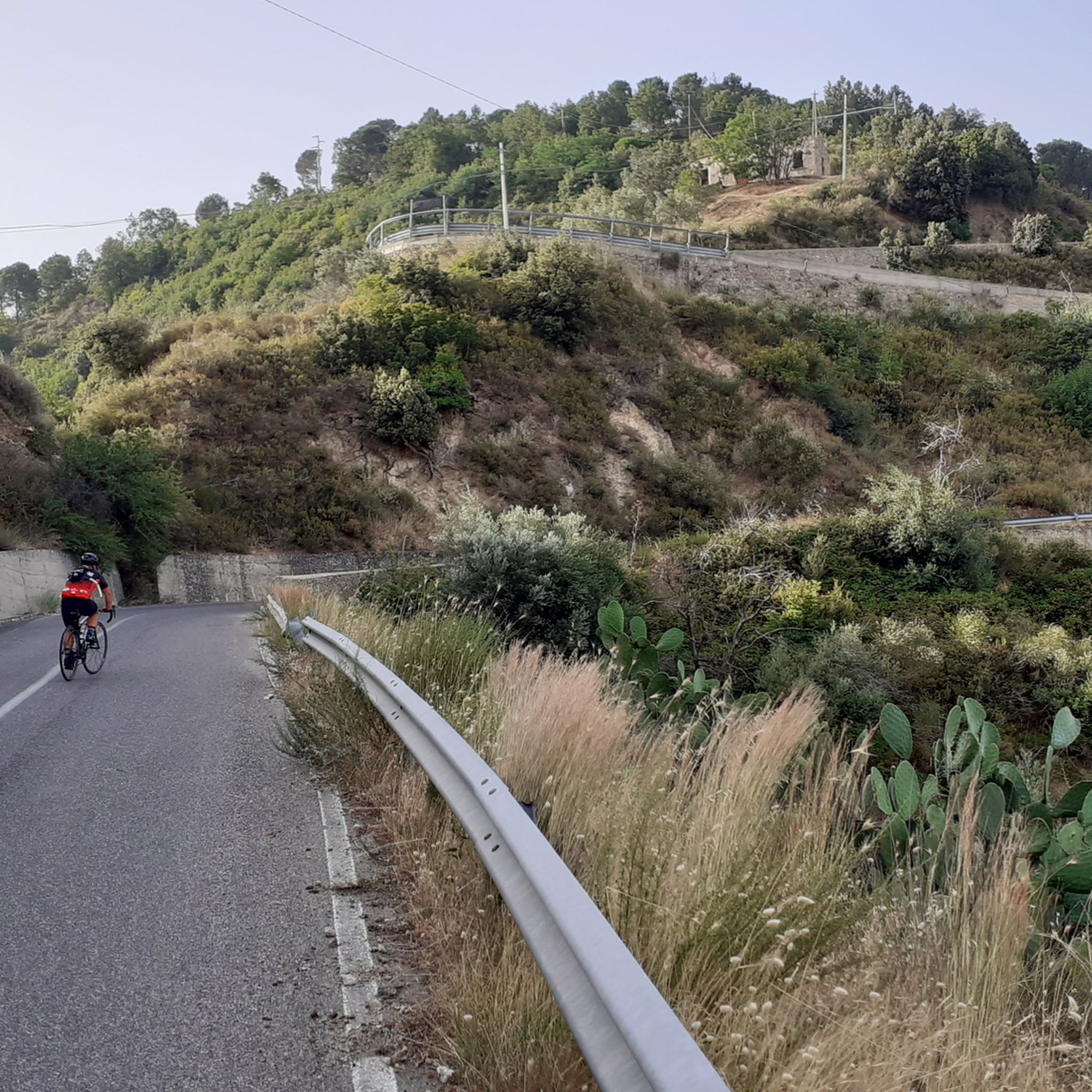
State Road 177 in the Sila
Highlight (Segment) • Cycleway
the road is currently closed from the crossroads of the Cava di Melis up to Longobuccco
due to a landslide just above Longobucco
involving half the carriageway; the other half of the carriageway is occupied by means of work,
but a bicycle passes smoothly.
I punctured because the road is totally covered in pine cones
Translated by Google •
Tip by

Sign up for free to discover even more attractions around Rossano.
Already have an account?
Start today with a free account
Your next adventure awaits.


Tips from the Community

it is one of the excellent viewpoints of the entire Silano territory
0
0

Very beautiful Italian small town, we recommend the Codex Museum and the Cathedral of Rossano with the painting of the Madonna Acheropita
0
0

beautiful panorama beautiful uphill road with little traffic.
0
0

Mirto-Crosia, a charming hamlet of Crosia on the Lower Ionian Cosentino, is famous for its beaches awarded with the Green Flag. Among its historical gems the Feudal Castle and the Tower of Santa Tecla stand out. A place where nature and history blend.
0
0
Calopezzati, a small town in Calabria, extends between the hinterland and Calopezzati Marina on the Ionian Sea. Its name could derive from "beautiful clay vases", the town being once a master in their making, or from the meaning of "leather workers". Among the historical treasures, the Giannone Castle stands out, built in the Norman era, which after centuries of decay was restored in the 1930s.
0
0
Rossano is a city in Calabria, famous for the production of licorice. The Codex Purpureus, an ancient manuscript with religious texts, is kept here. The Abbey of Santa Maria del Patire is an important religious site.
1
0

Is the road passable at the moment?
0
0

Inserted in a wonderful scenery on one side the forest on the other the sea .
0
0
Frequently Asked Questions
What historical and cultural sites can I explore in Rossano?
Rossano, known as the "Byzantine City," offers a rich array of historical and cultural sites. You can wander through the narrow alleys of the Historic Center of Rossano, visit the 11th-century Cathedral of Maria Santissima Achiropita, and explore the ancient Abbey of Santa Maria del Patire, a jewel of Romanesque-Byzantine architecture. Don't miss the 10th-century Oratory of San Marco, one of Italy's best-preserved Byzantine churches.
Where can I find beaches and coastal activities near Rossano?
The modern seaside district of Rossano Scalo provides direct access to the Ionian Sea. You can enjoy beaches like Sant'Angelo or visit Mirto-Crosia Seafront and Beach, known for its Green Flag awarded beaches and historical gems like the Feudal Castle and the Tower of Santa Tecla. The area is characterized by green hills and crystalline waters, offering splendid panoramas.
Are there opportunities for hiking or exploring nature around Rossano?
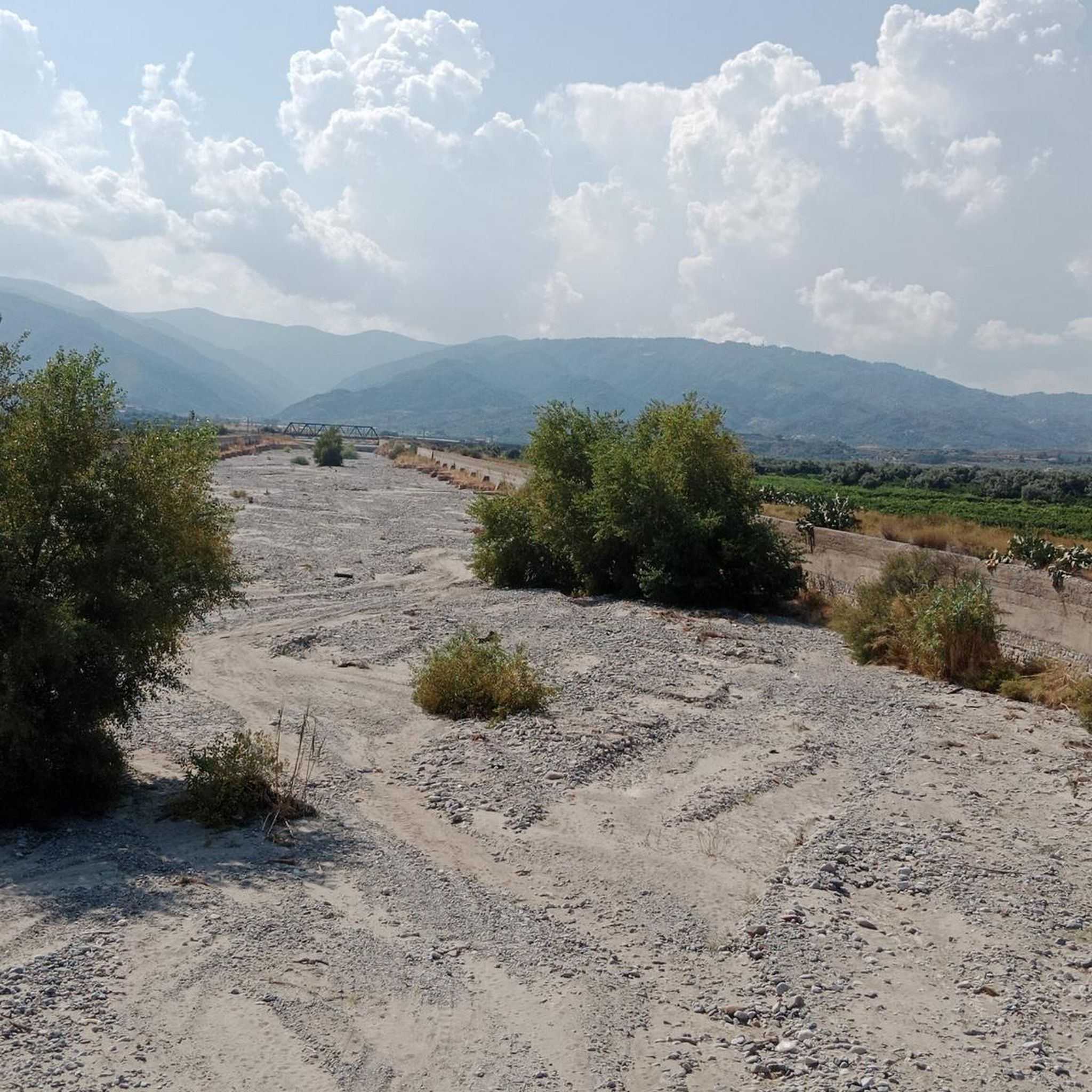
Yes, while Rossano is coastal, a short drive inland takes you to the Sila mountains and the Sila National Park. This vast plateau features ancient pine forests, clear lakes, and diverse wildlife, perfect for hiking. Closer to the city, you can explore the typical dry riverbeds known as Fiumare that carve through the landscape. For specific routes, you can find various cycling routes and MTB trails that pass through natural areas.
What unique museums are there in the Rossano area?
Rossano is home to two particularly unique museums. The Diocesan Museum houses the Codex Purpureus Rossanensis, a 6th-century Greek Gospel book and a UNESCO Memory of the World item. Just outside town, the Amarelli Liquorice Museum celebrates the Amarelli family's centuries-old tradition of producing liquorice, offering a fascinating look at its harvesting and processing.
What is the significance of the Codex Purpureus Rossanensis?
The Codex Purpureus Rossanensis is a profoundly significant 6th-century Greek Gospel book, written on purple parchment. It is one of the oldest illuminated manuscripts globally and a UNESCO Memory of the World item, offering invaluable insights into early Christian art and scholarship. It is housed in the Diocesan Museum in Rossano.
Are there family-friendly attractions around Rossano?
Yes, several attractions are suitable for families. The Mirto-Crosia Seafront and Beach offers a relaxing environment for all ages. The Abbey of Santa Maria del Patire, set within a forest, provides an interesting historical visit in a natural setting. Additionally, exploring the charming Calopezzati Village with its ancient castle can be an engaging experience for families.
What kind of outdoor activities are available near Rossano besides hiking?
Beyond hiking, the Rossano area is excellent for cycling. You can find various routes for different types of cycling, including touring bicycle routes, road cycling routes, and MTB trails. These routes often take you through scenic landscapes, including coastal areas, historic towns, and the foothills of the Sila mountains.
What is the best time to visit Rossano for outdoor activities?
The best time to visit Rossano for outdoor activities generally depends on your preference. Spring (April-May) and early autumn (September-October) offer pleasant temperatures ideal for hiking and cycling in the Sila mountains or exploring the historic center. Summer (June-August) is perfect for enjoying the beaches and coastal activities, though temperatures can be quite warm.
Are there any other notable towns or castles to visit near Rossano?
Yes, a short distance from Rossano, you can visit Corigliano Calabro Historic Town and Ducal Castle, an important cultural center with ancient remains and a significant castle. Another charming option is Calopezzati Village, which features the Giannone Castle, originally built in the Norman era.
What do visitors enjoy most about the attractions around Rossano?
Visitors particularly appreciate the blend of historical depth and natural beauty. The ancient religious sites like the Abbey of Santa Maria del Patire, immersed in green forests, are often highlighted as 'jewels of Romanesque origin.' The Historic Center of Rossano is praised for its 'beautiful panorama' and charming Italian small-town feel, with the Codex Museum and Cathedral being must-sees. The coastal areas like Mirto-Crosia Seafront and Beach are valued for their natural beauty and historical elements.
How long should I allocate to visit the main attractions in Rossano?
To fully appreciate the main attractions in Rossano, such as the Diocesan Museum (housing the Codex Purpureus), the Cathedral, and a stroll through the Historic Center, you should allocate at least a full day. If you plan to include the Amarelli Liquorice Museum, the Abbey of Santa Maria del Patire, or spend time at the beaches, consider extending your visit to two or three days to enjoy the region at a relaxed pace.

Get inspired with the komoot mobile app


Explore more
Still not found the Highlight you’re looking for? See guides of the top attractions in other regions:
