Attractions and Places To See around Montemaggiore Belsito - Top 16
Best attractions and places to see around Montemaggiore Belsito, a town nestled in Sicily's Madonie mountains, offers a blend of historical sites and natural landscapes. The region is characterized by its mountainous terrain, including Mount San Calogero, and is surrounded by nature preserves. Visitors can explore ancient caves, historical churches, and enjoy panoramic views across the northern Sicilian coast.
Best attractions and places to see around Montemaggiore Belsito
- The most popular attractions is View of the northern Sicilian coast from…
Last updated: October 11, 2026
Summit of Monte San Calogero
Highlight • Summit
Translated by Google •
Tip by

View of the northern Sicilian coast from Monte San Calogero
Highlight • Viewpoint
Translated by Google •
Tip by
Sign up now to discover places like this
Get recommendations on the best single tracks, peaks, & plenty of other exciting outdoor places.
Chiesa SS. Annunziata
Highlight • Religious Site
Tip by

Duomo di San Giorgio Martire
Highlight • Religious Site
According to legend , the city's first cathedral was the Church of Sant'Anna e Santa Venera, a …
Tip by
Gurfa Caves
Highlight • Cave
Translated by Google •
Tip by

Sign up for free to discover even more attractions around Montemaggiore Belsito.
Already have an account?
Start today with a free account
Your next adventure awaits.
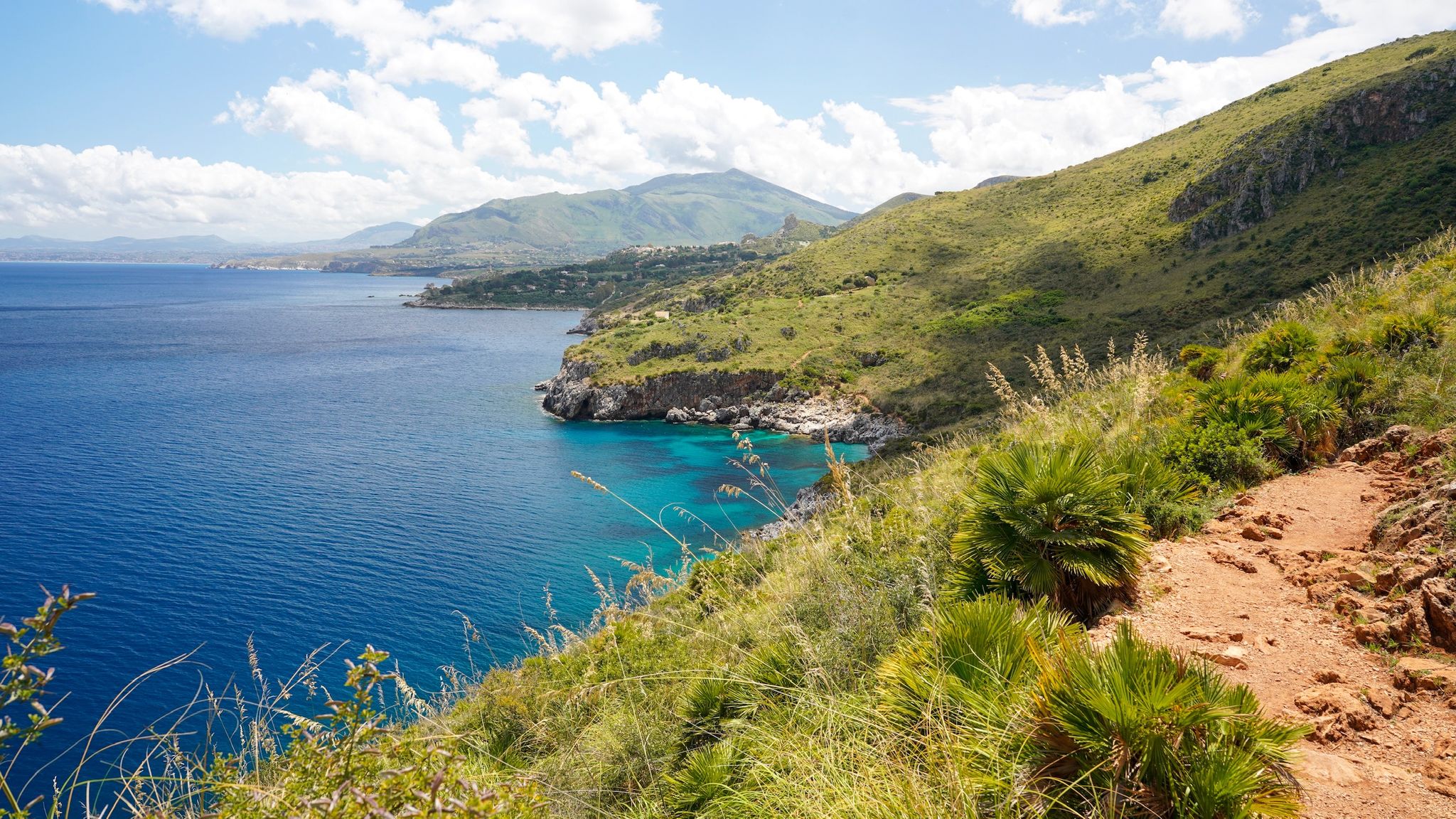
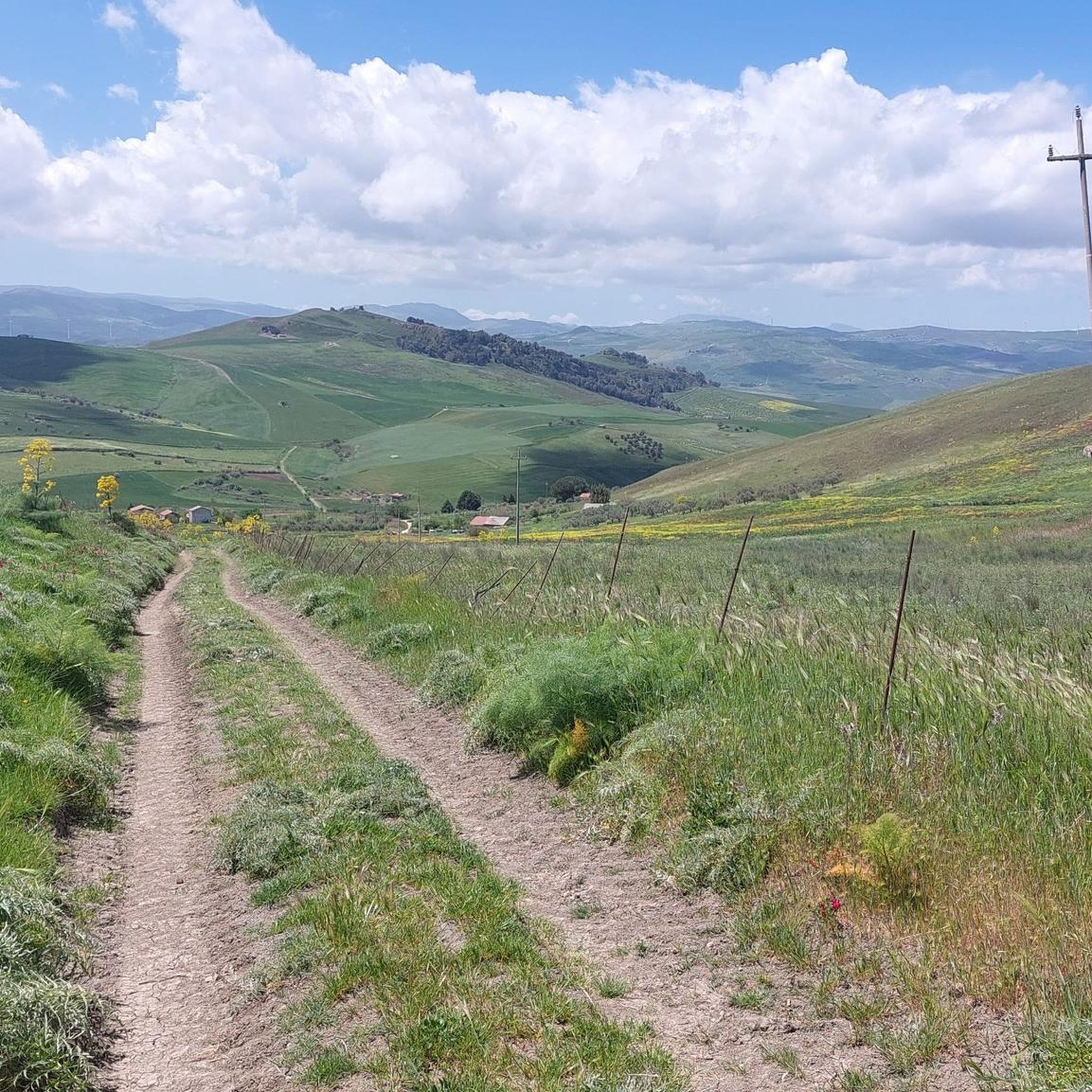
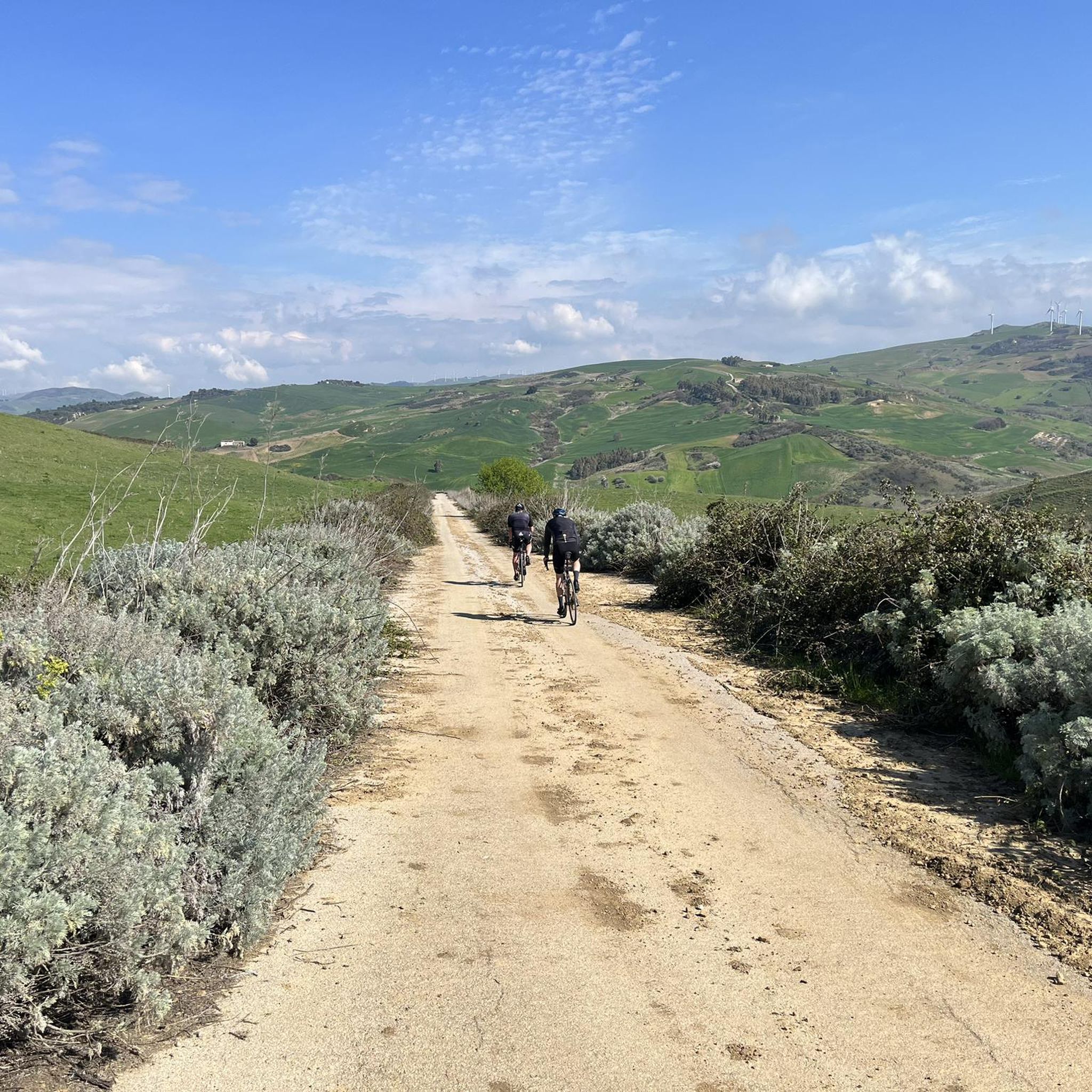
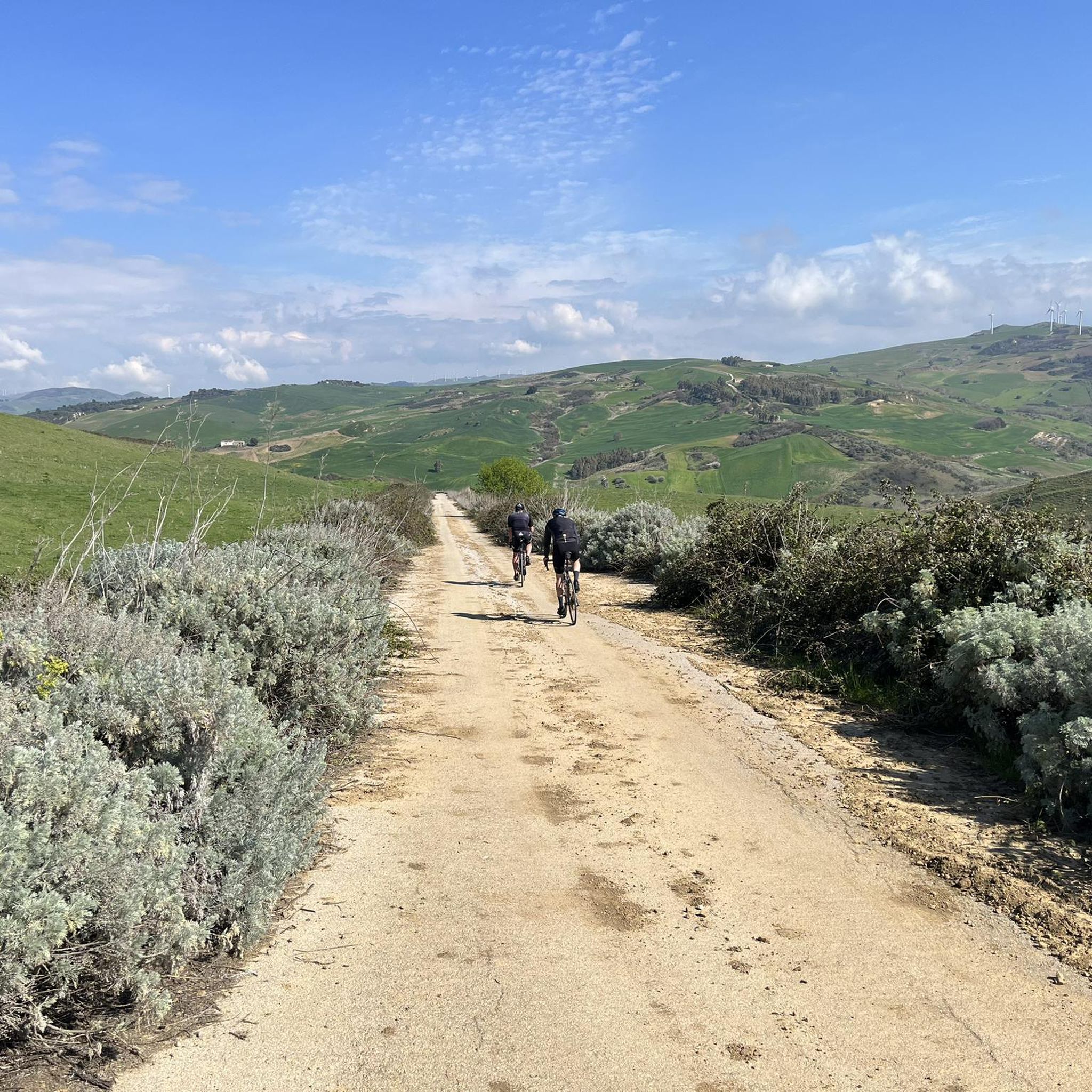
Other adventures around Montemaggiore Belsito

Tips from the Community

Chiesa SS. Annunziata (Church of the Most Holy Annunciation) is a historic Catholic parish church located in Piazza SS. Annunziata, Caccamo (PA), Sicily, Italy. It is one of the major religious monuments in the historic centre of Caccamo and serves as an active parish within the Archdiocese of Palermo. The church’s origins are medieval, likely dating back to between the late 14th and early 15th centuries. It underwent significant expansion in 1643, giving it its current layout with a Latin cross plan and three naves. An octagonal dome was added in 1762, becoming one of the church’s defining architectural features. Throughout history, the church has evolved stylistically, blending medieval foundations with Baroque elements visible in the façade and interior decoration.
0
0
The Cathedral of San Giorgio Martire,called Cathedral of Caccamo, stands in Piazza Duomo. According to legend , the city's first cathedral was the Church of Sant'Anna e Santa Venera, a now-ruined building on the edge of the old quarter of 'Terravecchia', at the foot of the castle. A first mother church was built around 1094 , probably a small court chapel, as evidenced by a plaque in the temple attributed to the Normans. In the years 1477 - 1480, the building was enlarged and enriched with numerous works of art, an expression of the Sicilian Renaissance, thanks to the generosity and rule of the Enriquez - Prades - Cabrera families. In 1606, the judges and representatives of the powerful city families, represented by the Henriquez and Amato families and Canon Paolo Muscia, decided to build a larger mother church ex novo, taking into account the increased needs of the population, giving them the task of completing the project entrusted to the architect Vincenzo La Barbera from Palermo. In 1614, the prayer house was rebuilt with gifts from patrons of the city, the new construction given dictates typical of the flourishing Sicilian baroque. The temple thus renovated brings together the already existing artistic treasures with new commissions and works from other abandoned or dilapidated places of worship. The pyramid-shaped spire of the bell tower was finished with 4200 majolica tiles with the image of Saint George on the four sides. In 1790, lightning destroyed the bell tower, the repair was entrusted to Nicolò Pruiti who made the model in a conical shape. On that occasion, the bell chamber was also rebuilt with cut stone. The floor of the church, paved with grey, black and pink Carrara marble, was renewed and replaced the existing floor in majolica tiles. The dome is cube-shaped and is supported by four pillars.
0
0

Very easy hike, very beautiful from Cacamo! Magnificent view of the North Sicilian coast from Palermo to Cefalu!
0
1

Long trousers even in summer or in any case long socks, the path is not always clean, pay particular attention in the second part after the precarious rock, it is practically the only stretch that can be a little dangerous because it is close to the Devil's ravine. With a constant pace you can go up and down in about 3 hours
0
1

According to tradition, San Calogero lived in the cliffs of the mountain and left his footprint in one of his stones in chasing the demons that troubled the mountain and the nearby baths.
0
0
Mount San Calogero, with its 1290 meters of altitude, remains a rather high peak for the average of the region.
0
0

After the short detour to the ghost town you ride back past the railway station and continue towards the small village of Alia where you’ll find indications for the Gurfa caves, but in case you don’t see any, just ask for “Gurfa” and the locals will show you where to go. It is necessary to book a visit to the Gurfa caves at the tourist office, please refer to the information below. Gioacchino is one of the knowledgeable volunteers at the tourist office, make sure you call in advance. More details on www.sicilycycling.com/bike-tour-gurfa-caves
0
0
The Caves of the Gurfa are hypogea dug in very ancient times and used by Greeks, Romans, Byzantines, and by all the peoples who inhabited Sicily in the ages. It is said that it was the ancient tomb of Minos.
2
1
Frequently Asked Questions
What natural attractions can I explore near Montemaggiore Belsito?
The region offers several natural wonders. You can visit the ancient Gurfa Caves, which are hypogea dug into red sandstone, believed to date back to the Bronze Age. For panoramic views, ascend Summit of Monte San Calogero, a significant peak at 1290 meters. The Favara Forest Natural Reserve, an 'immense green lung,' is also nearby, perfect for outdoor activities and nature observation.
Are there historical sites to visit in Montemaggiore Belsito?
Yes, Montemaggiore Belsito is rich in history. Besides the ancient Gurfa Caves, which are a significant historical site, you can explore the Basilica of Sant'Agata, built in 1600, and the Church of the Holy Crucifix from 1676. The Palazzo del Principe di Baucina and Palazzo Saeli offer glimpses into the town's architectural past. Don't miss the Roman Sarcophagus in Santa Maria Assunta Church (Sclafani Bagni), an ancient artifact reused for the counts of Sclafani.
What kind of views can I expect from Monte San Calogero?
From View of the northern Sicilian coast from Monte San Calogero, you can enjoy magnificent vistas stretching from Palermo all the way to Cefalù. The summit, at 1290 meters, provides extensive views of the northern Sicilian coastline and the surrounding mountainous terrain.
What outdoor activities are available near Montemaggiore Belsito?
The area around Montemaggiore Belsito is ideal for outdoor enthusiasts. You can find numerous routes for hiking and cycling. For detailed options, explore the Hiking around Montemaggiore Belsito guide, which includes challenging loops to the Summit of Monte San Calogero. Cyclists can check out Road Cycling Routes around Montemaggiore Belsito and Cycling around Montemaggiore Belsito for various touring options, including a loop around the Gurfa Caves.
Are there any religious sites worth visiting?
Yes, the region has several significant religious buildings. The Basilica of Sant'Agata, dedicated to the town's patron saint, and the Church of the Holy Crucifix, known for its revered wooden crucifix, are central to Montemaggiore Belsito's cultural heritage. Additionally, the Sanctuary of Mary Most Holy of Graces offers a peaceful visit with its well-kept garden.
What should I know before visiting the Gurfa Caves?
The Gurfa Caves are ancient hypogea with a unique bell-shaped main room. It is necessary to book a visit in advance at the tourist office. It's recommended to call ahead to ensure availability and get the most up-to-date information.
What is the difficulty level for hiking Monte San Calogero?
Ascending the Summit of Monte San Calogero is considered a challenging hike, with the peak standing at 1290 meters. Some sections can be a bit dangerous, especially after the precarious rock near the Devil's ravine. It's advisable to wear long trousers or long socks, even in summer, as the path isn't always clean. A constant pace can complete the ascent and descent in about 3 hours.
Are there any museums in Montemaggiore Belsito?
Yes, the Museo Etnoantropologico (Ethno-anthropological Museum) in Montemaggiore Belsito offers insights into the local culture and history of the area, providing a deeper understanding of the region's traditions and past.
What is the significance of the Roman Sarcophagus in Santa Maria Assunta Church?
The Roman Sarcophagus in Santa Maria Assunta Church (Sclafani Bagni) is a remarkable historical artifact. Originally embellished with Dionysian scenes, it was reused for the burial of the counts of Sclafani, highlighting the long and varied history of the region and its noble families.
What is Piazza Roma like in Montemaggiore Belsito?
Piazza Roma is considered the ancient and charming heart of Montemaggiore Belsito. It serves as a central hub for art and culture, and it is also where the municipal building is located, making it a significant public space in the town.
Can I find trails suitable for cycling near Montemaggiore Belsito?
Absolutely. The area offers various cycling routes, including a moderate Gurfa Caves - Loop tour for touring bicycles. For more challenging road cycling, you can find several moderate to difficult loops, such as the 'Roadbike loop from Cerda' or 'Ruderi del Castello loop from Caltavuturo', detailed in the Road Cycling Routes around Montemaggiore Belsito guide.
What is the Favara Forest Natural Reserve known for?
The Favara Forest Natural Reserve, located within Montemaggiore Belsito, is celebrated as an 'immense green lung' of the Palermo province. It's characterized by cork trees, hawthorn, and wild apple, offering rich biodiversity. It's an excellent spot for outdoor activities, with picnic areas and well-marked trails, and is also noted for stargazing due to minimal light pollution.
Most popular routes around Montemaggiore Belsito

Get inspired with the komoot mobile app


Explore more
Still not found the Highlight you’re looking for? See guides of the top attractions in other regions:
