The best cycling routes in Pyrénées - Mont Perdu
4.5
(151)
3,385
riders
76
rides
Best touring cycling routes in Pyrénées - Mont Perdu traverse a UNESCO World Heritage site characterized by dramatic limestone massifs, deep canyons, and glacier-carved cirques. The region spans the border between France and Spain, offering diverse terrain for touring cyclists. Valleys and mountain passes provide a network of routes, from challenging climbs to more accessible paths through picturesque landscapes. This area is known for its geological significance, showcasing the collision of tectonic plates.
Best touring cycling routes in Pyrénées -…
Last updated: October 7, 2026
13
riders
15.5km
01:25
580m
580m
Hard bike ride. Very good fitness required. Mostly paved surfaces. Suitable for all skill levels.
10
riders
77.1km
05:19
1,380m
1,380m
Hard bike ride. Very good fitness required. Mostly paved surfaces. Suitable for all skill levels.

6
riders
6.62km
00:39
280m
280m
Moderate bike ride. Good fitness required. Mostly paved surfaces. Suitable for all skill levels.
5
riders
14.7km
01:24
640m
630m
Hard bike ride. Very good fitness required. Mostly paved surfaces. Suitable for all skill levels.
5.0
(4)
77
riders
36.6km
03:23
1,460m
1,460m
Hard bike ride. Very good fitness required. You may need to push your bike for some segments of this route.
Get access to more routes and recommendations from other explorers.
Already have an account?
Our route recommendations are based on thousands of hikes, rides, and runs completed by other people on komoot.
Start today with a free account
Your next adventure awaits.
Popular around Pyrénées - Mont Perdu
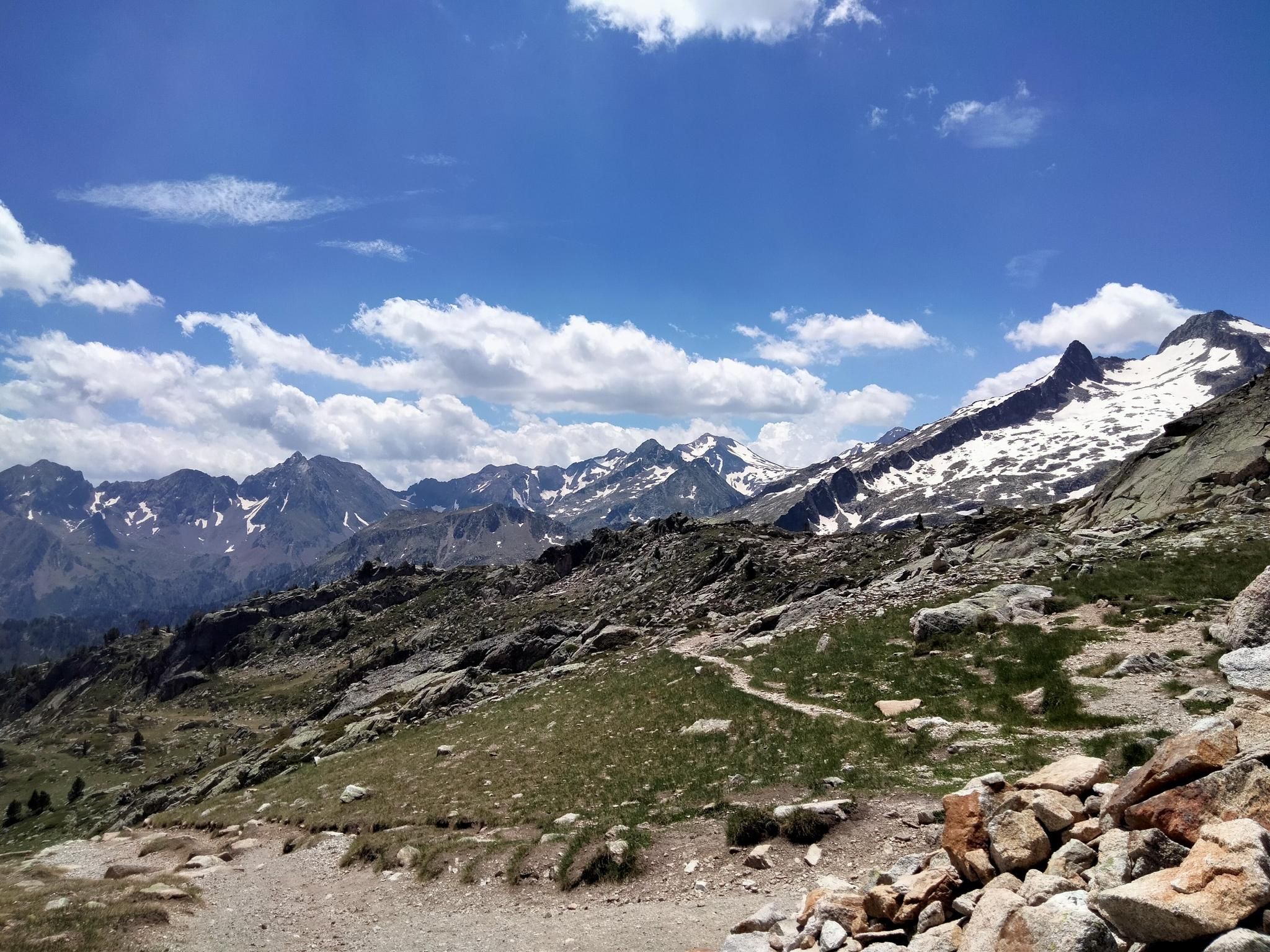
Hexatrek, the western and central Pyrenees – Between mountains and the ocean
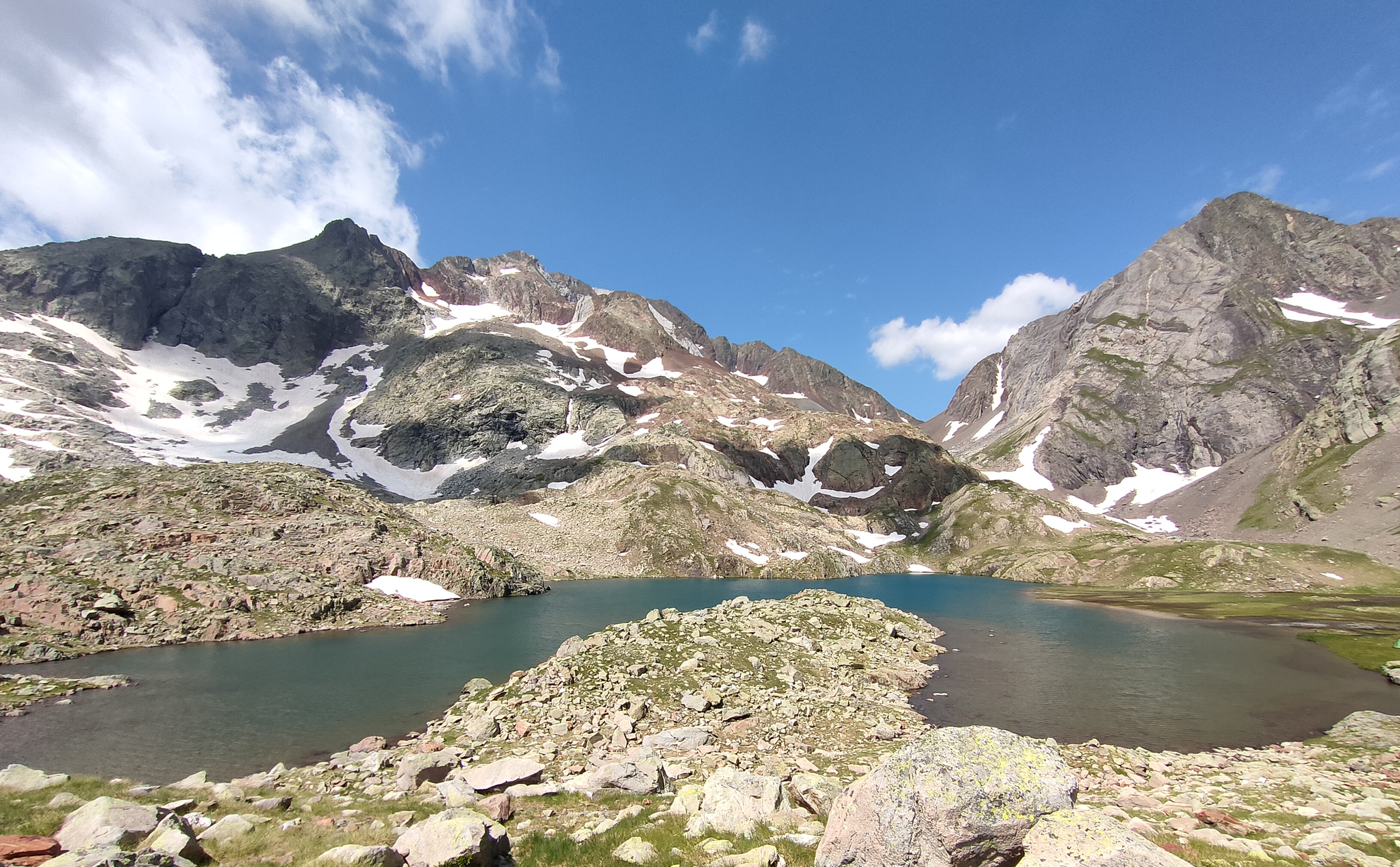
Panoramic Pyrenees – 15 hikers' peaks of over 3,000 metres
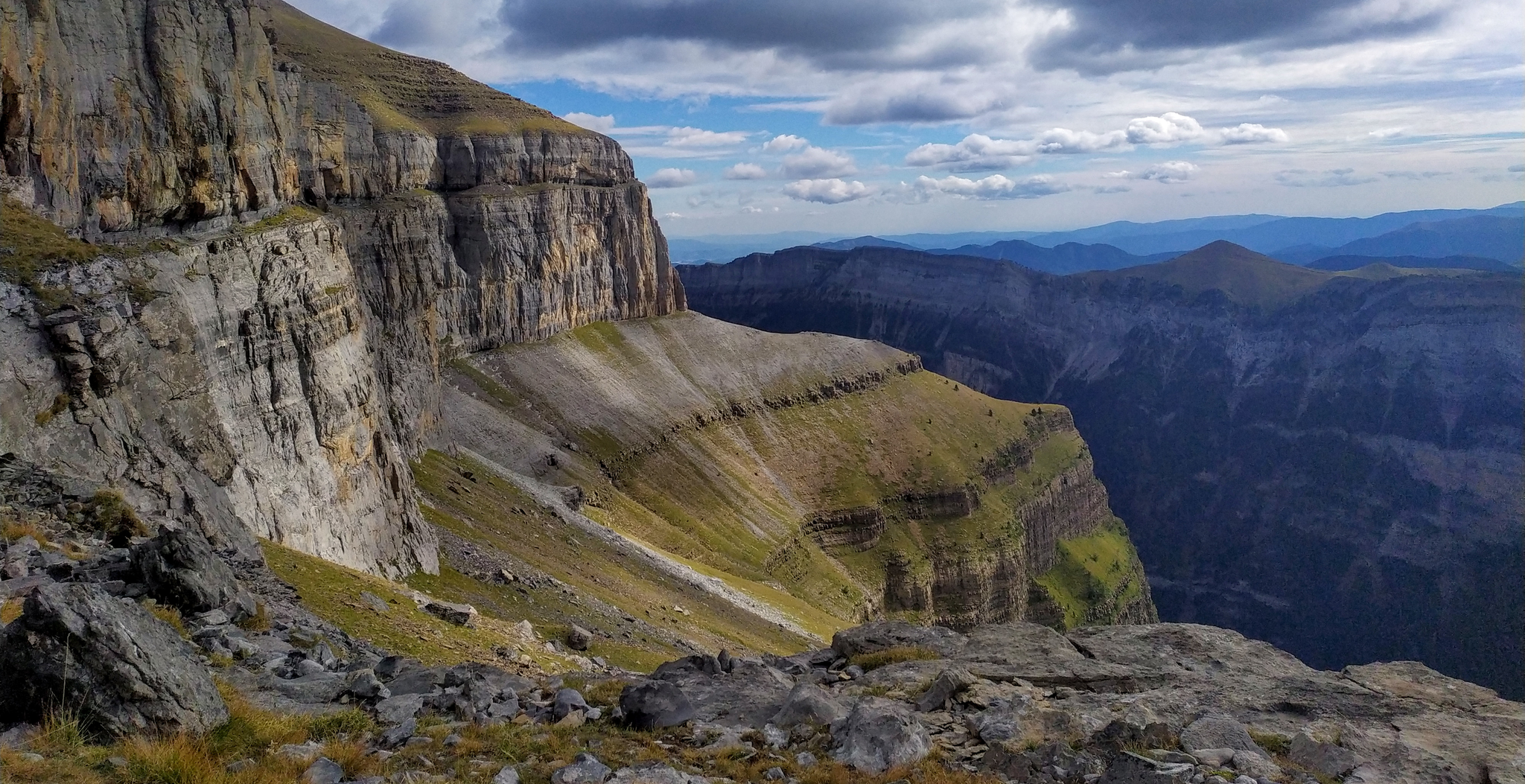
Hike from Gavarnie to Ordesa – A breathtaking loop in the cirques
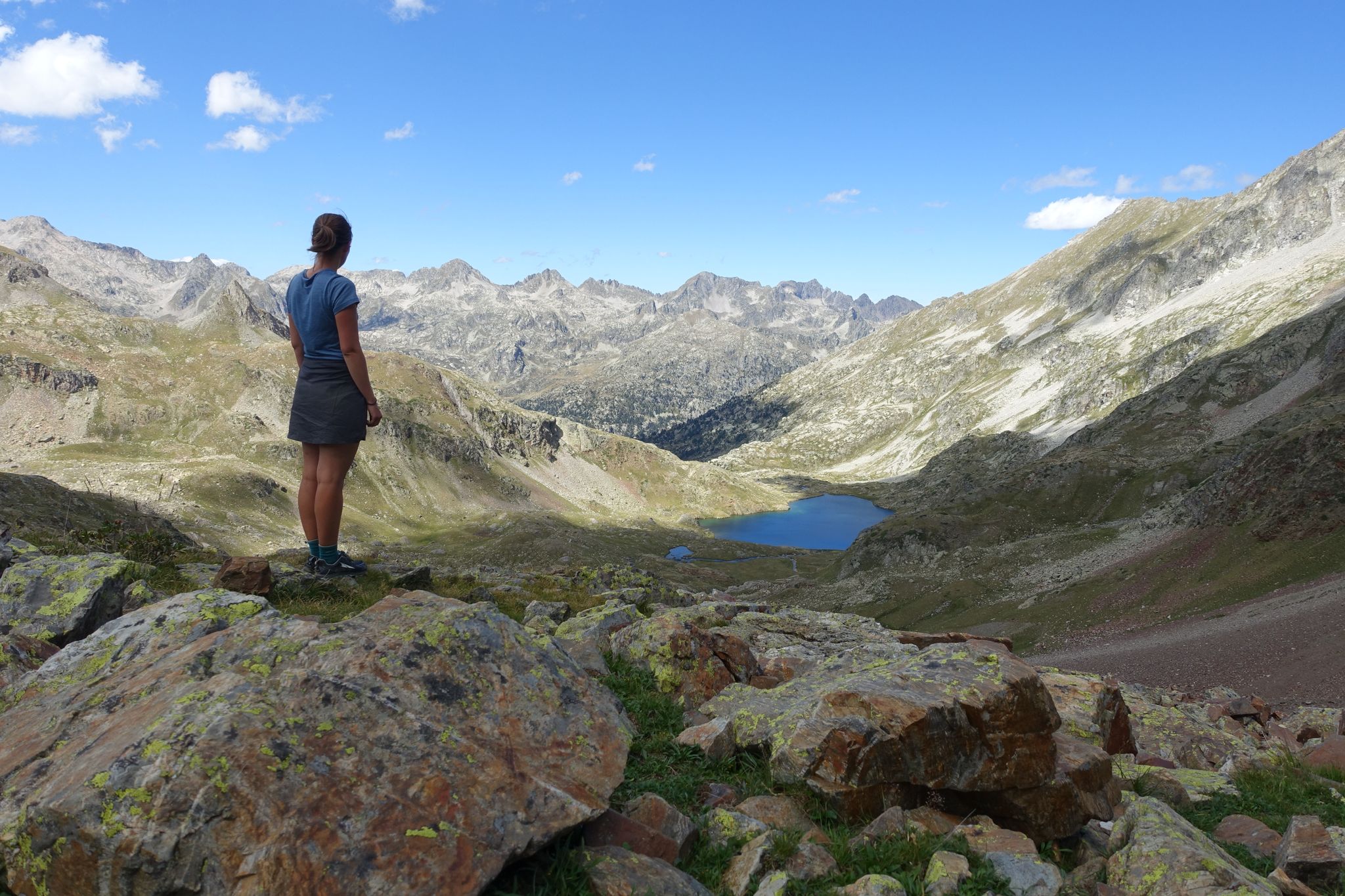
Haute Route Pyrénéenne – Pyrenees Crossing
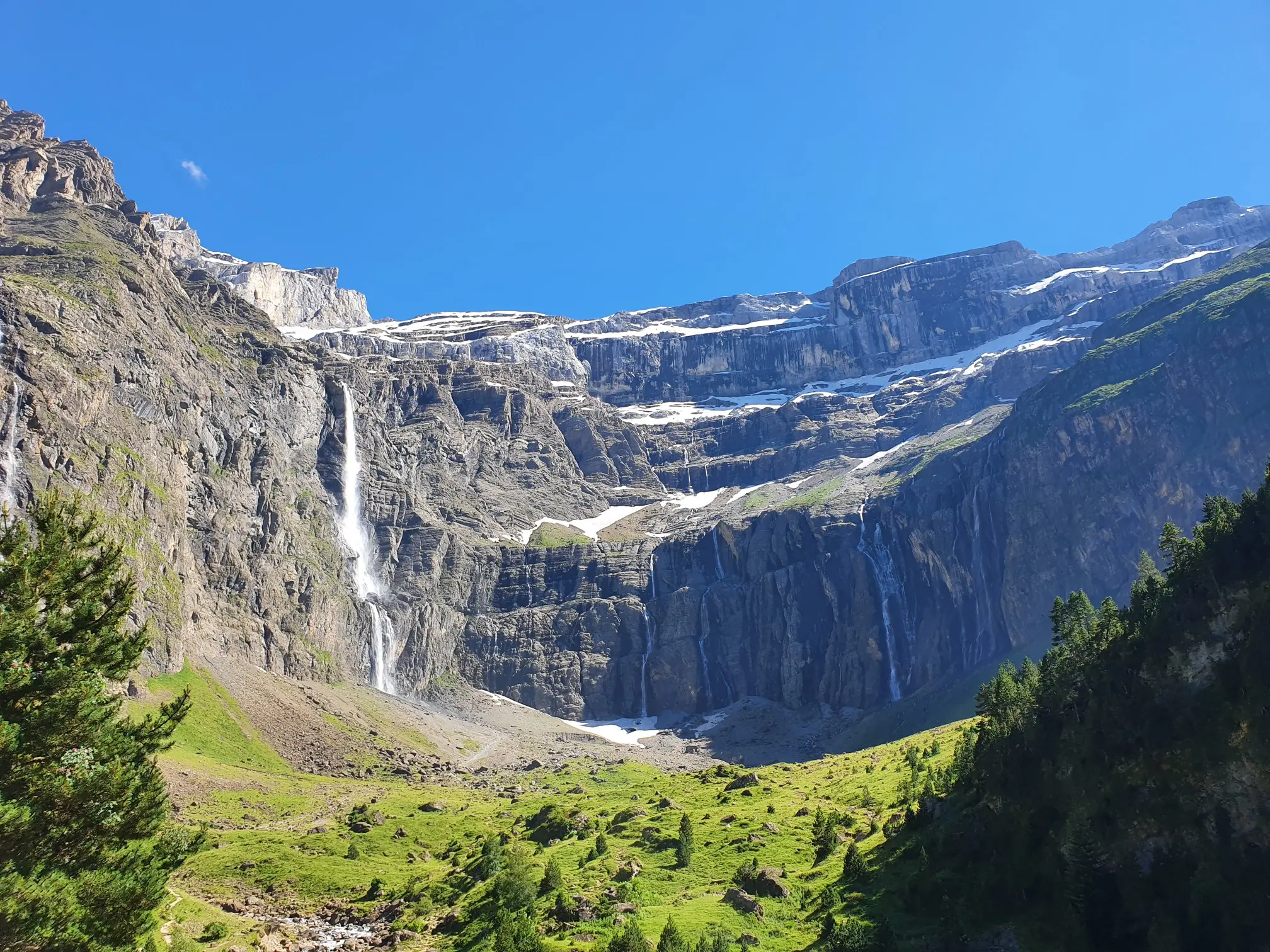
In the heart of the massif – the best hikes in the Central Pyrenees
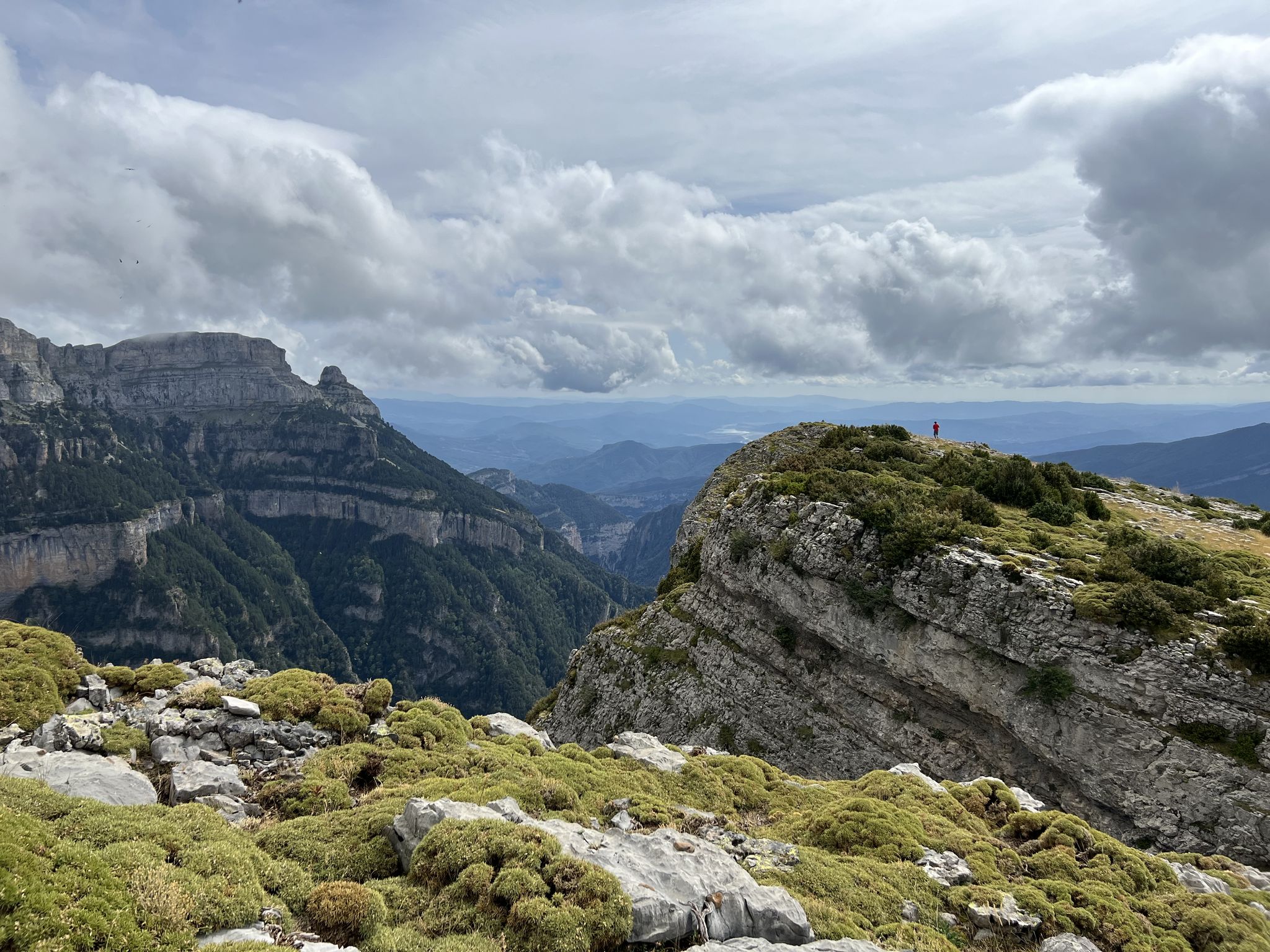
Summit conquests and idyllic mountain lakes – Spanish Pyrenees
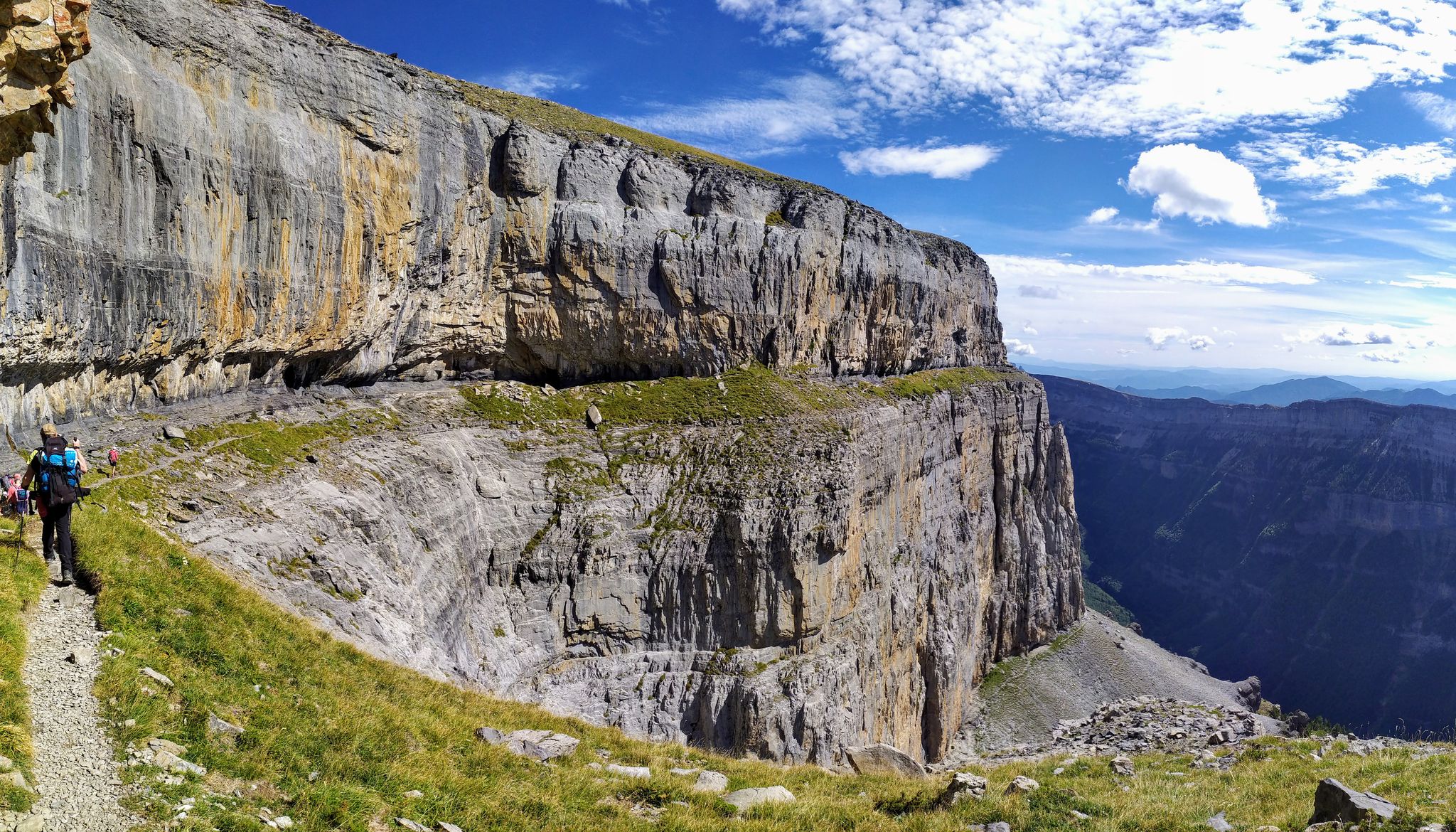
Between Heaven and Earth – Monte Perdido and the Ordesa Valley
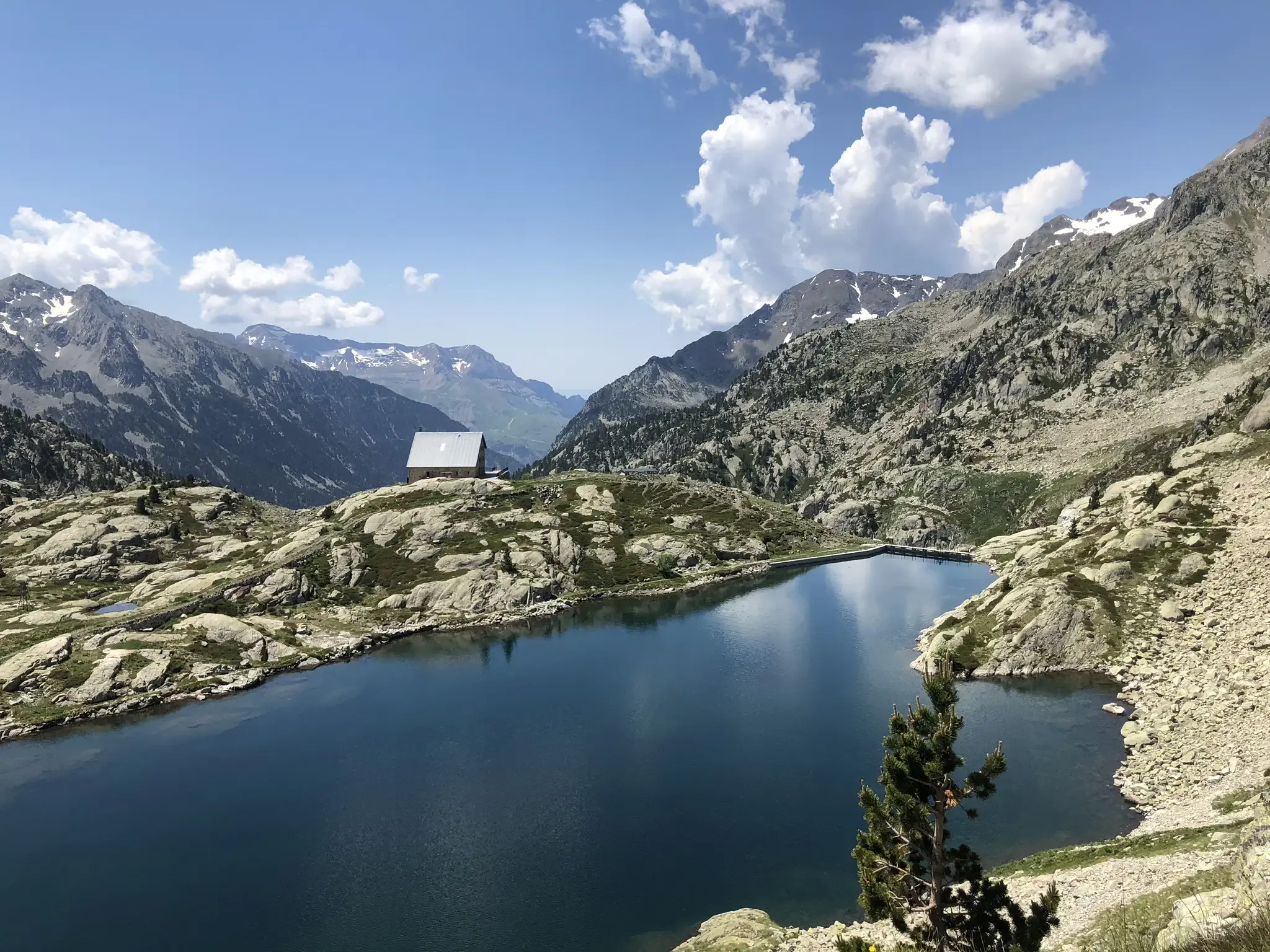
Aragon along the Pyrenean Trail – GR 11
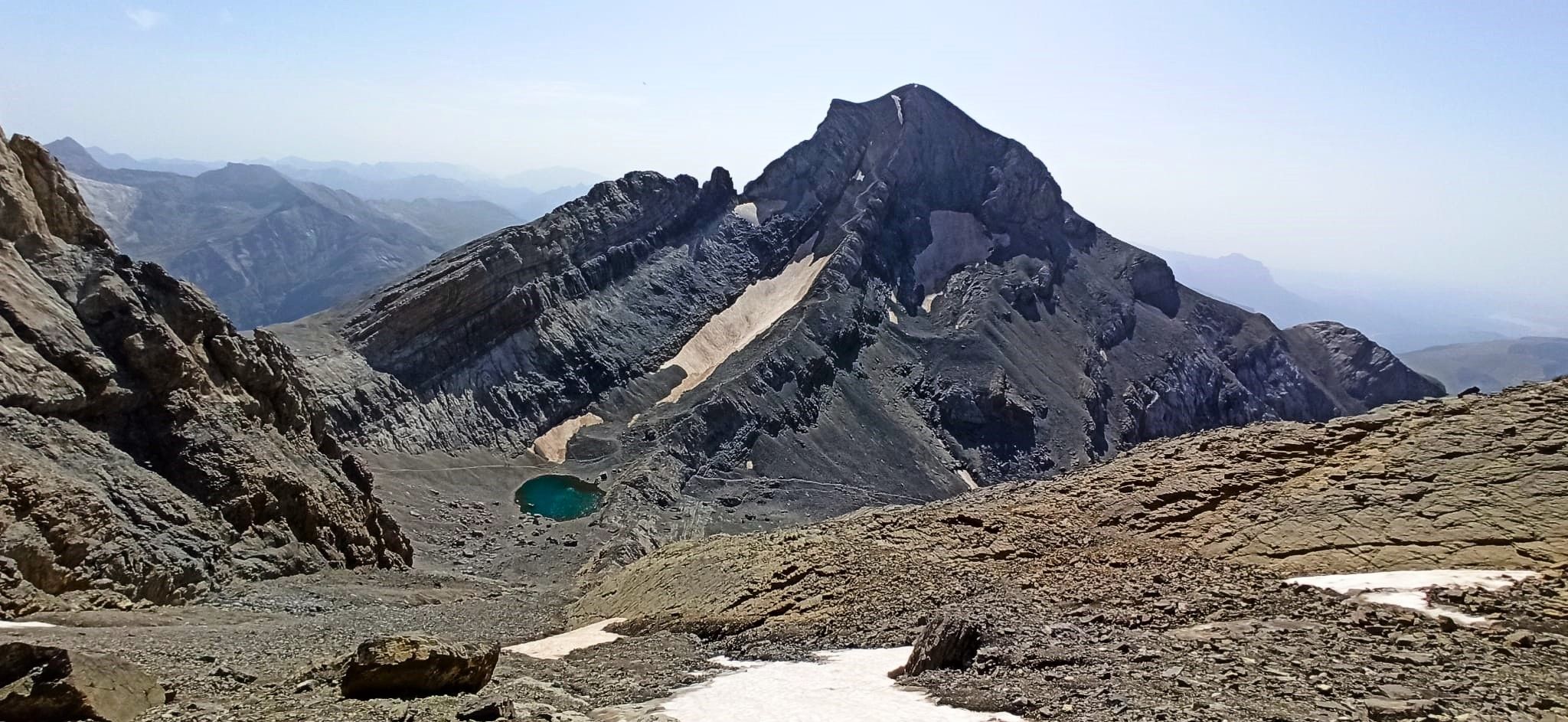
Adventure in the heights — Ordesa and Monte Perdido National Park
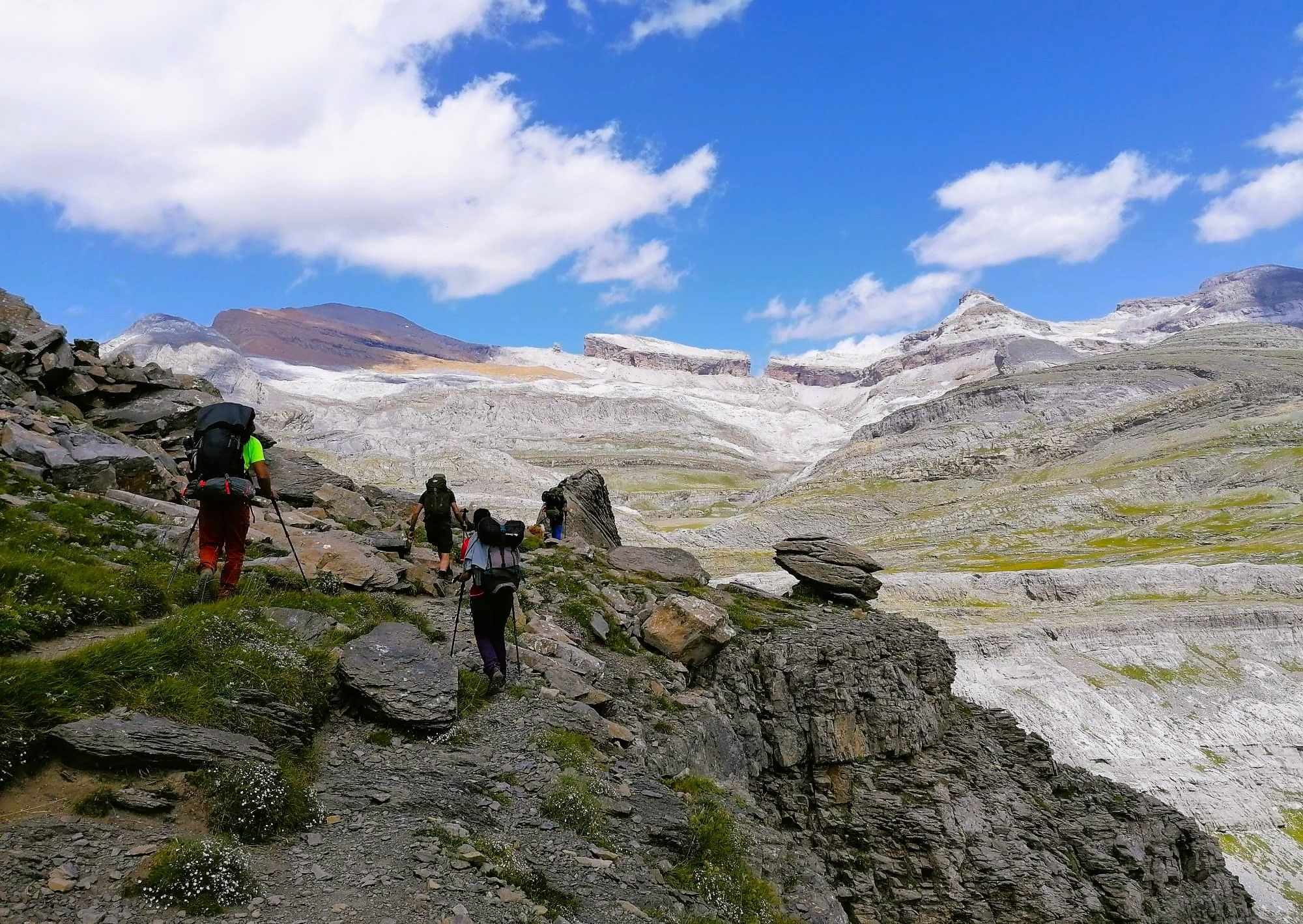
Wilderness — Ordesa y Monte Perdido National Park
Other adventures in Pyrénées - Mont Perdu


Tips from the Community

Worth seeing but it has become a trap for motorists! Paid parking and ban on cars entering the village. Avoid if you've seen it once.
0
0
A natural area with few cars. Free ascent to the restaurant, then limited to bicycles and the "little train". I saw a marmot up close on the way down.
0
0

From passing in front of the Héas Church to the parking lot at the foot of the Cirque de Troumouse, there are approximately 7 km with 33 curves. It is a wonderful experience. If you are also lucky and have a good day with sun, no air and good temperature, then it is a perfect plan!
0
0
It is one of the great climbs in the Pyrenees. In my opinion it is in the Top 10 of the Pyrenees, without the slightest doubt. I like long, high, hard climbs with magnificent views... and the Cirque de Troumouse fulfills this 100%. The road is narrow and bumpy, with an irregular but smooth surface. It is the typical mountain road that suffers the passage of winters and summers. The two times I've been there, I've barely encountered any traffic. The second time was a Saturday. Traffic usually goes to the town of Gavarnie, with the Cirque de Troumouse being very untouristy. Much better for those of us who want tranquility and spectacular landscapes!!!
0
0

The Troumouse cirque is, with Gavarnie and Estaubé, one of the three great cirques of the Pyrenees. It is the largest and wildest, peaking at more than 2100m with a cirque diameter of 4km. There are no trees or bushes on the horizon, due to the climate and the wind. It is part of the Mont Perdu massif which is located on the other side of the border. It's definitely worth getting here because the road is magnificent and gives you the opportunity to ride peacefully in the heart of a magnificent landscape. The last bends from the Auberge du Maillet are on a narrow road inaccessible to cars and bikes therefore share this end of the ascent with a small tourist train pulled by a tractor. Personally, I preferred this passage to the road to the Gavarnie cirque.
0
2
The Troumouse cirque is, with Gavarnie and Estaubé, one of the three great cirques of the Pyrenees. It is the largest and wildest, peaking at more than 2100m with a cirque diameter of 4km. There are no trees or bushes on the horizon, due to the climate and the wind. It is part of the Mont Perdu massif which is located on the other side of the border. This point marks the end of the asphalt road. It's definitely worth getting here because the road is magnificent and gives you the opportunity to ride peacefully in the heart of a grandiose landscape. The last bends from the Auberge du Maillet are on a narrow road inaccessible to cars and bikes therefore share this end of the climb with a small tourist train pulled by a tractor. Personally, I preferred this passage to the road to the Gavarnie cirque.
0
0

An incredible spot! The bike ride is just awesome! (Please...stop everybody getting in cars)
1
0

One of the best scenarios where we can reach the Pyrenees by road bike. Beautiful glacial cirque where we will never encounter much traffic. Apart from that, cars cannot access the last 2 km. It's a relatively unknown port but aesthetically it's a 10.
0
0
Frequently Asked Questions
How many touring cycling routes are available in Pyrénées - Mont Perdu?
There are over 50 touring cycling routes in the Pyrénées - Mont Perdu region, catering to various skill levels. You'll find options ranging from easy valley rides to challenging mountain passes.
What are the difficulty levels of touring cycling routes in Pyrénées - Mont Perdu?
The routes in Pyrénées - Mont Perdu offer a diverse range of difficulty. You can find 3 easy routes, 14 moderate routes, and 41 difficult routes, ensuring options for both casual riders and experienced cyclists seeking a challenge.
Are there any family-friendly touring cycling routes in Pyrénées - Mont Perdu?
Yes, for families looking for a more relaxed ride, there are several easy routes. While specific 'family-friendly' designations can vary, routes like the Torla-Ordesa – Navarros Bridge loop from Cascada de Molinieto offer a moderate experience through the scenic Ordesa Valley, which might be suitable for older children or those with e-bikes.
What kind of natural landmarks and attractions can I see along the touring cycling routes?
The Pyrénées - Mont Perdu region is rich in natural wonders. You can encounter dramatic limestone massifs like Monte Perdido, deep canyons such as the Ordesa Valley, and glacier-carved cirques like the Cirque de Gavarnie, which features Europe's largest waterfall. Other notable sights include picturesque lakes like Lac des Gloriettes and various viewpoints offering panoramic vistas, such as Calcilarruego Viewpoint.
Are there any routes that feature waterfalls?
Yes, the region is famous for its waterfalls. The Cirque de Gavarnie on the French side is home to Europe's largest waterfall. On the Spanish side, the Ordesa Valley features the stunning Cola de Caballo (Horsetail Waterfall) and the Soaso Steps waterfalls, which can be accessed via routes exploring the valley, such as the Torla-Ordesa – Navarros Bridge loop from Cascada de Molinieto.
What is the best season for touring cycling in Pyrénées - Mont Perdu?
The best season for touring cycling in Pyrénées - Mont Perdu is typically from late spring to early autumn (May to October). During these months, the weather is generally more stable, and mountain passes are usually clear of snow. Summer offers warmer temperatures, while spring and autumn provide cooler rides and vibrant landscapes.
Are there any circular touring cycling routes in the area?
Yes, many routes in Pyrénées - Mont Perdu are designed as loops, allowing you to start and end at the same point. Examples include the Troumouse Cirque loop from Gèdres-Dessus and the Torla-Ordesa – Navarros Bridge loop from Cascada de Molinieto, which are popular choices for exploring the region's natural beauty.
What do other touring cyclists say about the routes in Pyrénées - Mont Perdu?
The touring cycling routes in Pyrénées - Mont Perdu are highly rated by the komoot community, with an average score of 4.5 stars from over 70 reviews. Cyclists often praise the dramatic and diverse landscapes, the challenging climbs, and the opportunity to experience a UNESCO World Heritage site with its unique geological formations and cultural heritage.
Are there opportunities for advanced touring cyclists seeking challenging climbs?
Absolutely. The broader Pyrenees region, including Pyrénées - Mont Perdu, is renowned for its challenging and iconic climbs, many of which are famous stages of the Tour de France. Routes like the Tourmalet Pass – Barèges Village loop from Gavarnie offer significant elevation gains and are classified as difficult, providing a true test for advanced touring cyclists.
Can I find places to eat or stay near the cycling routes?
Yes, the region has charming villages and towns that offer amenities for cyclists. Towns like Torla, Gavarnie, and Gèdres often have visitor centers, cafes, restaurants, and accommodation options. These can serve as convenient starting points or rest stops along your touring cycling adventure.
Is public transport available to access the cycling routes?
While specific public transport options directly to every trailhead might be limited due to the mountainous terrain, some larger towns and valleys within or near the Pyrénées - Mont Perdu region are accessible by bus services. It's advisable to check local transport schedules for the specific area you plan to cycle in, especially if you're relying on public transport to reach your starting point.
What is the geological significance of the Pyrénées - Mont Perdu region?
The region is a classic example of geological formations, illustrating the tectonic collision between the Iberian and West European plates. This collision resulted in the deeply incised canyons, spectacular cirques, and the dramatic limestone massifs that define the landscape, making it a UNESCO World Heritage site of outstanding universal value.
Most popular routes in Pyrénées - Mont Perdu
Most popular attractions in Pyrénées - Mont Perdu

Get inspired with the komoot mobile app


Explore more
Browse the best Cycling routes in other regions.
