The 20 Most Amazing Peaks in High Tauern
Best mountain peaks in High Tauern are located within the Central Eastern Alps, a region characterized by its impressive heights and glaciated landscapes. This area offers diverse experiences for mountaineers and hikers. The High Tauern National Park encompasses many of these peaks, providing a natural setting for exploration. The terrain elevation difficulty varies, with options ranging from accessible routes to challenging high-alpine ascents.
Best mountain peaks in High Tauern
- The most popular mountain peaks is Großvenediger Summit, a summit known for being a heavily glaciated main summit and one of Austria's highest mountains. Its appearance is characterized by strong glaciation on all sides, offering a panoramic view.
- Another must-see spot is Großglockner summit, a summit that is Austria's highest mountain at 3,798 meters. This pyramid-shaped peak is a significant challenge for mountaineers and offers a varied mountain tour with glacier sections and rock climbing.
- Visitors also love Böses Weibl, a summit considered a rather easy 3,000-meter peak. It offers a fantastic view of the Großglockner and the Schober group, making it popular for less strenuous high-altitude experiences.
- High Tauern is known for its glaciated summits, challenging climbs, and accessible viewpoints. The region offers a variety of mountain peaks to see and explore, from prominent high-alpine destinations to more intermediate routes.
- The mountain peaks in High Tauern are appreciated by the komoot community, with over 110 upvotes and more than 120 photos shared across its highlights.
Last updated: September 27, 2026
Großglockner summit
Highlight • Summit
Translated by Google •
Tip by

Großvenediger Summit
Highlight • Summit
Translated by Google •
Tip by

Sign up now to discover places like this
Get recommendations on the best single tracks, peaks, & plenty of other exciting outdoor places.
Speikboden Summit
Highlight • Summit
Translated by Google •
Tip by

Böses Weibl
Highlight • Summit
From the conical summit you have a fantastic view of the Großglockner and the Schober group. The ascent leads on beautiful mountain paths over beautiful alpine meadows, shortly before the summit it goes over scree and boulder.
Translated by Google •
Tip by

Großes Wiesbachhorn Summit
Highlight • Summit
Translated by Google •
Tip by

Sign up for free to discover even more peaks in High Tauern.
Already have an account?
Start today with a free account
Your next adventure awaits.
Popular around High Tauern
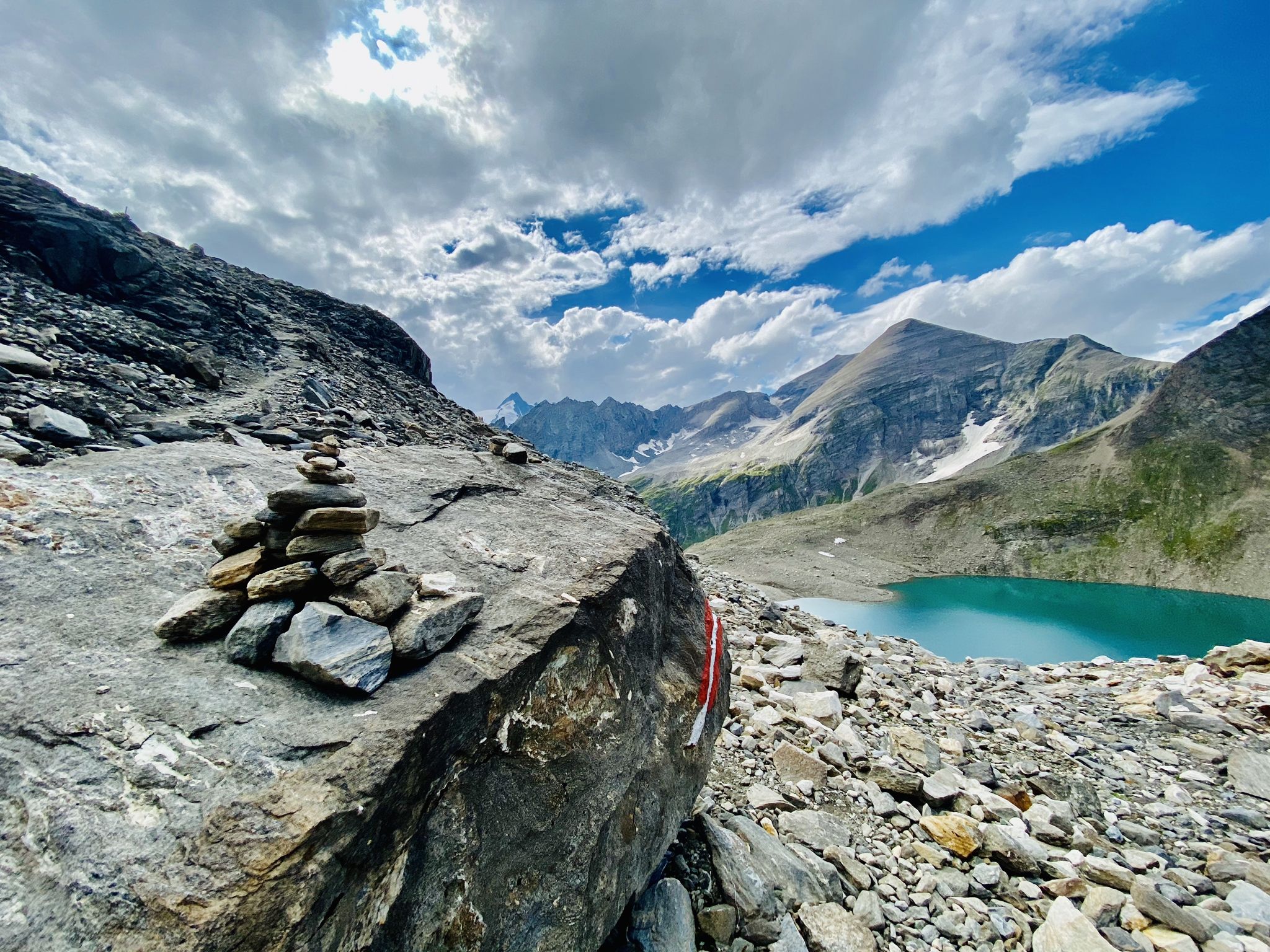
The Tauernhöhenweg – Once across the Hohe Tauern
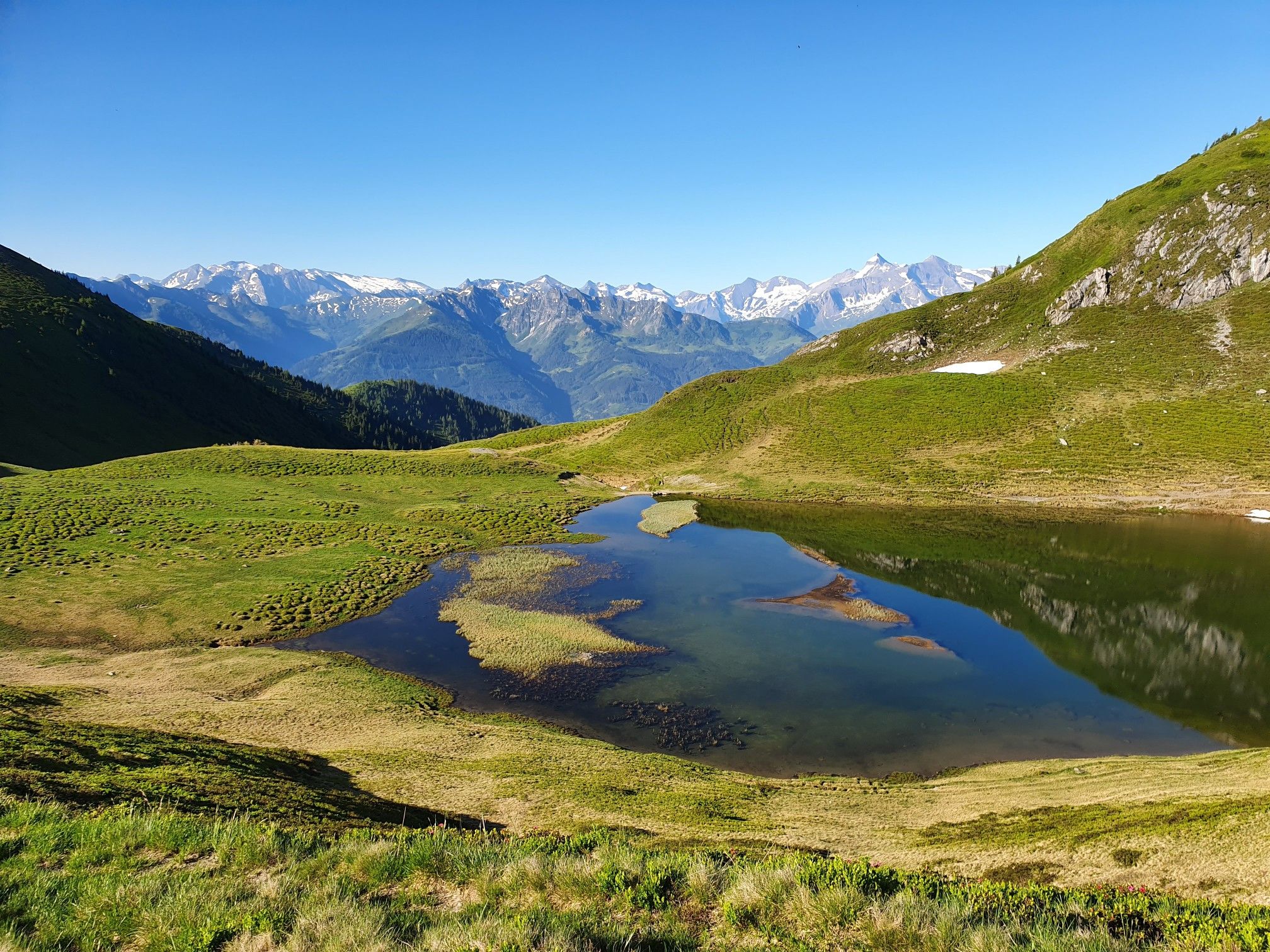
Hohe Tauern Panorama Trail – Face-to-face with 3000-metre peaks
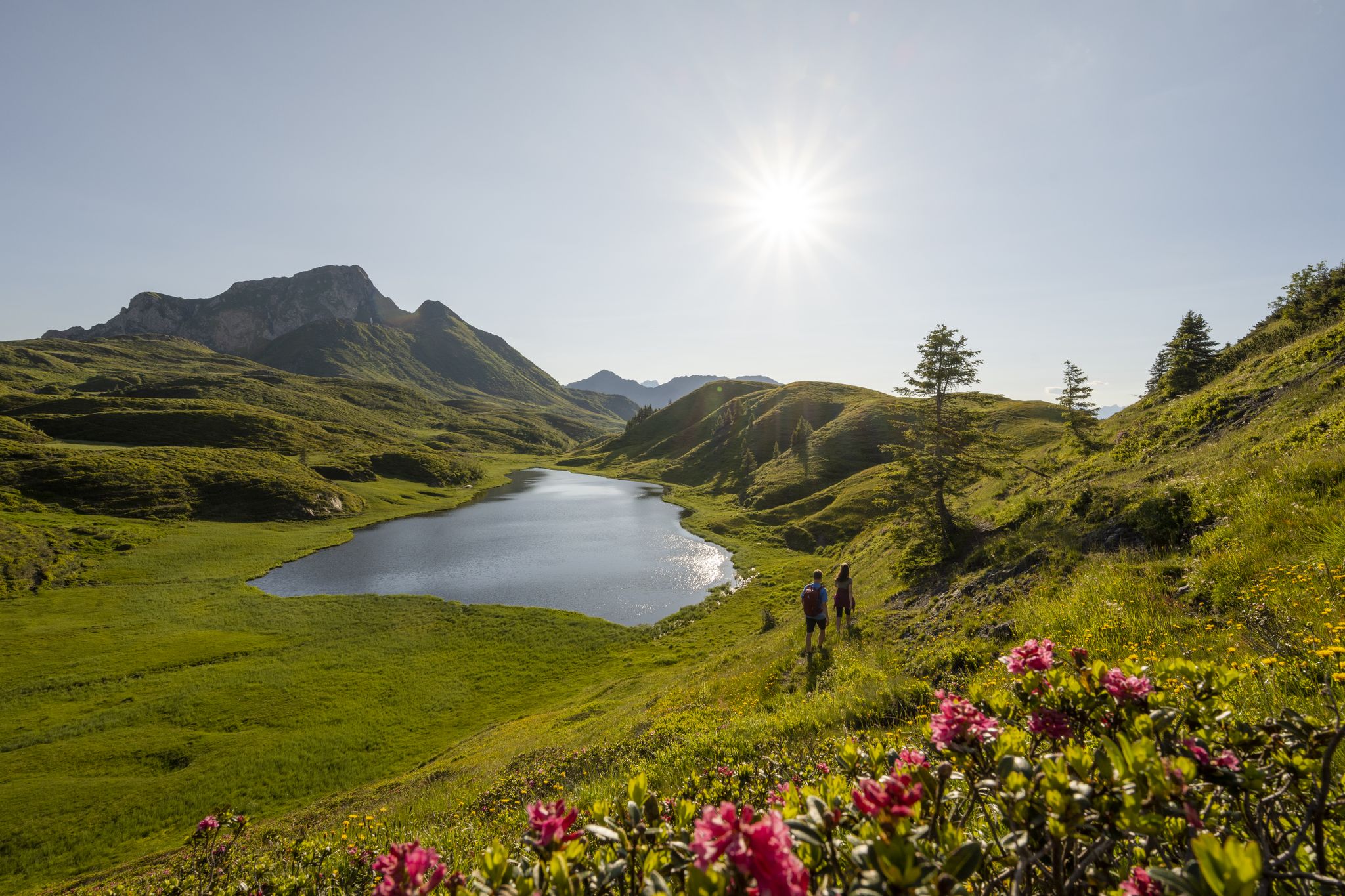
Long hikes on the southern side of the Austrian Alps – in Carinthia
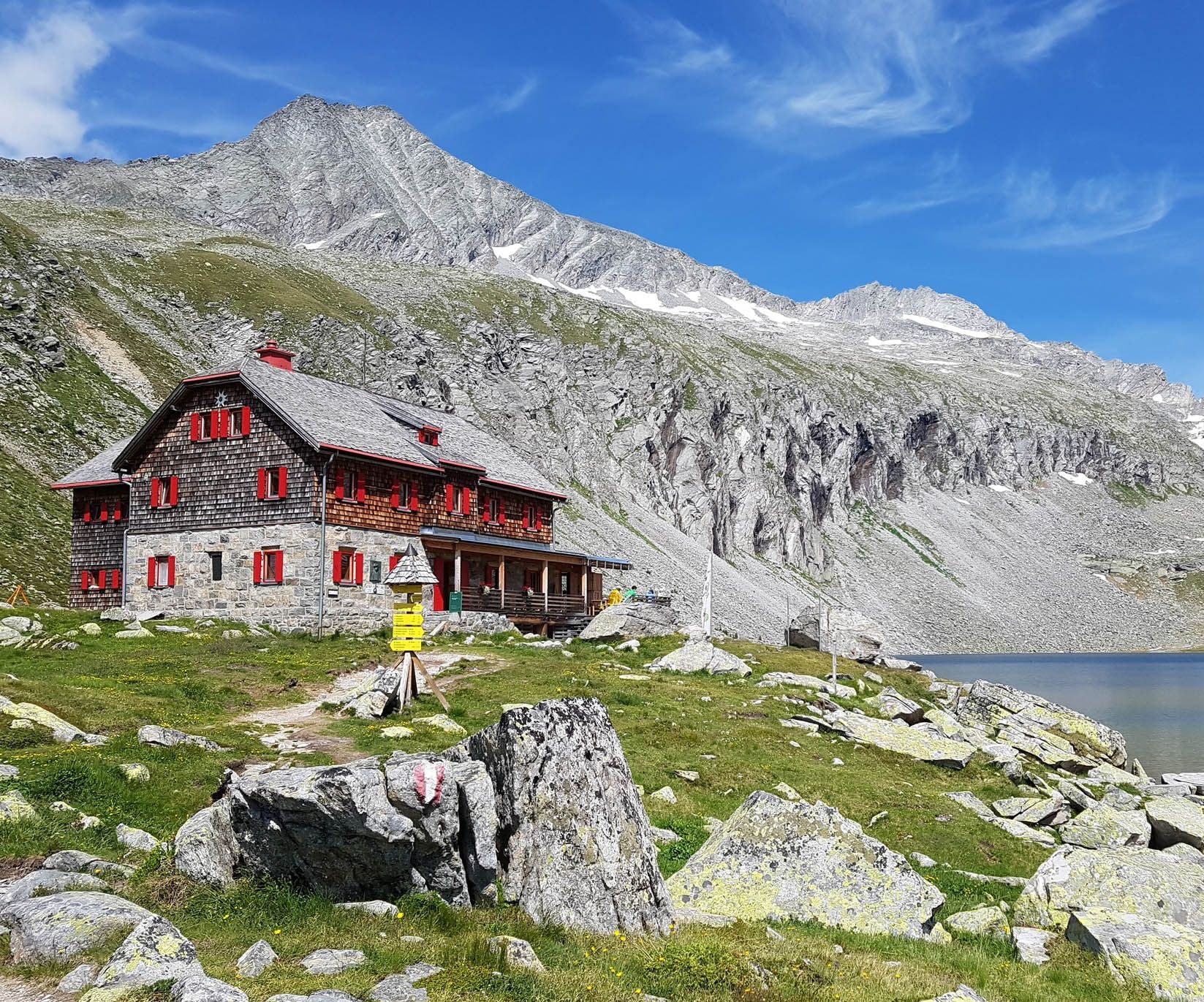
Ruperti Trail – Hike from Austria's Bohemian Forest to the Carnic Alps
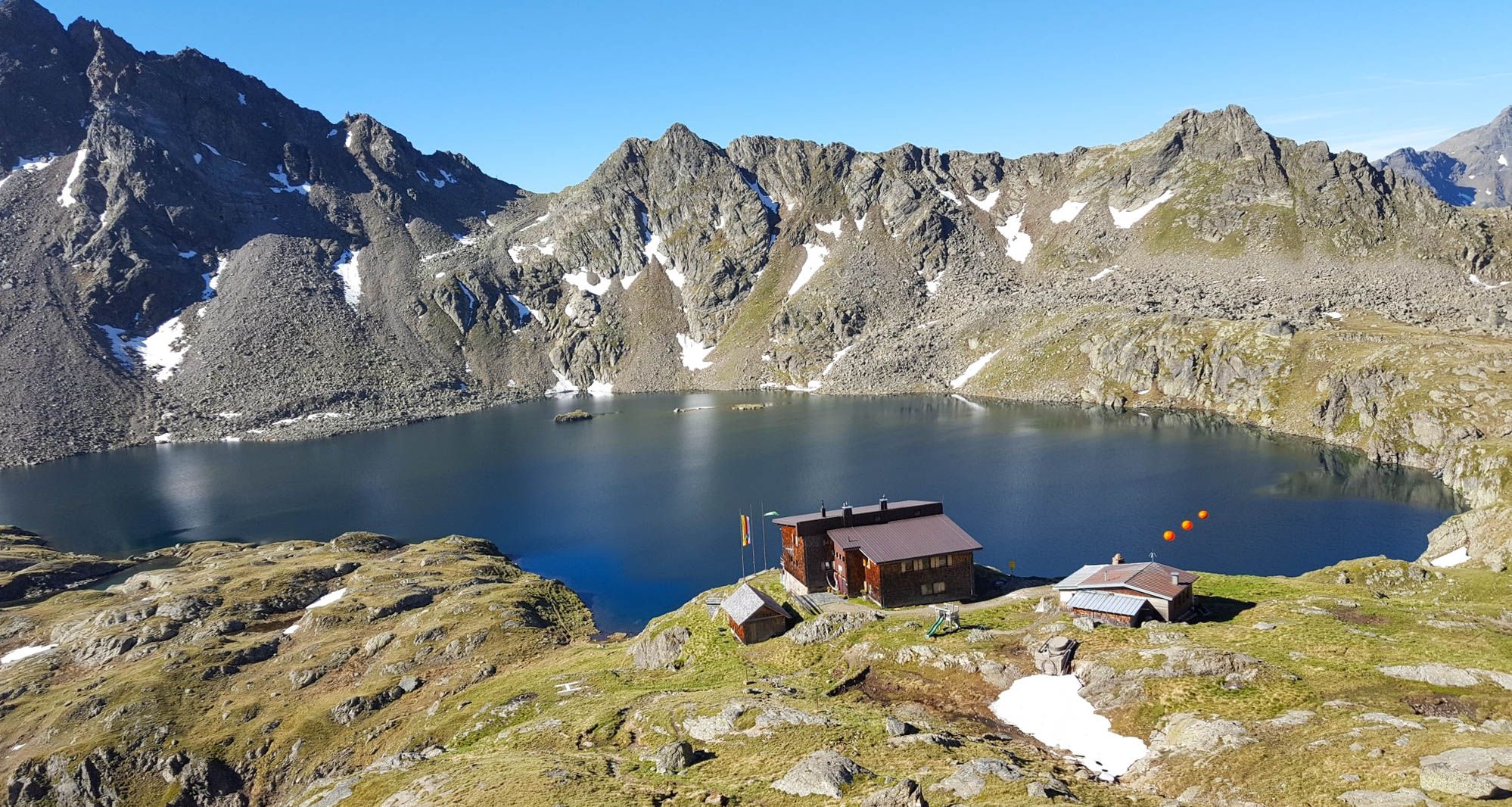
Wiener Höhenweg in Austria – 6 stages in the Schober Group
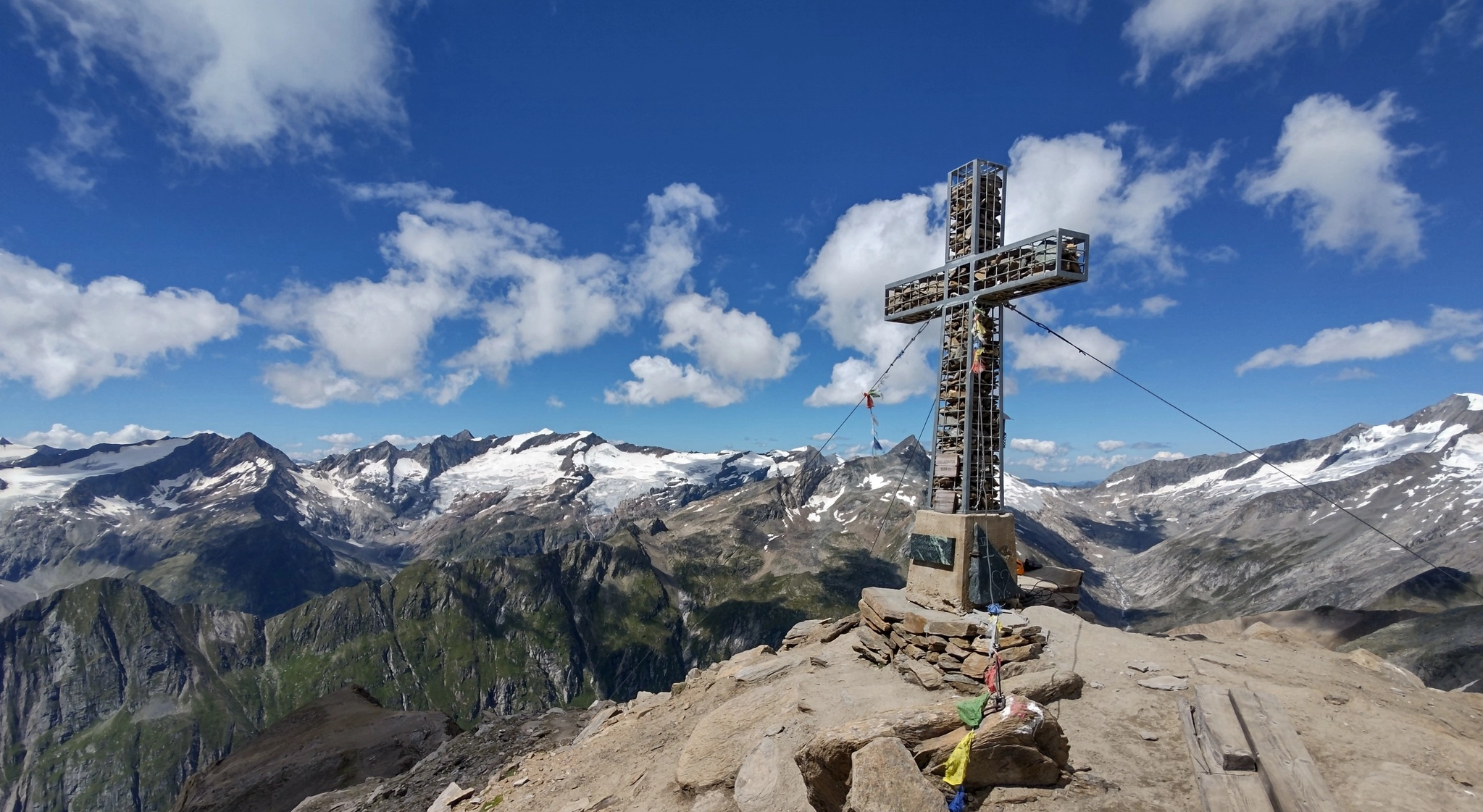
Venediger High Trail – mountain huts and glacial views
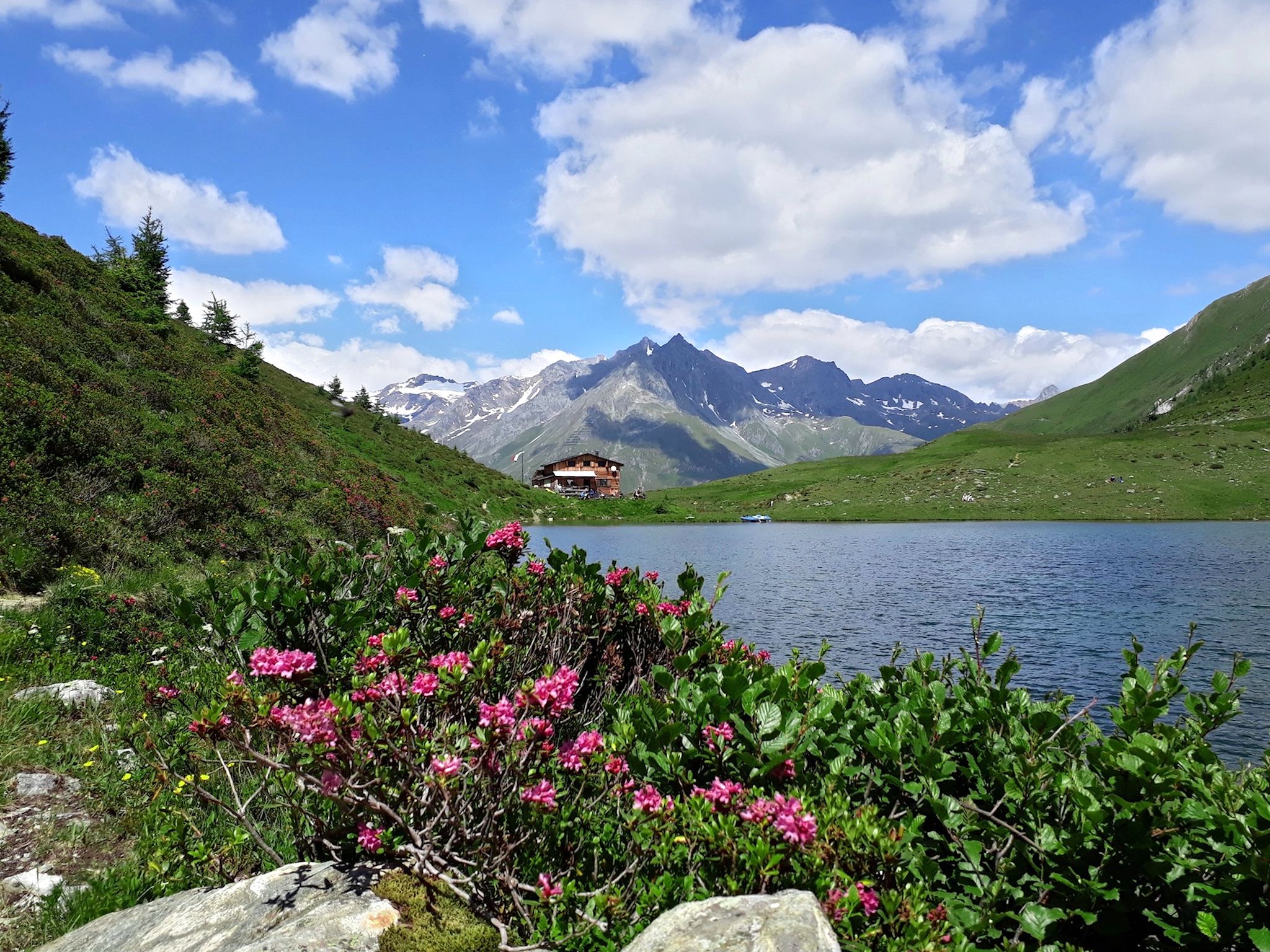
Lasörling High Altitude Trail in Austria – Alpine huts and glacial views
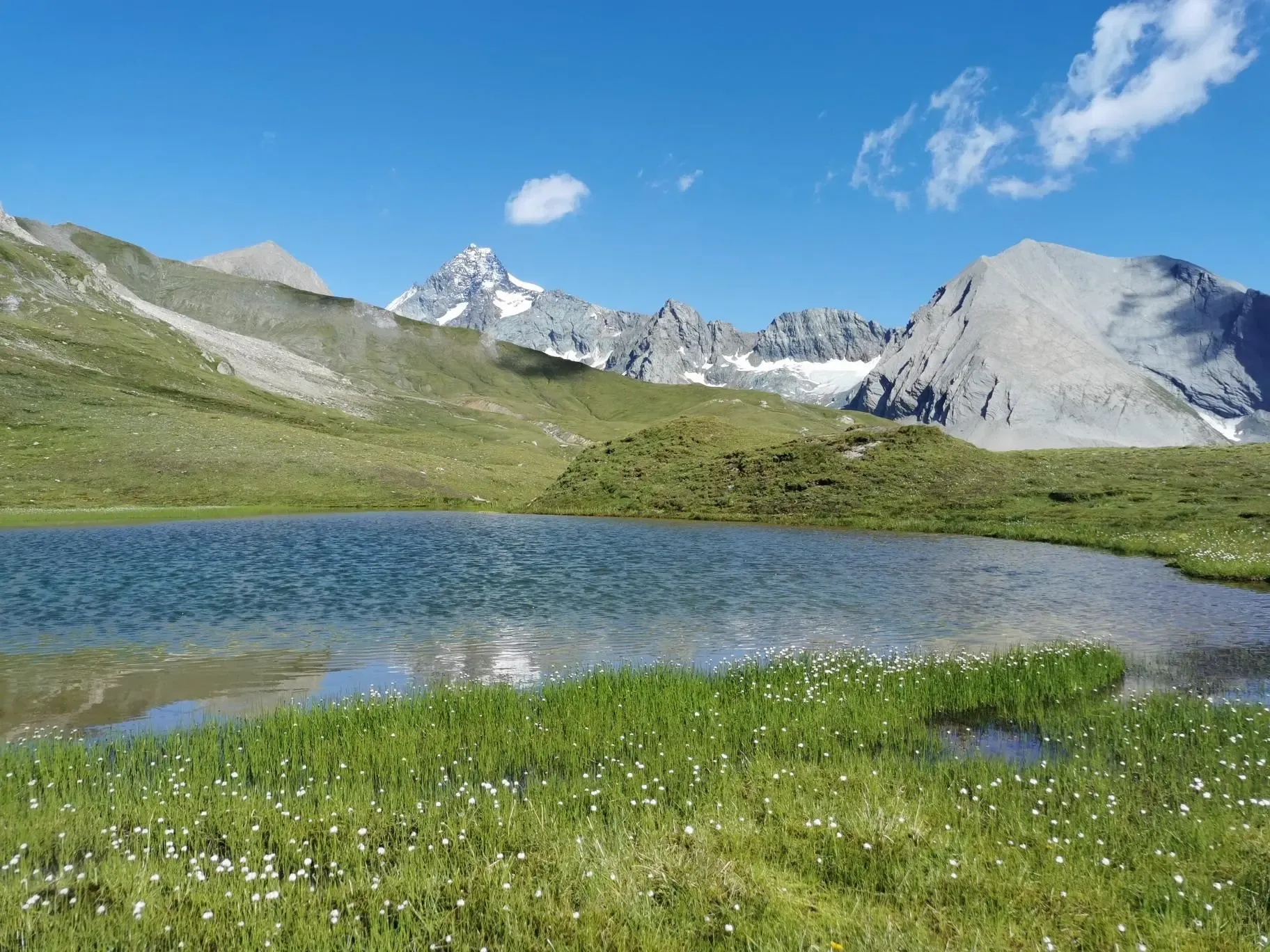
The Glockner Trek – Exploring Austria's highest peak
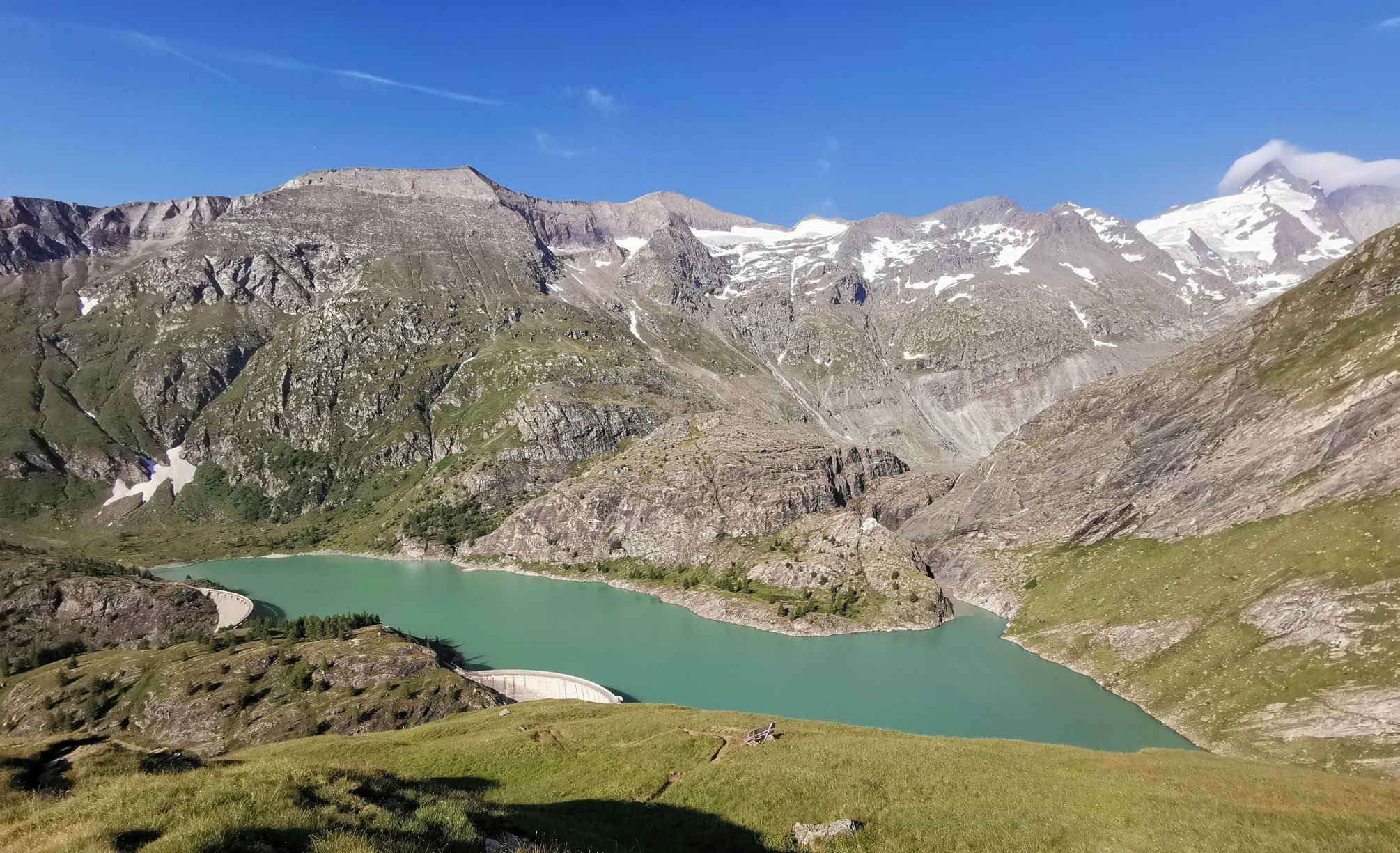
The Grossglockner – Circumnavigate Austria's highest mountain
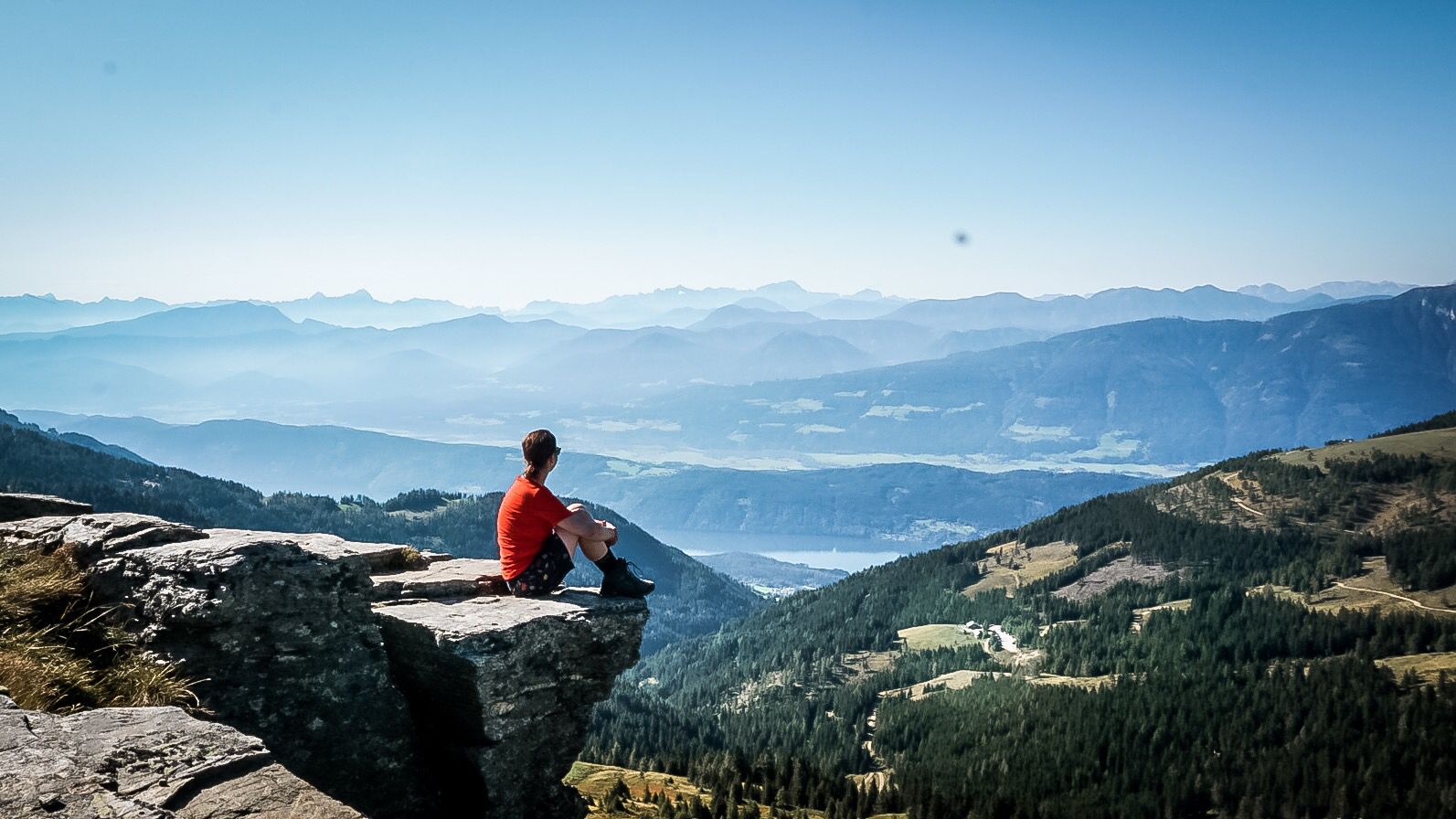
Alpe-Adria-Trail: My long-distance hike from the glacier to the sea
Other adventures in High Tauern


Tips from the Community

Magnificent views - Kitzsteinhorn, Grossglockner and at your feet the turquoise reservoirs of the Mooserboden. An absolute dream peak (2 highest in the Glockner group) in the state of Salzburg. For a safe ascent, absolutely safe weather conditions, surefootedness and a head for heights are necessary.
6
0

Magnificent! Great view! There is information about the snow situation on the Heinrich-Schwaiger-Haus website. At the end of July there was no snow at all.
2
0

10th highest mountain in Austria. It's a fabulous place. From there you can see a beautiful panorama of the Großglockner Hochalpenstraße and of the Großglockner if the weather is clear. Can be done without glacier contact, if your start point is Heinrich-Schwaiger-Haus. Crampons and ice axe are recommended, especially in the early summer. I recommend making it 2 days tour because, on the first day, you can get to the Heinrich-Schwaiger-Haus from the Kaprun Kesselfall and see beautiful lakes and after a delightful oversleep with an amazing view on the lakes, make the summit and return via the bus.
2
1

Fantastic view from the summit of the Großvenediger!
2
0

Climbed from Neue Prager Hütte to the summit, the storm made our ascent quite difficult. We surpassed the summit and descended over the glacier to the Kursinger Hütte. So it was a medium-difficult high-altitude tour. The tour can be done without a mountain guide if the participants have a certain level of mountaineering experience.
2
0

Relatively easy to climb 3000m. The starting point for the mountain hike is the Alpengasthof Lucknerhaus, from there you can reach the summit in about 3 hours.
2
0

An easily accessible excursion summit with a great view. From here you can hike to other huts and peaks.
7
1
The highest mountain in Austria, relatively easy to do on the normal route.
2
0
Frequently Asked Questions
What are some of the most popular mountain peaks in the High Tauern region?
The High Tauern region boasts several highly regarded peaks. Among the most popular are Großvenediger Summit, known as 'His Ancient Majesty' for its heavily glaciated terrain, and Großglockner summit, Austria's highest mountain, offering a significant challenge for mountaineers. Another favorite is Böses Weibl, which provides fantastic views of the Großglockner and Schober group with a less strenuous ascent.
Are there any easily accessible 3,000-meter peaks in High Tauern?
Yes, for those seeking a high-altitude experience without extreme difficulty, Böses Weibl is considered a rather easy 3,000-meter peak. Its conical summit is reached via beautiful mountain paths through alpine meadows, with some scree and boulder sections near the top, offering rewarding views of the Großglockner and the Schober group.
What kind of natural features can I expect to see around the High Tauern peaks?
The High Tauern region is characterized by impressive heights and glaciated landscapes. You'll encounter vast glacier areas, such as the Pasterze Glacier near the Großglockner, and snowfields. Many peaks offer breathtaking panoramic views extending far beyond the Alps on clear days, showcasing diverse vegetation zones from valley floors to glacial levels.
What is the best time of year to visit the High Tauern for hiking and mountaineering?
The best time to visit for hiking and mountaineering in the High Tauern generally spans from late spring to early autumn. Summer offers the most favorable conditions for high-alpine routes, while winter is ideal for ski touring. Always check current weather conditions, as they can change rapidly in the mountains.
Are there family-friendly hiking options near the High Tauern peaks?
While many of the highest peaks are challenging, the region offers various trails suitable for families. Look for routes that traverse alpine meadows and have well-signposted paths. For example, some sections along the Grossglockner High Alpine Road offer opportunities for short walks with stunning views, suitable for different fitness levels.
What outdoor activities are available near the High Tauern mountain peaks?
Beyond mountaineering and hiking, the High Tauern region offers diverse outdoor activities. You can explore road cycling routes, including challenging loops like the Fuscherkarkopf – Grossglockner High Alpine Road loop from Hochtor, or gravel biking routes such as the Kalser Großglocknerstraße. For more hiking, check out the Mountain Hikes in High Tauern guide, or the Road Cycling Routes in High Tauern guide, and the Gravel biking in High Tauern guide for more options.
Which peak is known for its scientific significance in the High Tauern?
The Hoher Sonnblick (3,106 m) is notable for being home to Europe's highest continuously staffed weather station, the Sonnblick Observatory, established in 1886. This makes it a vital research station for meteorology and climate research, blending scientific importance with alpine adventure.
What makes the Großes Wiesbachhorn a significant peak in the region?
The Großes Wiesbachhorn Summit (3,564 m) is recognized for its elegant pyramid profile and panoramic summit views of the Großglockner and the Kaprun Valley. Historically, it's significant as early climbers once mistook it for Austria's highest peak, and its northwest face was where ice screws were first used as progression aids in alpine climbing.
Are there any peaks in High Tauern that offer challenging climbing on fine granite?
Yes, the Hochgall (3,436 m), the highest mountain in the Rieserferner Group, is known for its demanding high-alpine routes and offers enjoyable climbing on fine granite, particularly along its northwest ridge. From its summit, you can enjoy wonderful views of the Zillertal Alps, Großvenediger, Großglockner, and the Dolomites.
What do visitors appreciate most about the mountain peaks in High Tauern?
Visitors frequently praise the breathtaking panoramic views from the summits, the profound sense of achievement after a challenging ascent, and the stunning natural beauty of the glaciated landscapes. The region's diverse terrain offers everything from accessible viewpoints to demanding high-alpine experiences, catering to various skill levels.
Which peak is often referred to as the 'Tauern Queen'?
The Hochalmspitze (3,360 m), a beautiful granite peak within the Ankogel Group, is affectionately known as the 'Tauern Queen.' It is highly regarded for being both aesthetic and accessible, providing a rewarding experience for mountaineers.
Can I find accommodation or places to eat near the High Tauern peaks?
Yes, the region offers various options for accommodation and refreshments. For instance, the Erzherzog Johann Hütte, also known as Adlersruhe, is located at 3,454 meters on the way to the Großglockner and serves as a good place to stop. Along the Grossglockner High Alpine Road, you'll also find facilities and viewpoints with amenities.
Most popular routes in High Tauern
Most popular attractions in High Tauern

Get inspired with the komoot mobile app


Explore more
See even more amazing summits in High Tauern with these guides:
