Top 20 Natural Monuments in Vercors
Best natural monuments in Vercors are found within the Vercors Regional Natural Park, a massif spanning the Isère and Drôme departments in France. This designated nature park covers over 206,000 hectares, featuring diverse landscapes from towering limestone cliffs and deep gorges to high plateaus and verdant forests. The region is known for its unique geological formations and rich biodiversity, offering a variety of natural wonders to explore. It encompasses a significant nature reserve, providing pristine environments for observation.
Best natural…
Last updated: September 29, 2026
The Moucherotte Summit
Highlight • Summit
Translated by Google •
Tip by

Arc Pass
Highlight • Mountain Pass
Translated by Google •
Tip by

Sign up now to discover places like this
Get recommendations on the best single tracks, peaks, & plenty of other exciting outdoor places.
Saint-Michel Peak
Highlight • Trail
Translated by Google •
Tip by

Cirque of Combe Laval
Highlight (Segment) • Gorge
Showing Translation
Tip by

Grand Veymont
Highlight • Summit
Translated by Google •
Tip by

Sign up for free to discover even more natural monuments in Vercors.
Already have an account?
Start today with a free account
Your next adventure awaits.
Popular around Vercors
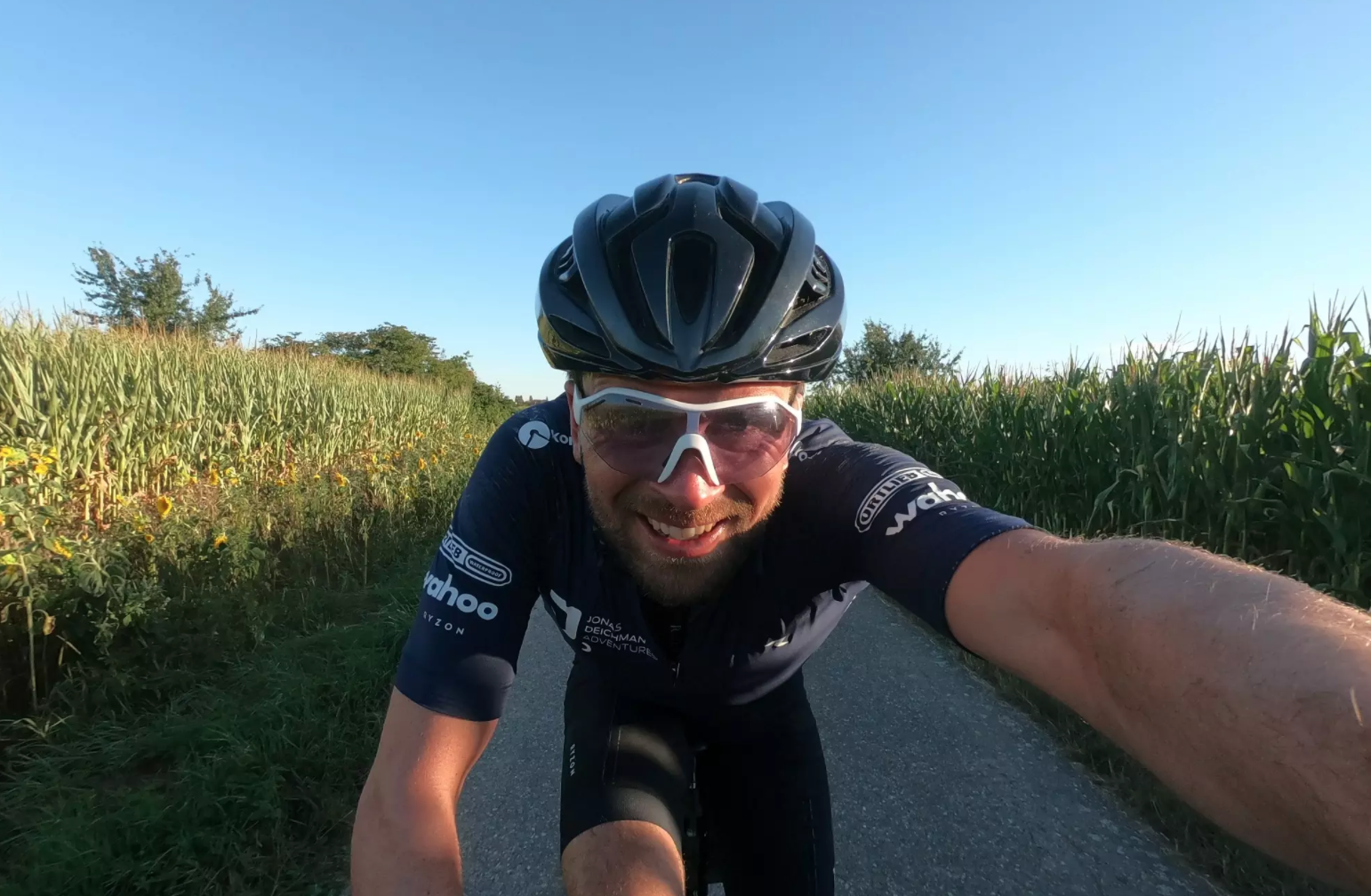
Triathlon 360 – my journey around the world
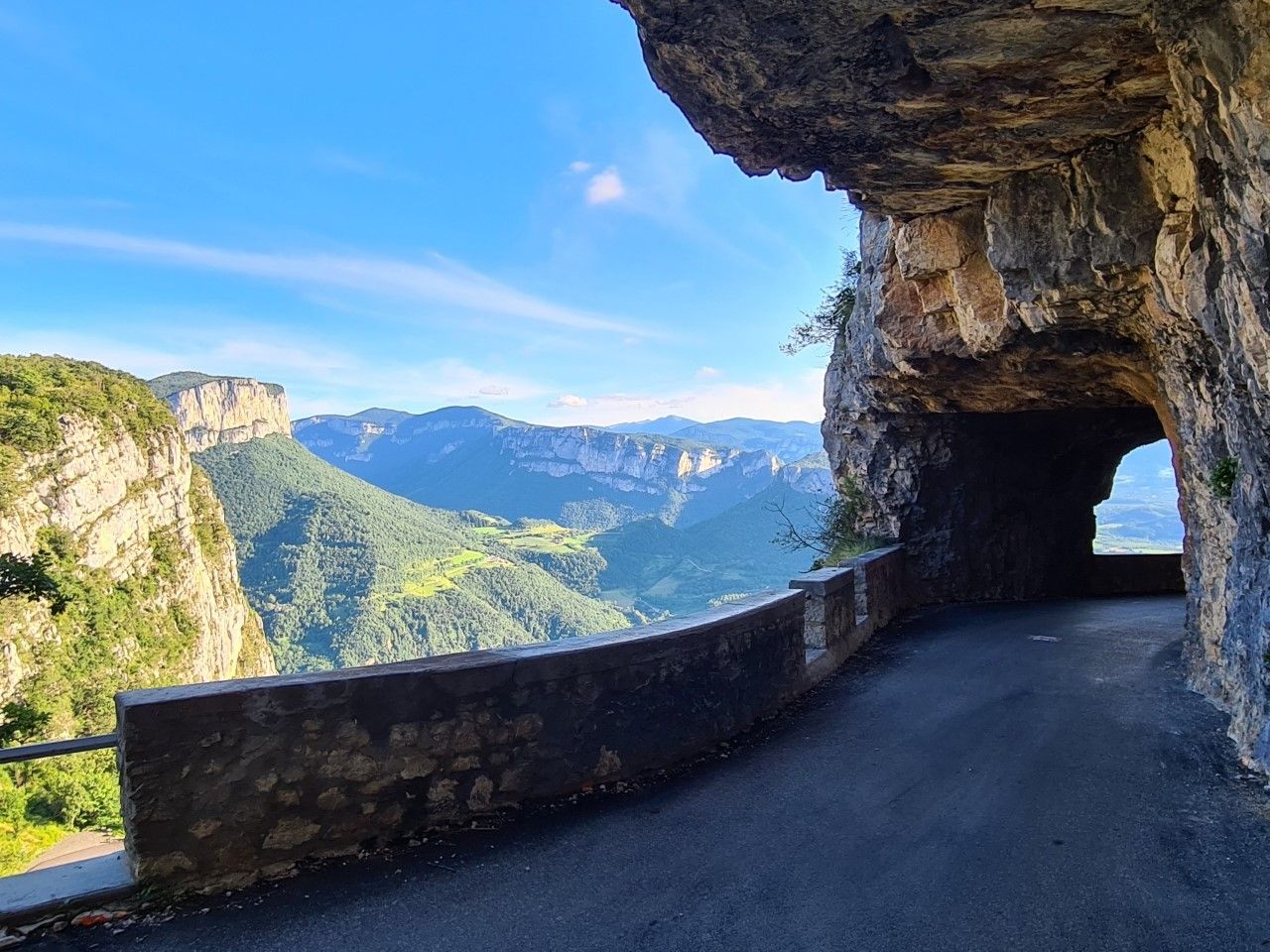
La Grande Traversée du Vercors — In the West of the Alps
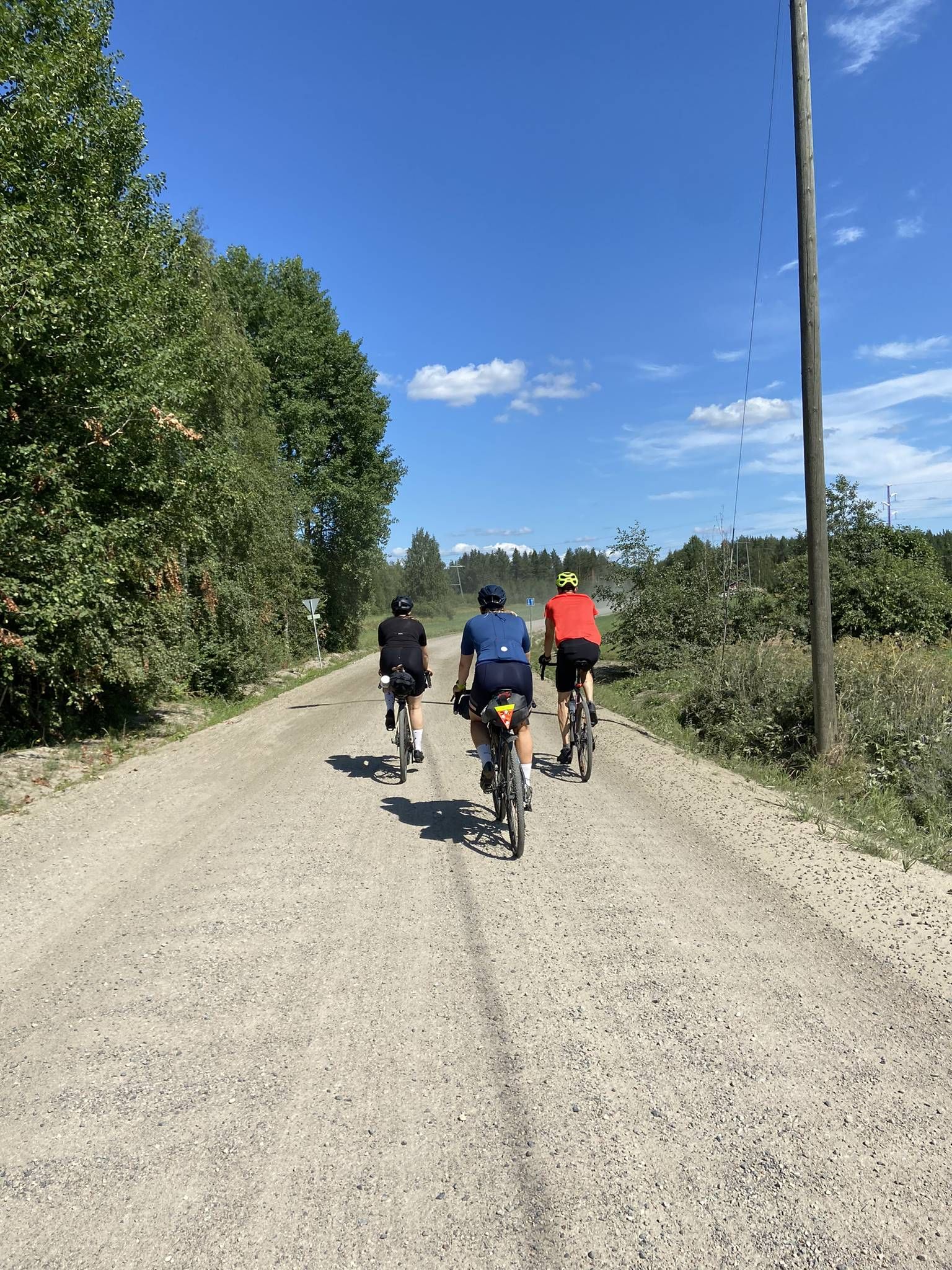
Naples to North Cape — Two friends, one purpose and many scoops of ice-cream
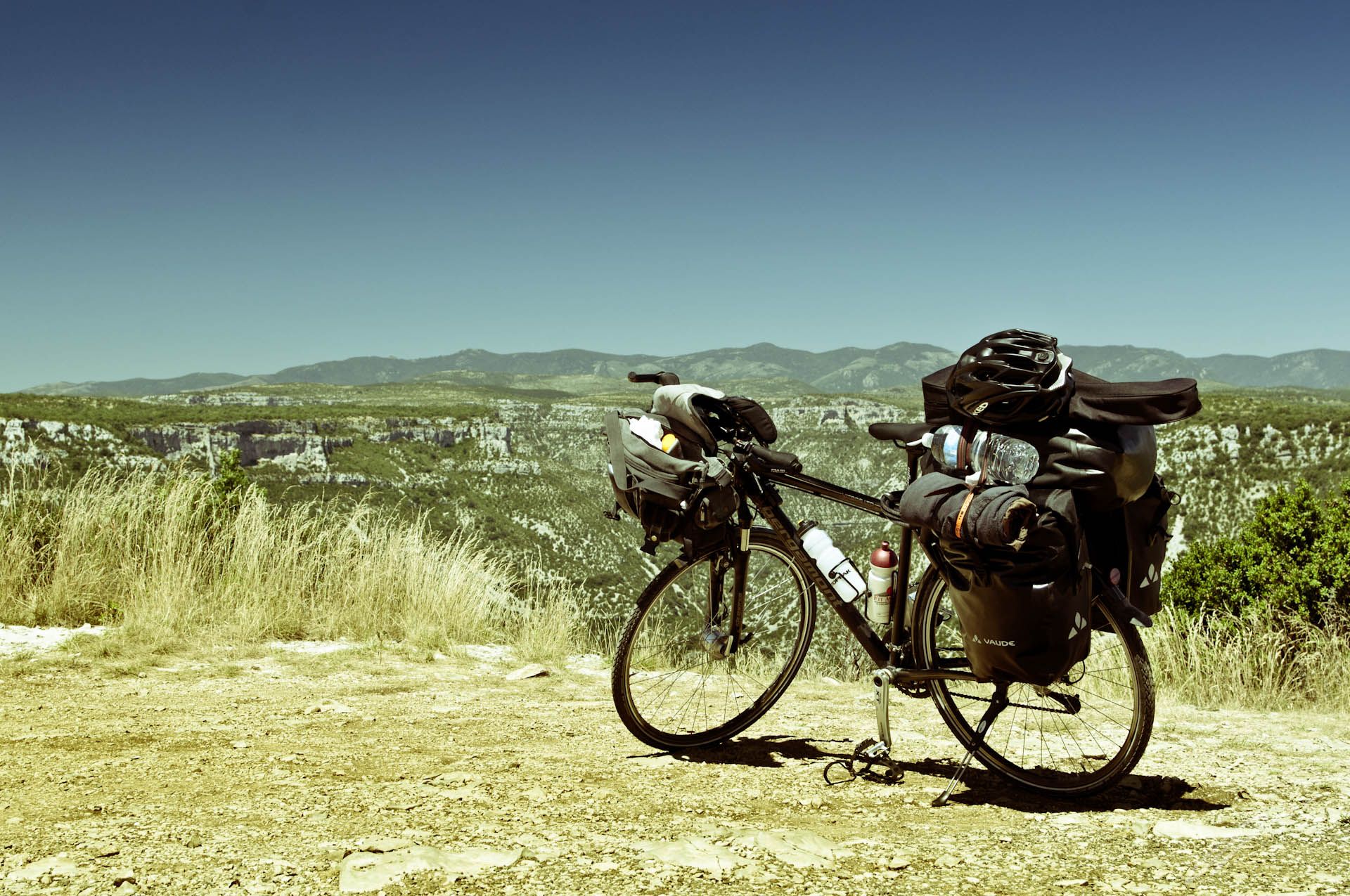
Follow the sun – riding from Germany to the south of France
GR 91 - From the Vercors High Plateaux to Provence
Vercors — the best gravel and mountain bike routes
P'tites Routes du Soleil (Little Routes of the Sun)
Cycling around La Belle Via — Bike rides in Isère
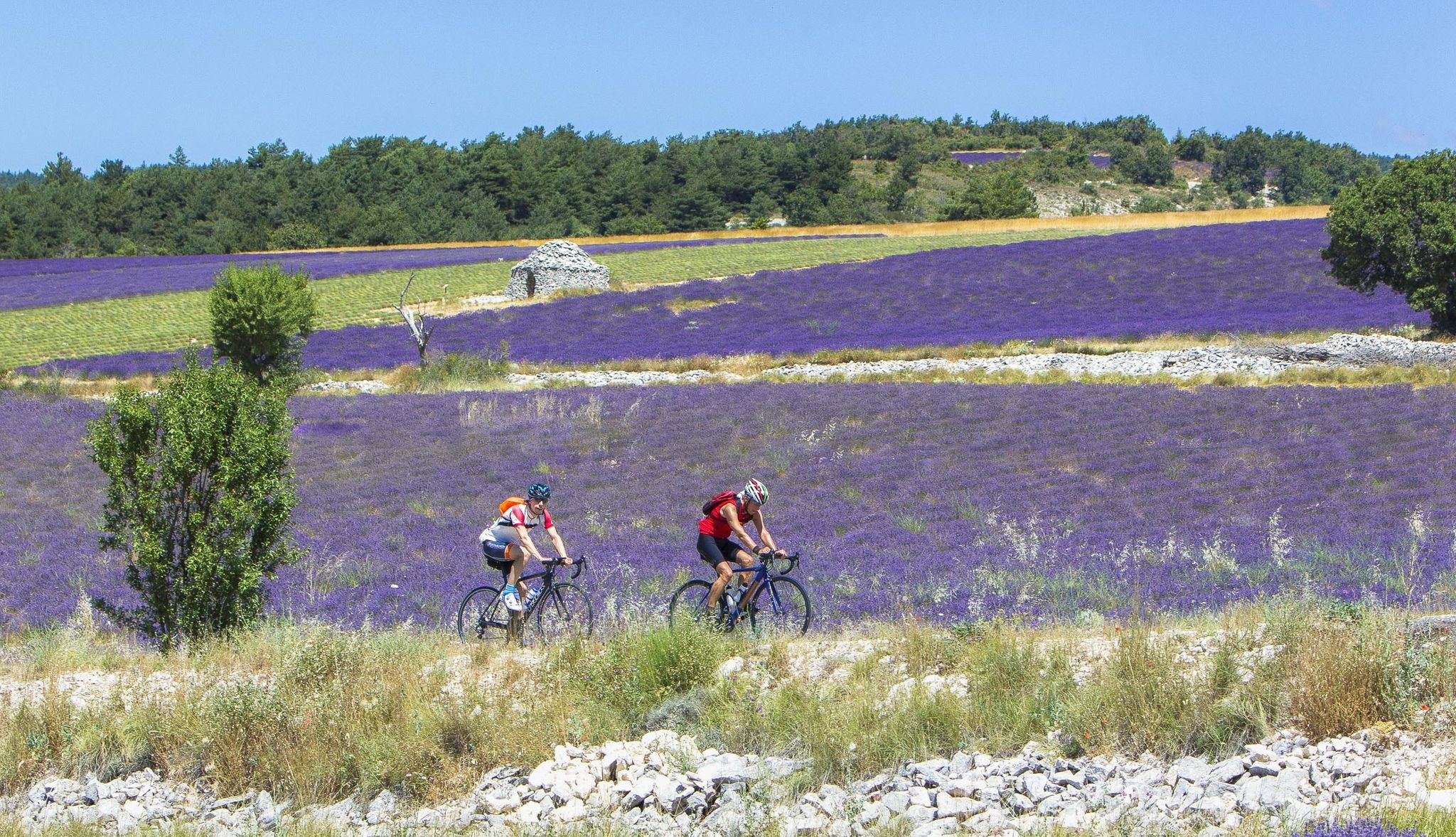
Between passes and mountain villages – bike rides in the Drôme
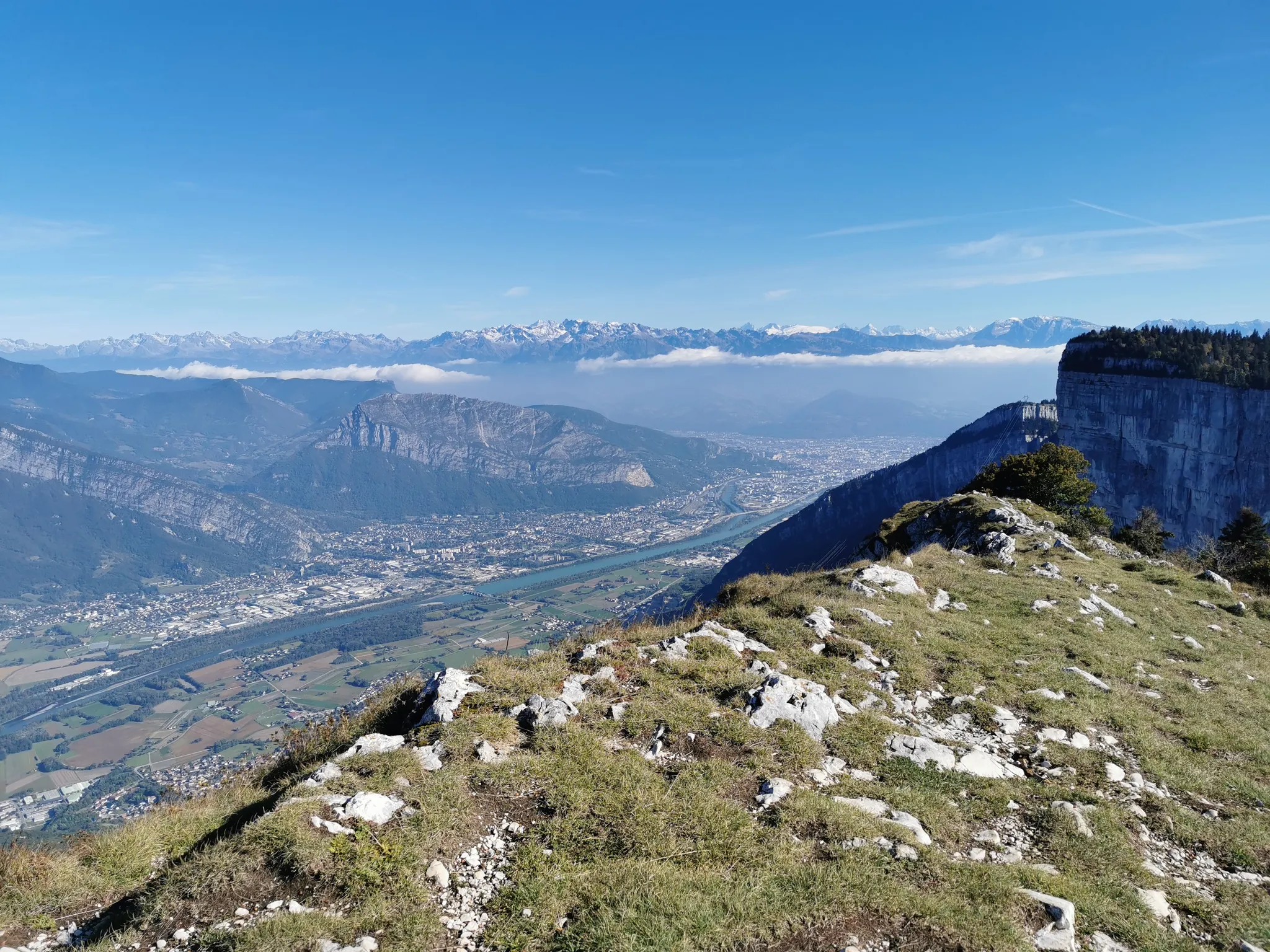
Grand Tour of the Vercors – third section
Other adventures in Vercors


Tips from the Community

Prepare to experience one of the most spectacular and exciting road routes in Europe! The Combe Laval road, nestled in the Vercors massif, is a true engineering masterpiece of the 19th century. Also known as the "road of dizziness," it winds for about 4 kilometers literally carved into the limestone rock, offering passages through suggestive tunnels and natural balconies with breathtaking drops that will take your breath away.
11
0
La Combe Laval is one of the most spectacular scenic roads in the Vercors massif. The D76 was carved into the rock face between the 19th and 20th centuries and passes through a succession of tunnels, ledges, and sections suspended over the valley.
10
0

Stunning view and perfectly marked trail. Remember to bring water, there are no springs on the plateau.
0
0

After a long section of "classic" pass, we suddenly find ourselves on the side of a cliff with a majestic view 😍. The valley is not very long but magnificent. Many nooks and crannies to stop and take a photo.
2
0
As pretty at the top as at the bottom, lots of ways to get to the top, accessible for all levels (not technical but lots of elevation gain depending on your starting point) but it's worth it!
1
0

Undoubtedly the most beautiful road in the Vercors, and certainly a delight for cyclists. The climb through Saint-Jean-en-Royans is quite challenging, with numerous sections at 8-9% gradients. It's possible to do it downhill by first climbing the Col du Pionnier.
3
1

It is possible to do the Crête des Crocs tour by following the path at the bottom of the cliffs. You will have to pay attention to the cairn which indicates when you must leave it to reach the ridge and switch to the other side. Be careful, the path to go back down includes a technical passage that can be avoided by passing the rocky bar while staying on the ridge.
2
0
This hike offers superb panoramas and the arrival at Pic Saint-Michel, if you go clockwise, reveals a breathtaking view of the valley.
0
1
Frequently Asked Questions
What are some of the most impressive geological formations in Vercors?
The Vercors Regional Natural Park is renowned for its dramatic geological features. You can explore the spectacular Bourne Gorges, carved by the Bourne River, or witness the engineering marvel of Combe Laval, a road built directly into the cliff face. Underground, the Choranche Caves offer a fascinating glimpse into subterranean artistry with their unique 'fistulous' stalactites and underground waterfalls.
Which natural monuments in Vercors offer the best panoramic views?
For breathtaking panoramic views, consider visiting several summits. Saint-Michel Peak provides magnificent vistas of the entire Vercors valley. The Moucherotte Summit offers a broad panorama of the Isère valley, Grenoble, and the Alps. Additionally, Grand Veymont, the highest point of the massif, boasts stunning 360-degree views of the Alps and the Vercors plateaus.
Are there any family-friendly natural monuments to visit in Vercors?
Yes, Vercors offers several natural monuments suitable for families. The Choranche Caves provide an engaging underground experience with impressive stalactites and waterfalls that can captivate all ages. For a scenic and accessible natural feature, the White Waterfall is a beautiful spot where you can enjoy the foaming water and even take a dip in the cold water during warmer months.
What kind of wildlife can I expect to see around Vercors' natural monuments?
The Vercors Regional Natural Park is rich in biodiversity. In the pristine environment of the Réserve Naturelle des Hauts Plateaux du Vercors, you have a chance to observe diverse wildlife such as chamois, ibex, and mouflon. The Grand Veymont area is also known for its ibex population, and marmots are often spotted. The Plateau d'Ambel is another less-frequented area known for its diverse wild fauna and flora.
What are some popular hiking routes near the natural monuments in Vercors?
Vercors offers numerous hiking opportunities near its natural monuments. For mountain hikes, you can explore routes like the Pic Saint-Michel (1966 m) – Arc Pass loop or the Path with panoramic view – Grand Veymont loop. If you're interested in waterfalls, consider the Canyon des Gueulards et Gorges d'Omblèze loop or the Chute de la Druise round trip. You can find more details on these and other routes in the Mountain Hikes in Vercors and Waterfall hikes in Vercors guides.
Are there any natural monuments in Vercors that are dog-friendly?
Yes, some natural monuments in Vercors are dog-friendly. For instance, the White Waterfall is noted as a dog-friendly spot, offering a refreshing experience for both you and your canine companion. Always ensure your dog is on a leash and respect local regulations, especially in protected areas like the Réserve Naturelle des Hauts Plateaux du Vercors where specific rules may apply.
What is the best time of year to visit the natural monuments in Vercors?
The best time to visit the natural monuments in Vercors largely depends on the activities you plan. Spring and autumn offer pleasant temperatures for hiking and exploring the gorges and plateaus, with vibrant flora in spring and stunning colors in autumn. Summer is ideal for enjoying waterfalls and higher altitude trails. Winter can be beautiful for snowshoeing or winter hiking, but some areas, like the Réserve Naturelle des Hauts Plateaux du Vercors, are only accessible on foot and may require specific gear.
What makes Mont Aiguille a significant natural monument in Vercors?
Mont Aiguille, standing at 2,087 meters, is iconic for its distinctive, almost inaccessible monolithic shape. Nicknamed 'the wonder of the Dauphiné,' it holds historical significance as the cradle of modern mountaineering, with its first recorded ascent dating back to 1492. Hiking around it offers impressive views of its sheer faces and the surrounding Vercors landscape from various viewpoints like the Col de Papavet and Col d'Aupet.
Can I cycle through any of the natural monuments or scenic routes in Vercors?
Absolutely! The Vercors offers spectacular cycling experiences. The Bourne Gorges feature roads carved into the cliffs, providing breathtaking panoramic views for cyclists. Similarly, Combe Laval is often described as one of the most spectacular roads in the Alps, offering dizzying views as you cycle along its cliff-hugging path. These routes combine challenging terrain with stunning natural backdrops.
Are there any hidden gems or less-frequented natural monuments in Vercors?
For those seeking a wilder, less-frequented experience, the Plateau d'Ambel is an excellent choice. Accessible from the Col de Rousset, this area is bordered by impressive cliffs and offers a unique hiking experience in an unspoiled setting. Its highest point, the Tête de la Dame, provides spectacular views of the eastern Vercors, including the imposing Glandasse massif, and it's known for its diverse wild fauna and flora.
What do visitors enjoy most about the natural monuments in Vercors?
Visitors consistently praise the stunning panoramic views from summits like Saint-Michel Peak and Grand Veymont, often mentioning the feeling of 'absolute fullness' and the chance to spot wildlife like ibexes. The unique geological formations, such as the Choranche Caves and the dramatic gorges, also leave a lasting impression. The tranquility and untouched beauty of the vast plateaus are frequently highlighted as well.
What are the regulations for visiting the Réserve Naturelle des Hauts Plateaux du Vercors?
The Réserve Naturelle des Hauts Plateaux du Vercors is France's largest nature reserve and a highly protected area. It can only be explored on foot, emphasizing its pristine natural environment. Visitors are generally required to stay on marked trails, refrain from disturbing wildlife, and practice leave-no-trace principles. Specific regulations regarding camping, fires, and dogs may apply, so it's advisable to check with the park authorities or local information centers before your visit.
Most popular routes in Vercors
Most popular attractions in Vercors

Get inspired with the komoot mobile app


Explore more
Extend your search for the best caves by checking out these guides of the top ones in Vercors:
