The best running trails in Pyrénées Ariégeoises
4.4
(113)
5,529
runners
467
runs
Jogging in Pyrénées Ariégeoises offers diverse terrain across a well-preserved natural landscape. The region features high valleys and peaks, including several summits reaching up to 3,000 meters, alongside Pyrenean foothills and distinctive limestone ridges. Runners can explore routes around beautiful lakes and impressive waterfalls, within natural reserves that protect varied ecosystems. The area provides a mix of challenging mountain trails and more accessible paths through varied environments.
Best jogging routes in Pyrénées Ariégeoises
- The most popular jogging route is Le…
Last updated: May 26, 2026
160
runners
Hard run. Very good fitness required. Sure-footedness, sturdy shoes and alpine experience required.
4.0
(1)
129
runners
Hard run. Very good fitness required. Sure-footedness, sturdy shoes and alpine experience required.

Sign up for free
18
runners
22.2km
05:10
1,710m
1,710m
Hard run. Very good fitness required. Sure-footedness, sturdy shoes and alpine experience required.
23
runners
Hard run. Very good fitness required. Sure-footedness, sturdy shoes and alpine experience required.
22
runners
Hard run. Very good fitness required. Mostly paved surfaces. Suitable for all skill levels.
Get access to more routes and recommendations from other explorers.
Sign up for free
Already have an account?
Our route recommendations are based on thousands of hikes, rides, and runs completed by other people on komoot.
Start today with a free account
Your next adventure awaits.
Login or Signup
Popular around Pyrénées Ariégeoises
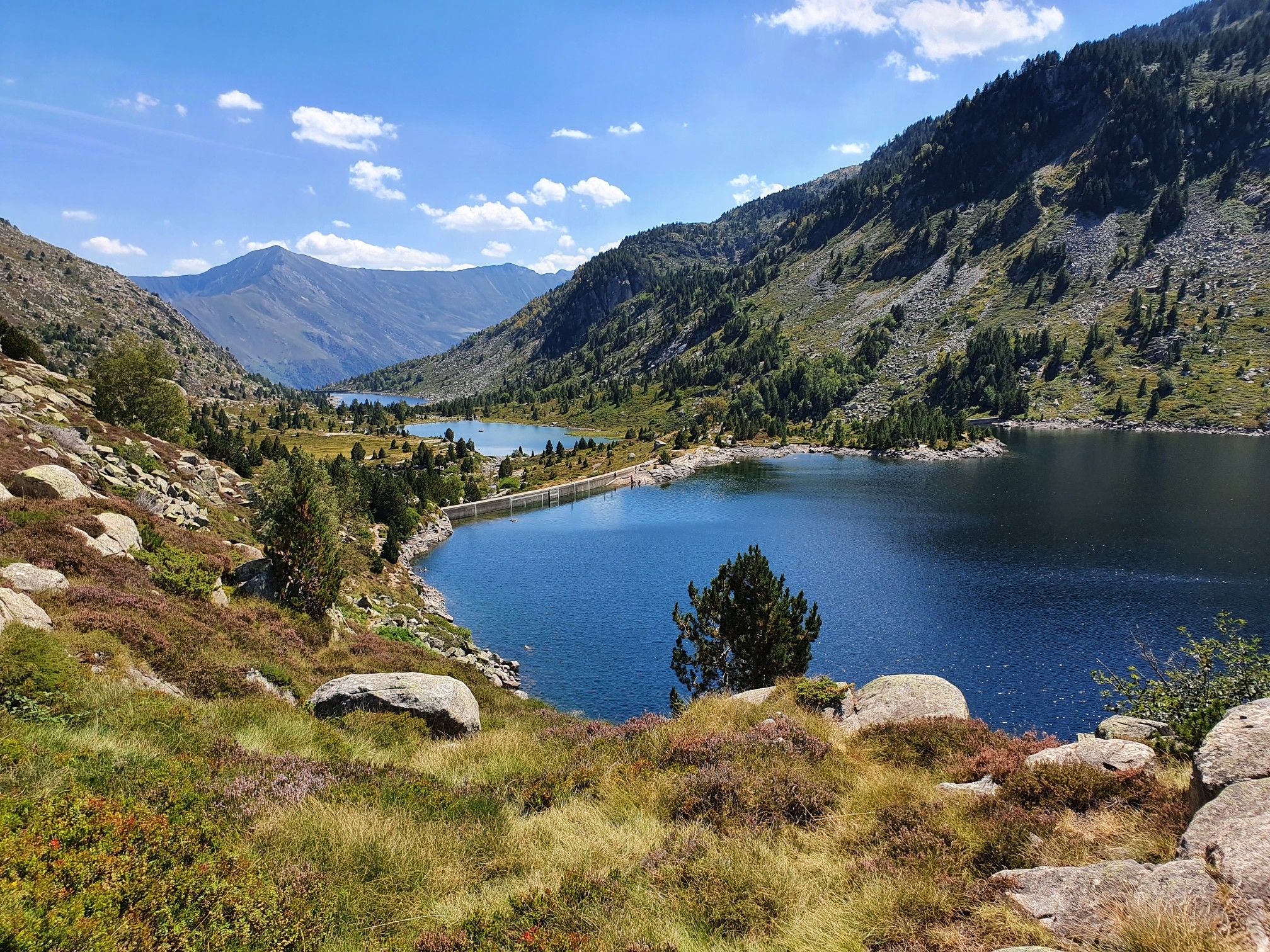
GR 10 – Explore the Ariège Pyrenees crossing the Pyrenees
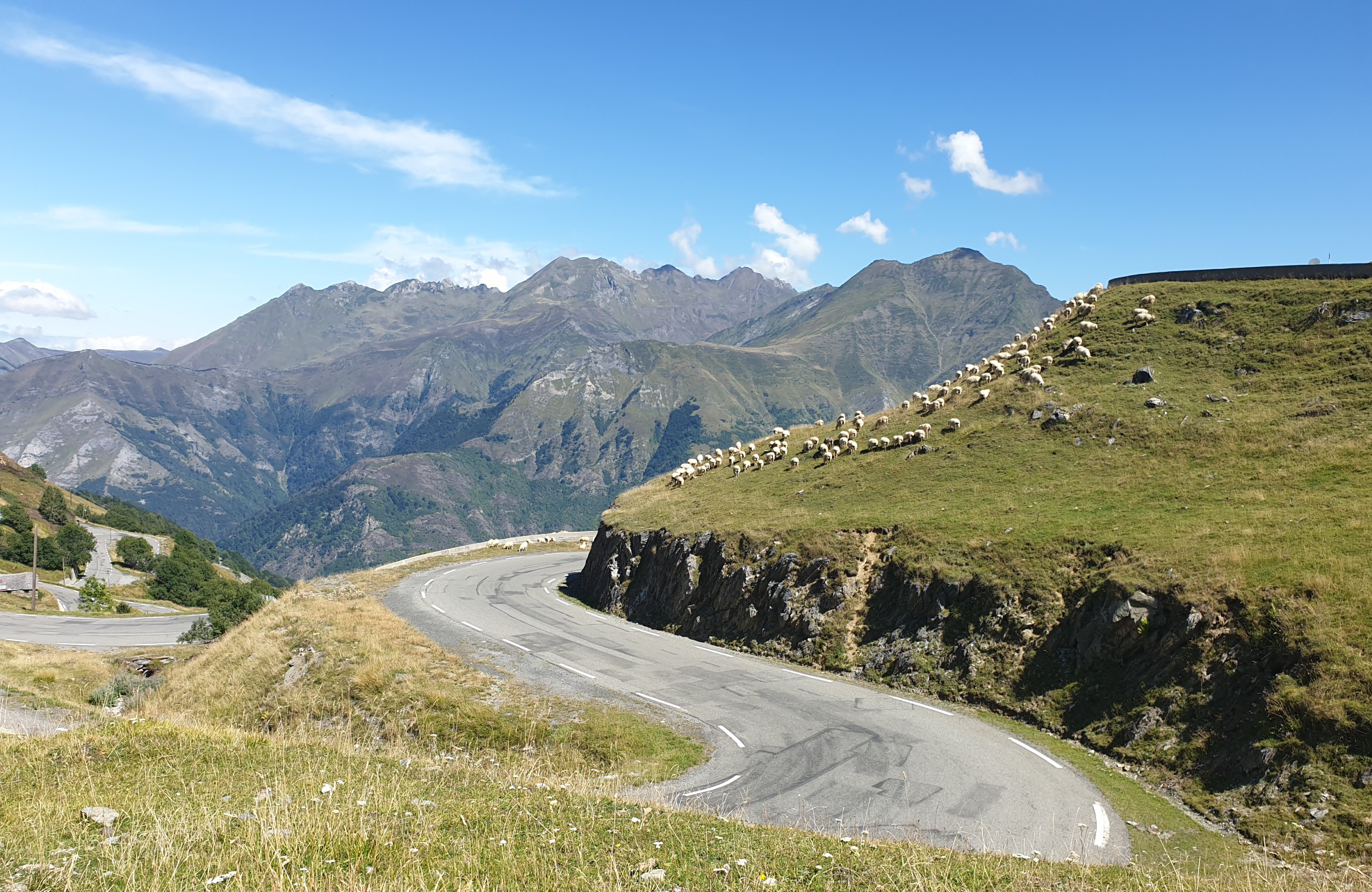
Between myths and legends – emblematic passes of the Pyrenees
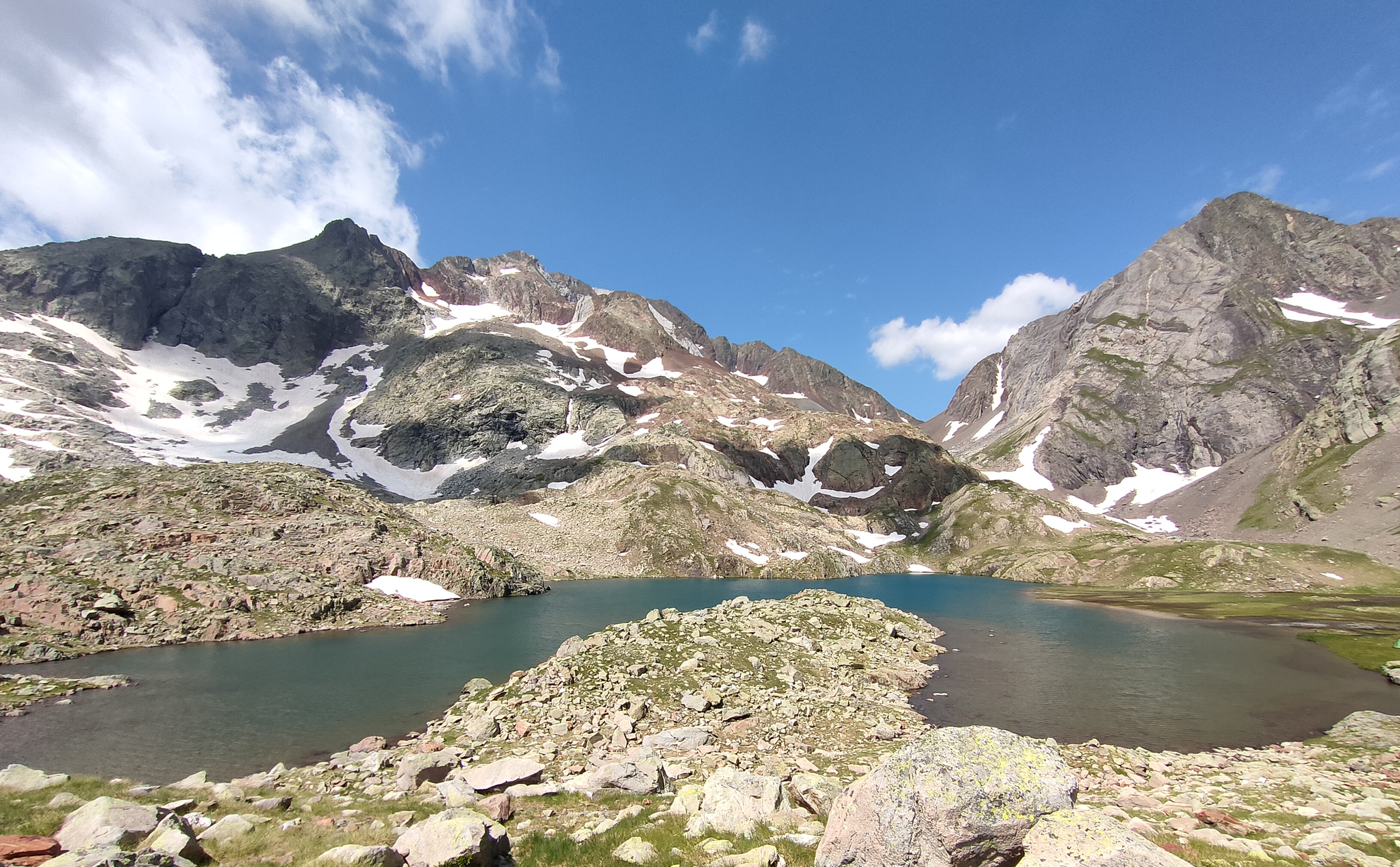
Panoramic Pyrenees – 15 hikers' peaks of over 3,000 metres
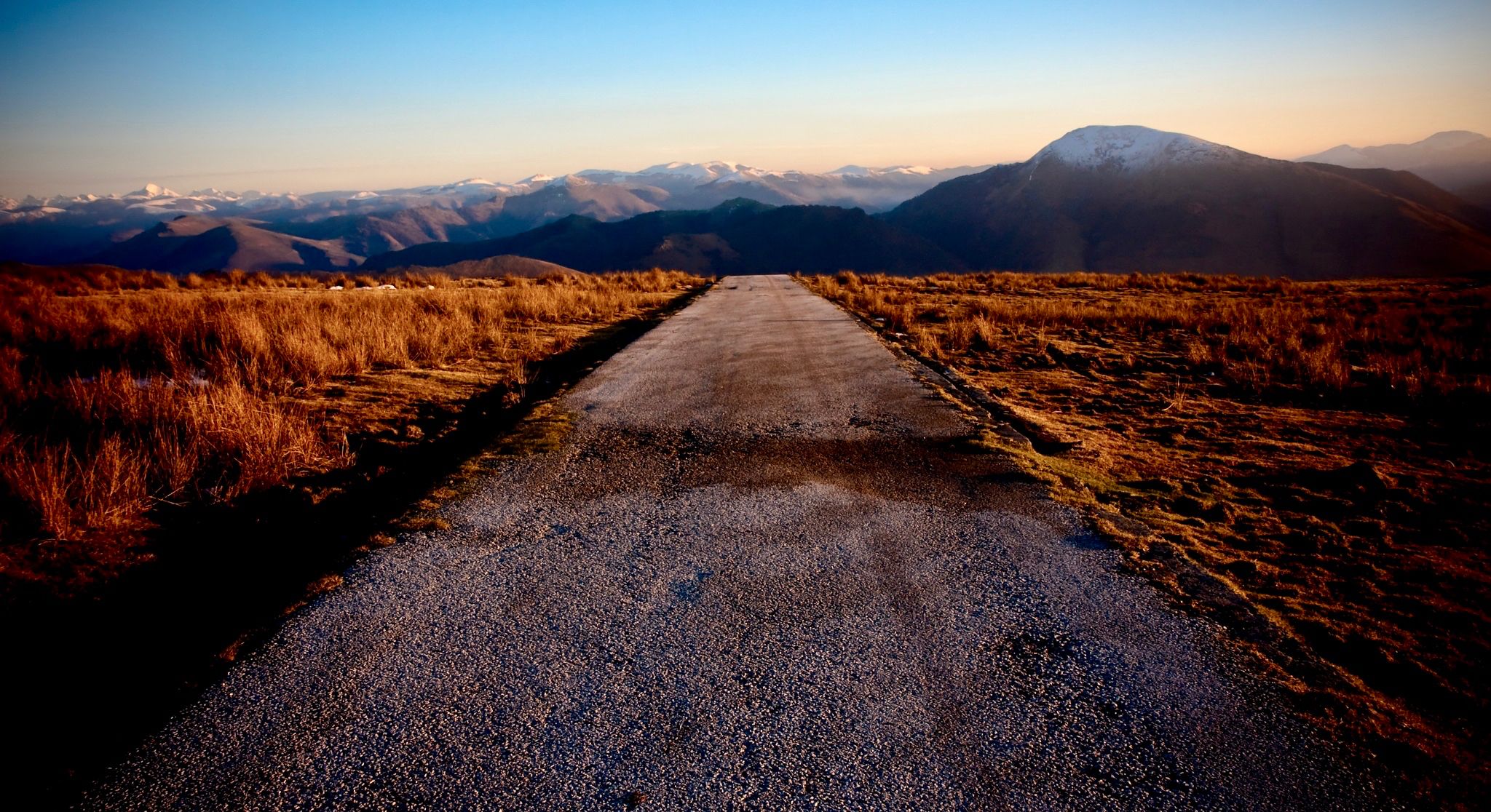
Coast to coast across the Pyrenees on your road bike
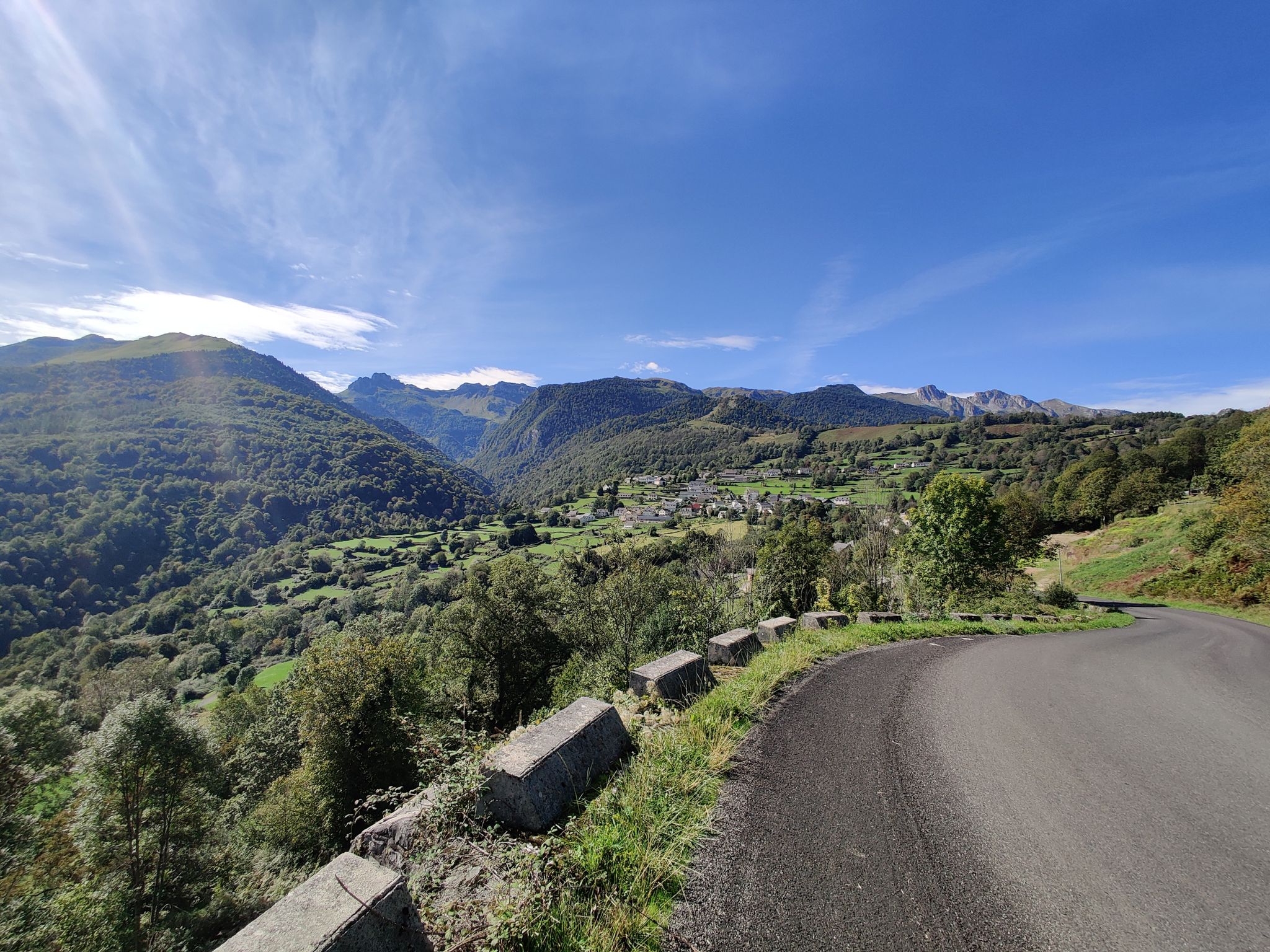
From the Atlantic to the Mediterranean – Route des Cols in the Pyrénées
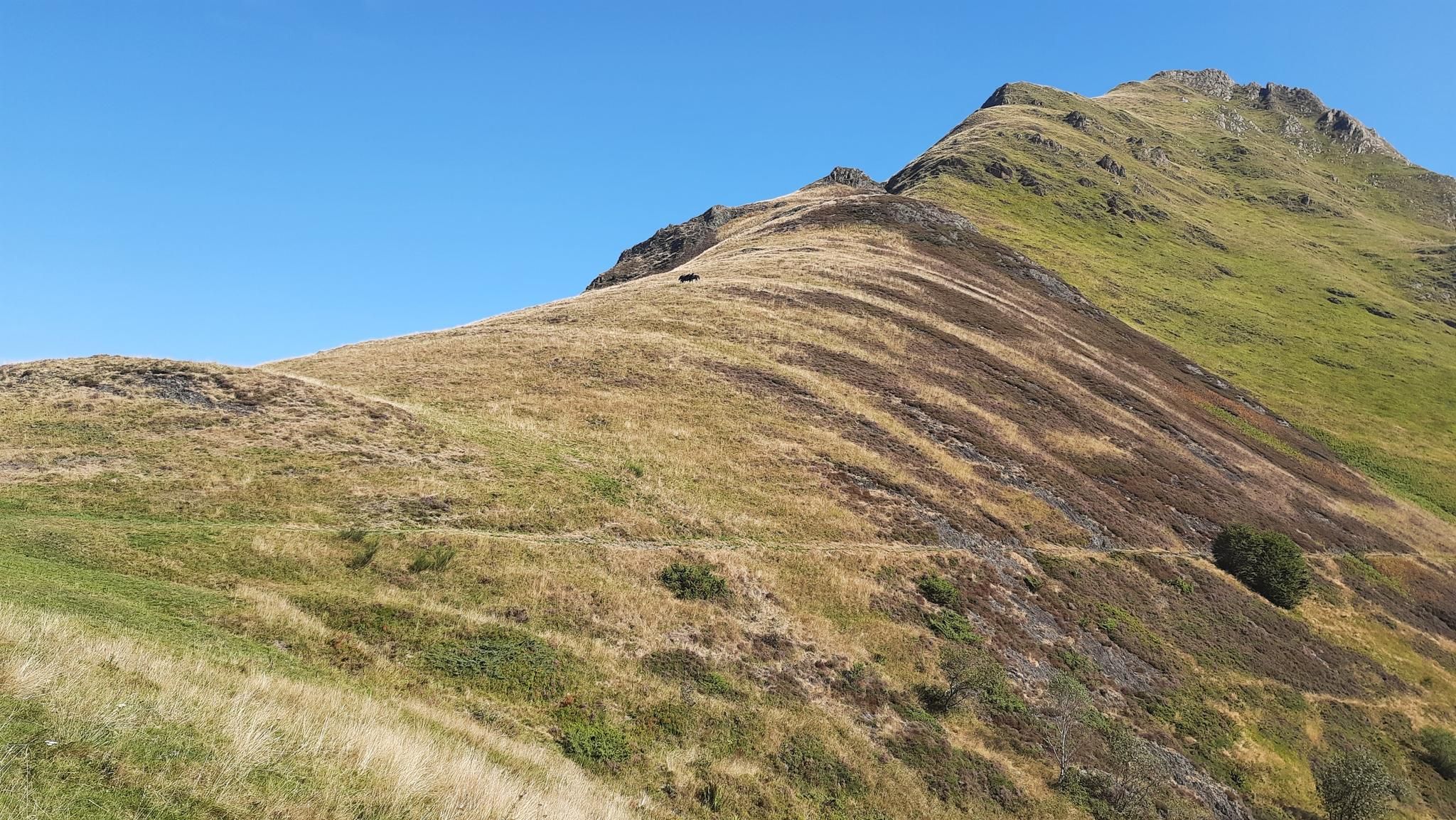
Tour of Mont Valier - The Giant of Ariège
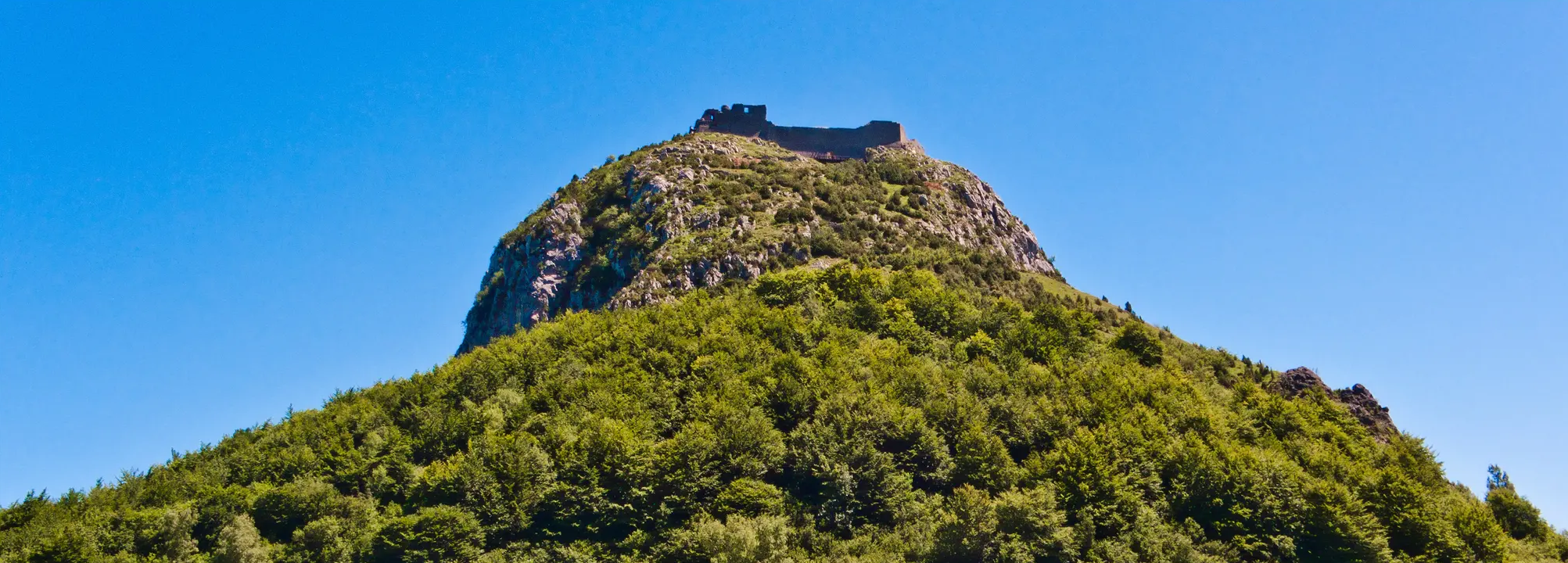
Climbs and greenways - The Great Ariège-Pyrénées Crossing by MTB
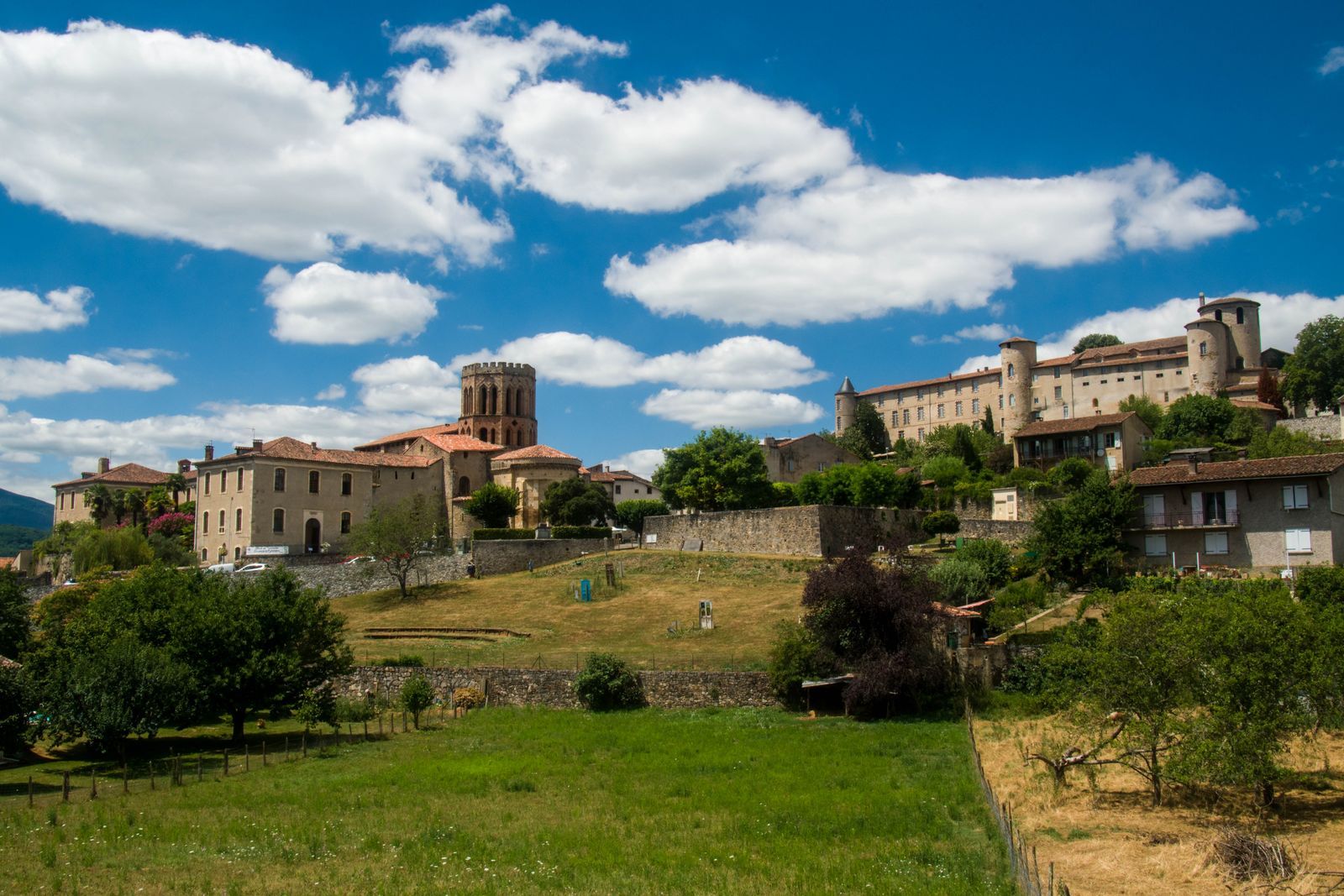
Tour of the Portes du Couserans by MTB – a Pyrenean odyssey
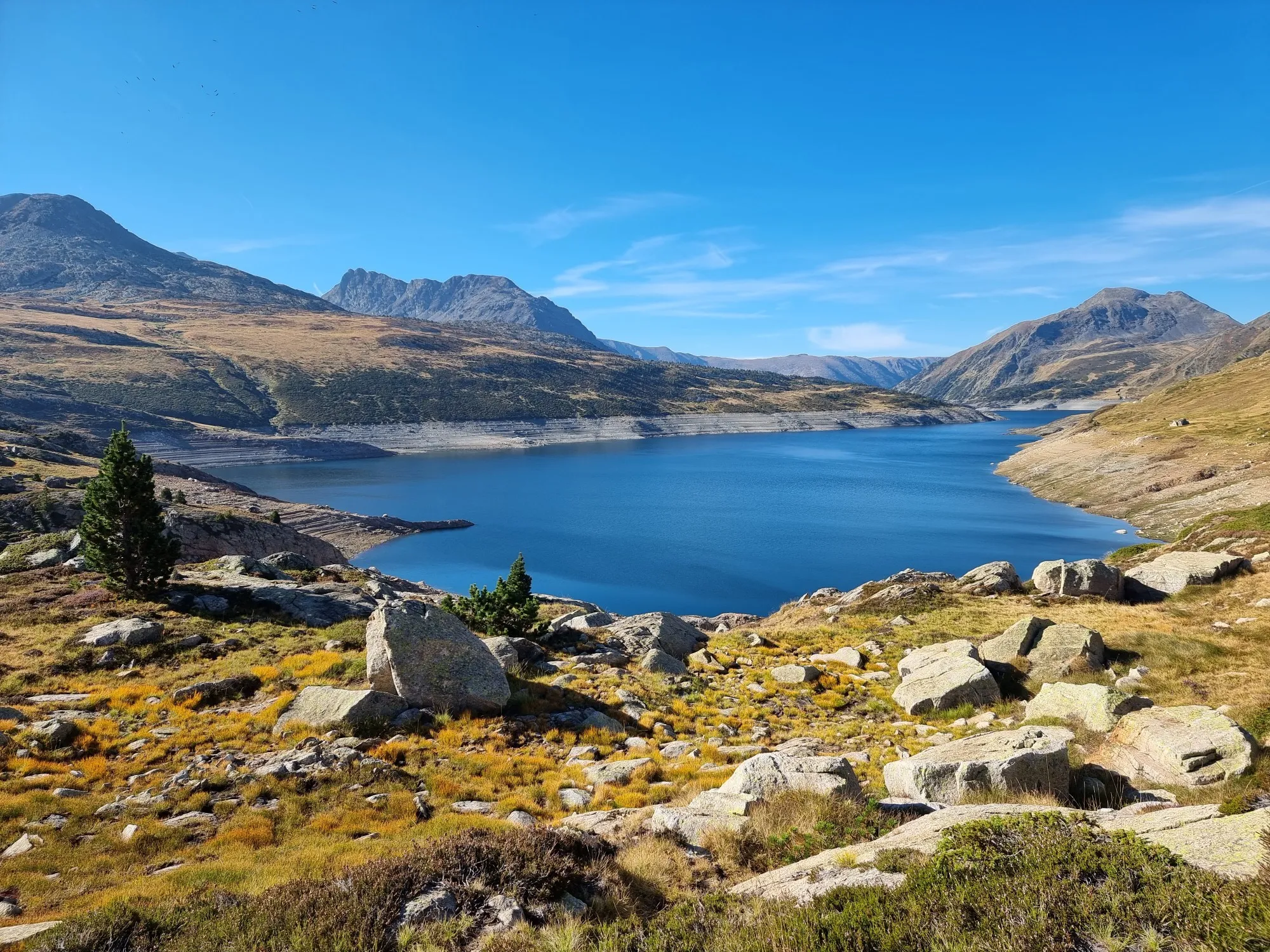
On wild ridges: Catalonia to Ariège – Hexatrek, Eastern Pyrenees
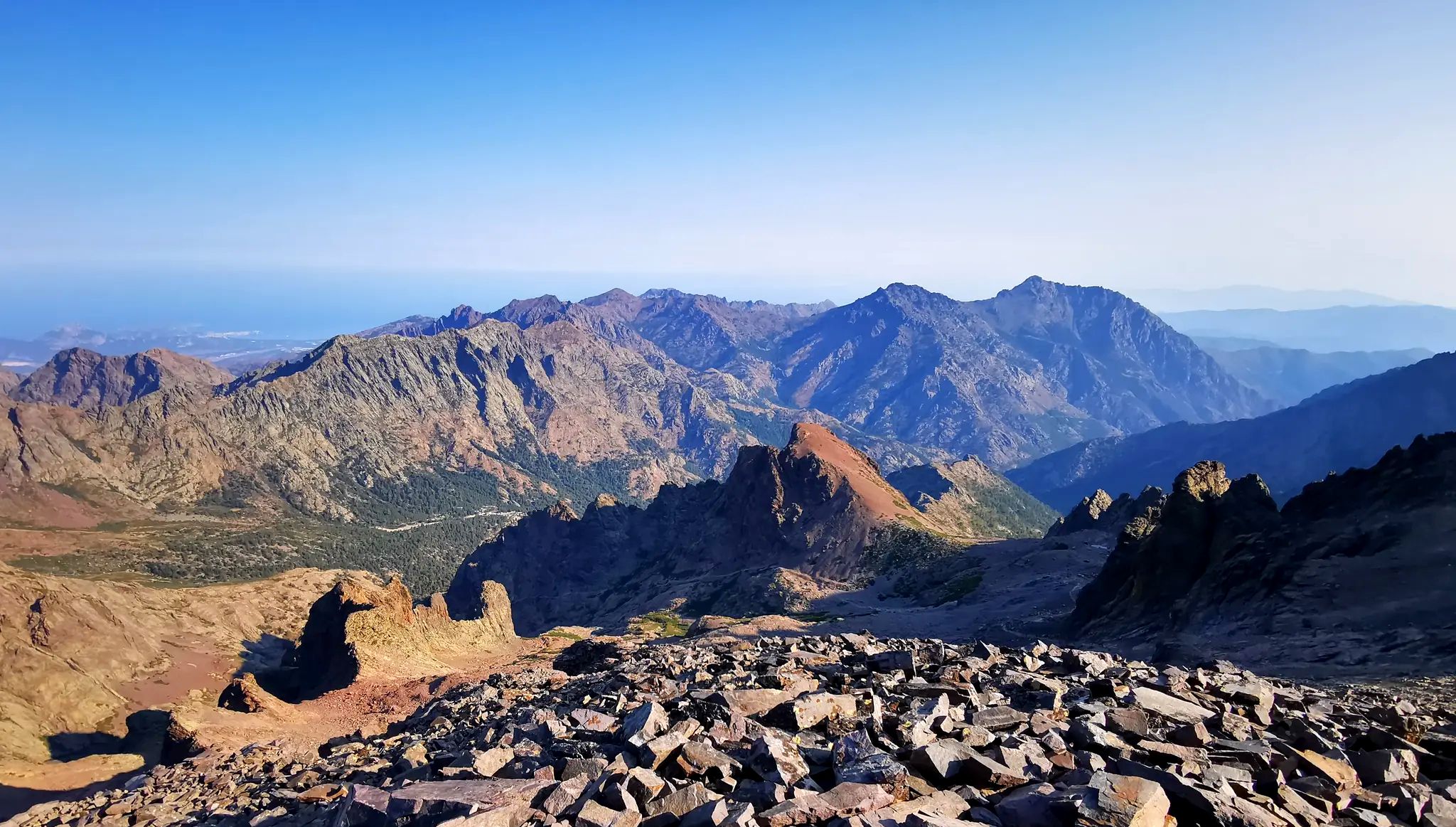
Hiking to the summits – France's highest points
Other adventures in Pyrénées Ariégeoises


Tips from the Community

A beautiful, not too difficult summit on the national border 🇦🇩🇫🇷😃, but requiring some light scrambling 😃 in the summit area (⚠️ UIAA: I). Great view of the surrounding lakes 😃.
1
0

I think making this peak a highlight of my run is quite a challenge. Taking the easiest route via the Refuge de Pinet would be at least challenging mountain trail running. Inexperienced runners should definitely be aware of the altitude and terrain.
0
0
A well-known 3000-meter peak entirely on the French side, with a flat summit (and bivouac stone walls). There are four ascent routes: -from the east from the Étang de Soulcem (T4) -from the north via the Refuge du Pinet (T3+) -from the northeast (steep T4+ gully, dangerous in icy conditions) -from the Spanish side (south) with an easy intermediate descent (T3+) Designed as a "mountain hiking" highlight, as some tours go beyond simple "hiking." I combined the tour with the Sotllo (T4+).
2
0
I created the summit myself as a "highlight" for mountain hiking, as my chosen long loop, including the Pic de Sotllo, was a bit more challenging. The "normal route" via the Refuge de Pinet is technically easier and lacks any real climbing. However, I find the mountain hiking category more appropriate due to the altitude and terrain. Unfortunately, Komoot makes my highlight invisible to others on the map. As has happened with several of my previous highlights in other regions, where I marked the only point.
0
0
Photogenic little lake on the ascent to the famous peaks. From here, two trail options diverge. The one on the right, in the direction of ascent, isn't any more difficult, although it appears that way on the map.
0
0
Very beautiful and photogenic lakes in a high valley, accessible only by long hikes/climbing. Therefore, they are not as crowded as the reservoir in the valley below. You'll often need your hands on the descent from the eponymous peak, Pic d'Étang Fourcat.
0
0
This 3000-meter peak on the French side of the Pyrenees' main ridge is relatively easy to reach via the Refuge de Pinet, but requires a significant elevation gain from the parking lot. Therefore, using the hut is recommended; it also has a room open in winter (€8 unattended). Another ascent from the northeast allows for a "crossing," but it has a steep gully (which, when icy, almost caused me a nasty fall in October 2014). A third ascent option leads from the east, from the reservoir, over the shared pass with the Pica d'Estats. Needless to say, there's a fantastic view from the summit. Only the view to the south is limited by the slightly higher Pica d'Estats, which is why hikers with good fitness and surefootedness are recommended to climb the latter from the shared pass.
1
0
Conveniently located hut for those who want to take the technically easiest, but with 2,000 meters of elevation gain, longest climb from the parking lot at L'Artigue to the peaks of Pic du Montcalm, Pica d'Estats, and Pic de Sotllo. The hut was already closed when I climbed in mid-October, but a winter room with approximately 14 beds was open. There's a cash register at the entrance, charging €8 per night.
1
0
Frequently Asked Questions
How many running routes are available in Pyrénées Ariégeoises?
The Pyrénées Ariégeoises region offers a wide variety of running routes, with over 480 trails documented on komoot. This includes 20 easy routes, 212 moderate routes, and 254 difficult routes, ensuring options for all skill levels.
Are there running routes suitable for families in Pyrénées Ariégeoises?
Yes, the region provides several family-friendly running paths. While many trails cater to experienced runners, you can find easier routes, particularly in the green valleys and Pyrenean foothills, offering pleasant experiences for all ages. Look for routes marked as 'easy' on komoot.
Can I find circular running routes in the Pyrénées Ariégeoises?
Absolutely. Many of the running trails in Pyrénées Ariégeoises are designed as circular loops, allowing you to start and finish at the same point. For example, the challenging Cascade d'Ars – trail loop starting from Aulus-les-Bains offers a scenic 8-mile (12.8 km) loop through varied landscapes.
Are there any running trails that feature waterfalls or lakes?
Yes, the Pyrénées Ariégeoises is known for its beautiful natural features. You can find routes that pass by impressive waterfalls like the Ars Waterfall, or picturesque lakes such as the Étangs de Bassiès and Étang de Lers. The Cascade d'Ars trail is a prime example, leading directly to a stunning waterfall.
What kind of terrain can I expect on running routes in Pyrénées Ariégeoises?
The terrain varies significantly across the region. You'll encounter everything from high mountain peaks and challenging technical climbs to serene valleys, Pyrenean foothills, and distinctive limestone ridges. This diversity ensures a wide range of experiences, from gentle paths to demanding trail runs with significant elevation gains.
Are there any notable landmarks or viewpoints along the running trails?
Yes, the region is rich in remarkable viewpoints and natural landmarks. Many trails offer stunning panoramas from mountain passes like the Agnès Pass or the Lers Pass. You might also encounter beautiful lakes such as Izourt Pond or the Étang Fourcat, and even prehistoric caves like the Grotte du Mas-d'Azil, which can be explored nearby.
What do other runners enjoy most about jogging in Pyrénées Ariégeoises?
The running routes in Pyrénées Ariégeoises are highly rated by the komoot community, with an average score of 4.3 stars from over 100 reviews. Runners often praise the diverse and well-preserved natural landscapes, the variety of terrain, and the stunning mountain views. The presence of serene lakes and impressive waterfalls also contributes to a memorable experience.
Are there challenging running routes for experienced trail runners?
Definitely. The Pyrénées Ariégeoises offers numerous challenging routes, particularly in its high valleys and soaring peaks. Trails like Le Pic de Montcalm, an 11.2-mile (18 km) route with significant elevation gain, provide a demanding experience for seasoned trail runners. Over 250 difficult routes are available.
Is parking available near the running trailheads?
Many popular trailheads and starting points for running routes in Pyrénées Ariégeoises offer designated parking areas. For example, the Pic de Tristagne trail loop starts from the upper Pradieres car park, making access convenient for runners arriving by car. It's always advisable to check specific route details for parking information.
Can I access running trails using public transport?
While many routes are best accessed by car, some areas within the Pyrénées Ariégeoises Regional Nature Park may have limited public transport options. It's recommended to research local bus services or regional transport links to specific villages or starting points if you plan to rely on public transport. Information on specific routes on komoot often includes details on accessibility.
What is the best time of year for jogging in Pyrénées Ariégeoises?
The best time for jogging in Pyrénées Ariégeoises generally depends on the altitude and desired conditions. Spring and autumn offer pleasant temperatures and vibrant scenery, ideal for most trails. Summer is excellent for higher altitude routes, providing cooler air and stunning views, though some lower trails might be warmer. Winter running is possible, especially on lower elevation paths, but higher mountain trails may require specialized gear due to snow and ice.
Are there any less crowded or 'hidden gem' running routes?
The vastness of the Pyrénées Ariégeoises Regional Nature Park means there are many trails beyond the most popular ones. Exploring routes in less frequented valleys or seeking out trails slightly off the main tourist paths can lead to quieter, equally rewarding running experiences. Komoot's extensive database allows you to discover a wide range of options, including those that might be considered hidden gems.
Most popular routes in Pyrénées Ariégeoises
Most popular attractions in Pyrénées Ariégeoises

Get inspired with the komoot mobile app


