Attractions and Places To See in Causses Du Quercy - Top 20
Best attractions and places to see in Causses Du Quercy, a UNESCO Global Geopark, include a rich array of natural and historical sites. This region in Occitanie, France, is characterized by its distinctive limestone plateaus, known as "causses," and features impressive karst landscapes. Visitors can explore subterranean wonders, medieval villages, and significant prehistoric sites. The area offers diverse experiences, from natural exploration to cultural immersion.
Best attractions and places to see in Causses Du Quercy
- The most popular attractions is Saint-Cirq-Lapopie, a settlement perched on a cliff overlooking a meander of the Lot River. This medieval village is classified among the most beautiful in France.
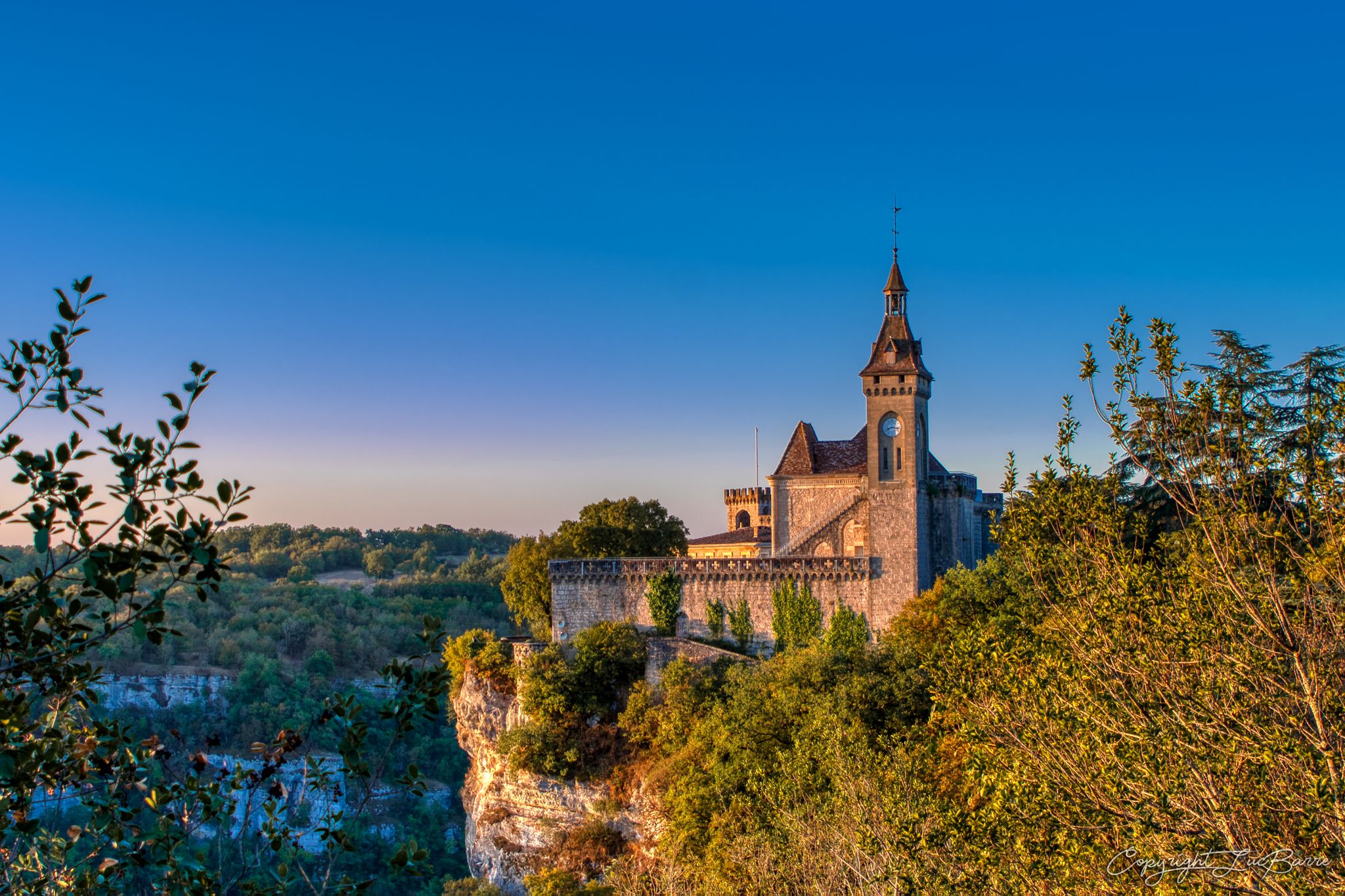
- Another must-see spot is Rocamadour — Medieval Village, a historical site situated on three levels. Visitors can explore the village, climb the Grand Staircase to the 12th-century Holy City, and reach a 14th-century castle at the summit.
- Visitors also love Ganil lock and towpath, a trail carved into the bare rock from Bouziès towards Saint Cirq Lapopie. This historically interesting path offers a simple walk along the water, showcasing impressive engineering.
- Causses Du Quercy is known for its karst landscapes, medieval villages, and subterranean wonders. The region offers a diverse range of experiences, from exploring ancient caves to hiking along river valleys.
- The attractions in Causses Du Quercy are appreciated by the komoot community, with more than 580 upvotes and over 360 photos shared.
Last updated: May 26, 2026
Saint-Cirq-Lapopie
Highlight • Settlement
Translated by Google •
Tip by

Rocamadour — Medieval Village
Highlight • Historical Site
You can find more photos in our tour: komoot.de/tour/41387425
Translated by Google •
Tip by

Sign up now to discover places like this
Get recommendations on the best single tracks, peaks, & plenty of other exciting outdoor places.
Sign up for free
Ganil lock and towpath
Highlight • Trail
Translated by Google •
Tip by

Rocamadour
Highlight • Settlement
Translated by Google •
Tip by

Moulin du Saut and Waterfalls
Highlight • Waterfall
More information can be found here: chemins-secrets.org/moulins-saut
Translated by Google •
Tip by

Sign up for free to discover even more attractions in Causses Du Quercy.
Sign up for free
Already have an account?
Start today with a free account
Your next adventure awaits.
Login or Signup
Popular around Causses Du Quercy
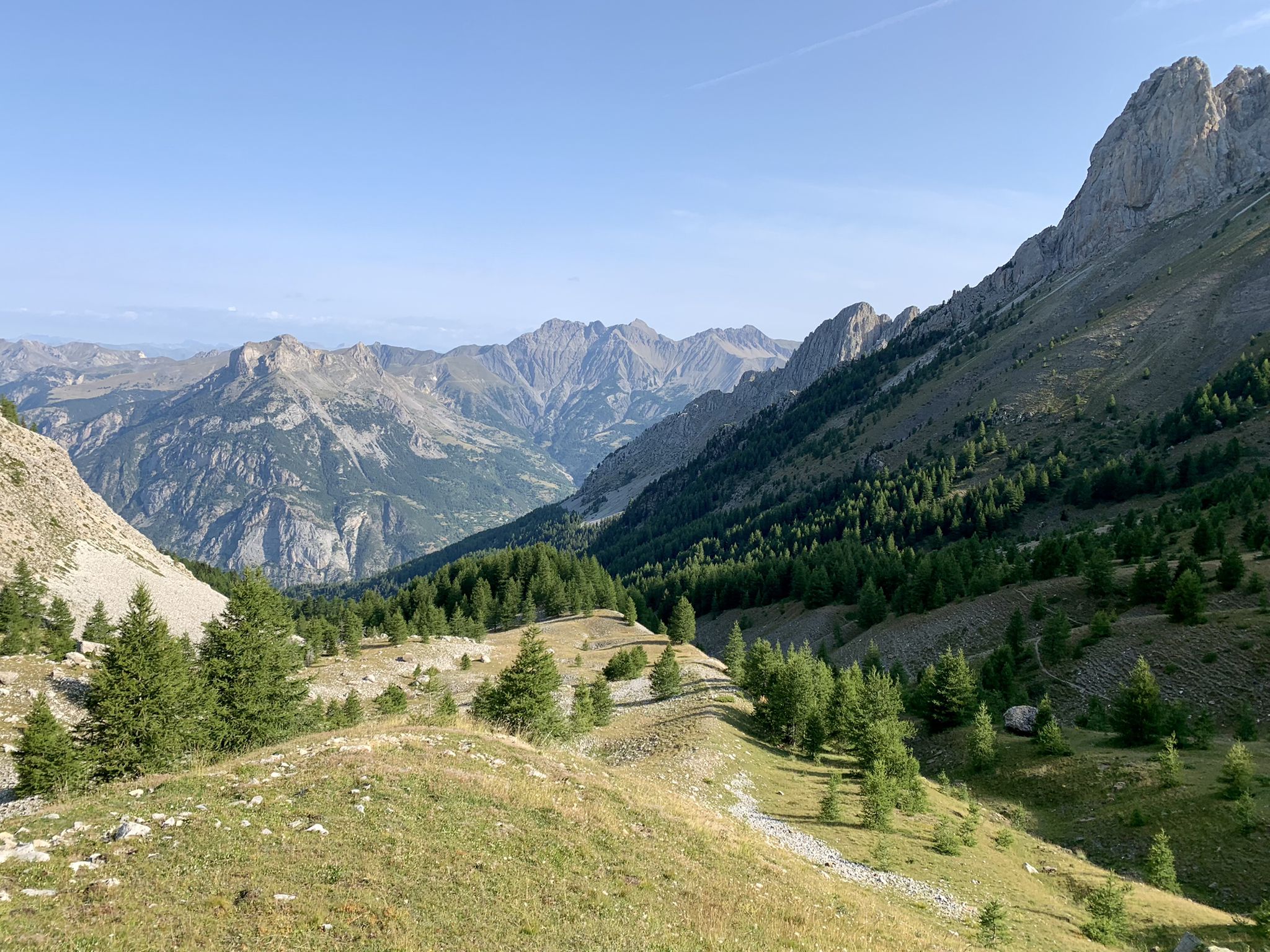
From the Alps to the Atlantic — GR 6
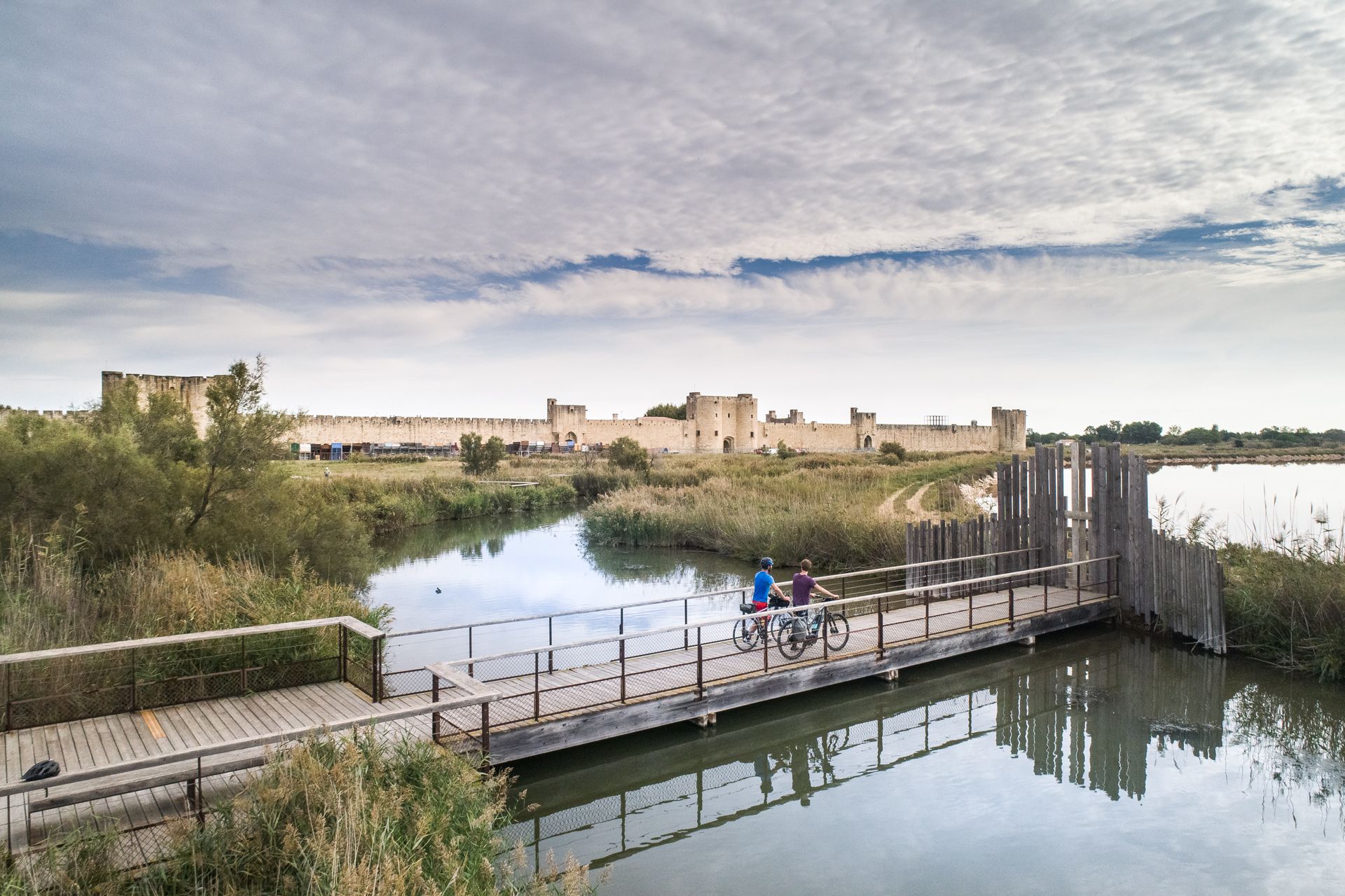
The most beautiful bike rides in Occitanie
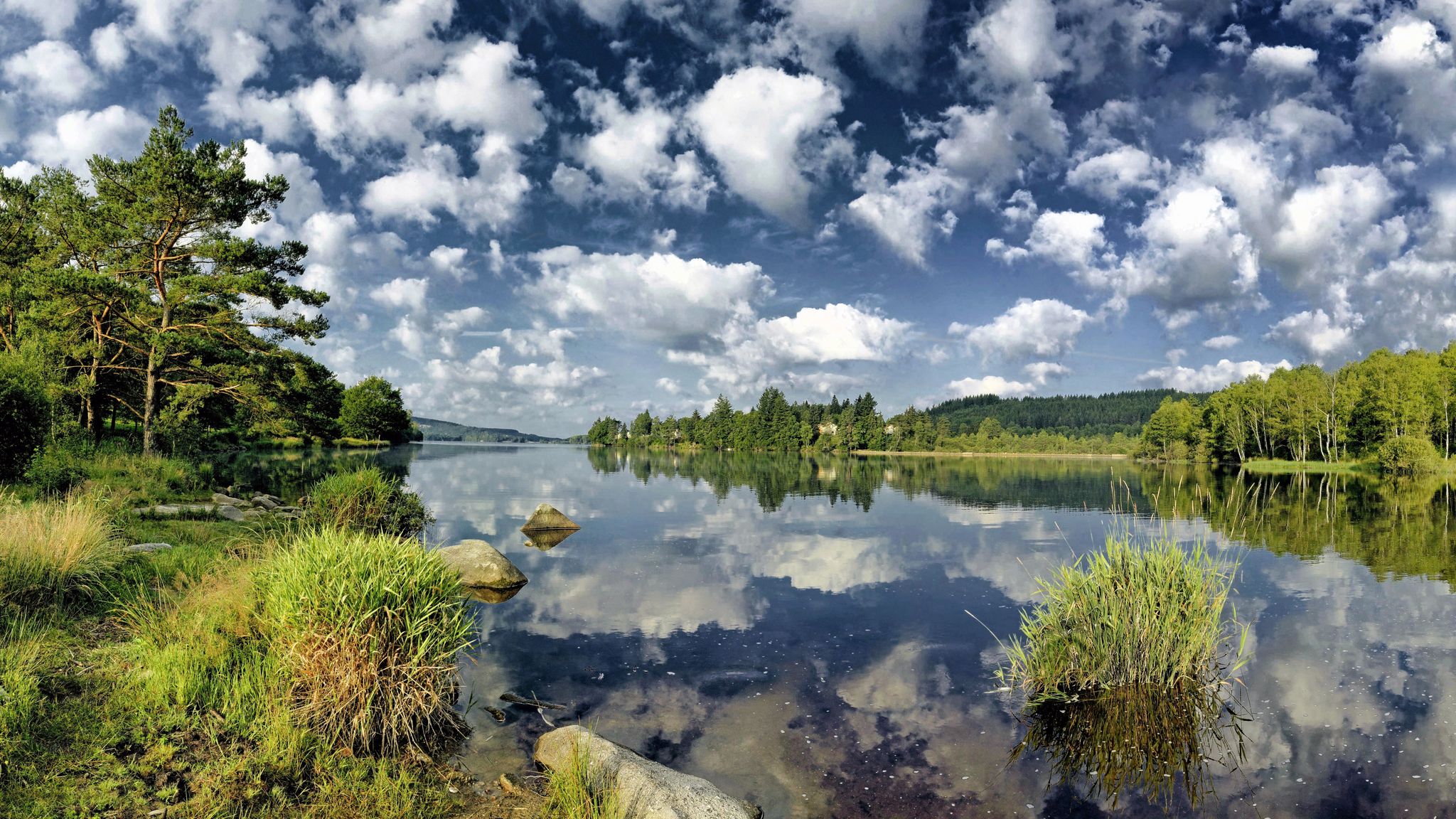
A bike Tour through the heart of France – La Vagabonde
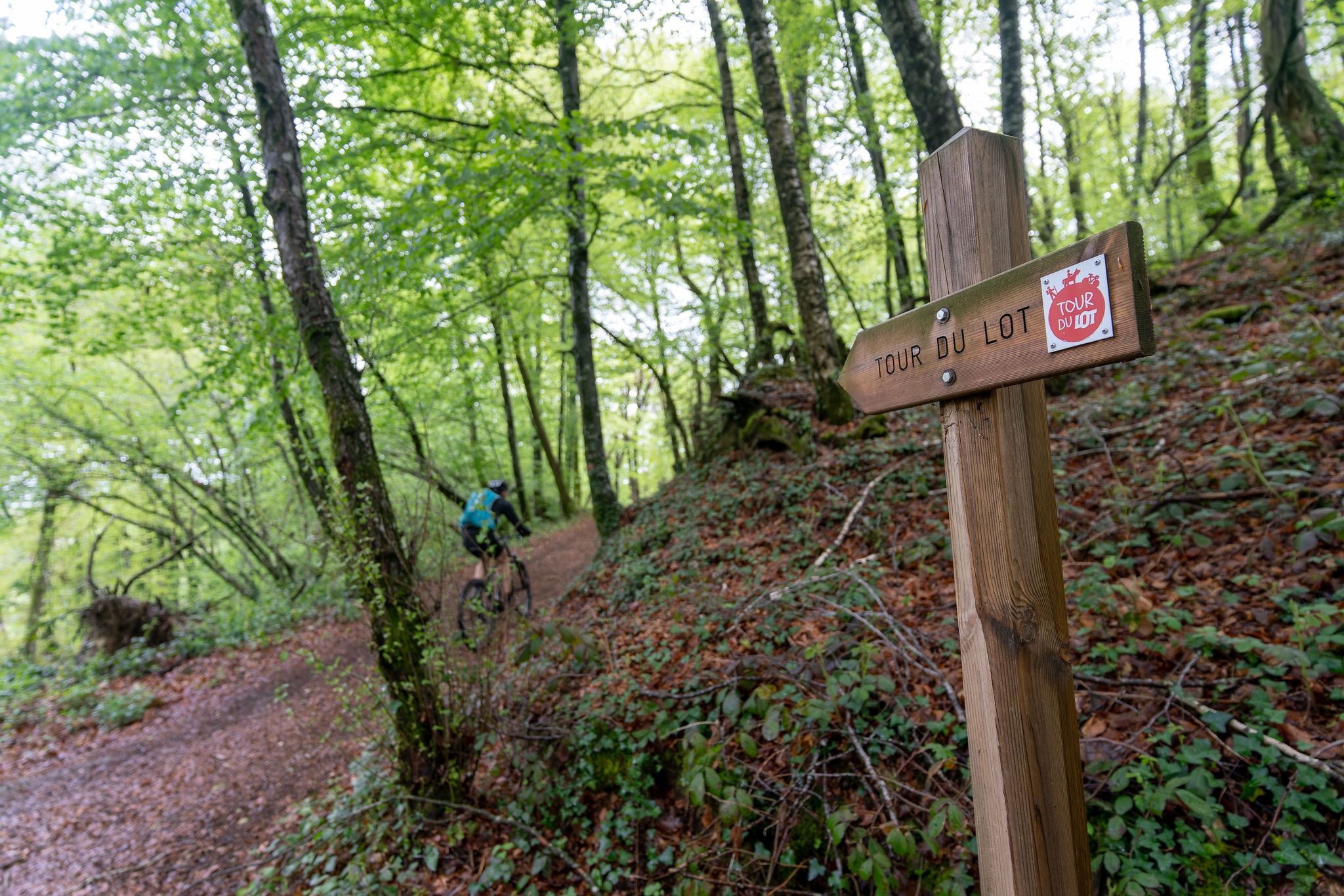
The Tour du Lot by MOUNTAIN BIKE
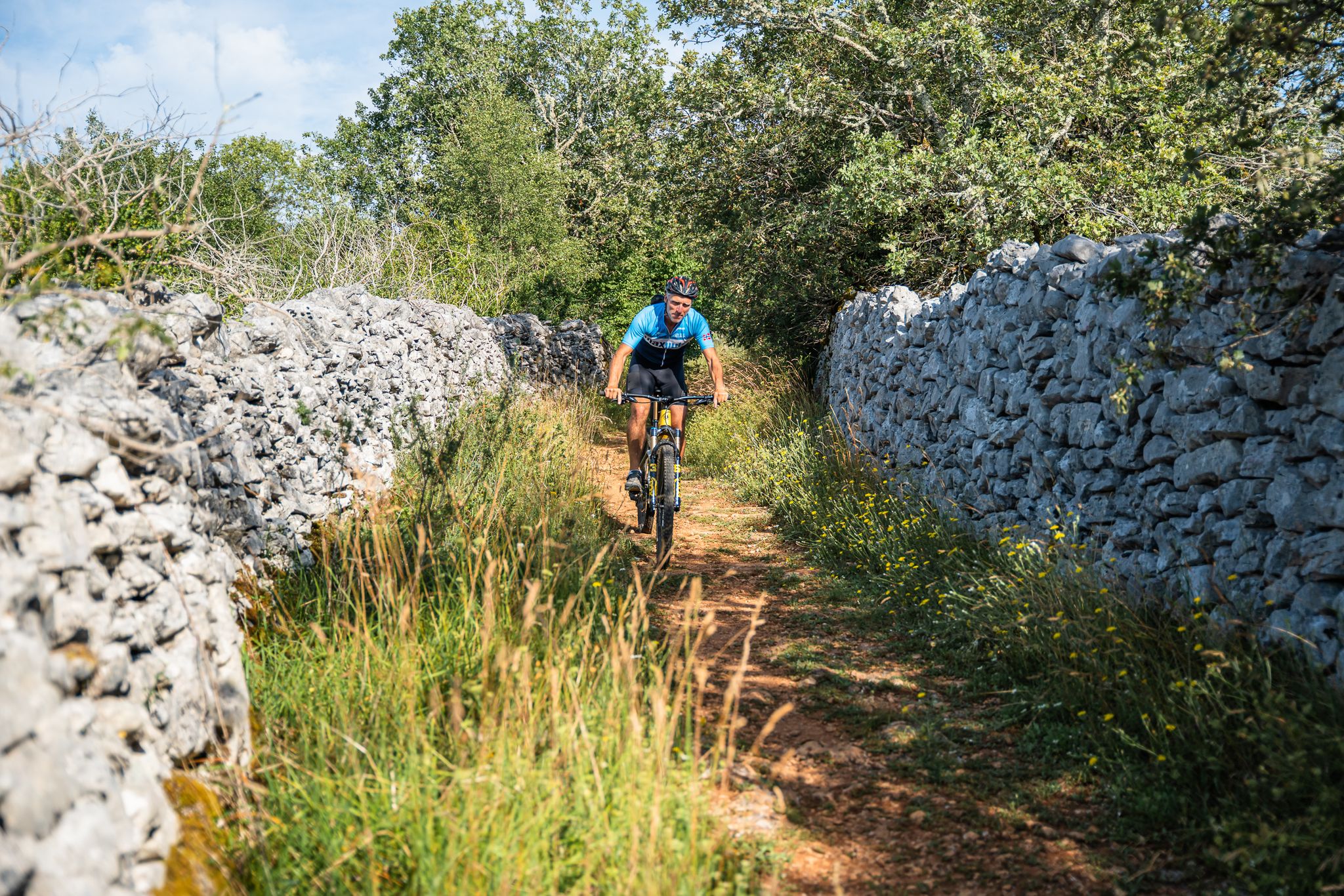
Valleys, the Causses and natural beauty – discover the Lot by MTB
From caves to castles – France’s GR 64
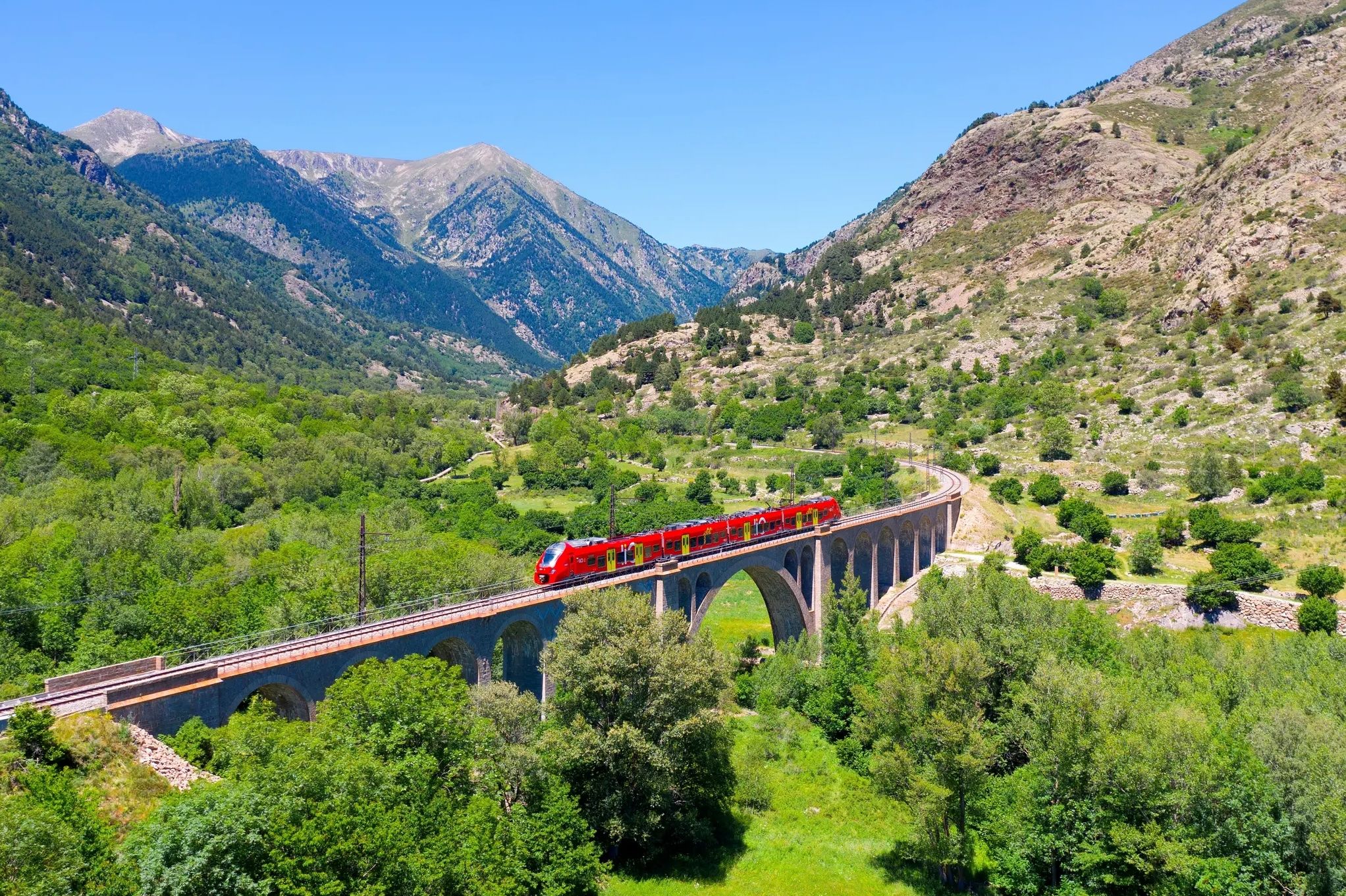
Occitanie Rail Tour – by train and on foot through Occitania
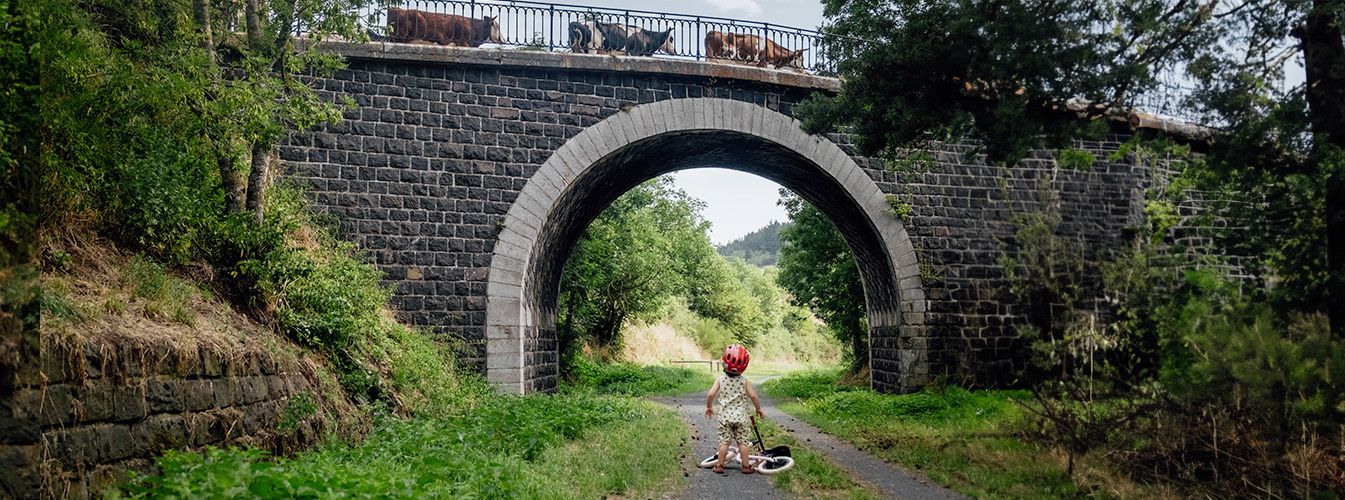
‘La Joyeuse Vadrouille’ – two months cycling with the family
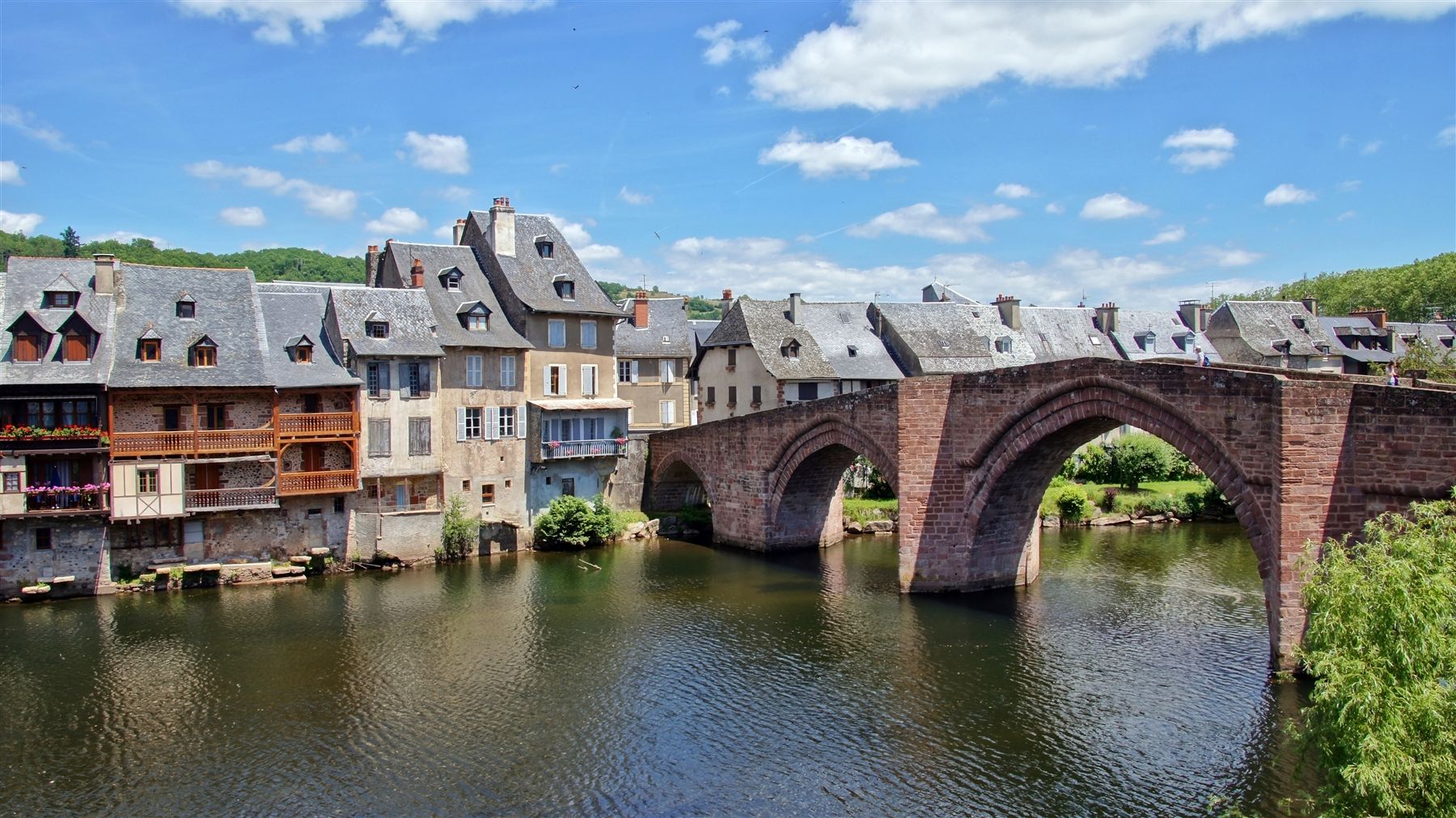
In the heart of France's Quercy region — the GR 651
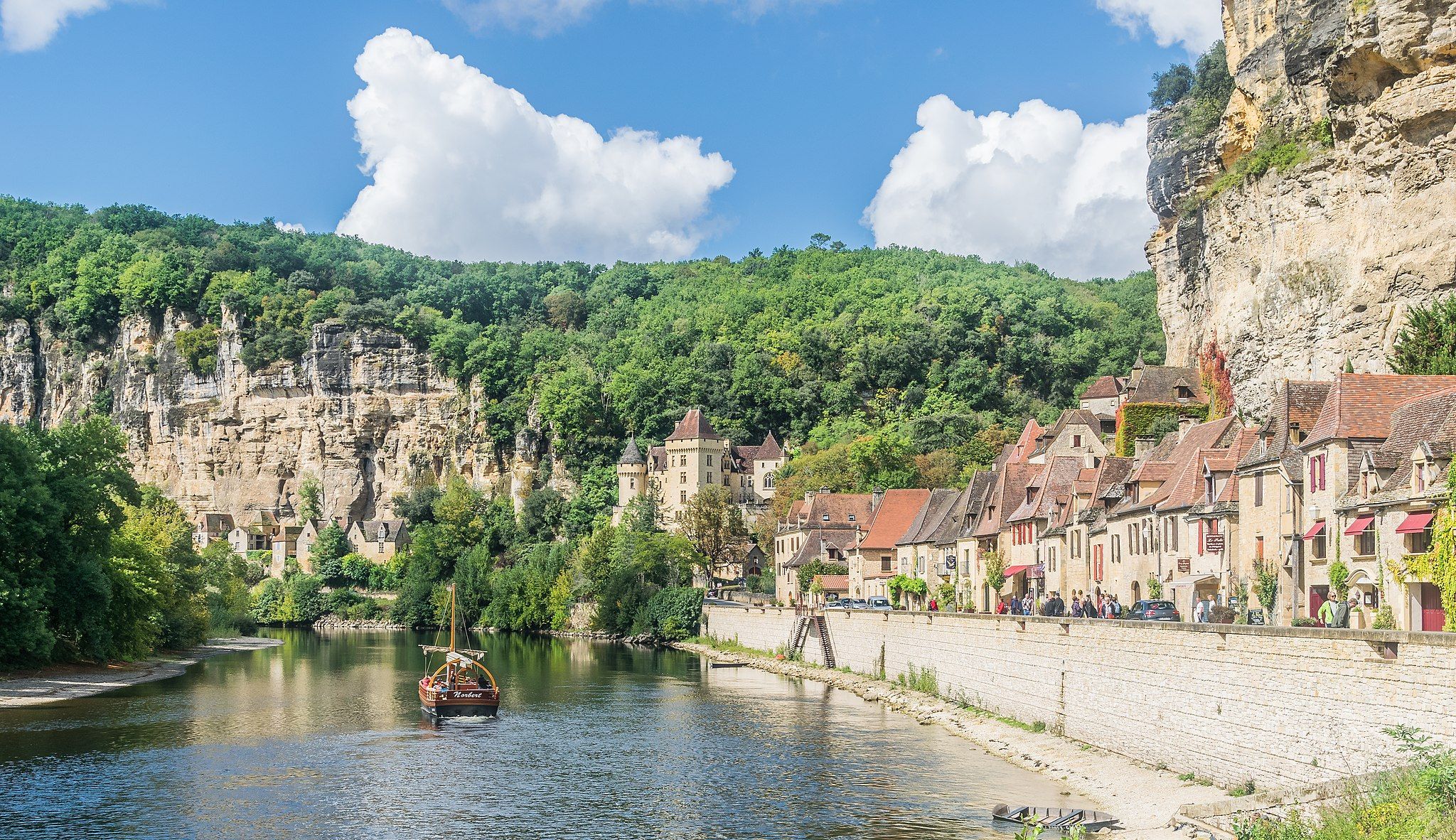
Périgourdine Escape — from Lalinde to Gramat in France
Other adventures in Causses Du Quercy


Tips from the Community

Beautiful view of the old town of Rocamadour.
0
0

One of the most important pilgrimage sites in France, through which the Way of St. James also runs.
1
0

Built in the 15th century on foundations dating from the 13th or 14th century, the Moulin du Saut is one of the historic turbine mills in the Alzou Valley. It was reconstructed in the 18th century and used until 1914. The mill used water energy to drive the turbines and was used for a time to generate electricity. More information can be found here: https://www.chemins-secrets.org/moulins-saut
3
0

Magnificent site, unmissable!
2
0

Rocamadour is an essential crossing point for anyone crossing the region. The tourist influx is obviously very significant in summer, and some might be surprised by the presence of numerous businesses, very few of which are artisanal, which somewhat distort the beauty of the place... However, the city and the sanctuary remain magnificent and deserve to be paid attention to.
2
0
Rocamadour is an essential crossing point for anyone crossing the region. The tourist influx is obviously very significant in summer, and some might be surprised by the presence of numerous businesses, very few of which are artisanal, which somewhat distort the beauty of the place... However, the city and the sanctuary remain magnificent and deserve our attention.
3
0
The Moulin du Saut, where nature is gradually reclaiming its rights, is a very fun waypoint on the GR6. After taking a few old stone stairs, you can hear the sound of the river getting louder and you are quickly surprised by the sight of a small waterfall (not dried up in July 2024). It is possible to observe it from the edge of the river downstream, but you should be careful of the mossy rocks, which are very slippery.
2
0
Frequently Asked Questions
What unique natural wonders can I explore in Causses Du Quercy?
The region is famous for its dramatic karst landscapes, featuring dry limestone plateaus, majestic river valleys, and spectacular gorges. A must-see is the Gouffre de Padirac, an astonishing chasm offering boat tours through subterranean caverns. You can also visit the Grottes de Lacave, an extensive cave system with impressive stalactites and stalagmites. For a unique experience, explore the Moulin du Saut and Waterfalls, where nature reclaims an old mill site.
Which medieval villages should I visit in Causses Du Quercy?
The Causses Du Quercy is home to several picturesque medieval villages. Saint-Cirq-Lapopie is often cited as one of France's most beautiful villages, dramatically perched on a cliff overlooking the Lot River. Another iconic destination is Rocamadour — Medieval Village, a celebrated pilgrimage site built on three levels, featuring a sanctuary and a 14th-century castle. Other charming villages include Montcuq, Aujols, and those nestled along the Célé River like Marcilhac-sur-Célé.
Are there any significant prehistoric sites in the region?
Yes, the Causses Du Quercy is rich in prehistoric heritage. The most renowned site is the Pech Merle cave, which features remarkable prehistoric murals and unique rock formations. Another notable prehistoric location is the Grotte des Merveilles, offering a glimpse into ancient human history.
What outdoor activities are popular in Causses Du Quercy?
The diverse landscapes are ideal for various outdoor activities. Hiking is very popular, with numerous marked trails offering stunning views. You can find many options, including easy and moderate routes, in our hiking guide for Causses Du Quercy. Cycling, especially road cycling, is also a great way to explore the region, with routes like the 'Looking for medieval villages' loop. Canoeing and kayaking on the Lot and Célé rivers are excellent ways to experience the waterways.
Where can I find easy hiking trails suitable for families?
For easy and family-friendly walks, consider routes like the 'Moulin du Saut and Moulin de Tournefeuille' loop from St-Victor or 'The karstic trail of the igue de Crégols'. The 'On the Heights of Saint-Cirq-Lapopie' loop also offers accessible paths with great views. You can explore more options in our dedicated easy hikes guide for Causses Du Quercy.
Can I go stargazing in Causses Du Quercy?
Absolutely! The Causses Du Quercy is renowned as the 'Black Triangle' due to its exceptionally low light pollution. This makes it an ideal location for stargazing and astronomical observation, offering some of the darkest night skies in France.
What is the best time of year to visit Causses Du Quercy?
The best time to visit Causses Du Quercy generally depends on your preferred activities. Spring (April-May) and early autumn (September-October) offer pleasant temperatures for hiking and cycling, with fewer crowds. Summer (June-August) is ideal for water sports and enjoying local festivals, though it can be warmer and busier. If you're interested in stargazing, any clear night is suitable, but cooler months might offer crisper views.
Are there any unique historical monuments besides villages and caves?
Yes, the region features several other historical monuments. You can find numerous large stone funerary monuments known as Dolmens scattered across the limestone plateaus. The Phosphatières at Bach are ancient phosphate mines that have been excavated to reveal a deep gorge and fossils, offering a unique historical and geological insight. Additionally, traditional dry stone huts called cazelles and stone heaps known as cayrous reflect the region's agricultural heritage.
What local culinary specialties should I try in Causses Du Quercy?
The Causses Du Quercy is known for its authentic gastronomy. Be sure to try Rocamadour cheese, a small, round goat's cheese named after the famous village. The region is also famous for its black truffles and saffron, often called 'the red gold of Quercy.' Look out for regional dishes like omelette aux truffes and cassoulet quercynois.
What do visitors enjoy most about the Causses Du Quercy attractions?
Visitors particularly appreciate the stunning natural beauty and the well-preserved historical sites. The dramatic cliffside villages like Saint-Cirq-Lapopie and Rocamadour — Medieval Village are consistently highlighted for their unique charm and breathtaking views. Many also enjoy the Ganil lock and towpath for its historically interesting walk along the water, carved into the bare rock.
Are there opportunities for cycling near the main attractions?
Yes, the Causses Du Quercy offers excellent cycling opportunities. You can find various road cycling routes, including loops that take you through medieval villages or past natural landmarks. For example, the 'Looking for medieval villages' loop or the 'Gouffre de Padirac' loop are popular choices. Discover more routes in our road cycling guide for Causses Du Quercy.
Most popular routes in Causses Du Quercy
Most popular attractions in Causses Du Quercy

Get inspired with the komoot mobile app


Explore more
Still not found the Highlight you’re looking for? See guides of the top attractions in other regions:
