Attractions and Places To See in Perche - Top 20
Best attractions and places to see in Perche include a variety of natural landscapes, historic towns, and cultural sites. This region, situated between Normandy and the Loire Valley, features expansive forests, rolling hills, and diverse ecosystems within the Perche Regional Nature Park. Visitors can explore medieval villages, ancient castles, and significant religious buildings. The area offers opportunities to connect with nature and history.
Best attractions and places to see in Perche
- The most popular attractions is Bellême, a settlement known for its medieval charm. Located on a hill and near its namesake forest, it is integrated into the landscape.
- Another must-see spot is La Perrière, a settlement with charming houses and characterful buildings. Visitors can stroll through its streets and view colorful facades.
- Visitors also love Basilica of Our Lady of Montligeon, a man-made monument and pilgrimage center. This Neo-Gothic basilica is a significant religious site.
- Perche is known for its historic castles, charming villages, and religious monuments. The region offers a variety of sites to explore, from natural parks to cultural heritage.
- The attractions in Perche are appreciated by the komoot community, with more than 90 upvotes and over 40 photos shared.
Last updated: September 26, 2026
Château de Frazé
Highlight • Castle
Translated by Google •
Tip by

Nogent-le-Rotrou Castle
Highlight • Castle
Translated by Google •
Tip by

Sign up now to discover places like this
Get recommendations on the best single tracks, peaks, & plenty of other exciting outdoor places.
Bellême
Highlight • Settlement
Translated by Google •
Tip by
Basilica of Our Lady of Montligeon
Highlight • Monument
Built at the edge of the forest, the Basilica of Our Lady of Liberation of Montligeon, elevated to the status of a minor basilica in 1928, overlooks the surrounding plain with its two spires.
Translated by Google •
Tip by

La Perrière
Highlight • Settlement
Translated by Google •
Tip by

Sign up for free to discover even more attractions in Perche.
Already have an account?
Start today with a free account
Your next adventure awaits.
Popular around Perche
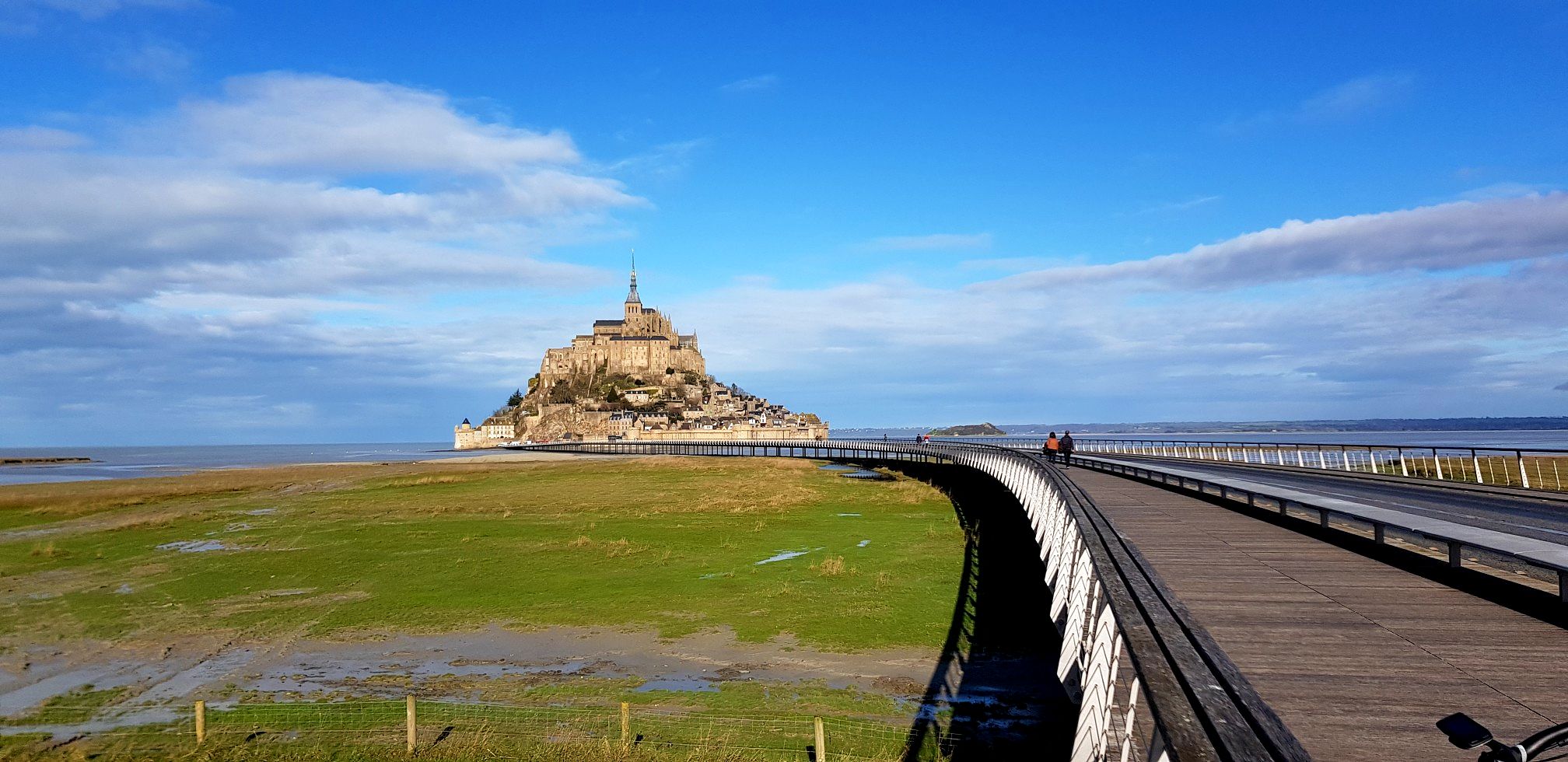
GR 22 to Mont-Saint-Michel – Miquelot's Walk
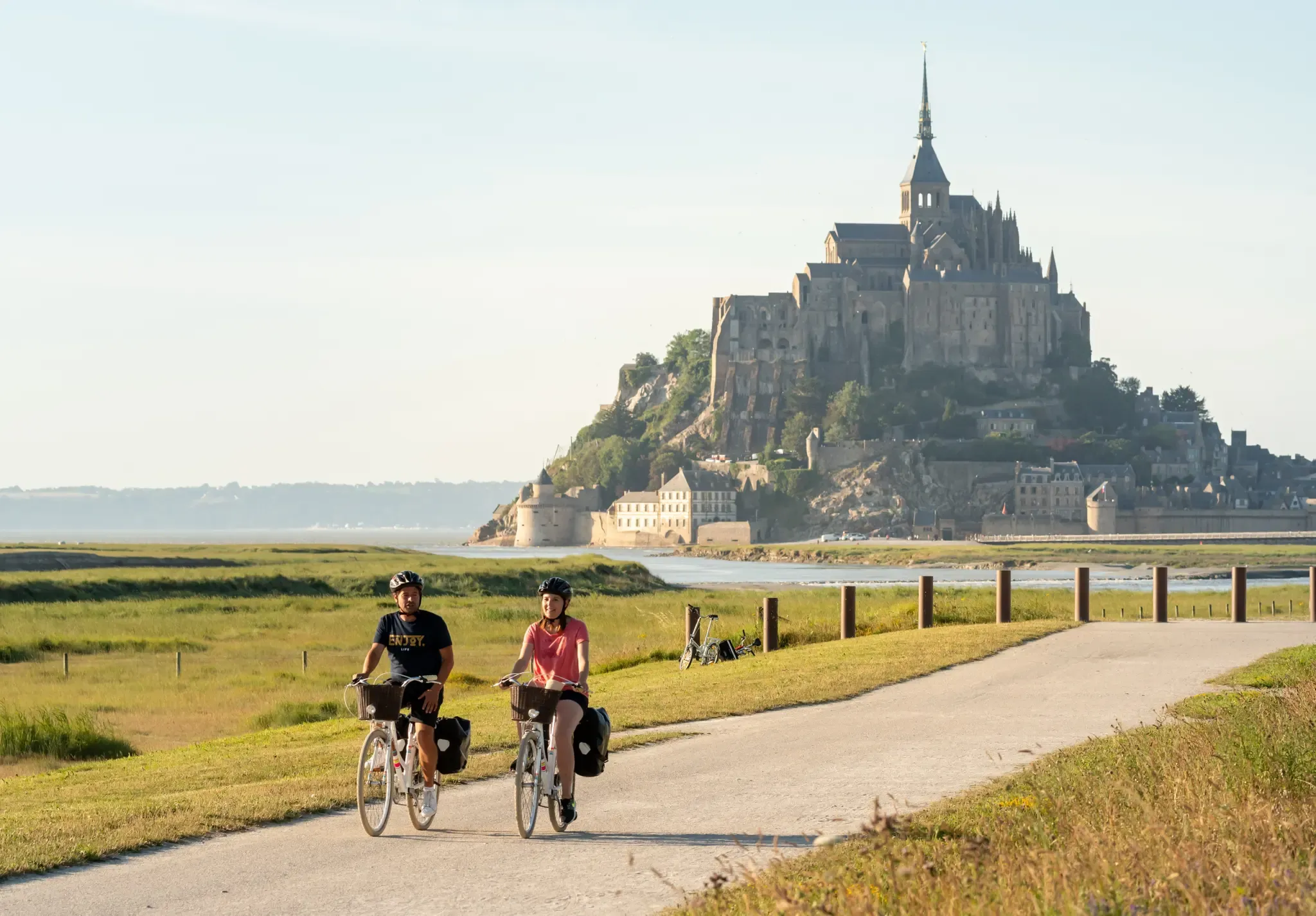
Cycling in Normandy – 7 station to station routes
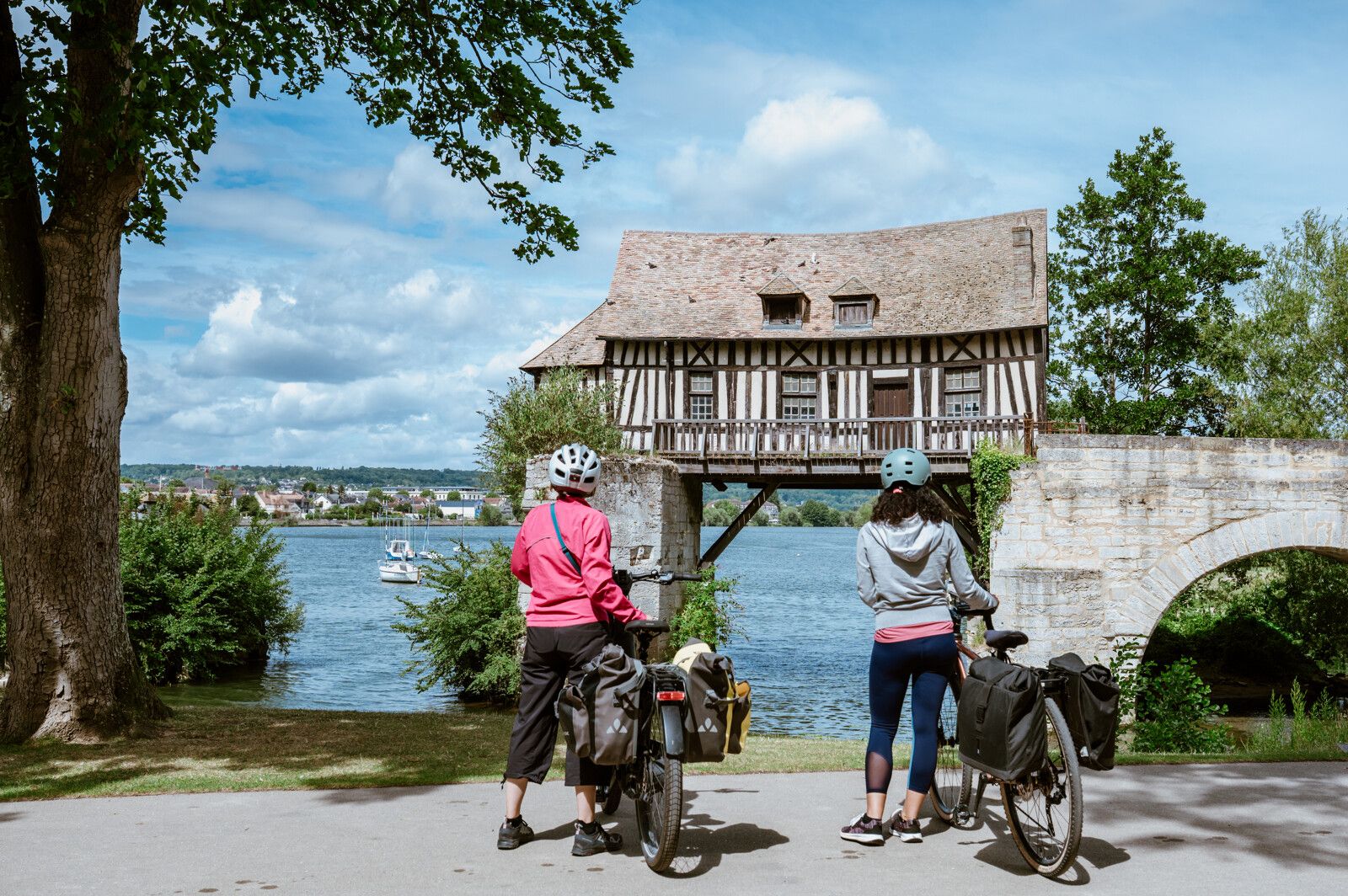
Cycling in Normandy – The most beautiful station to station routes
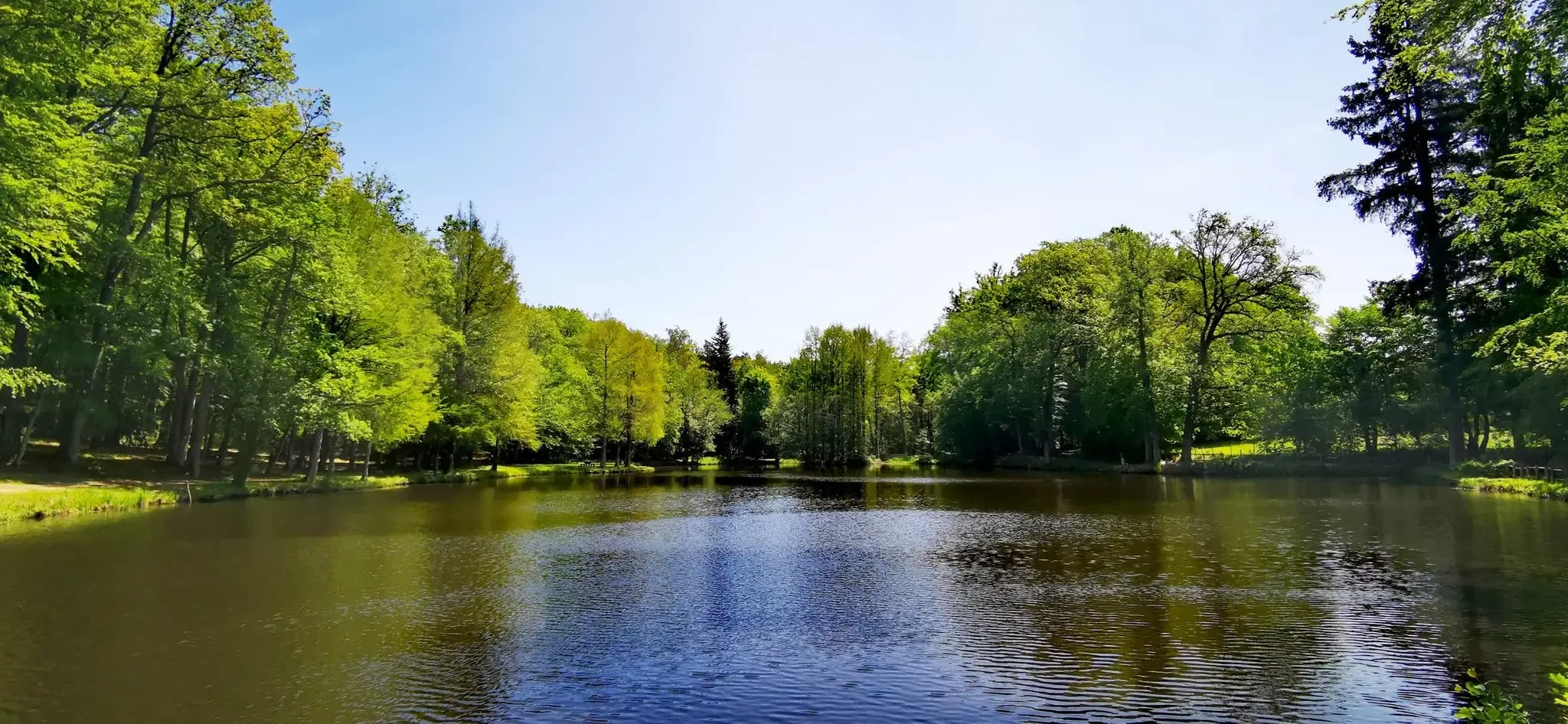
Hilly bike rides – the quiet roads of Perche in France
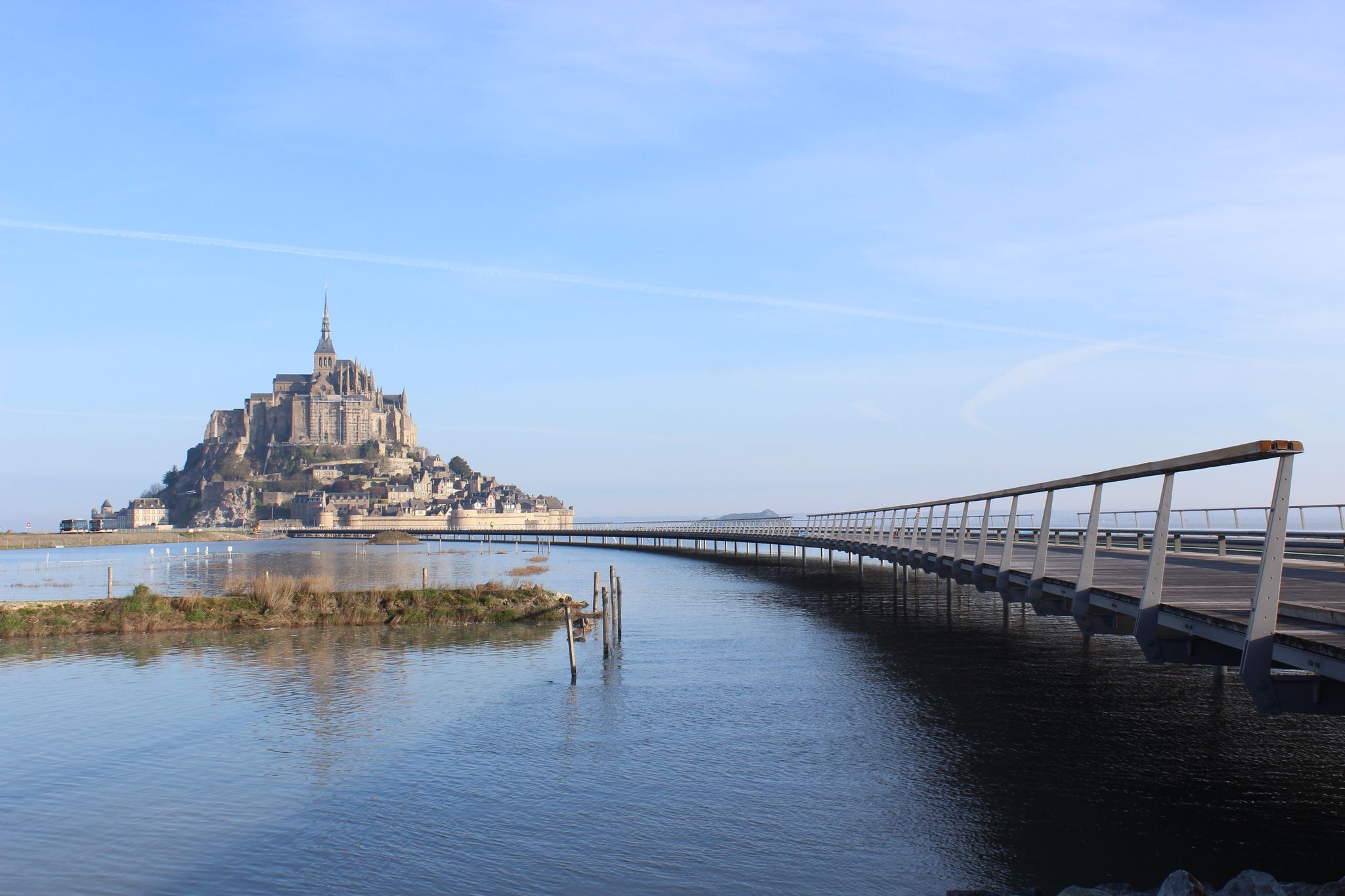
From Paris to Mont-Saint-Michel — La Véloscénie
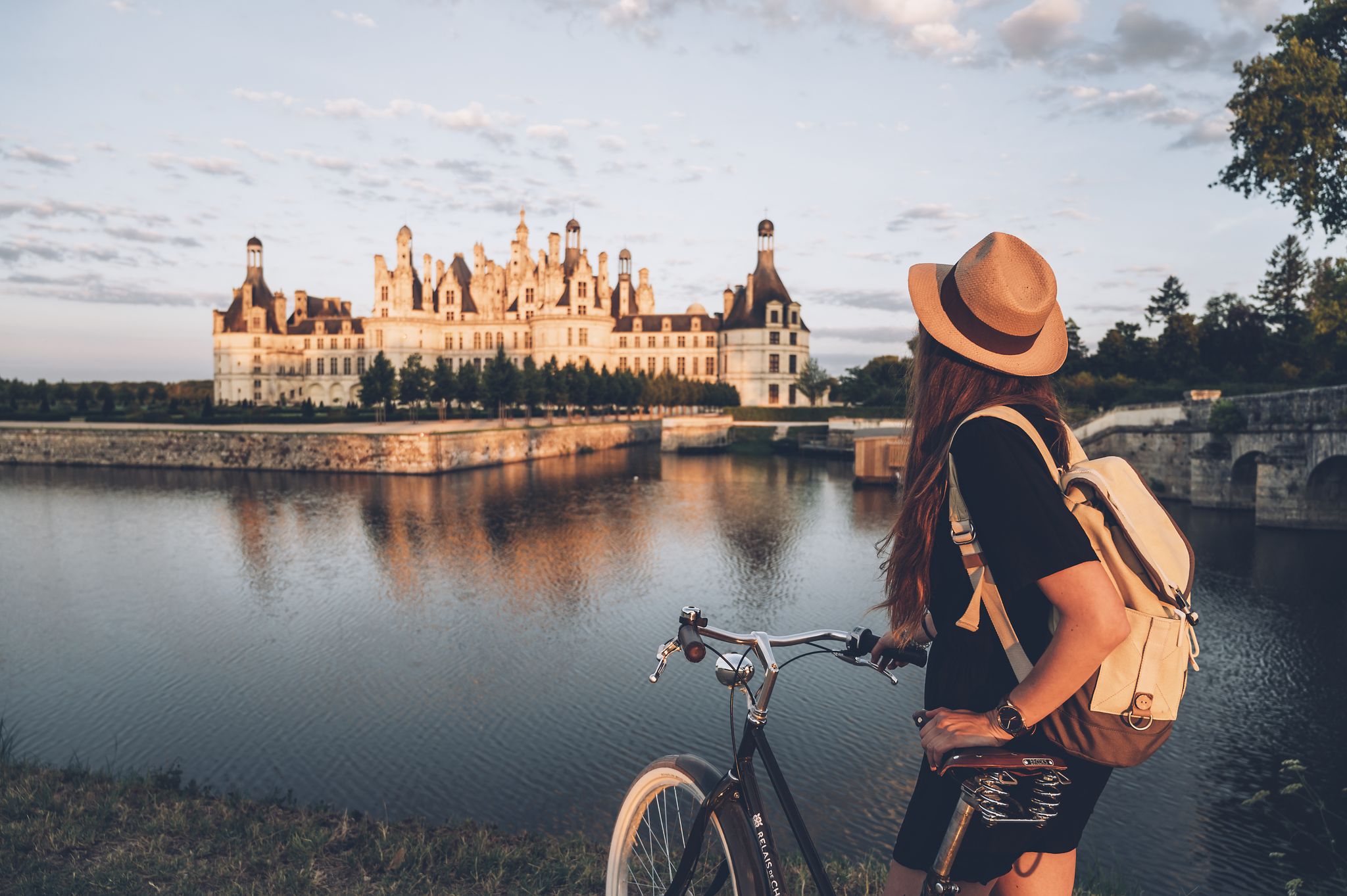
Nature and Culture — discover the Loire and its castles by bike
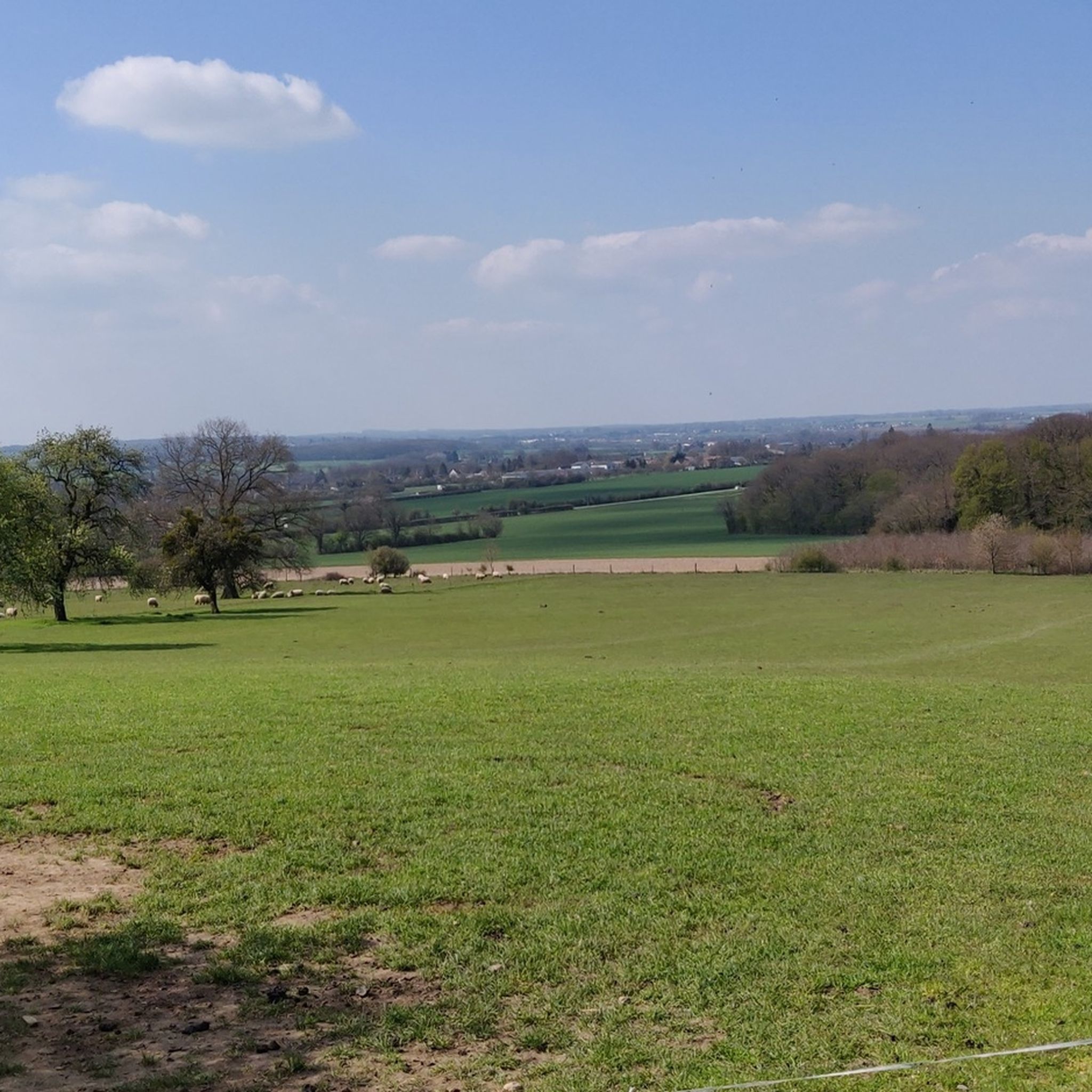
Hiking in Perche
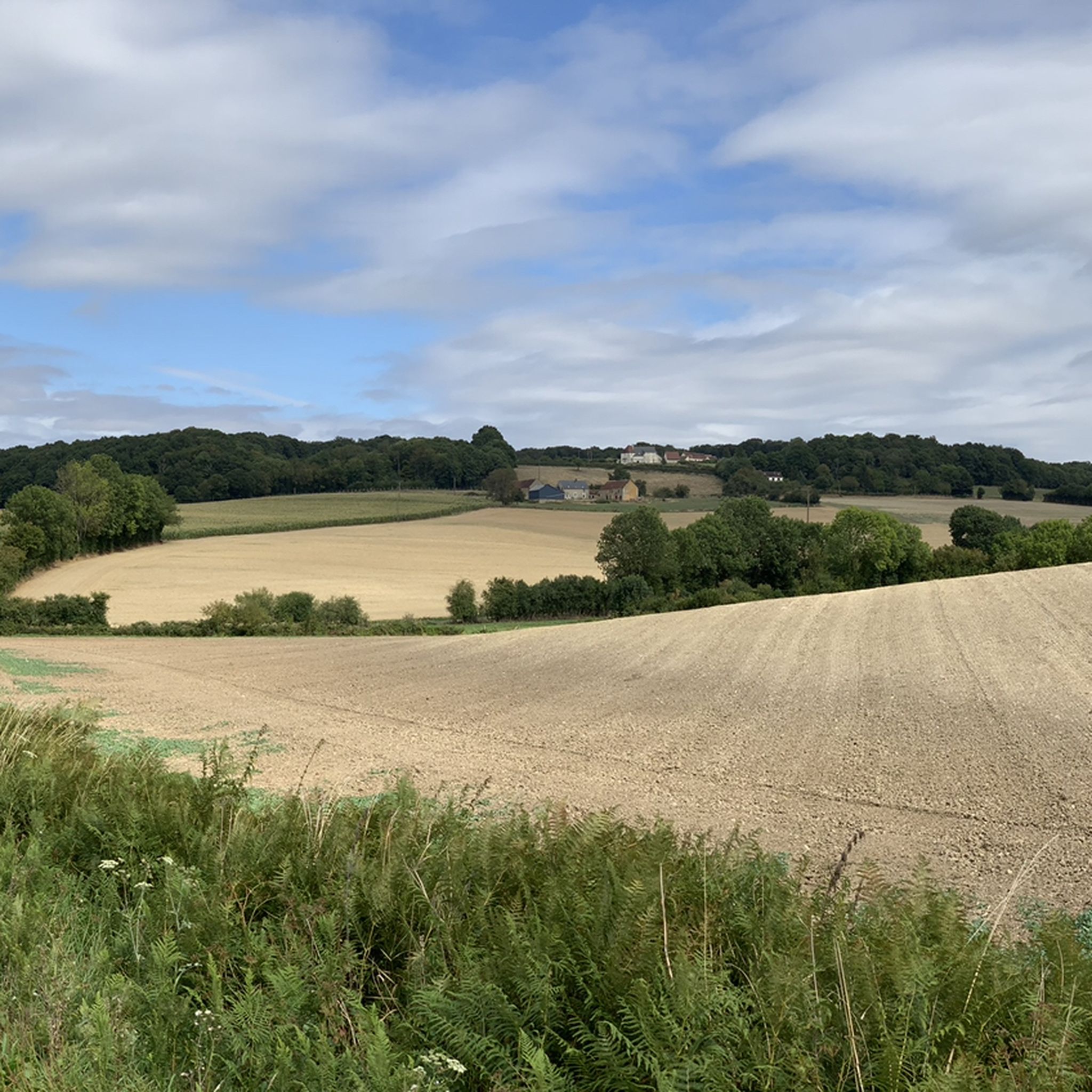
Cycling in Perche
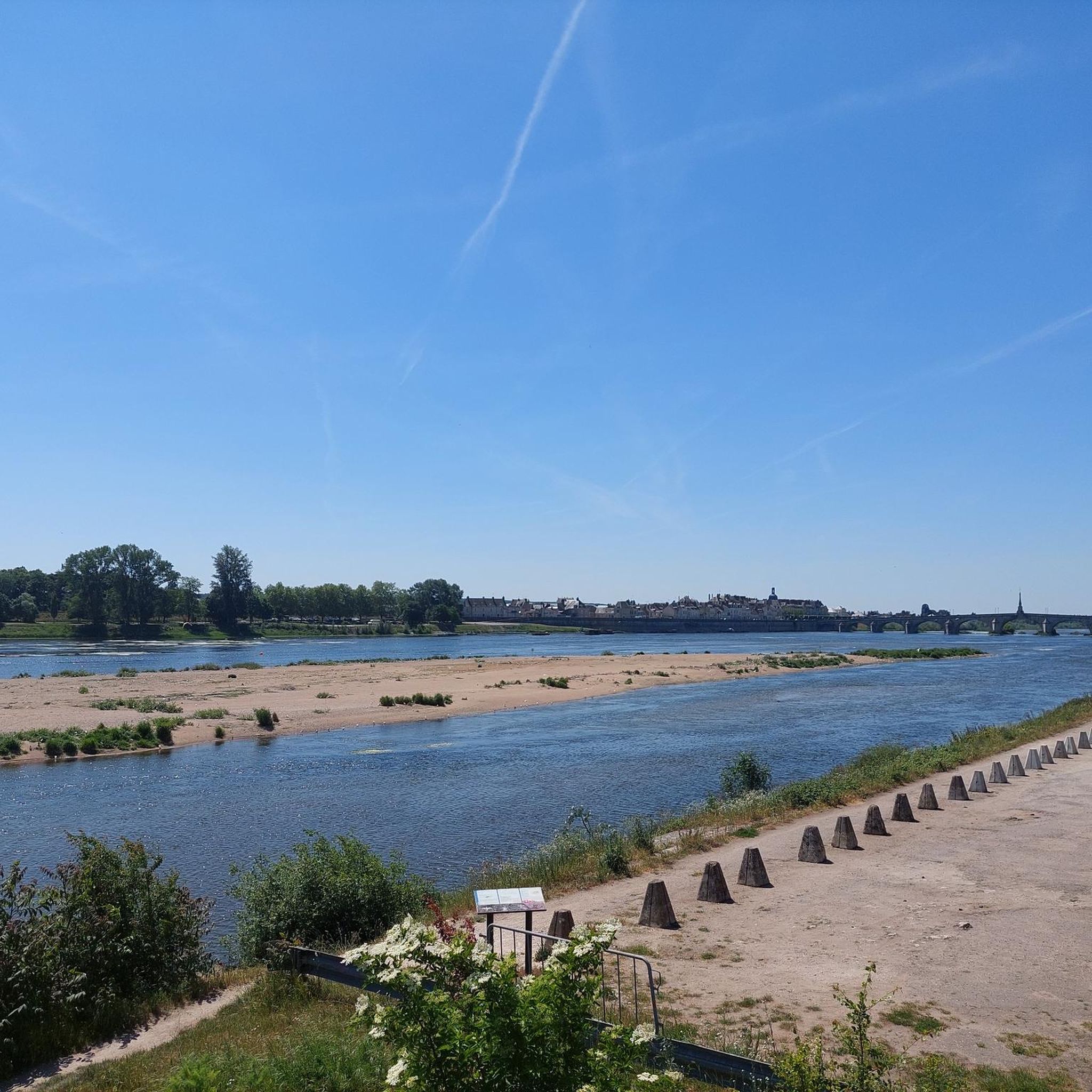
Running Trails in Perche
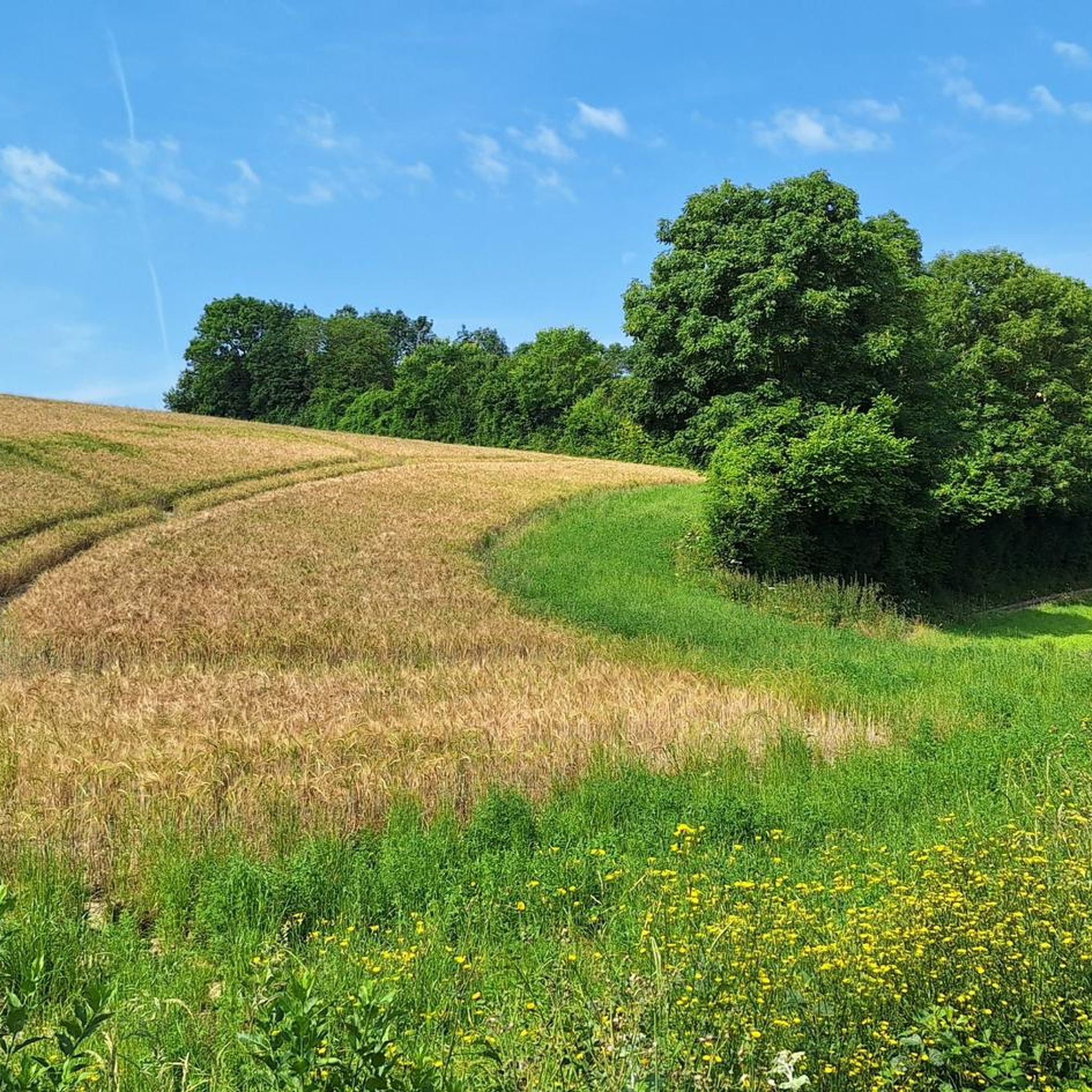
Road Cycling Routes in Perche
Other adventures in Perche


Tips from the Community

very beautiful village with drinking and eating facilities
0
0

This ancient fortified castle dominates the Huisne Valley at 360° with its imposing keep. The building, with its troubled history, has undergone numerous modifications in its architecture and functions. A visit is essential to understand the complexity of its history and to observe the architectural evolutions.
0
0
I am delighted to see and see again the basilica of "La chapelle Montligeon" and I am proud to have been the doctor of this charming village. In the year 2000 and following after 40 years of general medicine in Paris. R.G. Dean of the "couch of doctors".
0
0

From very humble beginnings, a significant sanctuary with a very unusual patronage has emerged in La Chapelle-Montligeon, one I've never encountered anywhere else: The church here, with the papal distinction of "Basilica Minor," is not one of the usual churches dedicated to Our Lady, but rather specifically to "Our Lady, the Liberator of Souls in Purgatory." The present pilgrimage church was built at the turn of the 19th and 20th centuries, as the previous building had become far too small for the pilgrims who came here.
0
0

A lovely artist's village not to be missed.
1
0
A must-see that overlooks the valley.
0
0

Built on an old feudal motte, which is still visible and was completely destroyed during the Hundred Years' War, it was replaced in the second half of the 15th century by the castle, the remains of which can still be seen today. The Saint-François Tower remains as it was, with its Grisons base and rows of white stone. Halfway up the circle is the Cord of Saint Francis of Assisi, with its coils and knots. A Renaissance building was added in the 16th century, and new buildings were constructed in the 17th and 18th centuries.
0
0

Frequently Asked Questions
What natural features define the Perche region?
The Perche region is characterized by its expansive natural landscapes, primarily the Perche Regional Nature Park. This park spans 36,000 hectares, featuring ancient forests like Bellême, Réno-Valdieu, Trappe, and Senonches, along with hedgerows, meadows, ponds, and moors. It's known for its exceptional biodiversity and rolling hills.
Are there historical castles or manors to visit in Perche?
Yes, Perche boasts several historical castles and manors. You can explore the impressive medieval fortress of Nogent-le-Rotrou Castle, which houses an ethnographic museum. Other notable sites include Château de Frazé, known for its French-style gardens, and the Manoir de Courboyer in Nocé, which serves as the administrative center for the Regional Nature Park.
Which charming towns and villages should I explore in Perche?
Perche is home to several picturesque towns and villages, many recognized as 'Petites Cités de Caractère'. Mortagne-au-Perche offers medieval streets and rampart remains. The medieval village of Bellême is perched on a hill surrounded by its national forest. Don't miss La Perrière, known for its charming houses and characterful buildings, and Nogent-le-Rotrou with its old quarter and timber-framed houses.
What religious sites are significant in Perche?
The region features several important religious buildings. The most prominent is the Basilica of Our Lady of Montligeon in La Chapelle-Montligeon, a significant pilgrimage site with striking stained-glass windows. Thiron Abbey, founded in the 12th century, also offers an abbey church and accessible thematic gardens.
What outdoor activities can I do in Perche?
Perche is ideal for outdoor enthusiasts. You can enjoy hiking on trails like the Chêne Séculaire Trail or the Abbaye de La Trappe loop. For cycling, explore gravel biking routes such as the Voie verte in Dorceau or the On the greenway loop. Running trails are also available, including the Senonches Forest Loop. Find more details on these activities in the dedicated guides for Hiking in Perche, Gravel biking in Perche, and Running Trails in Perche.
Are there family-friendly attractions in Perche?
Many attractions in Perche are suitable for families. Exploring the charming villages like Bellême and La Perrière offers pleasant strolls. The Perche Regional Nature Park provides opportunities for nature walks and wildlife spotting. The Ecomuseum of Perche in Saint-Cyr-la-Rosière also offers insights into the region's heritage, which can be engaging for children.
Where can I learn about the history and heritage of Perche?
To delve into the region's history and heritage, visit the Ecomuseum of Perche located within the ancient priory of Sainte-Gauburge. It covers agriculture, forestry, crafts, and the famous Percheron horse. Additionally, the museum within Nogent-le-Rotrou Castle offers a journey through the castle's and city's past. For more information on the museum, you can visit tourisme28.com.
What is the best time of year to visit Perche?
The Perche region is beautiful throughout the year, but the best time to visit for outdoor activities and enjoying the natural landscapes is typically from spring to early autumn (April to October). During these months, the weather is generally mild, making it ideal for hiking, cycling, and exploring the charming villages and gardens. Autumn also offers vibrant fall foliage in the extensive forests.
Can I see wildlife in the Perche Regional Nature Park?
Yes, the Perche Regional Nature Park is rich in biodiversity. Its extensive forests and varied landscapes are home to diverse wildlife. Visitors often spot red squirrels and roe deer. The park's natural environment provides excellent opportunities for wildlife observation, especially during quieter times of the day.
Are there any unique local experiences or products in Perche?
Perche is famous for the Percheron heavy horse breed, known for its gentle temperament. You can also experience local life by visiting the popular Saturday markets in Mortagne-au-Perche and Nogent-le-Rotrou, which offer local produce and a vibrant atmosphere. The region's 'Quiet Roads' also provide a unique way to leisurely appreciate the landscapes and discover hidden gems.
What do visitors enjoy most about the Perche region?
Visitors to Perche particularly enjoy the region's blend of natural beauty and rich history. The medieval charm of villages like Bellême, the impressive architecture of sites like the Basilica of Our Lady of Montligeon, and the peaceful, green landscapes of the Perche Regional Nature Park are frequently highlighted. The opportunity for quiet walks and connecting with nature is also a major draw.
Most popular routes in Perche
Most popular attractions in Perche

Get inspired with the komoot mobile app


Explore more
Still not found the Highlight you’re looking for? See guides of the top attractions in other regions:
