Top 18 Castles in Normandie-Maine
Castles in Normandie-Maine, a region spanning parts of Orne, Sarthe, and Mayenne, offer a glimpse into centuries of French history and architectural evolution. This area is characterized by its varied landscapes, from the forests of the Normandie-Maine Regional Natural Park to river valleys. The region's strategic location historically led to the construction of numerous fortifications. Visitors can explore a rich array of historical sites, showcasing diverse architectural styles from medieval fortresses to Renaissance residences.
Best castles in Normandie-Maine
- The most…
Last updated: May 27, 2026
Domfront — Medieval Town
Highlight • Historical Site
Half-timbered houses, superb mansions and the fortified wall surround the 12th century keep.
Even …
Translated by Google •
Tip by

Domfront Castle
Highlight • Castle
Translated by Google •
Tip by

Sign up now to discover places like this
Get recommendations on the best single tracks, peaks, & plenty of other exciting outdoor places.
Sign up for free
Carrouges Castle
Highlight • Castle
Translated by Google •
Tip by

Lassey Castle
Highlight • Castle
Translated by Google •
Tip by
Bois Thibault Castle
Highlight • Historical Site
Translated by Google •
Tip by
Sign up for free to discover even more castles in Normandie-Maine.
Sign up for free
Already have an account?
Start today with a free account
Your next adventure awaits.
Login or Signup
Popular around Normandie-Maine
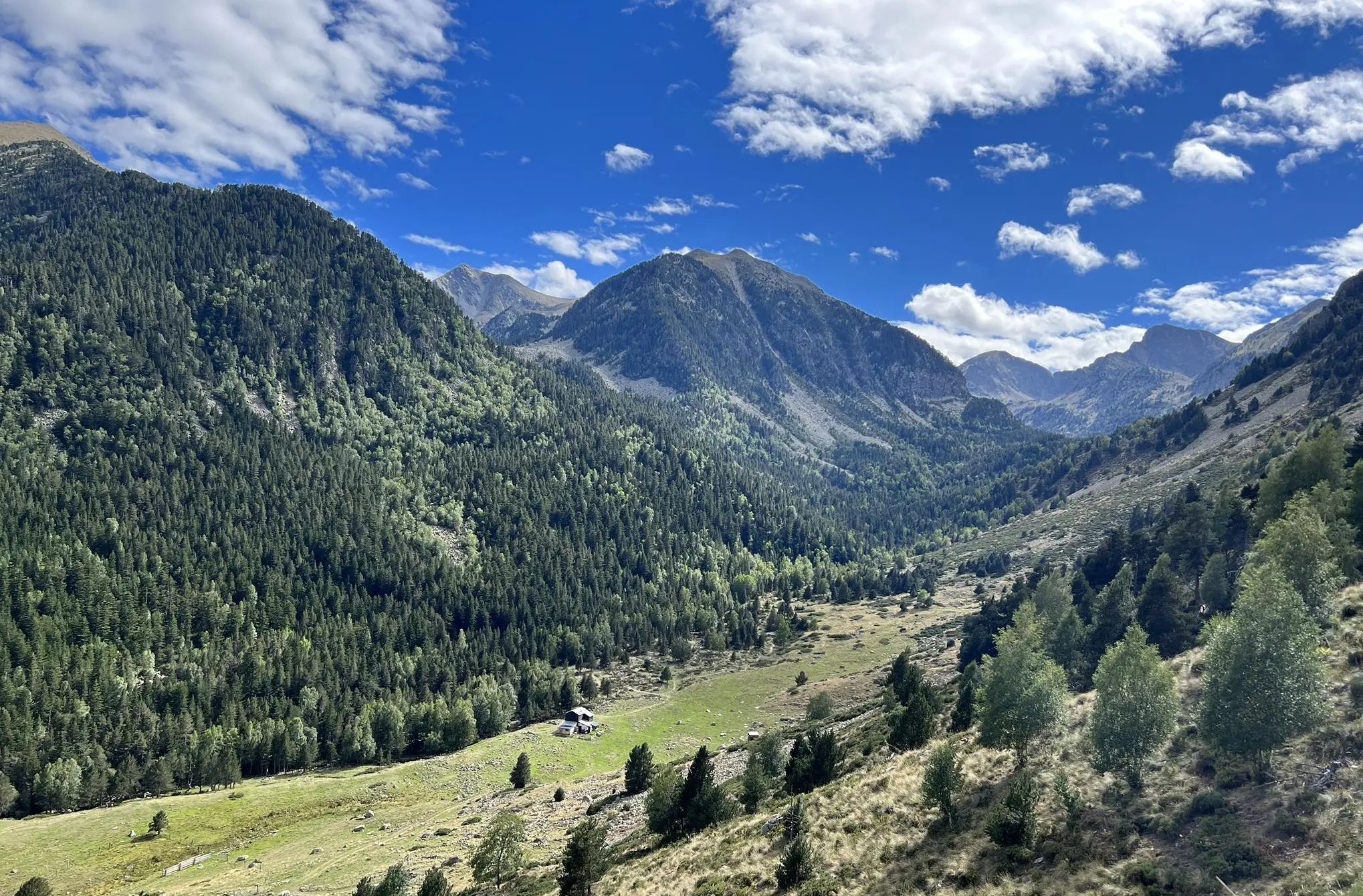
GR 36 long-distance footpath – Cross France from the Channel to the Pyrenees
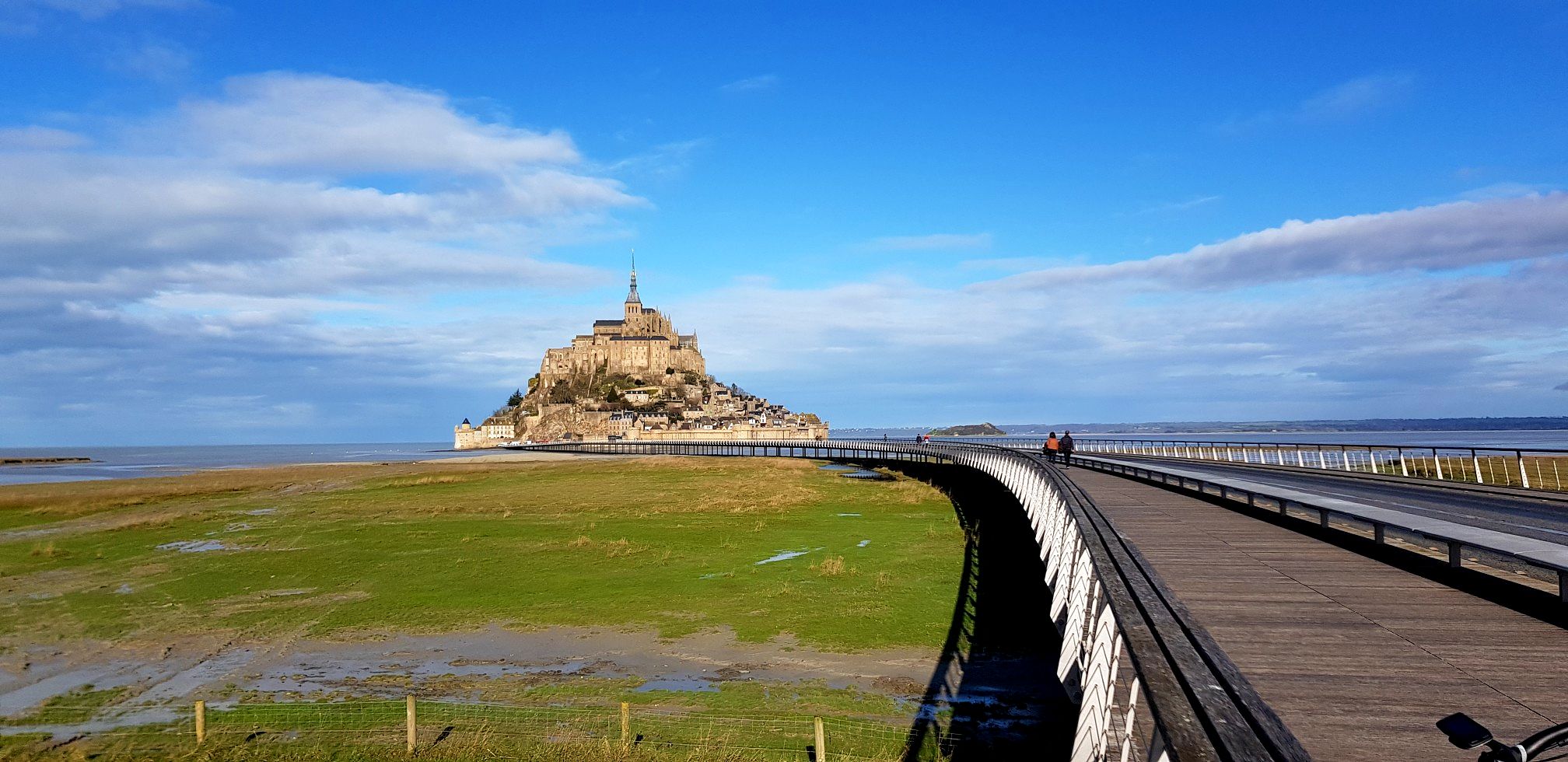
GR 22 to Mont-Saint-Michel – Miquelot's Walk
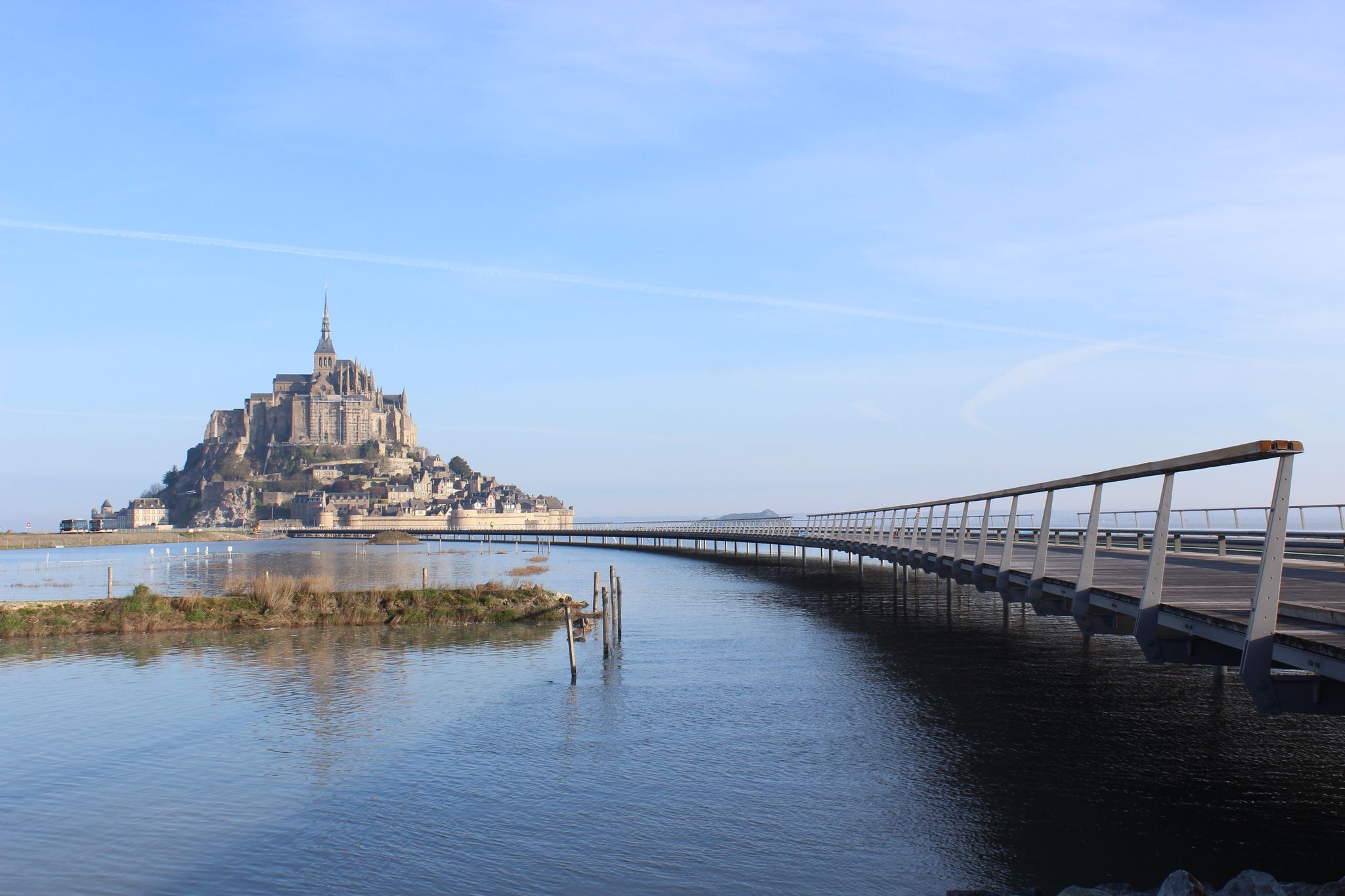
From Paris to Mont-Saint-Michel — La Véloscénie
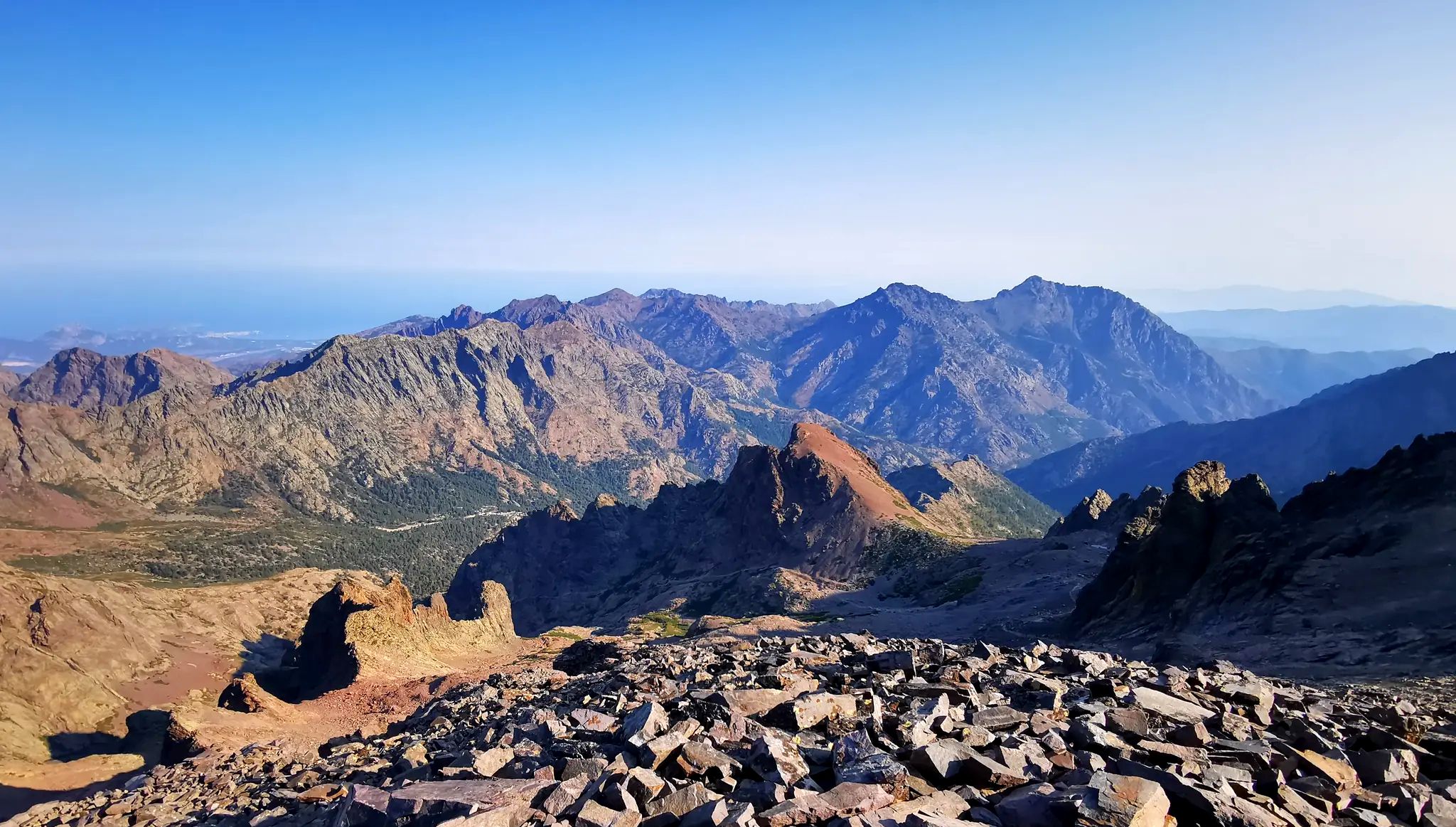
Hiking to the summits – France's highest points
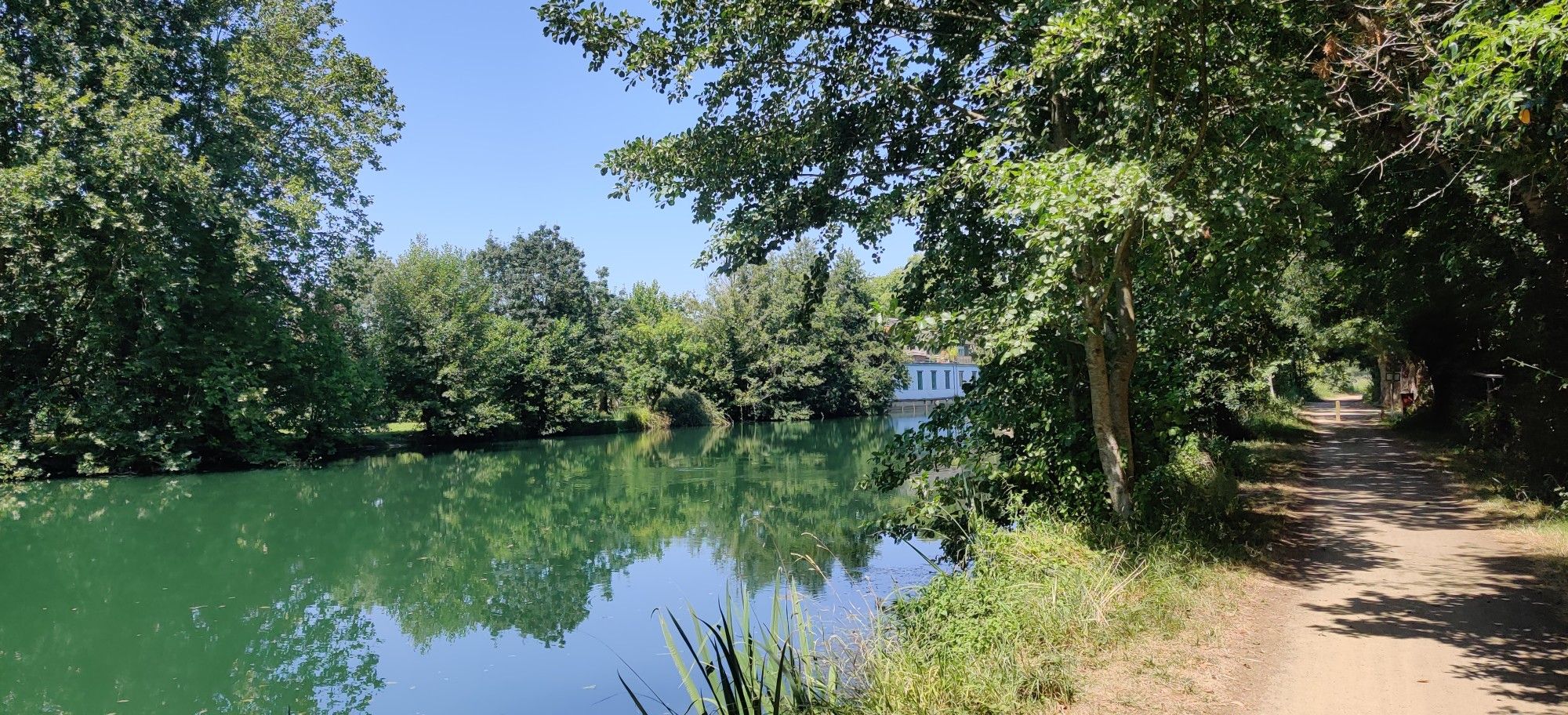
The greenways of the Mayenne by bike — An enchanted interlude
From Ouistreham to La Rochelle — riding the Vélo Francette
Hiking in Normandie-Maine
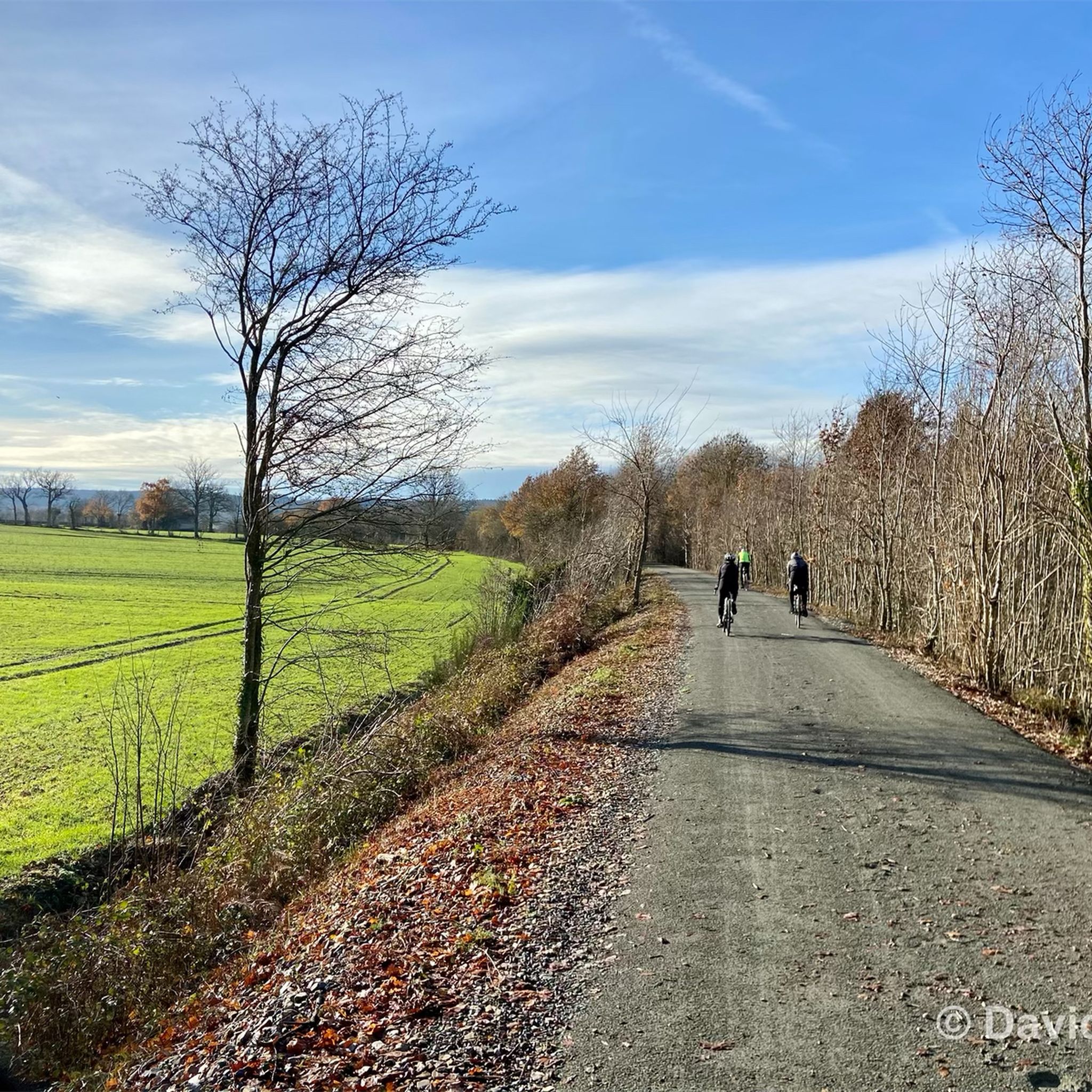
Cycling in Normandie-Maine
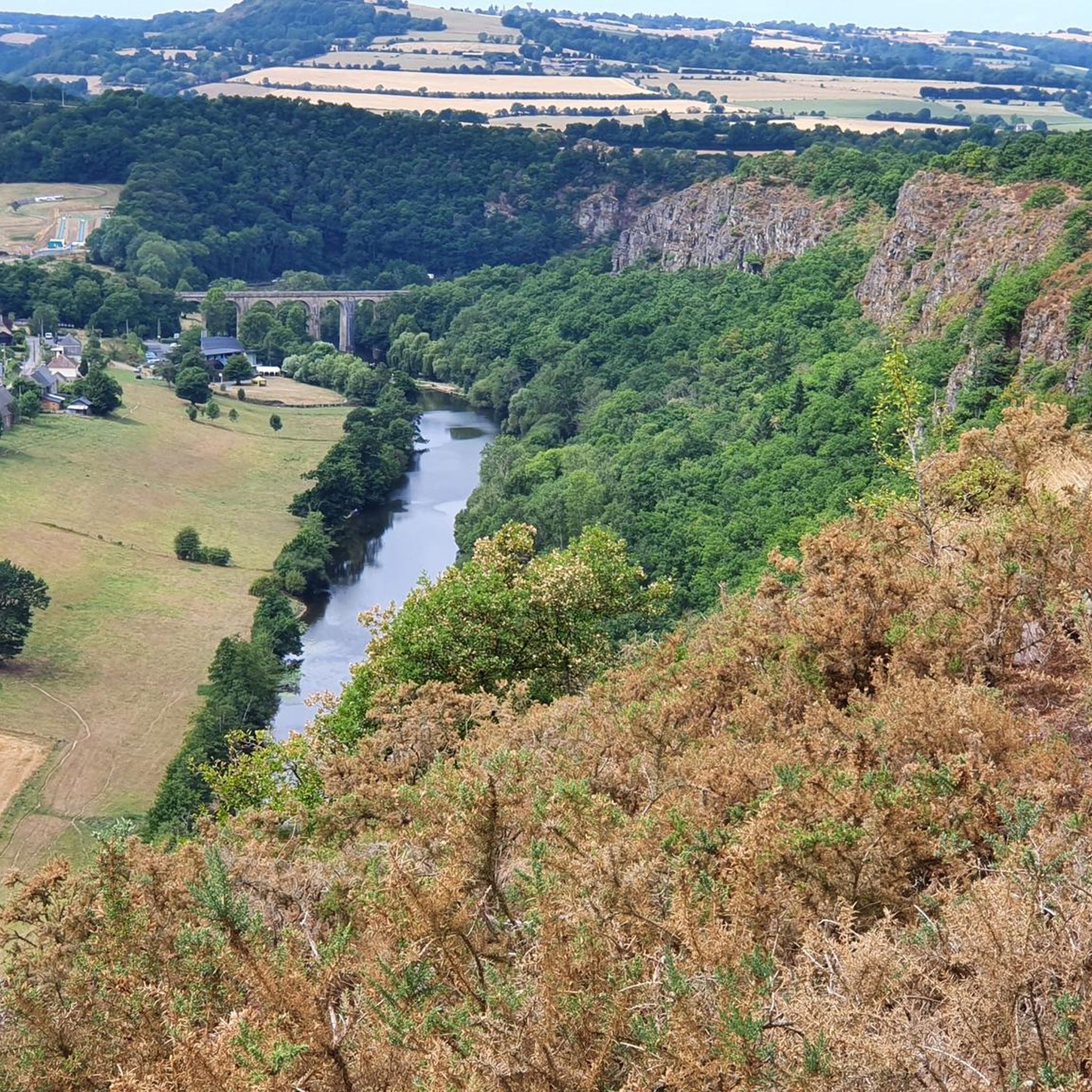
Running Trails in Normandie-Maine
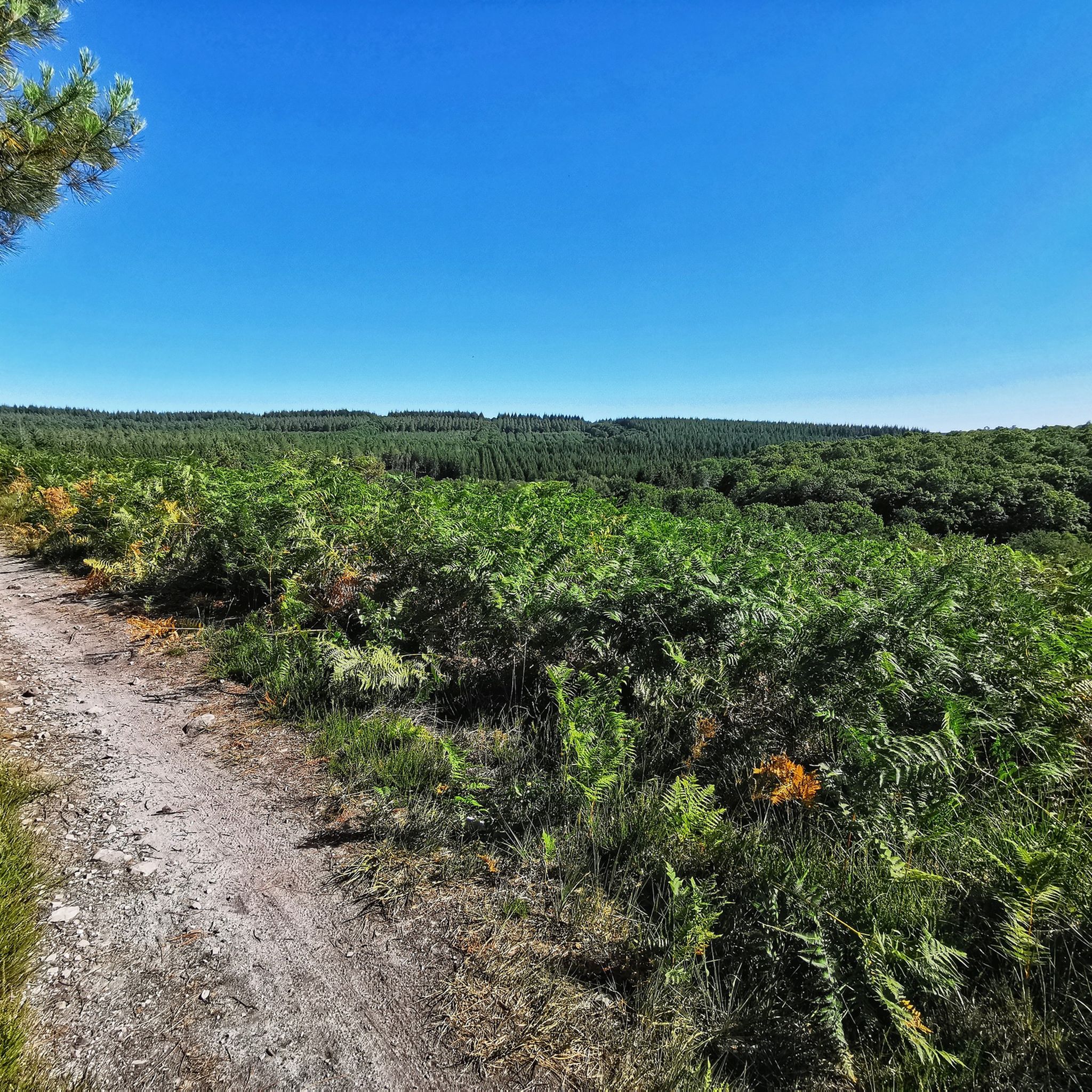
MTB Trails in Normandie-Maine
Other adventures in Normandie-Maine


Tips from the Community

Interesting castle ruin with a very good view. Ideal for a small picnic. The castle was built by Henry I, King of England from 1100 to 1135.
0
0
Very beautiful castle. The outside area is very interesting and a nice walk. Unfortunately I didn't see the inside of the castle. The bicycle parking area is behind the archway on the inside on the right.
0
0

A very pretty medieval town with old buildings and, unfortunately, many closed shops. The church of St. Julien is particularly worth a visit.
0
0

The castle is one of the largest in Normandy. It has been a listed building since 1927. From the free car park, a gravel path leads first to a gatehouse, then to the square castle, which is as defensive as it is representative and stands next to the small castle garden and a pasture. Beyond the castle stretches the beech and oak forest of the Forêt d’Ecouves, which is part of the Normandy-Maine Regional Nature Park. Inside, the Château de Carrouges invites you to travel through three centuries. The dining room with its marble fireplace and the bishops’ room with its wood-paneled prayer chamber are particularly beautiful.
1
0

Besieged by William the Conqueror in 1092, this castle has changed hands many times. The English, in 1417, occupied it during the winter months. It remained in English hands until the French recaptured it in 1450. The castle's fate was sealed when it served as a refuge for the Earl of Montgomery in 1574. He was beheaded the same year and the demolition of the castle was ordained in 1608. Witnesses to the construction of the castle, the ruins have stood the test of time and are still there today for you to enjoy.
3
0
The Chateau du Bois Thibault, a 15th century castle, was occupied by a company of Scottish soldiers in response to the occupation of the nearby Chateau de Lassay by the English during the Hundred Years' War. The castle is open to the public and the Cultural Association of Lassay-les-Châteaux offers guided tours.
3
0
Chateau de Lassay is a 15th century castle whose predecessor was built in the 12th century and its end was due to the fact that the lord of the castle was a supporter of England and the castle was sacked by the French during the Hundred Years War.
4
0

At the top of the castle plateau you can enjoy the wide view of the surroundings. Early in the morning there are no tourists in town, then it is nice and quiet and the narrow streets smell of fresh croixssants.
0
0
Frequently Asked Questions
Are there family-friendly castles to visit in Normandie-Maine?
Yes, several castles in Normandie-Maine are great for families. Carrouges Castle is listed as family-friendly and offers a blend of history and architecture. The Château de Lassay hosts historical reconstructions during summer, which can be engaging for families. Additionally, the Château de Mayenne features an interactive museum that tells its extensive history, which can be very appealing to children.
What kind of historical experiences do the castles in Normandie-Maine offer?
The castles provide diverse historical insights. For instance, the Château de Carrouges showcases a unique blend of medieval military architecture with Renaissance and classical influences. The Château de Lassay offers a remarkably preserved 15th-century military experience, complete with a working drawbridge. The Château de Mayenne boasts Carolingian roots and an interactive museum detailing its 1,000-year history. Even the ruins of Domfront Castle tell a story of sieges and historical significance.
What is the best time of year to visit the castles in Normandie-Maine?
The best time to visit is generally during the warmer months, from spring to early autumn (April to September), when the weather is pleasant for exploring both the castle interiors and their surrounding grounds and gardens. During summer, some castles like Château de Lassay may also offer special historical events and longer opening hours. While some castles might be open in winter, it's advisable to check specific opening times as they can be reduced.
Are there hiking or cycling routes near the castles in Normandie-Maine?
Yes, the region offers various outdoor activities near its historical sites. For cycling, you can explore routes like the 'Lassay Castles Loop' or a route connecting 'La Roche-Mabile to Carrouges' in the Normandie-Maine Regional Natural Park. For hiking, there are easy trails such as the 'Lancelot in the Land of Lassay Trail' or more challenging options like those found in the waterfall hikes guide. You can find more details on these and other routes in the Cycling in Normandie-Maine and Easy hikes in Normandie-Maine guides.
Do I need to pay an entry fee to visit the castles?
Most major castles in Normandie-Maine, especially those with preserved interiors and museums, typically have an entry fee. For example, Carrouges Castle and Château de Mayenne, which house museums and offer guided tours, will require tickets. However, some sites, like the ruins of Domfront Castle, can be visited without admission. It's always best to check the specific castle's official website for current pricing and opening hours before your visit.
Are there guided tours available at the castles?
Yes, many castles in the Normandie-Maine region offer guided tours to enhance the visitor experience. For example, Carrouges Castle offers both self-guided and guided tours of its interiors and park. The Château de Lassay provides guided tours that delve into its furnished rooms and military history. The Château de Sillé-le-Guillaume also offers cultural programs including visits. Guided tours often provide deeper insights into the history and architecture of these sites.
Can I find cafes or restaurants near the castles?
Yes, you can generally find dining options near the castles, especially those located within or close to towns. For instance, Domfront — Medieval Town offers charming squares and alleys with cafes and restaurants. The towns of Lassay-les-Châteaux (near Château de Lassay), Mayenne (near Château de Mayenne), and Sillé-le-Guillaume (near Château de Sillé-le-Guillaume) will have local establishments where you can enjoy a meal or a drink.
Are the castles in Normandie-Maine accessible by public transport?
While some larger towns with castles might have limited public transport connections, many castles in the Normandie-Maine region are best reached by car. For example, specific public transport options to Carrouges Castle or Domfront Castle might be infrequent or require connections. It's recommended to check local bus or train schedules for the specific town you plan to visit, but having a car offers the most flexibility for exploring the region's castles.
What makes Château de Lassay unique among the region's castles?
The Château de Lassay stands out for its exceptional preservation as a 15th-century castle. Unlike many others that were significantly altered, it retains its eight original towers, curtain walls, and a superb barbican. A truly unique feature is its working drawbridge, which visitors can witness and even operate during tours. It offers a rare glimpse into intact medieval military architecture and how a garrison lived in the 15th century.
Which castle offers the best panoramic views?
The Château de Mayenne is renowned for offering magnificent panoramic views. From its vantage point, visitors can enjoy sweeping vistas over the River Mayenne and the surrounding town. The medieval town of Domfront, situated high on a hill, also provides excellent views over the Varenne Valley.
Are there any castles with significant Renaissance architecture?
Yes, Carrouges Castle is a notable example. While it originated as a 14th-century fortress, it features a 16th-century entrance gatehouse that is considered the first example of Renaissance architecture in Normandy. Over the centuries, it saw significant additions, blending medieval austerity with Renaissance and classical influences.
What is the historical significance of Château de Mayenne?
The Château de Mayenne holds immense historical significance, with origins dating back over 1,000 years to an 8th-century wooden castle. It is considered one of the best-preserved early medieval secular buildings in Europe. Recent archaeological discoveries have revealed well-preserved Carolingian remains, offering a unique insight into this early period. It served as a Carolingian residence, a stronghold, and later a prison, before becoming a museum.
Most popular routes in Normandie-Maine
Most popular attractions in Normandie-Maine

Get inspired with the komoot mobile app


