Attractions and Places To See in Grands Causses - Top 20
Best attractions and places to see in Grands Causses include a diverse range of natural wonders, historical landmarks, and cultural sites. This UNESCO World Heritage site is characterized by its dramatic limestone plateaus, deep gorges, and rich agropastoral history. The region offers numerous opportunities to explore unique geological features and ancient settlements.
Best attractions and places to see in Grands Causses
- The most popular attractions is L'Ermitage Saint-Michel, an ancient fortified site. This hermitage is perched on impressive rock…
Last updated: August 2, 2026
L'Ermitage Saint-Michel
Highlight • Other
Translated by Google •
Tip by

Peyrelade Castle
Highlight • Castle
Translated by Google •
Tip by

Sign up now to discover places like this
Get recommendations on the best single tracks, peaks, & plenty of other exciting outdoor places.
Sign up for free
Églazines
Highlight • Historical Site
Translated by Google •
Tip by
Peyreleau
Highlight • Settlement
Translated by Google •
Tip by

The Prehistoric Mushroom
Highlight • Viewpoint
Translated by Google •
Tip by
Sign up for free to discover even more attractions in Grands Causses.
Sign up for free
Already have an account?
Start today with a free account
Your next adventure awaits.
Login or Signup
Popular around Grands Causses
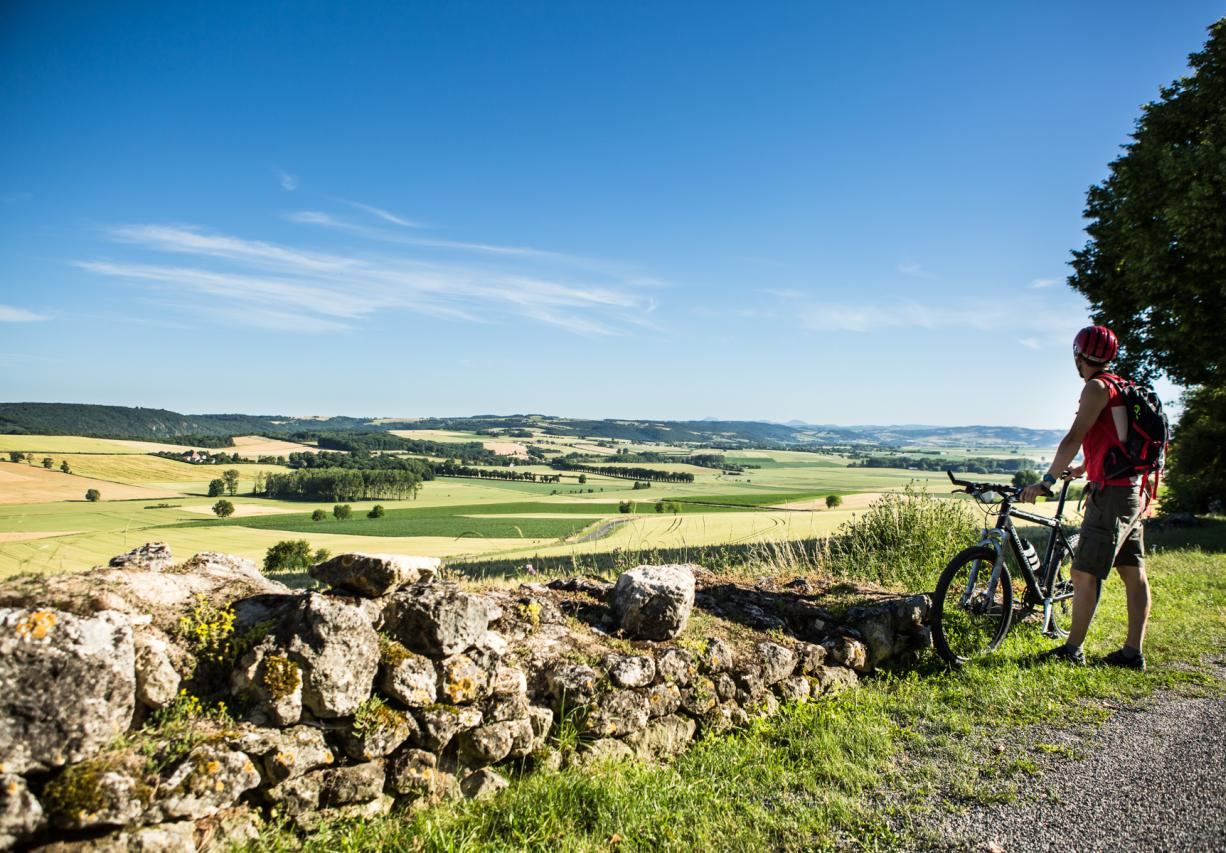
The Grande traversée du Massif Central by gravel bike
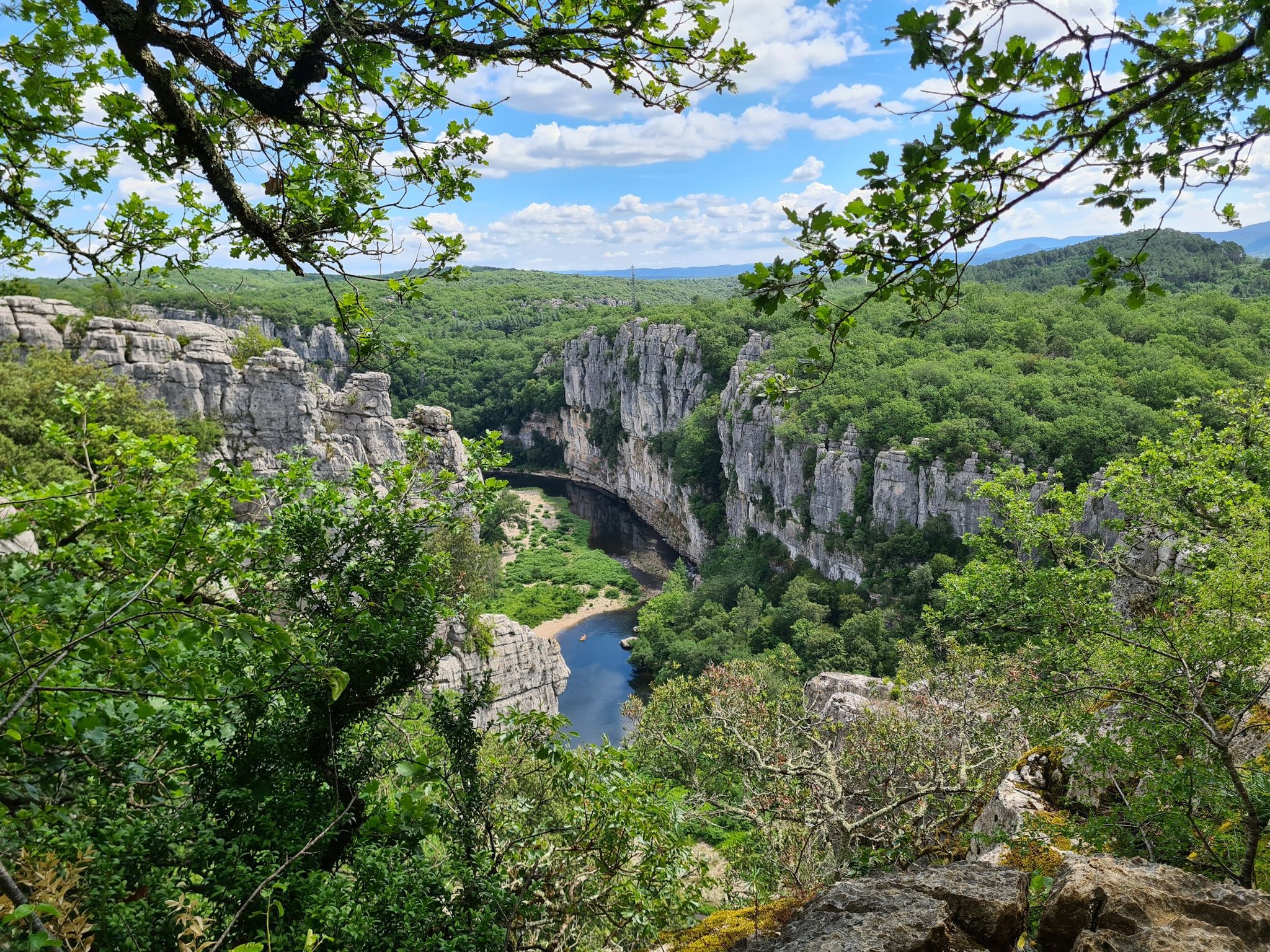
Hexatrek – The Cévennes to the Pyrenees between gorges and limestone plateau
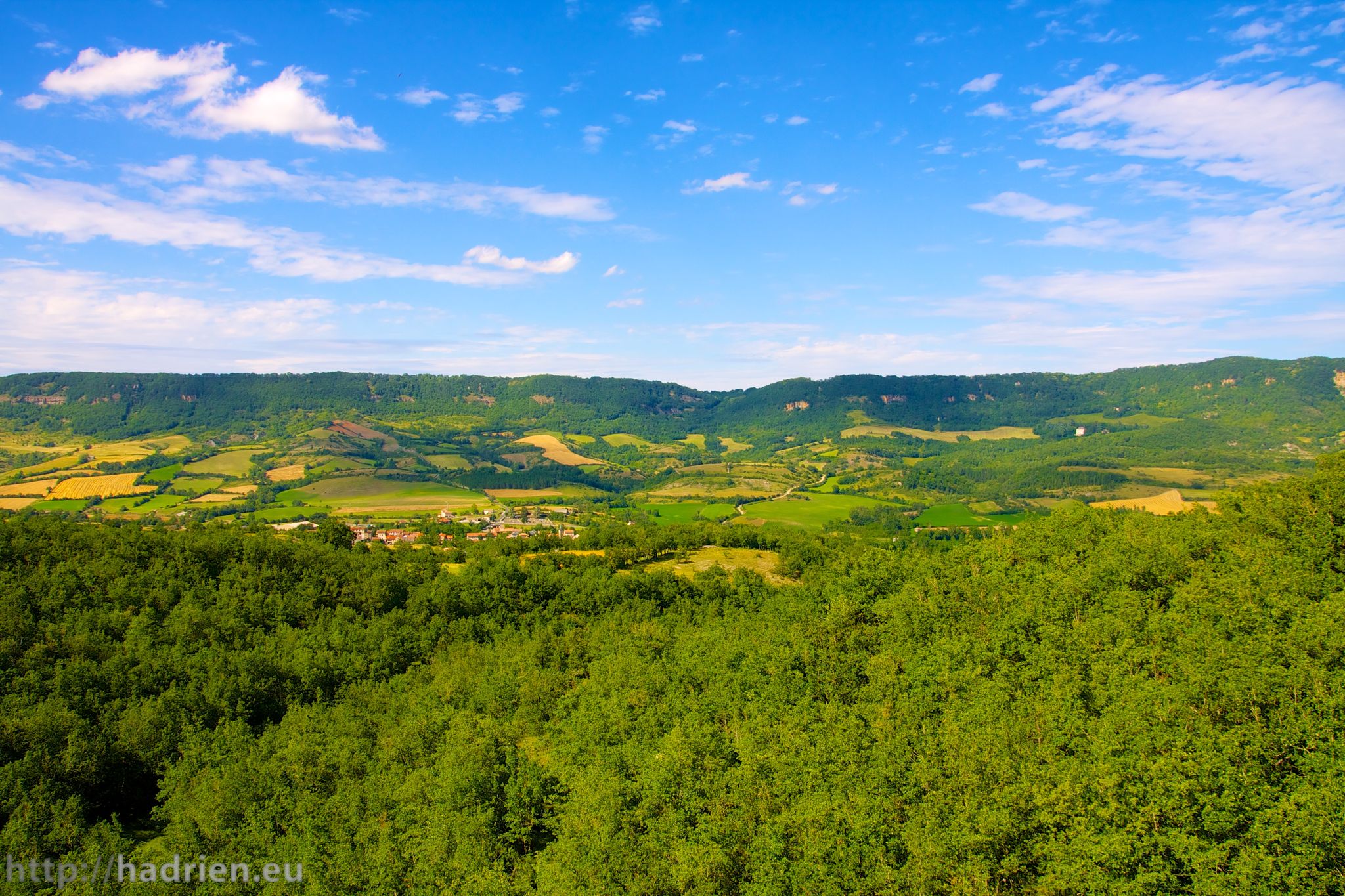
Tour of Aveyron — The mountains and valleys of Roquefort and Aligot
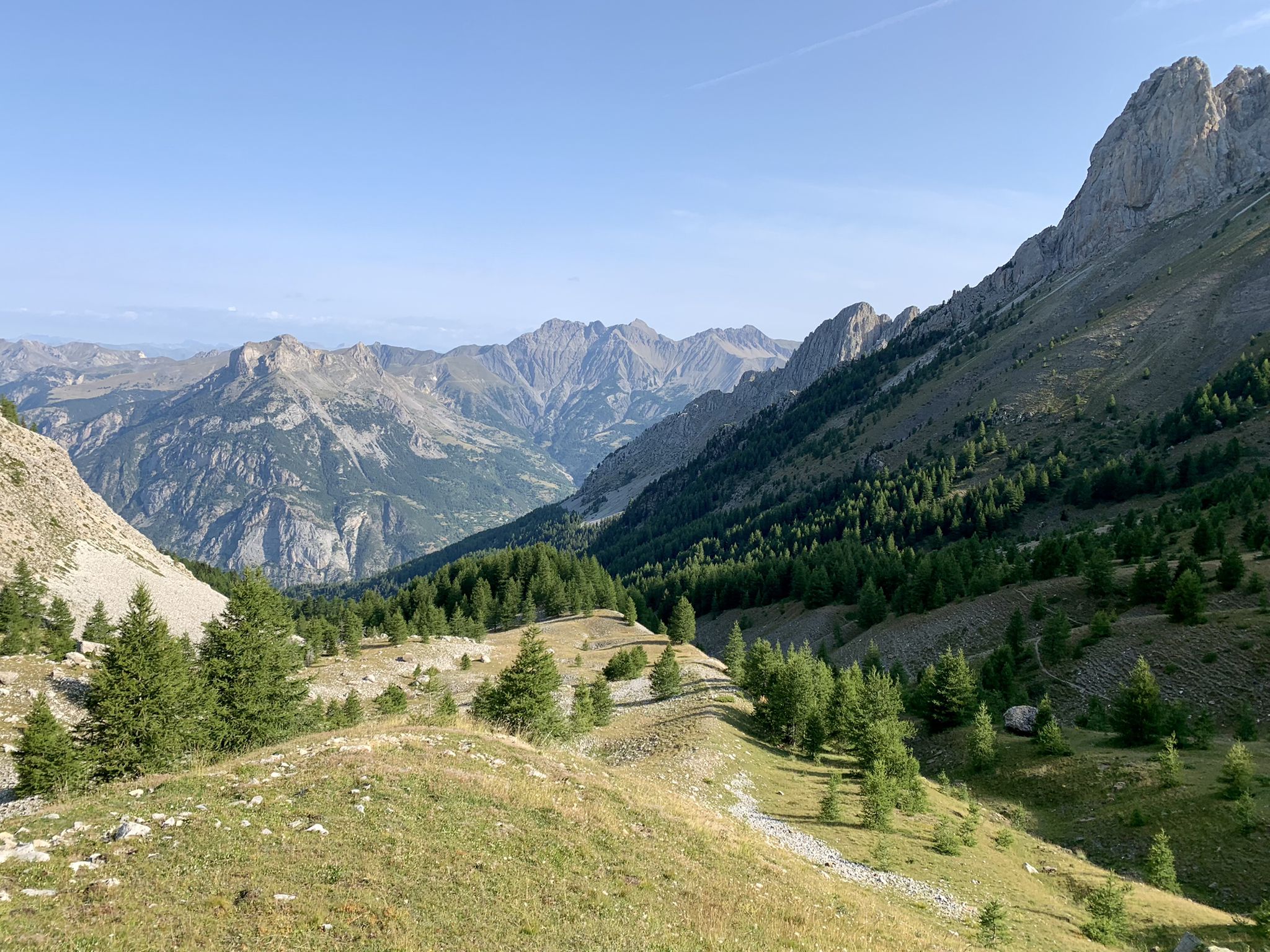
From the Alps to the Atlantic — GR 6
The most beautiful walks in Lozère
From L'Espérou to Lodève - Explore the Cevennes on the GR 71
Meyrueis to La Roque-Sainte-Marguerite – GR 62A in France
Trails de Légende in France – Festival des Templiers races
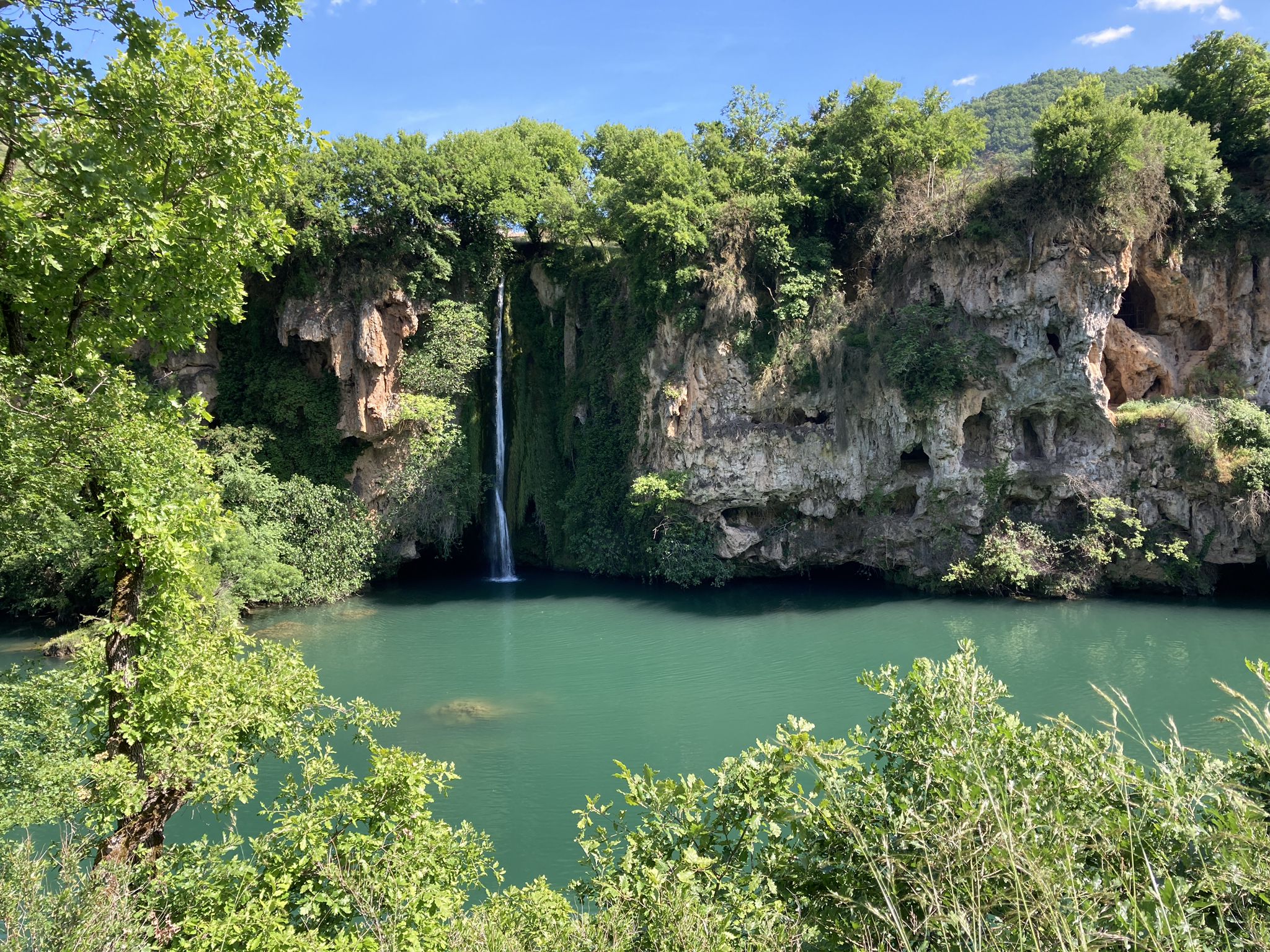
The sound of water – gravel and waterfalls in Aveyron
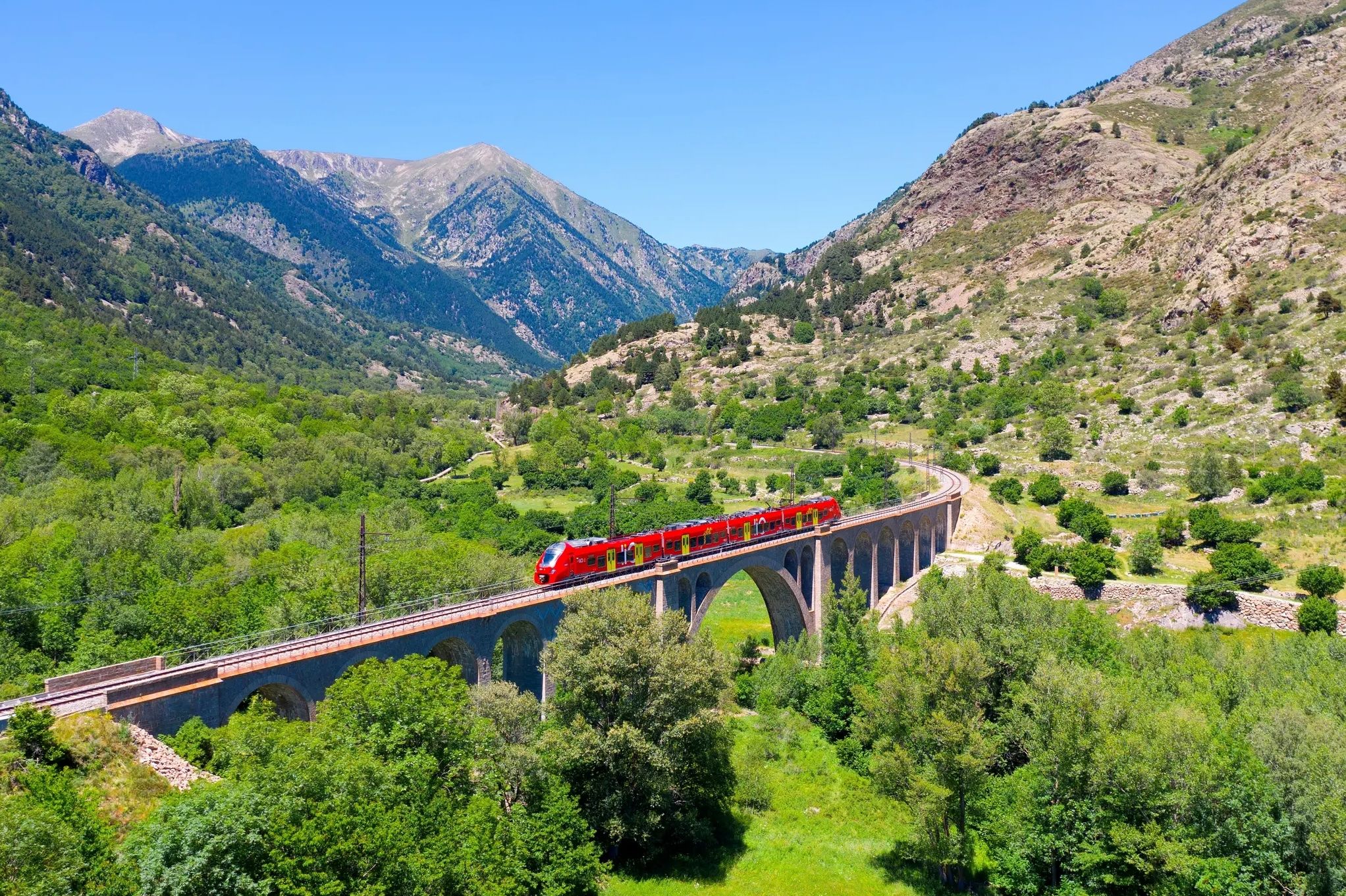
Occitanie Rail Tour – by train and on foot through Occitania
Other adventures in Grands Causses


Tips from the Community


An exceptional site due to its location. One thing intrigues me: how did the ancients build with stone at such heights? Even on the backs of mules, the task of climbing the 500m drop from the Tarn is gigantic. Other questions: how did they live there? Certainly no prayers.
0
0

Far away from all civilization, this hermitage was built on rocks.
1
0


A geological curiosity, nice to see. If you're not passing too far, it's worth a little detour.
0
0


The Prehistoric Mushroom is a remarkable geological formation located in the Lozère department, in the Occitanie region, near the village of Sainte-Enimie, in the Gorges du Tarn. It is a natural rock formation that has the particularity of resembling a giant mushroom. Points of Interest: Geological Formation: Unique Appearance: The Prehistoric Mushroom is made of eroded limestone, forming a structure that evokes the shape of a mushroom with a wide cap and a narrow stem. This formation is the result of the natural erosion of rock layers over the centuries. Height and Size: The mushroom is several meters high, and its "cap" can reach an impressive diameter, making it a spectacular and photogenic geological feature. Why visit the Prehistoric Mushroom? Natural Beauty: The Prehistoric Mushroom is an impressive geological formation that offers unique and picturesque views, perfect for nature and photography enthusiasts. Exploration: It is an excellent opportunity to explore the Gorges du Tarn, a place rich in varied geological formations and impressive landscapes. Hiking: The visit can be integrated into a longer hike, allowing you to discover the geological and natural diversity of the Gorges du Tarn. In short, the Champignon Préhistorique is a fascinating destination for those interested in geology, natural landscapes, and the discovery of unique rock formations in a spectacular setting.
1
0

Frequently Asked Questions
What unique geological features can I explore in Grands Causses?
The Grands Causses are renowned for their dramatic limestone plateaus and deep gorges. You can visit the spectacular Prehistoric Mushroom on the Causse Noir, an impressive eroded limestone structure resembling a giant mushroom. Other notable formations include Montpellier-le-Vieux and the Chaos of Nîmes-le-Vieux. The region is also home to extensive karst systems, with developed caves like Aven Armand and Abîme de Bramabiau.
Are there historical landmarks or ancient sites to visit in Grands Causses?
Yes, the region is rich in history. You can explore the ancient fortified site of L'Ermitage Saint-Michel, perched on impressive rock formations in the Jonte gorges. Another significant historical site is Peyrelade Castle, an 11th-century ruin spectacularly situated above the Tarn valley. Don't miss Églazines, an ancient troglodyte village clinging to the cliffs of the Causse de Sauveterre.
What cultural sites can I experience in the Grands Causses region?
Beyond natural and historical sites, the Grands Causses offer cultural insights. The village of Peyreleau, listed as a 'Small City of Character,' is a great starting point for exploring the Causses and gorges. You can also visit La Couvertoirade, a remarkably preserved fortified medieval village with Templar and Hospitaller history, or Roquefort-sur-Soulzon, where the famous Roquefort cheese is aged in natural caves.
What outdoor activities can I do near these attractions?
The Grands Causses offer numerous opportunities for outdoor activities. You can find many hiking trails, including those leading to waterfalls, and various cycling routes. For specific routes, check out the guides for Road Cycling Routes in Grands Causses, Waterfall hikes in Grands Causses, and Cycling in Grands Causses.
Are there any specific hiking trails recommended for exploring the natural beauty?
Yes, the region is a hiker's paradise. The Gorges du Tarn and Gorges de la Jonte offer breathtaking scenery and numerous trails. For example, you can find routes that lead to viewpoints like the Prehistoric Mushroom, or explore the unique landscapes of the Causses. Many trails start from villages like Peyreleau, which is a meeting point for several natural sites.
What is the best time of year to visit Grands Causses for sightseeing and outdoor activities?
The Grands Causses are generally pleasant from spring through autumn. Spring and early summer offer lush landscapes and comfortable temperatures for hiking and cycling. Autumn provides stunning foliage and cooler weather, ideal for exploring historical sites and gorges. Summers can be warm, perfect for river activities in the Gorges du Tarn.
Can I find any unique viewpoints or panoramic vistas in Grands Causses?
Absolutely. The region is famous for its spectacular overlooks. The Causse Méjean, the highest and most isolated of the Causses, offers incredible views over the Tarn and Jonte Rivers. The Prehistoric Mushroom also serves as a viewpoint overlooking the Jonte gorges. Additionally, the Rocher de Roqueprins on the Causse Sauveterre provides splendid panoramic views over La Canourgue.
What are some lesser-known or 'hidden gem' attractions in Grands Causses?
Beyond the main highlights, consider exploring the Cirque de Navacelles, a magnificent geological curiosity formed by a river meander. The City of Stones (Cité de Pierres) on the Causse Noir, with its ruin-like rock formations, also offers a unique experience. For history enthusiasts, seek out other Templar and Hospitaller sites like Fort de Saint-Jean d'Alcas or the Tower of Viala du Pas de Jaux.
What do visitors enjoy most about the attractions in Grands Causses?
Visitors frequently appreciate the dramatic natural landscapes, especially the deep gorges and unique rock formations. The rich history, evident in sites like Peyrelade Castle and the ancient troglodyte village of Églazines, also receives high praise. Many enjoy the sense of discovery and the opportunities for outdoor adventure, from exploring ruins to hiking through stunning scenery.
Are there any architectural marvels or modern structures worth seeing?
Yes, the Millau Viaduct is an impressive modern architectural marvel. This cable-stayed bridge is a significant landmark and offers stunning views as part of the A75 motorway, contrasting beautifully with the ancient landscapes of the region.
Can I find information about the ancient civilizations that inhabited the Grands Causses?
The region holds evidence of ancient civilizations, particularly through its mysterious prehistoric monuments. You can find numerous statues-menhirs and dolmens, which are testaments to human occupation over 7,000 years ago. The Musée de Millau et des Grands Causses also houses archaeological remains showcasing this long history.
Most popular routes in Grands Causses
Most popular attractions in Grands Causses

Get inspired with the komoot mobile app


Explore more
Still not found the Highlight you’re looking for? See guides of the top attractions in other regions:
