The best cycling routes in Kamptal-Schönberg Nature Park
4.5
(1841)
10,362
riders
33
rides
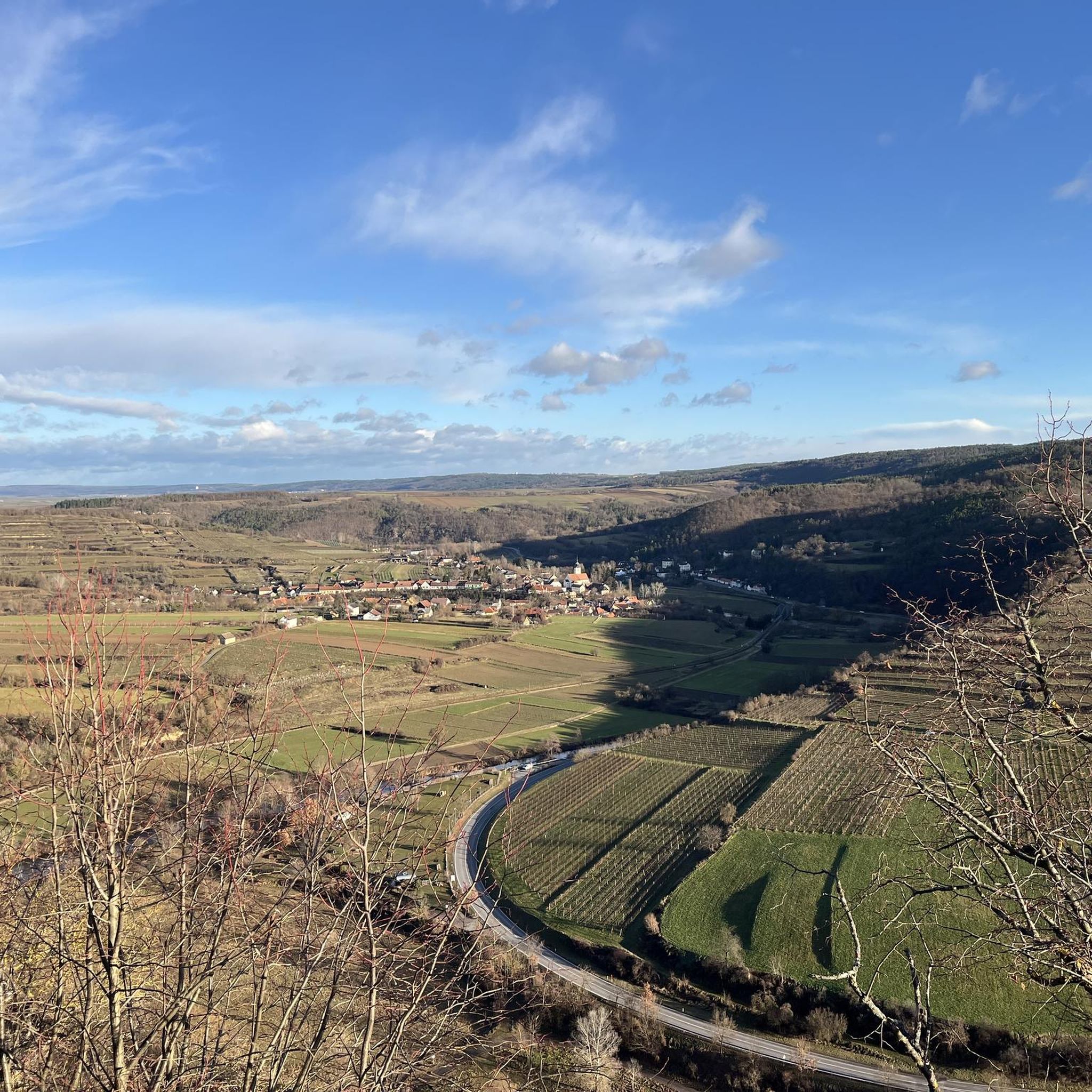
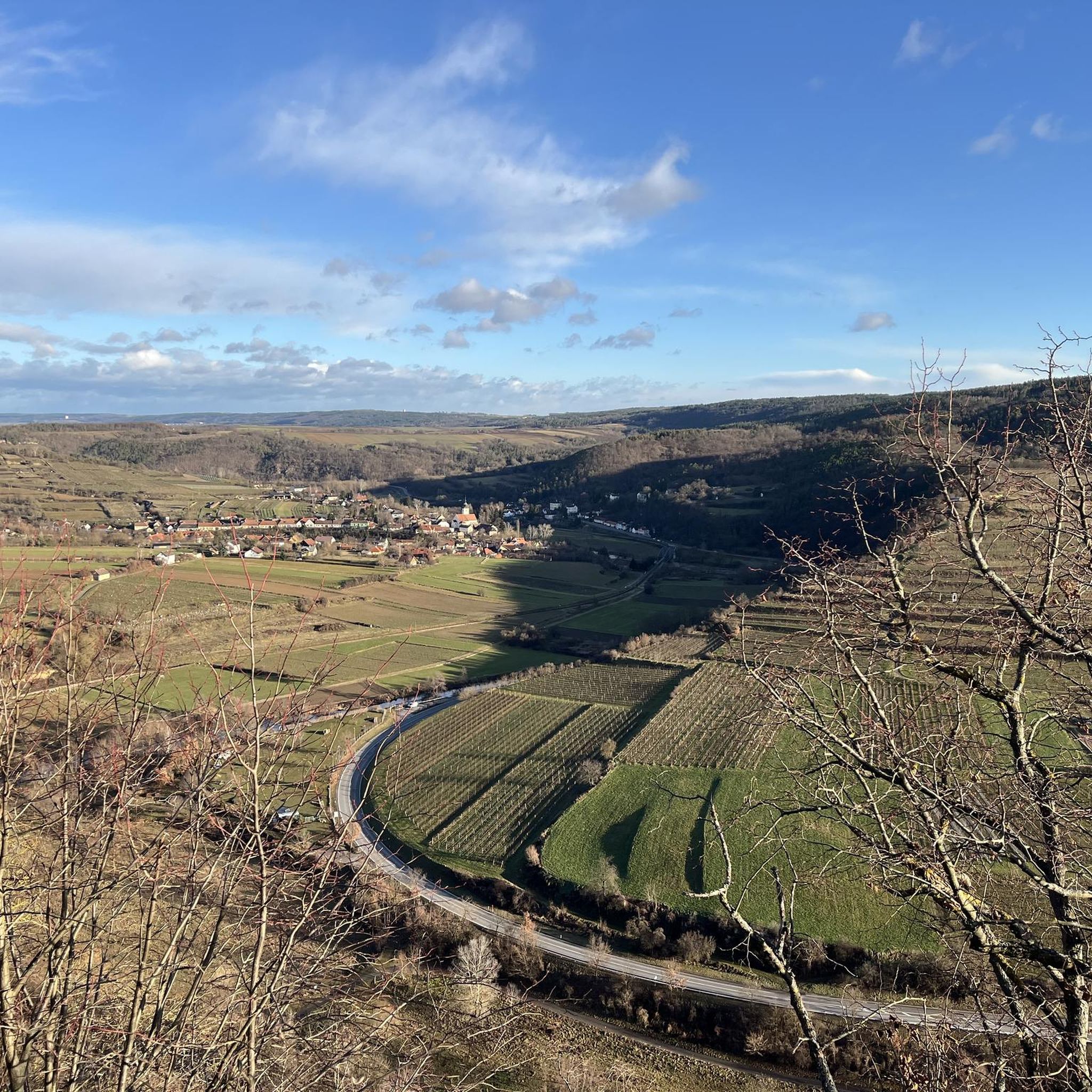
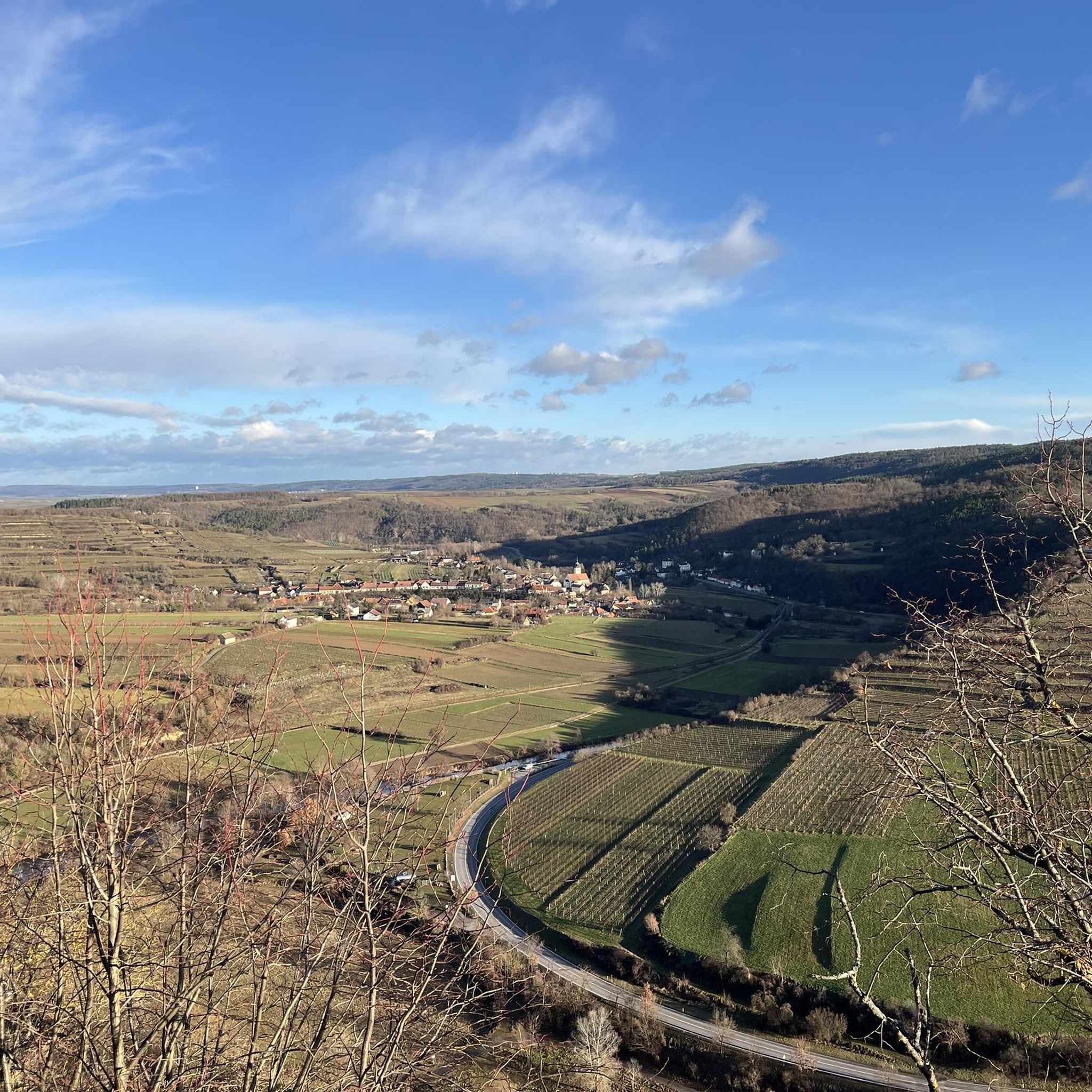
Touring cycling in Kamptal-Schönberg Nature Park is characterized by its diverse landscape, shaped by the meandering Kamp River and its valley. The region features extensive vineyards, particularly around Langenlois, and the forested slopes of the Manhartsberg. This varied terrain offers a mix of riverside paths, vineyard routes, and forest trails, providing options for different cycling preferences. The park also includes unique habitats such as dry grasslands and alluvial forests.
Best touring cycling routes in Kamptal-Schönberg Nature Park
- The most popular…
Last updated: September 30, 2026
4.8
(6)
107
riders
32.9km
02:35
510m
510m
Hard bike ride. Very good fitness required. Mostly paved surfaces. Suitable for all skill levels.
4.4
(11)
79
riders
32.4km
01:58
170m
170m
Moderate bike ride. Good fitness required. Mostly paved surfaces. Suitable for all skill levels.

3.8
(8)
57
riders
24.6km
01:37
330m
330m
Moderate bike ride. Good fitness required. Mostly paved surfaces. Suitable for all skill levels.
4.8
(4)
38
riders
Moderate bike ride. Good fitness required. Mostly paved surfaces. Suitable for all skill levels.
4.5
(2)
21
riders
46.2km
03:04
640m
640m
Hard bike ride. Very good fitness required. Mostly paved surfaces. Suitable for all skill levels.
Get access to more routes and recommendations from other explorers.
Already have an account?
Our route recommendations are based on thousands of hikes, rides, and runs completed by other people on komoot.
Start today with a free account
Your next adventure awaits.

Tips from the Community

A historic castle next to a futuristic open-air stage in a landscape park, a 19th-century riding school next to a modern concert hall and much more await you in Grafenegg. The slender courtyard-facing turret of Schloss Grafenegg represents the late Gothic construction phase. The Renaissance era also lastingly shaped the development of the castle, which in the first half of the 17th century already presented a four-wing complex with two towering structures. A moat and four wall houses provided impressive protection. A chapel was erected on the east side. Grafenegg thus acquired the form that is still partially preserved today. The garden pavilion, where festivities were celebrated and theatre was performed, is reminiscent of the Baroque period. Following the example of English castles, a complex in the style of romantic historicism was to be erected. This is how Schloss Grafenegg, as we know it today as a landmark, came into being.
0
0
Gföhl was first mentioned in documents around 1180 and looks back on a long history as a market town and centre of the Waldviertel. The most important milestones Antiquity and settlement: Prehistoric finds (like from the Bronze Age) prove early traces of humans on the Gföhl plateau. Before German settlement from the 12th century onwards, there was a Slavic presence. First mention (1180): The place name is presumably derived from a topographical depression in the ground. Elevation to market town (1314/1493): In 1314, Gföhl is mentioned as a market town. In 1493, Emperor Frederick III granted the town official market rights and a coat of arms. War hardship and crises: In 1426, the Hussites destroyed the town and church. The population also suffered severely during the Peasants' War (1595) and the Thirty Years' War (1645), as well as from the plague (1679/1681).
0
0
The well-known Trinity Column (Pestsäule) in Langenlois stands as a striking centerpiece on the Kornplatz. It was erected in 1713 by the citizenry as thanks for being spared from the plague and consecrated on October 14th of the same year. The baroque monument was created by the renowned Krems sculptor Andreas Krimmer.
0
0
The well-known Trinity Column (Plague Column) in Langenlois stands as a striking centerpiece on the Kornplatz. It was erected in 1713 by the citizenry as thanks for being spared from the plague and was consecrated on October 14 of the same year. The baroque monument was created by the renowned Krems sculptor Andreas Krimmer.
0
0
At LOISIUM, wine enjoyment combines with a true zest for life. Authenticity, regionality, and passion for wine meet here – whether on an exciting journey of discovery through the world of winemaking artistry or with a relaxed glass at the end of the day. Nestled in some of Europe's most beautiful wine regions, LOISIUM is the perfect place for anyone who wants to not just drink wine, but experience it.
0
0

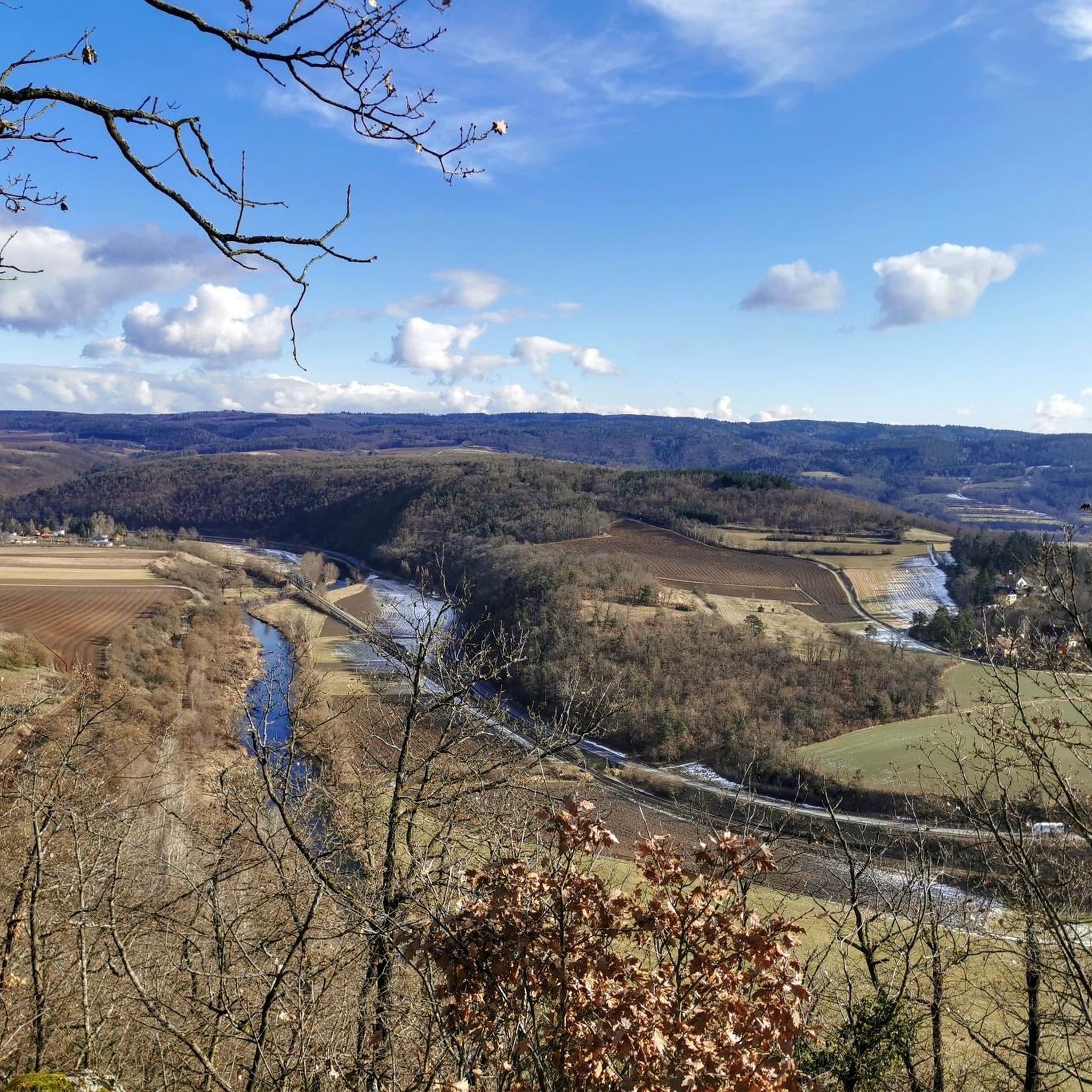
A beautiful view of the Kamp, the Kamptal-Thaya cycle path leads over it.
0
0
Beautiful bathing spot on a beautiful river.
1
0

Beautiful views over the vineyards and interesting wine cellars.
0
0
Frequently Asked Questions
How many touring cycling routes are available in Kamptal-Schönberg Nature Park?
There are over 30 touring cycling routes available in Kamptal-Schönberg Nature Park, catering to various preferences and skill levels. The komoot community has explored these routes over 4000 times.
What is the general difficulty level of touring cycling routes in the Kamptal-Schönberg Nature Park?
The routes in Kamptal-Schönberg Nature Park offer a good mix of difficulties. You'll find 2 easy routes, 21 moderate routes, and 13 difficult routes. This variety ensures options for both leisurely rides and more challenging tours through the region's diverse terrain.
What kind of landscapes can I expect to see while cycling in Kamptal-Schönberg Nature Park?
The Kamptal-Schönberg Nature Park offers a rich tapestry of landscapes. You'll cycle along the meandering Kamp River, through extensive vineyards, especially around Langenlois, and past the forested slopes of the Manhartsberg. The region also features unique habitats like dry grasslands and alluvial forests, and captivating reservoirs reminiscent of fjords, such as the Dobra and Ottenstein reservoirs.
Are there any long-distance cycling paths in the region?
Yes, the prominent Kamptal Cycle Path is a major highlight for touring cyclists. It stretches over 118 kilometers, allowing you to experience the full spectrum of landscapes, from gentle river valleys to vineyard slopes, connecting numerous towns throughout the region.
What historical or cultural sights can I explore along the cycling routes?
Many routes pass by significant historical and cultural landmarks. You can discover sites like the Schonenburg Ruins, a medieval hilltop castle, or the restored Crucifixion Group. The region also features charming churches like the Parish Church of Stiefern – St. John the Baptist, and the Alte Schmiede (Old Blacksmith's shop) which serves as a cultural center.
Are there any unique natural features or viewpoints to discover?
Absolutely. The Kamp River itself is a central natural feature, with picturesque riverside paths like the Kamp Valley Riverside Trail. The region's extensive vineyards offer stunning vistas, and the Dobra and Ottenstein reservoirs provide a unique 'northern atmosphere' with their fjord-like appearance.
What do other touring cyclists enjoy most about the routes in Kamptal-Schönberg Nature Park?
The routes in Kamptal-Schönberg Nature Park are highly rated by the komoot community, with an average score of 4.5 stars from over 770 reviews. Cyclists often praise the diverse landscapes, from the tranquil river paths to the scenic vineyard routes, and the well-maintained network that caters to various abilities.
Are there family-friendly touring cycling routes in Kamptal-Schönberg Nature Park?
Yes, the nature park offers routes suitable for families. The mostly gentle topography along the Kamp River provides less strenuous options. While specific 'family-friendly' routes are not explicitly highlighted in the data, the presence of easy and moderate trails, combined with thematic educational trails, makes many sections enjoyable for all ages.
Are there circular touring cycling routes available?
Many of the touring cycling routes in Kamptal-Schönberg Nature Park are designed as loops, offering convenient starting and ending points. Examples include the Kornplatz, Langenlois – Haindorf Castle loop from Stiefern, the Grafenegg Castle – Kornplatz, Langenlois loop from Schönberg am Kamp, and the Vineyards in the Kamptal – Kamp Bridge Zöbing loop from Schönberg am Kamp.
What is the best time of year to go touring cycling in Kamptal-Schönberg Nature Park?
The Kamptal-Schönberg Nature Park is beautiful throughout the warmer months. Spring offers blooming landscapes and pleasant temperatures, while summer provides lush greenery. Autumn is particularly stunning as the vineyards change color, making it an ideal time to enjoy the wine region. Always check local weather conditions before your ride.
Can I combine cycling with wine tasting in the Kamptal-Schönberg Nature Park?
Absolutely! The region is renowned for its vineyards, especially around Langenlois, Austria's largest wine town. Cycling through these areas, such as on the Vineyards in the Kamptal – Kamp Bridge Zöbing loop from Schönberg am Kamp, offers stunning vistas and opportunities to visit local wineries and experience the dedicated wine trail.
Are there options for different types of cycling, like gravel biking?
While the focus is on touring cycling, the diverse terrain of the Kamptal-Schönberg Nature Park, including forest paths and gravel roads, also makes it suitable for gravel biking. The forests of the Manhartsberg, for instance, provide excellent gravel sections for those seeking a different kind of adventure.
Most popular routes in Kamptal-Schönberg Nature Park
Most popular attractions in Kamptal-Schönberg Nature Park

Get inspired with the komoot mobile app


Explore more
Browse the best Cycling routes in other regions.
