The best cycling routes around Río Guadalmina
4.3
(281)
3,638
riders
73
rides
Touring cycling routes around Río Guadalmina traverse a landscape characterized by river valleys, coastal promenades, and rolling hills. The region features the Guadalmina River and its reservoir, alongside paths leading to the Mediterranean coast. Cyclists can expect varied terrain, from flat sections near the sea to more challenging ascents into the Sierra Bermeja mountains. The area offers a network of routes with significant elevation changes and mountain passes.
Best touring cycling routes around Río Guadalmina
- The most popular touring cycling…
Last updated: October 7, 2026
5.0
(1)
102
riders
Hard bike ride. Very good fitness required. Mostly paved surfaces. Suitable for all skill levels.
5.0
(1)
103
riders
61.4km
04:31
1,380m
1,380m
Hard bike ride. Very good fitness required. Mostly paved surfaces. Suitable for all skill levels.

4.5
(8)
76
riders
Hard bike ride. Very good fitness required. Mostly paved surfaces. Suitable for all skill levels.
40
riders
123km
09:15
2,650m
2,650m
Hard bike ride. Very good fitness required. Mostly paved surfaces. Suitable for all skill levels.
5.0
(2)
41
riders
Hard bike ride. Very good fitness required. Mostly paved surfaces. Suitable for all skill levels.
4.2
(16)
70
riders
Moderate bike ride. Good fitness required. Mostly paved surfaces. Suitable for all skill levels.
18
riders
Hard bike ride. Very good fitness required. Mostly paved surfaces. Suitable for all skill levels.
5.0
(1)
23
riders
Hard bike ride. Good fitness required. You may need to push your bike for some segments of this route.
4.3
(3)
17
riders
47.2km
03:28
550m
550m
Hard bike ride. Very good fitness required. Mostly paved surfaces. Suitable for all skill levels.
4.0
(6)
27
riders
Easy bike ride. Great for any fitness level. Mostly paved surfaces. Suitable for all skill levels.
Get access to more routes and recommendations from other explorers.
Already have an account?
Our route recommendations are based on thousands of hikes, rides, and runs completed by other people on komoot.
Start today with a free account
Your next adventure awaits.

Tips from the Community

Known as "the garden of the Costa del Sol", the old town of Estepona surprises with its whitewashed pedestrian streets, decorated with hundreds of flowerpots of all colors. In the heart of the neighborhood, the Plaza de las Flores brings together orange trees, terraces, and the most lively atmosphere of the town.
0
0
Known as "the garden of the Costa del Sol", the old town of Estepona surprises with its whitewashed pedestrian streets, decorated with hundreds of flowerpots of all colors. In the heart of the neighborhood, the Plaza de las Flores brings together orange trees, terraces, and the liveliest atmosphere of the town.
1
0


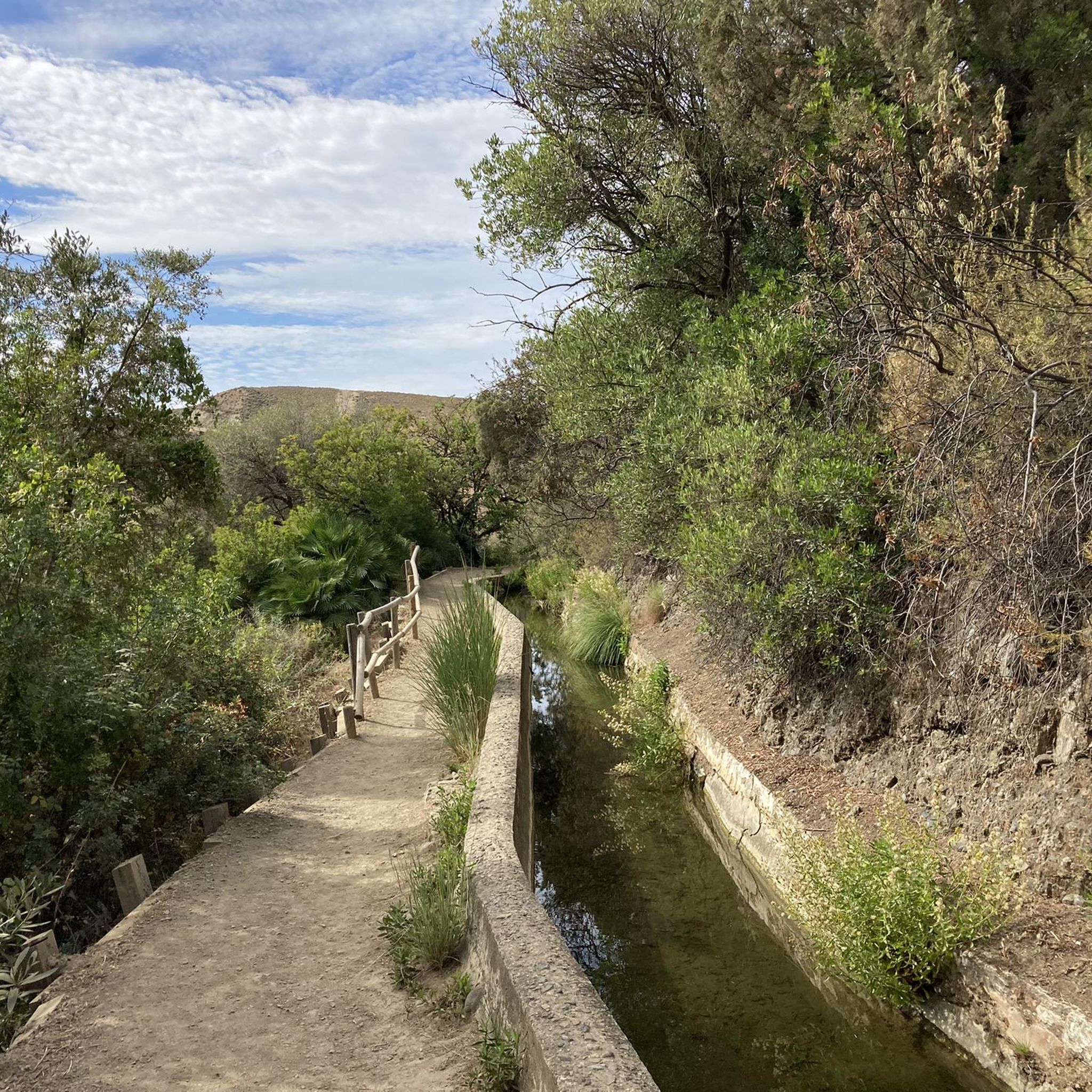
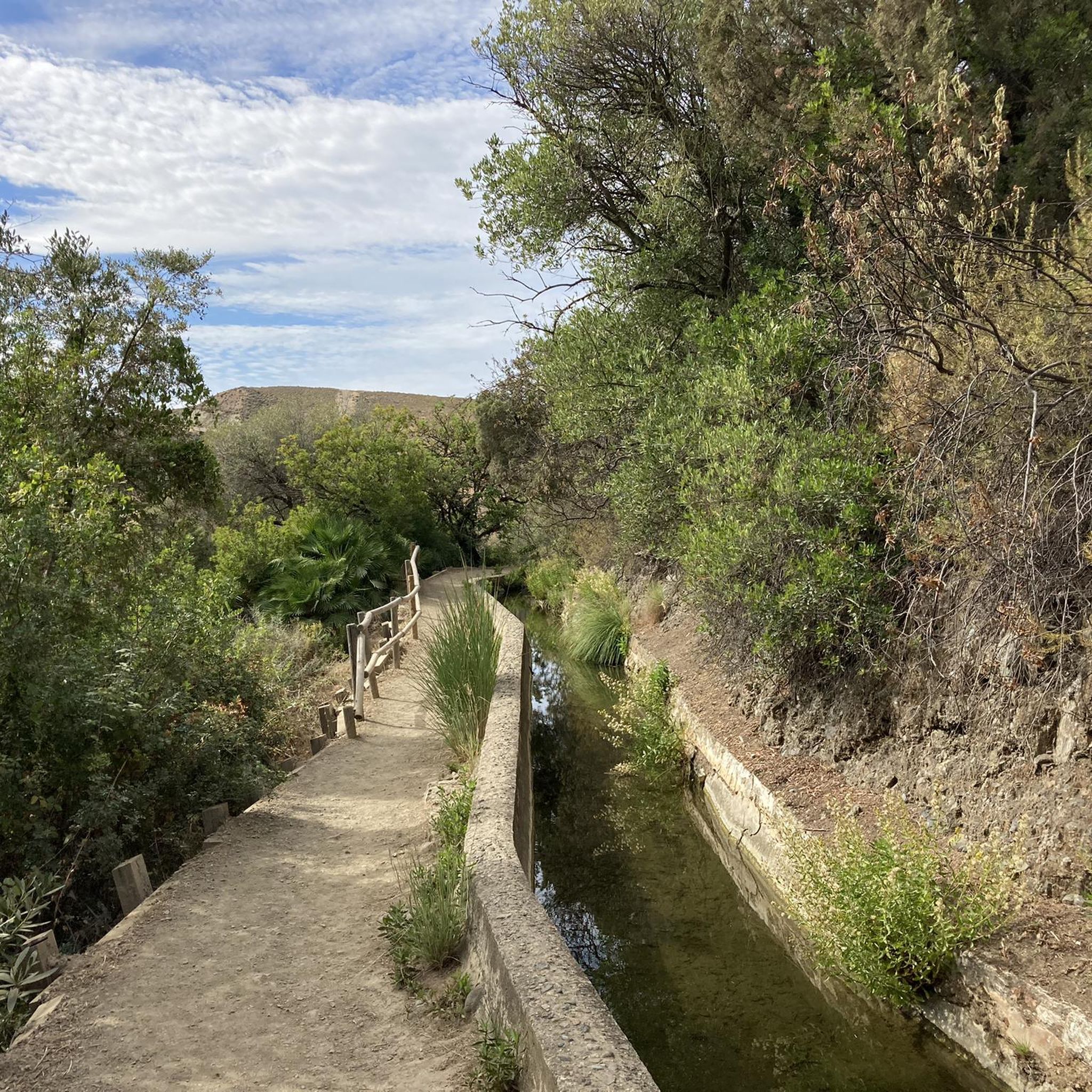
The 21-meter-high dam does not have the task of storing water reserves for dry periods. It serves exclusively to intercept the water of the Río Guadalmina. The impounded water is diverted directly through a 9.5-kilometer-long tunnel. This diverts the water into the region's large main reservoir – the Embalse de la Concepción near Istán/Marbella.
1
0

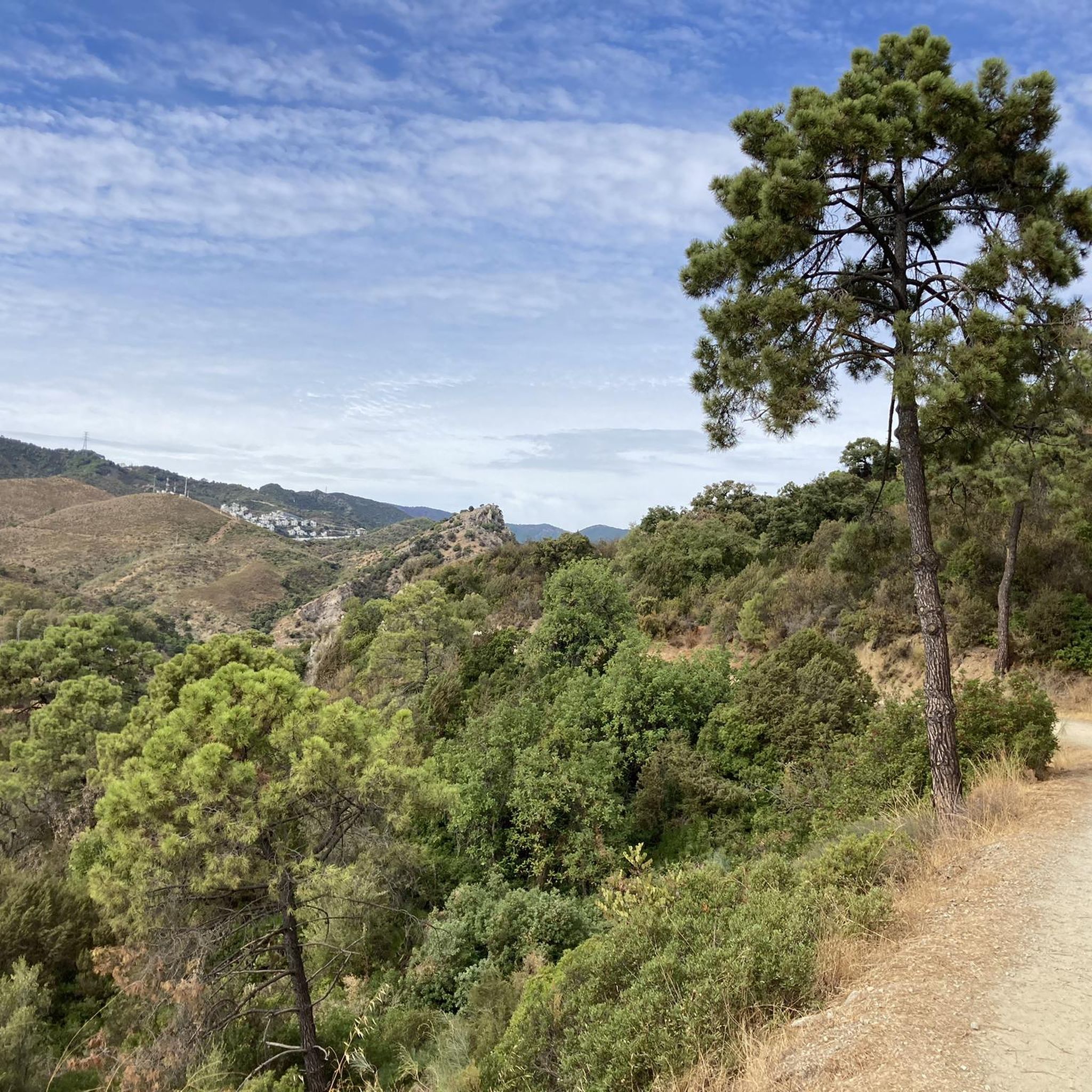
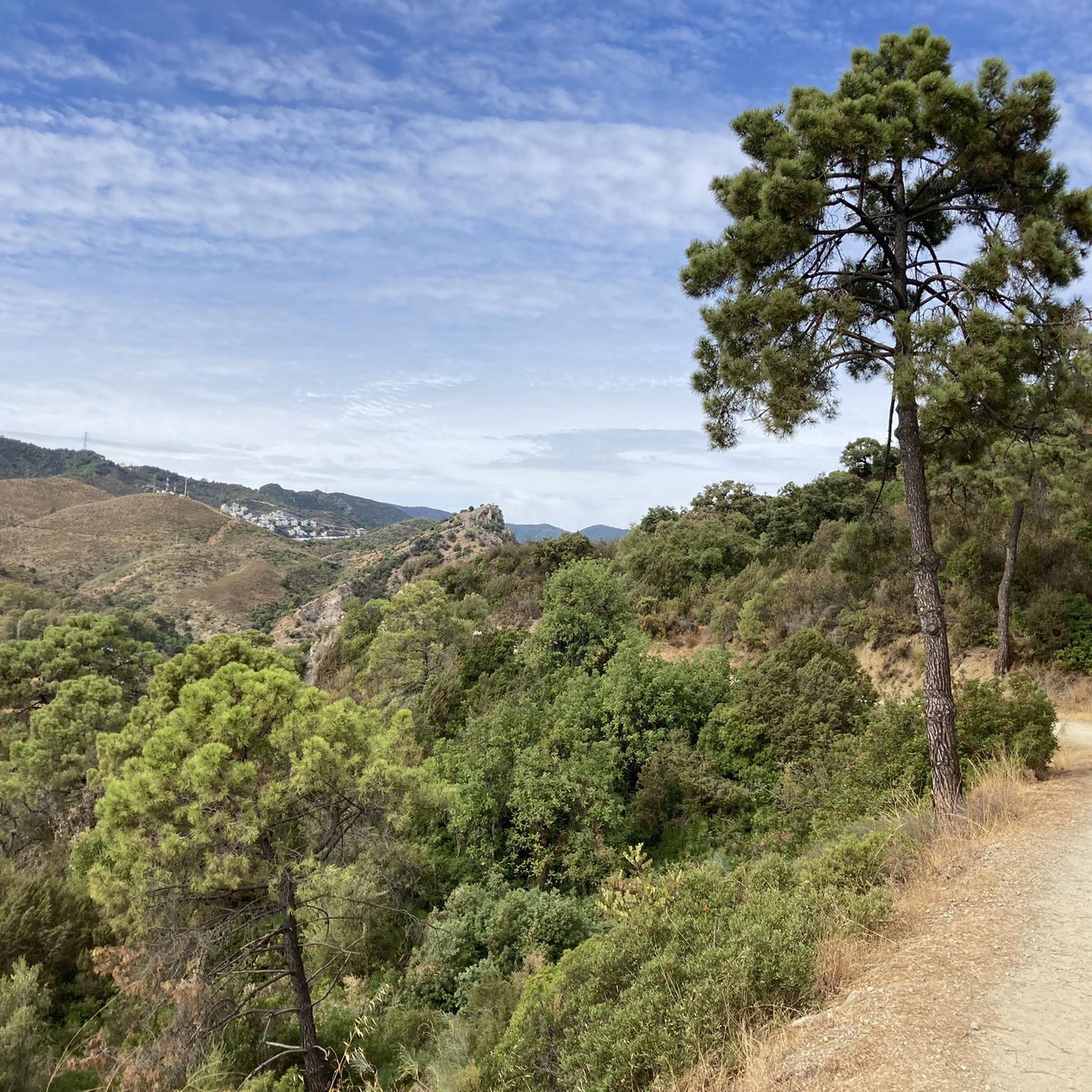
Charming place at the start of the route
0
0

The mural "The Last Supper" in Estepona is a modern interpretation of Leonardo da Vinci's famous work and part of the Ruta de Murales Artísticos (Artistic Mural Route). Created by the artist Curro Leyton, it is located on a building facade near Calle Madrid. This large-scale mural contributes to Estepona's transformation into an open-air art museum, blending classical themes with contemporary street art.
2
0
The Torre El Velerín is a historic coastal watchtower on the Senda Litoral near Estepona. It was built in the 16th century as part of a coastal defense system designed to protect against pirate attacks. From the tower, movements at sea were observed and warning signals were relayed to neighboring watchtowers. Its distinctive features are its round shape and elevated entrance. Today, the Torre El Velerín is a listed historical monument and a testament to coastal history.
1
0
The open-air museum in Estepona features sculptures by the Spanish sculptor Santiago de Santiago. Among the twelve works on display are a homage to Francisco de Goya, as well as figures such as Kalima, Némesis, Diana de Estepona, and Piedad. The exhibition is complemented by conceptual works by the artist, showcasing his diverse artistic range. Santiago de Santiago is internationally renowned: his works have been exhibited in museums in Saint Petersburg, Moscow, and Tokyo, and he has also created numerous public monuments and busts of prominent figures from the worlds of politics and business.
1
0
Frequently Asked Questions
How many touring cycling routes are available in Río Guadalmina?
Río Guadalmina offers a diverse network of over 60 touring cycling routes. These routes cater to various skill levels, with options ranging from easy coastal rides to more challenging inland ascents.
What are the typical difficulty levels for touring cycling routes in Río Guadalmina?
The routes in Río Guadalmina are well-balanced across difficulty levels. You'll find 15 easy routes, 22 moderate routes, and 31 difficult routes, ensuring there's something for every touring cyclist, from beginners to experienced riders.
Are there family-friendly touring cycling routes in Río Guadalmina?
Yes, Río Guadalmina has several easy routes suitable for families. For instance, the Decorated Tree on the Beach – Mouth of the Guadalmansa River loop from Monte Biarritz is an easy option, covering about 11.2 km. Another easy route is the Bike loop from Flamingo Park, which is around 17.5 km.
What is the best season for touring cycling in Río Guadalmina?
Given its Mediterranean climate, the best seasons for touring cycling in Río Guadalmina are typically spring (March to May) and autumn (September to November). During these months, temperatures are pleasant, and the landscape is vibrant. Summer can be very hot, especially inland, while winters are generally mild but can have more rainfall.
What kind of terrain can I expect on touring cycling routes in Río Guadalmina?
Touring cycling routes around Río Guadalmina feature varied terrain. You'll encounter flat sections near the Mediterranean coast, river paths along the Guadalmina, and rolling hills with more challenging ascents as you head inland. This mix offers diverse scenery and riding experiences.
Are there scenic viewpoints or natural attractions along the touring cycling routes?
Absolutely. The region is rich in natural beauty. Along your rides, you can explore highlights such as the Guadalmina Gorge and Acequia Trail, the Acequia Trail along the Guadalmina River, and the Weir on the Guadalmina River. Many routes also feature bridges like the Wooden bridge on the Guadalmina Aqueduct Trail, offering picturesque spots.
Are there any circular touring cycling routes in Río Guadalmina?
Yes, many touring cycling routes in Río Guadalmina are designed as loops, allowing you to start and end at the same point. Examples include the popular San Pedro de Alcántara – Source of the Molinos River loop from San Pedro Alcántara and the coastal Marbella Promenade – Puerto Banús Marina loop from El Ingenio.
What do other touring cyclists enjoy most about cycling in Río Guadalmina?
The touring cycling routes in Río Guadalmina are highly rated by the komoot community, with an average score of 4.4 stars from over 170 reviews. Cyclists often praise the diverse scenery, which includes river valleys, coastal views, and challenging hills, as well as the well-maintained paths that offer a rewarding experience for all skill levels.
Are there routes that combine coastal views with inland exploration?
Yes, several routes offer a mix of coastal and inland scenery. For instance, the San Pedro de Alcántara – Marbella Promenade loop from Hacienda del Sol provides both seaside stretches and glimpses of the surrounding landscape. Another option is the Ángel Aqueduct – Estepona Old Town loop from El Pilar, which takes you through varied terrain including historical points and coastal areas.
What are some longer touring cycling routes for experienced riders?
For experienced riders seeking a longer challenge, the Almocábar Gate – View of the Puente Nuevo loop from Fuente del Espanto is a demanding 91.8 km trail with significant elevation gain, often taking around 6 hours 45 minutes to complete. Another substantial option is the Guadalmina Reservoir – Acequia del Guadalmina Path loop from Atalaya-Isdabe, covering about 33.9 km with considerable elevation.
Are there routes that pass by the Guadalmina River or its reservoir?
Yes, the Guadalmina River and its reservoir are central features of the region's cycling landscape. The Guadalmina Reservoir – Acequia del Guadalmina Path loop from Atalaya-Isdabe specifically explores this area, offering views of the reservoir and paths along the river. You can also find the Weir on the Guadalmina River as a point of interest.
Most popular routes around Río Guadalmina
Most popular attractions around Río Guadalmina

Get inspired with the komoot mobile app


Explore more
Browse the best Cycling routes in other regions.
