The best MTB trails in Marismas Y Riberas Del Tinto
4.7
(218)
2,405
riders
159
rides
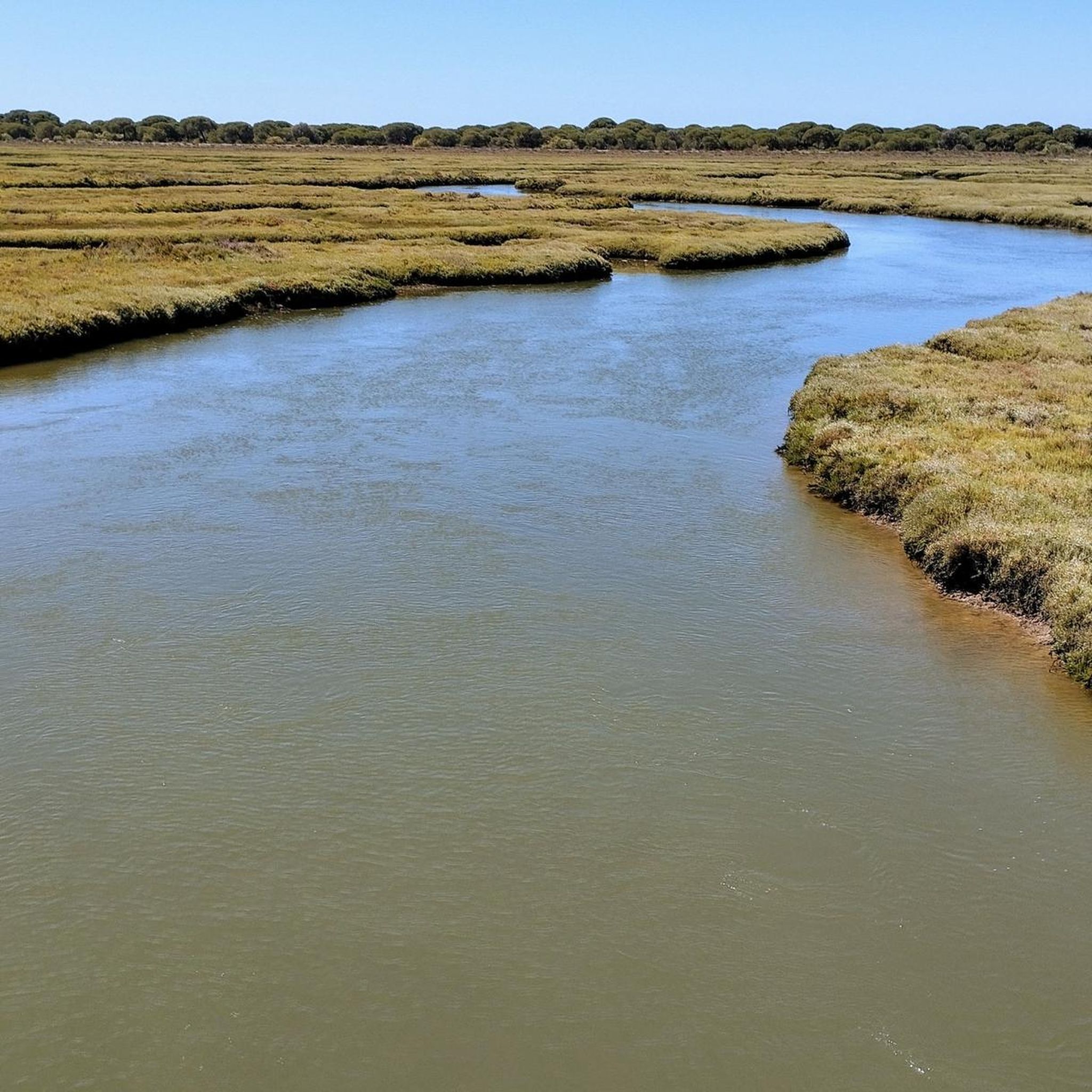
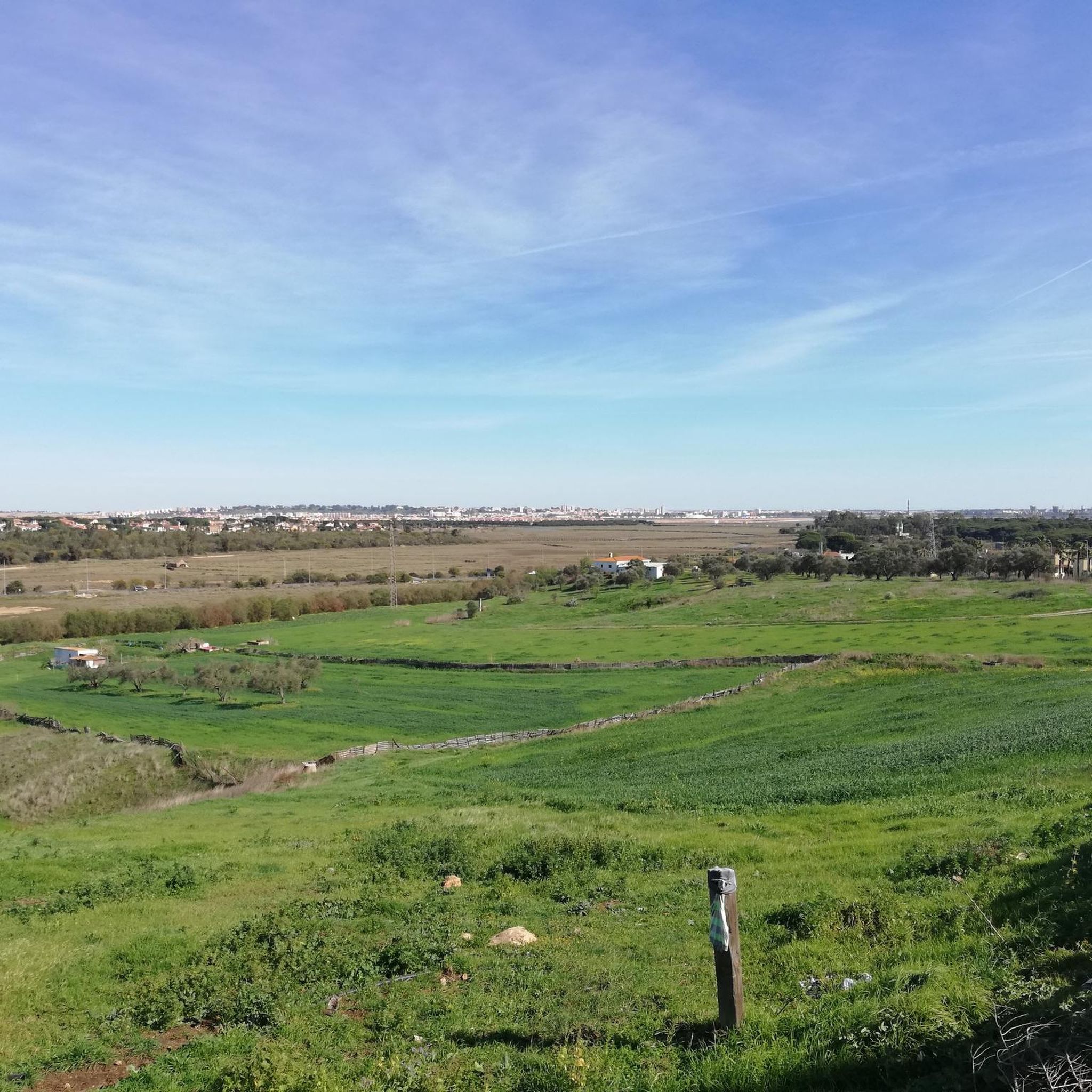
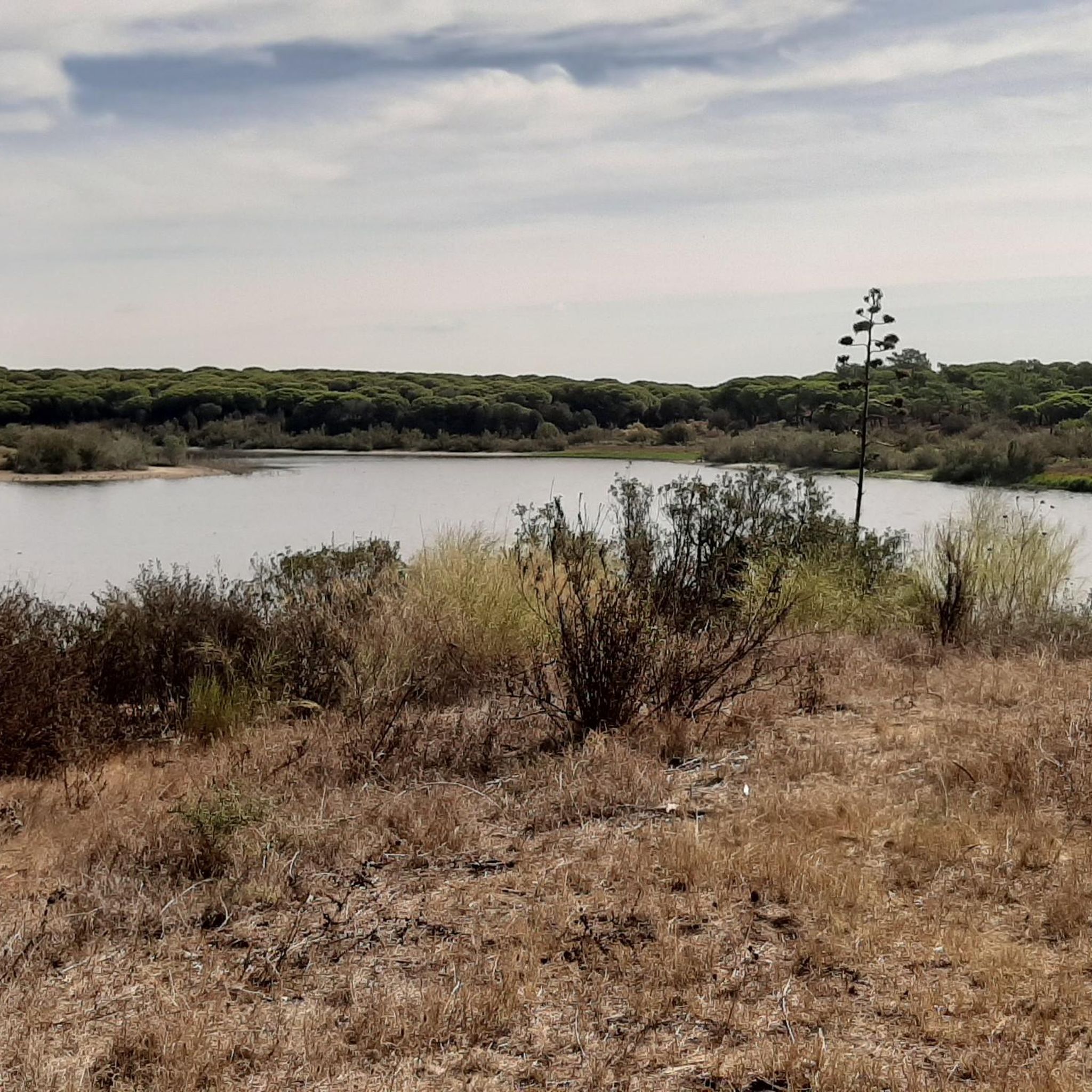
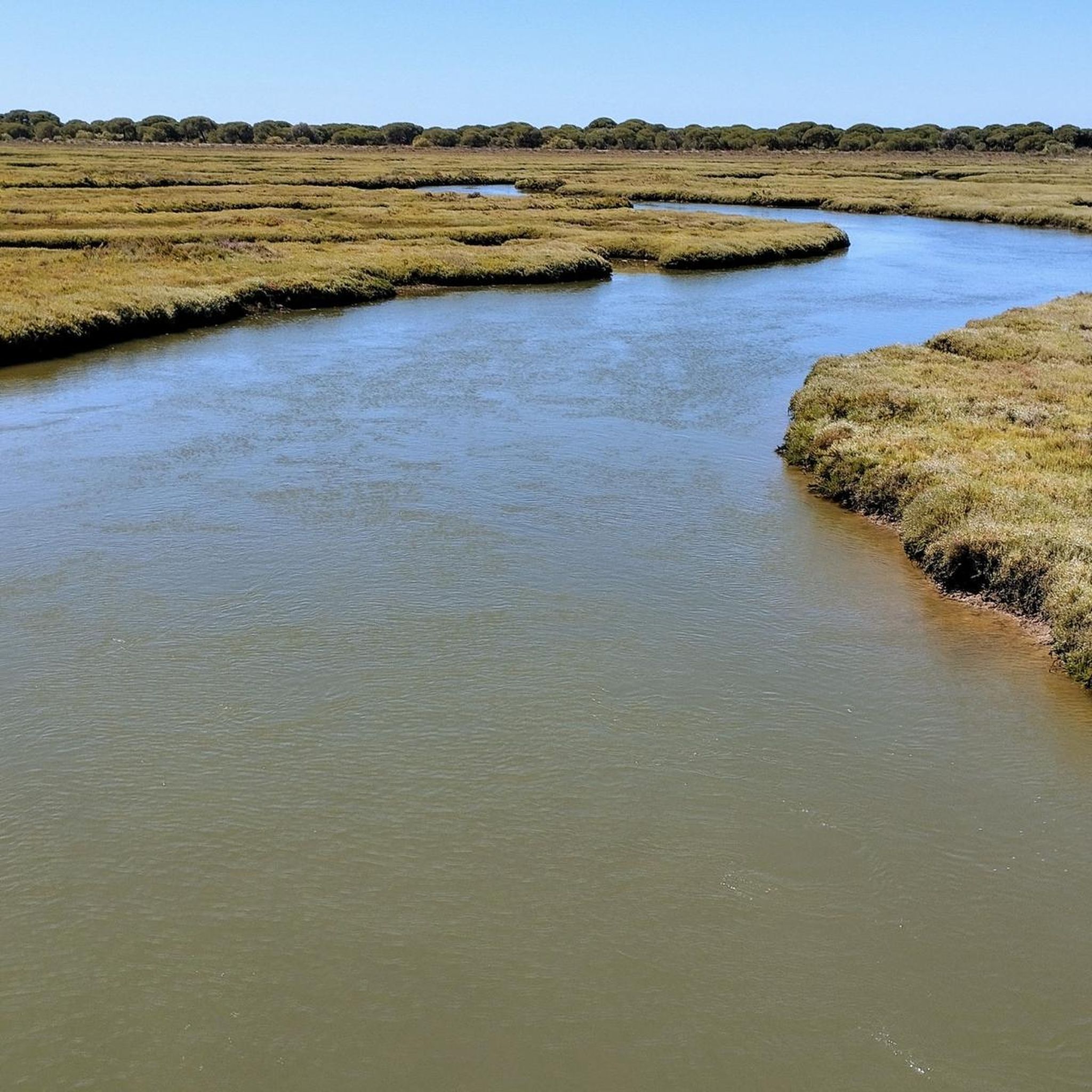
Mountain bike trails in Marismas Y Riberas Del Tinto traverse a unique landscape characterized by tidal marshes and the lower reaches of the Tinto River. The region features predominantly flat and open terrain, making it suitable for accessible cycling routes. The Tinto River itself is notable for its reddish, acidic waters, creating a distinctive visual backdrop for rides. This area, part of the Natura 2000 network, offers a blend of natural beauty and historical significance for mountain bikers.
Best mountain…
Last updated: November 17, 2026
5.0
(1)
5
riders
31.8km
02:38
290m
290m
Moderate mountain bike ride. Good fitness required.
5.0
(1)
6
riders
40.3km
03:08
320m
320m
Moderate mountain bike ride. Good fitness required.

8
riders
67.0km
05:16
300m
300m
Hard mountain bike ride. Very good fitness required.
4
riders
38.6km
02:50
250m
250m
Moderate mountain bike ride. Good fitness required.
25
riders
71.6km
04:50
610m
610m
Moderate mountain bike ride. Good fitness required.
Get access to more routes and recommendations from other explorers.
Already have an account?
Our route recommendations are based on thousands of hikes, rides, and runs completed by other people on komoot.
Start today with a free account
Your next adventure awaits.
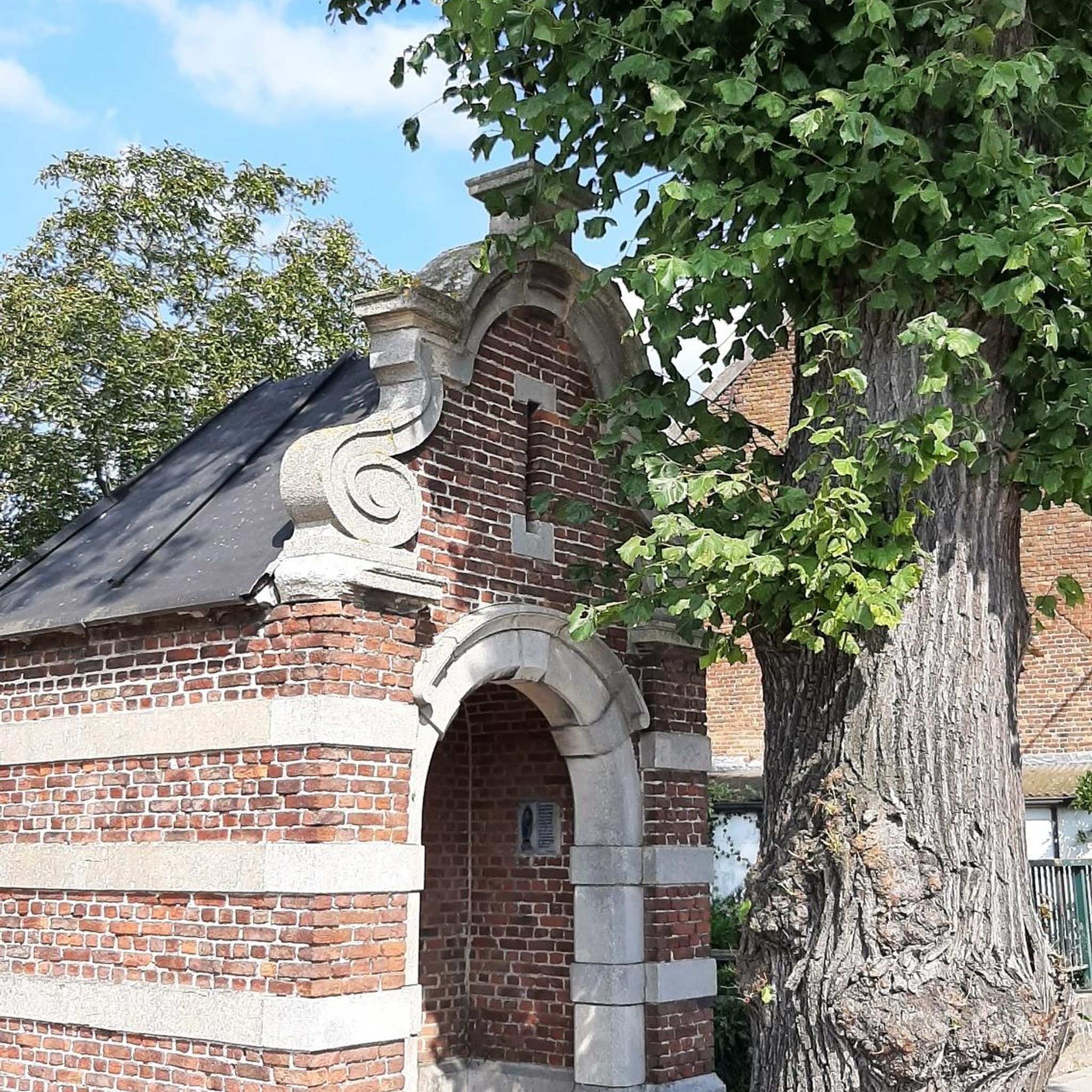
Tips from the Community

The Vía Verde Molino de Acha runs through the municipality of Beas, in the Condado-Campiña region of Huelva. It is part of the old railway lines converted into routes for hikers and cyclists, crossing some of the most characteristic agricultural and forest landscapes of the Huelva interior.
2
0
The Dolmen de Soto is one of the most important megalithic monuments on the Iberian Peninsula. It is located in Trigueros, in the Condado-Campiña region of Huelva, and was built approximately 5,000 years ago, between the end of the Neolithic and the beginning of the Copper Age.
3
0

From the port of Palos de la Frontera, Columbus set sail to change world history. This town is full of history, architecture, and gastronomy. It is well worth a visit.
0
0

It goes from the banks of the Tinto to the ravines of the Serranía de Huelva with a length of 33.2km and a firm of asphalt and compacted gravel. The route passes through countryside, pine forests, cork oak meadows and eucalyptus repopulations. Its name comes from the group of Water Mills in Beas (flour mills from the 17th, 18th and 19th centuries).
2
1
Its main productive activity is the cultivation of cereals, sunflowers, olive trees, citrus fruits, legumes, and the breeding of sheep, pigs and wild cattle. Its important monuments include the Dolmen de Soto, the Church of San Antón, the Convent of Carmen, the Jesuit College and the Hermitage of Santa Misericordia.
1
0
A mosaic of ecosystems that harbor a unique biodiversity in Europe. The marshes stand out above all, a place of passage, breeding and wintering for thousands of European and African birds. Unique species live in the Park, and in serious danger of extinction, such as the Iberian imperial eagle and the Iberian lynx.
1
0
Its landscape is made up of agricultural land dedicated to the cultivation of cereals, vines and olive trees. As monuments of interest it has a Roman bridge and the Church of S. Juan Bautista.
1
0
Its main productive activity is the cultivation of cereals, sunflowers, olive trees, citrus fruits, legumes, and the breeding of sheep, pigs and wild cattle. Its important monuments include the Dolmen de Soto, the Church of San Antón, the Convent of Carmen, the Jesuit College and the Hermitage of Santa Misericordia.
2
1
Frequently Asked Questions
How many mountain bike trails are available in Marismas Y Riberas Del Tinto?
There are over 150 mountain bike trails in Marismas Y Riberas Del Tinto. This includes a diverse range of routes, with approximately 28 easy trails, over 100 moderate options, and 20 more challenging routes, catering to various skill levels.
What kind of terrain can I expect on mountain bike trails in Marismas Y Riberas Del Tinto?
The terrain in Marismas Y Riberas Del Tinto is predominantly flat and open, characterized by tidal marshes and the lower reaches of the Tinto River. While not rugged mountain terrain, routes often incorporate unpaved sections and natural trails, offering varied surfaces suitable for mountain biking. The unique reddish, acidic waters of the Tinto River provide a distinctive visual backdrop.
Are there any family-friendly mountain bike trails in the area?
Yes, the relatively flat landscape of the marshes and riverbanks makes the area suitable for family-friendly cycling. Many of the easy and moderate routes are ideal for families. The Monument to the Discoverers – Monument to the Discovering Faith loop from Monasterio de la Rábida, for example, offers a moderate ride with historical sights that can be enjoyed by families with some cycling experience.
What are some notable landmarks or natural features to see along the trails?
The most striking natural feature is the Tinto River itself, famous for its unusually reddish waters. You can also explore the unique marshland ecosystems, which are part of the Natura 2000 network and crucial for birdwatching. Historically significant sites like the Muelle del Tinto in San Juan del Puerto, which played a role in mineral export, add a cultural dimension to your ride. The Dolmen de Soto – Vía Verde Molino de Acha loop from San Juan del Puerto passes by historical points of interest.
What is the best time of year to go mountain biking in Marismas Y Riberas Del Tinto?
The region is generally pleasant for mountain biking during spring and autumn when temperatures are milder. Summers can be very hot, making early morning or late afternoon rides preferable. Winters are typically mild, but occasional rain can make some unpaved sections muddy. Always check local weather forecasts before heading out.
Are there any circular mountain bike routes available?
Yes, many routes in the area are designed as loops. For instance, the Palos de la Frontera – Good Descent loop from Palos de la Frontera is a moderate circular path exploring riverbanks and open spaces. Another option is the Mountainbike loop from Monasterio de la Rábida, which takes you through diverse marshland and riverine landscapes.
What do other mountain bikers say about the trails in Marismas Y Riberas Del Tinto?
The mountain bike routes in Marismas Y Riberas Del Tinto are highly rated by the komoot community, with an average score of 4.6 stars from over 180 reviews. Riders often praise the unique Martian-like landscape of the Tinto River, the accessible terrain, and the rich biodiversity, especially the birdwatching opportunities.
Can I bring my dog on the mountain bike trails?
While many natural areas in Spain are generally dog-friendly, it's important to check specific regulations for the Marismas Y Riberas Del Tinto, as it is a protected natural area (Natura 2000). Dogs should always be kept under control, preferably on a leash, to protect local wildlife, especially birds, and to ensure a pleasant experience for all trail users.
Are there options for public transport to access the trails?
Access to the Marismas Y Riberas Del Tinto area is primarily by car, but public transport options to nearby towns like Huelva or Palos de la Frontera exist. From these towns, you might need to cycle or arrange local transport to reach specific trailheads. It's advisable to check local bus schedules and bike transport policies in advance.
Where can I find parking for mountain biking in Marismas Y Riberas Del Tinto?
Parking is generally available in the towns and villages bordering the natural area, such as Monasterio de la Rábida, Palos de la Frontera, or San Juan del Puerto. Many trailheads are accessible from these locations, often with designated parking areas. Always ensure you park responsibly and do not obstruct access or damage the natural environment.
Are there any challenging mountain bike routes for experienced riders?
Yes, while much of the terrain is accessible, there are routes that offer more challenge. For instance, the Vía Verde Molino de Acha – Dolmen de Soto loop from San Juan del Puerto is classified as difficult, covering a longer distance and featuring more elevation gain, providing a good test for experienced mountain bikers.
What kind of wildlife can I expect to see while mountain biking?
The Marismas Y Riberas Del Tinto is a crucial habitat for fauna, especially birds, with up to 79 species recorded, including osprey, Western marsh harrier, Northern shoveler, and Eurasian teal. It's an excellent spot for birdwatching. In higher sections of the Special Conservation Zone, mammals like the Iberian lynx and otters can also be found, though they are more elusive.
Most popular routes in Marismas Y Riberas Del Tinto

Get inspired with the komoot mobile app


Explore more
Browse the best MTB trails in other regions.
