The best running trails in Sierras Del Nordeste
4.8
(4)
294
runners
34
runs
Jogging in Sierras Del Nordeste offers a diverse landscape for runners, characterized by mountainous terrain and significant elevation changes. The region features a mix of challenging ascents and descents, with routes often traversing through natural parks and rugged areas. Many trails provide opportunities to experience the varied topography of the Sierras, from high peaks to valleys.
Best jogging routes in Sierras Del Nordeste
- The most popular jogging route is Cordillera Subbética – trail running through the Sierra and Summit of…
Last updated: June 5, 2026
10
runners
Hard run. Very good fitness required. Sure-footedness, sturdy shoes and alpine experience required.
35
runners
14.4km
02:41
980m
980m
Hard run. Very good fitness required. Sure-footedness, sturdy shoes and alpine experience required.

Sign up for free
13
runners
46.9km
06:13
1,570m
1,560m
Hard run. Very good fitness required. Sure-footedness, sturdy shoes and alpine experience required.
5.0
(1)
8
runners
5.08km
00:34
30m
40m
Moderate run. Good fitness required. Mostly paved surfaces. Suitable for all skill levels.
5.0
(1)
5
runners
8.97km
00:56
80m
80m
Moderate run. Good fitness required. Mostly paved surfaces. Suitable for all skill levels.
Get access to more routes and recommendations from other explorers.
Sign up for free
Already have an account?
Our route recommendations are based on thousands of hikes, rides, and runs completed by other people on komoot.
Start today with a free account
Your next adventure awaits.
Login or Signup
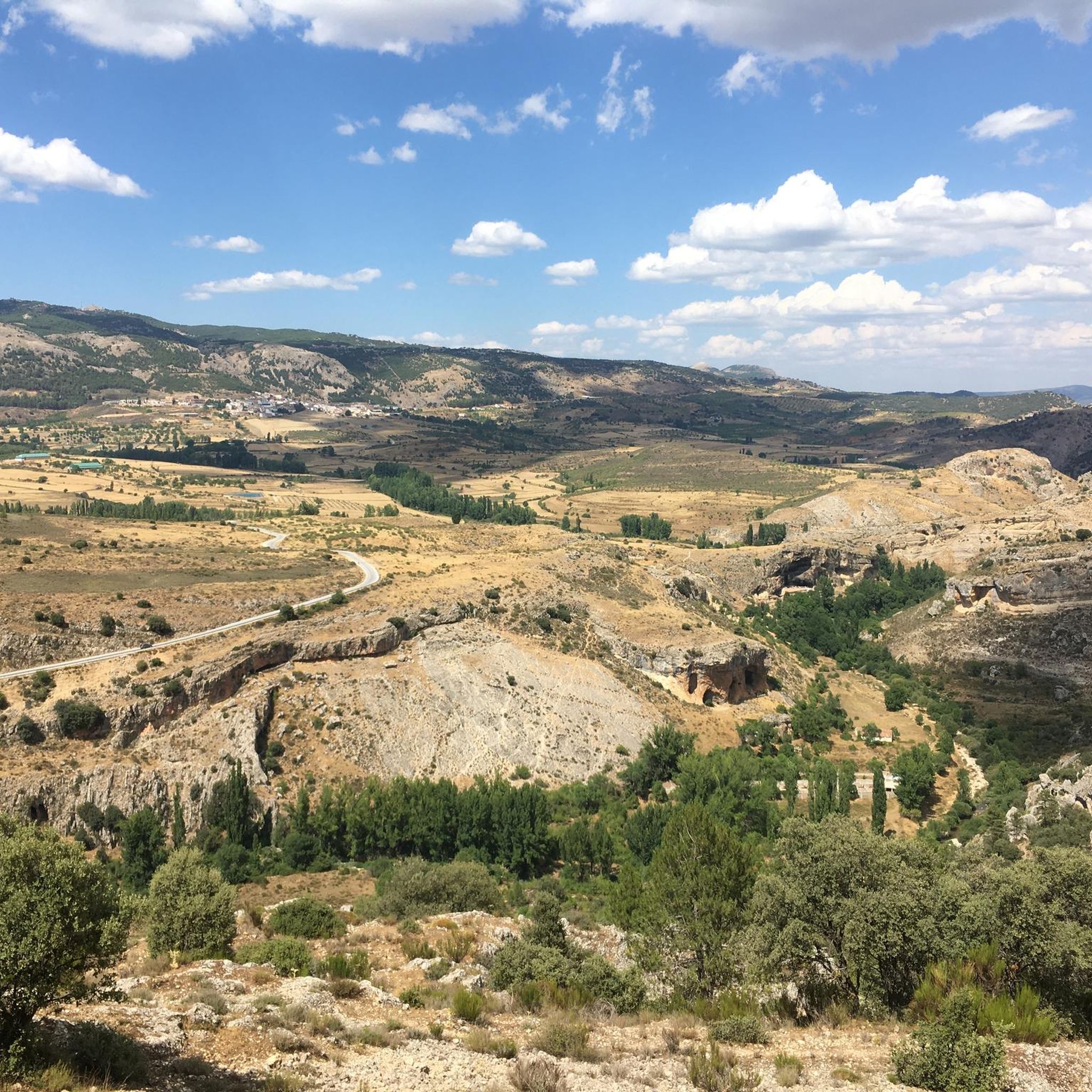
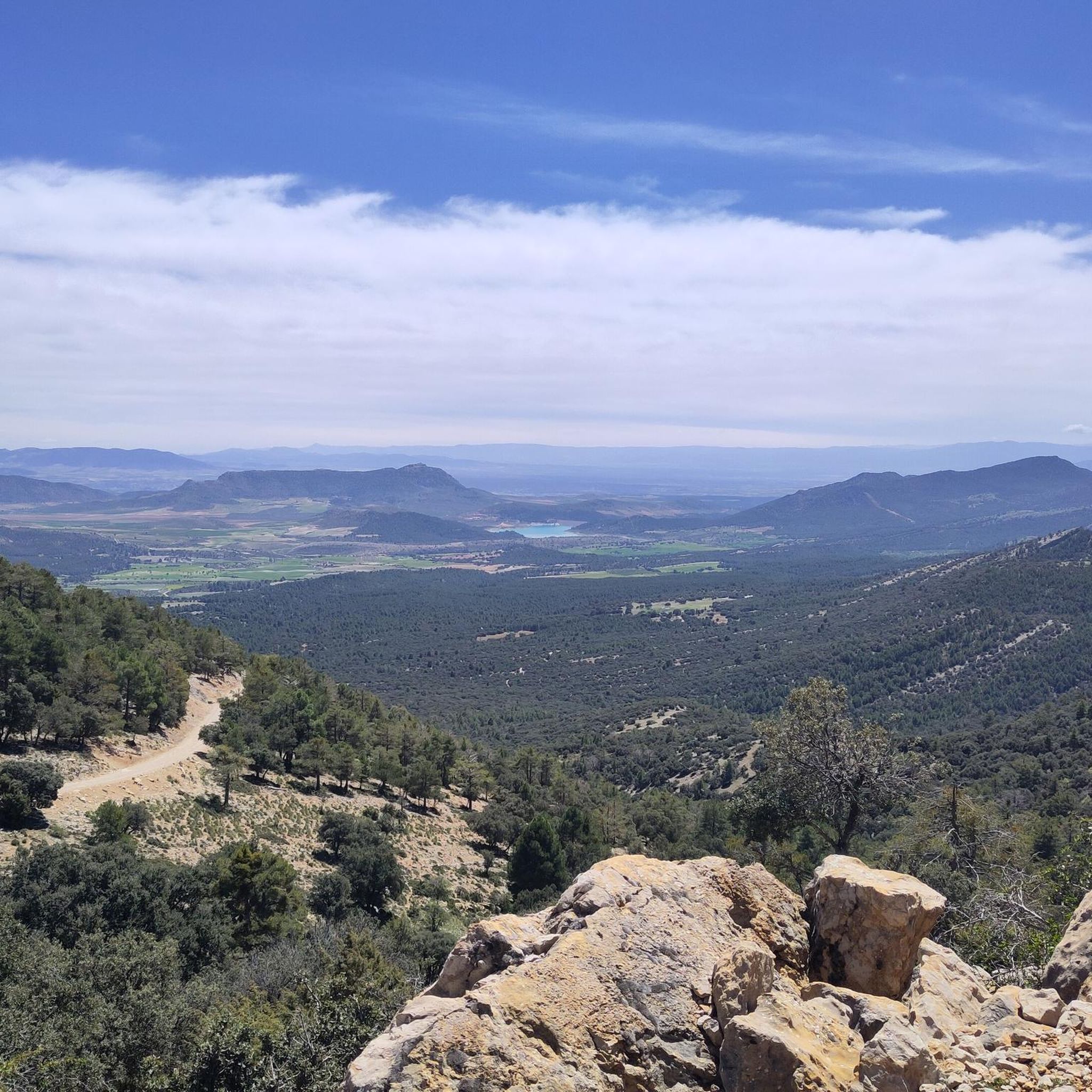
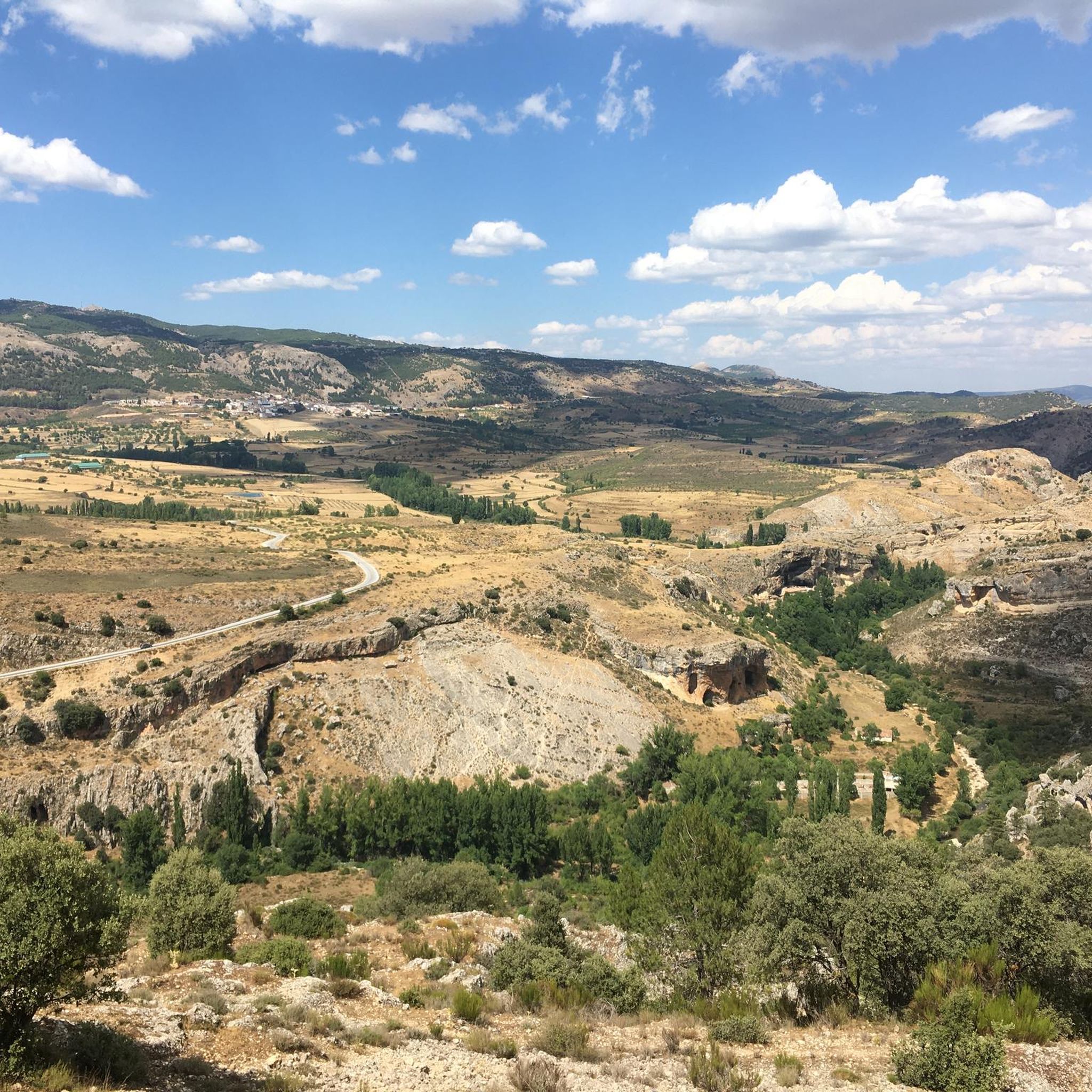
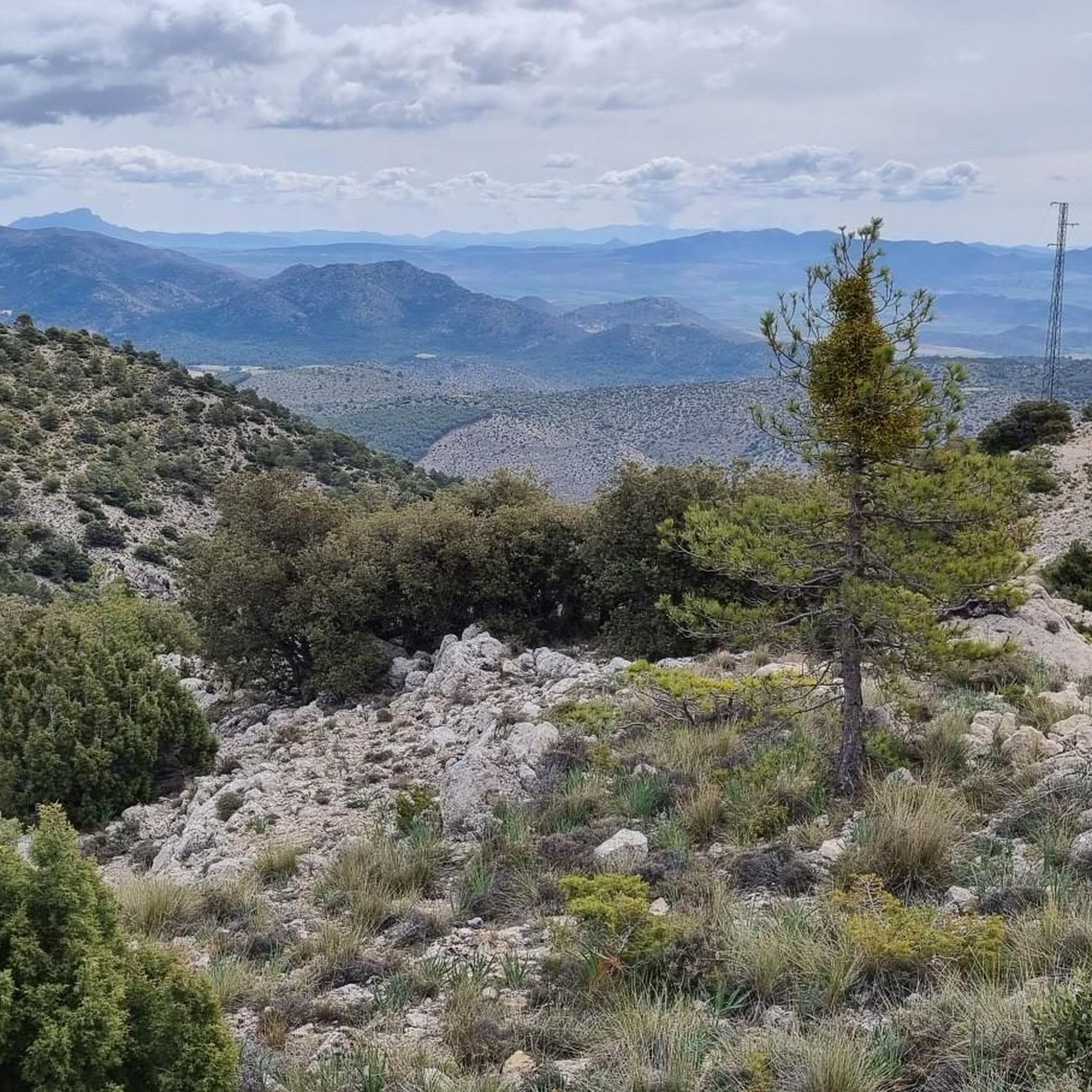

Tips from the Community


The Cueva del Agua in Santiago-Pontones is an impressive karst formation located in the Sierra de Segura, in Jaén. This cave is known for its natural beauty and spectacular surroundings, which include waterfalls and rich vegetation.
5
0

This is a spring located in Huelga Utrera very close to the village of La Toba, and which through a path goes upriver to Pontón Bajo, passing first by the Cueva del Agua de Poyotello
1
0

Beautiful village on the GR7 hiking trail
5
0
The town is the head of the region and is the last town in the province of Jaén. After the unification with the village of Pontón Bajo and Alto, it is called Santiago-Pontones, sharing the Town Hall.
4
0
This spring located in the village of La Toba, flows very cold water in summer and warm in winter (although the water is always at the same temperature), inviting anyone to cool off or fill up with fresh water.
1
0

Right next to the village of La Toba is the so-called Nacimiento de la Toba, a birthplace with singular beauty where water flows from a cave. Later, the water thrown by this source runs through the village of La Toba until it falls over a waterfall, which in times of rain when the riverbed is abundant, presents one of the most striking landscapes in Santiago-Pontones. To access the Nativity of La Toba we must drive to the village of La Toba and then walk a little until we find the Nativity. The village can be reached by taking the Despiernacaballos road, whose intersection is located on the road that connects Santiago de la Espada and Pontones or from Santiago de La Espada taking the road that takes us to Miller, JV-7107, once Once we arrive at Las Juntas de Miller we will continue along the JF-7038 highway that will take us to La Toba. During the trip along both routes we will be able to enjoy wonderful landscapes.
19
0
Santiago de la Espada is a town belonging to the municipality of Santiago-Pontones, Jaén (Spain). It was an independent municipality until 1975 when it merged with the town of Pontones. It is located southeast of the Sierra de Segura region. It borders the provinces of Albacete (north) and Granada (south). It has 1492 inhabitants and is located at 1340 m high. Its name is Hornillero because in the Middle Ages there was an oven in which some shepherds from the mountains of Cuenca met to found what would become “El Hornillo”. Although the most commonly used by the inhabitants of the area is that of Santiago.
24
0
Frequently Asked Questions
How many running routes are available in Sierras Del Nordeste?
There are over 35 dedicated running routes in Sierras Del Nordeste, catering to various skill levels. This includes 1 easy route, 13 moderate routes, and 21 difficult routes, offering a wide range of options for runners.
Are there any easy or beginner-friendly jogging routes in Sierras Del Nordeste?
While Sierras Del Nordeste is known for its challenging mountainous terrain, there is at least one easy running route available. For those looking for a less strenuous option, consider exploring the Running loop from Cortijo del Cigarral, which is a moderate 5.1 km path with minimal elevation gain.
What kind of distances can I expect from the running trails in Sierras Del Nordeste?
Running trails in Sierras Del Nordeste vary significantly in distance. You can find shorter loops like the Running loop from Cortijo del Cigarral at 5.1 km, to much longer and more challenging routes such as the Cueva del Agua loop from La Matea, which spans over 46 km.
Are there any circular running routes in Sierras Del Nordeste?
Yes, many of the running routes in Sierras Del Nordeste are circular, allowing you to start and finish at the same point. Examples include the challenging Pico de la Sagra Summit loop from Observatorio astronómico de La Sagra and the longer Muerto – Cerro Atalaya loop from Huéscar.
What are some notable landmarks or attractions I might see while running in Sierras Del Nordeste?
The region offers several impressive natural and historical landmarks. Runners might encounter sights like the majestic La Sagra Summit, the unique rock formation of Peñón del Toro, or the serene Hermitage of the Holy Martyrs of the Mountain. These highlights often provide stunning views and points of interest along the trails.
What do other runners say about the trails in Sierras Del Nordeste?
The running trails in Sierras Del Nordeste are highly regarded by the komoot community, with an average rating of 4.7 out of 5 stars. Runners often praise the challenging mountainous ascents, panoramic views, and the diverse terrain that defines the region's routes.
Are there advanced or challenging running trails for experienced runners?
Absolutely. Sierras Del Nordeste is particularly well-suited for advanced runners, with 21 out of 35 routes classified as difficult. These trails feature significant elevation gains and rugged terrain, such as the Cordillera Subbética – trail running through the Sierra and Summit of La Sagra, which includes substantial ascents.
Is public transport available to access jogging routes in Sierras Del Nordeste?
Access to specific trailheads in Sierras Del Nordeste via public transport can be limited due to the mountainous and rural nature of the region. It's advisable to check local bus schedules for towns like Huéscar or La Matea, but for many routes, personal vehicle access is often more convenient.
What is the best time of year for running in Sierras Del Nordeste?
The best time for running in Sierras Del Nordeste generally depends on the specific route and your tolerance for heat or cold. Spring and autumn offer milder temperatures, which are ideal for tackling the region's significant elevation changes. Summers can be very hot, especially at lower altitudes, while winters may bring snow to higher peaks, requiring appropriate gear.
Are there any running routes that offer opportunities for wildlife spotting?
Given that many routes traverse through natural parks and rugged areas, there are opportunities for wildlife spotting, particularly in quieter, less frequented sections. Keep an eye out for local bird species and other mountain fauna, especially during dawn or dusk.
Are there any hidden gem running trails in Sierras Del Nordeste?
While popular routes like those around La Sagra are well-known, exploring some of the less-trafficked moderate or difficult trails can lead to discovering hidden gems. These often offer equally stunning views and a more secluded running experience away from the main tourist paths.
What should I bring for a run on the trails of Sierras Del Nordeste?
Due to the mountainous terrain and potential for significant elevation changes, it's recommended to bring appropriate trail running shoes, sufficient water, sun protection, and layers of clothing. For longer or more remote routes, consider carrying a map or GPS device, and emergency supplies.
Most popular routes in Sierras Del Nordeste
Most popular attractions in Sierras Del Nordeste

Get inspired with the komoot mobile app


Explore more
Browse the best Running Trails & Routes in other regions.
