Attractions and Places To See in Parque Natural Tajo Internacional - Top 14
Best attractions and places to see in Parque Natural Tajo Internacional include a diverse landscape shaped by the Tagus River and its tributaries, forming a transboundary protected area between Spain and Portugal. Recognized as a UNESCO Biosphere Reserve, the park features Mediterranean forests and dehesas. Visitors can explore a rich tapestry of natural beauty, historical landmarks, and cultural heritage across this unique region.
Best attractions and places to see in Parque Natural Tajo Internacional
- The most popular attractions is Alcántara…
Last updated: May 21, 2026
Alcántara Roman Bridge
Highlight • Bridge
Translated by Google •
Tip by

Roman Bridge of Alcántara
Highlight • Bridge
Translated by Google •
Tip by
Sign up now to discover places like this
Get recommendations on the best single tracks, peaks, & plenty of other exciting outdoor places.
Sign up for free
Old Stone Bridge over the Salor River
Highlight • Bridge
Translated by Google •
Tip by
Balcón del Mundo
Highlight • Viewpoint
Translated by Google •
Tip by

Segura International Bridge
Highlight • Bridge
Translated by Google •
Tip by
Sign up for free to discover even more attractions in Parque Natural Tajo Internacional.
Sign up for free
Already have an account?
Start today with a free account
Your next adventure awaits.
Login or Signup

Tips from the Community

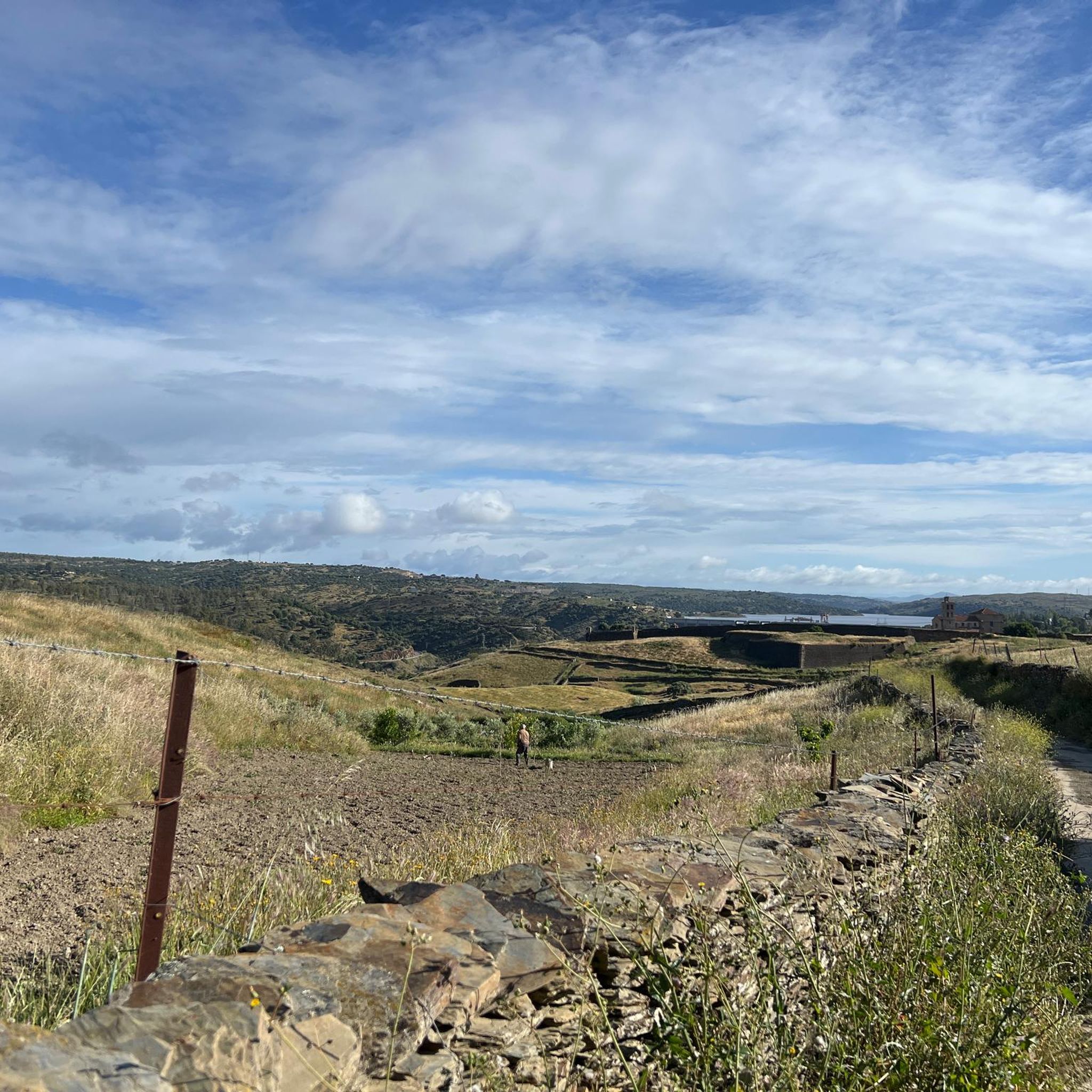
The stone bridge over the Salor River on the EX-117 road has a fascinating history. This bridge is a historic structure dating back to Roman times, although it has been restored and modified over the centuries. Originally, the Romans built many bridges in the region to facilitate transportation and trade. Over the years, the bridge has witnessed numerous historical events and has served as an important crossing point in the region. Its architecture reflects the construction techniques of the time, with stone arches that have stood the test of time.
3
0
Built over the Tagus River near the current Alcántara, in the province of Cáceres, the Alcántara bridge is one of the most beautiful and important examples of Roman civil engineering. Despite being shorter than the one in Mérida and with fewer arches, it is much higher and above all more impressive. The complex is made up of three very different parts: the bridge, the central triumphal arch and a small rectangular temple measuring 5.60 x 4.10 metres. This building consists of a staircase, two Tuscan columns, an entablature and a classical pediment. A restored plaque indicates the name of its builder and reminds us that the bridge will last “as long as the world lasts”:
16
0

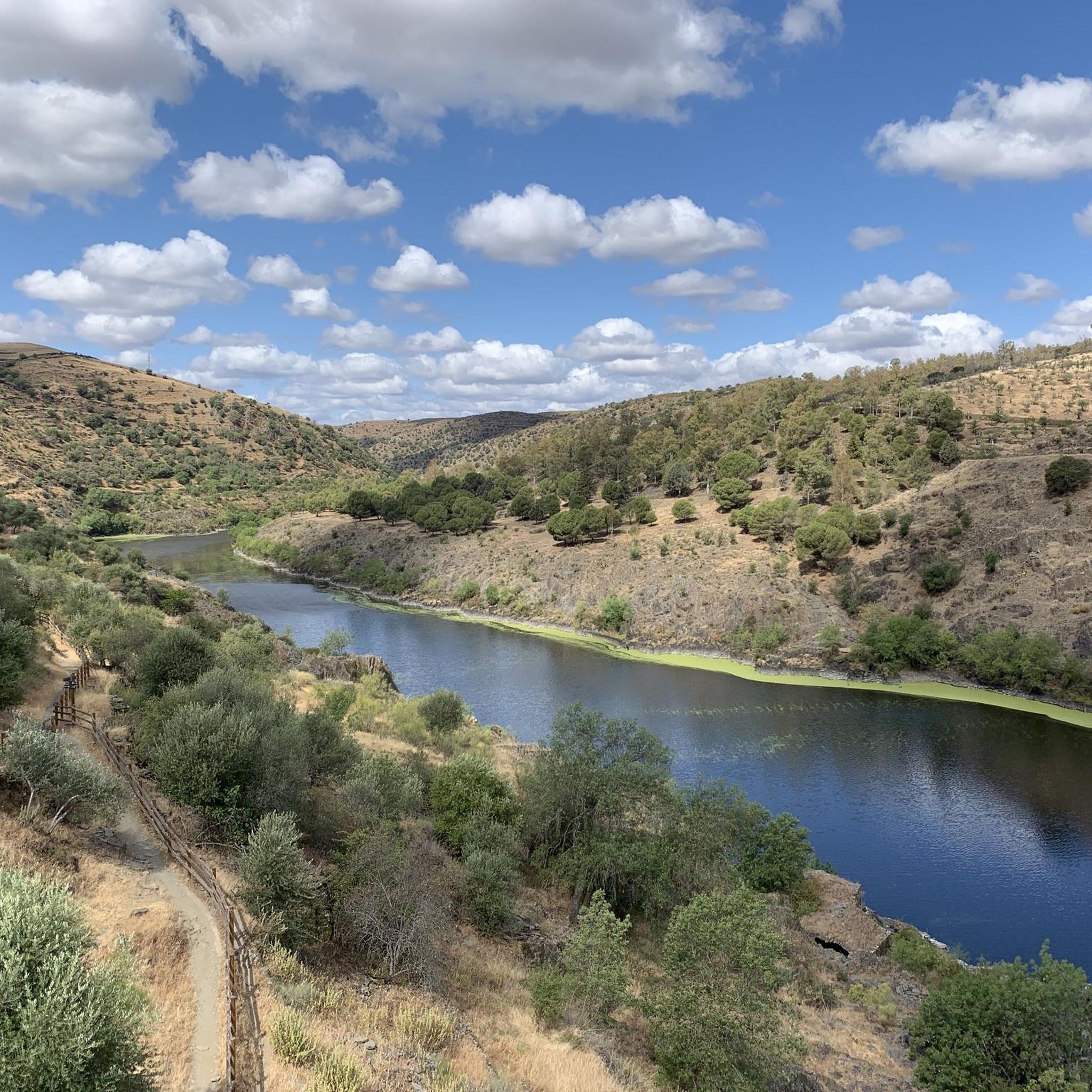
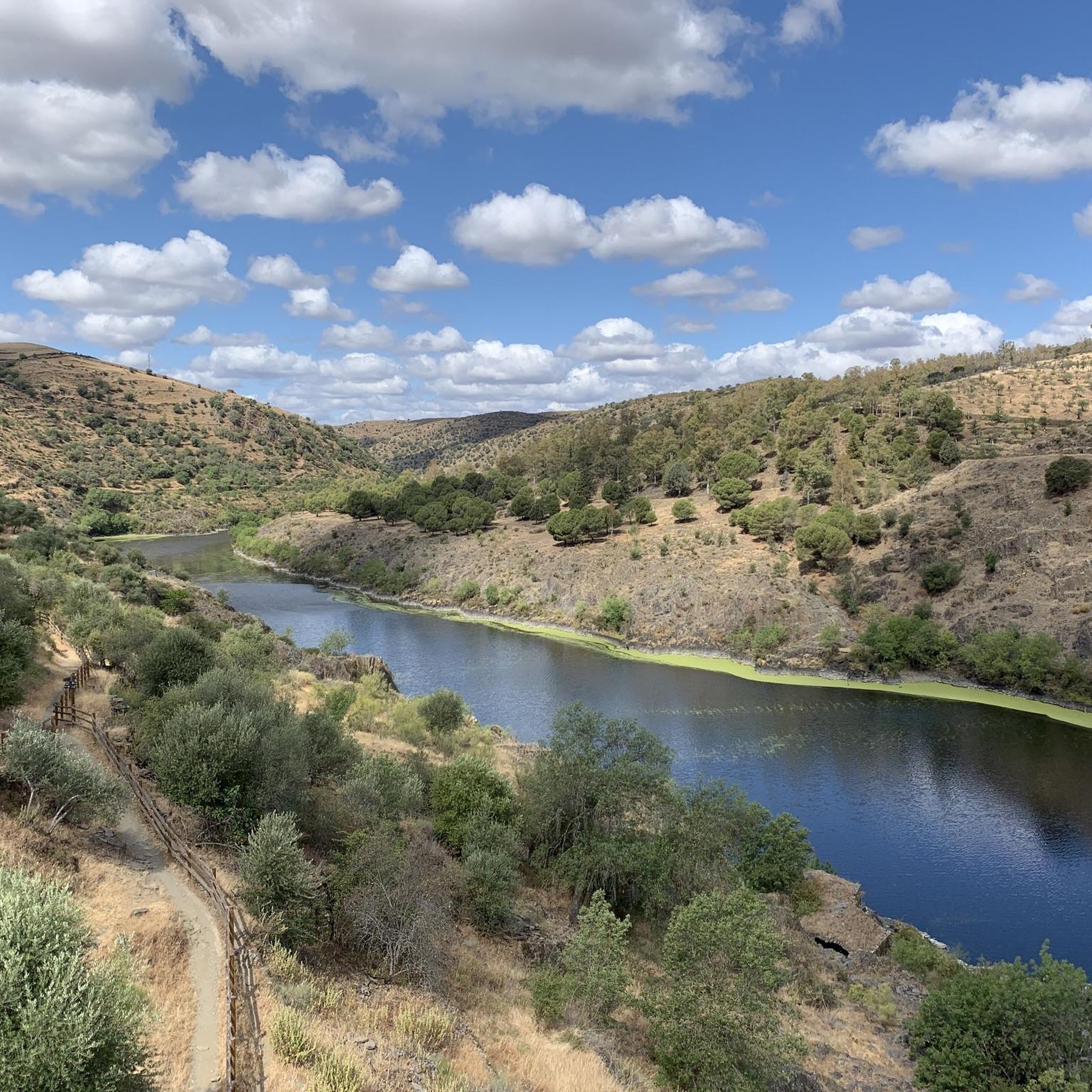
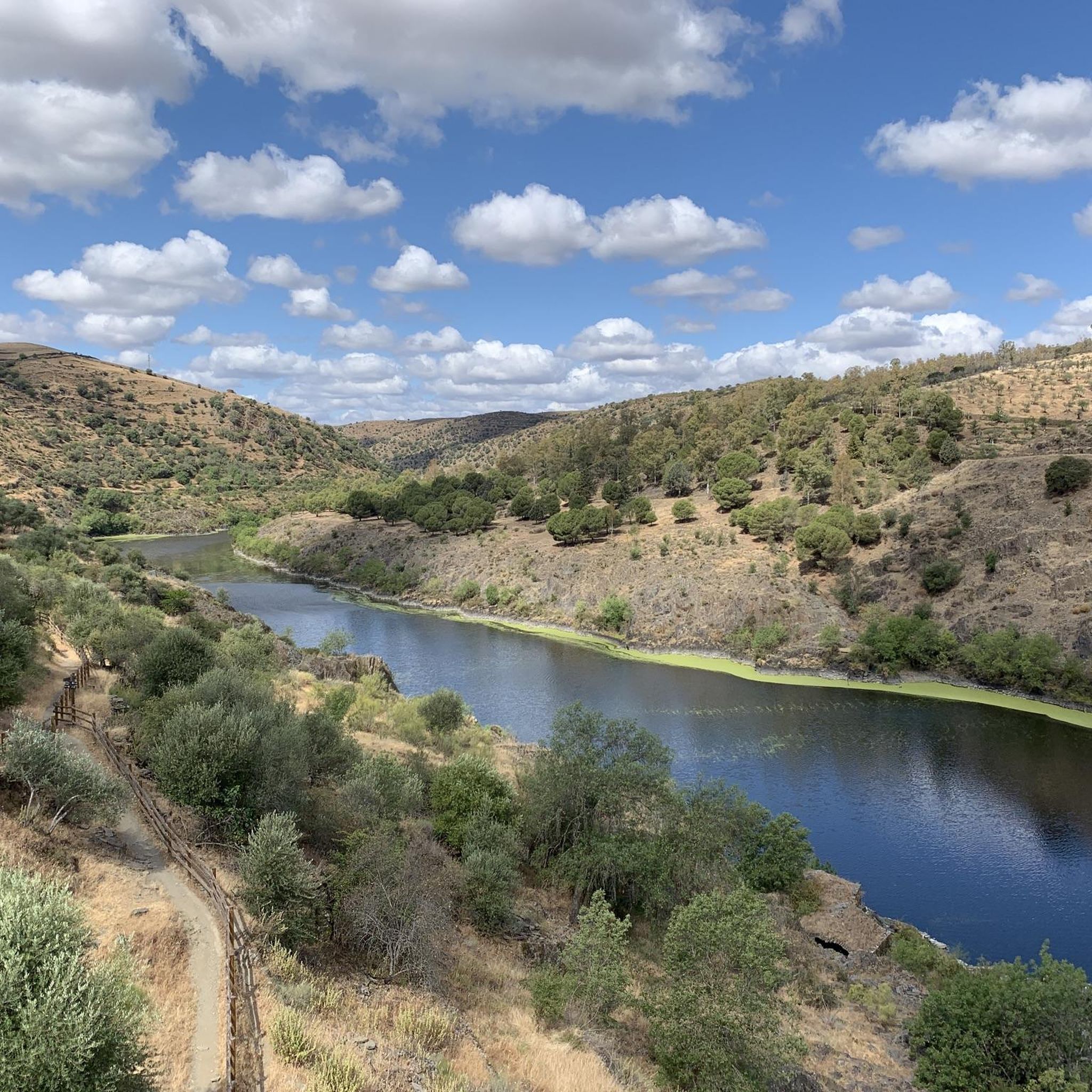
Enjoy a peaceful walk in nature and enjoy the beautiful surroundings.
1
0
On the Spanish side, the bridge is located in the municipality of Alcántara in the province of Cáceres. It is reached via the regional highway EX-207 from the nearby town of Piedras Albas. On the Portuguese side, it connects with a local road to reach the town of Segura, from which this bridge takes its name. It was built in the Roman province of Lusitania to give continuity to the Roman road that connected Norba Caesarina (on the Via de la Plata) with the civitas Egitania (Idanha-a-Velha, Portugal) and with Bracara Augusta (Braga, Portugal), in order to save the Erjas river. This river marks the border line between Spain and Portugal, and the bridge serves as an international crossing between both countries.
9
0
Small rectangular temple measuring 5.60 x 4.10 meters. This building consists of a staircase, two Tuscan columns, an entablature and a classical pediment. A restored plaque indicates the name of its builder and reminds us that the bridge will last “as long as the world lasts”:
29
0
Built over the Tagus River near present-day Alcántara, in the province of Cáceres, the Alcántara Bridge is one of the most beautiful and important examples of Roman civil engineering. Despite being shorter than that of Mérida and with fewer arches, it is much higher and above all more impressive. The complex is made up of three distinct parts: the bridge, the central triumphal arch and a small rectangular temple measuring 5.60 x 4.10 meters. This building consists of a staircase, two Tuscan columns, an entablature and a classical pediment. A restored plaque indicates the name of its builder and reminds us that the bridge will last “as long as the world lasts”:
36
1

Border bridge over the Erjas river near the town of Segura.
2
0
The Alcántara Bridge, of Roman origin, was built between the years 104 and 106 and declared, in 1924, an Asset of Cultural Interest with the category of Monument. It stands out, above all, for its grandeur and for the firmness that it preserves today, almost intact despite being almost two thousand years old. Its 58.20 meters high and 194 meters long make it a beautiful work, halfway between engineering and art.
16
0
Frequently Asked Questions
What historical landmarks can I explore in Parque Natural Tajo Internacional?
The region is rich in history, with the iconic Alcántara Roman Bridge being a prime example of ancient Roman engineering. You can also discover significant prehistoric sites like the Dolmen Complex of Valencia de Alcántara, one of Europe's largest, and the Dolmens of Santiago de Alcántara. The town of Alcántara itself offers the impressive Conventual de San Benito and the Church of Santa María de Almocóvar. Additionally, Valencia de Alcántara boasts a large Gothic Quarter and the historic Church of Nuestra Señora de Rocamador.
Where can I experience the natural beauty and scenic views of the park?
The park offers numerous breathtaking viewpoints. The Balcón del Mundo provides panoramic views of the Tagus river canyon, the Roman bridge, and Alcántara town. Other notable viewpoints include Mirador de la Carrasquera in Cedillo, and those along the Ruta de los Miradores. The Tagus River itself, with its rugged rocky landscapes and steep banks, is a central natural feature, and you can enjoy its beauty through boat trips.
Are there opportunities for wildlife observation, especially birdwatching?
Yes, Parque Natural Tajo Internacional is a crucial refuge for diverse wildlife and is recognized as a Special Protection Area for Birds (ZEPA). Birdwatchers can spot species like the black stork, Iberian imperial eagle, cinereous vultures, griffon vultures, and Bonelli's eagles. Beyond birds, you might also encounter otters and green lizards. The park's Mediterranean forests and dehesas provide a rich habitat for these species.
What kind of outdoor activities are available near the attractions?
The park offers a variety of outdoor activities. You can find numerous routes for hiking and walking, including trails to megalithic sites and scenic spots like Casas de Pescadores. For those who prefer two wheels, there are options for cycle touring and mountain biking. Additionally, you can enjoy running trails, horse-riding, and boat trips on the Tagus River.
Are there family-friendly attractions or activities in the park?
Many attractions in the park are suitable for families. Historical sites like the Alcántara Roman Bridge and the Old Stone Bridge over the Salor River are accessible and offer engaging historical context. The visitor centers, such as the Tajo Internacional Visitor Center in Alcántara, provide interactive exhibits and environmental education activities that can be fun for all ages. Gentle walking trails and boat trips also offer enjoyable experiences for families.
Where can I find information or start my visit to the park?
To begin your visit and gather comprehensive information, head to the Tajo Internacional Visitor Center in Alcántara, also known as "Casa Natalio." This center offers extensive details, interactive exhibits, and environmental education. Another excellent resource is the El Péndere Interpretation Center in Santiago de Alcántara, which focuses on the region's landscape, ecosystems, flora, and fauna, and provides guided tours.
Can I explore prehistoric sites in the region?
Absolutely. The Parque Natural Tajo Internacional is particularly rich in prehistoric remains. You can visit the impressive Dolmen Complex of Valencia de Alcántara, which features over 50 dolmens and is one of Europe's largest and best-preserved. Another significant site is the Dolmens of Santiago de Alcántara, comprising around 29 slate dolmens. Additionally, ancient rock art can be found at the El Buraco and La Grajera cave paintings in Santiago de Alcántara.
What is the best time of year to visit Parque Natural Tajo Internacional?
The park offers different experiences throughout the year. Spring and autumn are generally ideal for outdoor activities like hiking and birdwatching, thanks to milder temperatures and vibrant natural scenery. During the appropriate season, observing the deer rut is a popular natural spectacle. Summer can be hot, but river activities and exploring shaded historical sites remain enjoyable. The park also offers opportunities for astrotourism due to its dark night skies, which can be enjoyed year-round.
Are there any specific hiking trails recommended near the main attractions?
Yes, there are several hiking opportunities. You can explore routes leading to megalithic sites or enjoy the Ruta de los Miradores near Cedillo for stunning vistas. For a moderate hike, consider the "Natural Park of the International Tagus – circular route by the Balcony of the World - Alcantara" which is around 6.3 km. An easier option is "La Cantera de Alcántara from the Mirador del Presa del Embalse de Alcántara — round trip," approximately 5.2 km. More challenging routes like the "Roman Bridge of Alcántara – Alcántara Roman Bridge loop" (around 20 km) are also available. You can find more details on hiking in Parque Natural Tajo Internacional.
What makes the Tagus River special in this park?
The Tagus River is the focal point of the park, carving out rugged rocky landscapes and steep banks as it forms the border between Spain and Portugal. Its tributaries, including the Erjas, Aravil, Pónsul, Salor, and Sever, further enrich the natural environment. The river is not only a source of natural beauty but also a habitat for diverse wildlife, including otters. Boat trips on the Tagus, such as on the "Balcón del Tajo," offer a unique perspective of the riverine landscapes and wildlife.
Are there any other notable bridges to see besides the Roman Bridge of Alcántara?
Beyond the famous Roman Bridge of Alcántara, the park features other historically significant bridges. The Old Stone Bridge over the Salor River, dating back to Roman times with later modifications, is an important crossing point. Another notable structure is the Segura International Bridge over the Erjas river, which also has Roman origins and serves as an international crossing between Spain and Portugal.
What kind of unique landscapes can I expect to see?
Parque Natural Tajo Internacional is characterized by a diverse landscape shaped by the Tagus River. You'll encounter extensive Mediterranean forests, home to cork oaks, holm oaks, wild olives, and strawberry trees. The distinctive dehesas, pastures dotted with holm and cork oaks, also contribute to the unique scenery. The river itself carves out dramatic gorges and rugged rocky terrain, creating a varied and picturesque environment.
Most popular routes in Parque Natural Tajo Internacional

Get inspired with the komoot mobile app


Explore more
Still not found the Highlight you’re looking for? See guides of the top attractions in other regions:
