The best MTB trails around Río De Castor
4.4
(102)
807
riders
44
rides
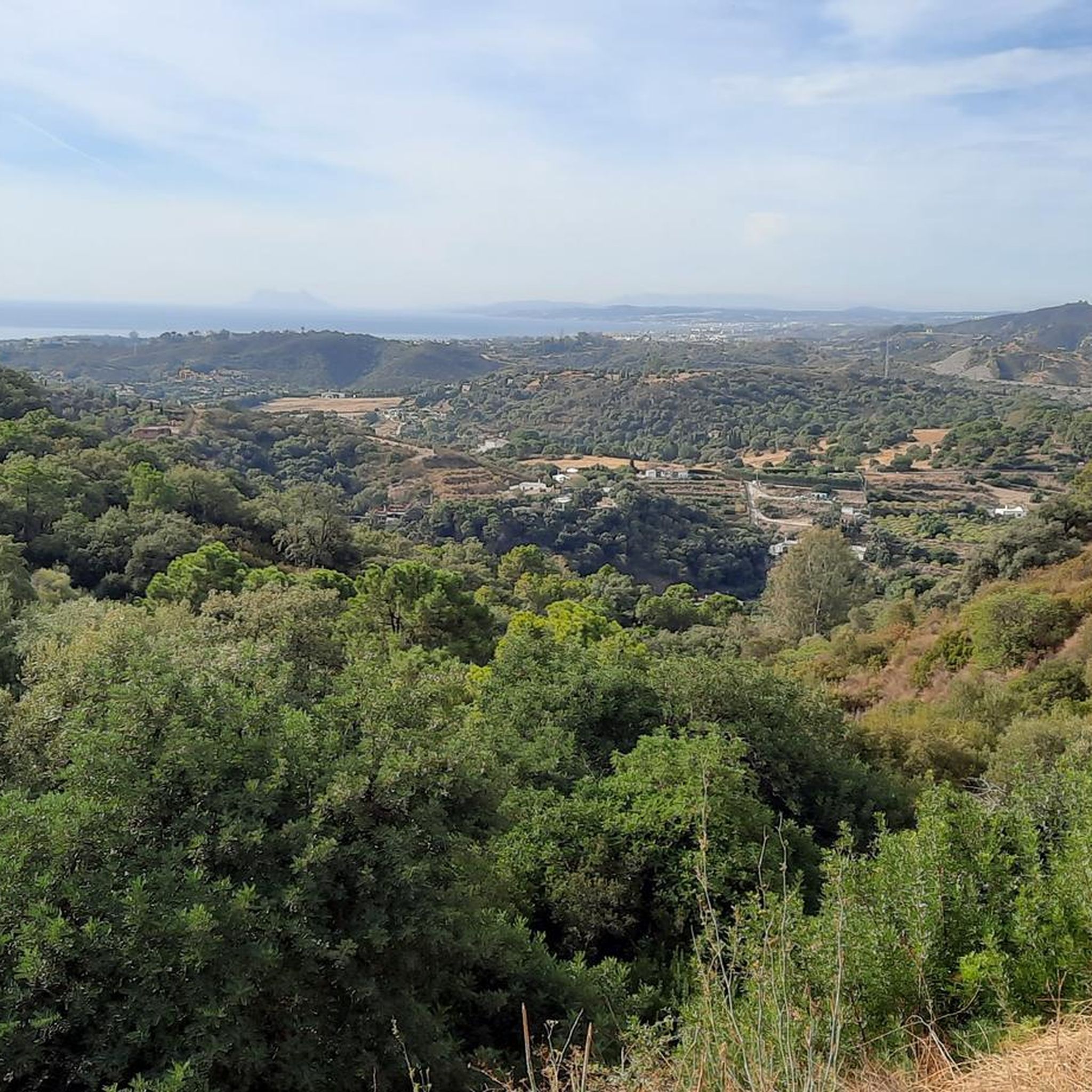
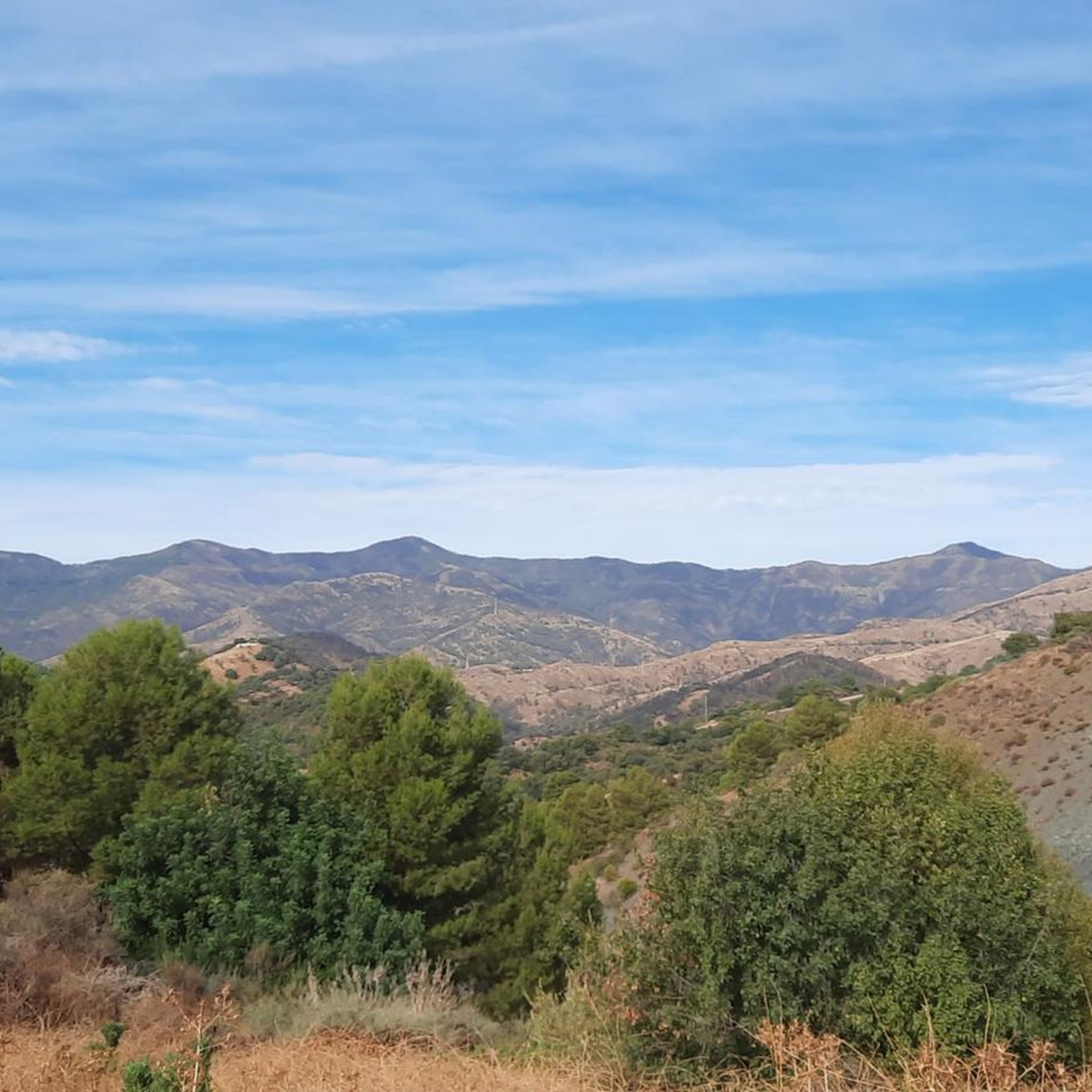
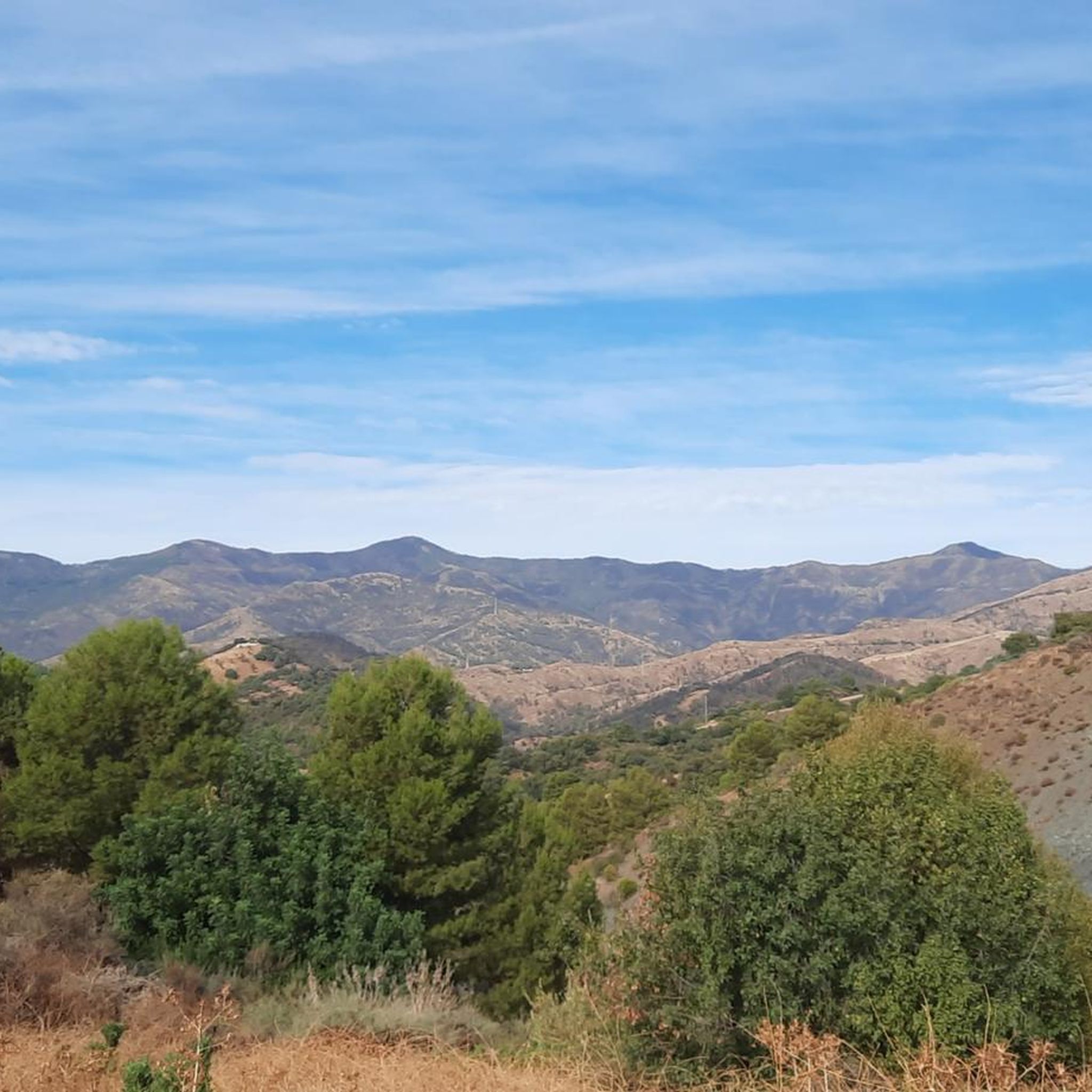
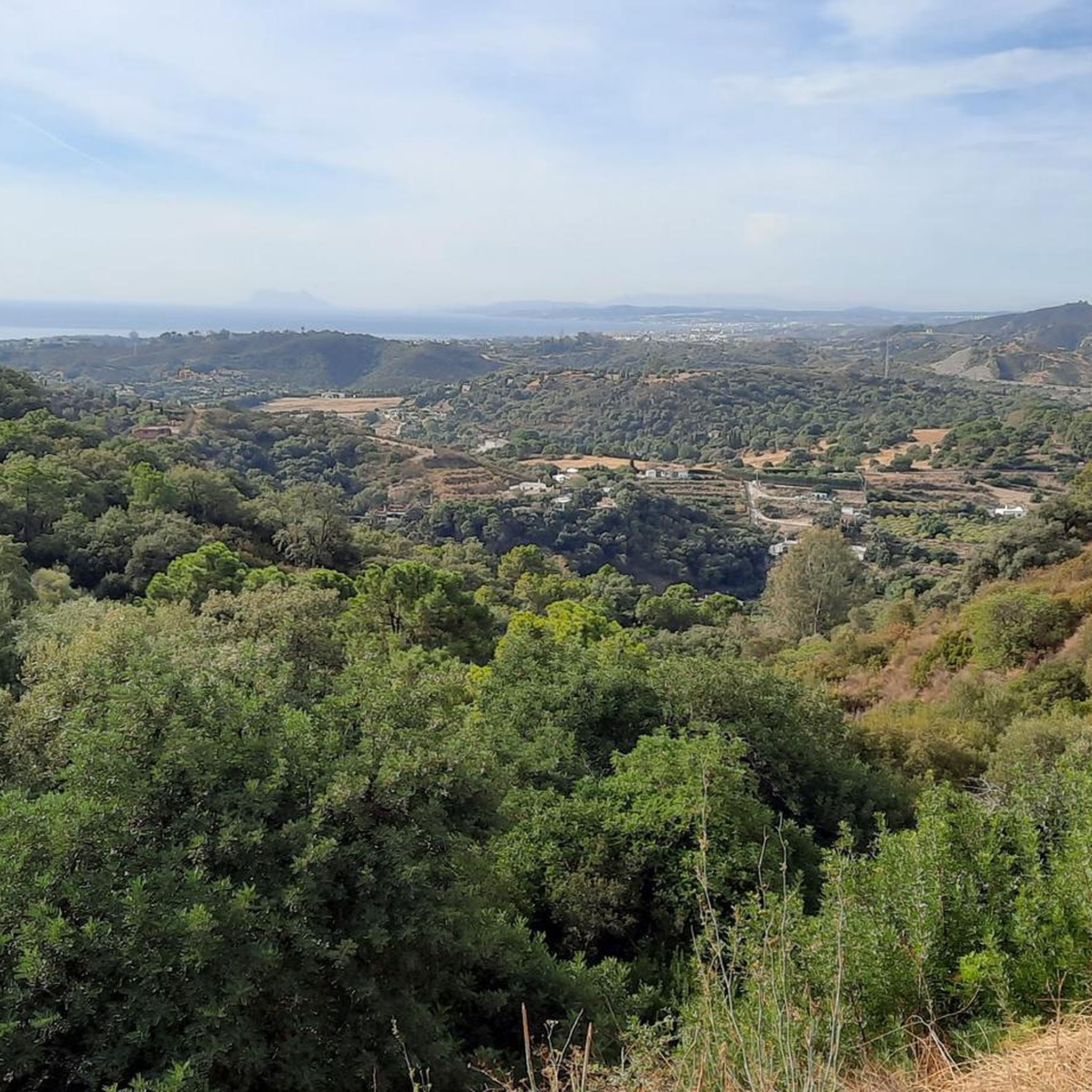
Mountain biking around Río De Castor offers routes through a landscape characterized by the rugged terrain of Sierra Bermeja and riverine environments. The area features hillsides covered with maritime pine and light-colored limestone, providing a diverse backdrop for rides. While known for its natural pools, the surrounding topography presents challenging and scenic mountain bike trails. This region provides a mix of natural features suitable for various mountain biking experiences.
Best mountain bike trails around Río De Castor
- The most popular…
Last updated: November 17, 2026
4.7
(6)
27
riders
35.7km
03:39
890m
890m
4.5
(16)
108
riders
36.6km
03:19
760m
760m
Moderate mountain bike ride. Good fitness required.

4.5
(15)
85
riders
40.5km
03:41
870m
870m
Moderate mountain bike ride. Good fitness required.
5.0
(4)
76
riders
67.3km
06:22
1,550m
1,550m
Hard mountain bike ride. Very good fitness required.
5.0
(3)
60
riders
40.6km
03:46
950m
950m
Hard mountain bike ride. Very good fitness required.
5.0
(3)
36
riders
54.7km
03:15
260m
260m
Moderate mountain bike ride. Good fitness required.
3.0
(1)
13
riders
33.6km
03:04
820m
820m
Moderate mountain bike ride. Good fitness required.
3.5
(2)
20
riders
49.4km
04:00
920m
920m
Hard mountain bike ride. Very good fitness required.
4.3
(3)
16
riders
19.6km
01:18
240m
240m
Easy mountain bike ride.
5.0
(1)
13
riders
60.0km
04:46
1,040m
1,030m
Hard mountain bike ride. Very good fitness required.
Get access to more routes and recommendations from other explorers.
Already have an account?
Our route recommendations are based on thousands of hikes, rides, and runs completed by other people on komoot.
Start today with a free account
Your next adventure awaits.

Tips from the Community

The route leads predominantly along a wooden boardwalk along the coastline and offers unobstructed, impressive views of the sea throughout, making the journey particularly attractive.
1
0

Located on the waterfront promenade, this park features many sculptures. All are freely accessible and well-made. A visit is definitely worthwhile.
0
0
The Acueducto del Ángel in Estepona is an impressive relic from the 18th century, reminiscent of the region's agricultural past. It is located in the area of Parque del Ángel, near Arroyo de Hornacinos and Calle Terral, not far from the modern residential complex Playa del Ángel. The historical structure once served to irrigate the surrounding fields and was part of an extensive water supply system that connected springs and water reservoirs. The aqueduct consists of multi-arched masonry viaducts that carried water over an elevated structure, likely to mills or agricultural facilities in the area. After years of decay, it was restored by the city of Estepona as part of a project to upgrade the coastal park and made accessible again. Today, it is surrounded by a small park with walking paths and information boards and can be visited freely. The Acueducto del Ángel is thus not only a technical monument but also a symbol of the connection between history, landscape, and water management in Andalusia. Between modern development and proximity to the sea, it tells of a time when water was a valuable commodity and the engineering skills of the Moors and their successors created the foundation for fertile fields and flourishing gardens.
2
0
The Parque del Ángel in Estepona is a spacious, modernly designed green area near the coast that combines nature, culture, and recreation. Amidst Mediterranean plantings, palm trees, and open meadows, there is a restored aqueduct that gives the park a historical element. A wooden bridge over the small Hornacinos stream connects the surrounding neighborhoods and blends harmoniously into the landscape. In addition, several sculptures by the artist Santiago de Santiago enrich the park like a small open-air museum, while a landscaped noria recalls old irrigation systems. The offering is complemented by a modern calisthenics zone and quiet paths, making the Parque del Ángel a beautiful place for relaxation, sports, and photo opportunities.
1
0

The upper section of the off-road route is currently being improved by the road service, making it easily accessible.
0
0

Flip-flops, because of the hot sand and swimming shoes, because of the many stones
1
0
Here you can get fresh fish and get the best price
1
0

The port of Duquesa. Nice to eat or drink something in the evening
0
0
Frequently Asked Questions
How many mountain bike trails are available around Río De Castor?
There are over 30 mountain bike trails to explore around Río De Castor, offering a diverse range of experiences for different skill levels.
Are there easy mountain bike trails suitable for beginners or families?
Yes, Río De Castor offers 3 easy mountain bike trails. While the region is known for its rugged terrain, these routes provide a gentler introduction to mountain biking in the area. For a moderate option, consider the Estepona Old Town – View of the Sea loop from El Castor - Aldi, which is just under 30 km.
What kind of landscapes can I expect to see on the mountain bike trails in Río De Castor?
The mountain bike trails around Río De Castor traverse a captivating natural environment. You'll ride through the rugged terrain of Sierra Bermeja, with hillsides covered in maritime pine and light-colored limestone. Many routes offer views of riverine landscapes, though specific riverbed trails are more commonly associated with hiking. You might also encounter historical elements like remnants of old lime kilns.
Are there any circular mountain bike routes in the area?
Yes, many of the mountain bike trails around Río De Castor are circular routes. For example, the Artesa-Altabacales Circuit is a popular moderate 35.7 km loop, and the Fuente de la Mina loop from Barriada Pablo Picasso is another moderate 36.2 km circular path.
What do other mountain bikers enjoy most about the trails in Río De Castor?
The mountain bike trails around Río De Castor are highly rated by the komoot community, with an average score of 4.1 stars from over 60 reviews. Riders often praise the diverse terrain, the challenging climbs, and the scenic views of the Sierra Bermeja and pine forests.
Are there challenging mountain bike trails for experienced riders?
Absolutely. Río De Castor offers 17 difficult mountain bike trails for experienced riders seeking a challenge. Routes like the Gran Senda de Málaga – Istán Village loop from Villacana Club Estepona, at over 60 km with significant elevation, provide demanding rides through rugged landscapes.
What are some longer mountain bike routes available?
For longer rides, consider routes like the View of Casares – View of the Sea loop from Estepona, which covers nearly 60 km and takes around 4 hours 45 minutes. Another option is the Gran Senda de Málaga loop from Villacana Club Estepona, also close to 60 km, offering extensive exploration of the region.
Are there any specific points of interest or natural features to look out for along the mountain bike trails?
While the Río De Castor area is known for its natural pools and 'charcas' like Charco de Las Nutrias, these are primarily accessible via hiking trails that follow the riverbed. Mountain bike routes will generally offer views of the rugged Sierra Bermeja and pine forests. You might also spot remnants of old lime kilns, adding a historical touch to the natural scenery.
What is the best time of year to go mountain biking in Río De Castor?
Given the warm climate of the region, the cooler months from autumn through spring (October to May) are generally ideal for mountain biking in Río De Castor. Summers can be very hot, making early mornings or late afternoons preferable if riding during that season.
Are there mountain bike trails that offer views of the coast or sea?
Yes, some trails in the broader area around Río De Castor provide coastal views. For instance, the View of Casares – View of the Sea loop from Estepona is a challenging route that offers panoramic vistas of the sea, combining mountain terrain with coastal scenery.
Can I bring my dog on the mountain bike trails?
While many outdoor areas in Spain are dog-friendly, specific regulations can vary by trail or protected area. It's always best to check local signage or official park websites for the most current rules regarding dogs on mountain bike trails in the Río De Castor region, especially concerning leash requirements and waste disposal.
Most popular routes around Río De Castor

Get inspired with the komoot mobile app


Explore more
Browse the best MTB trails in other regions.
