Attractions and Places To See in Sierra Y Los Cañones De Guara - Top 20
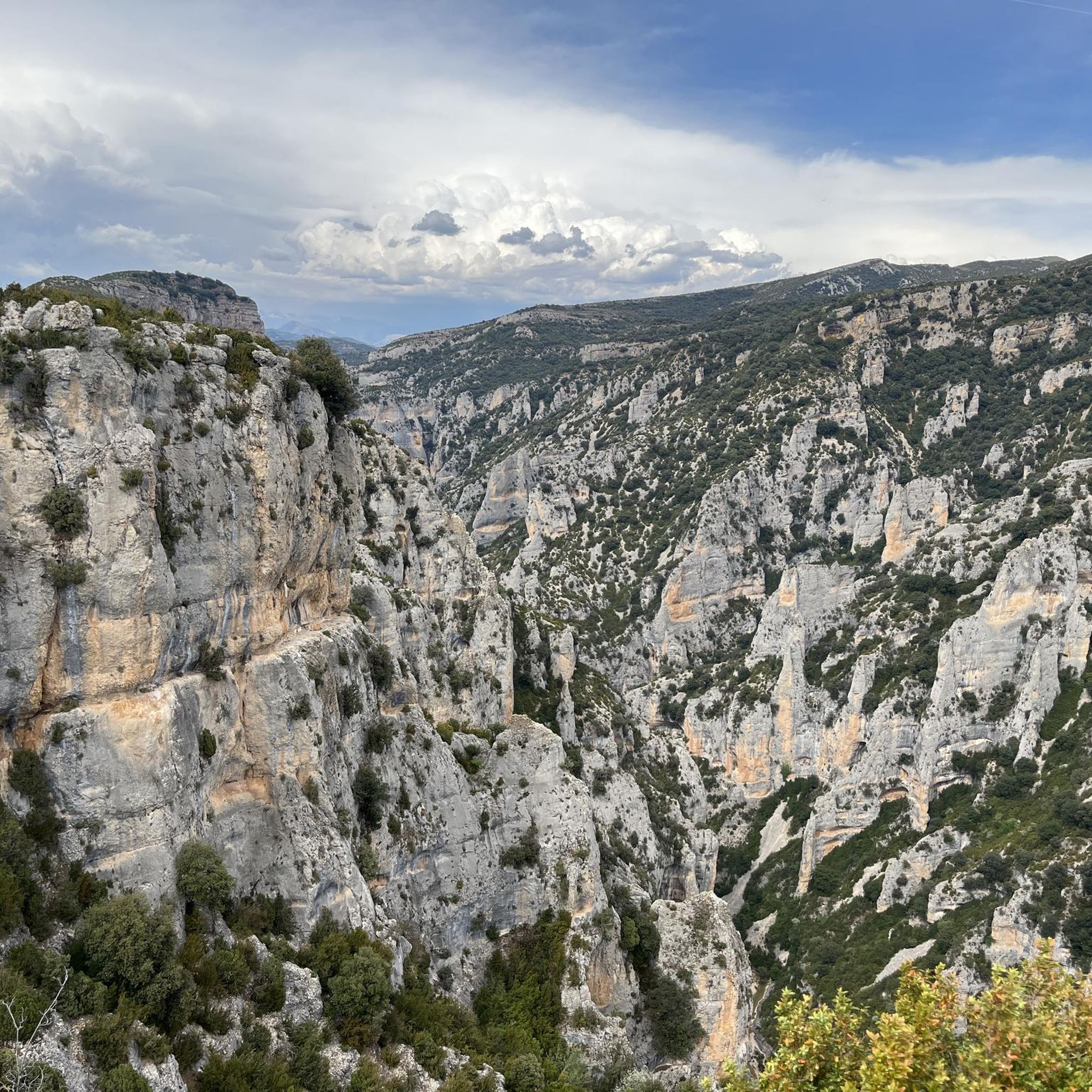
Best attractions and places to see in Sierra Y Los Cañones De Guara is a natural park in the Huesca Pre-Pyrenees, characterized by limestone mountains, deep gorges, and extensive canyon systems. The region features a karst topography with caves and chasms, shaped by rivers like the Alcanadre and Vero. It is recognized for its prehistoric cave paintings and medieval villages, offering a blend of natural and cultural exploration. This area provides diverse landscapes for outdoor activities and historical discovery.
Best attractions and places to see in Sierra Y Los Cañones De Guara
- The most popular attractions is Picamartillo Cave, a cave that offers spectacular views even before reaching the bottom. Visitors can experience a beautiful route leading to the cave.
- Another must-see spot is The forgotten village Otín, an abandoned mountain settlement. The small church remains well-preserved amidst dilapidated buildings, offering a unique glimpse into the past.
- Visitors also love Puente de Villacantal, a 16th-century bridge over the Vero river. This historical site contributes to the beauty of the Vero canyon.
- Sierra Y Los Cañones De Guara is known for its historical sites, natural monuments, and settlements. The region offers a variety of attractions to see and explore, from ancient burial chambers to religious buildings.
- The attractions in Sierra Y Los Cañones De Guara are appreciated by the komoot community, with 20 upvotes and 9 photos shared by visitors.
Last updated: May 9, 2026
Salto Roldán Viewpoint
Highlight • Viewpoint
Translated by Google •
Tip by

Dolmen of Losa Mora
Highlight • Historical Site
Translated by Google •
Tip by

Sign up now to discover places like this
Get recommendations on the best single tracks, peaks, & plenty of other exciting outdoor places.
Sign up for free
Puente de Villacantal
Highlight • Bridge
Translated by Google •
Tip by
Esconjuradero of Morrano
Highlight • Religious Site
More information: heraldo.es/noticias/viajes/2022/06/10/esconjuraderos-que-son-estas-construcciones-y-donde-encontrarlas-en-aragon-1580356.html
Translated by Google •
Tip by

Picamartillo Cave
Highlight • Cave
Translated by Google •
Tip by
Sign up for free to discover even more attractions in Sierra Y Los Cañones De Guara.
Sign up for free
Already have an account?
Start today with a free account
Your next adventure awaits.
Login or Signup
Popular around Sierra Y Los Cañones De Guara
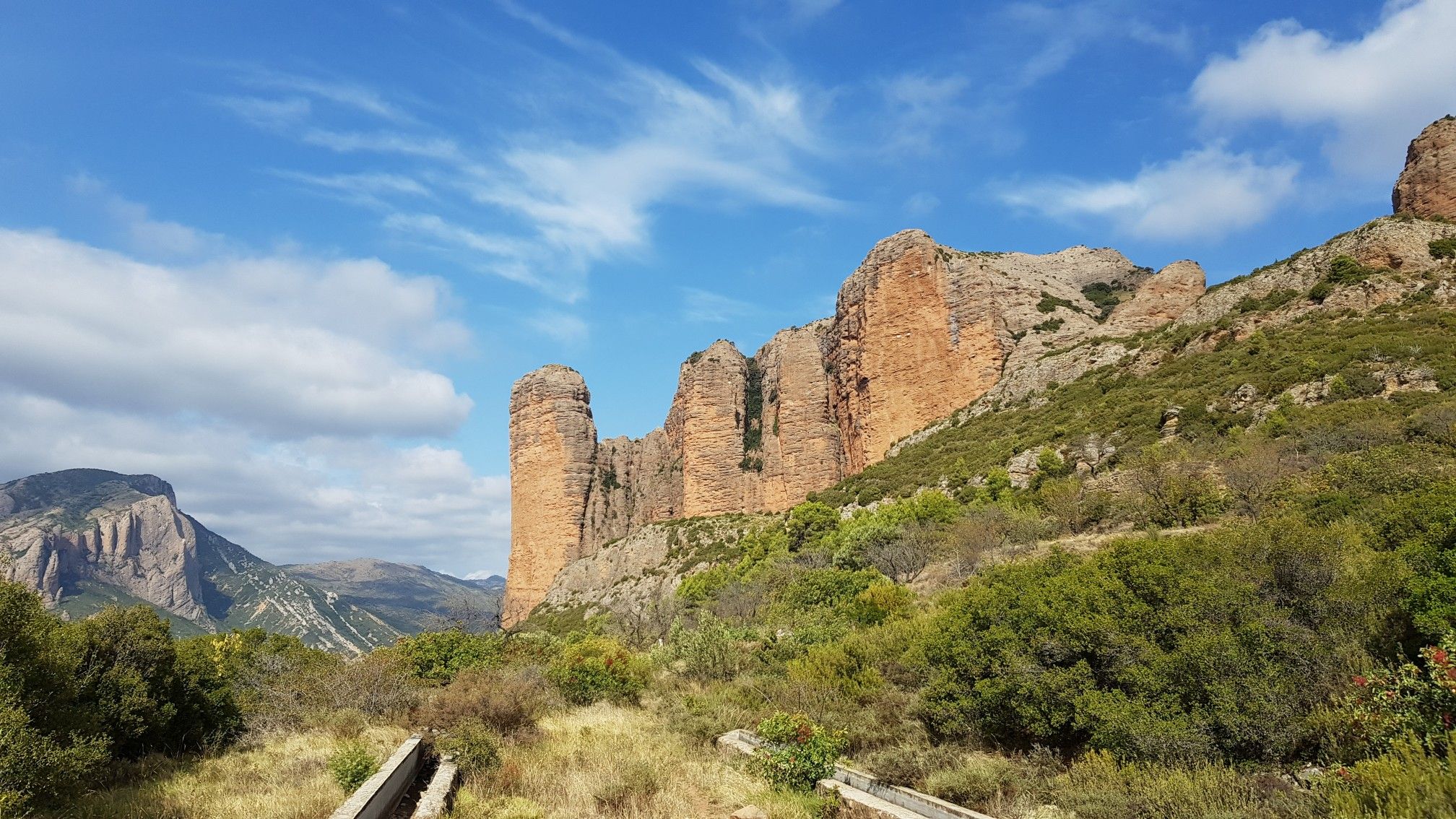
Monumental landscapes and culture — the Pre-Pyrenees by MTB
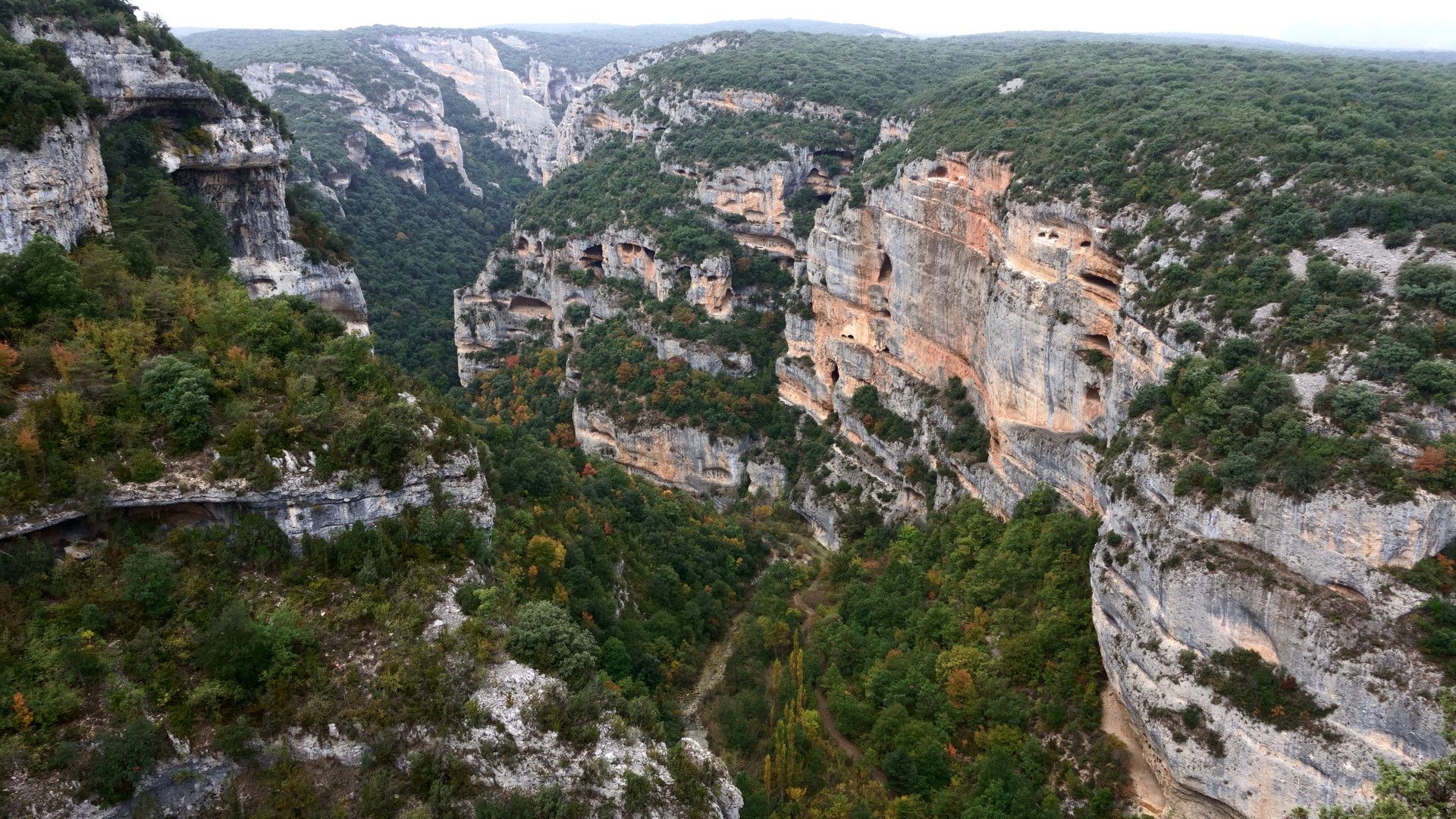
Trails and paths – Sierra de Guara and Biello Sobrarbe
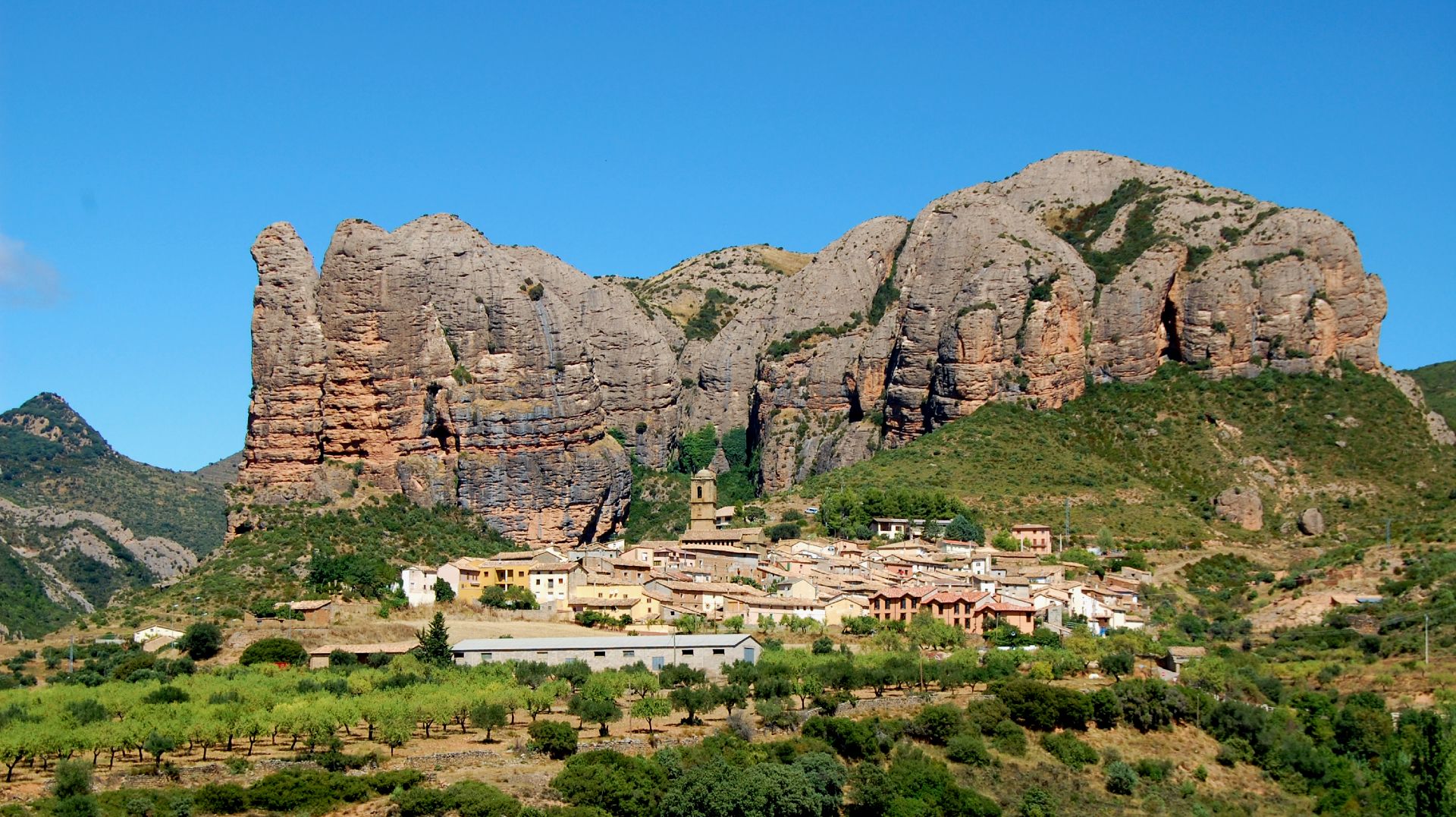
Land of rock and water – Sendero Histórico en Aragón
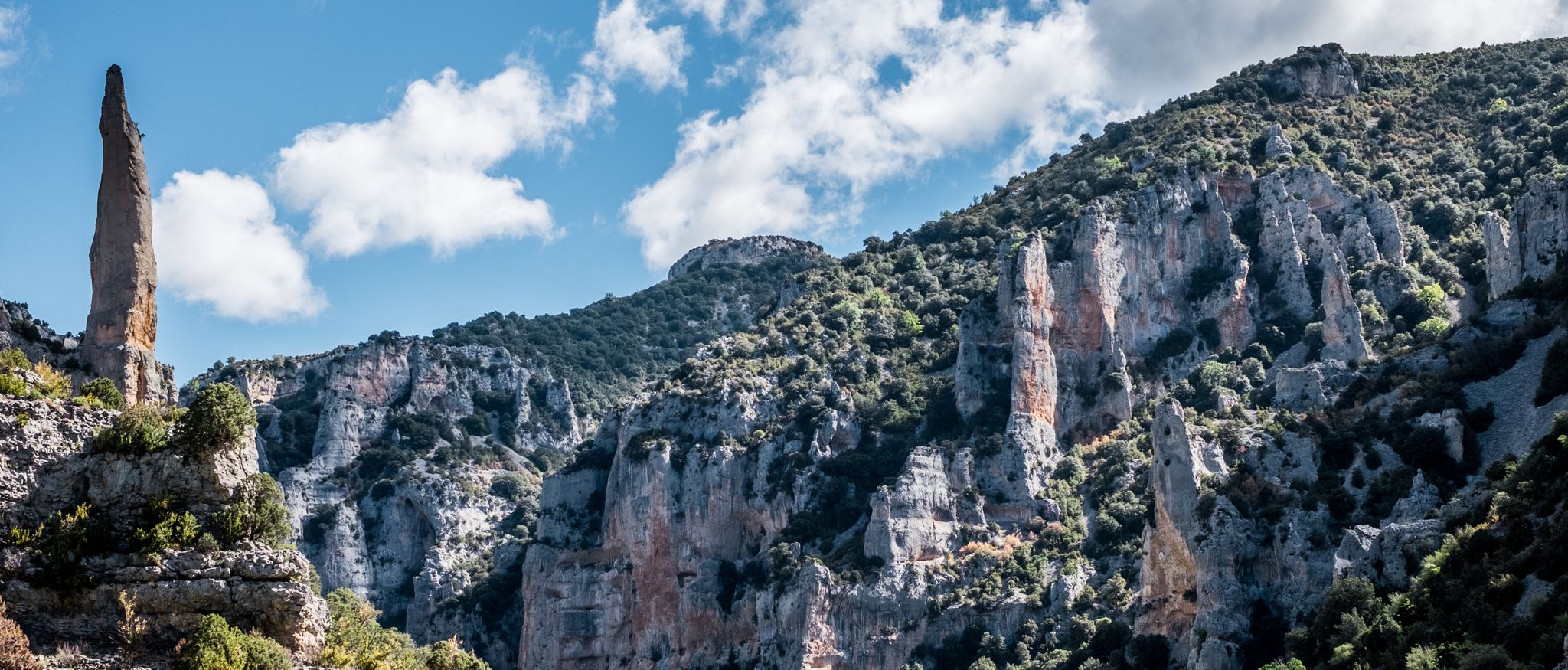
Sierra de Guara — steep rocks and green mountains
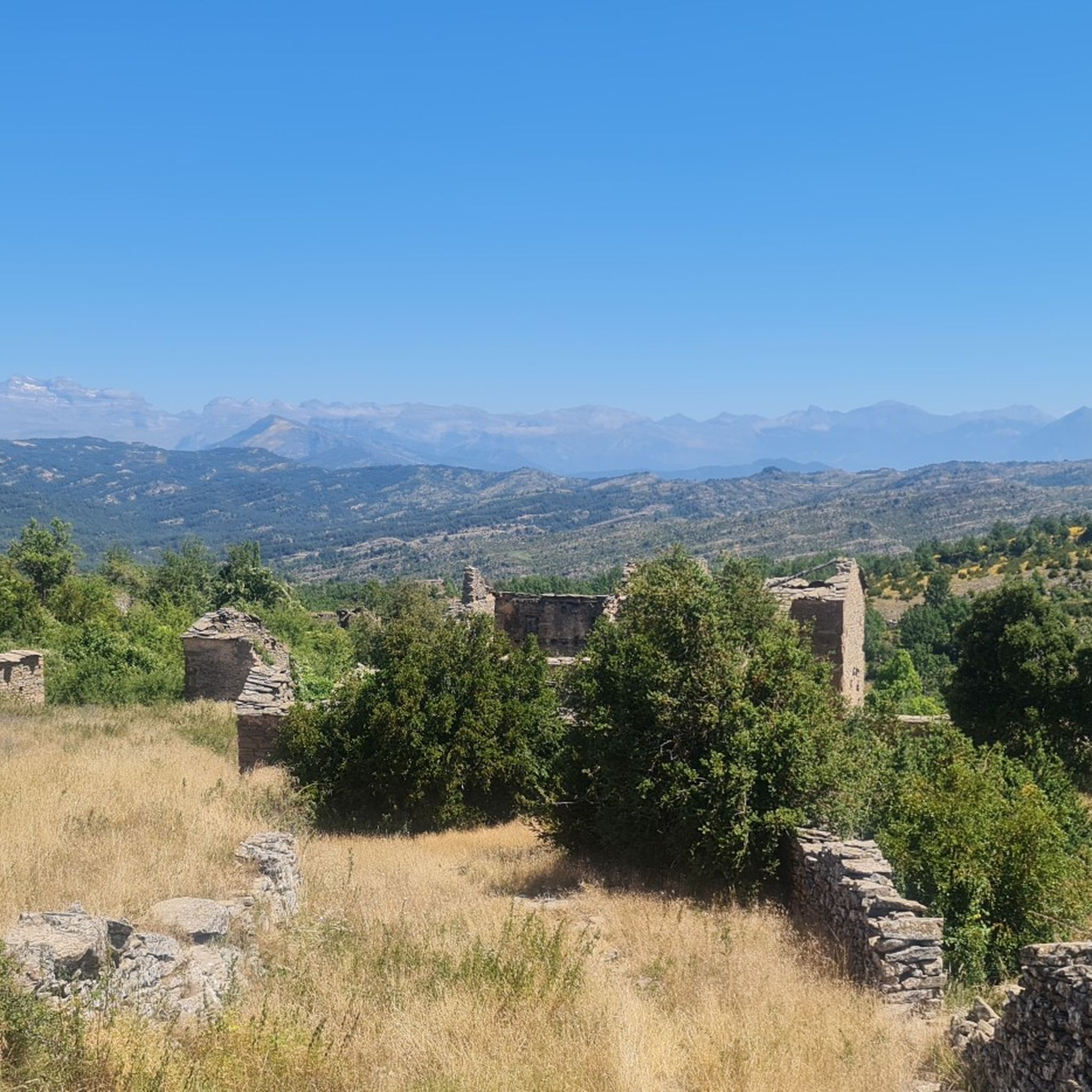
Hiking in Sierra Y Los Cañones De Guara
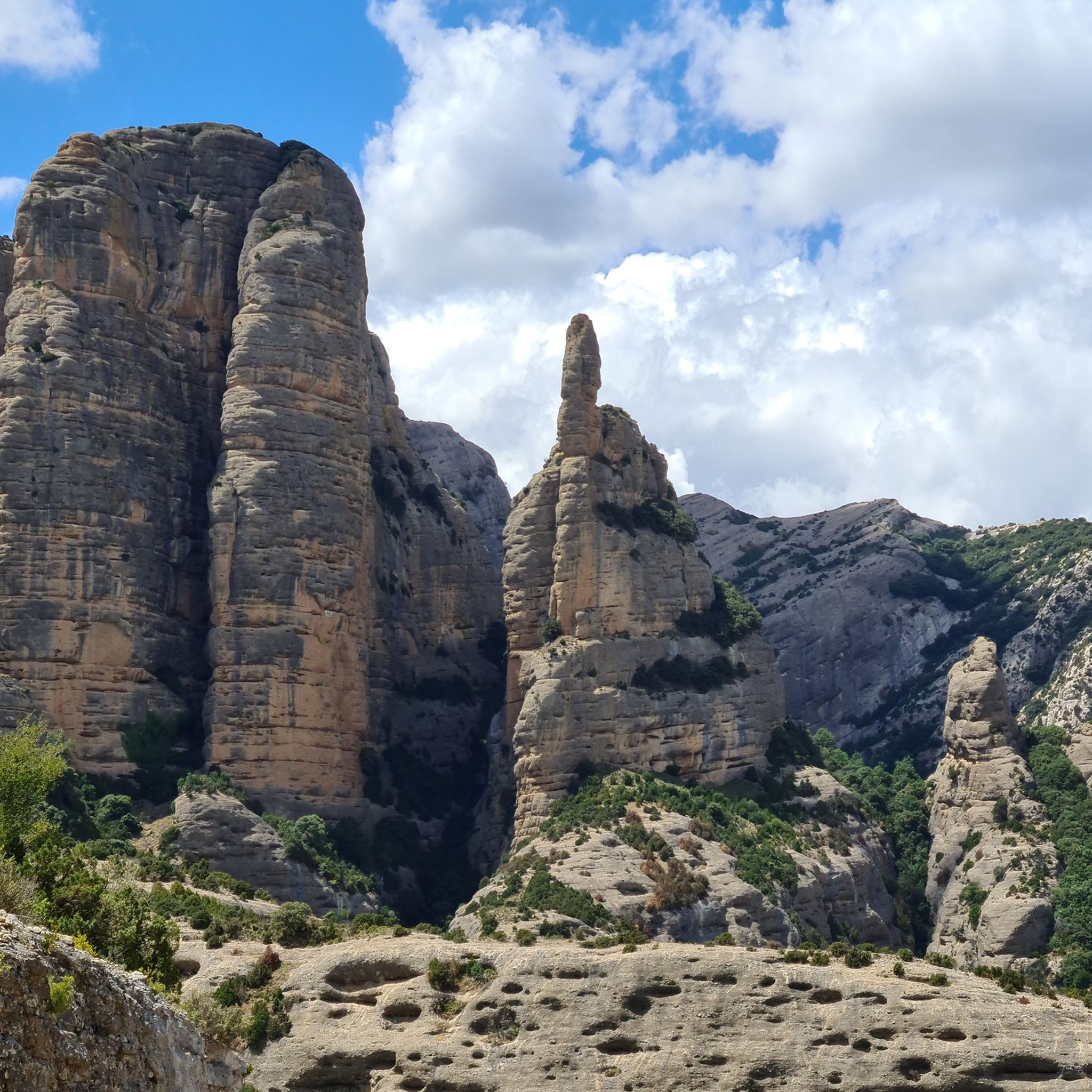
MTB Trails in Sierra Y Los Cañones De Guara
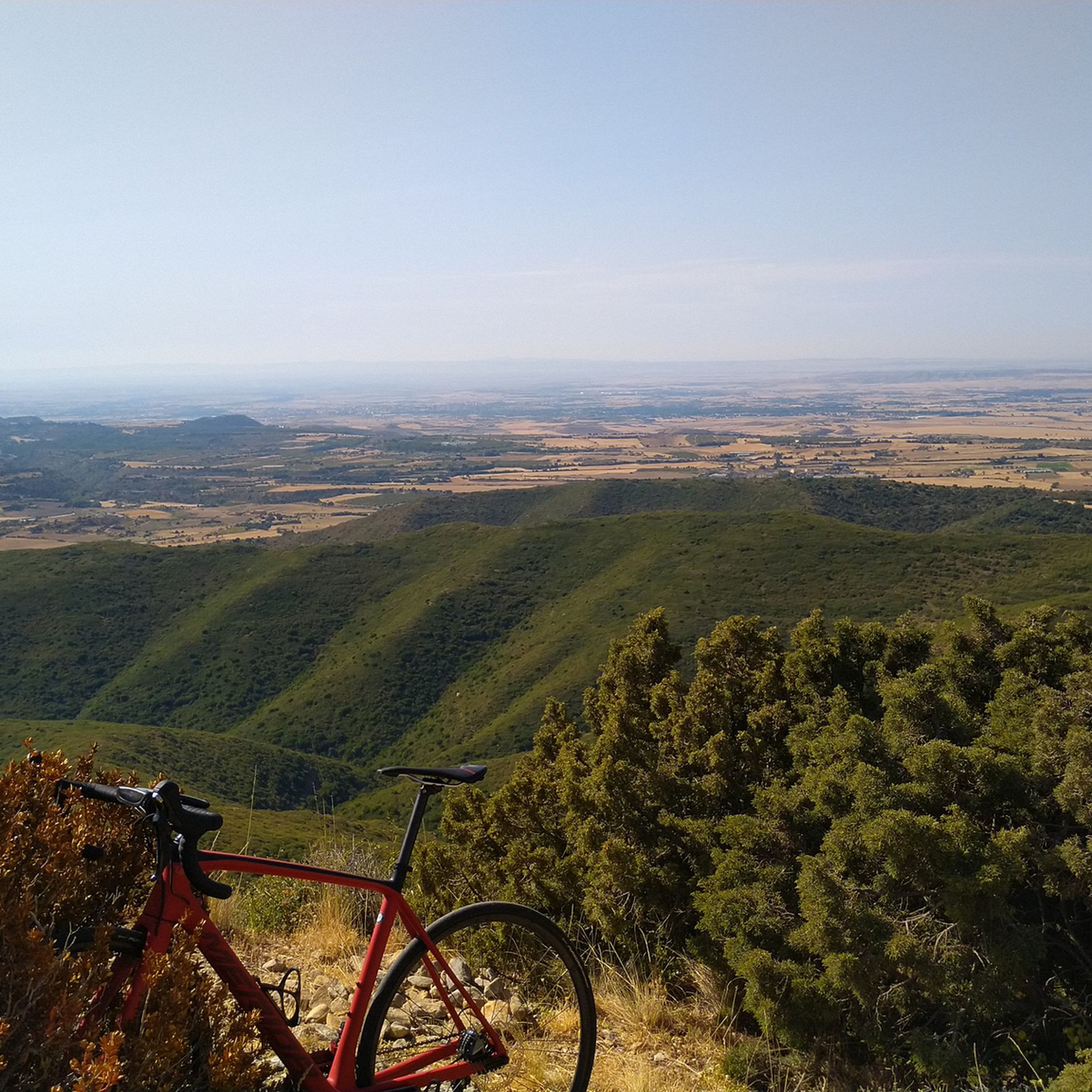
Road Cycling Routes in Sierra Y Los Cañones De Guara
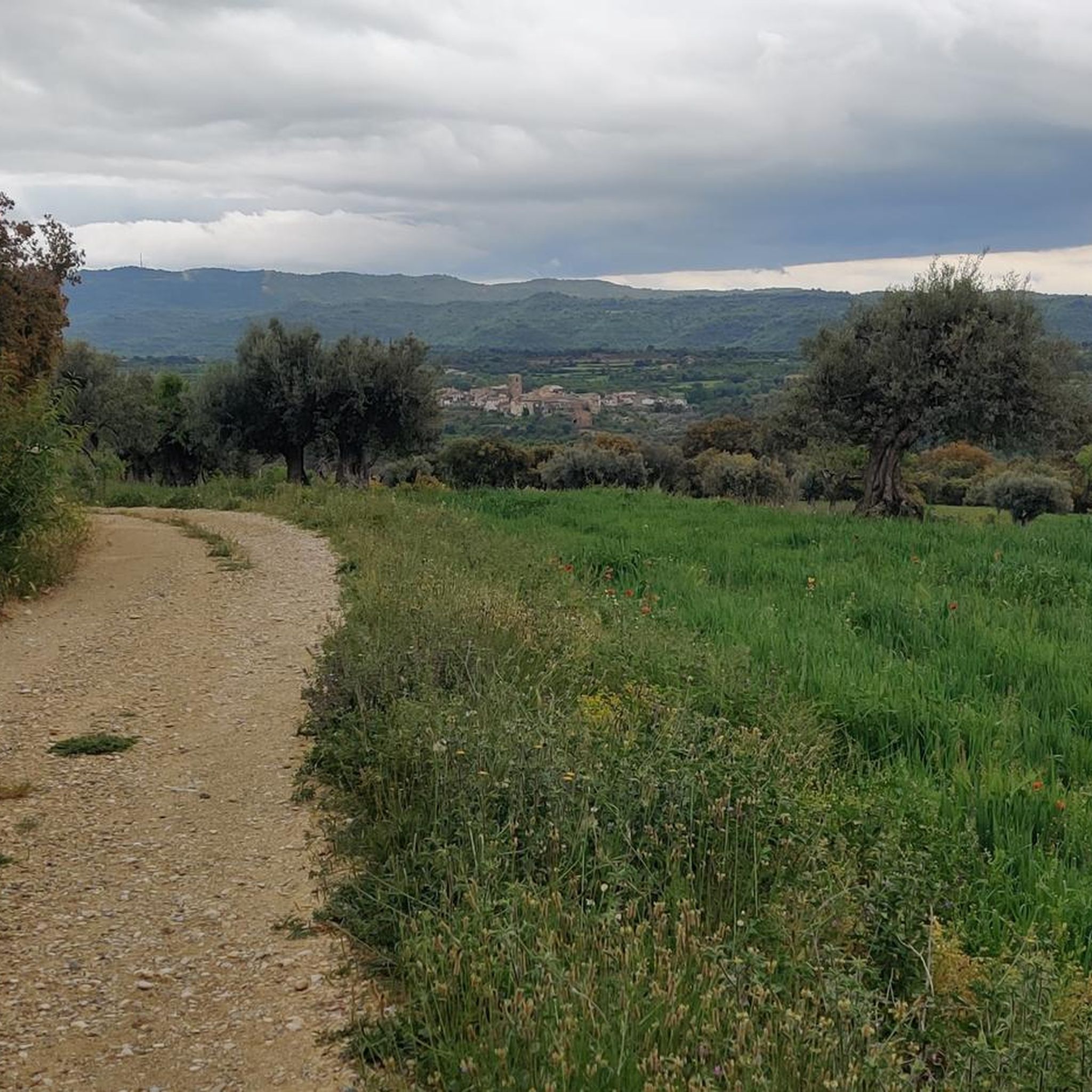
Cycling in Sierra Y Los Cañones De Guara
Running Trails in Sierra Y Los Cañones De Guara

Gravel biking in Sierra Y Los Cañones De Guara
Other adventures in Sierra Y Los Cañones De Guara


Tips from the Community

This is not a Roman bridge, but a Roman bridge. Here for the translation AI to learn: Roman vs. Romanic, in English Roman vs. Romanic. The bridge is called Puente de Villacantal (with dots so the stupid AI doesn't translate it into, for example, "City Song Bridge": P.u.e.n.t.e d.e V.i.l.l.a.c.a.n.t.a.l The hike here is very beautiful, with an elevation gain of about 250 meters. You can take a refreshing swim.
0
1

Gorgeous, and the trails in the area are spectacular.
0
0

Hammerhead Cave.. Impressive cavity In the course of the Vero River🏞️🤩
0
0

Even before reaching the bottom, the views are spectacular.
5
0
Impressive cavity at the northern end of the walkway route. You can access to the bottom.
4
0

I recommend doing this visit during the week and not on the weekend when a lot of people gather and you don't enjoy the same.
4
0

The conjuraderos are small religious constructions typical of Aragon where, in the past, the priests of the towns officiated ceremonies to ward off storms or evil spirits. Currently, they are curious shady buildings very well located in natural spaces.
0
0

The Losa Mora dolmen is located within the Sierra y Cañones de Guara natural park, near Rodellar and the Mascún canyon. This burial chamber dates from the Neolithic and consists of large slabs in a good state of preservation. Being on top of a hill, the visit to the dolmen also allows you to enjoy beautiful views of the mountains.
1
0
Frequently Asked Questions
What kind of historical and cultural sites can I explore in Sierra Y Los Cañones De Guara?
The region is rich in history. You can visit the well-preserved forgotten village of Otín, which offers a unique glimpse into the past with its intact church amidst dilapidated buildings. Another significant site is the Dolmen of Losa Mora, a Neolithic burial chamber near Rodellar, providing beautiful mountain views. Don't miss the Puente de Villacantal, a 16th-century bridge over the Vero river, adding to the beauty of the canyon. The Esconjuradero of Morrano is also a curious religious construction where priests once performed rituals to ward off storms.
Are there any natural pools or waterfalls suitable for swimming in the area?
Yes, Sierra y Los Cañones de Guara is known for its natural pools with turquoise waters. Notable spots include Salto de Bierge, a dam on the Alcanadre river with two bathing areas (though jumping is prohibited), and Fuente de Tamara, an emerald-green natural pool formed by the confluence of the Fornazos Strait and Tamara spring, perfect for a refreshing dip.
What outdoor activities are popular in Sierra Y Los Cañones De Guara?
The park is a premier destination for canyoning, with over 70 canyons for all skill levels. Hiking is also very popular, with extensive trails like the Alquézar footbridges route and paths in Rodellar and Mascún. Climbing and via ferratas, such as Peñas Juntas, are also available. For cyclists, there are numerous routes for gravel biking, cycling, and road cycling.
Where can I find prehistoric cave paintings in the region?
The Vero River Cultural Park is a UNESCO World Heritage site, home to over 60 shelters with prehistoric cave paintings from the Paleolithic, Levantine, and schematic periods. While the Fuente del Trucho cave with over 100 Paleolithic paintings cannot be visited directly, a virtual experience is available at the Cave Painting Centre in Colungo. Several routes from Alquézar allow exploration of other Palaeolithic cave painting areas, such as Quizans and Chimiachas.
What are the best places for birdwatching in Sierra Y Los Cañones De Guara?
As a Special Protection Area for Birds (ZEPA), the park is excellent for birdwatching. You can spot a rich avian fauna, including griffon vultures, bearded vultures, and golden eagles, particularly around the dramatic gorges and canyons.
Are there any notable viewpoints or natural landmarks?
Absolutely. The Tozal de Guara, at 2,077 meters, is the highest point in the park and offers stunning panoramic views. The Picamartillo Cave also provides spectacular views even before reaching its depths. The Sonrisa del Viento viewpoint in Alquézar offers great vistas of the medieval village and surrounding landscape. Additionally, the Salto de Roldán ('Roland's Leap') is a distinctive natural rock formation with local legends.
What is the terrain like in Sierra Y Los Cañones De Guara?
The landscape is characterized by a unique karst topography, featuring limestone mountains, deep gorges, and extensive canyon systems carved by rivers like the Alcanadre, Guatizalema, Vero, and Flumen. You'll find hills, caves, and chasms, making it a geologically fascinating area for exploration.
What is Alquézar known for?
Alquézar is a medieval village declared a Historic-Artistic Site and is often cited as one of Spain's most beautiful villages. It features cobbled streets and a magnificent Romanesque collegiate church built over a former Muslim castle. It's also a great starting point for exploring the Vero River Cultural Park and various hiking routes.
What do visitors particularly enjoy about the attractions in Sierra Y Los Cañones De Guara?
Visitors appreciate the blend of natural beauty and historical significance. The community frequently highlights the spectacular views, the unique experience of exploring abandoned villages like Otín, and the historical charm of sites like the Villacantal bridge. The diverse landscapes offer something for every outdoor enthusiast, from challenging canyons to scenic hikes.
Are there any specific cycling routes I can explore near the attractions?
Yes, there are several cycling routes. For example, you can find a difficult cycling route that loops from Alquézar, passing the Albarda Medieval Bridge and offering views of the Vero River Canyon. There are also various gravel biking and road cycling options, including a moderate road cycling loop called 'Guara y Hoya de Huesca'.
Where can I get more information about the natural park?
You can obtain detailed information about the natural area and its possibilities at the visitor centers located in towns such as Bierge, Arguis, Santa Cilia de Panzano, and Lecina.
Most popular routes in Sierra Y Los Cañones De Guara
Most popular attractions in Sierra Y Los Cañones De Guara

Get inspired with the komoot mobile app


Explore more
Still not found the Highlight you’re looking for? See guides of the top attractions in other regions:
