Attractions and Places To See in Penyagolosa - Top 7
Best attractions and places to see in Penyagolosa include a prominent mountainous area in the Valencian Community, Spain. Its rugged landscape features limestone peaks, diverse forests, and significant cultural sites. The region is known for its natural park, which is an ecological hotspot, and its role as a major pilgrimage destination. Visitors can explore a blend of natural landmarks and historical points of interest.
Best attractions and places to see in Penyagolosa
- The most popular attractions is Penyagolosa Summit,…
Last updated: June 2, 2026
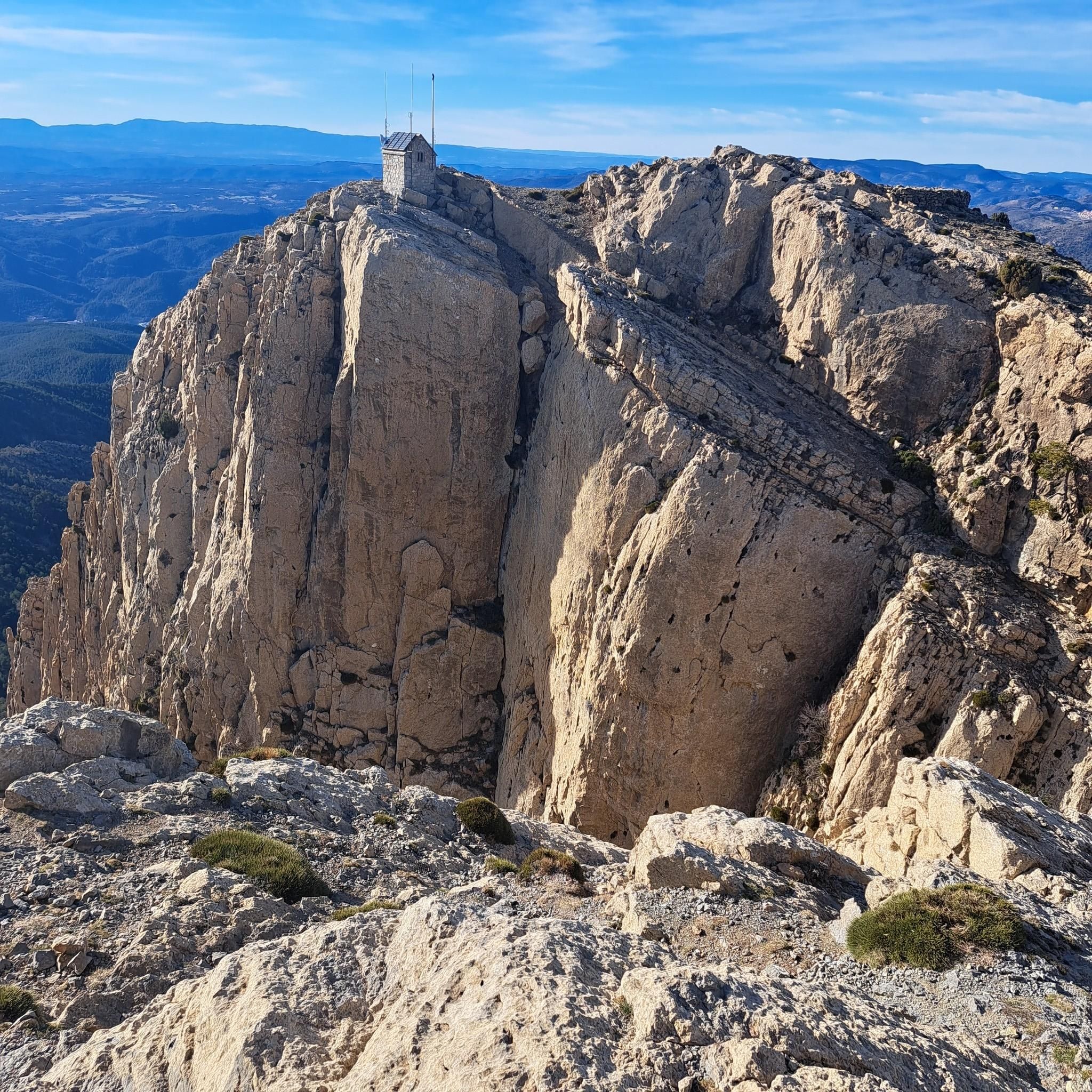
Penyagolosa Summit
Highlight • Summit
Translated by Google •
Tip by

Sant Joan de Penyagolosa Sanctuary
Highlight • Religious Site
Translated by Google •
Tip by

Sign up now to discover places like this
Get recommendations on the best single tracks, peaks, & plenty of other exciting outdoor places.
Sign up for free
Barranc de la Pegunta
Highlight (Segment) • Forest
Translated by Google •
Tip by
Canal Ascent in Parc Natural de Penyagolosa
Highlight • Climb
Translated by Google •
Tip by

El Corralico (Trailhead to Penyagolosa Summit)
Highlight • Trail
Translated by Google •
Tip by

Sign up for free to discover even more attractions in Penyagolosa.
Sign up for free
Already have an account?
Start today with a free account
Your next adventure awaits.
Login or Signup
Tips from the Community

It is very soft but beautiful
0
0

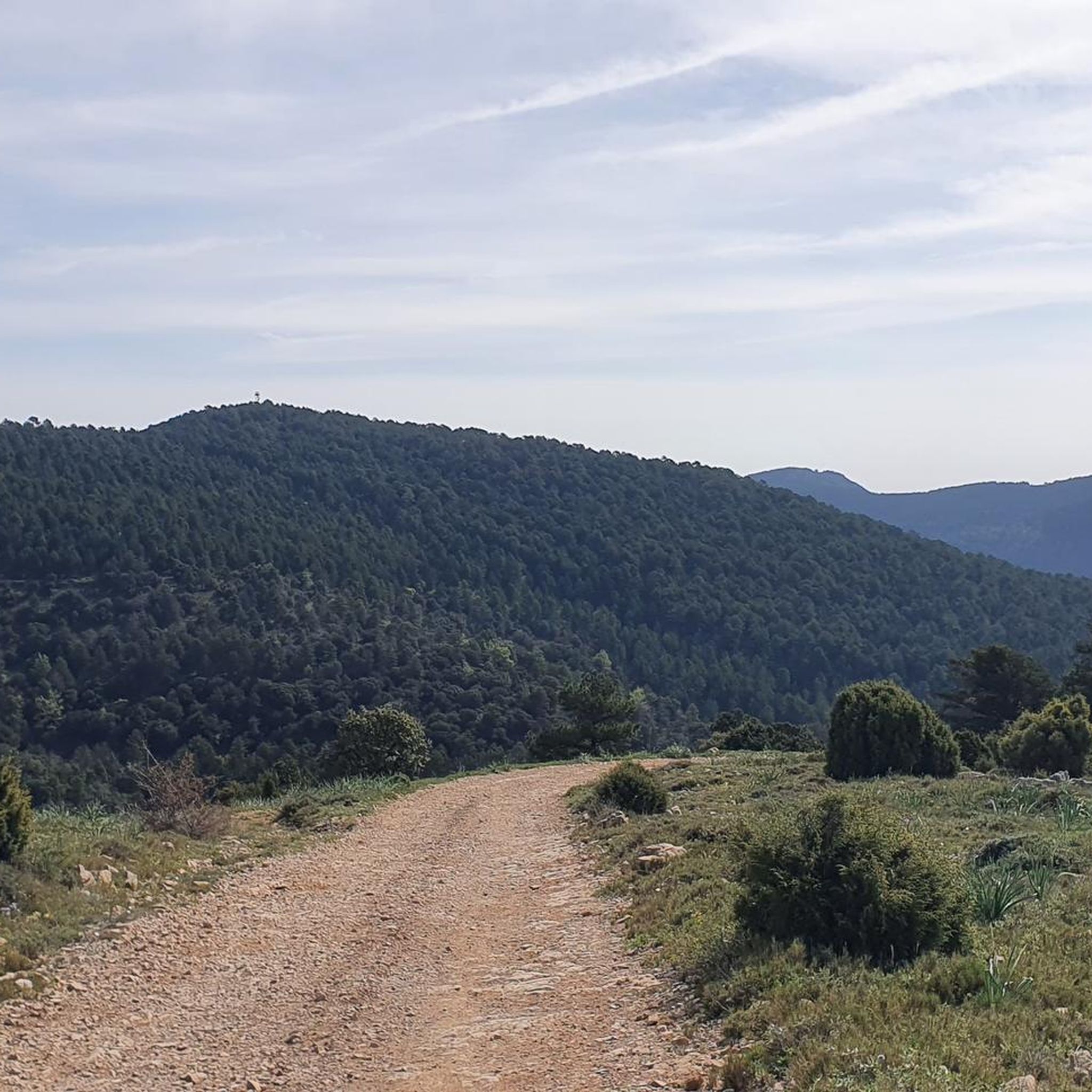
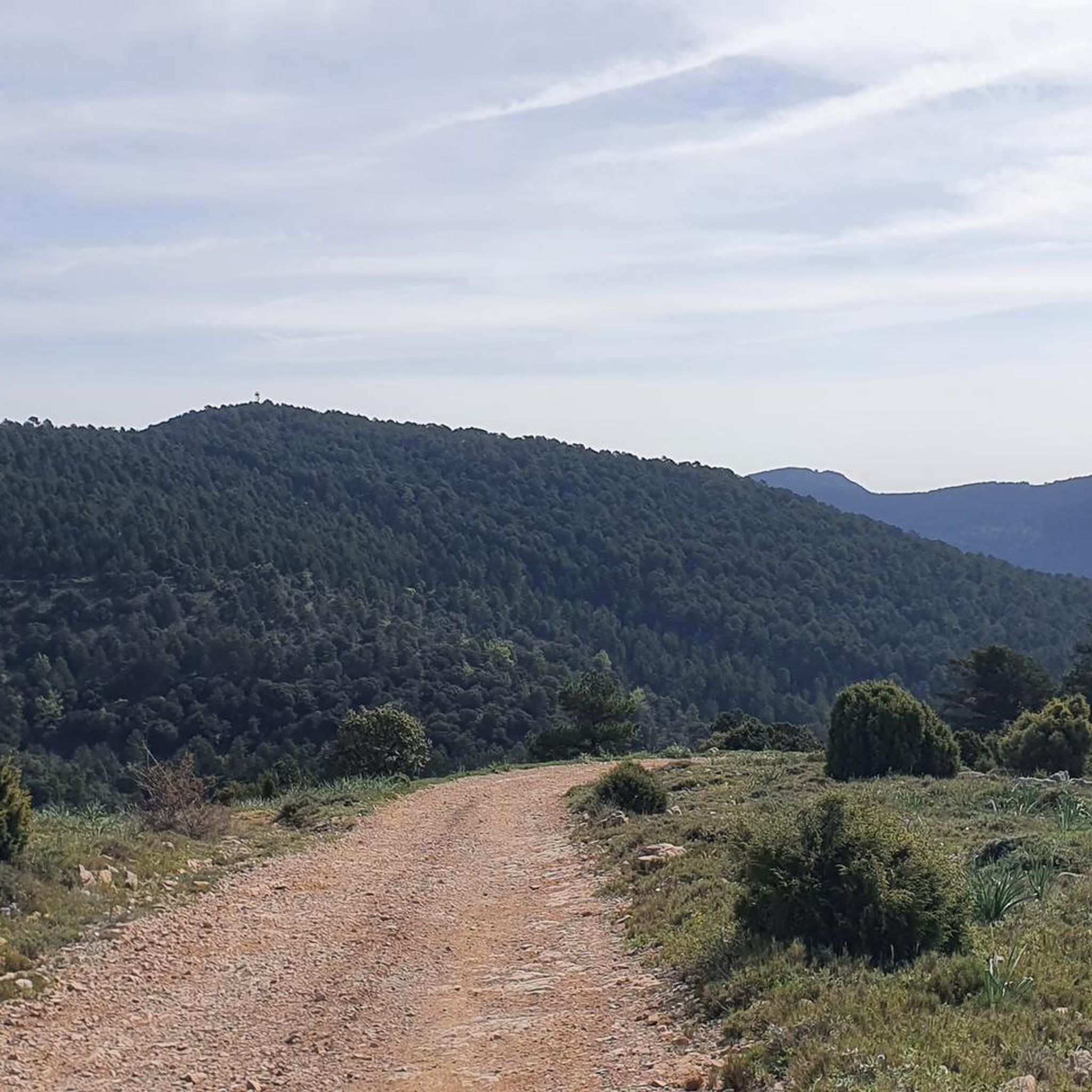
Penyagolosa is known for its stunning panoramic views and is a popular destination for hiking enthusiasts. The route to the summit will take you through pine forests and rocky terrain, offering a unique experience in contact with nature. In addition, at the base of the mountain is the hermitage of Sant Joan de Penyagolosa, an important pilgrimage destination.
3
0

The sanctuary of Sant Joan de Penyagolosa (San Juan Bautista de Peñagolosa in Spanish) is located at the foot of the Peñagolosa massif. It is an important religious place and every year it serves as the end point of one of the oldest pilgrimages in the Valencian Community: The pilgrims of Useras.
1
0

Place of pilgrimage par excellence in the province
0
0

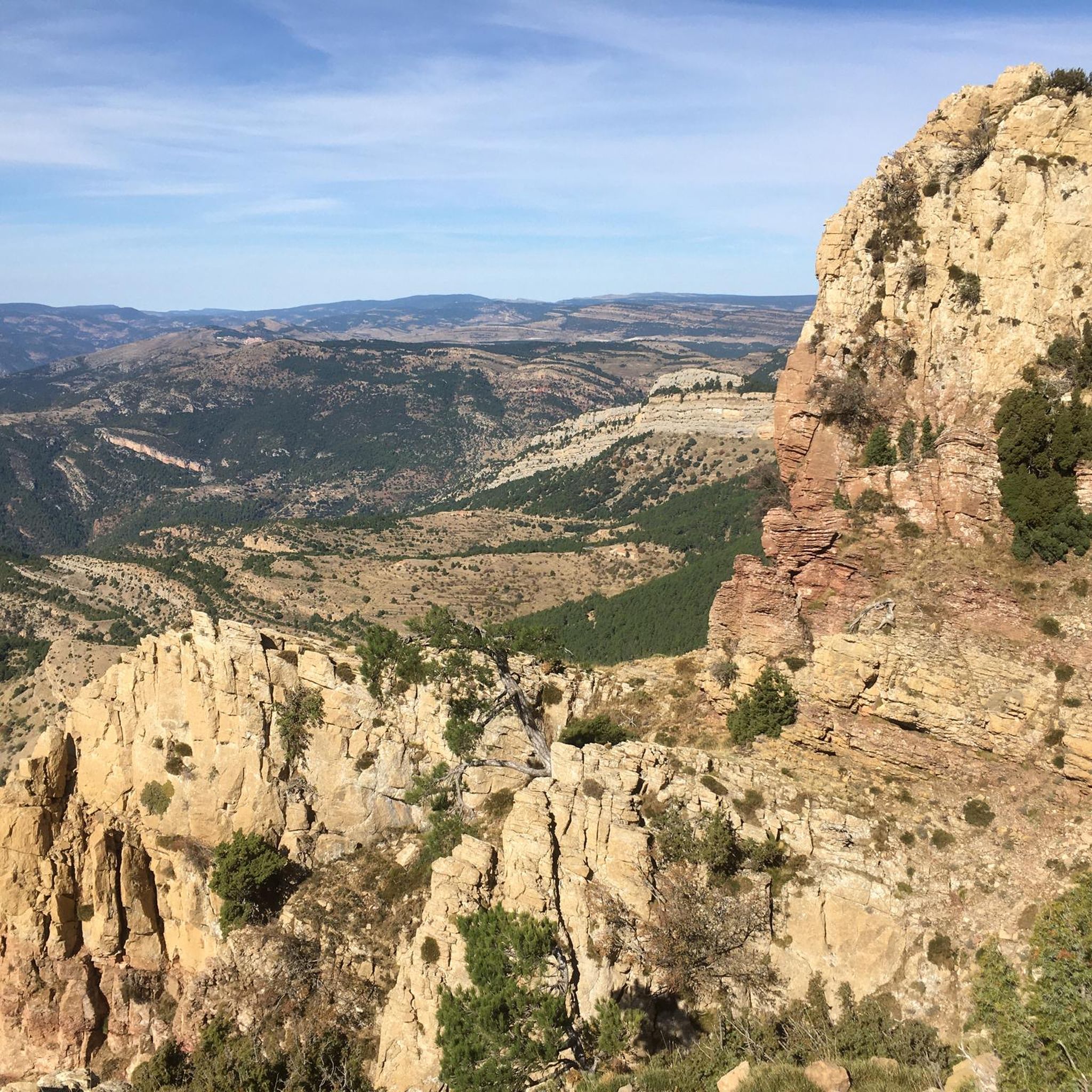
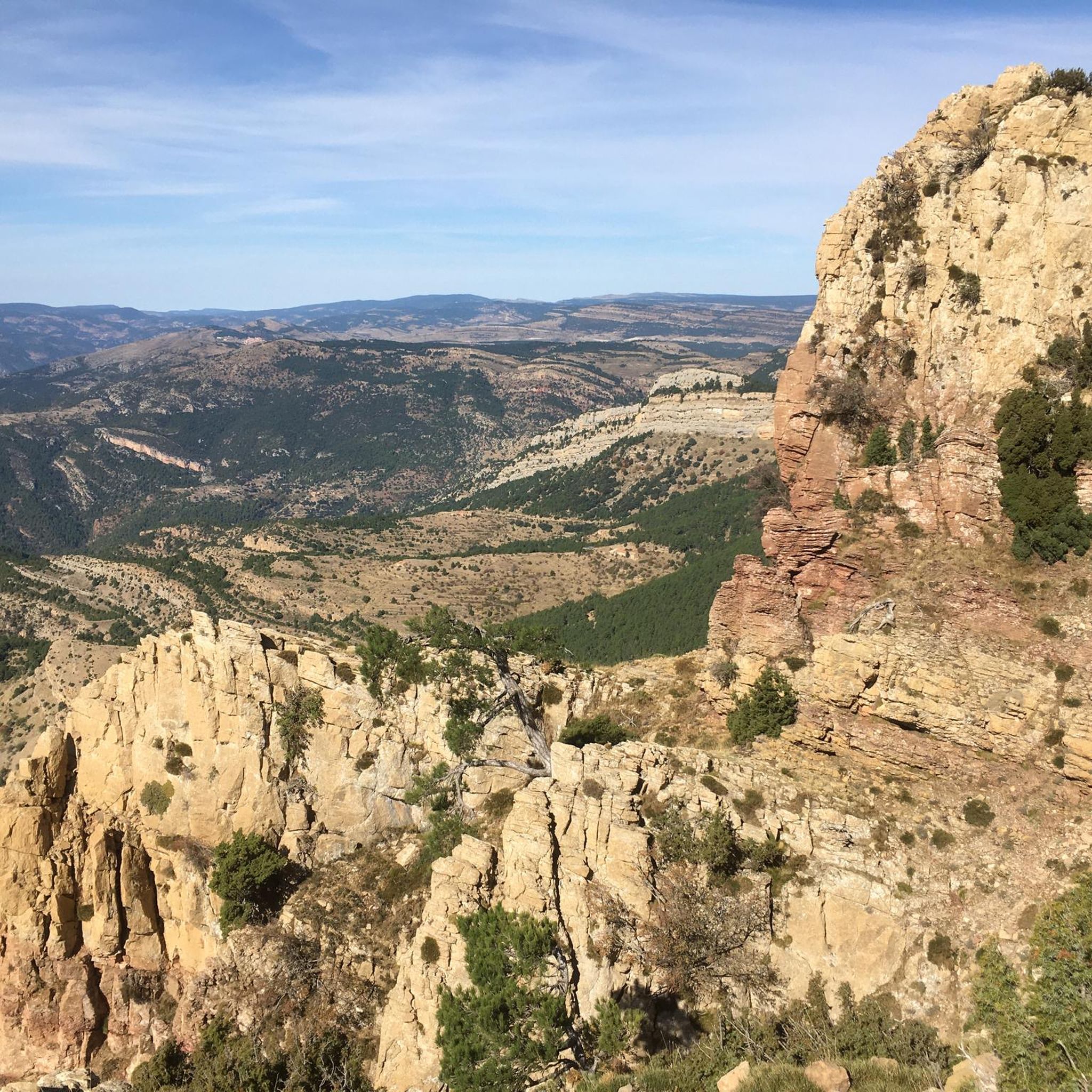
Climb up the channel with some complicated section. It has a chain to hold on. You have to go with caution.
1
0
Starting point of the final path towards the peak of Penyagolosa.
0
0
Start of the path that goes up to the top of Penyagolosa. In the past, it was possible to access the Corralico by car and it was a parking lot.
0
0
Sanctuary, hermitage and shelter of Sant Joan de Penyagolosa.
1
0
Frequently Asked Questions
What natural landmarks can I explore in Penyagolosa?
Penyagolosa offers several impressive natural landmarks. The most prominent is the Penyagolosa Summit, considered the "roof" of the Valencian Community, offering magnificent panoramic views. Another notable site is Barranc de la Pegunta, a micro-reserve of flora within a lush black pine forest, featuring diverse botanical curiosities. The entire area is encompassed by the Penyagolosa Natural Park, known for its rugged limestone peaks and rich biodiversity.
Are there any significant historical or cultural sites to visit in Penyagolosa?
Yes, a key cultural site is the Sant Joan de Penyagolosa Sanctuary, located at the base of the massif. This medieval-origin sanctuary is a crucial religious site and a destination for ancestral pilgrimages, some dating back to the Middle Ages. It also houses the Interpretation Center of Penyagolosa Natural Park, offering insights into the area's natural and cultural heritage.
What kind of hiking trails are available in Penyagolosa Natural Park?
Penyagolosa Natural Park boasts an extensive network of trails catering to various skill levels. You can find routes through pine forests and rocky terrain leading to the Penyagolosa Summit. For a more challenging experience, the Canal Ascent involves a vertical climb with sections requiring assistance from a chain. There are also gentler paths, such as those found in Barranc de la Pegunta, ideal for exploring unique flora. For specific routes, you can explore options like the waterfall hikes in Penyagolosa.
Is Penyagolosa suitable for family outings?
Yes, Penyagolosa offers options for families. The Sant Joan de Penyagolosa Sanctuary is considered family-friendly, providing a cultural experience in a beautiful setting. The Barranc de la Pegunta offers a relatively gentle walk through a lush forest with interpretive panels, making it an engaging experience for children interested in nature.
Where can I find panoramic viewpoints in Penyagolosa?
The most renowned viewpoint is from the Penyagolosa Summit itself. From its 1,813-meter height, you can enjoy magnificent panoramic views that, on clear days, extend all the way to the Columbretes Islands on the Mediterranean horizon. The Canal Ascent in Parc Natural de Penyagolosa also offers rewarding views during its challenging climb.
What is the best time of year to visit Penyagolosa?
Penyagolosa can be visited year-round, but the best time depends on your preferred activities. Spring and autumn offer pleasant temperatures for hiking and exploring the natural park, with vibrant flora in spring and beautiful foliage in autumn. Summer is also popular, though it can be warmer. Winter brings the possibility of snow, transforming the landscape and offering a different kind of beauty, though some trails might be more challenging.
Are there options for cycling or other outdoor sports near Penyagolosa's attractions?
Absolutely. The region around Penyagolosa is popular for various outdoor activities. You can find numerous routes for both cycling and road cycling, with routes ranging from moderate to difficult, exploring the surrounding villages and landscapes. Additionally, there are specific waterfall hikes for those interested in exploring the area's aquatic features.
Where can I start my hike to Penyagolosa Summit?
A common starting point for the final path leading to the Penyagolosa Summit is El Corralico. This location serves as a trailhead and was historically accessible by car, functioning as a parking lot. It's a convenient spot to begin your ascent to the peak.
What unique flora can I find in Penyagolosa?
The Penyagolosa Natural Park is an ecological hotspot with diverse flora. Specifically, the Barranc de la Pegunta is a micro-reserve known for its lush black pine forest and a variety of botanical curiosities. Here, you can find holly, maple, cherry, and wild apple trees, with interpretive panels providing information along the way.
Are there any specific cultural traditions or events associated with Penyagolosa?
Yes, Penyagolosa is deeply rooted in cultural traditions, particularly the ancestral pilgrimages to the Sant Joan de Penyagolosa Sanctuary. These pilgrimages, some dating back to the Middle Ages, are significant cultural events, with the "Pelegrins de Les Useres" being a declared Site of Immaterial Cultural Interest. The sanctuary itself, with its medieval origins and historical wall paintings, embodies much of the region's cultural heritage.
How can I access Penyagolosa Natural Park by public transport?
While specific public transport routes directly into the heart of Penyagolosa Natural Park can be limited, nearby towns like Vistabella del Maestrat, Xodos, and Villahermosa del Río may have bus connections. From these villages, you might need to arrange local transport or hike to reach specific attractions within the park. It's advisable to check local bus schedules for the most up-to-date information.
What makes the Sant Joan de Penyagolosa Sanctuary a significant site?
The Sant Joan de Penyagolosa Sanctuary is significant for several reasons. It is considered the most important religious attraction in the province and a major pilgrimage destination, with traditions dating back to the Middle Ages. The complex itself features medieval architecture with neoclassical and baroque extensions, an inner patio, and a church housing a Romanesque statue of Saint John. It also serves as the Interpretation Center for the Natural Park, blending cultural and natural importance.
Most popular routes in Penyagolosa

Get inspired with the komoot mobile app


Explore more
Still not found the Highlight you’re looking for? See guides of the top attractions in other regions:
