Attractions and Places To See in Obarenes-Sierra De Cantabria - Top 20
Best attractions and places to see in Obarenes-Sierra De Cantabria include a diverse landscape of mountains, gorges, and historical sites. This region, straddling La Rioja, Castile and León, and the Basque Country, features the Montes Obarenes and Sierra de Cantabria-Toloño mountain ranges. It is characterized by its varied ecosystems, offering a transition zone between humid and dry Spain. The area provides opportunities to explore natural features and cultural landmarks.
Best attractions and places to see in Obarenes-Sierra De Cantabria
- The…
Last updated: May 26, 2026
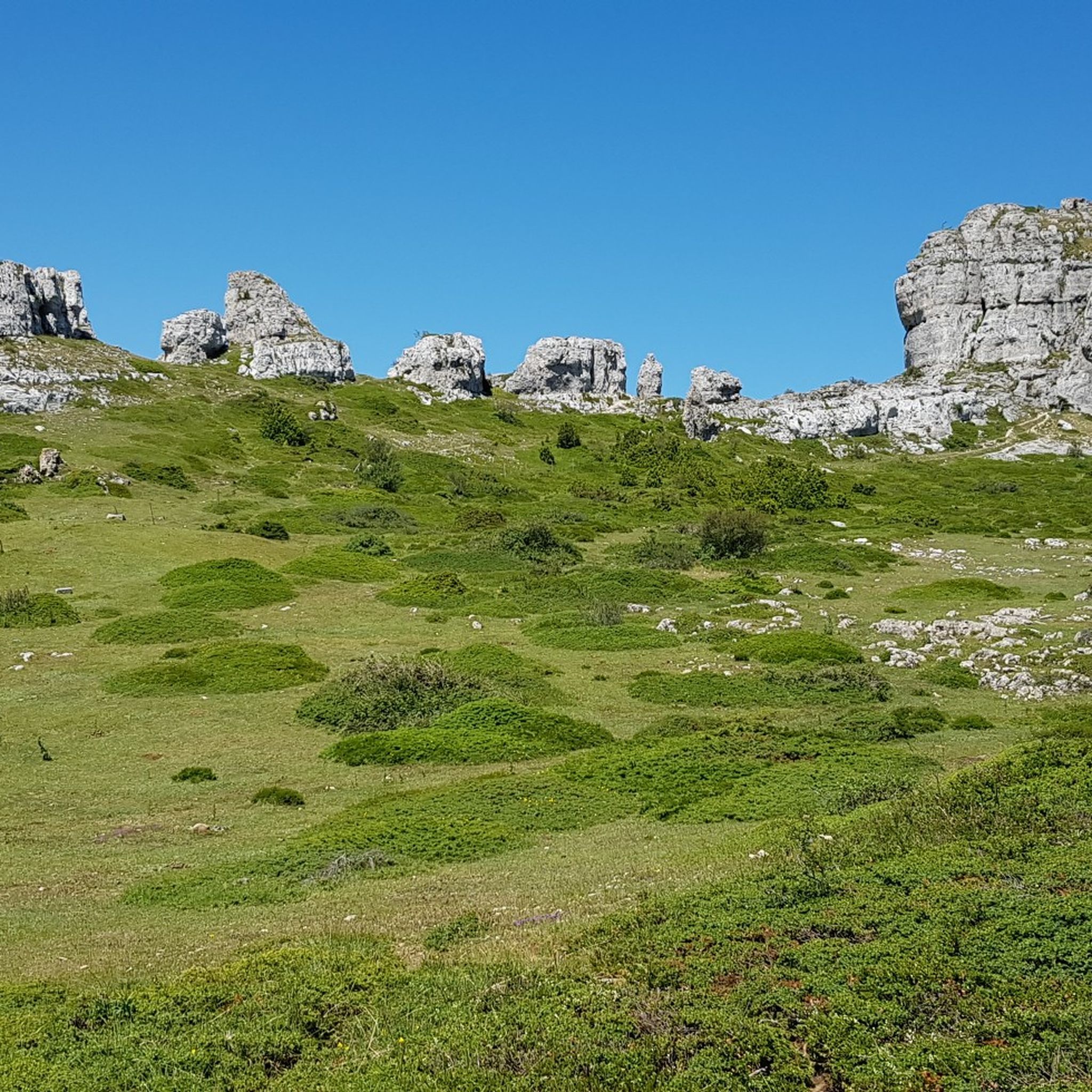
Toloño
Highlight • Summit
Translated by Google •
Tip by

Puerto de Herrera
Highlight • Mountain Pass
Translated by Google •
Tip by

Sign up now to discover places like this
Get recommendations on the best single tracks, peaks, & plenty of other exciting outdoor places.
Sign up for free
Peña la Abeja
Highlight • Summit
Translated by Google •
Tip by
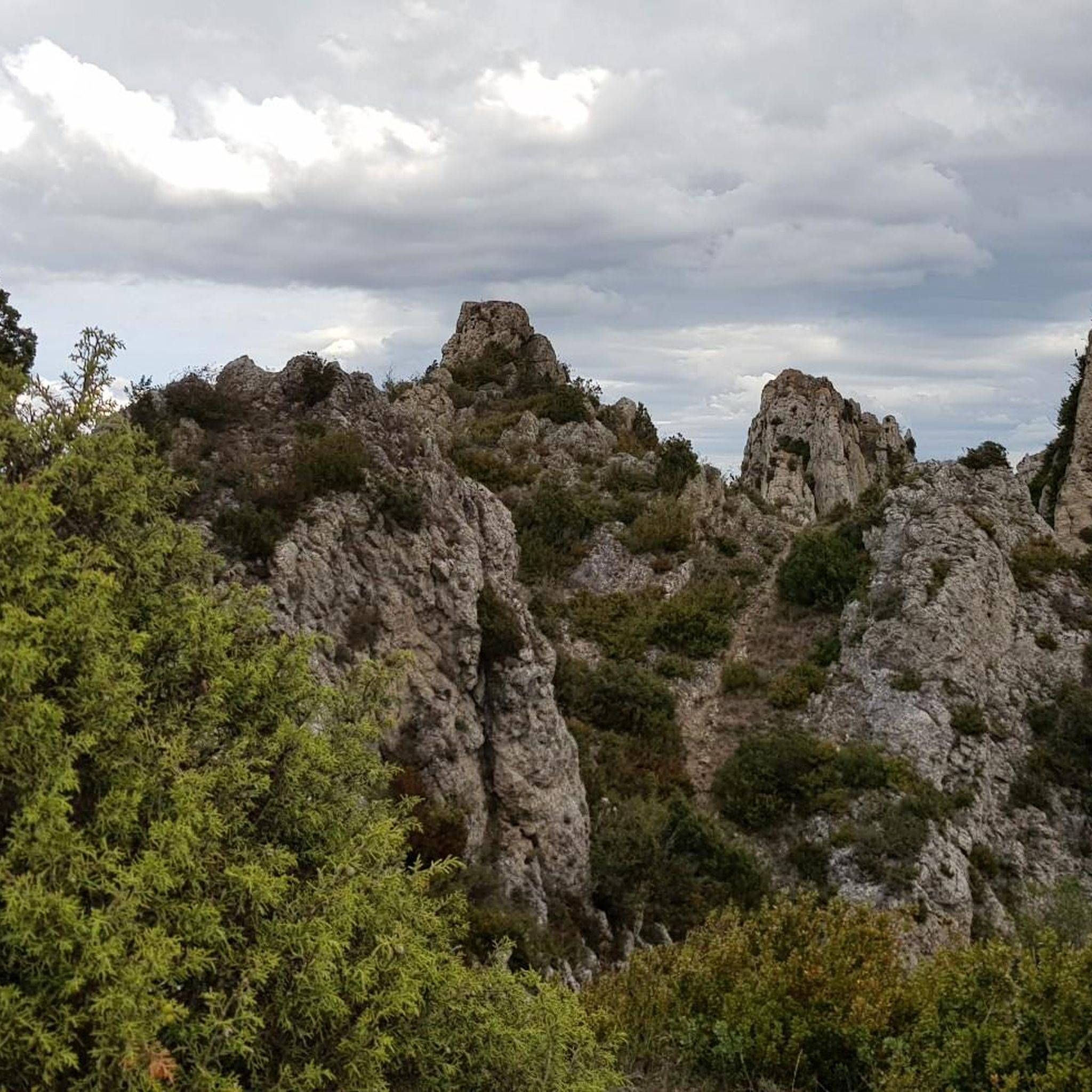
Peñalrayo
Highlight • Summit
Translated by Google •
Tip by
Church of San Pelayo
Highlight • Religious Site
Translated by Google •
Tip by

Sign up for free to discover even more attractions in Obarenes-Sierra De Cantabria.
Sign up for free
Already have an account?
Start today with a free account
Your next adventure awaits.
Login or Signup
Popular around Obarenes-Sierra De Cantabria
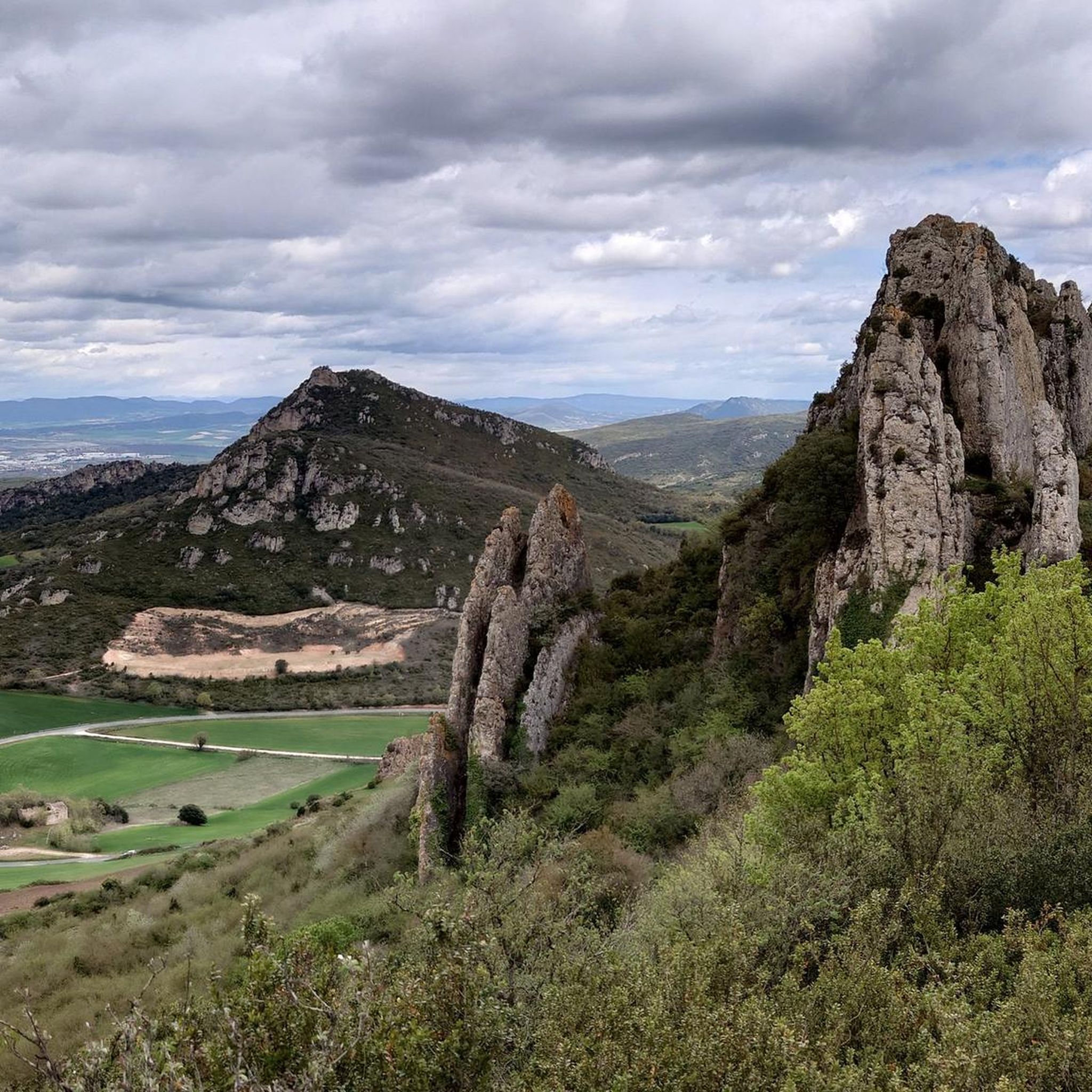
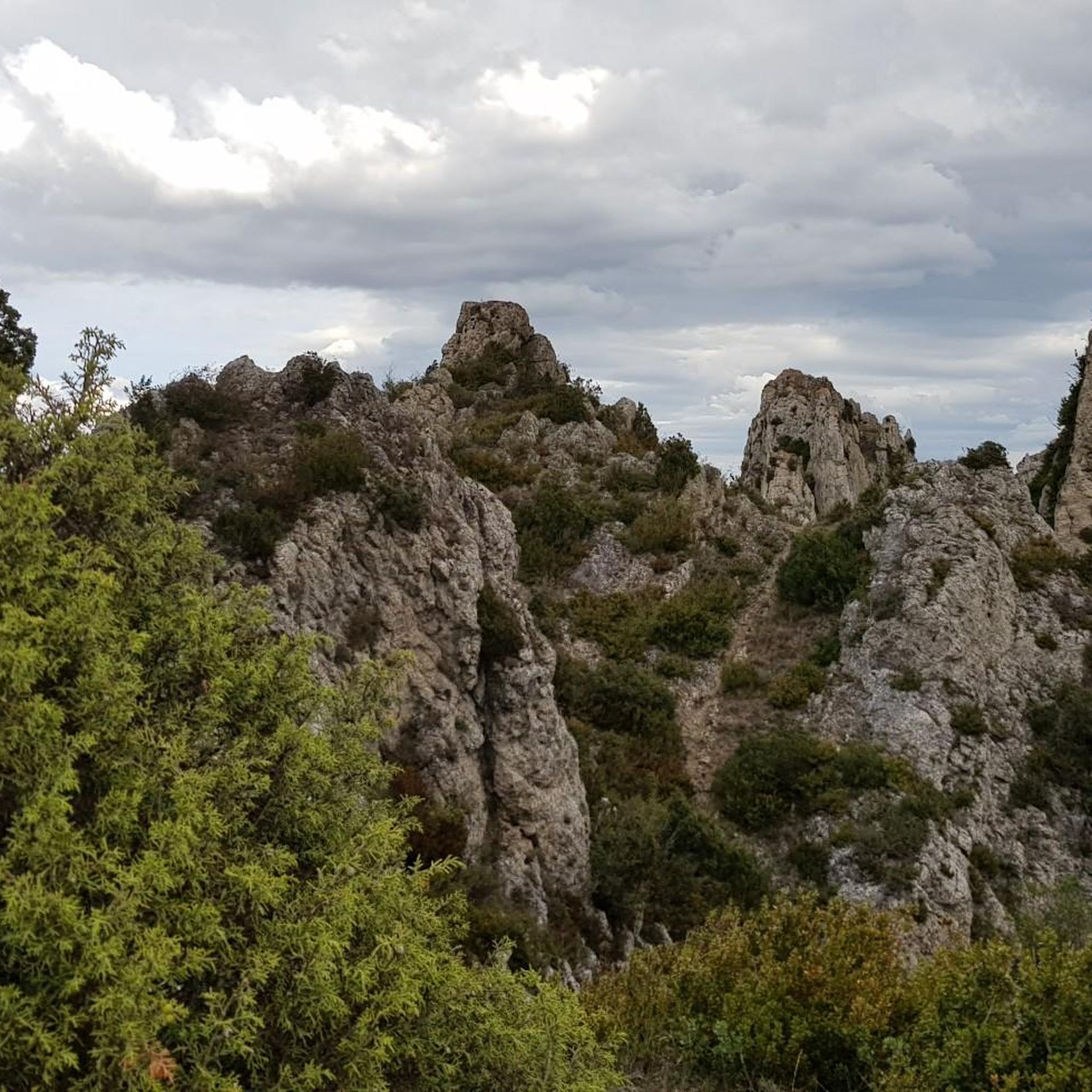
Tips from the Community

One of the toughest, if not the toughest, mountain passes in Álava. Cantabrian Mountains. Natural border with La Rioja.
1
0

A good idea if you have climbed Mount Forte before (or after).
2
0

The route returns along the same path, passes the gate again and continues along the path with the green dots towards the geodesic vertex of Toloño (1,264 m), which is not the main summit, this is a cartographic landmark, the main summit is after a little hill planted in some airy and solitary cliffs. The views jump the meanders of the Ebro and reach the silhouettes of San Lorenzo, San Millán and the rest of the peaks of the Sierra de la Demanda. Moncayo appears further away, claiming some prominence in an unforgettable scene. At the foot of the Toloño, in the first valley hanging from the south face, appear the ruins of the Toloñoko Andra Mari, the ancient Monastery of Santa María del Toloño. And to the right the peaks that remain to complete the mountain journey.
0
0

Clean path to the top. Views of the Monastery of La Herrera. The mailbox is not at the highest point because it does not have views, but a few meters to the East.
0
0

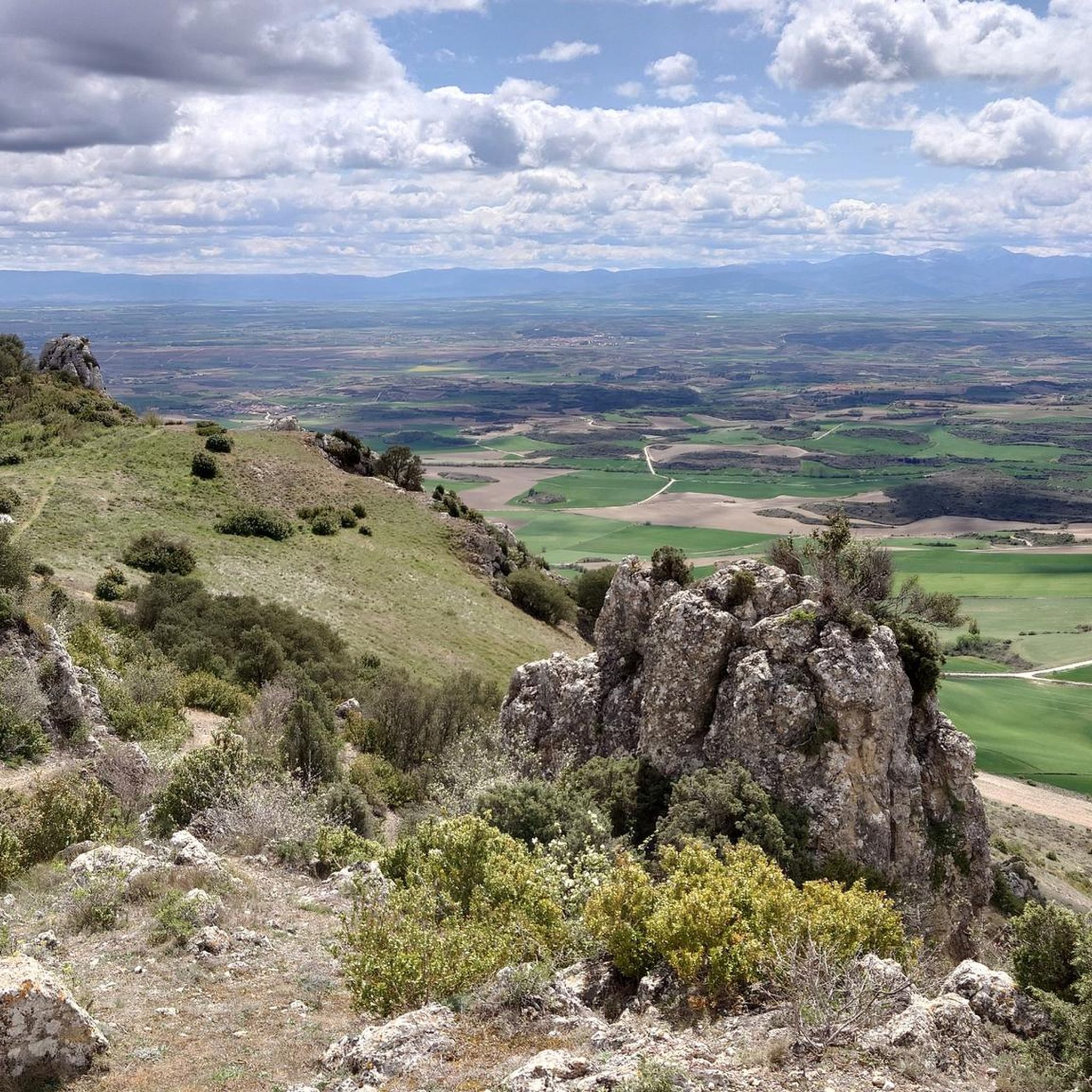
Mountain that is in the old middle of the Montes Obarenses and from where you can see impressive views of the valley where the center of Miranda de Ebro is located.
0
0

The baptismal font is from the 13th century, which coincides with the beginning of the construction of the church, but it was not finished until the 16th century.
5
0

Mythical Alava port bordering between Campezo and Laguardia. The ascent from Peñacerrada is 7.5 kilometers long and has slope peaks greater than 10%. The road is narrow and winding through green forests. Cyclists who enjoy the ascents and the landscape will fulfill their expectations.
1
0
Of imposing bearing, it rises in the middle of the town.
5
0
Frequently Asked Questions
What natural features can I explore in Obarenes-Sierra De Cantabria?
The region is rich in natural beauty, featuring the Montes Obarenes and Sierra de Cantabria-Toloño mountain ranges. You can discover stunning gorges carved by rivers, such as those by the Ebro in Sobrón and La Horadada, or the Oca River near Oña. Notable peaks include Toloño and Pico Humión, offering extensive views. The area is also a haven for birdwatchers, with raptors like golden eagles and griffon vultures nesting in the rocky cliffs.
Are there historical or cultural sites to visit in the region?
Yes, the Obarenes-Sierra De Cantabria region boasts significant historical and cultural landmarks. The town of Oña is home to the exceptional medieval Monastery of San Salvador. Frías, one of Spain's smallest towns, features an imposing castle and a fortified bridge over the Ebro River. You can also find the ruins of the Monastery of Santa María del Toloño at the foot of Toloño.
What kind of outdoor activities are available near these attractions?
The region is ideal for various outdoor activities. You can find numerous marked trails for hiking and cycling through forests, along riverbanks, and to scenic viewpoints. For cyclists, the Puerto de Herrera offers a challenging ascent with winding roads through green forests. There are also many road cycling, gravel biking, and general cycling routes available. For more details on routes, you can explore the Road Cycling Routes, Gravel Biking, and Cycling guides for the area.
What are some of the best viewpoints in Obarenes-Sierra De Cantabria?
Many attractions offer spectacular views. The Toloño (geodetic vertex) is highly recommended for its panoramic vistas. Toloño summit itself provides extensive views, as does Peña la Abeja, from where you can see the valley and Miranda de Ebro. Peñalrayo also offers very good views within the Obarenes mountains.
Is the region suitable for family visits?
The diverse landscape and charming villages make the region suitable for families. While specific family-friendly attractions are not detailed, the numerous hiking and cycling trails cater to various difficulty levels, allowing families to explore nature together. Recreational areas like Foncea-Fuente La Hoz and Haro-El Viano are available for relaxation.
What is the best time of year to visit Obarenes-Sierra De Cantabria?
The region's unique biogeographical value, acting as a transition zone between humid and dry Spain, means it offers varied experiences throughout the year. Spring and autumn generally provide pleasant temperatures for outdoor activities like hiking and cycling, with vibrant flora and fauna. Summer is also popular, especially for exploring the gorges and enjoying the natural park. Winter can offer a different, more serene experience in the mountainous areas.
Can I find challenging cycling routes in the area?
Absolutely. The Puerto de Herrera is renowned as a challenging mountain pass, featuring a narrow, winding road with steep inclines. Cyclists who enjoy demanding ascents and scenic landscapes will find it very rewarding. Many other difficult road cycling and gravel biking routes are also available in the region.
What makes the Montes Obarenes and Sierra de Cantabria-Toloño mountain ranges unique?
These mountain ranges are unique due to their significant biogeographical value. They act as a transition zone between humid and dry Spain, resulting in an exceptional diversity of flora and fauna. This includes forests of holm oaks, beeches, and junipers, alongside a rich variety of birdlife, particularly raptors, making it a prime location for nature observation.
Are there any unique cultural aspects related to wine in the region?
Yes, particularly near La Rioja, the region has a deep connection to wine production. You can discover ancient 'guardaviñas' (stone shelters) and 'lagares rupestres' (rock-cut wineries), which are historical testaments to centuries-old winemaking traditions. The vineyards near Briones in the Ebro valley are a prominent feature of the landscape.
What do visitors enjoy most about the summits in Obarenes-Sierra De Cantabria?
Visitors consistently praise the extensive and unforgettable views from the summits. For example, Toloño is considered an emblematic mountain, offering panoramic vistas that stretch across the Ebro's meanders to distant mountain ranges. The sense of accomplishment and the stunning scenery are frequently highlighted by those who reach these peaks.
Are there any charming villages or towns worth visiting?
Beyond the natural landscapes, the region features charming villages. Frías is particularly notable as one of Spain's smallest and most picturesque towns, with its castle and distinctive hanging houses. Tobera, a village belonging to Frías, is also captivating with its beautiful hermitage and waterfalls.
Most popular routes in Obarenes-Sierra De Cantabria
Most popular attractions in Obarenes-Sierra De Cantabria

Get inspired with the komoot mobile app


Explore more
Still not found the Highlight you’re looking for? See guides of the top attractions in other regions:
