Attractions and Places To See in Redes - Top 20
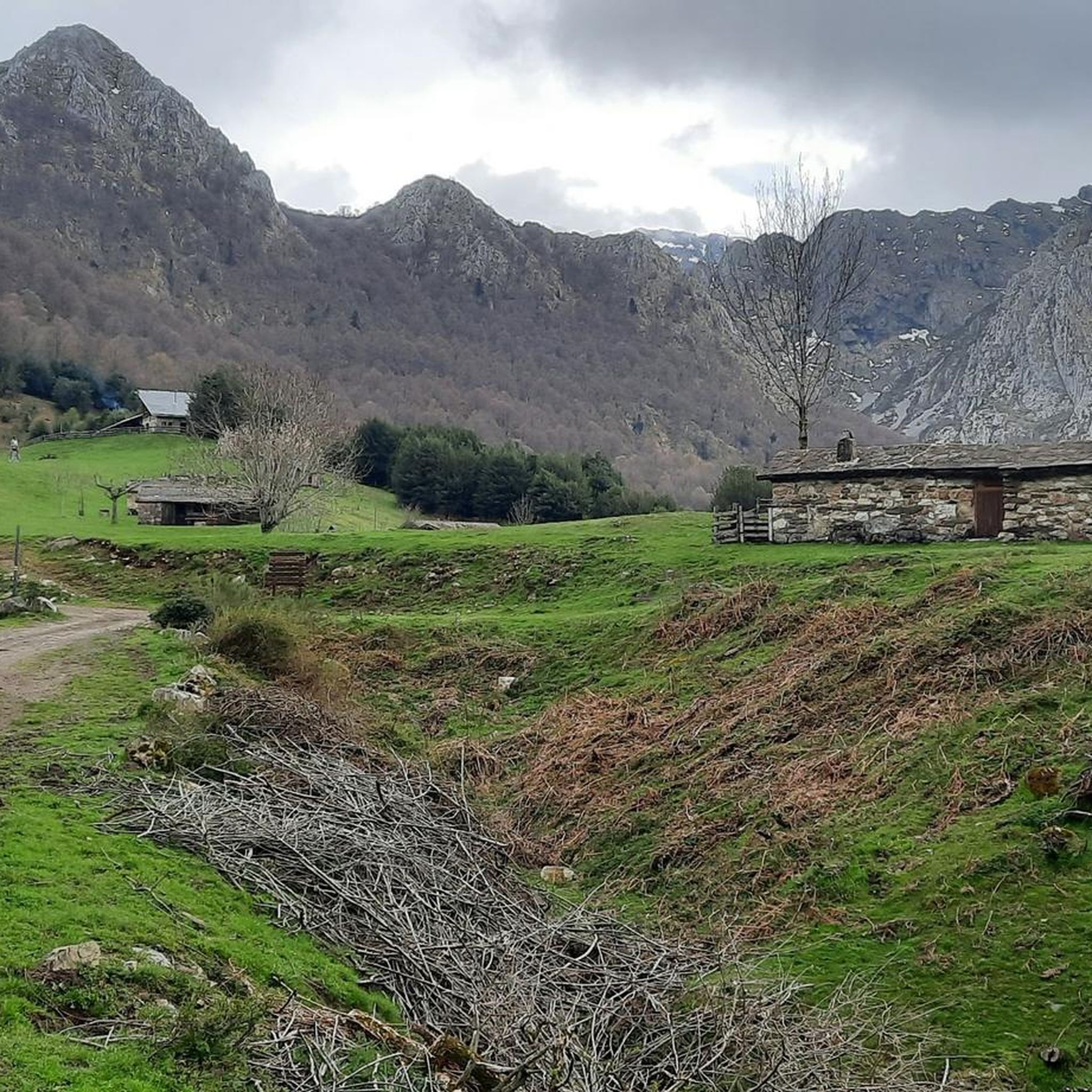
Best attractions and places to see in Redes are found within the Redes Natural Park, a UNESCO Biosphere Reserve in Asturias, Spain. This mountainous region is recognized for its ecological diversity, significant landscapes, and cultural heritage. Visitors can explore extensive forests, deep valleys, and numerous rivers, alongside traditional Asturian villages. The area offers a blend of natural features and ethnographic sites.
Best attractions and places to see in Redes
- The most popular attractions is Arrudos Trail, a trail that…
Last updated: May 1, 2026
Soto de Agues Village
Highlight • Settlement
Translated by Google •
Tip by

Tarna Pass
Highlight • Mountain Pass
Translated by Google •
Tip by

Sign up now to discover places like this
Get recommendations on the best single tracks, peaks, & plenty of other exciting outdoor places.
Sign up for free
Arrudos Trail
Highlight • Trail
Translated by Google •
Tip by

Texu la Oración Viewpoint
Highlight • Viewpoint
Translated by Google •
Tip by
Crestón Tunnel
Highlight • Structure
Translated by Google •
Tip by
Sign up for free to discover even more attractions in Redes.
Sign up for free
Already have an account?
Start today with a free account
Your next adventure awaits.
Login or Signup
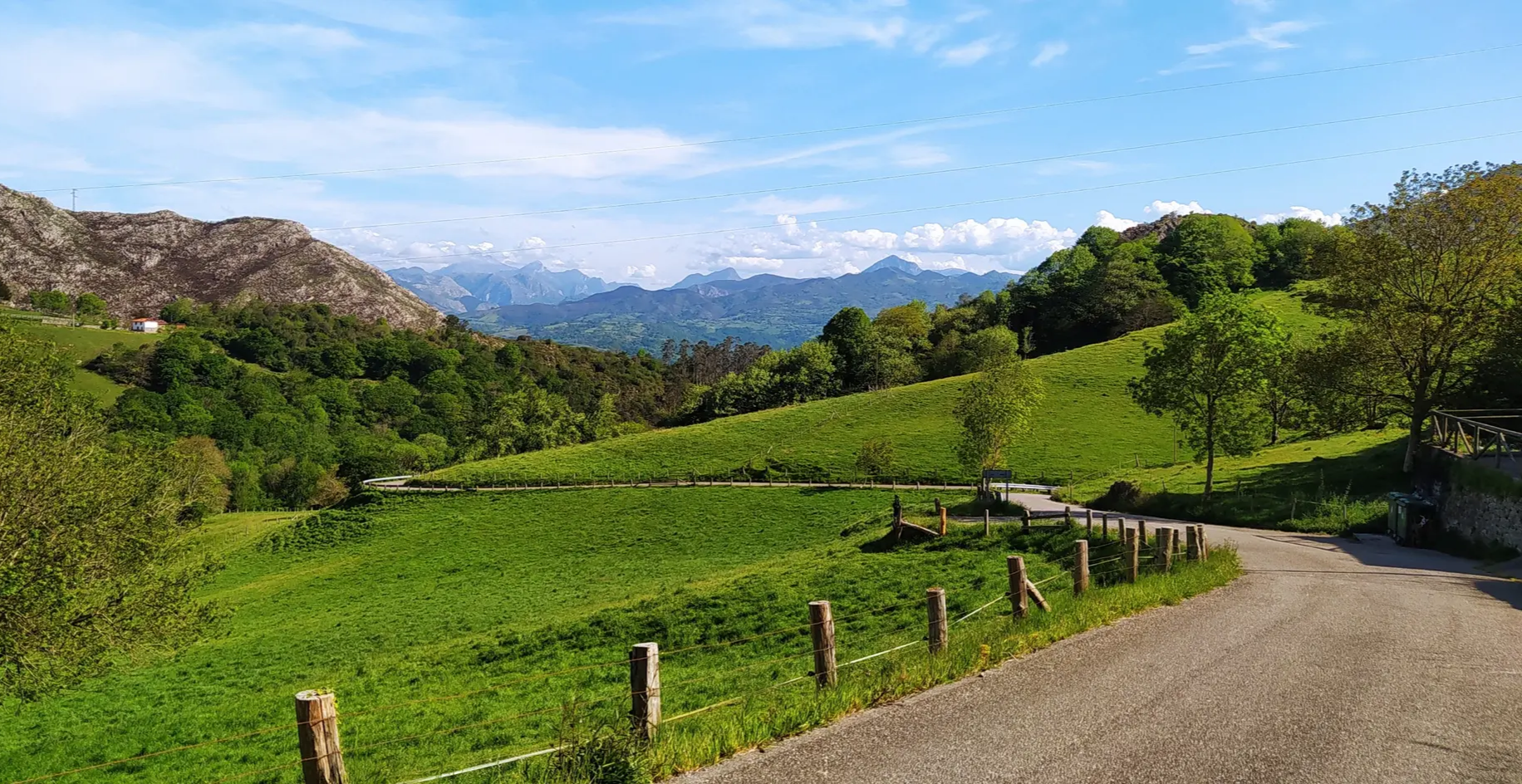
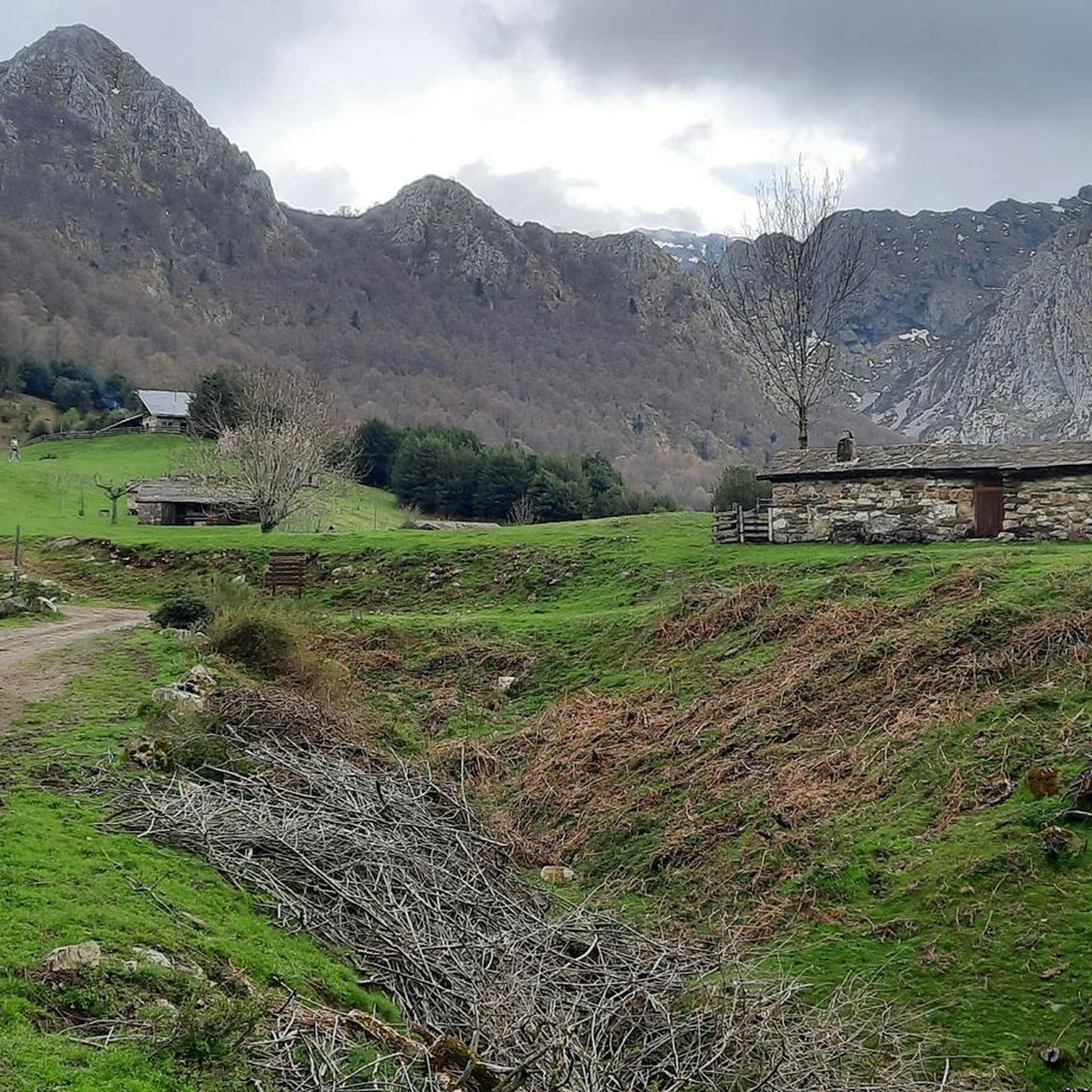
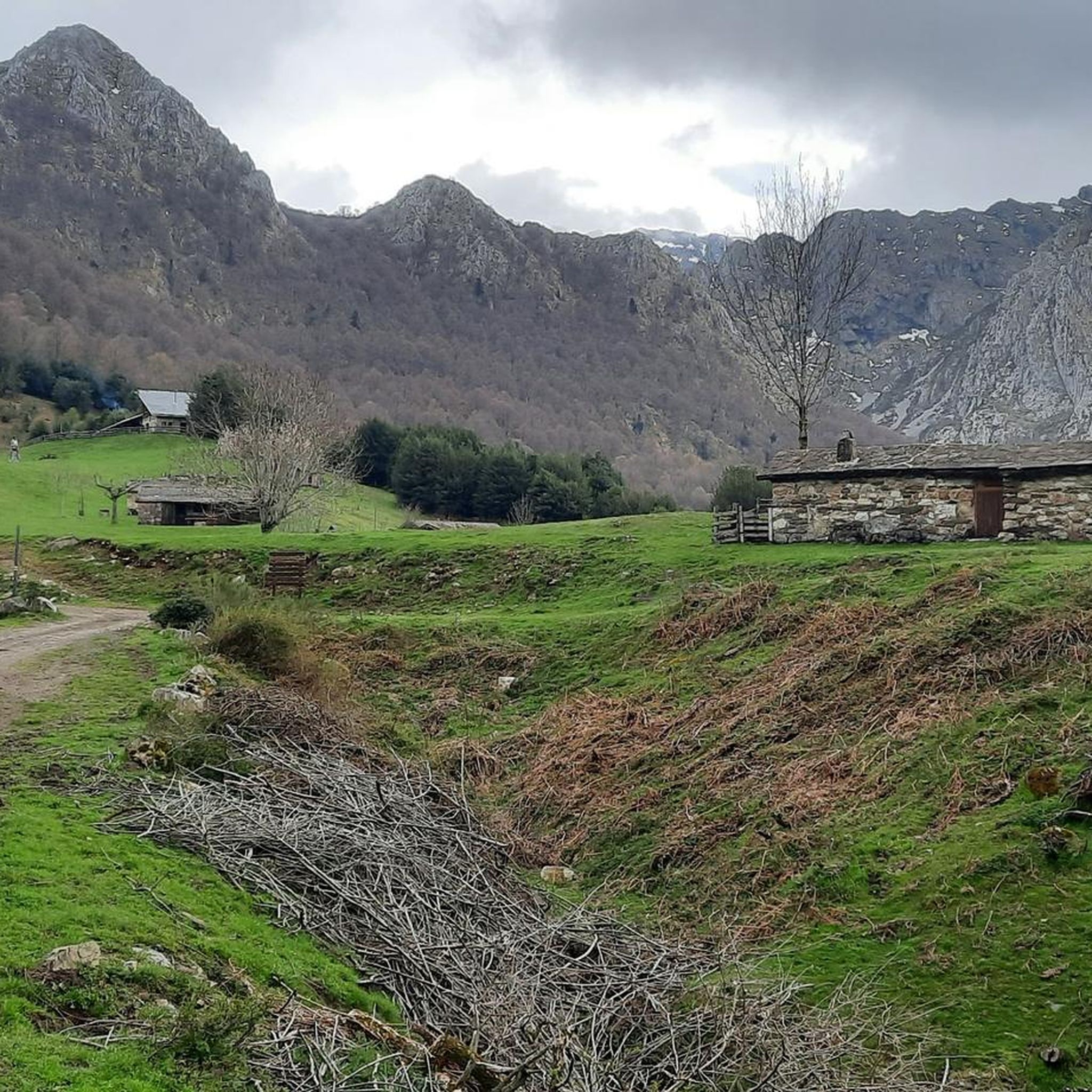
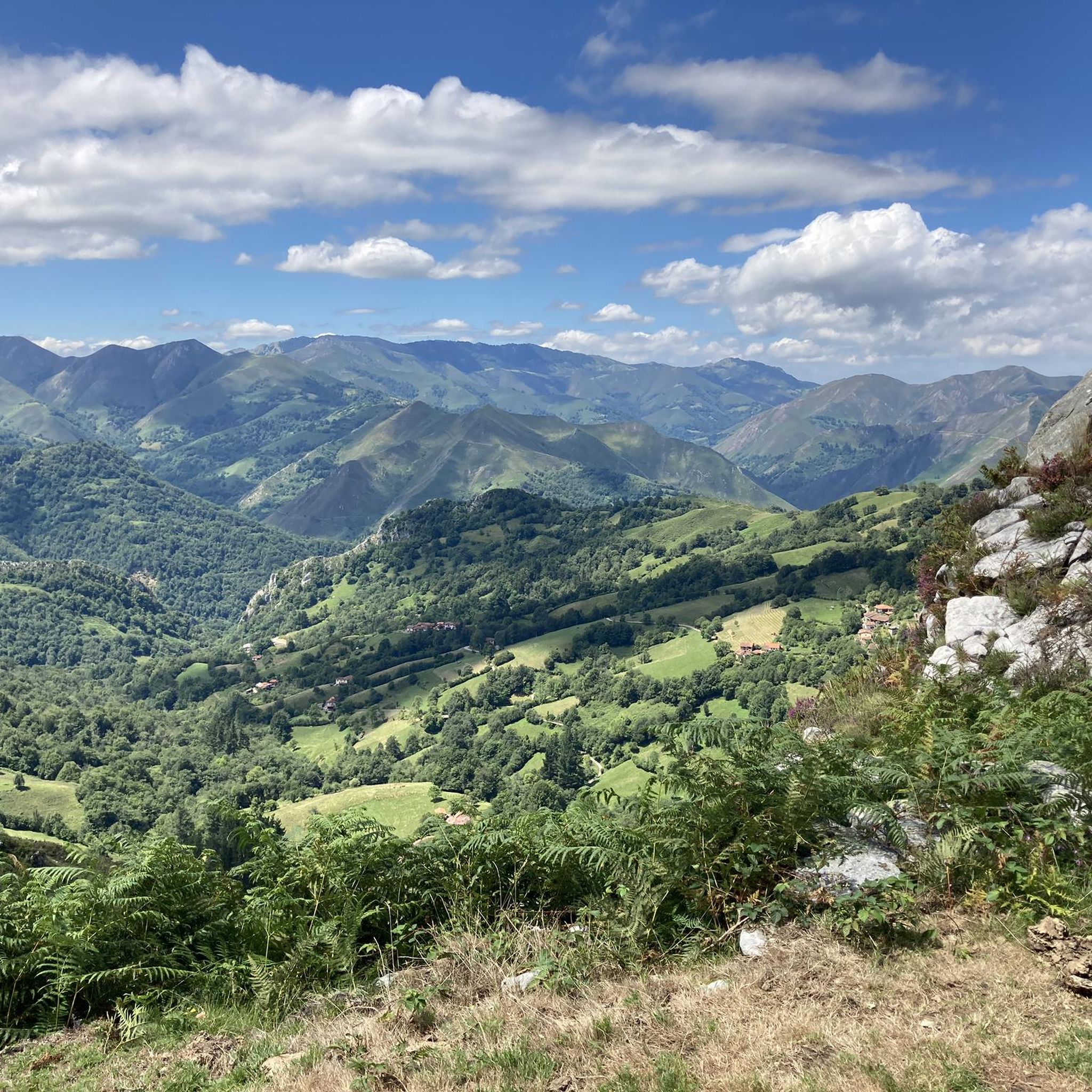

Other adventures in Redes

Tips from the Community

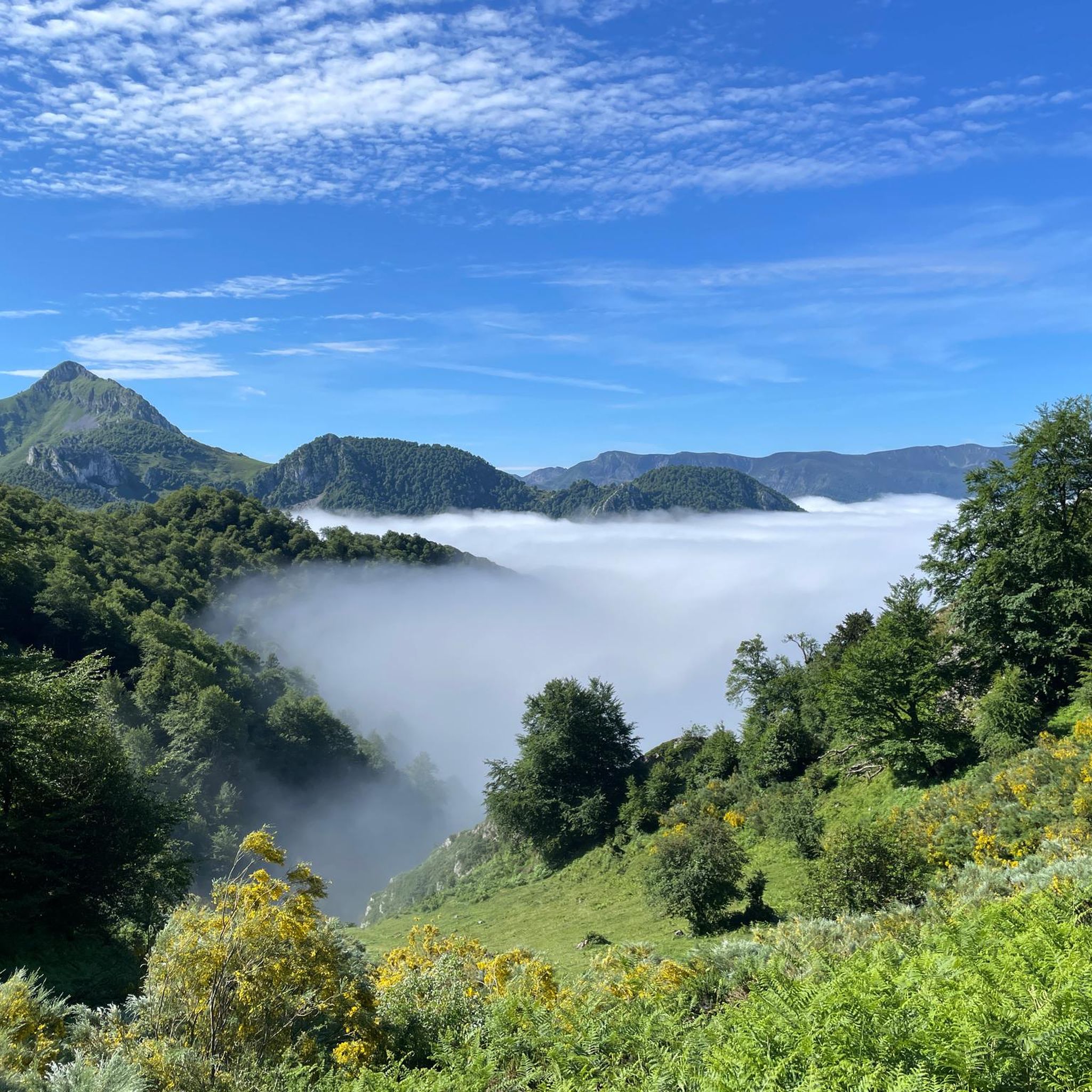
The Tarna Pass seems hidden from tourism and constant traffic. It's located on one of the least-traveled and most beautiful passes between Asturias and León. The scenery at the top is spectacular.
1
0

The Puerto de La Tarna, from Riaño, is a challenging road climb offering steady gradients and spectacular views of the Riaño Mountains. From the summit, you can enjoy panoramic views of the surrounding valleys, reservoirs, and peaks.
0
0

Several routes depart from Soto de Agues, including the typical Ruta del Alba.
0
0

A great, exciting and spectacular landscape.
1
1

The climb is long, fairly steep, with some tough sections. The views are spectacular from both sides.
1
1

Soto de Agues is a town in the council of Sobrescobio, located at 430 m altitude, at the end of one of the branches of the SC-2 road. It is divided into three neighborhoods: San Andrés, Agues and Soto. It preserves good examples of traditional architecture, a church dating from 1805, dedicated to San Andrés, and two hermitages, dedicated to San Antonio and Santa Ana, respectively. It is the starting point of several mountain routes, such as those of the Ruta del Alba (P. R. AS-62) and Cullargayos (P. R. AS-63).
11
0

From Soto de Argues you can start several mountain routes. The best known is perhaps the dawn route. A route that runs along paths that are comfortable to walk.
1
0

Different routes of different levels
1
0
Frequently Asked Questions
What are some recommended hiking trails in Redes Natural Park?
Redes Natural Park offers a variety of hiking experiences. The Arrudos Trail is a very impressive and colorful route through a gorge, traversing beautiful beech forests. Another popular option is the Ruta del Alba, an easy-to-moderate trail following the Alba River, known for its waterfalls and lush scenery. For a challenging trek, consider the Cabeza de Arco Trail or the Ruta del Cuyargayos. You can find more detailed hiking routes, including the Tabayón de Mongallu Route, on the Hiking in Redes guide.
Are there any family-friendly attractions or activities in Redes?
Yes, Redes offers several family-friendly options. The Ruta del Alba is suitable for all ages, featuring waterfalls and pools. The village of Soto de Agues, a starting point for the Ruta del Alba, is also considered family-friendly and offers a glimpse into traditional Asturian architecture. Exploring the Redes Natural Park Interpretation Centre in Campo de Caso can also be an engaging activity for families, providing insights into the park's ecology.
What natural landmarks should I visit in Redes Natural Park?
The park is rich in natural beauty. Don't miss the Tabayón del Mongallu, a stunning waterfall over 60 meters high. Lake Ubales offers unforgettable landscapes and impressive views of the surrounding mountains, including the Picos de Europa. The Brañagallones meadow, known for its large beech forests, is excellent for observing local flora and fauna. For panoramic views, head to Texu la Oración Viewpoint.
What cultural or historical sites can be found in Redes?
Redes is home to a rich ethnographic heritage. Explore traditional Asturian villages like Soto de Agues, Villamoréi, Llaiñes/Ladines, and Campiellos, which showcase traditional architecture, hórreos (granaries), and old mills. The Casa del Pandu in Campo de Caso is a 16th-century historical house. You can also find remains of an ancient Roman road in Rioseco, hinting at the region's long history.
What is the best time of year to visit Redes Natural Park?
The best time to visit Redes Natural Park largely depends on your preferred activities. Spring and autumn offer pleasant temperatures for hiking and vibrant landscapes, with autumn being particularly stunning due to the changing colors of the extensive beech and oak forests. Summer is ideal for enjoying the rivers and streams, while winter provides opportunities for snow activities, though some higher routes may be less accessible.
Can I spot wildlife in Redes Natural Park?
Yes, Redes Natural Park is a UNESCO Biosphere Reserve known for its diverse fauna. The extensive forests, particularly the beech forests of Brañagallones, are excellent for wildlife observation. The park is home to protected mammals such as the brown bear and wolf, and numerous bird species, including the capercaillie, which gave Brañagallones its name.
Are there any challenging treks in Redes Natural Park?
For those seeking a challenge, Redes offers several demanding routes. The Cabeza de Arco Trail and the Ruta del Cuyargayos are both rated as difficult hikes. The Tarna Pass also presents a long and steep climb with tough sections, rewarding hikers with spectacular views from the top. The Crestón Tunnel area, part of a longer route, features impressive vertical precipices.
What kind of cycling routes are available in Redes?
Redes offers various cycling opportunities, from road cycling to gravel biking. You can find challenging routes like the Collada de Arnicio Loop or the Alto de La Colladona loop for touring bicycles. For gravel biking, routes like the Texu la Oración Viewpoint – Crestón Tunnel loop from Bezanes provide an adventurous experience. Explore more options on the Cycling in Redes guide and the Gravel biking in Redes guide.
What makes the <a href="https://www.komoot.com/highlight/7031801" target="_blank" rel="noopener">Tarna Pass</a> a notable attraction?
The Tarna Pass is a significant mountain pass located on one of the most beautiful and least-traveled routes between Asturias and León. It's highly regarded for its spectacular scenery at the top, offering expansive views of the surrounding mountainous landscape. It also marks the source of the Nalón River, one of Asturias' major rivers.
Where can I learn more about the Redes Natural Park's ecology and heritage?
The Redes Natural Park Interpretation Centre, located in Campo de Caso (El Campu), is the best place to learn about the park's ecological diversity, stunning landscapes, and cultural significance. It provides visitors with comprehensive information and details about various short-distance trails within the park.
What is the significance of the <a href="https://www.komoot.com/highlight/1746060" target="_blank" rel="noopener">Crestón Tunnel</a>?
The Crestón Tunnel is a unique man-made feature carved by hand, historically used for livestock. Today, it's a highlight along certain routes, offering a spectacular experience with impressive vertical precipices. It's considered one of the most striking areas within the Redes Natural Park.
What are the main geographical features of Redes Natural Park?
Redes Natural Park is characterized by its rugged mountainous terrain, featuring prominent peaks like Pico Torres (2,104 meters) and Peña del Viento (2,000 meters). The landscape includes deep valleys, gorges such as the Desfiladero de los Arrudos, and numerous rivers, streams, and waterfalls. The Nalón River also begins its journey within the park at the Port of Tarna.
Most popular routes in Redes
Most popular attractions in Redes

Get inspired with the komoot mobile app


Explore more
Still not found the Highlight you’re looking for? See guides of the top attractions in other regions:
