Attractions and Places To See in Serra Do Xistral - Top 6
Best attractions and places to see in Serra Do Xistral include a diverse range of natural and cultural sites within this mountainous region of Lugo, Galicia. Known for its rugged landscapes, unique ecosystems, and rich heritage, Serra Do Xistral forms part of the Natura 2000 network and the Terras do Miño Biosphere Reserve. Visitors can explore significant mountain peaks, impressive waterfalls, and ancient historical monuments. The area is characterized by its extensive blanket bogs and free-roaming wild horses, offering a distinctive natural environment.
Best attractions and places to see in Serra Do Xistral
- The most popular attractions is Monseivane Summit, a summit that offers gigantic views of the surrounding landscape. Its peak reaches 929 meters, providing expansive vistas and trails suitable for hiking and cycling.
- Another must-see spot is Tronceda River Waterfalls, a waterfall and natural monument. This adventure area features multiple trails along the river, with impressive waterfalls where water erodes rocks, forming rapids and giant pools.
- Visitors also love Pico O Cadramón, a mountain peak and natural monument. As the highest peak in Serra Do Xistral at 1056 meters, it offers extensive views and is part of the Xistral massif nature reserve.
- Serra Do Xistral is known for its mountain peaks, waterfalls, and ancient cultural sites. The region offers a variety of attractions to see and explore, from natural wonders to historical monuments.
- The attractions in Serra Do Xistral are appreciated by the komoot community, with 3 upvotes and 3 photos shared across 5 highlights.
Last updated: June 2, 2026
Monseivane Summit
Highlight • Summit
Translated by Google •
Tip by

Tronceda River Waterfalls
Highlight • Waterfall
Translated by Google •
Tip by

Sign up now to discover places like this
Get recommendations on the best single tracks, peaks, & plenty of other exciting outdoor places.
Sign up for free
Tronceda River Waterfalls
Highlight (Segment) • Waterfall
Translated by Google •
Tip by
Río Ouro and Escouridal Waterfall
Highlight (Segment) • Waterfall
Translated by Google •
Tip by
Pico O Cadramón
Highlight • Summit
Translated by Google •
Tip by
Start today with a free account
Your next adventure awaits.
Login or Signup
Tips from the Community

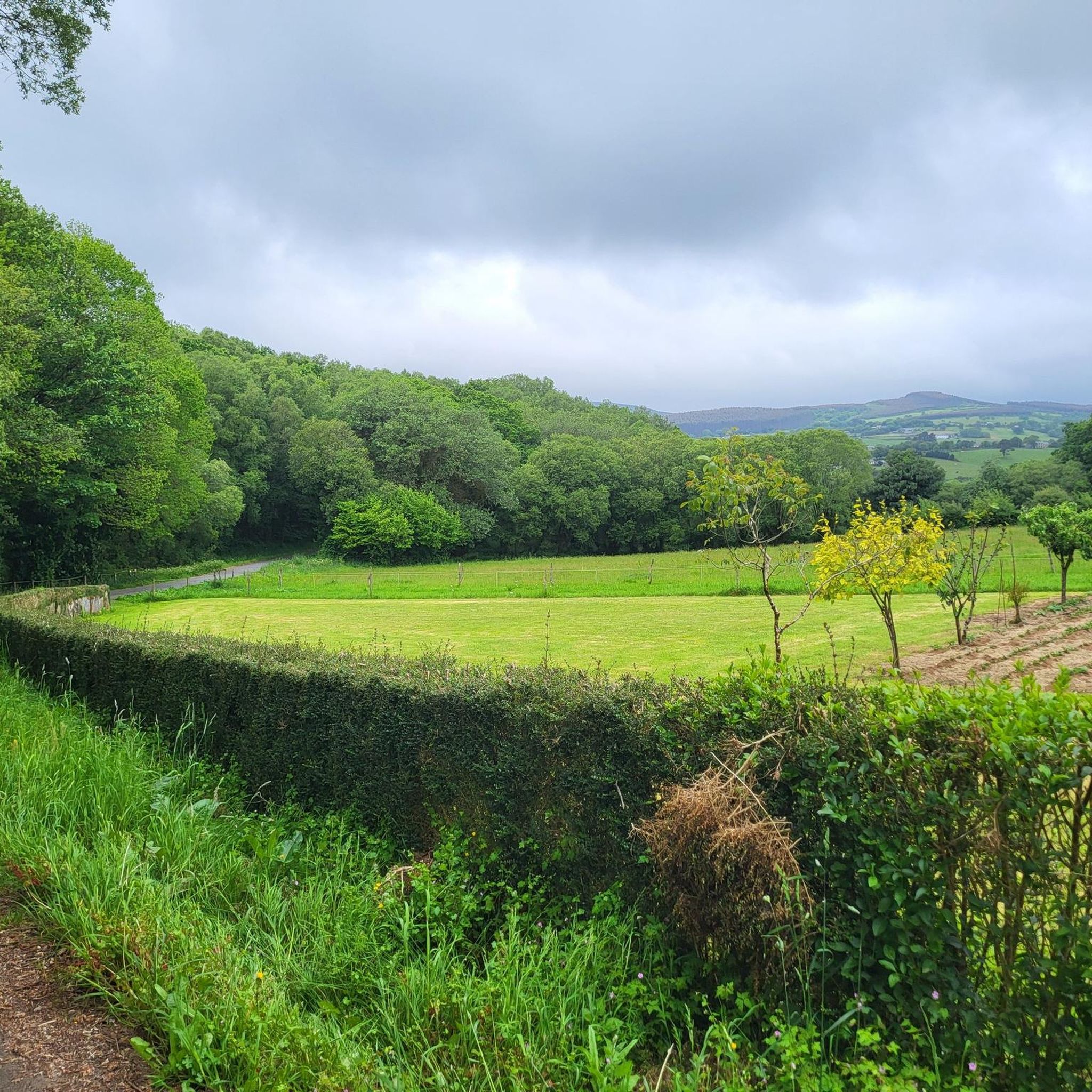
Natural recreational space with multiple trails for activities along the Tronceda River. Don't forget to see the waterfall and the water channel.
2
0
The Rio Ouro nature reserve is part of the Natura 2000 network. It starts at about 800 m on the eastern slope of the Sierra do Xistral and flows into the Atlantic at Foz. The Escouridal waterfall, not far from the LU-P6306 where the Guilfonso river rushes against the granite rock from a height of 80 m, is worth seeing if you have time.
3
0

Incredible waterfalls where the water falls with enough force to erode the rocks, forming rapids and waterfalls that fall into the giant pools of the Tronceda River. The waterfalls of the Tronceda river, which rises in the Serra do Xistral, have a recreation area and the remains of the old hydroelectric power station in its surroundings.
2
1
Adventure area with many trails along the river. Points of interest such as the aquadact and the waterfalls of the Tronceda River
1
0
Mountain peak part of the Xistral massif nature reserve at 1056m above sea level the massif is now connected to the wind power grid
1
0


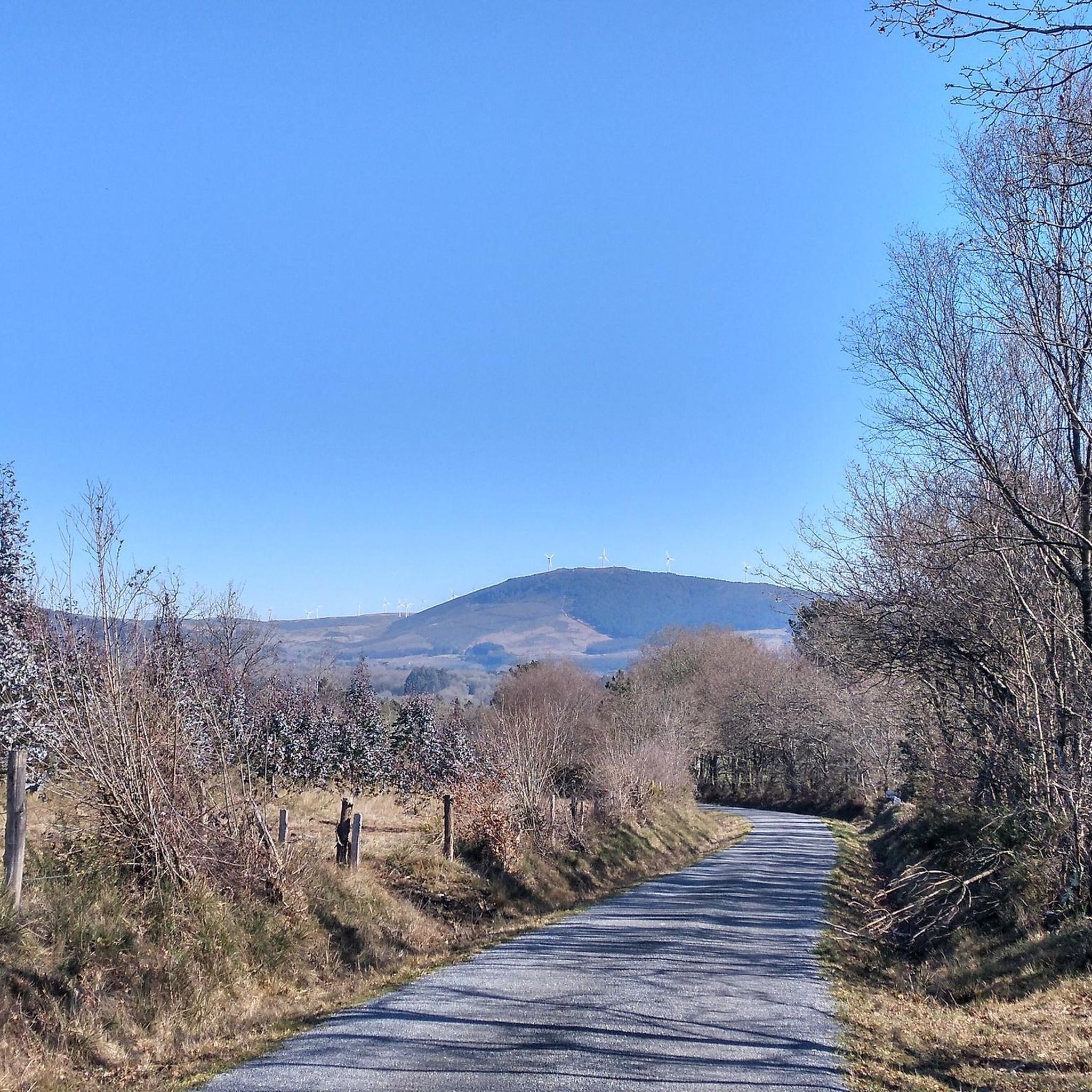
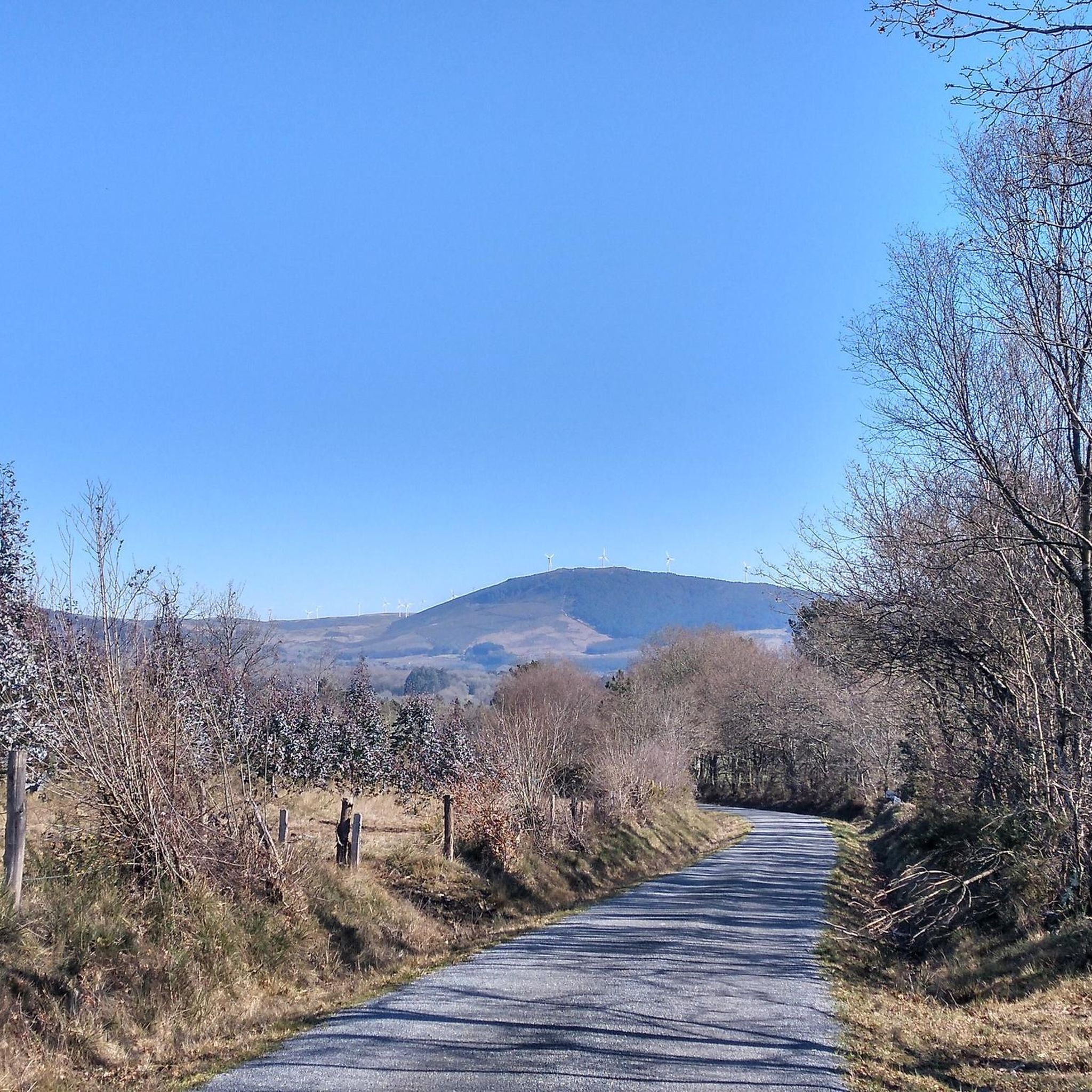
The Monseivane is 929M. The view here is gigantic! An infinite number of animals, such as Cows, game and wild horses. The paths are really nice for biking or hiking.
3
0
Frequently Asked Questions
What are the main natural features to explore in Serra Do Xistral?
Serra Do Xistral is rich in natural beauty. You can explore prominent peaks like Pico O Cadramón, the highest point, and Monseivane Summit, both offering expansive views. The region is also known for its unique blanket bogs (peatlands), which are crucial habitats, and impressive waterfalls such as the Tronceda River Waterfalls and the 80-meter high Escouridal Waterfall.
Are there any significant cultural or historical sites in Serra Do Xistral?
Yes, Serra Do Xistral offers several sites of historical and cultural interest. You can visit the Chapel of Santa Filomena do Cadramón, a site with deep traditions. Other notable ancient sites include the Dolmen de Santo Tomé, a megalithic monument, and the Círculo Lítico do Prado das Chantas, a large stone circle believed to be a Celtic ceremonial ground. The Pena Abaladoira, a balancing granite rock, also holds historical significance as a place of worship.
Where can I find impressive waterfalls in Serra Do Xistral?
The region is home to several striking waterfalls. The Tronceda River Waterfalls are a natural recreational area with multiple trails and impressive cascades. The Escouridal Waterfall, located near the LU-P6306, is an 80-meter high spectacle on the Guilfonso River, particularly powerful after rainfall. You can also find Pozo da Onza and Fervenza do río Xestosa, which features multiple drops amidst lush vegetation.
What kind of wildlife can I expect to see in Serra Do Xistral?
Serra Do Xistral is known for its rich biodiversity. A frequent and iconic sight in the sierra is the herds of wild horses, known as 'bestas,' roaming freely across the peatlands and pastures. The region also supports a significant population of wolves and other wildlife, thriving in its distinctive environment shaped by fog, wind, and abundant rainfall.
Are there good hiking opportunities in Serra Do Xistral?
Serra Do Xistral is an ideal destination for hiking, with numerous trails to explore its hidden gems. You can find routes that lead to panoramic viewpoints like Monseivane Summit and Pico O Cadramón. For more detailed hiking options, including routes like the Mondoñedo Water Route or trails around the Escouridal Waterfall, you can explore the Hiking in Serra Do Xistral guide.
What are the best viewpoints for panoramic scenery in Serra Do Xistral?
For breathtaking panoramic views, consider visiting Monseivane Summit and Pico O Cadramón, both offering expansive vistas of the surrounding landscape. Additionally, Pena Montol is a natural granite viewpoint at 794 meters altitude, providing panoramic views of a large part of Serra Do Xistral, the Fraga de As Veigas, and the Masma River valley.
Are there any family-friendly activities or trails in Serra Do Xistral?
While specific 'family-friendly' tags are not prominent, the natural recreational area around the Tronceda River Waterfalls features multiple trails that can be suitable for families, depending on the chosen path's difficulty. Exploring the peatlands to spot wild horses can also be an engaging activity for children. Always check route details for distance and elevation to ensure suitability for all family members.
What is the best time of year to visit Serra Do Xistral?
Serra Do Xistral experiences a unique climate characterized by fog, wind, and abundant rainfall. While beautiful year-round, visiting during late spring, summer, or early autumn generally offers more predictable weather for outdoor activities like hiking and cycling. After rainfall, the waterfalls are particularly impressive. Be prepared for changing weather conditions regardless of the season.
Are there specific trails for mountain biking in Serra Do Xistral?
Yes, Serra Do Xistral is also suitable for mountain biking. Peaks like Monseivane Summit have trails that are enjoyable for cycling. For dedicated mountain biking routes, you can refer to the MTB Trails in Serra Do Xistral guide, which includes routes like the Mondoñedo and O Cadramón Peak Loop.
Can I find easy hiking trails suitable for beginners in Serra Do Xistral?
While many trails in Serra Do Xistral can be intermediate or difficult due to the mountainous terrain, there are options for beginners. For example, some sections around the Tronceda River Waterfalls recreational area might offer easier paths. The Waterfall hikes in Serra Do Xistral guide lists routes like the Pozo da Ferida Waterfall loop, which includes easy-rated options.
What makes the peatlands of Serra Do Xistral unique?
The peatlands, specifically the extensive blanket bogs, are a unique and defining feature of Serra Do Xistral. They constitute a habitat of community interest in Spain and are exclusive to Galicia. These peatlands are vital for biodiversity, supporting unique plant species and acting as significant carbon reservoirs, making them an ecologically important part of the region.
Are there opportunities for wild swimming near the attractions?
The Tronceda River Waterfalls area features impressive waterfalls where water erodes rocks, forming rapids and giant pools. While not explicitly designated for swimming, these natural pools might offer opportunities for a refreshing dip, especially during warmer months. Always exercise caution and assess water conditions before entering.
What should I wear when hiking in Serra Do Xistral?
Given the region's climate, which is characterized by fog, wind, and abundant rainfall, it's advisable to dress in layers. Waterproof and windproof outer layers are essential. Sturdy hiking boots with good grip are recommended for the rugged terrain. Even in warmer months, be prepared for sudden changes in weather, and carry extra layers and rain gear.
Most popular routes in Serra Do Xistral

Get inspired with the komoot mobile app


Explore more
Still not found the Highlight you’re looking for? See guides of the top attractions in other regions:
