The best mountain hikes in Parque Nacional En Liébana
4.9
(11)
120
hikers
16
hikes
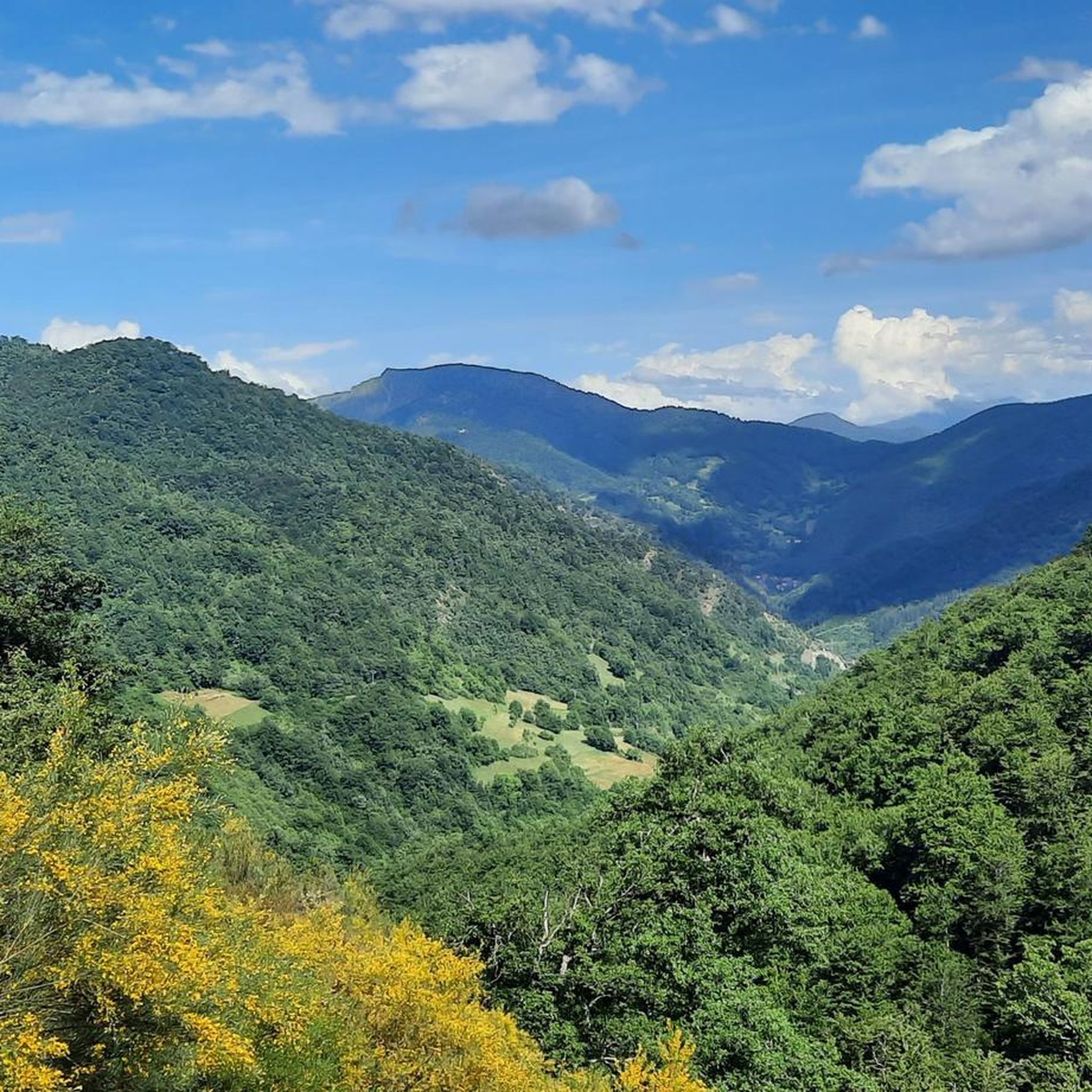
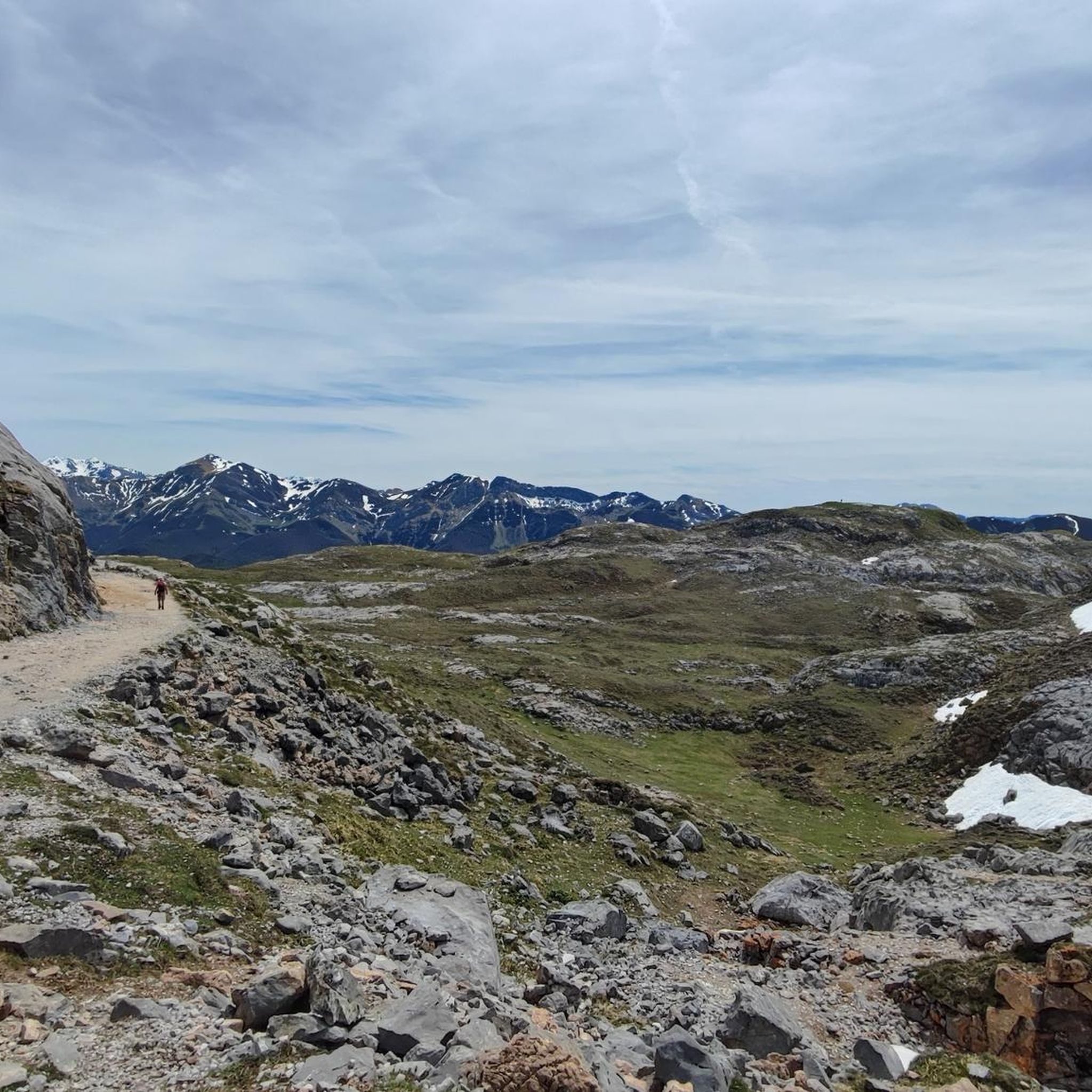
Mountaineering in Parque Nacional En Liébana offers a diverse landscape characterized by the dramatic peaks of the Picos de Europa, part of the larger Cantabrian Mountains. The region features towering limestone formations, deep gorges like La Hermida, and lush valleys that transition into high mountain pastures. This varied terrain provides a rich environment for exploration, with three distinct massifs offering numerous challenging ascents.
Best mountaineering routes in Parque Nacional En Liébana
- The most popular mountaineering route is Viewpoint – Horcados…
Last updated: June 4, 2026
4.5
(2)
5
hikers
11.8km
06:24
1,020m
1,020m
Hard mountaineering route. Very good fitness required. Sure-footedness, sturdy shoes and alpine experience required.
5
hikers
13.5km
07:32
1,220m
1,220m
Hard mountaineering route. Very good fitness required. Sure-footedness, sturdy shoes and alpine experience required.

Sign up for free
5.0
(1)
5
hikers
11.4km
03:46
540m
550m
Moderate mountaineering route. Good fitness required. Easily-accessible paths. Suitable for all skill levels.
5.0
(1)
4
hikers
7.77km
04:35
820m
810m
Hard mountaineering route. Good fitness required. Sure-footedness, sturdy shoes and alpine experience required.
9
hikers
8.94km
03:11
520m
530m
Moderate mountaineering route. Good fitness required. Easily-accessible paths. Suitable for all skill levels.
Get access to more routes and recommendations from other explorers.
Sign up for free
Already have an account?
Our route recommendations are based on thousands of hikes, rides, and runs completed by other people on komoot.
Start today with a free account
Your next adventure awaits.
Login or Signup
Popular around Parque Nacional En Liébana
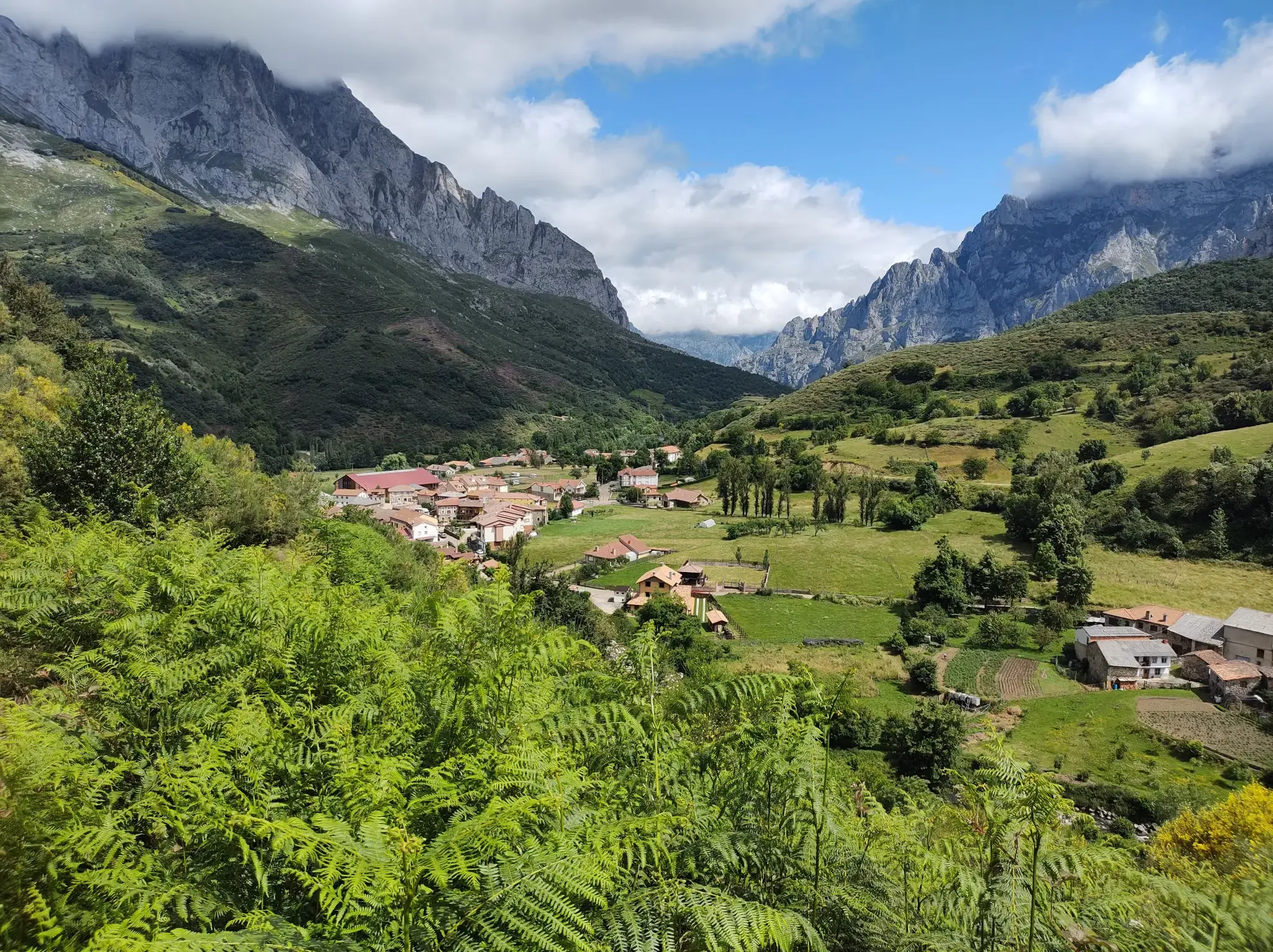
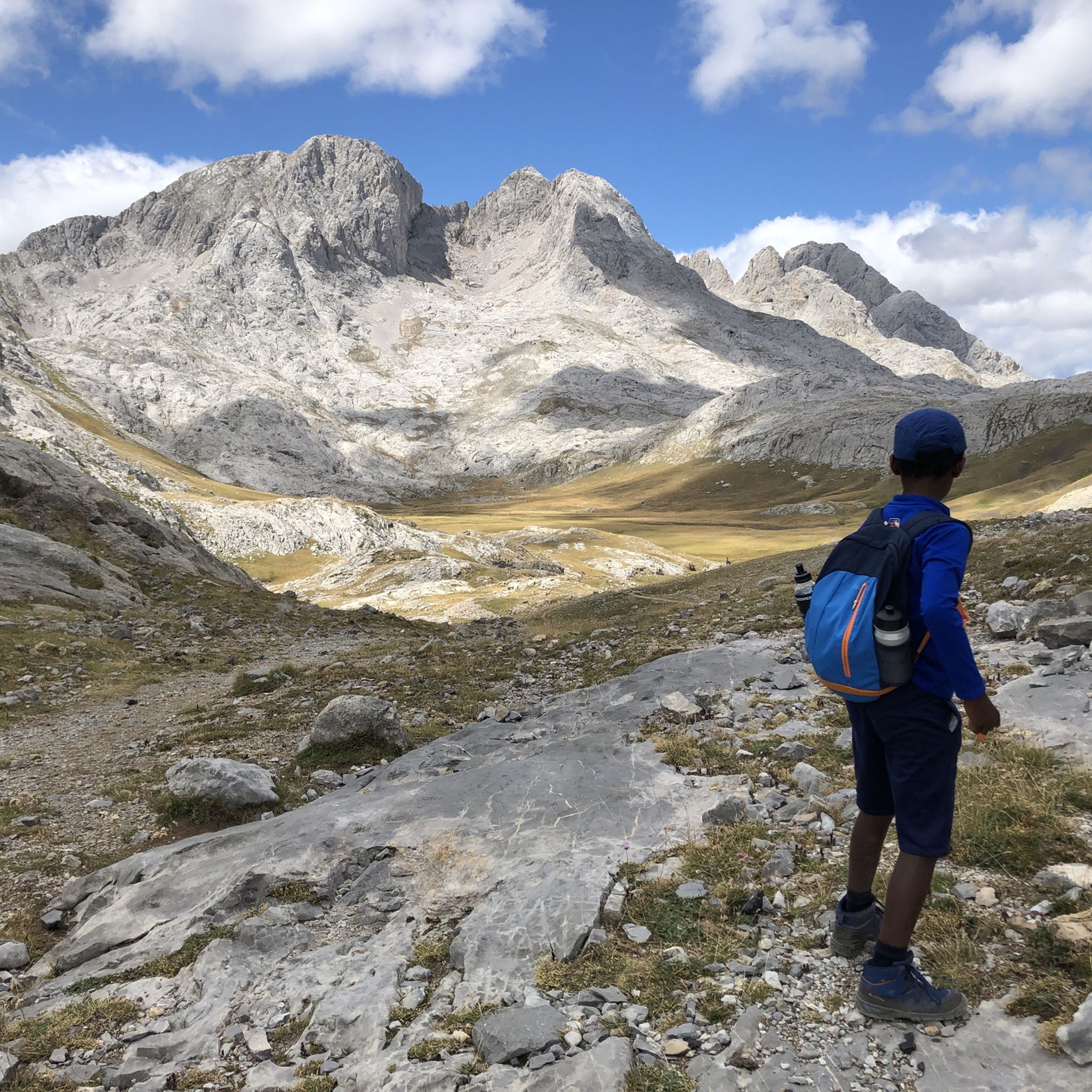
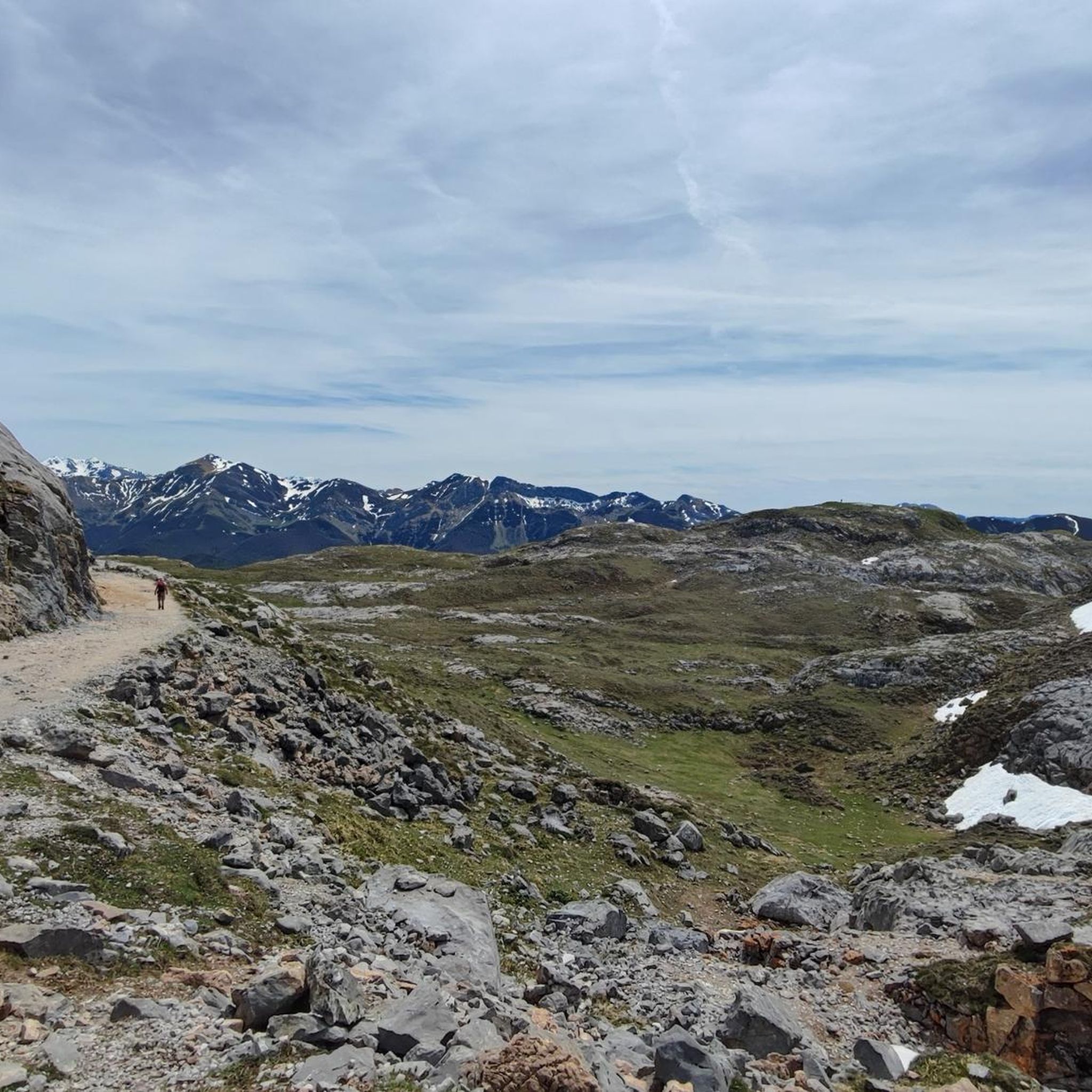
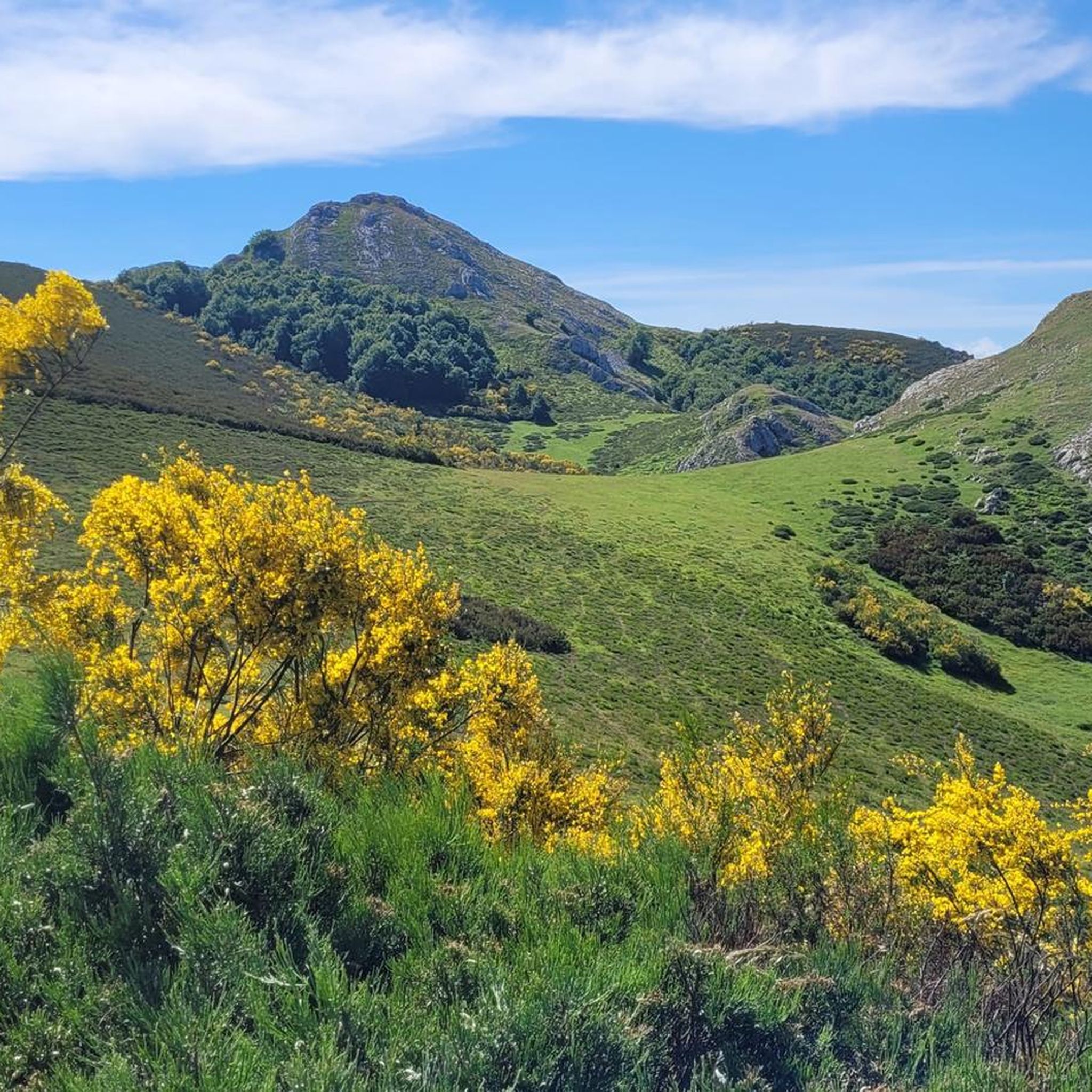
Other adventures in Parque Nacional En Liébana

Tips from the Community

Spectacular landscapes. The cable car ride also offers beautiful views. I visited/walked around there and loved it, I recommend it.👍🥾
0
0

An easy peak for beginners in the Picos de Europa. Excellent views and a spectacular drop into the Vega de Liordes.
1
0

This place is famous for its impressive glacial cirque and the Fuente Dé Cable Car, which allows visitors to ascend to a height of 1,823 metres in just 4 minutes. Fuente Dé is also a starting point for various hiking and mountaineering routes, such as the ascent to Alto de la Triguera and the circuit around Peña Remoña. In addition, the area is rich in biodiversity and offers opportunities for observing flora and fauna.
4
0

A varied tour with a box seat view of the southern Picos in Spain: This circular hike does not run through the Picos de Europa itself, but it has everything that makes a hiker's heart beat faster in Cantabria: Comfortable, wide paths alternate with short, steep climbs on narrow paths, sometimes it goes through sparse forests, sometimes the eye can hardly get enough of the views. The whole thing is spiced up with two small ponds that invite you to have a picnic along the way, a small, Stone Age megalithic tomb and the (albeit barely visible) remains of an Iron Age settlement. The brilliant highlight of the tour is the Pico Jano. From the almost 1,500 m high summit and the subsequent short ridge hike, you can look out over the entire south side of the Picos de Europa, the Liébana valley and to the south over the Cantabrian divide as if from a box seat.
2
0

Fuente Dé is one of the most touristic places in the Spanish region of Cantabria. It is located at the foot of the Urrieles massif, the central massif of the Picos de Europa. Source Wikipedia
9
0
Here you can enjoy great hiking and beautiful views.
11
0
you always think at every turn we are almost there. so beautiful here 👍
10
0
Frequently Asked Questions
How many mountaineering routes are available in Parque Nacional En Liébana?
There are over 25 mountaineering routes documented in Parque Nacional En Liébana, offering a wide range of experiences from moderate to very challenging ascents. The region is known for its dramatic peaks and diverse terrain.
Are there any easy mountaineering routes suitable for beginners in Parque Nacional En Liébana?
While many routes in Parque Nacional En Liébana are challenging, there is at least one easy mountaineering route available. For those new to mountaineering, it's advisable to start with guided experiences or routes explicitly marked as easy to safely enjoy the stunning landscapes.
What are some challenging mountaineering routes in the Picos de Europa within Liébana?
The Picos de Europa offer numerous challenging routes. For experienced mountaineers, consider the Peña Vieja – Viewpoint loop from Fuente Dé, which involves significant elevation gain and rugged terrain. Another demanding option is the View of Fuente Dé – View of the Picos de Europa loop from Fuente Dé, known for its extensive vistas and steep sections.
What is the best time of year for mountaineering in Parque Nacional En Liébana?
The best time for mountaineering in Parque Nacional En Liébana is generally from late spring to early autumn (May to October). During these months, the weather is more stable, and trails are typically free of snow, making for safer and more enjoyable conditions. Always check local weather forecasts before heading out.
Are there any circular mountaineering routes with great views in the Picos de Europa?
Yes, many routes in the Picos de Europa are circular and offer breathtaking panoramic views. For example, the Peña Vieja – Viewpoint loop from Fuente Dé provides stunning vistas of the surrounding peaks and valleys. The Fuente Dé cable car also offers quick access to high altitudes, serving as a starting point for various scenic circular hikes.
What kind of wildlife can I expect to see while mountaineering in Picos de Europa?
Parque Nacional En Liébana is rich in biodiversity. While mountaineering, you might spot various species adapted to the mountain environment, including chamois, ibex, and different birds of prey like griffon vultures and golden eagles. Keep a respectful distance and observe from afar.
Are there any interesting landmarks or attractions along the mountaineering routes?
Absolutely! The region is dotted with natural and historical points of interest. You can find mountain huts like Verónica Cabin or the Áliva Refuge Hotel, which can serve as rest stops or overnight stays. The Cirque of the Picos de Europa offers a spectacular natural amphitheater view.
What do other mountaineers enjoy most about the routes in Parque Nacional En Liébana?
The mountaineering routes in Parque Nacional En Liébana are highly rated by the komoot community, with an average score of 4.9 stars. Reviewers often praise the dramatic limestone formations, the extensive panoramic views, and the sense of adventure offered by the challenging terrain. Many appreciate the well-maintained trails and the opportunity to explore remote areas.
Are there any specific permits required for mountaineering in Picos de Europa?
Generally, permits are not required for standard hiking and mountaineering on established trails within Parque Nacional En Liébana. However, for specific climbing routes, especially on iconic peaks like Naranjo de Bulnes, or for certain guided expeditions, it's always best to check with local authorities or mountain guides for any specific regulations or permits that might apply.
Where can I find parking for mountaineering routes in Parque Nacional En Liébana?
Many popular mountaineering routes, especially those starting from Fuente Dé, offer designated parking areas. Fuente Dé itself is a major access point with a large car park due to the cable car. For other trailheads, parking availability can vary, so it's advisable to research specific route starting points in advance.
Are there options for multi-day mountaineering expeditions in the region?
Yes, the Picos de Europa are ideal for multi-day expeditions. The network of mountain huts, such as the Áliva Refuge Hotel and Verónica Cabin, allows for overnight stays, enabling longer traverses and deeper exploration into the high mountain landscapes. Local adventure companies also offer guided multi-day trips.
What should I pack for a mountaineering trip in Parque Nacional En Liébana?
Given the varied and often challenging terrain, essential packing includes sturdy mountaineering boots, appropriate layered clothing for changing weather conditions, a waterproof and windproof outer shell, navigation tools (map, compass, GPS), sufficient water and food, a first-aid kit, and sun protection. For more technical routes, climbing gear may also be necessary.
Most popular routes in Parque Nacional En Liébana
Most popular attractions in Parque Nacional En Liébana

Get inspired with the komoot mobile app


Explore more
Browse the best Mountain Hikes & Routes in other regions.
