Attractions and Places To See in Pindus National Park - Top 20
Best attractions and places to see in Pindus National Park showcase a captivating destination in mainland Greece, known for its rugged mountainous terrain, dense forests, and diverse ecosystems. Established in 1966, the park offers a wealth of natural beauty, including alpine lakes and towering peaks. The region also features traditional stone-built villages and ancient trails, providing a glimpse into its rich cultural heritage.
Best attractions and places to see in Pindus National Park
- The most popular attractions is Vradeto Stairs…
Last updated: May 9, 2026
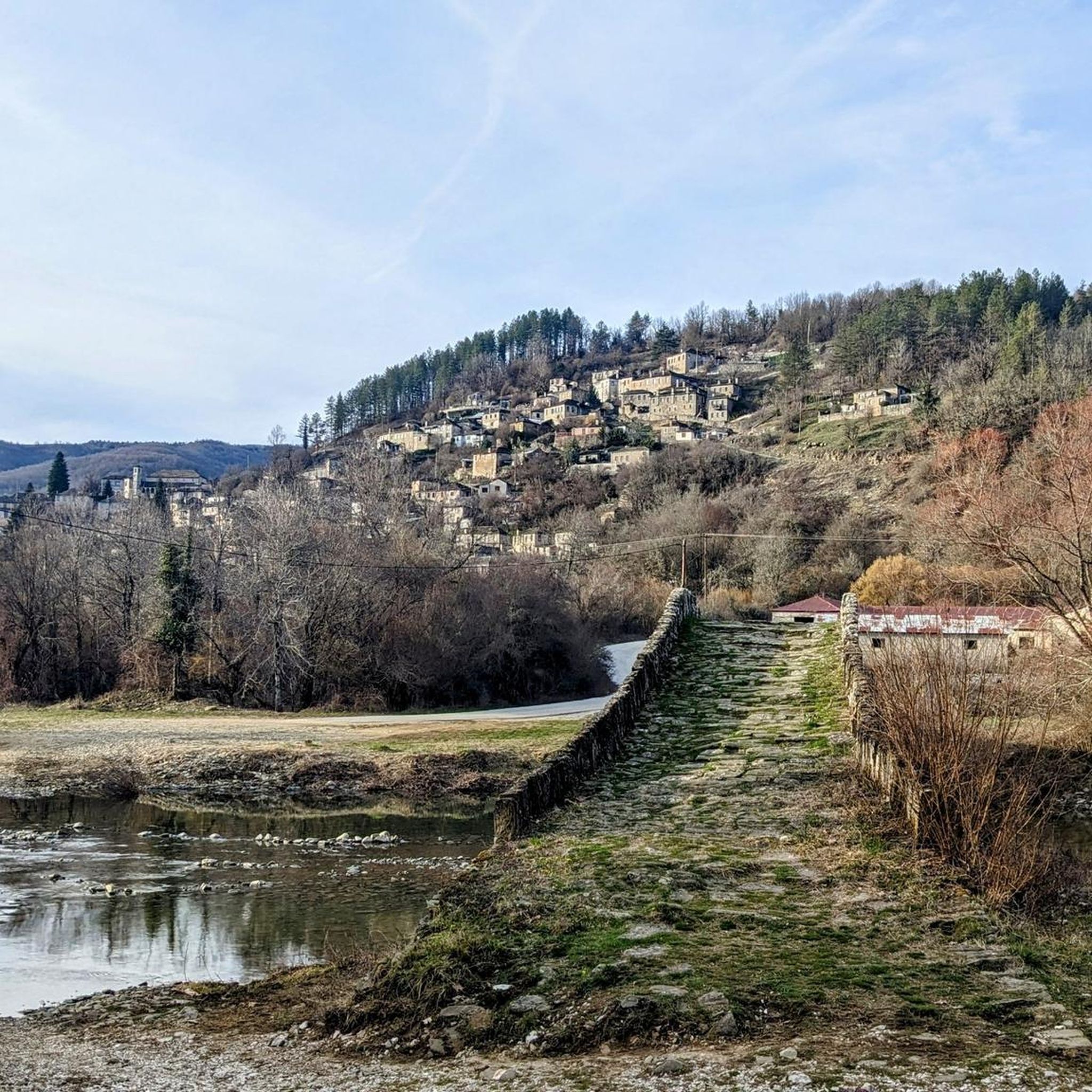
Kleidonia Stone Bridge
Highlight • Bridge
Historically, this …
Tip by

Vradeto Stairs
Highlight • Structure
Translated by Google •
Tip by

Sign up now to discover places like this
Get recommendations on the best single tracks, peaks, & plenty of other exciting outdoor places.
Sign up for free
Misios Bridge
Highlight • Bridge
Translated by Google •
Tip by

Voidomatis River
Highlight • River
Tip by
Kipi Village
Highlight • Settlement
Translated by Google •
Tip by
Sign up for free to discover even more attractions in Pindus National Park.
Sign up for free
Already have an account?
Start today with a free account
Your next adventure awaits.
Login or Signup
Tips from the Community

The river was not present, so you could switch from left to right, as the hiking trail runs sometimes here and sometimes there. We didn't recognize the crossings, only where it didn't continue on one side... Buying in the riverbed the whole time is tough. The green lagoon is wonderful.
0
0
Bridge is a bit further than pictured
1
0

The location of the bridge is about 350m further west than shown here.
1
0


The spring flows directly below the hiking trail into the river, where the water is always clear.
0
0

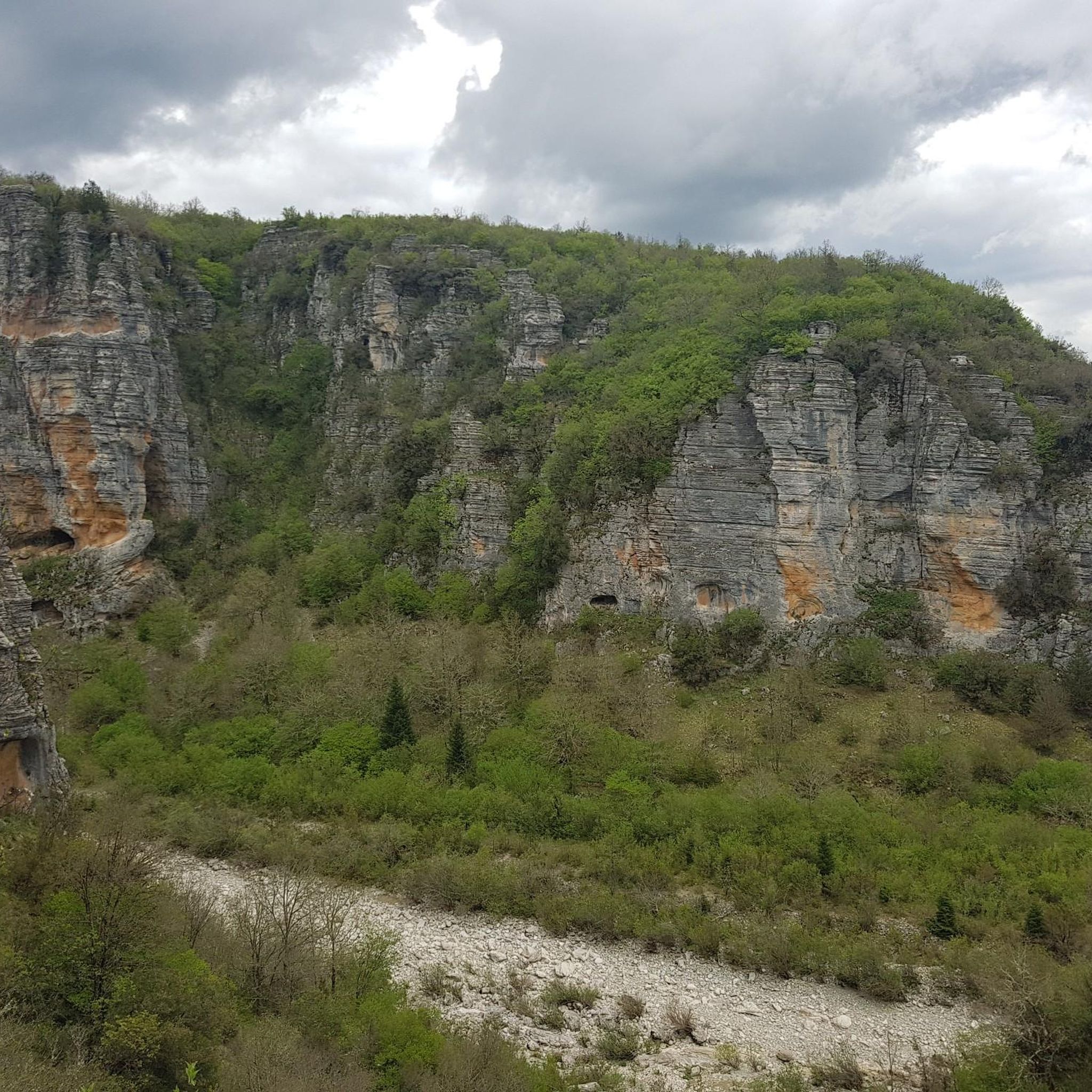
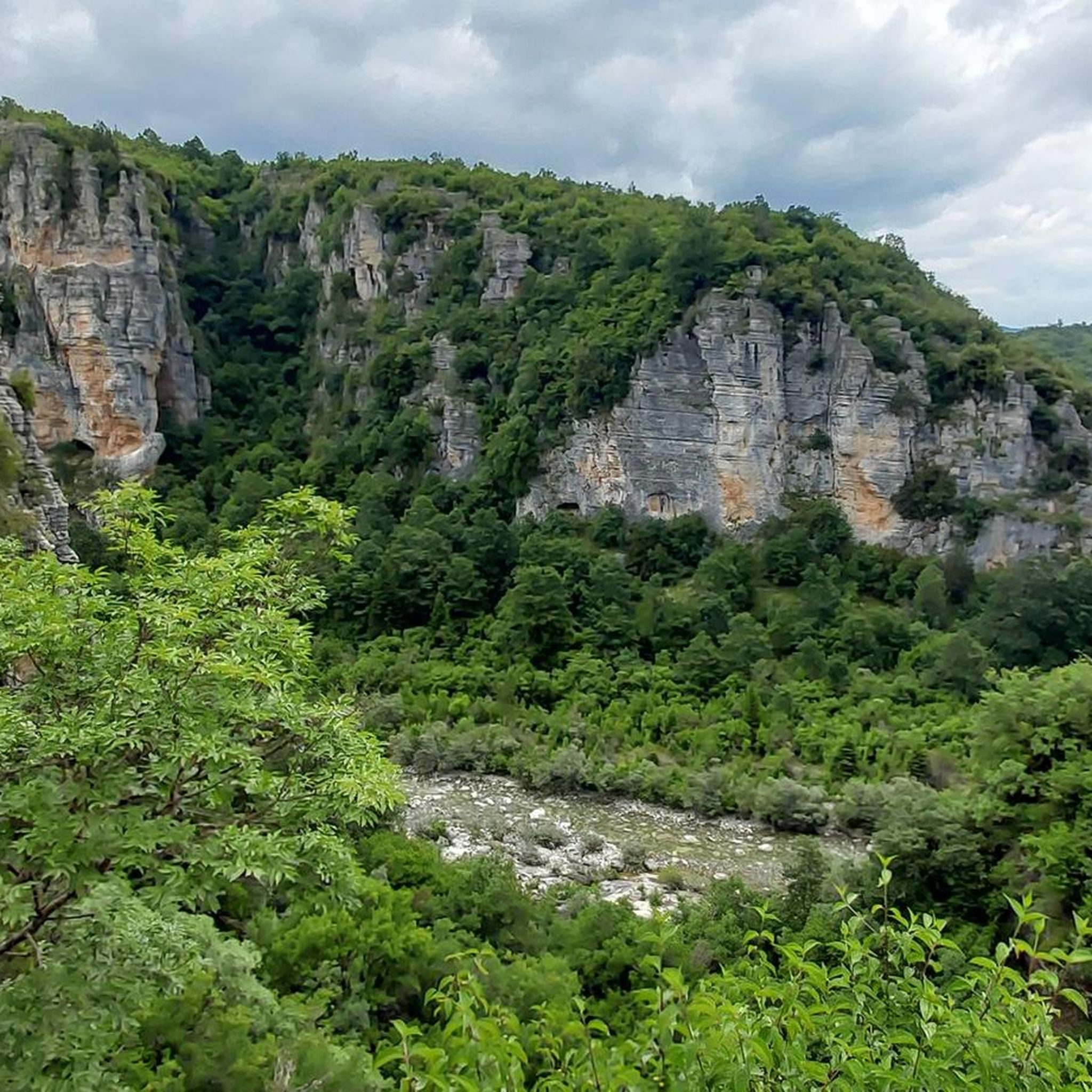
One of the most beautiful places in Epirus. Since you are in the national park, please be respectful of nature. It is worth dipping your feet in the water. But be careful: the water of the Voidomatis is ice cold. My recommendation: definitely take the hiking trail through the gorge. You walk along the river and can enjoy nature and breathtaking views.
0
1

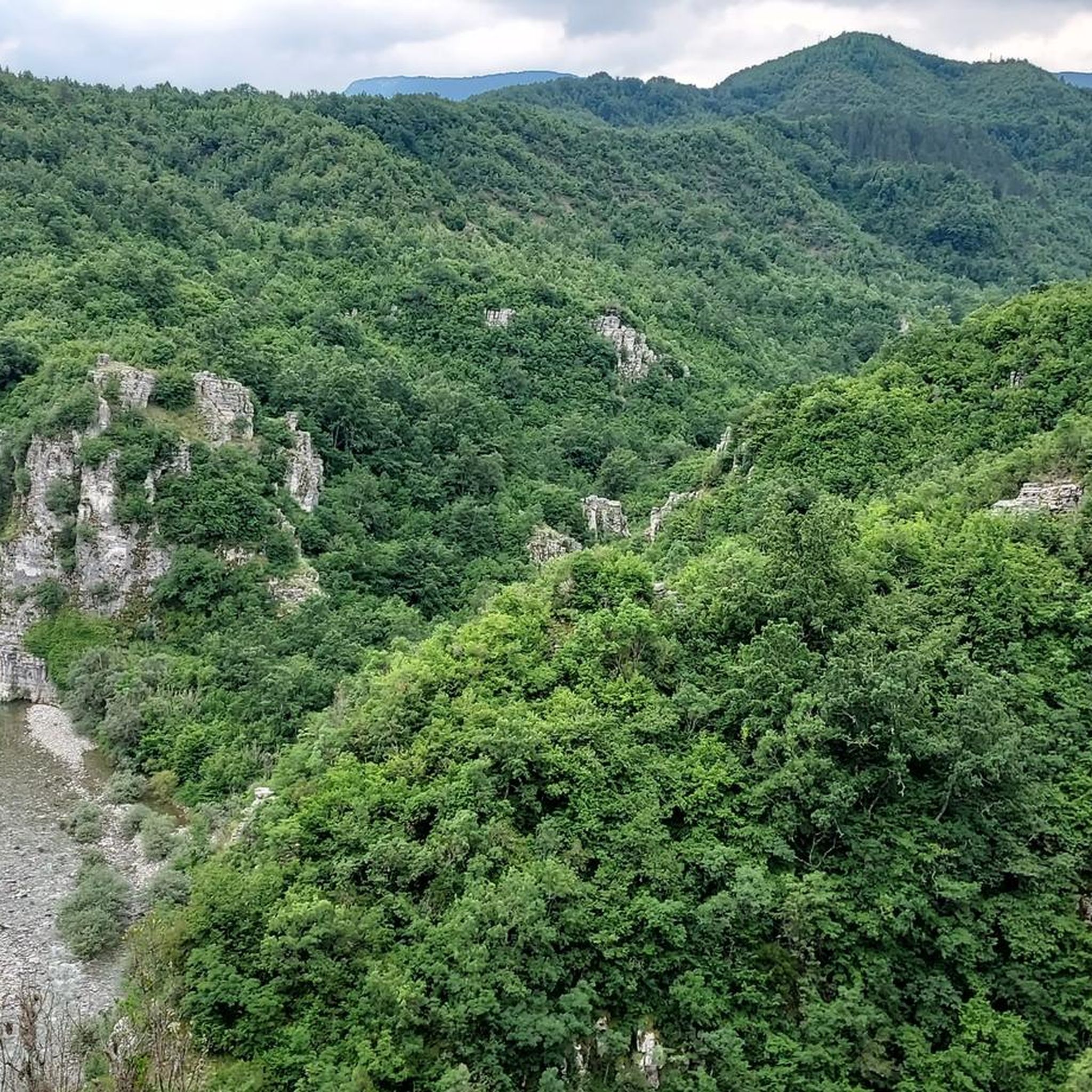
A very impressive construction feat. That wasn't all that long ago, so until 1974 you really had to walk up these wonderful stairs to the next village if you wanted to visit? Admirable. We were also very impressed by this tour, great views and barely visible from the other side, these stairs built into the mountain.
0
1

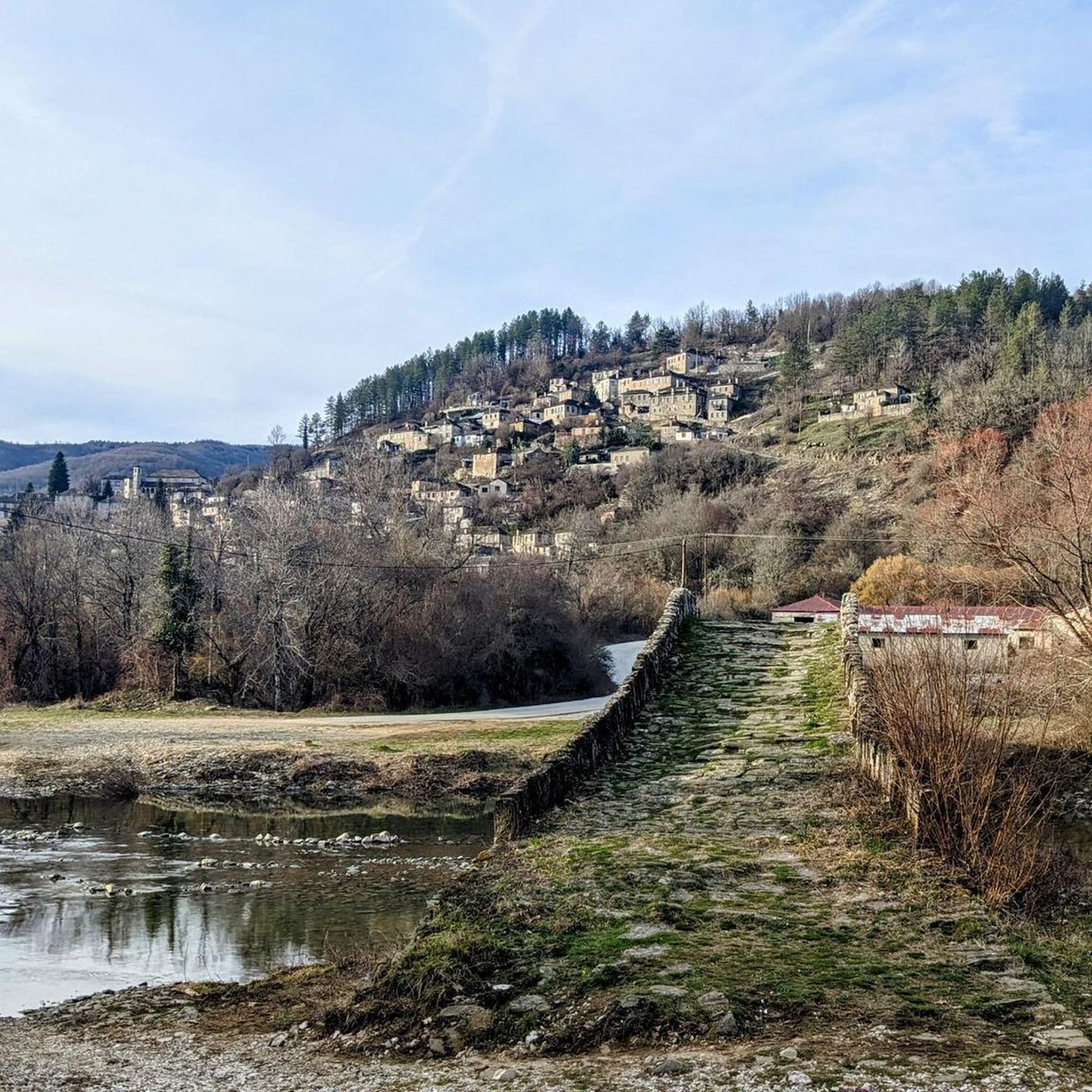
The Mīsios Bridge (Γεφύρι Μίσσιου) crosses the Vīkos River and connects Vītsa with Koukoūli and Kīpi. For hikers, it is primarily the access to and from the Vītsa Steps. The bridge also offers an impressive view of the gorge, which becomes even more spectacular downstream. The bridge was built in 1748 and is named after its builder, Alēxis Mīsios (Αλέξης Μίσσιος).
2
0
Frequently Asked Questions
What natural features can I explore in Pindus National Park?
Pindus National Park is rich in natural beauty. You can discover the pristine old-growth forests and crystal streams of Valia Calda (Warm Valley), or trek to the alpine Drakolimni of Tymfi, known for its mountain newts. The park also features several peaks over 2,000 meters, dense forests of European black pine and common beech, and high alpine meadows perfect for wildlife observation. The dramatic Vikos Gorge, one of the deepest in the world, is also a significant natural highlight in the broader region.
Are there any notable historical bridges in the Pindus National Park area?
Yes, the region is famous for its historic stone bridges. You can visit the 18th-century Kleidonia Stone Bridge, with its stunning arches over the Kalarrytikos River. Another iconic landmark is the Kalogeriko (Plakidas) Bridge, a three-arched stone bridge built in 1814, located in the Zagori region.
What cultural or historical sites can I visit in the Pindus National Park region?
The broader Pindus region offers a glimpse into traditional rural life. Explore the picturesque Zagori Villages, such as Papingo, Monodendri, and Kipi Village, known for their stone-built architecture. You can also find ancient trails that once linked remote settlements and medieval stone monasteries with vibrant frescoes, offering stunning views.
What kind of hiking opportunities are available near the attractions?
The park offers extensive hiking networks. A popular and historically significant route is the Vradeto Stairs, a winding staircase with about 1000 steps that climbs the side of the Vikos Gorge. For more challenging treks, routes lead to Drakolimni of Tymfi. You can find various hiking options, including easy, moderate, and difficult trails, by exploring the hiking guide for Pindus National Park.
Are there family-friendly activities or attractions in Pindus National Park?
While many attractions involve hiking, some areas are suitable for families. The Kalogeriko (Plakidas) Bridge is noted as family-friendly and easily accessible by car. The traditional Zagori villages offer a gentle cultural experience. For easy walks, consider routes like the 'Megalo Papingo – Mikro Papigo loop' or the 'Iliochori Waterfall loop' mentioned in the easy hikes guide.
What is the best time to visit Pindus National Park?
Pindus National Park is captivating year-round, but the best time depends on your preferred activities. Summer (June to August) is ideal for hiking and exploring the alpine lakes and meadows. Spring (April to May) offers lush greenery and blooming wildflowers, while autumn (September to October) brings stunning fall foliage. Winters can be harsh with snow, making some areas inaccessible, but offering a serene, less crowded experience for those prepared.
What kind of wildlife can I expect to see in Pindus National Park?
Pindus National Park is a haven for wildlife, considered one of Greece's most important protected areas for mountainous biodiversity. Keep an eye out for Eurasian brown bears, lynxes, roe deer, wildcats, wolves, and wild boars. The high alpine meadows are particularly good for spotting Balkan chamois, and the Drakolimni of Tymfi is home to mountain newts.
Are there opportunities for running or trail running in the park?
Yes, the mountainous terrain offers challenging and rewarding trail running experiences. Routes like the 'Kalogeriko (Plakidas) Bridge loop' from Kipi or Tsepelevo provide significant distances and elevation changes. For more options, consult the running trails guide for Pindus National Park, which lists various routes with different difficulty levels.
What do visitors enjoy most about Pindus National Park?
Visitors frequently praise the park's untouched natural beauty, from its dense forests and towering peaks to the unique alpine lakes like Drakolimni of Tymfi. The historical stone bridges, such as the Kleidonia Stone Bridge and Kalogeriko (Plakidas) Bridge, are also highly appreciated for their craftsmanship and scenic locations. The challenging yet rewarding hikes, including the Vradeto Stairs, are a highlight for many adventurers.
Where can I find traditional villages near the park?
The Zagori region, which is part of the broader Northern Pindos National Park, is renowned for its 46 traditional stone-built villages. Villages like Papingo, Mikro Papingo, Monodendri, Vitsa, and Kipi Village are excellent examples, offering insights into traditional rural life and often serving as starting points for hikes.
Are there any specific viewpoints for scenic photography in the park?
The park offers numerous stunning viewpoints. The mountain peaks like Avgo, Kakoplevri, and Flegga provide panoramic vistas. The area around the Vikos Gorge, especially near the Vradeto Stairs, offers dramatic views into the gorge. High alpine meadows also provide expansive, flower-stippled landscapes ideal for photography.
What is the significance of Valia Calda within the park?
Valia Calda, meaning 'Warm Valley' in Aromanian, is the core zone of Pindus National Park. It is particularly renowned for its pristine old-growth forests of dense beech, Greek fir, and Bosnian pine, crystal streams, and abundant wildlife. It represents the heart of the park's natural heritage and is a key area for conservation and exploration.
Most popular routes in Pindus National Park
Most popular attractions in Pindus National Park

Get inspired with the komoot mobile app


Explore more
Still not found the Highlight you’re looking for? See guides of the top attractions in other regions:
